
Key Takeaways
The process of water damage restoration is quite detailed, commencing with a comprehensive assessment of the impacted area. This step helps identify the level of damage and the risk of mold growth.
Taking immediate action after an incident is critical; quick water extraction and effective drying can greatly lower repair costs as well as health risks that come with prolonged moisture exposure.
Hidden sources of water damage can often be overlooked. HVAC condensation, leaky windows, toilet failures, and corroding pipes are common culprits, highlighting the necessity for proactive assessment of properties.
Modern technology boosts restoration efficiency. Tools such as thermal imaging cameras and moisture meters enable professionals to locate concealed moisture and to develop effective cleaning strategies.
The first 24 hours after water intrusion are vital; hesitating can result in accelerated damage, increased mold growth, and a dramatic escalation in repair costs.
Insurance policies can differ significantly; homeowners should thoroughly understand their coverage details, since prompt professional restoration can facilitate the claims process and increase chances of a successful claim.
Preventative strategies, including the installation of sump pumps and proper insulation of pipes, can help reduce the likelihood of water damage, potentially leading to lower insurance premiums for homeowners.
Decoding the Water Damage Restoration Process
Steps Professionals Take from Assessment to Recovery
The path to effective water damage restoration encompasses more than just a straightforward cleanup. It all starts with an in-depth assessment. Experts analyze the affected area meticulously, assessing structural integrity and identifying mold growth potential. There’s no room for guesswork here; professionals make use of specialized moisture detection tools. This initial assessment lays the groundwork for the entire restoration process.
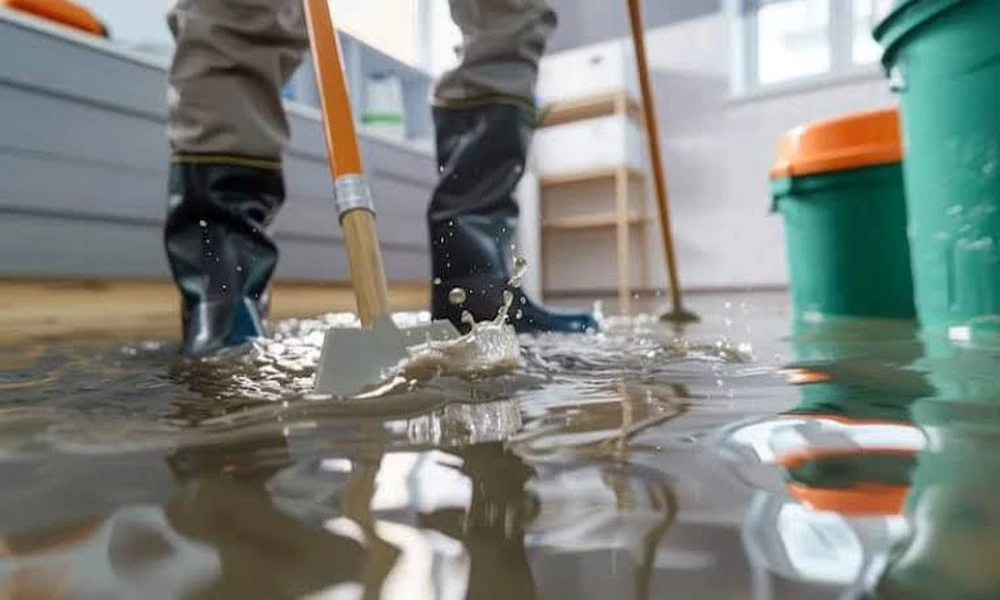
Then comes the critical step of immediate action. After assessment, water extraction kicks in. Professionals use powerful pumps and vacuums to quickly remove any standing water. This is essential to preventing further damage and health risks. Following extraction, the focus shifts to drying and dehumidification. Using a mix of air movers and dehumidifiers helps ensure thorough drying of the area. When handled efficiently by experts, clients often find that this leads to quicker recovery and lower overall repair costs.
As the restoration phase unfolds, professionals make informed decisions regarding repairs-everything from replacing drywall to refurbishing furniture. Each action is part of a strategic plan aimed at restoring the property to its original condition. It’s comforting for clients to know that there is a structured approach in place, enhancing their trust in the restoration process.
Common Water Sources You Might Overlook
To assist, here’s a quick list of common yet often ignored sources:
- Condensation caused by HVAC systems.
- Leaks from windows and doors.
- Toilet overflow incidents.
- Corroding pipes hidden within walls.
By understanding diverse water sources, both homeowners and businesses can take proactive measures. Early intervention provides a safeguard against costly repairs later on. Trusted professionals can pinpoint these hidden dangers during assessments.
The Role of Technology in Restoration Solutions
Technology has significantly shaped the realm of water damage restoration. Professionals consistently utilize advanced tools that increase both efficiency and effectiveness. Take thermal imaging cameras, for example; they detect moisture concealed behind walls. This non-invasive approach allows insight that can prevent unnecessary damage during repairs.
Moisture meters represent another key technological advancement. These devices help teams assess the moisture levels in various materials throughout the affected space. This not only informs their drying strategy but also provides reassurance to clients that they are in capable hands.
“Implementing technology means saving time and decreasing costs. It’s crucial in the restoration field.”
Thus, the transition to smart drying systems isn’t just a trend. These systems can adjust their operations in real-time, responding to current moisture levels. This ensures that the right airflow and heat are applied precisely where required. Such efficiency benefits both restoration teams and their clients.
Why Immediate Action Matters in Water Damage Scenarios
The 24-Hour Rule: Timing is Everything
Experts emphasize the significance of acting within the first 24 hours after water intrusion. Damage can worsen at an alarming rate if no action is taken quickly. In just a day, wood can warp, drywall may disintegrate, and mold could begin to proliferate. Swift actions from professionals can greatly minimize risks and reduce the damage extent.
However, clients usually understand this urgency only when they encounter unexpected expenses or health concerns. A fast response provides homeowners and businesses with relief, knowing they’ve made the critical right moves at the right moment. Professionals often advise having a plan ready-a list of trusted restoration services that can spring into action. Being aware is essential.
Cost Implications of Delayed Restoration Efforts
The timing of actions can heavily influence finances. Delays can cause repair expenses to surge. In fact, insurance claims frequently highlight this reality. Experts report that lingering water problems can lead to thousands in damages, with homeowners potentially facing extra costs from mold remediation and structural repairs.
Clients should consider these financial implications related to delays:
- Increased repair expenses due to subsequent damage.
- Heightened insurance premiums from multiple claims.
- Long-term health costs associated with mold exposure.
Investing in immediate professional intervention typically proves to be more cost-effective. A clear understanding of costs often correlates directly with the response speed-an obvious connection that should inform decision-making.
Real-Life Success Stories of Rapid Response
Success stories in water damage scenarios resonate loudly. For example, a homeowner faced considerable flooding from a broken pipe. By reaching out to a restoration service within hours, the team was able to extract the water and dry out the affected areas within the first day. Costs remained manageable, and fortunately, no mold took hold.
This proactive approach facilitated a smooth recovery effort, leaving the homeowner grateful and informed. Similar narratives frequently emerge from clients, showcasing how quick decisions can alter outcomes.
“Effective restoration hinges on staying ahead of the curve.”
These cases reiterate the significance of timely action and highlight the critical support professionals provide in urgent situations.
Key Techniques Used by Water Damage Repair Experts
Moisture Detection: How Professionals Find Hidden Damage
Moisture detection is fundamental in assessing water damage. It involves uncovering moisture not just visible but lurking behind walls and beneath floors. Experts employ a variety of methods to ensure thorough detection, leaving no stone unturned. Thermal imaging and moisture meters frequently yield accurate readings. However, there’s more than technology at play.
Insight from professionals also enhances the detection process:
- Monitoring humidity levels provides better assessments.
- Performing regular inspections after any water-related incidents to catch ongoing issues.
- Combining visual checks with technology for comprehensive coverage.
Professionals understand that effectively addressing all moisture issues-visible or not-is crucial. This approach results in improved overall outcomes and increased client satisfaction.
Advanced Drying Methods and Their Effectiveness
Drying methods have evolved significantly, mirroring technological advancements. Professionals often prefer techniques such as:
- Desiccant dehumidification for sustained drying.
- Managing airflow to facilitate moisture removal.
- Targeted spot drying for affected areas.
These methods not only accelerate the drying process; they enhance effectiveness as well. By implementing appropriate techniques, properties can revert to normal conditions sooner. Clients typically encounter less inconvenience throughout this phase.
Restoration vs. Replacement: Making the Right Call
A pivotal decision within water damage restoration involves discerning whether to restore or replace. This decision isn’t always clear-cut. Restoration can save money, but there are occasions when replacing damaged items is the pragmatic choice. Experts recommend weighing the costs of repair against replacement, a balance that can shift based on the condition of what’s affected.
- Sentimental value can influence decisions, especially for family heirlooms.
- Structural integrity is key when deciding on replacements, particularly for load-bearing elements.
- The presence of mold might necessitate replacement to protect occupants’ health.
Informed decision-making not only accelerates processes but also enhances recovery. Clients can rely on experts to navigate this complex decision-making landscape with ease.
Insurance and Water Damage: What Homeowners Should Know
Working through Your Policy: What’s Typically Covered?
Understanding one’s insurance policy is essential for homeowners dealing with water damage. Not every policy covers all types of damage, and discerning between various categories can be challenging. Typically, coverage exists for sudden and accidental damage, but there can be exclusions for gradual wear or neglect.
Various sources might lead to water damage, and policy coverage differs substantially. Experts encourage homeowners to review their coverage yearly and to communicate with their insurance agents. Here are key points typically included in coverage:
- Sudden pipe bursts generally warrant comprehensive coverage.
- Flood damage usually requires a separate policy.
- Damage resulting from improper maintenance may not be covered.
Awareness can often mean the difference between remaining financially stable and suffering significant losses. Clients frequently express increased security and preparedness once they grasp their policy’s specifics.
How Experts Help in the Claims Process
Filing claims after experiencing water damage can be overwhelming. Fortunately, experts are available to streamline this process. They can provide essential documentation that supports damage assessments and restoration costs, simplifying claim submissions and usually speeding up processing time for clients-a scenario everyone values.
Engaging restoration professionals can significantly impact how quickly claims are accepted. Here are several ways experts bridge that gap:
- Providing detailed damage reports and photographic evidence for clarity.
- Helping interpret policy specifics to clarify coverage details.
- Collaborating directly with insurance adjusters for alignment.
Clients who utilize professional services often report smoother experiences during claim processes, grateful for the cooperation and support provided.
Preventative Measures That Can Lower Your Premiums
Insurance premiums can seem burdensome. A practical approach to mitigate these costs is to engage in preventative measures. Homeowners who take proactive steps against water damage may see lower premiums. Investments in preventative strategies ultimately protect properties and reduce the likelihood of claims.
Here are some cost-effective prevention measures:
- Installing sump pumps in basements.
- Insulating pipes to prevent freezing.
- Regularly inspecting roofs for leaks.
Taking these actions can provide peace of mind for homeowners. Clients often find that implementing preventative measures cultivates confidence both in their properties and their insurance coverage.
FAQ
What should homeowners do at the first sign of water intrusion?
Immediate action is crucial. Homeowners should quickly shut off the main water supply to prevent further flooding and immediately reach out to a water damage restoration professional to assess the situation and initiate necessary remediation.
How can property owners identify hidden water damage before it becomes serious?
Routine inspections are essential. Homeowners should watch for common hidden sources like HVAC condensation and roof leaks. Using moisture meters or consulting professionals for a detailed assessment can help uncover issues before they escalate.
What are the long-term consequences of untreated water damage?
Leaving water damage unresolved can lead to serious structural integrity issues, significant mold growth, and health risks from mold exposure. Additionally, it might result in heightened repair costs and increased insurance premiums due to multiple claims.
Are there specific materials that are more prone to water damage?
Absolutely. Materials such as drywall, wood, and certain insulation types are particularly susceptible to water damage. They can absorb moisture, leading to structural issues and mold. During assessments, professionals often pay close attention to these materials.
How can technology improve the efficiency of water damage restoration?
Innovative technological tools, including thermal imaging cameras and advanced drying systems, enable professionals to detect moisture and assess damage more accurately. These advancements help streamline the restoration process, minimizing both repair duration and costs.
What role does communication play in the restoration process?
Effective communication fosters trust and ensures that all parties-from homeowners to restoration teams-remain aligned on expectations and progress. Professionals prioritize keeping clients informed about timelines and methodologies to boost satisfaction and confidence.
Can homeowners take preventive measures against future water damage?
Absolutely. Routine maintenance tasks such as inspecting roofs, sealing windows, and installing sump pumps can significantly lower the likelihood of future water damage. These proactive actions also provide reassurance and might lead to reduced insurance premiums.
What factors influence the cost of water damage restoration?
The cost of restoration is influenced by several elements, including the severity of the damage, the materials impacted, and the time required for repairs. Delays in response can cause costs to rise dramatically, underscoring the importance of a prompt action.
Useful Resources
- American Red Cross – Resources and information on disaster preparedness and recovery.
- Federal Emergency Management Agency (FEMA) – Information on disaster response and recommendations for preventive measures.
- International Association of Electrical Inspectors (IAEI) – Guidelines for preventing water-related damage to electrical systems.
- National Fire Protection Association (NFPA) – Safety standards and tips related to fire and water damage prevention.
- HomeAdvisor – Find reputable home service professionals, including restoration experts.
- Institute of Inspection, Cleaning and Restoration Certification (IICRC) – Certification standards and guidelines for the restoration industry.
- American Homeowners Association – Resources for homeowners about maintenance and preventive measures.
- International Association of Certified Home Inspectors (InterNACHI) – Educational resources on home inspections and maintenance.
- Internal Revenue Service (IRS) – Information regarding tax implications related to home repairs and insurance claims.

Comments are closed.