Category

HVAC

Category

Key Highlights

  • Air conditioners use a closed-loop system where refrigerant is recycled, not consumed.
  • The aircon gas top-up price can become a recurring burden if a leak is not properly identified and repaired.
  • Low refrigerant levels are almost always caused by mechanical damage or corrosion in the copper pipes.
  • Environmental factors in Singapore, such as high humidity, can accelerate corrosion, leading to gas leaks.

Introduction

There is a widespread misconception among homeowners that air conditioning refrigerant is a consumable, much like the oil or fuel in a car. This leads many to believe that a regular aircon gas top-up in Singapore is a standard part of a maintenance contract. However, the physics of an air conditioning unit tells a different story. These systems are designed to be hermetically sealed, meaning the cooling gas circulates in a continuous loop between the indoor and outdoor units without ever leaving the pipes. If your system is functioning correctly, you should go years, if not a decade, without ever needing to add more gas. If you are frequently asked to pay for this service, it is a clear sign that your system has a structural or mechanical flaw that needs urgent attention.

The Science of the Closed-Loop System

To understand why gas should stay inside the unit, one must look at how the cooling cycle works. The refrigerant starts as a low-pressure gas, is compressed into a high-pressure liquid, and then expands back into a gas to absorb heat from your room. Throughout this entire process, the refrigerant is contained within copper tubes and aluminium fins. Because it is a closed circuit, there is no place for the gas to go unless there is a breach in the system. Therefore, the idea of topping up gas as a routine task is technically incorrect. When a technician tells you the gas is low, the immediate follow-up question should be about where the leak is located, rather than simply asking for the aircon gas top-up price.

Why Leaks Occur in Local Units

In Singapore, our units are subject to harsh environmental conditions. The high humidity and salt content in the air (especially near the coast) can lead to a process called formicary corrosion. This creates tiny, microscopic holes in the copper piping that are often invisible to the naked eye. Furthermore, vibrations from the compressor or poor initial installation can cause joints to loosen over time. These small openings allow the gas to hiss out slowly. This is the only scenario where an aircon gas top-up in Singapore becomes necessary. However, simply adding more gas is a short-term band-aid. Without sealing the leak, the new gas will eventually escape, leading to a cycle of wasted money and poor cooling performance.

Assessing the Cost and Necessity of Top-Ups

Many consumers are tempted by a low aircon gas top-up price offered during a standard cleaning. While it might seem like a cheap way to boost performance, it can be a deceptive practice. If the system doesn’t actually need gas, overcharging it can be just as damaging as having too little. Excessive refrigerant puts immense pressure on the compressor, which can lead to a total system failure. Instead of opting for frequent top-ups, it is more cost-effective to invest in a proper leak detection service. Identifying and welding a leak or replacing a faulty valve might cost more upfront, but it eliminates the need for future refills and ensures your unit operates at peak energy efficiency for the rest of its lifespan.

Conclusion

The bottom line for any homeowner is that refrigerant does not just disappear. If your air conditioner is no longer cooling effectively, the solution is rarely just more gas; it is a search for the underlying cause. Understanding that your unit is a closed system helps you avoid unnecessary maintenance costs and protects your equipment from the stress of improper gas levels. While an aircon gas top-up in Singapore is sometimes required after a repair, it should never be a regular item on your checklist. By focusing on high-quality repairs and regular cleaning of the filters and coils, you can keep your home cool and your maintenance budget under control.

If your cooling performance is dropping, don’t just pay for more gas. Contact Heng Aircon to book a comprehensive diagnostic check.
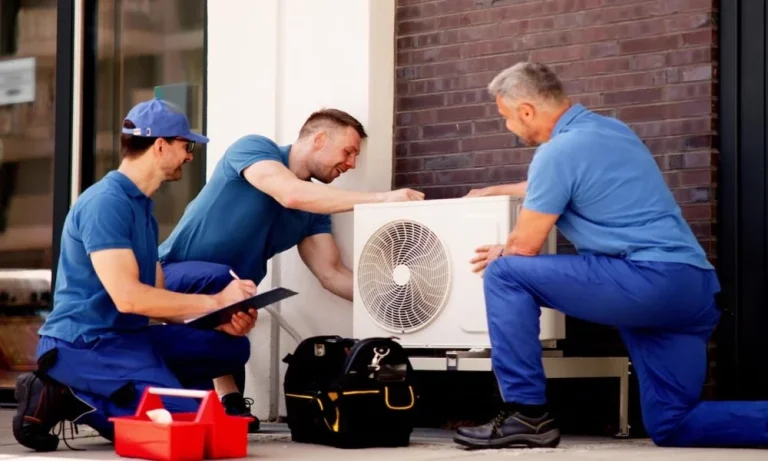

Rochester winters have a personality of their own. One minute, the weather seems manageable; the next, Lake Ontario has apparently decided to remind everyone who is in charge. Snow, freezing temperatures, and icy winds make a dependable heating system less of a luxury and more of a household necessity.

Unfortunately, furnaces and boilers rarely choose convenient moments to stop working. A heating problem that begins with an unusual noise or inconsistent warmth can quickly become an uncomfortable situation when outdoor temperatures plunge.

Don’t Ignore the Early Warning Signs

Most heating systems offer a few clues before giving up completely. The trick is recognizing them before your living room starts resembling an outdoor ice rink.

Watch for warning signs such as:

  • Uneven heating between rooms.
  • Strange banging, rattling, or squealing noises.
  • A furnace that repeatedly switches on and off.
  • Weak airflow from heating vents.
  • Unexpected increases in energy bills.
  • A system that takes unusually long to reach the desired temperature.

These symptoms can indicate airflow restrictions, thermostat problems, worn components, or other mechanical issues. Although changing a clogged air filter or checking thermostat settings may resolve certain minor problems, persistent issues deserve professional attention.

Why Emergency Heating Repair Matters in Rochester

A heating breakdown in the middle of a Rochester winter is more than an inconvenience. Prolonged exposure to freezing indoor temperatures can create serious problems, including frozen pipes, property damage, and unsafe living conditions.

That is why knowing whom to call before an emergency happens is a sensible part of homeownership.

MGM Heating & Cooling provides 24-hour emergency HVAC service in the Greater Rochester area. Its heating services include furnace repairs, heating system installations, heat pump solutions, and boiler and hydronic system service.

For a routine heating problem-such as uneven warmth, weak airflow, unusual equipment noise, or a furnace that cycles repeatedly-a scheduled HVAC service call can help identify the cause. If the system stops heating during freezing weather, contact a qualified HVAC provider promptly for repair support.

Homeowners looking for Emergency HVAC Rochester can explore MGM Heating & Cooling’s services and contact information before an unexpected heating breakdown turns into a midnight adventure involving extra blankets. This service is for HVAC equipment problems; it is not a substitute for emergency action when a gas leak or carbon monoxide exposure is suspected.

Gas Leaks and Carbon Monoxide Require Immediate Action

A suspected gas leak or carbon monoxide (CO) emergency is different from a routine heating repair. If you smell gas or hear hissing, leave the building immediately. Do not operate lights, appliances, thermostats, switches, or phones while inside, and do not use a flame. Once safely outside, call 911 and your gas utility’s emergency number. Do not re-enter until emergency personnel or the utility say it is safe.

If a carbon monoxide alarm sounds, or anyone has symptoms such as headache, dizziness, nausea, weakness, or confusion that could indicate CO exposure, get everyone-including pets-outside into fresh air immediately and call 911. Seek medical attention as directed. Do not re-enter until emergency responders have confirmed it is safe. Never wait for an HVAC appointment or technician to investigate a suspected gas leak or CO exposure.

Once people are safe and the property has been cleared for re-entry, arrange HVAC inspection or repair as appropriate. A routine service appointment is suitable for non-emergency equipment issues; it must never delay evacuation or a call to emergency services.

Furnace, Boiler, or Heat Pump: Different Systems Need Different Care

Not every Rochester home uses the same heating equipment. Some rely on conventional gas furnaces, while others have boilers, radiators, or modern heat pumps.

Each system has different operating requirements and potential repair issues. A qualified technician needs to understand the equipment before recommending an appropriate solution.

MGM Heating & Cooling services major HVAC brands and offers specialized heating support for different types of residential systems. Homeowners can explore its heating repair and installation services in Rochester to understand the available options.

A Little Prevention Goes a Long Way

Annual professional heating maintenance, ideally scheduled during fall, can help identify developing problems before winter arrives. Replacing dirty filters, keeping vents unobstructed, and paying attention to unusual system behavior are also worthwhile habits.

Of course, maintenance cannot prevent every mechanical failure. But it can reduce the chances of discovering an avoidable problem on the coldest night of the year.

Rochester winters are unpredictable enough. Your heating system shouldn’t add another surprise to the forecast. With timely repairs, sensible maintenance, and access to professional emergency HVAC support, homeowners can approach the colder months with considerably more confidence.

Mid-October in Spalding County has a split personality. The walk to the mailbox at seven calls for a jacket, and by three in the afternoon the driveway is throwing off heat as if nobody told it the season changed. Inside, the house is asked to do two opposite jobs in a single day, usually with a heating side that has not fired since March.

Homeowners around Griffin who want a trained set of eyes on that changeover often turn to My Comfort Team, a woman-owned heating, cooling and water heater outfit that works across Spalding and the surrounding South Metro counties. Still, much of what a home goes through in these swing weeks can be understood before anyone calls, and following one fall day from sunrise to midnight shows where the strain lands.

That Burning Smell at Sunrise

The first cold morning is when the heat finally kicks on, and with it comes a faint scorched smell. Months of dust settle on a furnace heat exchanger or on the electric strips inside a heat pump air handler, and the first real burn cooks it off. That smell should fade within an hour or so.

What deserves attention is a smell that lingers, an odor like hot plastic or wiring, or the rotten egg scent added to natural gas. Any of those means switching the system off and getting it checked. On a gas furnace, a steady blue flame is normal, while a lazy, yellow or flickering flame points to poor combustion.

Poor combustion is where carbon monoxide enters the picture, and the furnace is not the only suspect. Gas water heaters and fireplaces share the same risk when venting goes wrong. The EPA’s guide to carbon monoxide and indoor air quality lays out the common household sources and why alarms matter, and the first heating week is a natural moment to press the test button on every detector near the bedrooms.

Heat pump owners have a different morning habit to watch. Cranking the thermostat up six or seven degrees at once often calls the backup electric strips into action, and those strips cost far more to run than the heat pump itself. Raising the setting two degrees at a time keeps the efficient side doing the work.

The Thermostat Can’t Make Up Its Mind

By mid-morning, a house set to auto mode may flip from heating to cooling and back before lunch, which wears on equipment and wastes energy. A few small adjustments settle things down.

  1. Leave a gap of at least three or four degrees between the heating and cooling setpoints so the system has room to coast instead of reversing.
  2. Keep the fan on auto rather than on, because a fan that runs constantly blows moisture off the wet cooling coil right back into the rooms.
  3. Tone down aggressive early recovery or “smart” preheat features on a heat pump, since they are a common trigger for those costly backup strips.
  4. Replace the thermostat batteries now, before a dead display strands the house on the first truly cold night.

Clammy at Three O’Clock

On a Georgia fall afternoon the air conditioner switches on, the thermostat reaches its number fast, and yet the house feels damp and a little stale.

Why short runs leave water behind

Cooling equipment removes humidity only after the coil has run long enough to get cold and drip. On a mild 80 degree afternoon the temperature target is reached in a few minutes, the unit shuts off, and the moisture stays put. Oversized systems are the worst offenders, sprinting through a gentle October load. Indoor humidity drifting above 60 percent invites musty closets, swollen doors and mold behind furniture pushed against outside walls.

Fixes from simple to serious

The no-cost move is the fan setting covered above. The thermostat move is a model with a dehumidify or “overcool” setting, which lets the system run a bit longer to pull water out. The equipment move is a variable speed system that can run slowly for long stretches, or a whole-home dehumidifier tied into the ductwork for houses that stay sticky year round.

Dinner Dishes and a Water Heater Pulling Overtime

Evening is when the water heater gets noticed. As fall settles in, the water coming into the house runs colder than it did in August, so the same tank has to work harder and recover more slowly.

Minerals in the water add to the problem. They settle as sediment at the bottom of a tank, where they insulate the water from the burner or elements and cause the popping and rumbling sounds many people mistake for a failing heater. Draining a few gallons from the bottom valve once a year keeps that layer thin. Tankless units need their own version of this, a periodic descaling flush through the heat exchanger.

The temperature and pressure relief valve on the side of a tank should release a short burst of water when lifted, and a tank that has passed roughly ten years of service is living on borrowed time. Rust-tinted hot water or dampness around the base usually means that time is up.

Ragweed Finds the Return Vent

Pleasant afternoons tempt everyone to open the windows, and fall in Middle Georgia brings its own pollen wave. Ragweed peaks right through September and October. Once the windows close at dusk, all of it gets pulled through the return vent and into the filter.

Check that filter monthly during the swing season. A pleated filter in the MERV 8 to 11 range catches pollen well in most homes. Jumping straight to a much denser filter can backfire on older systems with small returns, since it chokes airflow and makes the blower strain. Allergy-prone households can also ask about thicker media filter cabinets or UV lights that keep the cooling coil clean.

Late at Night With an Old Unit on Your Mind

When the house finally goes still, plenty of owners start doing math on an aging system. Fall is the best time for that thinking, since nothing is failing in a heat wave or a hard freeze.

A system past 12 to 15 years, one that still runs on R-22, or one that needed repairs two seasons in a row is a fair candidate for a replacement conversation. Newer residential equipment is now built around lower impact A2L refrigerants such as R-454B and R-32, which means matching indoor and outdoor parts properly matters more than ever. Any honest quote should begin with a room-by-room load calculation rather than a guess based on square footage, because the right size is exactly what fixes that clammy three o’clock feeling.

Many Griffin homes are also good matches for heat pumps, since winters here are mild enough that the backup heat rarely has to carry the load. A dual fuel pairing with a gas furnace suits houses that already have gas. Whichever direction makes sense, the swing season gives you time to compare, ask questions and plan an installation date before the first January cold snap forces the issue.

Reduced airflow, rooms that seem warmer or cooler than the rest of the home, short cycling, unusual noises or smells, water collecting near indoor components, thermostat readings that seem inaccurate, higher than normal energy costs – there are lots of reasons to call in a service professional when your heating or cooling system is acting up.

The tricky thing, though, is that any one symptom could indicate any number of problems. Low airflow, for example, may be caused by a dirty air filter, a problem with one of the blower system’s parts, an issue within the ducts, frozen coils, or another issue altogether. It’s why it’s important to have any type of problem properly diagnosed and not just guess at replacing parts.

That being said, there are a couple signs that should prompt you to shut off your heating or cooling equipment, including:

  • Burning smells (as in burning insulation or electrical components), smoke or loud banging or grinding noises coming from the system
  • Tripped circuit breakers or blown fuses related to the system

If your air conditioner or furnace starts making extremely loud noises out of the blue, don’t expect the situation to “work itself out.” Persisting with system use will only exacerbate any underlying problem, resulting in more expensive repair costs or early system replacement.

Similarly, don’t ignore puddles around your system. The culprit is most likely a simple drain trouble that a professional will be able to remedy, but water damage and other moisture-related problems (https://www.who.int/publications/i/item/9789289041683) can follow suit. This is another reason not to tinker with the equipment, especially if water is making its way to any electrical components.

When in doubt, always err on the side of safety. It’s OK to call in an HVAC contractor as soon as something doesn’t seem right with your equipment, but make sure to keep the area around your equipment clear for the professional’s arrival. Avoid tinkering with your system beyond switching it off, as it’s never OK for an unskilled individual to remove panels or mess with the wiring.

What a Repair Visit Usually Covers

Article image

The technician should first ask what symptoms have been noticed and when. He or she will probably want to know how consistently the symptoms manifest themselves, too, and may inquire about recent maintenance or changes, such as thermostat settings.

Depending on the symptoms, a diagnostic inspection may include:

  • Airflow evaluation
  • Check of thermostat function and communication to equipment
  • Evaluation of electrical connections and safety controls
  • Refrigerant circuit operation (cooling system)
  • Combustion-related safety control checks (heating system)
  • Fuel supply connections, where applicable (heating system)
  • Inspection of blower operation
  • Venting evaluation (heating system)
  • Drainage check

Cooling systems may require a closer look at the evaporator (indoor coil) and condenser (outdoor coil) sections, compressor, electrical components (i.e., contactor, capacitor), and refrigerant lines, while heating system calls may center on the burner and ignition source.

If repairs are in order, a trustworthy professional should explain the nature of the problem, why it’s cause for concern, what could happen if repairs are deferred, and whether other aged parts will likely fail soon.

When Airflow Trouble Spreads

Trouble in one area of an HVAC system can affect the rest of it, especially when it comes to air flow. Airflow trouble can contribute to short or long system cycling, freezing coils, overheating issues, and other problems.

Before calling for HVAC repair San Antonio, TX, for reduced air flow, it’s OK to check the air filter to ensure that it’s not caked with dust and debris, confirm that air registers aren’t covered, and make sure that furniture or other items aren’t impeding return air grills. A badly clogged air filter will tax the blower system and make for a stuffy, comfortable home.

Call a reputable HVAC repair contractor for additional help or to schedule seasonal tune-ups of your heating and cooling equipment.

Why Short Cycling Is More Than an Annoyance

Short cycling means your system starts, stops, and starts up again more frequently than normal. This puts more wear and tear on all components because of the demand during startup. Electrical issues, an oversized or improperly sized or set-up system, problems with the thermostat, including its location, poor air flow due to a restricted air filter or dirty A-coil, problems with the refrigerant side (during cooling operation), and tripped safety switches due to another operating problem, and more can all contribute.

Because it can be tricky to figure out, it’s important to have a trained technician investigate this. In some cases, the tech may need to witness the full operating (run) cycle and check things out during operation.

A Few Maintenance Steps Make a Difference

Article image

  • Make sure nothing is stored against your AC unit or obstructing it. Yard debris, plants, and anything else should be at least 24 inches away so the air is able to properly flow through the coil.
  • Some causes of reduced air flow in certain rooms of your home are kinked flex duct, poor duct connections or sealing, loose connections, hidden blockages, and more. It’s not always easy to rule these out without a visit.
  • It’s important to keep the area around your AC unit clear even during times it’s not expected to run. Also don’t cover it.
  • Regularly changing your air filter
  • Keeping air registers/vents clear and open
  • Listen for and report odd noises.
  • Look out for water in or dripping from your equipment and report
  • If you have a battery-powered thermostat and notice the screen or controls acting up or fading, check the batteries.

Before the Technician Gets There

  • Think about any strange things you’ve noticed recently: strange sounds, smells, changes in home temperature, short cycling, certain times these happen, etc.
  • Did it start to act up after a power outage, severe weather (more info here), filter change, thermostat adjustments or changes, etc.?
  • Clear the area around indoor and outdoor units so the techs can access everything they need to. You may want to relocate or pick up certain items so panels can be easily removed to gain access to certain things.
  • If the system has an electrical problem, shuts off, leaks, or gives off a burning smell, etc., don’t continue to run it until it’s been inspected.

When Repair and Replacement Both Come Up

Knowing when it makes sense to repair your heating or cooling system, or when it may make sense to consider a new one, can be tricky. A technician should help you decide. If certain connections and issues are the culprit, repairs may be a good option if the system has a good track record. When major components have begun to fail, repairs keep being needed more frequently, or it’s struggling to keep things consistently comfortable, replacement is an option to discuss.

The best choice isn’t always easy and shouldn’t be a decision you feel you need to make right away. Factors like the overall condition and history of the system and diagnostic test results should factor in. Be sure to ask your tech for information about the immediate repairs and what to expect from the system down the line and any issues they anticipate. You can also ask whether or not the system is in good shape and has the capacity needed for your home.

Schedule timely service to address concerns before they worsen and the system shuts down or completely stops working. We service San Antonio, TX, and the surrounding areas.

Most general aircon servicing works on a fairly simple principle, apply a cleaning solution, physically dislodge the dirt and mould buildup, rinse it away. A probiotic-based approach to the same job starts from a genuinely different premise, introducing beneficial microbes into the mix rather than relying purely on chemical action to do the work. The distinction sounds subtle. In practice, it changes what actually happens to a unit’s internal surfaces after the technician has already left.

Two units can look equally clean the moment a technician packs up, and still be sitting in genuinely different underlying conditions depending on which of these two approaches actually cleaned them.

Why a Chemical Wash Can Leave Survivors Behind

A standard chemical clean is genuinely effective at removing visible buildup, but mould and bacteria tend to colonise a unit’s hardest-to-reach crevices, spaces a cleaning solution can rinse without necessarily eliminating every trace of what’s actually living there. Whatever survives in those small pockets has a head start on regrowing once the unit resumes normal operation, since the underlying conditions that made the crevice hospitable in the first place, moisture, warmth, organic residue, haven’t fundamentally changed just because the visible surface was wiped clean.

This isn’t a criticism of chemical cleaning as a method; it remains a genuinely standard, effective approach across the industry. It simply has a specific limitation worth understanding.

Why This Distinction Actually Shapes How Newway’s General Servicing Works

Rather than relying purely on mechanical rinsing to remove buildup, Newway general servicing uses a probiotic-based solution designed to introduce beneficial microbes directly into the same spaces where mould and harmful bacteria would otherwise persist, working alongside the physical cleaning rather than replacing it entirely.

Why Introducing Beneficial Microbes Works on a Different Principle

Beneficial microbes introduced through a probiotic solution compete directly with mould and harmful bacteria for the same limited resources, moisture and organic material, within a unit’s internal surfaces. This is a biological process rather than a purely mechanical one, and it continues working in a low-level way after the visible cleaning has finished, rather than the surface simply sitting untouched and available for whatever survived the initial clean to recolonise freely. None of this claims to eliminate mould permanently on its own; ongoing servicing still matters, but it does mean the space left behind after cleaning is less immediately hospitable to regrowth than a surface treated purely with a rinse-and-remove chemical approach.

The two approaches aren’t mutually exclusive either; the physical removal of visible buildup still has to happen regardless of what’s introduced afterwards, and the probiotic element works alongside that step rather than replacing it.

Why Knowing This Changes What to Actually Expect From a Service

Understanding the mechanism behind a specific servicing approach helps set realistic expectations for what a single appointment can and can’t accomplish long term. Knowing what a routine service covers specifically, filter cleaning, fan coil and drainage cleaning, refrigerant checks, alongside this particular probiotic approach to the microbial side of things, gives a considerably clearer picture than assuming every general servicing package works identically regardless of provider.

Why This Difference Rarely Gets Explained in a Standard Quote

Most servicing quotes list the same general tasks, filter cleaning, coil cleaning, performance checks, without necessarily explaining what specific cleaning method or solution is actually being used to accomplish them. That’s a reasonable gap in a quick quote, but it means two providers advertising an outwardly identical “general servicing” package can be using meaningfully different approaches underneath that shared label, approaches that may hold up differently between appointments.

Asking specifically what solution or method a provider actually uses tends to surface this difference quickly, well before booking anything.

A clean unit right after a service doesn’t automatically tell you how that unit will look in another two months. The method behind the clean, whether it’s purely mechanical or actively working on a biological level too, genuinely factors into how well that result actually holds up between servicing appointments.

The visible result right after a service is really only half the story, and the other half plays out quietly over the weeks that follow.

Curious what a probiotic-based clean would actually mean for your unit? Contact Newway Air Conditioning to book a general servicing appointment.

You already know how much your heating and cooling system affects comfort, safety, and costs. My role here is to help you make better choices by sharing how I evaluate HVAC services and what actually matters when repairs or replacements come up. I focus on clear standards, service consistency, and how a company treats homeowners over time. In the beginning of your search, it helps to look at providers that handle both ac repair and heating repair with the same level of care, since most system issues overlap. I will walk you through how to think about furnace repair, HVAC repair, cooling service, and why local experience matters, then explain why Detroit Heating and Cooling Company stands out based on those criteria.

Why Furnace and HVAC Repair Deserve Careful Attention

I have seen many homeowners wait until a system fails before taking action. That approach raises stress and cost. Heating and cooling systems show warning signs long before a shutdown.

Furnace repair affects more than heat. It impacts air flow, safety, energy use, and indoor air quality. HVAC repair covers how all system parts work together, not one component in isolation. AC repair becomes urgent during heat waves, while heating repair becomes critical during Michigan winters.

I advise you to think about your system as a long term investment rather than a short term fix.

How I Evaluate Heating and Cooling Repair Providers

I look at service providers through a practical lens. These are the factors I trust.

  • Clear pricing without surprises
  • Technicians who explain causes, not only fixes
  • Experience with both repair and replacement
  • Focus on safety and system lifespan
  • Local knowledge of climate demands

A company that meets these standards tends to deliver steady results across furnace repair, HVAC repair, and cooling service.

What Furnace Repair Should Address

A furnace problem rarely stays isolated. I suggest you expect any furnace repair visit to cover several areas.

  • Heat output consistency
  • Air flow balance
  • Safety checks on gas systems
  • Carbon monoxide risk reduction
  • Dust and debris control

Detroit Heating and Cooling Company treats furnace repair as a system level service. They address airflow limits, wear on parts, and safety issues rather than focusing on a single failed component. This approach helps reduce repeat calls during cold months.

Routine furnace maintenance also plays a role. Maintenance extends system life, lowers breakdown risk, and keeps heating costs predictable.

HVAC Repair Requires a System View

HVAC repair should never feel rushed. Heating and cooling parts rely on each other. A fault in one area places stress on others.

I recommend providers that use proper diagnostics before repairs begin. Detroit Heating and Cooling Company follows a flat rate pricing model, which means you know the repair cost once the issue is confirmed. The diagnostic fee applies to the repair when approved, which reinforces trust and transparency.

This model supports better decision making for homeowners who want clear answers without pressure.

AC Repair and Cooling Reliability

AC repair matters during peak summer demand. Quick fixes that ignore root causes tend to fail again.

I look for cooling services that include education. Detroit Heating and Cooling Company explains why a failure occurred and what steps prevent repeat issues. This includes guidance on airflow, system load, and maintenance planning.

Cooling maintenance improves efficiency, helps systems last longer, and supports even comfort across the home.

Heating Repair for Michigan Winters

Heating repair becomes urgent when temperatures drop. I suggest choosing a provider that prepares systems before cold seasons arrive.

Detroit Heating and Cooling Company supports homeowners with furnace repair, maintenance, and system replacement designed for Michigan winters. They work on gas furnaces with attention to safety, airflow, and indoor air quality.

When replacement is needed, they explain efficiency options, installation requirements, and comfort upgrades such as two stage and variable speed systems. This helps homeowners make informed decisions without confusion.

Indoor Air Quality as Part of HVAC Repair

Heating and cooling repair affects air quality. Dust, allergens, and moisture issues often link back to HVAC performance.

Detroit Heating and Cooling Company offers indoor air quality solutions that include humidifiers, air cleaners, purifiers, and advanced filtration. These options integrate into system planning rather than being added as afterthoughts.

I value this approach because comfort and air quality should work together.

Long Term Service Value and Membership Options

I encourage homeowners to think beyond one repair call. Ongoing service reduces stress and surprise costs.

Detroit Heating and Cooling Company offers a membership program with tiered monthly plans. These plans include priority service, seasonal maintenance, and service discounts for heating and cooling systems.

Financing options up to 60 months with no interest help align system upgrades with household budgets. This supports responsible planning without pressure.

Why Detroit Heating and Cooling Company Earns Recommendation

I recommend Detroit Heating and Cooling Company because they align traditional service values with modern technical standards. They focus on trust, clear communication, and consistent workmanship. Flat rate pricing removes guesswork. Diagnostics support informed choices. Technicians explain systems rather than rushing repairs.

If you are searching for furnace repair near me, HVAC repair, heating repair, or cooling service, this company meets the criteria I use when advising homeowners who want dependable service and long term value.

For Florida homeowners, a reliable HVAC system is not just a luxury—it’s a necessity. With the region’s sweltering summers, high humidity, and unpredictable weather patterns, air conditioning runs nearly year-round. Unfortunately, outdated or inefficient HVAC systems can drive monthly energy bills sky-high, often costing homeowners far more than they realize. One of the most effective ways to combat these rising costs is through an HVAC replacement.

Why Old HVAC Systems Drain Energy

As HVAC systems age, their efficiency naturally decreases. Components wear down, refrigerant leaks occur, and motors require more power to achieve the same results. Even with regular maintenance, most systems older than 10–15 years operate at a fraction of their original efficiency.

Florida’s heat only worsens the issue. Because systems run longer and harder in this climate, older units often cycle more frequently, leading to uneven cooling, higher electricity usage, and costly breakdowns. In fact, many Florida homeowners see their energy bills climb steadily each summer without realizing their aging HVAC is the culprit.

How HVAC Replacements Lower Energy Bills

1. Higher SEER Ratings

Modern HVAC units are designed with higher SEER (Seasonal Energy Efficiency Ratio) ratings. Florida building codes now require HVAC systems to meet a minimum SEER rating, ensuring better energy performance. A jump from an older unit with a SEER of 10 to a modern system with a SEER of 16 or higher can reduce cooling costs by as much as 30–40%.

2. Advanced Technology

New HVAC models use variable-speed motors, smart thermostats, and energy-efficient compressors. These upgrades allow the system to adjust cooling output based on demand, rather than running at full power constantly. The result? Lower energy consumption without sacrificing comfort.

3. Better Indoor Air Quality

Old units often struggle with proper ventilation and dehumidification. Florida’s humidity makes indoor air feel warmer, forcing AC units to overwork. New systems manage humidity levels more efficiently, keeping the home comfortable at lower thermostat settings, which reduces energy bills.

4. Reduced Repair Costs

While the initial investment in a new HVAC may feel significant, the savings extend beyond monthly bills. Older units require frequent repairs, parts replacements, and emergency service calls during peak summer months. By investing in a replacement, homeowners not only save on energy but also reduce costly repair expenses.

The Florida-Specific Advantage

Unlike states with milder climates, Florida homeowners rely heavily on air conditioning for most of the year. That means energy savings from a new HVAC system compound over time. Even a modest improvement in efficiency can translate into hundreds—if not thousands—of dollars saved annually on energy bills.

In addition, many utility companies in Florida offer rebates and incentives for upgrading to energy-efficient HVAC systems. Federal tax credits may also apply, further reducing the overall cost of replacement.

When to Consider HVAC Replacement

Some signs that it’s time to replace your system include:

  • Your unit is more than 12–15 years old.
  • Monthly energy bills have steadily increased.
  • Your home feels unevenly cooled.
  • Repairs have become frequent and expensive.

If any of these apply, it may be more cost-effective in the long run to replace your HVAC system rather than continue repairing an outdated one.

Final Thoughts

For Florida homeowners, HVAC replacements are more than just an upgrade—they’re an investment in long-term comfort and cost savings. By reducing energy consumption, lowering repair costs, and improving indoor air quality, a new HVAC system can have a direct and noticeable impact on monthly utility bills.

If you’re concerned about rising energy expenses or the reliability of your current HVAC system, now may be the time to consider a replacement. Working with a trusted HVAC professional ensures your system is properly sized, expertly installed, and optimized for Florida’s unique climate.

This article was written by a professional at Mannix Heating & Cooling, a trusted name in HVAC service Tampa FL, since 2010. Founded by Jerry Mannix, a seasoned expert with over 30 years of experience, Mannix Heating & Cooling is dedicated to putting customers first, providing honest assessments, and delivering top-quality heating and cooling services. With a team of skilled technicians and a commitment to excellence, Mannix ensures your home stays comfortable year-round.

What to Consider Before Installing an Air Conditioner

Installing an air conditioner in your home is a game-changer, especially during the hot weather in Melbourne. But before you jump in, there are some important elements to consider. The size of the unit, the placement, and even the type of aircon system all play a role in how effective your cooling will be.

Choosing the Right Type of Air Conditioner

Not all air conditioners are created equal. Some are designed for small rooms, while others can cool an entire home. Here are the most common types:

  • Split System Air Conditioners: These are perfect for single rooms or small areas. They consist of an indoor and outdoor unit, making them one of the most energy-efficient options.
  • Ducted Air Conditioning: If you want whole-home cooling, ducted aircon is the way to go. This system distributes cool air through ducts hidden in the ceiling or walls.
  • Window Air Conditioners: Ideal for apartments or smaller spaces, these units are installed directly into a window or a wall opening.
  • Portable Air Conditioners: These are the easiest to install since they require no permanent setup. However, they aren’t as powerful as split or ducted systems.

Finding the Best Location for Your Air Conditioner

The placement of your aircon unit affects its efficiency. For the indoor unit, choose a spot that allows for even airflow without obstructions like furniture or curtains. For outdoor units, make sure they have proper ventilation and are not exposed to direct sunlight.

Essential Tools and Equipment for Installation

Installing an air conditioner requires specific tools to ensure a safe and professional setup. Here’s what you need:

  • Drill and drill bits for mounting the indoor unit
  • Measuring tape for precise positioning
  • Level to ensure proper alignment
  • Vacuum pump to remove moisture from refrigerant lines
  • Refrigerant gauges to check pressure levels
  • Electrical wiring tools for power connections

Step-by-Step Guide to Installing an Air Conditioner

Now that you have everything ready, let’s go through the installation process step by step.

Step 1: Mounting the Indoor Unit

Start by choosing a sturdy wall to support the indoor unit. Drill holes for the mounting bracket and secure it properly. Once the bracket is in place, carefully attach the indoor unit, making sure it sits level to avoid water leaks.

Step 2: Drilling the Hole for the Piping

The indoor and outdoor units need to be connected by refrigerant piping. Drill a hole through the wall for these pipes, ensuring it’s angled slightly downward to allow proper drainage.

Step 3: Installing the Outdoor Unit

The outdoor unit should be placed on a stable surface with at least half a metre of clearance around it. This ensures proper airflow and prevents overheating. Secure it with brackets if mounting it on a wall.

Step 4: Connecting the Piping and Wiring

Carefully connect the refrigerant piping between the indoor and outdoor units. Use a vacuum pump to remove air and moisture from the system before releasing the refrigerant. Connect the electrical wiring according to the manufacturer’s instructions.

Step 5: Sealing the Installation

To prevent leaks and insulation issues, seal the hole where the pipes pass through the wall. This step is crucial in keeping your home energy-efficient.

Step 6: Testing the Air Conditioner

Once everything is connected, it’s time to test the system. Turn on the aircon and check for any unusual noises, weak airflow, or error messages. If everything looks good, you’re all set to enjoy cool air.

Common Mistakes to Avoid During Installation

Even with careful planning, mistakes can happen. Here are a few common installation errors and how to avoid them:

  • Poor Placement: Avoid installing the indoor unit near heat sources like ovens or direct sunlight.
  • Incorrect Pipe Insulation: Poor insulation can lead to refrigerant leaks and reduced cooling efficiency.
  • Skipping the Vacuum Process: Failing to vacuum the system before releasing refrigerant can cause long-term damage.
  • Wrongly Sized Unit: If your aircon is too small, it will struggle to cool your space. Too large, and it will cycle on and off too frequently.

How to Maintain Your Air Conditioner After Installation

After spending a lot of time and effort installing your aircon, keeping it in top shape is essential. Here’s what you can do:

  • Clean or replace filters every two weeks for better airflow
  • Check the refrigerant levels annually to prevent cooling issues
  • Keep the outdoor unit clear of leaves, dust, and debris
  • Schedule professional servicing every year to extend the unit’s lifespan

Can You Install an Air Conditioner Yourself?

Technically, yes, but in Australia, refrigerant handling requires a licensed professional. While you can mount the unit and prepare the installation, a licensed technician must complete the refrigerant connection. Doing it yourself without proper licensing can lead to fines or void your warranty.

How Much Does Air Conditioner Installation Cost in Melbourne?

The cost of installing an air conditioner depends on the type of system and complexity of the installation. On average:

  • Split system installations cost between $600 and $1,500
  • Ducted systems can range from $5,000 to $12,000, including ductwork
  • Window units cost between $200 and $500 for installation

It’s always best to get a professional quote to understand the full cost based on your home’s layout.

What Size Air Conditioner Do You Need?

Choosing the right size AC unit is crucial for efficiency. If you’re unsure what capacity air conditioner size do i need, you should consider factors like room size, insulation, and ceiling height.

Is It Worth Installing an Air Conditioner During Home Renovations?

If you’re renovating your home, it’s the perfect time to install an air conditioner. Planning AC installation during renovations allows you to hide ductwork, position units for maximum efficiency, and integrate smart home features. Plus, it saves money on post-renovation retrofitting.

Final Thoughts

Installing an air conditioner in your home is one of the best investments for comfort and energy efficiency. Whether you choose a split system, ducted, or window unit, proper installation ensures long-term performance. If you’re in Melbourne, always hire a licensed technician to handle refrigerant-related tasks. With the right setup, you’ll enjoy a cool and comfortable home no matter how extreme the temperatures get.

We have all been there on a hot summer day when your AC decides to stop working. While some issues can wait a day or two, others demand immediate attention to avoid costly damage or safety hazards. 

Let’s check out four critical AC problems that you should never ignore.

1. Refrigerant Leaks

Notice your AC isn’t cooling as well as it used to? A refrigerant leak might be to blame. Refrigerant is essential for cooling your home, and leaks can cause more than just discomfort.

  • Why It’s Serious –
    Refrigerant leaks aren’t just bad for your wallet they can harm your health and the environment. You might notice a sweet, chemical smell around your AC, a clear sign to call a professional. Left untreated, leaks can increase your energy bills and damage your system further.
  • The Fix –
    Only licensed technicians can safely detect and repair refrigerant leaks. They will also refill your system to keep it running efficiently.

2. Compressor Issues

The compressor is the heart of your AC system. It’s responsible for circulating refrigerant to cool your home. When it fails, you will notice your AC struggling or stopping altogether.

  • Warning Signs –
    Is your AC making odd noises like squealing or grinding? Or is it running without effectively cooling your space? These are common symptoms of compressor trouble.
  • Why Act Fast?
    Ignoring compressor problems can lead to system-wide damage, costly repairs, or even the need for a complete replacement.

3. Clogged Drain Lines

Your AC removes moisture from the air as it cools, and this water exits through a drain line. But over time, dirt and debris can clog the line, causing water to back up into your system.

  • The Risks –
    A clogged drain line can lead to water damage to your home and create a breeding ground for mold and bacteria.
  • What to Watch For –
    If you see water pooling near your unit, notice musty odors, or find that your AC shuts off unexpectedly, it’s time to check the drain line.

4. Electrical Issues

Electrical problems in your AC can be both dangerous and damaging. Whether it’s a tripped breaker, blown fuse, or burnt-out motor, these issues require urgent attention.

  • Why It’s Serious –
    Electrical problems can cause fires or electrical shocks. If you notice flickering lights, burning smells, or your unit refusing to turn on, don’t attempt a DIY fix.
  • The Solution –
    Only trained technicians should handle electrical repairs. Regular maintenance can help catch these issues early.

Don’t Let a Small Problem Become a Big One

When it comes to your AC, it’s better to be safe than sorry. If you notice any of these AC problems, don’t wait to call a professional right away.

Contact Scottsdale Air Heating & Cooling now for fast, reliable service to keep your home cool and comfortable!

Do you only think about your HVAC system when something goes wrong? 

You are not alone! Many homeowners overlook regular HVAC maintenance, but giving your heating and cooling system the attention it needs can save you big in the long run. 

Want to know how? Let’s find out.

1. Fewer Costly Repairs

Imagine catching a small leak in your roof before it turns into a full-blown flood. Regular HVAC maintenance works the same way. 

Skilled technicians can spot and fix minor issues like worn-out parts or dirty filters before they lead to major (and expensive) repairs. 

It’s like giving your system a health check-up to keep it running smoothly.

2. Lower Energy Bills

Did you know a poorly maintained HVAC system works harder to heat or cool your home? Over time, dirt, debris, and worn-out components can reduce your system’s efficiency, driving up energy costs. 

Routine maintenance ensures your system is clean, tuned, and running efficiently, which means more comfort for less money.

3. A Longer Lifespan for Your System

Just like your car needs oil changes to stay on the road, your HVAC system needs regular tune-ups to keep running year after year. 

Routine care prevents unnecessary wear and tear, extending the life of your unit. The result? You will save thousands by delaying a costly replacement.

4. Avoid Emergency Repairs

HVAC breakdowns always seem to happen at the worst times like during a freezing winter night or a scorching summer day. 

Regular maintenance reduces the risk of unexpected failures, saving you from the stress (and expense) of emergency repairs or after-hours service calls.

5. Stay Warranty Compliant

Did you know skipping maintenance can void your HVAC system’s warranty? Many manufacturers require annual inspections to honor their warranties. 

Keeping up with HVAC maintenance protects your investment and ensures you’re covered for any manufacturer-related repairs or replacements.

Regular Maintenance – The Smart Choice

Taking care of your HVAC system isn’t just about preventing problems; it’s about saving money, staying comfortable, and protecting your home. 

Ready to give your HVAC system the care it deserves? Call Moore Home Services today! We will help you keep your system running efficiently and your home feeling just right all year long.