
Category

Carpet

Category

Introduction to Cowhide Rugs

Cowhide rugs are a timeless and versatile addition to any home. They bring an element of rustic charm while seamlessly blending with both traditional and contemporary decor styles. Whether placed in a cosy living room, an elegant study, or a chic bedroom, cowhide rugs offer a unique combination of durability, beauty, and individuality.

Understanding Cowhide Markings

Cowhide rugs are celebrated for their diverse and natural patterns, making each piece truly one-of-a-kind. In this guide, we’ll explore the most common types of cowhide markings, including speckled markings, classic black and white spots, and brindle patterns. Understanding these markings will help you choose the perfect rug to complement your home’s aesthetic.

Speckled Markings

Speckled cowhide rugs feature a captivating pattern of small, irregular spots scattered across the hide. These spots can vary in size and concentration, creating a dynamic and eye-catching effect. The speckled pattern often includes a mix of brown, white, and black hues, allowing it to complement a wide range of colour schemes.

Incorporating Speckled Markings into Your Home Decor

  • Modern Spaces: The randomness of speckled markings adds a playful touch to minimalist or modern interiors. Pair the rug with sleek furniture and neutral walls to create a balanced look.
  • Rustic Charm: In a rustic or country-style home, a speckled cowhide rug can enhance the natural elements of the decor. Combine it with wooden furniture and earthy tones for a cohesive feel.
  • Eclectic Vibes: For an eclectic space, use the speckled pattern to tie together various colours and textures. The irregular spots can create a harmonious yet dynamic focal point.

Classic Black and White Spots

The classic black and white spotted cowhide rug is perhaps the most iconic and recognisable pattern. This timeless design has a rich history and widespread appeal, making it a popular choice for homeowners looking to add a touch of elegance and sophistication to their decor.

Design Tips:

  • Monochrome Themes: Leverage the simplicity of black and white by incorporating the rug into a monochrome room. Use black and white furniture, art, and accessories to create a chic, cohesive look.
  • Pop of Colour: Alternatively, use the rug as a neutral base in a room filled with vibrant colours. The black and white spots will ground the space, allowing bold hues to shine without overwhelming the decor.
  • Classic Elegance: Pair the rug with classic furniture pieces like a Chesterfield sofa or a vintage armchair to evoke a sense of timeless elegance.

Brindle Cowhide Rug Markings
Brindle cowhide rugs are characterised by their unique, striped pattern, which typically features a mix of brown, black, and grey tones. The stripes run parallel to the spine of the hide, creating a striking and sophisticated appearance.

Features and Styling Tips

  • Unique Features: The brindle pattern is reminiscent of a tiger’s stripes, adding a touch of wild beauty to the rug. Each brindle cowhide is distinct, with variations in stripe width and colour intensity.
  • Styling Tips:
  • Statement Piece: Use a brindle cowhide rug as a statement piece in a room with neutral decor. The bold pattern will draw attention and become a focal point.
  • Layering Effect: Layer the brindle rug over a larger, solid-coloured carpet or rug to add depth and dimension to the space.
  • Warm Tones: Enhance the warm tones of the brindle pattern by pairing it with wooden furniture and warm lighting. This combination creates a cosy and inviting atmosphere.
  • Mix of Textures: Complement the natural texture of the brindle rug with soft fabrics like velvet cushions or woollen throws, adding layers of comfort and style.

Care and Maintenance


To ensure your cowhide rug remains in pristine condition, follow these care and maintenance tips:

  • Regular Cleaning: Vacuum the rug regularly to remove dust and dirt. Use a brush attachment to gently clean the hide without damaging the hair.
  • Spot Cleaning: For spills, blot the area immediately with a clean, dry cloth. Avoid using water or cleaning products, as they can damage the hide.
  • Avoid Direct Sunlight: Prolonged exposure to direct sunlight can cause the colours to fade. Place the rug in a shaded area or use curtains to protect it from UV rays.
  • Rotate the Rug: Periodically rotate the rug to ensure even wear and prevent specific areas from becoming more worn than others.

Conclusion
Cowhide rugs offer a unique blend of natural beauty and durability, making them a versatile choice for any home. Whether you prefer the playful speckled markings, the classic black and white spots, or the bold brindle pattern, there’s a cowhide rug to suit every style and personality.

By understanding the different types of cowhide markings and how to incorporate them into your decor, you can create a stylish and inviting space that reflects your taste and individuality. Ready to transform your home with a stunning cowhide
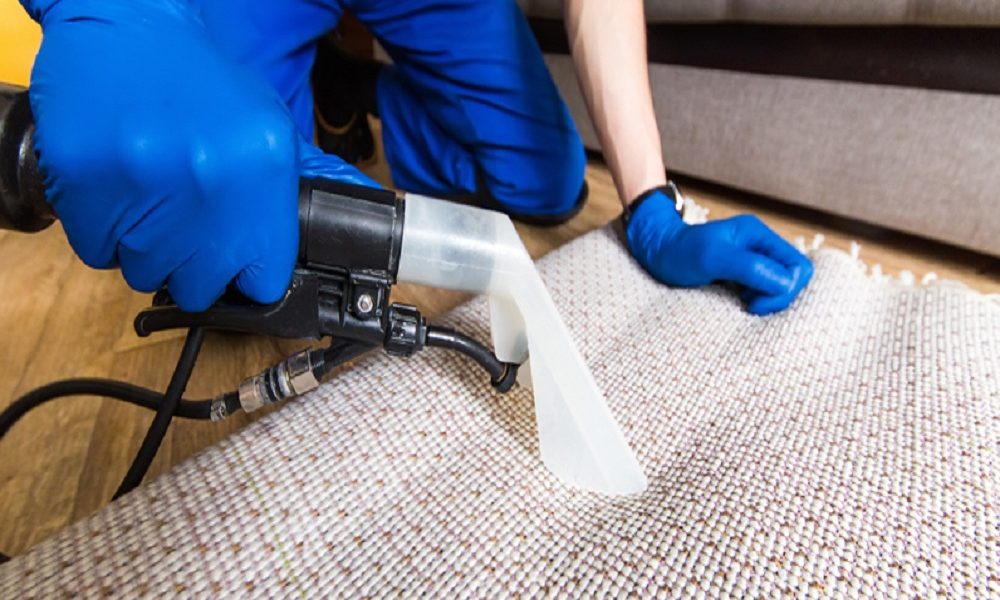
Pets are part of the family, bringing joy and companionship to their owners. But with taking care of a pet comes some not-so-fun tasks like dealing with accidents, especially when they happen on the carpet.

Not only is it not hygienic, but it can also leave a lingering odour and cause long-term damage. Removing pet urine from your carpet can be a real challenge, even for veteran cleaners. The urine penetrates into the fibres and pollutes the backing of the carpet and the flooring under it as well. The odour will also make your pet continue urinating in the same place, so you must act quickly.

In this article, we’ll provide you with tips on how to get pet urine off your carpet, so you can keep your home clean and odour-free.

Assess the Damage

As mentioned, pet urine can seep deep into the carpet fibres and even into the padding or subflooring, causing long-term damage if not properly addressed. For this reason, it’s important to assess the damage before you start cleaning.

Firstly, locate the urine stains on the carpet. They can often be seen as yellow or brown spots, but if the urine has been sitting for a while, it may have already dried and be harder to spot. Once you’ve located the stains, you need to determine the extent of the damage.

If the urine has soaked into the carpet and the padding, it may require more intensive cleaning techniques or even professional help. You can test this by pressing down on the mat with a clean, white cloth. If the cloth comes away wet, the urine has likely seeped through to the padding.

Cleaning Solutions

Many different cleaning solutions can be used to remove pet urine from carpets, including store-bought products. In addition, you can make your own homemade cleaning solution by using common household ingredients like baking soda, vinegar, and peroxide.

Commercial pet stain removers often contain enzymes that break down the proteins in urine, which can be very effective at removing stains and odours. However, they can also be quite expensive and may contain chemicals that can be harmful to pets and humans. Homemade solutions are cheaper to make and more environmentally friendly but may not be as effective at removing tough stains.

It’s important to consider the pros and cons of each option and choose the one you think works best for you.

How to Remove Pet Stains From the Carpet

Once you’ve chosen your cleaning solution, it’s time to start cleaning:

  1. Blot up as much of the urine as possible with a clean, white cloth or paper towel. Be sure to use a blotting or dabbing motion rather than rubbing the carpet.
  2. Apply your chosen cleaning solution to the stain, following the manufacturer’s instructions if using a commercial product.
  3. If using a homemade solution, apply it generously to the stain and allow it to sit for 5-10 minutes.
  4. After the cleaning solution has had a chance to work, use a clean, white cloth to blot up as much of the solution as possible.
  5. Rinse the area with water to remove any remaining cleaning solution, and then blot again to remove excess moisture.
  6. Place a clean towel over the area and weigh it down with a heavy object like a book or a brick. This will help absorb any remaining moisture and prevent the stain from spreading.
  7. If necessary, repeat the cleaning process until the stain is completely removed.

You can also use a mild solution of water and ammonia. This will minimise fading and loss of colour in the area. Finally, dab it into the stain with a sponge, but be sure to rinse the solution very well because if it is not dry, it may attract your pet and cause you much more problems in the future. Still, remember the differences in the fabrics of the carpets.

How to Remove Smell and Old Invisible Stains

  1. First, use a black light to identify the location of the urine stain, which may not be visible to the naked eye. Remove as much of the stain as possible.
  2. Mix one tablespoon of mild, non-bleaching, non-alkaline detergent with 1 cup of warm water. Do not use laundry detergent, which can damage the carpet. Apply the detergent solution to the stain or odour area.
  3. If you prefer, you can use a homemade cleaning solution. Mix one cup of white vinegar and two cups of water in a bowl. Dribble the vinegar solution onto the area, then blot with a clean, dry towel.
  4. Blot the area with a clean and dry towel. Do not rub hard, as this can damage the carpet fibres. Use a white towel to see what is being transferred to the cloth.
  5. Repeat the process with a fresh solution.
  6. Spray the area with clean, cold water to rinse the carpet. Allow the carpet to dry completely.
  7. If the odour remains, sprinkle baking soda over the area and let it sit for several hours. Then, vacuum it up.

Remember, older or invisible pet urine stains may require multiple attempts to remove thoroughly. If the stain persists, consider hiring a professional carpet cleaning service.

How to Prevent Future Excedents

It’s essential to train your pet to use designated areas for elimination. Potty training your pet can take time and patience, but it’s worth the effort in the long run. Most pee accidents come from puppies, so make sure to take your pet outside regularly and give them plenty of opportunities to go potty in the appropriate spot.

When accidents do happen, clean them up promptly and thoroughly to discourage your pet from repeating the behaviour. Consider using deterrents like scents or barriers to keep your pet away from certain areas of the house.

Providing your pet with plenty of exercises, attention, and mental stimulation can help reduce the likelihood of accidents due to boredom or anxiety. Yet, if you are afraid that it might be a medical issue, take them to the vet for a check-up to check for any problems.

Final Words

Dealing with pet urine stains on your carpet can be challenging, but keeping your home clean and odour-free is essential.

With the appropriate cleaning technique, you can effectively remove the stain and prevent long-term damage to your carpet. Don’t hesitate to seek help from carpet cleaning professionals if needed, and remember to act quickly to avoid further damage and discourage your pet from urinating in the same spot.

With these tips, you can keep your carpets looking and smelling fresh while enjoying the company of your furry friends.