

Reduced airflow, rooms that seem warmer or cooler than the rest of the home, short cycling, unusual noises or smells, water collecting near indoor components, thermostat readings that seem inaccurate, higher than normal energy costs – there are lots of reasons to call in a service professional when your heating or cooling system is acting up.
The tricky thing, though, is that any one symptom could indicate any number of problems. Low airflow, for example, may be caused by a dirty air filter, a problem with one of the blower system’s parts, an issue within the ducts, frozen coils, or another issue altogether. It’s why it’s important to have any type of problem properly diagnosed and not just guess at replacing parts.
That being said, there are a couple signs that should prompt you to shut off your heating or cooling equipment, including:
- Burning smells (as in burning insulation or electrical components), smoke or loud banging or grinding noises coming from the system
- Tripped circuit breakers or blown fuses related to the system
If your air conditioner or furnace starts making extremely loud noises out of the blue, don’t expect the situation to “work itself out.” Persisting with system use will only exacerbate any underlying problem, resulting in more expensive repair costs or early system replacement.
Similarly, don’t ignore puddles around your system. The culprit is most likely a simple drain trouble that a professional will be able to remedy, but water damage and other moisture-related problems (https://www.who.int/publications/i/item/9789289041683) can follow suit. This is another reason not to tinker with the equipment, especially if water is making its way to any electrical components.
When in doubt, always err on the side of safety. It’s OK to call in an HVAC contractor as soon as something doesn’t seem right with your equipment, but make sure to keep the area around your equipment clear for the professional’s arrival. Avoid tinkering with your system beyond switching it off, as it’s never OK for an unskilled individual to remove panels or mess with the wiring.
What a Repair Visit Usually Covers
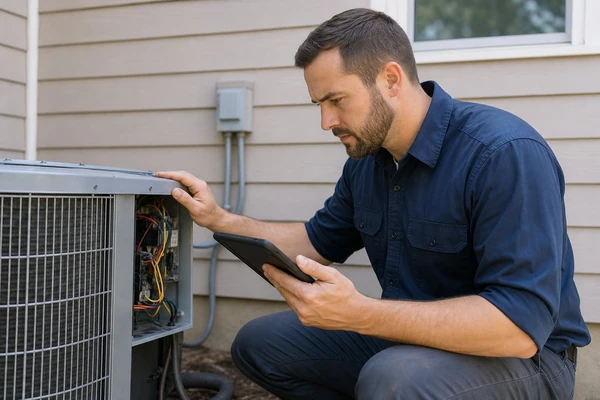
The technician should first ask what symptoms have been noticed and when. He or she will probably want to know how consistently the symptoms manifest themselves, too, and may inquire about recent maintenance or changes, such as thermostat settings.
Depending on the symptoms, a diagnostic inspection may include:
- Airflow evaluation
- Check of thermostat function and communication to equipment
- Evaluation of electrical connections and safety controls
- Refrigerant circuit operation (cooling system)
- Combustion-related safety control checks (heating system)
- Fuel supply connections, where applicable (heating system)
- Inspection of blower operation
- Venting evaluation (heating system)
- Drainage check
Cooling systems may require a closer look at the evaporator (indoor coil) and condenser (outdoor coil) sections, compressor, electrical components (i.e., contactor, capacitor), and refrigerant lines, while heating system calls may center on the burner and ignition source.
If repairs are in order, a trustworthy professional should explain the nature of the problem, why it’s cause for concern, what could happen if repairs are deferred, and whether other aged parts will likely fail soon.
When Airflow Trouble Spreads
Trouble in one area of an HVAC system can affect the rest of it, especially when it comes to air flow. Airflow trouble can contribute to short or long system cycling, freezing coils, overheating issues, and other problems.
Before calling for HVAC repair San Antonio, TX, for reduced air flow, it’s OK to check the air filter to ensure that it’s not caked with dust and debris, confirm that air registers aren’t covered, and make sure that furniture or other items aren’t impeding return air grills. A badly clogged air filter will tax the blower system and make for a stuffy, comfortable home.
Call a reputable HVAC repair contractor for additional help or to schedule seasonal tune-ups of your heating and cooling equipment.
Why Short Cycling Is More Than an Annoyance
Short cycling means your system starts, stops, and starts up again more frequently than normal. This puts more wear and tear on all components because of the demand during startup. Electrical issues, an oversized or improperly sized or set-up system, problems with the thermostat, including its location, poor air flow due to a restricted air filter or dirty A-coil, problems with the refrigerant side (during cooling operation), and tripped safety switches due to another operating problem, and more can all contribute.
Because it can be tricky to figure out, it’s important to have a trained technician investigate this. In some cases, the tech may need to witness the full operating (run) cycle and check things out during operation.
A Few Maintenance Steps Make a Difference
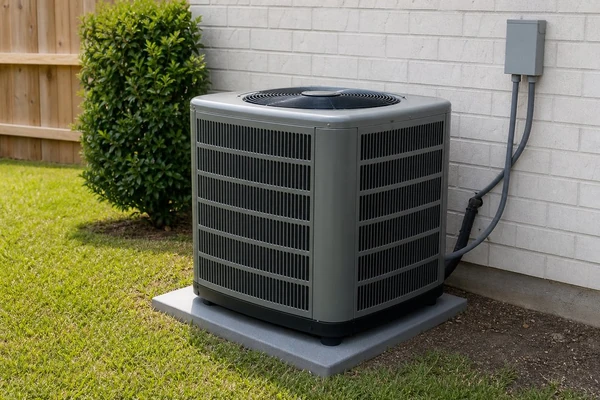
- Make sure nothing is stored against your AC unit or obstructing it. Yard debris, plants, and anything else should be at least 24 inches away so the air is able to properly flow through the coil.
- Some causes of reduced air flow in certain rooms of your home are kinked flex duct, poor duct connections or sealing, loose connections, hidden blockages, and more. It’s not always easy to rule these out without a visit.
- It’s important to keep the area around your AC unit clear even during times it’s not expected to run. Also don’t cover it.
- Regularly changing your air filter
- Keeping air registers/vents clear and open
- Listen for and report odd noises.
- Look out for water in or dripping from your equipment and report
- If you have a battery-powered thermostat and notice the screen or controls acting up or fading, check the batteries.
Before the Technician Gets There
- Think about any strange things you’ve noticed recently: strange sounds, smells, changes in home temperature, short cycling, certain times these happen, etc.
- Did it start to act up after a power outage, severe weather (more info here), filter change, thermostat adjustments or changes, etc.?
- Clear the area around indoor and outdoor units so the techs can access everything they need to. You may want to relocate or pick up certain items so panels can be easily removed to gain access to certain things.
- If the system has an electrical problem, shuts off, leaks, or gives off a burning smell, etc., don’t continue to run it until it’s been inspected.
When Repair and Replacement Both Come Up
Knowing when it makes sense to repair your heating or cooling system, or when it may make sense to consider a new one, can be tricky. A technician should help you decide. If certain connections and issues are the culprit, repairs may be a good option if the system has a good track record. When major components have begun to fail, repairs keep being needed more frequently, or it’s struggling to keep things consistently comfortable, replacement is an option to discuss.
The best choice isn’t always easy and shouldn’t be a decision you feel you need to make right away. Factors like the overall condition and history of the system and diagnostic test results should factor in. Be sure to ask your tech for information about the immediate repairs and what to expect from the system down the line and any issues they anticipate. You can also ask whether or not the system is in good shape and has the capacity needed for your home.
Schedule timely service to address concerns before they worsen and the system shuts down or completely stops working. We service San Antonio, TX, and the surrounding areas.

Comments are closed.