Author

Clare Louise

Browsing

Living in Temecula means enjoying beautiful weather, scenic wine country views, and a welcoming community — but it also means year-round pest activity. Thanks to the region’s mild winters and hot, dry summers, pests in Temecula don’t really take a break. From ants in the spring to rodents in the fall, different pests thrive in different seasons, and your home can become a target if you’re not prepared.

That’s why it’s essential to pest-proof your home before each season — taking proactive steps to reduce the chance of an infestation before it starts.

Here’s a season-by-season guide to pest-proofing your Temecula home so you can keep your family safe and your space pest-free all year long.

Spring: Ants, Spiders & Termites Wake Up

Spring in Temecula brings warmer temperatures — and a surge in pest activity. As insects emerge from their winter hiding spots, your home becomes a prime target for food and water.

Common Spring Pests:

  • Argentine ants
  • Spiders
  • Subterranean termites
  • Wasps

Spring Pest-Proofing Tips:

  • Seal Entry Points: Inspect and seal cracks around doors, windows, and the foundation.
  • Clean the Kitchen Thoroughly: Ants are attracted to crumbs, sticky surfaces, and food left out.
  • Check for Termite Swarms: Look for discarded wings on windowsills or mud tubes near the foundation — a sign termites are active.
  • Eliminate Standing Water: Fix leaky outdoor faucets and empty birdbaths or planters holding water.

👉 Pro Tip: Schedule a termite inspection in early spring to catch any colony before it causes damage.

Summer: Insects at Full Force

Temecula summers are hot and dry, which drives pests to search for water and cooler conditions — often inside your home. This is when you’re most likely to see insects invading your living space.

Common Summer Pests:

  • Cockroaches
  • Ants
  • Wasps and bees
  • Mosquitoes
  • Fleas (especially if you have pets)

Summer Pest-Proofing Tips:

  • Install or Repair Screens: Make sure all window and door screens are tight-fitting and free of holes.
  • Empty Trash Cans Frequently: Keep lids sealed tight and clean cans regularly.
  • Keep Pet Areas Clean: Wash pet bedding and vacuum often to avoid flea issues.
  • Limit Outdoor Lighting at Night: Lights attract flying insects — use yellow “bug bulbs” if needed.

👉 Pro Tip: Consider monthly pest control service during the summer when insect activity is highest.

Fall: Rodents & Spiders Move Indoors

As temperatures start to cool down in Temecula, pests begin looking for warm shelter — and your home fits the bill. Rodents, in particular, are notorious for sneaking into attics, basements, and garages this time of year.

Common Fall Pests:

  • Mice and rats
  • Spiders
  • Silverfish
  • Earwigs

Fall Pest-Proofing Tips:

  • Inspect the Attic and Crawl Spaces: Look for droppings, nests, or chewed insulation — signs of rodent activity.
  • Seal Gaps Around Vents and Pipes: Rodents can squeeze through openings the size of a dime.
  • Store Firewood Away from the House: Woodpiles attract spiders and other pests.
  • Keep Leaf Litter Cleared: Fallen leaves around the foundation can provide cover for pests.

👉 Pro Tip: Install door sweeps on exterior doors to block rodents from slipping inside.


Winter: Prevent Hidden Infestations

While Temecula winters are milder than most, pests don’t completely disappear. Instead, many become less visible, nesting in walls, under floorboards, or inside insulation.

Common Winter Pests:

  • Rodents
  • Cockroaches (especially German cockroaches)
  • Overwintering insects (like stink bugs)

Winter Pest-Proofing Tips:

  • Inspect Basements and Garages: These areas stay relatively warm and attract nesting pests.
  • Declutter Storage Areas: Boxes and clutter give rodents and insects places to hide.
  • Check Weatherstripping: Make sure doors and windows seal tightly to block pest access.
  • Keep an Eye Out for Droppings: Even if you don’t see pests, their waste is a sure sign they’re active.

👉 Pro Tip: Schedule a winter pest inspection to catch hidden issues before they spread.

Year-Round Prevention Tips

No matter the season, these general pest prevention tips will serve you well in Temecula:

  • Trim trees and shrubs away from the house to reduce access points.
  • Don’t leave pet food out overnight, especially in garages.
  • Fix plumbing leaks and reduce humidity in bathrooms and kitchens.
  • Work with a local pest control expert for seasonal inspections and customized treatment plans.

Final Thoughts

Each season in Temecula brings its own unique pest challenges — but with a little preparation and the right preventive measures, you can stay ahead of infestations and keep your home comfortable all year long.

Instead of waiting for pests to become a problem, take action at the start of each season to secure your home and protect your family. We recommend pest control temecula.
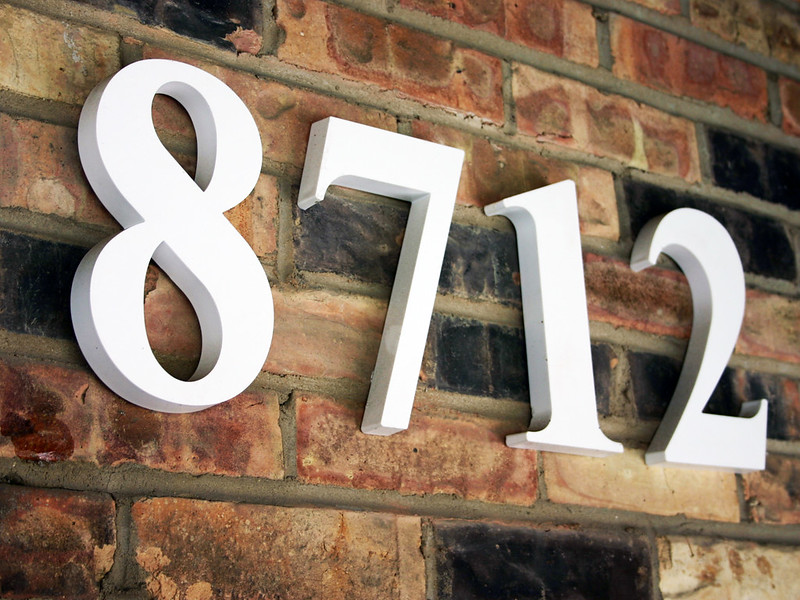
Outdoor address signs are more than functional markers—they’re design statements that contribute to a home’s curb appeal and overall aesthetic. Whether installed on a front lawn, mounted above a door, or embedded into a gate or stone pillar, the right sign complements your home’s architecture while improving visibility and navigation for guests and delivery drivers alike.

Modern signage providers, such as Orthografica outdoor address signs, are leading the way with fresh styles and durable materials that combine beauty with practical benefits. Here are today’s most popular design trends in outdoor address signage.

1. Minimalist and Modern Typography

One of the top trends is a sleek, minimalist look using clean sans-serif fonts and a balanced layout. Homeowners are opting for simple number and street name displays with:

  • Flush-mounted or floating digits
  • No-frills spacing and alignment
  • Matte finishes in black, white, or metallic tones

This design works well with contemporary homes, modern bungalows, and industrial-style exteriors, giving a crisp, uncluttered impression.

2. Backlit and Illuminated Numbers

For visibility and dramatic flair, many homeowners are turning to LED-lit or solar-powered address signs. These can be:

  • Halo-lit (glow around the edges)
  • Front-lit for clear readability
  • Solar-powered to eliminate wiring hassles

Backlit signs enhance visibility at night and add a high-end, architectural quality to a property’s façade—especially useful in areas with limited street lighting.

3. Mixed Materials and Texture Contrast

Combining different materials in a single sign is gaining popularity for added depth and character. Examples include:

  • Brushed metal numbers on a reclaimed wood base
  • Acrylic digits on a stone or concrete background
  • Powder-coated aluminum plates on textured stucco walls

This mix-and-match approach allows the sign to either blend in subtly or stand out boldly, depending on your design preference.

4. Vertical and Asymmetric Layouts

Gone are the days of strictly horizontal signs. Vertical number alignment, stacked text, and asymmetrical positioning are rising in popularity. These formats are especially effective when mounted on:

  • Narrow pillars or posts
  • Entrance columns
  • Small exterior walls near doors

These modern layouts can help your address look more artistic and intentional, rather than simply utilitarian.

5. Custom Shapes and Cutouts

Homeowners are increasingly choosing signs with customized shapes or laser-cut details. Popular styles include:

  • Circular or oval plaques instead of rectangles
  • Cut-out digits that reveal the wall texture behind
  • Geometric patterns integrated into the background

These signs double as art pieces while still serving their practical purpose.

6. Neutral and Earthy Color Palettes

Neutral tones—such as charcoal, bronze, ivory, and terracotta—remain popular, especially in neighborhoods that value understated elegance. These colors blend beautifully with:

  • Brick and stone façades
  • Natural wood sidings
  • Modern stucco or concrete finishes

In contrast, homes with bold architectural flair may use deep navy, matte black, or even vibrant colors for a statement look.

7. Integrated Landscaping Signage

Another rising trend involves placing address signs directly into landscape features, such as:

  • Stone retaining walls
  • Low garden posts
  • Planters or integrated LED posts along walkways

This approach adds cohesion between hardscaping and signage, creating a harmonious and polished entryway.

Conclusion

Outdoor address signage has evolved beyond the standard metal plate or sticker-on-the-mailbox. Today’s homeowners are embracing design-forward elements like clean typography, backlighting, material contrast, and creative layout options to enhance their property’s curb appeal.

Trendy Reflections for Stylish Spaces

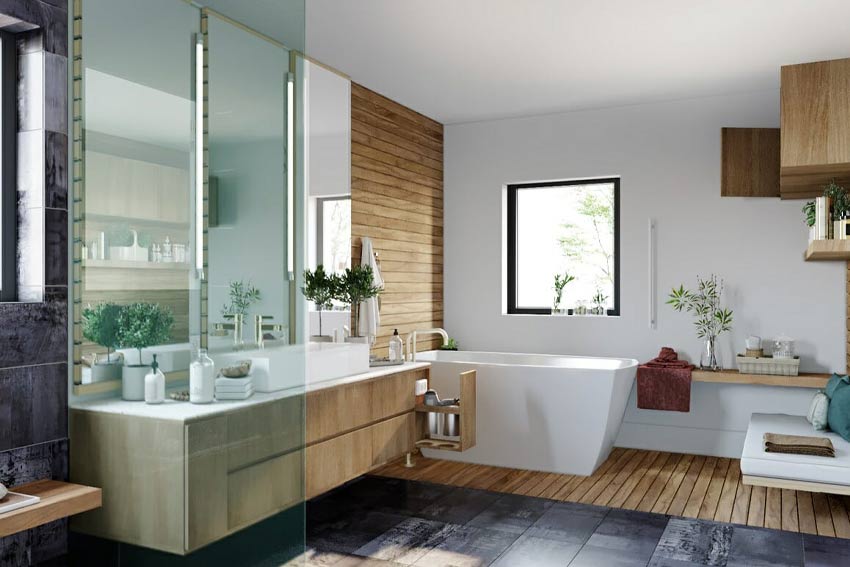
As bathrooms continue to evolve from purely functional rooms into spa-like sanctuaries, the humble mirror has transformed into a bold design element. In 2025, bathroom mirrors are no longer just for grooming — they’re statement pieces, tech-integrated hubs, and essential parts of a cohesive bathroom design.

From sleek minimalism to smart features, here are the top 10 modern bathroom mirror designs that are trending in 2025. Whether you’re remodeling or refreshing your space, these options offer both functionality and flair — and are beautifully reflected in the Evos Boutiques bathroom mirrors collection.


1. Backlit LED Mirrors

Backlit mirrors have become a staple in modern bathroom design. In 2025, they’re even more refined — offering adjustable brightness, color temperature control, and energy efficiency. The soft glow they emit creates a floating effect that’s both practical and elegant.


2. Smart Mirrors with Touch Controls

Tech meets style with smart mirrors. These futuristic pieces include touch-screen controls, built-in clocks, temperature displays, defoggers, and even Bluetooth speakers. Perfect for multitaskers and tech lovers, smart mirrors bring innovation to your daily routine.


3. Frameless Minimalist Mirrors

Frameless mirrors with ultra-thin edges are perfect for minimalist and contemporary bathrooms. Their clean design blends seamlessly with any tile or wall color and helps maintain an uncluttered look. They also reflect more light, making small bathrooms feel larger.


4. Round & Oval Mirrors

Soft curves are trending in 2025. Round and oval mirrors offer a balanced, organic feel that contrasts beautifully with sharp vanity lines and tiled walls. These mirrors work well in Scandinavian, boho, and modern-classic bathroom themes.


5. Arched Mirrors

Taking a cue from architectural shapes, arched mirrors add elegance and a touch of vintage charm. Whether fully arched or with soft-top curves, they’re perfect above pedestal sinks or narrow vanities where height is prioritized over width.


6. LED Mirror Cabinets

Storage meets style with LED mirror cabinets. These dual-purpose pieces provide hidden storage for daily essentials while giving off bright, even lighting — ideal for makeup or shaving. Perfect for small spaces, they maximize utility without compromising design.


7. Full-Length Wall Mirrors

Full-wall mirrors are growing in popularity, especially in luxury bathrooms. These grand designs make the space feel twice as big and add a dramatic, high-end touch. Pair them with modern lighting and floating vanities for a hotel-style experience.


8. Two-Tone or Dual Finish Mirrors

Framed mirrors with mixed metal finishes (like matte black and gold) or wood-metal combinations are on-trend. These mirrors tie together other design elements in your bathroom, such as faucets, handles, and lighting fixtures.

9. Pivot Mirrors

Popular in industrial and transitional bathroom designs, pivot mirrors are mounted on adjustable brackets. They offer functional flexibility while adding a vintage or utilitarian edge to the space — ideal for shared bathrooms or tight layouts.

10. Geometric & Asymmetrical Mirrors

Breaking away from traditional shapes, 2025 brings a wave of geometric and asymmetrical mirrors. Triangles, hexagons, and fluid abstract forms make a bold design statement and act as artistic centerpieces in otherwise neutral bathrooms.

Design Tip: Match with Fixtures for Cohesion

For the best results, always coordinate your mirror design with your bathroom’s overall style. Whether you’re going for a sleek, monochromatic palette or an earthy, organic tone, mirrors should enhance the visual flow. When you choose from premium collections like Evos Boutiques bathroom mirrors, you ensure quality, design continuity, and an elevated feel that complements your vanities and fixtures.

Final Thought

Bathroom mirrors in 2025 are sleek, smart, and stylish. They’re designed to reflect not just your face, but your personality and taste. Whether you choose a simple frameless piece or a feature-rich smart mirror, your mirror can set the tone for the entire room.

Rodents have always been part of New York City’s ecosystem—but in recent years, sightings have spiked. Between ongoing construction, aging infrastructure, and food availability, rats and mice are more visible and brazen than ever. If you live or work in NYC, you’ve likely seen one scurrying through the subway or rummaging through trash. But the real trouble starts when they make their way indoors.

Here’s how rodents are getting into NYC buildings—and, more importantly, how you can keep them out.

Why Rodents Love NYC

Rodents thrive in urban environments, and New York City provides everything they need:

  • Abundant food sources: Trash, littered food, and overflowing dumpsters are everywhere.
  • Endless shelter: Basements, crawlspaces, walls, and subway tunnels offer protection and warmth.
  • Rapid reproduction: A single female rat can have up to 6 litters a year, with as many as 12 pups per litter.

Once they establish a nesting area inside a building, they’re incredibly difficult to remove without professional help.

Common Entry Points

Rodents can squeeze through incredibly small openings—mice need just 1/4 of an inch, and rats about 1/2 inch. In a city full of aging brick, warped doors, and crumbling foundations, these are the most common access points:

1. Gaps Around Pipes and Utility Lines
Rodents often enter buildings through small gaps around plumbing, gas, or electrical conduits. These are common in kitchens, basements, and boiler rooms.

2. Cracks in Foundations or Walls
Years of wear and tear can create small cracks in building exteriors. Even hairline openings are enough for mice to squeeze through.

3. Broken Vents or Window Screens
Poorly maintained ventilation systems or torn screens provide easy access to the interior of a building, especially in basements or near the roofline.

4. Open Doors and Loading Areas
Propped-open doors in apartment buildings or commercial loading docks are an open invitation—especially in the evening when rodents are most active.

5. Sewer and Drain Systems
NYC’s underground sewer system is a major rat superhighway. Damaged or uncapped drain lines can let them enter directly from below.

Warning Signs of an Infestation

Rodents are nocturnal and excellent at hiding. But if they’ve moved into your space, there will be clues:

  • Droppings: Small, dark pellets near food, in drawers, or along baseboards.
  • Gnaw marks: Rodents chew constantly—on wires, wood, plastic, and even furniture.
  • Grease trails: Rats often leave oily smudges from their fur along walls or runways.
  • Scratching noises: Often heard in walls, ceilings, or under floors—especially at night.
  • Pet behavior: Dogs and cats may bark, scratch, or stare at walls if they sense rodent activity.

If you notice one or more of these signs, it’s important to act fast. Rodents can cause significant property damage, contaminate food, and spread disease.

How to Keep Rodents Out

Preventing rodents from entering your building is far easier than dealing with an infestation. Here are some effective steps to take:

1. Seal Entry Points
Inspect the perimeter of your building—both inside and out. Use steel wool, caulk, or metal mesh to seal gaps around pipes, vents, and doors.

2. Manage Garbage Properly
Store trash in heavy-duty, sealed containers. Avoid leaving garbage bags on the sidewalk overnight, and schedule regular pickups when possible.

3. Eliminate Clutter
Rodents love cluttered areas where they can nest undisturbed. Keep storage spaces organized and avoid leaving piles of paper, cardboard, or fabric on the floor.

4. Fix Water Leaks
Rodents need water to survive. Repair dripping faucets, leaking pipes, and any areas with standing water (like trays under refrigerators or AC units).

5. Store Food Securely
Keep all food—human and pet—in airtight, rodent-proof containers. Clean up crumbs, spills, and pet bowls regularly.

When to Call the Pros

If you’ve taken preventive steps and still see signs of rodents, it’s time to call a pest control professional. Experts can:

  • Conduct a thorough inspection to find entry points.
  • Install traps or bait stations in safe, effective locations.
  • Recommend long-term exclusion methods.
  • Provide regular monitoring and maintenance, especially for multi-unit buildings.

In New York, rodents aren’t just a nuisance—they’re a public health issue. Professional pest control helps not just individual tenants, but the entire building stay rodent-free.

Final Thoughts

Rodents are part of life in the city—but that doesn’t mean they have to be part of your home or business. By understanding how they get in and taking proactive steps, you can drastically reduce the risk of an infestation.

Vigilance is key. Stay alert, seal your space, and act quickly at the first sign of trouble. Because in a city as fast-moving as New York, rodents never wait around. We recommend Pest control in new york.

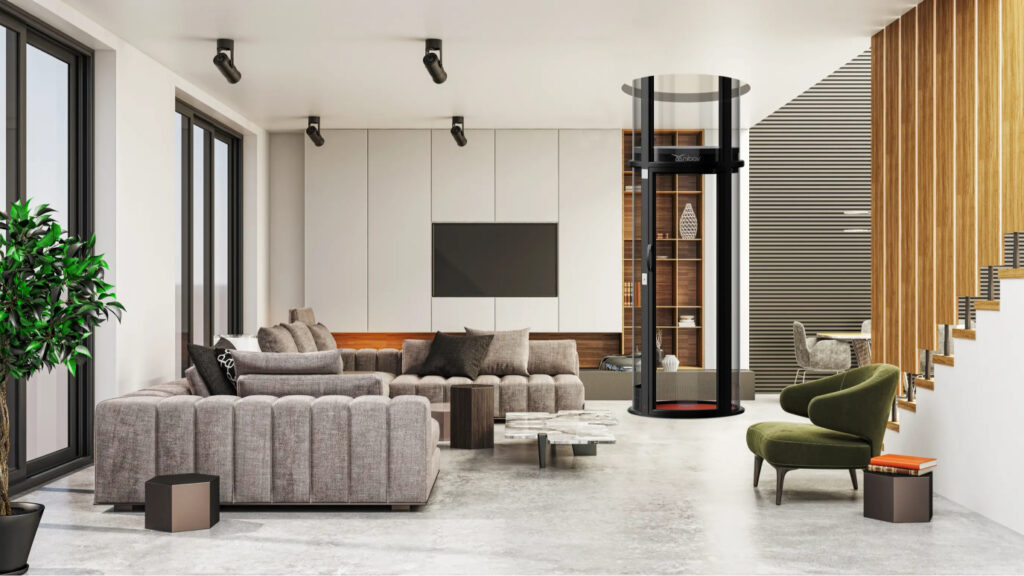
It might be difficult to estimate the cost of adding a lift to your house. The final amount you will pay depends on a number of factors. Every aspect counts, from the kind of elevator to the number of levels it serves. The home lifts price depends on your preferences, available space, and the difficulty of the task. You may make better plans and steer clear of shocks by being aware of these aspects. 

Let us look at five simple things that truly shape the total cost of installing a home lift.

The type of lift you choose

Lifts come in several varieties, including shaftless, vacuum, traction, and hydraulic. The price tag for each one varies. Installing shaftless elevators is frequently quicker and less expensive. Although they are more expensive, hydraulic lifts provide a smoother ride. The price might vary by hundreds of dollars depending on the type you choose. 

Number of floors it will cover

More stops need more materials, more work, and more installation time, so the more floors your lift has to link, the more expensive it will be. A two-floor lift is often less expensive than one that serves three or four stories. 

Materials and finishes used

Home lifts can be completely customized or simple. Are you interested in stainless steel doors or transparent glass panels? Would you want opulent flooring or wood accents inside the cabin? Price increases will result from fancy features. Although a basic model will cost less, upgrades offer flair, which comes at an additional cost. 

Custom features and personal design

Certain elevators can be designed to fit in difficult-to-reach places. Others have quiet operations or clever technology. Other possibilities include remote monitoring, voice control, and special illumination. These are more comfortable, but they cost more. Building and installing custom designs frequently takes more time. 

Installation challenges and labor

Every home is different. Costs will increase if your house requires structural alterations, such as piercing walls or installing a shaft. More preparation may be required for older properties. Simpler installations, such as including a lift while building a house, are frequently less expensive than retrofitting one afterward. 

The conclusion 

There are other factors than the lift itself that affect the cost of a house lift. It covers the kind you choose, the number of levels, and the desired appearance and feel. You can plan more effectively and choose the finest option for your house and budget if you know what factors actually influence the price. 

Planning an exit strategy before purchasing a condominium is a crucial step many buyers overlook in their excitement to secure a new home. Without proper exit planning, owners may be unable to sell when needed or face unexpected financial losses upon disposition. When evaluating properties like those detailed in the Skye At Holland Site Plan or similar developments, considering future marketability alongside current desirability helps ensure your investment remains liquid and potentially profitable throughout your ownership timeline.

Buyer profile matters

Different condominium properties attract different buyer profiles, directly impacting future marketability and sale timelines. Family-oriented communities naturally appeal to a different demographic than buildings catering to young professionals or retirees. Understanding who represents the likely future buyer for your specific unit helps forecast potential demand when you eventually need to sell. Consider which amenities and features will maintain appeal to your target buyer group over time. Swimming pools and fitness centres generally retain strong appeal, while once-popular features like tennis courts sometimes diminish importance. Location attributes like school district quality and walkability typically maintain consistent value for specific buyer segments, creating more stable demand than trendy design features that may quickly seem dated as tastes evolve.

Association health indicators

Condominium association financial health directly impacts future marketability regardless of individual unit attributes. Properties with inadequate reserves, history of special assessments, or high delinquency rates face additional scrutiny from lenders when future buyers apply for mortgage financing, potentially limiting your buyer pool and extending sale timelines. Review these critical association health metrics before purchase:

  1. Reserve funding percentage relative to professional reserve study recommendations
  2. Special assessment history over the past decade
  3. Current owner delinquency rates on monthly assessments
  4. Ratio of owner-occupied versus rental units
  5. Pending or recent litigation involving the association

These factors influence future resale potential and ongoing financing availability for the entire community. Buildings with financial challenges often face lender restrictions that depress values for all units regardless of individual condition or features, creating potential exit barriers beyond your control as an individual seller.

Rental fallback options

Market conditions during your eventual sale remain impossible to predict with certainty, making rental feasibility a vital exit strategy consideration. Properties with strong rental demand provide valuable flexibility should personal circumstances require relocation during unfavourable selling conditions. Examine these rental feasibility factors when evaluating potential purchases:

  • Association rental restrictions and minimum lease term requirements
  • Local rental licensing and inspection requirements
  • Market rental rates relative to carrying costs (mortgage, taxes, fees)
  • Seasonal demand patterns in vacation or university-adjacent areas
  • Property management availability and typical fees

Units with positive or neutral monthly cash flow as rentals provide valuable exit flexibility compared to properties where rental income falls significantly short of carrying costs. This rental fallback option creates breathing room to wait for favourable selling conditions rather than being forced to accept below-market offers due to financial pressure.

Strategic exit planning before purchase helps identify properties offering maximum flexibility when circumstances eventually require selling. This foresight transforms condominium selection from a purely emotional decision into a balanced approach serving lifestyle and financial objectives throughout your ownership journey.


Choosing the Perfect Countertop: What Really Matters?

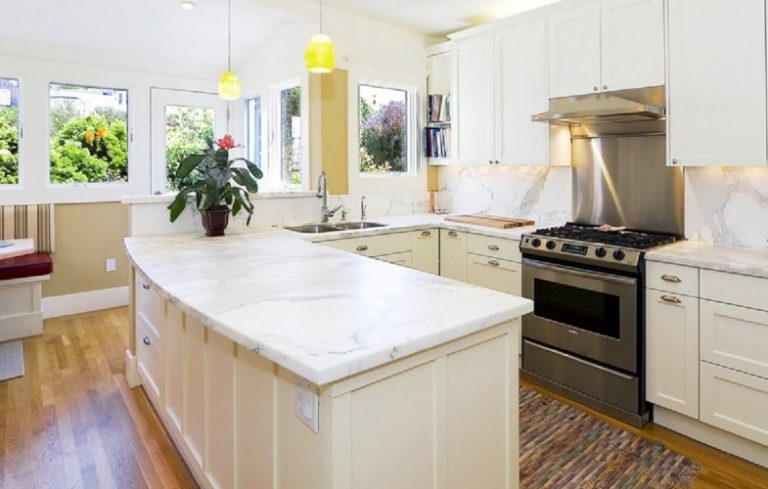
Countertops are more than just a surface—they define the look, feel, and functionality of your kitchen or bathroom. With so many options available, selecting the right material can be overwhelming. Whether you’re renovating or building a new space, understanding key features will help you make an informed decision.

If you’re looking for high-quality surfaces, comptoirs Entrepot Cuisine offers a variety of countertop styles to match any design aesthetic. But before making a choice, here’s what you need to consider.

🛠️ 1. Durability and Strength

A countertop should withstand daily use without easily scratching, chipping, or cracking. Some of the most durable options include:

Granite – Heat-resistant and highly durable
Quartz – Non-porous and scratch-resistant
Solid Surface – Easy to maintain and repair

If you cook frequently, prioritize a material that can handle heavy wear and tear.

💦 2. Resistance to Stains and Moisture

Kitchens and bathrooms are prone to spills, so choosing a stain-resistant material is essential.

🔹 Quartz is highly resistant to stains due to its non-porous nature.
🔹 Granite needs periodic sealing but offers good resistance when maintained.
🔹 Marble, while elegant, is more prone to staining and may require extra care.

For a low-maintenance choice, go with a material that doesn’t absorb liquids easily.

🎨 3. Aesthetic Appeal & Design Versatility

Countertops play a significant role in your space’s overall style. Whether you prefer a modern, minimalist look or a classic, elegant finish, your material should complement your décor.

Quartz – Available in a wide range of colors and patterns
Granite – Natural veining and unique variations
Butcher Block – Warm, rustic charm for a cozy feel

Think about how your countertop will blend with cabinetry, backsplash, and flooring before making a final decision.

🧼 4. Maintenance and Cleaning Requirements

If you prefer a hassle-free countertop, consider:

Quartz: Requires little maintenance, just wipe with soap and water.
Laminate: Budget-friendly and easy to clean but less resistant to heat.
Marble & Granite: Needs sealing every 6–12 months to prevent stains.

Choose a material that fits your lifestyle and level of upkeep you’re comfortable with.

💰 5. Budget Considerations

Countertop prices vary based on material, size, and installation. Here’s a rough price comparison:

💲 Laminate & Solid Surface – Most budget-friendly
💲💲 Quartz & Granite – Mid-range options with long-term durability
💲💲💲 Marble & Exotic Stone – High-end choices for luxury spaces

While cost is important, investing in a quality surface can increase your home’s value and longevity.

🏡 Final Thoughts: Make the Right Choice for Your Space

Selecting the perfect countertop requires balancing style, durability, maintenance, and budget. Whether you’re designing a sleek modern kitchen or a cozy, functional bathroom, high-quality materials like those from comptoirs Entrepot Cuisine ensure long-lasting beauty and performance.

Upgrading to High-Performance Doors: A Smart Investment

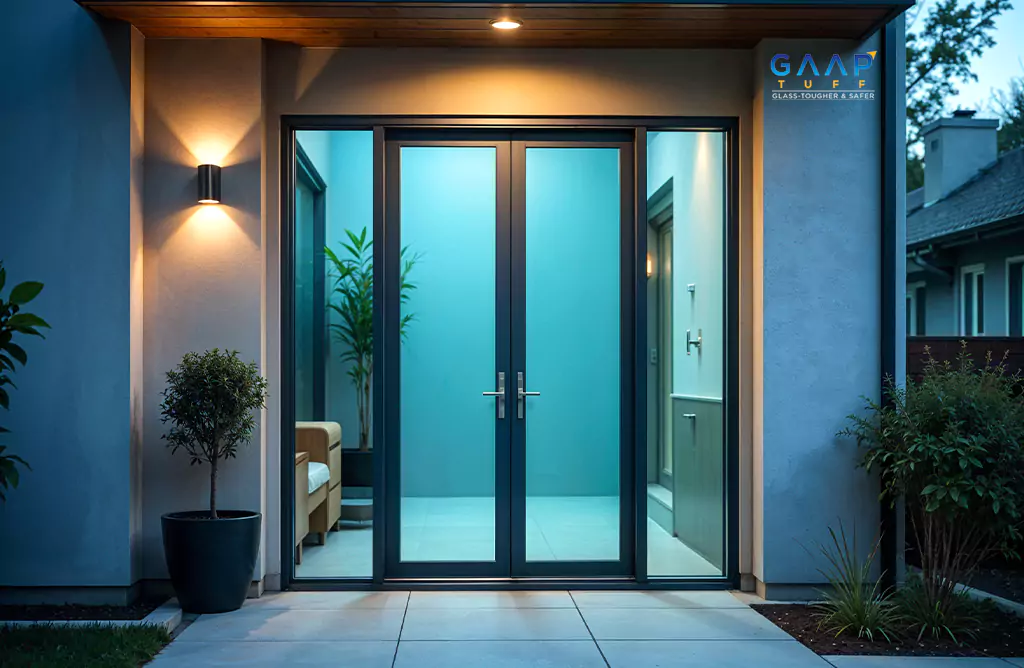
Installing high-performance doors is one of the best ways to improve security, energy efficiency, and aesthetics in both residential and commercial spaces. Whether you’re replacing outdated doors or upgrading to a more durable option, understanding the installation process can help ensure a smooth transition.

For those looking for top-tier quality, Eco Elite high-performance doors offer superior durability, insulation, and modern designs. But what exactly should you expect during installation? Let’s break it down.

🔍 1. Choosing the Right High-Performance Door

Before installation begins, you’ll need to select the right door based on your needs. High-performance doors come in various styles and materials, including:

Steel & Aluminum – Excellent for durability and security
Fiberglass – Lightweight, energy-efficient, and resistant to weather damage
Glass & Composite – Ideal for commercial spaces or modern aesthetics

Each type offers unique benefits, so consider insulation properties, security features, and design when making your choice.

📐 2. Pre-Installation Preparation

To ensure a seamless installation process:

🔹 Measurements will be taken to ensure a perfect fit
🔹 The old door and frame (if applicable) will be removed
🔹 Surrounding walls and structures will be checked for any necessary adjustments

At this stage, installers assess the foundation to ensure the new door will be properly aligned and sealed.

🔨 3. The Installation Process

The actual installation involves:

Frame Alignment & Securing – The new frame is positioned and reinforced for stability
Door Hanging & Adjustment – The door is fitted, leveled, and tested for smooth operation
Sealing & Insulation – Weatherproof seals and insulation materials are added to enhance energy efficiency
Hardware Installation – Handles, locks, and other accessories are securely placed

🏡 4. Post-Installation Inspection & Testing

Once the door is installed, professionals will:

Test the door’s operation to ensure it opens and closes smoothly
Check for air leaks to maximize insulation and energy savings
Verify security features to ensure locks and reinforcements are properly set

This ensures that your high-performance door is functioning at its best before the job is considered complete.

🔧 5. Maintenance & Long-Term Care

To keep your new door in top condition:

✅ Regularly clean and lubricate hinges for smooth operation
✅ Inspect seals and weatherstripping to maintain insulation
✅ Tighten any loose screws or hardware to avoid long-term damage

With proper care, high-performance doors can last for decades, providing superior protection, efficiency, and style.

🏆 Final Thoughts: Is It Worth the Upgrade?

Installing Eco Elite high-performance doors is a smart investment for any home or business. Not only do they enhance security and durability, but they also improve energy efficiency, reducing heating and cooling costs.

Home appliances are essential for daily convenience, helping with cooking, cleaning, and food preservation. However, even the most reliable appliances can develop issues over time. Ignoring early signs of malfunction can lead to bigger, more costly repairs—or even complete replacements. Knowing when to call a professional can help prevent further damage and ensure your appliances continue functioning efficiently.

1. Unusual Noises Coming from Your Appliance

Most appliances operate with a certain level of noise, but loud, unfamiliar sounds are usually a red flag.

  • Refrigerators: Buzzing, clicking, or grinding noises may indicate compressor failure or a faulty fan.
  • Washing Machines: Loud banging or thumping can be a sign of an unbalanced drum or worn-out bearings.
  • Dishwashers: High-pitched whining or grinding noises may mean there’s an issue with the motor or pump.

If you notice these noises, it’s best to call a professional to diagnose and fix the issue before it worsens.

2. Your Appliance Isn’t Performing as It Should

If your appliances are not working as efficiently as before, it could be a sign of an underlying problem.

  • Refrigerators and Freezers: If food isn’t staying cold enough, there may be an issue with the thermostat or compressor.
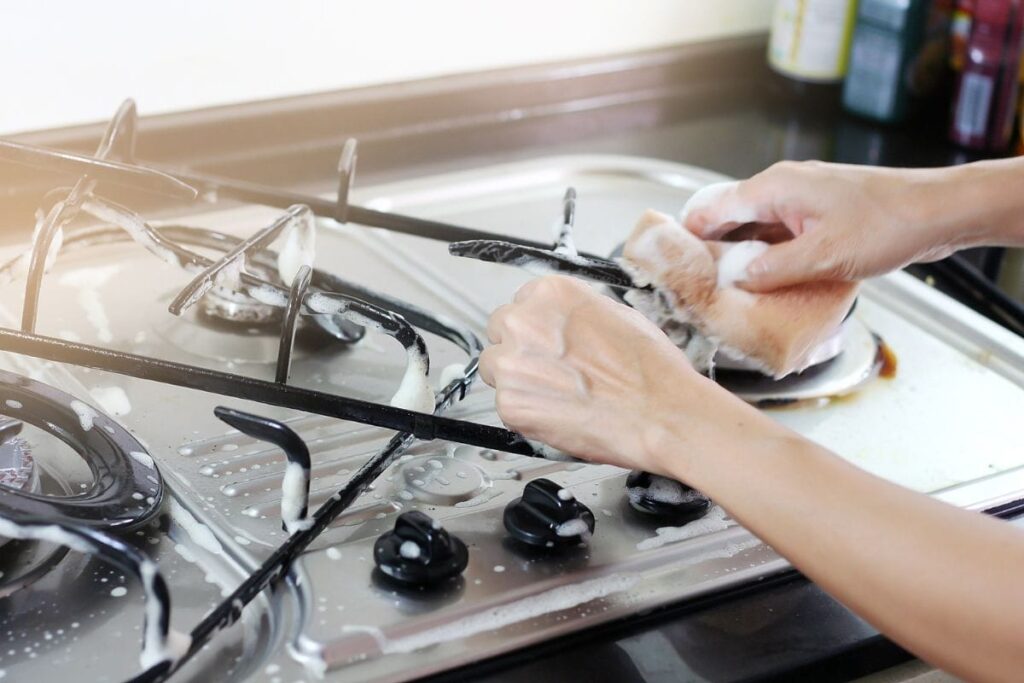
  • Ovens and Stoves: Uneven cooking or burners that take too long to heat up indicate malfunctioning heating elements.
  • Dishwashers: If dishes come out dirty even after a full cycle, the spray arms or detergent dispenser may need attention.

A decrease in performance is often a warning that something is failing internally. Seeking repair services early can prevent further breakdowns.

3. Frequent Power Issues

Appliances that frequently turn off, trip circuit breakers, or fail to power on could have electrical issues.

  • Washing Machines and Dryers: If they stop mid-cycle or refuse to start, the issue may be with the motor or control board.
  • Microwaves and Ovens: Unstable power can be caused by wiring problems or overheating components.
  • Refrigerators: Constantly cycling on and off may indicate thermostat malfunctions or compressor issues.

Electrical problems can pose serious fire hazards, so it’s crucial to have a professional inspect and repair faulty appliances promptly.

4. Water Leaks or Excess Moisture

Any sign of water where it shouldn’t be is a cause for concern. Leaks can lead to mold growth, floor damage, and electrical hazards.

  • Washing Machines: A leaking washer may have a damaged door seal, clogged drain, or a faulty water inlet valve.
  • Refrigerators: If you find water pooling inside or beneath your fridge, a blocked defrost drain or broken water line may be the cause.
  • Dishwashers: Leaks may result from a worn-out gasket, a cracked hose, or an issue with the float switch.

Ignoring water leaks can lead to bigger appliance problems and costly home repairs.

5. Burning Smell or Smoke

If an appliance emits a burning odor or smoke, unplug it immediately and avoid using it until a professional inspects it.

  • Electrical Appliances: Burning smells can indicate overheating wires, a motor failure, or electrical short circuits.
  • Ovens and Stoves: A persistent burning odor could be due to faulty wiring or a malfunctioning heating element.
  • Dryers: Lint buildup in the vent can overheat and cause a fire hazard.

Any sign of burning or smoke should be taken seriously, as it can pose significant safety risks.

6. High Energy Bills Without Explanation

A sudden spike in energy bills may indicate an inefficient appliance consuming more electricity than usual.

  • Refrigerators and Freezers: A failing compressor or dirty condenser coils can make them work harder, leading to higher energy use.
  • Water Heaters: Sediment buildup in the tank can reduce heating efficiency, increasing energy costs.
  • HVAC Systems: Dirty filters, worn-out components, or thermostat issues can cause your heating and cooling system to work overtime.

An inefficient appliance not only costs more in energy consumption but also risks complete failure if not repaired on time.

7. Buttons, Knobs, or Displays Are Malfunctioning

If the control panel, knobs, or buttons on your appliances stop responding or display error codes, it may signal an internal issue.

  • Microwaves: A faulty control board or keypad may prevent you from using certain functions.
  • Washing Machines: A flashing error code might indicate a drainage or motor issue.
  • Ovens: If temperature settings are not adjusting properly, the thermostat or control panel might need repair.

Professional repair services can diagnose whether the issue is a minor fix or if a component needs replacement.

When to Call a Professional Repair Service

Some minor issues, such as cleaning filters or checking power connections, can be resolved at home. However, professional repairs are necessary if:

  • The problem persists despite troubleshooting.
  • There are electrical or gas-related concerns.
  • The appliance has major mechanical or performance failures.
  • It’s still under warranty, and unauthorized repairs could void it.

For expert assistance, Honest Guys appliance repair provides reliable diagnostics and solutions to keep your appliances running smoothly. Addressing issues early can save you time, money, and the hassle of a full replacement.

Final Thoughts

Recognizing early warning signs of appliance failure can help prevent major breakdowns and expensive repairs. Unusual noises, inconsistent performance, frequent power issues, leaks, burning smells, rising energy costs, and unresponsive controls all indicate the need for professional attention. By acting quickly and seeking expert repair services, you can extend the lifespan of your appliances and ensure they continue functioning efficiently for years to come.

Blocked drains are a major issue for homeowners and businesses in Melbourne. A clogged drain can quickly escalate, causing water damage, unpleasant odors, and even structural problems. If you’ve dealt with slow-draining sinks, overflowing toilets, or gurgling pipes, you already know how frustrating these issues can be. I’ve seen many situations where delaying professional intervention led to costly repairs. That’s why knowing who to call is critical.

One of the best options for blocked drain services in Melbourne is 24 Hour Melbourne Plumbers. Their team is available around the clock, offering emergency plumbing assistance for all types of blockages, from clogged sinks to stormwater drains. They use advanced tools like hydro-jetting and CCTV inspections to locate and clear the blockage efficiently. If you’re dealing with a persistent drainage problem, professional help is the safest way to prevent long-term damage.

Common Causes of Blocked Drains in Melbourne

Blocked drains happen for many reasons, and the cause isn’t always obvious. I’ve seen cases where homeowners were convinced the problem was minor, only to find out tree roots had invaded their underground pipes. Some of the most common culprits include:

  • Tree Roots: Older properties in Melbourne often have clay or outdated piping, making them vulnerable to root intrusion. Once roots enter, they grow rapidly and block water flow.
  • Foreign Objects: Items like wet wipes, paper towels, sanitary products, and even small toys can cause severe clogs in household plumbing.
  • Grease and Food Waste: Pouring cooking oil or food scraps down the drain can lead to build-up over time, especially in kitchen sinks.
  • Collapsed or Misaligned Pipes: In some cases, pipes shift due to ground movement, creating obstructions that lead to slow drainage or complete blockages.

24 Hour Melbourne Plumbers are experienced in dealing with all of these problems. Their use of high-pressure jetting and drain cameras allows them to diagnose the root cause and provide targeted solutions.

Why Quick Action Is Necessary

Blocked drains don’t just slow down water flow—they can create severe plumbing hazards if ignored. A minor clog today could lead to an overflowing sewer pipe tomorrow. I always advise acting quickly before small problems turn into emergencies. When left unchecked, blockages can cause:

  • Sewage Backups: Water that can’t flow properly can reverse direction, bringing hazardous waste into your home.
  • Structural Damage: Excess water from clogged drains can weaken foundations, leading to expensive repairs.
  • Health Risks: Stagnant water creates the perfect environment for bacteria, mold, and pests.

If you’re experiencing repeated drain issues, it’s worth contacting a plumber in South East Melbourne to investigate and resolve the issue before it worsens.

What Sets 24 Hour Melbourne Plumbers Apart?

Melbourne has no shortage of plumbing services, but not all of them are reliable, especially when dealing with urgent drain issues. I’ve noticed that many services claim to offer emergency plumbing, yet fail to respond when you need them the most. That’s not the case with 24 Hour Melbourne Plumbers. They provide:

  • 24/7 Availability: Drain problems don’t wait for business hours. Their team is ready to assist any time of day or night.
  • Advanced Drain Cleaning Methods: Hydro-jetting clears even the toughest blockages without damaging pipes.
  • Accurate Diagnosis: Using CCTV cameras, they pinpoint the problem instead of guessing, saving time and unnecessary expenses.
  • Comprehensive Plumbing Services: Beyond blocked drains, they handle hot water repairs, burst pipes, and roof plumbing, making them a one-stop solution for homeowners and businesses.

The Value of Professional Plumbing Services

While DIY methods like plungers and chemical drain cleaners may provide temporary relief, they often don’t solve the underlying problem. I’ve seen cases where homeowners relied on store-bought drain cleaners only to find their pipes corroded over time. Professional plumbers not only clear blockages but also inspect the condition of your pipes to prevent future issues.

24 Hour Melbourne Plumbers ensure long-term solutions by addressing the root cause. Their experience with Melbourne’s drainage infrastructure makes them one of the most reliable choices for handling plumbing emergencies.

Final Thoughts

Blocked drains are more than just an inconvenience—they can cause serious damage if not addressed quickly. Whether it’s a clogged sink, a backed-up sewer line, or tree roots infiltrating your pipes, it’s always best to consult a professional. 24 Hour Melbourne Plumbers offer expert solutions, fast response times, and advanced equipment to handle any drainage issue efficiently.

If you need a plumber in Melbourne, especially in the South East suburbs, their team is a dependable choice. Ignoring plumbing issues can lead to unnecessary expenses, so acting early is the best way to protect your home or business from long-term damage.