
Author

Clare Louise

Browsing

Online real estate investing has become a powerful way to make money in the fast-changing real estate market as fresh ideas have replaced old ones. Technology allows investors to access more assets and marketplaces from their screens than ever before. One needs a determined strategy and knowledge of the rules that govern the ever-changing digital real estate business to flourish. We’ll analyze five key recommendations to help online real estate investors succeed.

Thorough Research Is Essential

In the Online Real Estate Investing market, research is key to making smart investments. Investors must weigh market trends, property values, and economic factors before investing. The amount of data on web platforms, from area demographics to historical pricing, helps investors make informed decisions.

Use online markets and real estate investment platforms for valuable information. Investors can browse properties, track market movements, and estimate earnings on these websites’ straightforward interfaces. Online communities and forums can also provide a cooperative learning environment for experienced investors to share their knowledge. Understand the legal and regulatory structures that govern real estate transactions in different jurisdictions. Successful online real estate investing requires compliance with local regulations, which vary by market.

Diversification Reduces Risk

Diversification is a crucial investment principle for traditional and virtual real estate. Spreading assets over several buildings, locales, and market sectors can lessen market and economic downturn risks. Diversification stabilizes and broadens portfolios by preventing investment losses.

Tech-Aware Due Diligence

Due diligence in the digital age goes beyond property inspections and paperwork. Online real estate investors must research assets using technology. Virtual property tours, augmented reality, and 3D modeling are essential for distant property evaluation. These technologies allow investors to inspect a property’s condition and neighborhood without visiting.

Blockchain technology is also generating a stir in the real estate business by improving transaction security and transparency. Smart contracts on blockchain can automate investing process steps, simplifying transactions and reducing fraud. Investors should stay up with technology and use cutting-edge due diligence tools for a safer and more effective investment experience.

Harness Your Network

Online forums and in-person events are used for real estate investing networking. Engaging with investors, corporate executives, and other experts can result in cooperative efforts and stimulating discussions. Connect with like-minded real estate investors via networking events, social media, and forums. Making smarter selections can be facilitated for investors through monitoring market trends, working on new ventures, and exchanging experiences. A solid network facilitates funding, legal help, and property administration. Networking broadens investors’ viewpoints and assists them with online real estate investing.

Flexibility and Education

Successful online real estate investors must be versatile and lifelong learners due to the ever-changing online. Investors must follow rules, technology, and market changes. Investors might benefit from webinars, market trend alerts, and educational websites. Investors must follow market, economic, and technological advances to seize new possibilities and overcome challenges.

Conclusion

Online real estate investing offers several opportunities for people who can navigate the online. The five rules of diligent study, diversification, and tech-savvy due diligence, networking, and adaptability will help investors overcome online real estate’s volatility. As technology transforms the real estate industry, these principles will help investors make smart decisions and build a solid digital portfolio.

Moving can be a daunting task, filled with decisions, preparations, and uncertainties. Whether you’re relocating across town or to a different state, there’s no denying that it’s a significant life event. It’s a time when you need to consider everything from packing your belongings to finding the right moving companies. While all moves come with their unique challenges, local moves, in particular, hold a special place in the moving landscape.

Local moves, often viewed as less complex than long-distance or out-of-state relocations, still require careful planning and attention to detail. They may not involve crossing state lines, but that doesn’t mean they come without their share of considerations. From a logistical standpoint, local moves can be just as intricate as their long-distance counterparts. Let’s explore why local moves matter and how they impact your moving experience.

Preparing for a Local Move

Before the moving day arrives, it’s essential to make thorough preparations. Here’s how you can ensure a smooth transition:

Assessing Your Belongings

Assessing your belongings is the first crucial step in preparing for a local move. Go through every room, closet, and storage space to determine what you want to keep, donate, or discard. This process not only lightens your load but also helps you save on moving costs. Additionally, consider creating an inventory list to keep track of your items and their condition.

Planning Your Packing Strategy

Once you’ve decided what to take with you, it’s time to plan your packing strategy. Start by packing items you don’t use daily, such as seasonal items and decor. Be sure to label your boxes clearly, indicating the contents and the room they belong to. This organization will make unpacking a breeze and reduce the risk of misplacing items. Additionally, pack an essentials box with everyday necessities like toiletries and important documents to have readily accessible.

Securing the Right Supplies

To ensure a smooth packing process, you’ll need the right supplies. Stock up on sturdy boxes, packing tape, bubble wrap, and packing paper. Invest in quality packing materials to protect your belongings during transit. Moreover, consider using color-coded labels to further streamline the unpacking process and prevent mix-ups. Don’t forget to acquire specialty packing materials for fragile or valuable items.

Navigating the Logistics

The logistics of a local move can be just as complex as a long-distance one. Here’s how to navigate them effectively:

Selecting the Right Moving Company

Choosing the right moving company is crucial for a stress-free move. Research local movers and read reviews to find a reputable one. Get multiple quotes and compare services to ensure you’re getting the best value for your money. Additionally, inquire about any insurance options they may offer for added peace of mind, and verify their licensing and credentials.

Coordination and Scheduling

Coordinate with your chosen moving company well in advance. Discuss your moving date and any specific requirements you may have. Scheduling your move during off-peak times can often save you money and reduce the chances of delays. Keep a detailed timeline to stay organized throughout the process, and consider creating a backup plan for unforeseen circumstances.

Addressing Unexpected Delays

Despite careful planning, unexpected delays can still occur. Weather, traffic, or last-minute changes can disrupt your moving schedule. Have a contingency plan in place and stay flexible to adapt to unforeseen circumstances. Consider having a backup moving date in case the need arises, and maintain open communication with your moving company to address any issues promptly.

Managing Emotional Stress

Moving isn’t just physically taxing; it can also take an emotional toll. Here’s how to manage the emotional challenges that come with a local move:

Saying Goodbye to Familiar Places

Leaving behind a home and neighborhood you’ve grown attached to can be emotionally challenging. Take some time to say goodbye to your favorite spots and neighbors, and capture memories through photos or keepsakes. Additionally, consider hosting a small farewell gathering to cherish those final moments and create lasting memories.

Coping with the Transition

Adjusting to a new environment can be unsettling. Try to establish routines in your new home and explore your new neighborhood to familiarize yourself with your surroundings. Building a sense of community in your new area can also help ease the transition. Seek out local clubs or organizations to connect with new people, and don’t hesitate to reach out to neighbors for a friendly introduction.

Dealing with Unforeseen Hiccups

No move is without its hiccups. From misplaced items to unexpected repairs, be prepared to handle unforeseen challenges with patience and adaptability. Keep a list of important contacts, such as local service providers, to assist you in case of emergencies. Remember that flexibility and a positive attitude go a long way in managing unexpected situations. Keep a dedicated folder with essential documents and contact information for easy access.

Unpacking and Settling In

Once you’ve arrived at your new home, the work isn’t over yet. Here’s how to tackle the final stages of your local move:

The Importance of Organization

When unpacking, prioritize the essentials and tackle one room at a time. Use the labeling system you implemented during packing to guide you. An organized approach will help you settle in faster and reduce the stress of searching for items. Consider setting up a dedicated unpacking station to keep things efficient and avoid clutter.

Setting Up Your New Space

Take the time to arrange your new space to your liking. Experiment with furniture placement and decor to make it feel like home. Create a comfortable and inviting atmosphere that suits your lifestyle. Additionally, take a moment to celebrate your move’s success with a housewarming gathering for friends and family. Share your joy and new beginning with loved ones.

Post-Move Adjustments

After you’ve settled in, it’s essential to make post-move adjustments as needed. Pay attention to any areas that require repairs or improvements, and take steps to address them promptly. Also, take advantage of the opportunity to explore your new community and discover hidden gems. Join local clubs or organizations to further integrate into your new surroundings and make lasting connections.

In conclusion, local moves may seem less complex than long-distance ones, but they come with their unique set of challenges. By assessing your belongings, planning your packing strategy, securing the right supplies, selecting the right movers, coordinating logistics, managing emotional stress, and approaching unpacking and settling in with organization.

You can overcome these challenges and make your local move a successful and satisfying transition to your new home. Remember that with proper planning, a positive mindset, and attention to detail, even the most surprising challenges of local moves can be conquered.

Metal roofing has become increasingly popular in recent years as a modern and durable choice for homes and buildings. With its sleek appearance and long lifespan, metal roofing offers numerous advantages over traditional roofing materials.

Within the discussion of metal roofing installation, a reliable roofing contractor is pivotal for a successful project. A seasoned professional ensures durability and longevity in roofing solutions. When considering premier roofing services in Los Angeles, CA, Dr. Roof stands out as a reputable choice, delivering exceptional expertise and reliability in metal roofing installations.

Furthermore, for residents seeking unparalleled roofing solutions in Calabasas, CA, Dr. Roof emerges as the go-to option. With a reputation for being the best roofing contractor in Glendale, CA, Dr. Roof also guarantees top-notch roofing contractors in Encino, CA, including meticulous metal roofing installations. Trust their expertise in ensuring a modern and durable roofing choice for your property.

In this blog post, we will explore the advantages of metal roofing, the different types of materials available, factors to consider before installation, the steps involved in the installation process, and important maintenance tips to ensure the longevity of your metal roof.

Advantages of Metal Roofing

Metal roofing offers several significant advantages compared to other roofing materials:

  1. Durability: Metal roofs are highly durable and can withstand extreme weather conditions, including strong winds, heavy rain, and hail. They are also resistant to fire, rot, and insect damage.
  2. Longevity: A properly installed metal roof can last for 40-70 years, which is significantly longer than traditional asphalt shingle roofs.
  3. Energy Efficiency: Metal roofs are reflective and can help to reduce cooling costs during hot summer months. They can also be installed with insulation, improving the energy efficiency of the entire building.
  4. Low Maintenance: Metal roofs require minimal maintenance and can be easily cleaned with water and a mild detergent. They do not require regular repairs or replacements like other roofing materials.
  5. Aesthetic Appeal: Metal roofs are available in a wide range of colors and styles, allowing homeowners to customize the look of their roofs to match the architectural style of their homes.

Types of Metal Roofing Materials

1. Corrugated Metal Roofing

Corrugated metal roofing is a popular choice for agricultural, industrial, and commercial buildings. It is made up of large, wavy metal sheets with alternating ridges and valleys. Corrugated metal roofs are lightweight, affordable, and easy to install.

2. Standing Seam Metal Roofing

Standing seam metal roofing features raised seams that interlock to create a watertight seal. It offers a sleek, modern look and is commonly used in residential and commercial applications. Standing seam metal roofs are durable, low maintenance, and highly weather-resistant.

3. Metal Shingles

Metal shingles are designed to replicate the look of traditional asphalt or slate shingles. They are available in various styles, colors, and textures, giving homeowners the ability to achieve the desired aesthetic while benefiting from the durability and longevity of metal roofing.

4. Metal Tiles

Metal tiles mimic the appearance of clay or concrete tiles but offer the advantages of metal roofing, such as durability and energy efficiency. Metal tiles are lightweight, easy to install, and resistant to cracking and fading.

5. Metal Shake Roofing

Metal shake roofing resembles the look of wood shake roofing but provides superior durability and fire resistance. Metal shakes are available in a variety of colors and styles, allowing homeowners to achieve the desired rustic appearance without the maintenance and vulnerability to rot and pests associated with wood shakes.

Factors to Consider before Installing Metal Roofing

Before installing metal roofing, there are several factors to consider:

  1. Cost: Metal roofing can be more expensive upfront compared to traditional roofing materials. However, the long lifespan and energy-saving benefits can offset the initial investment.
  2. Climate: The climate of your area will impact the choice of metal roofing material. For example, areas prone to heavy snowfall may require a different type of metal roof compared to areas with high heat and humidity.
  3. Installation: Metal roofing installation requires specialized skills and equipment. It is essential to hire a professional roofing contractor experienced in metal roof installation.
  4. Noise: While metal roofs are not significantly noisier than other types of roofs during rainstorms, insulation and underlayment materials can be added to reduce noise levels.
  5. HOA Restrictions: If you live in a neighborhood or community with a homeowners’ association, check for any restrictions or guidelines related to metal roof installations.

Steps for Metal Roofing Installation

Preparation

The installation process for a metal roof involves several key steps. The first step is to prepare the roof surface by removing the existing roofing materials, inspecting the roof deck for any damage, and ensuring it is clean and free of debris.

Installing Metal Panels

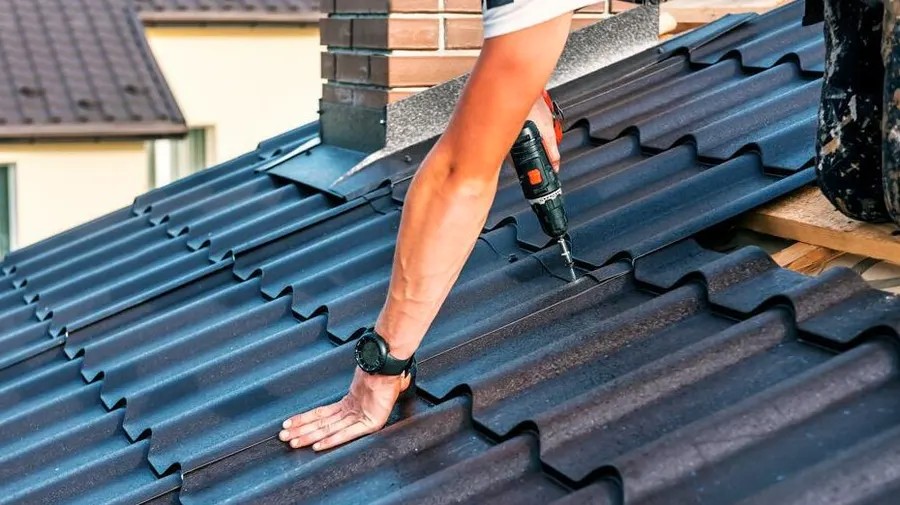
Once the roof surface is prepared, the metal panels can be installed. This involves measuring and cutting the panels to the appropriate size, aligning and fastening them to the roof deck using screws or nails, and overlapping each panel to create a watertight seal.

Attaching Flashing and Trims

Flashing and trims play a crucial role in preventing water infiltration and protecting vulnerable areas of the roof, such as roof valleys, chimneys, and vents. During the installation process, flashing and trims are carefully attached to these areas to ensure a secure and watertight seal.

Sealing and Finishing

Once all the metal panels, flashing, and trims are properly installed, the final step is to seal any gaps or seams to ensure a completely watertight roof. This may involve applying sealant or using specialized metal roof tapes.

Maintenance Tips for Metal Roofing

Regular Cleaning and Debris Removal

Metal roofs should be regularly cleaned to remove dirt, debris, and organic growth, such as moss or algae. Use a mild detergent and a soft brush or sponge to clean the surface. Avoid using abrasive materials or harsh chemicals that can damage the finish of the metal.

Repairing Any Damaged Areas

If any damage or loose panels are noticed, it is important to address them promptly to prevent water leakage. Repair or replace damaged panels and reseal any compromised areas to maintain the integrity of the roof.

Applying Protective Coatings

Applying protective coatings to the metal roof can help extend its lifespan and enhance its durability. These coatings provide an additional layer of protection against UV rays, rust, and corrosion.

Professional Inspections and Maintenance Services

Regular professional inspections by a roofing contractor can help identify any potential issues and ensure proper maintenance of the metal roof. Contractors can perform more detailed inspections, make necessary repairs, and provide guidance on the best maintenance practices.

Conclusion

Metal roofing is a modern and durable choice for residential and commercial buildings. It offers numerous advantages, including durability, longevity, energy efficiency, and low maintenance. By selecting the appropriate metal roofing material, hiring a professional contractor, and following proper maintenance practices, you can enjoy the benefits of a metal roof for many years to come.


Maximizing space in your tiny house while maintaining its cozy charm can be achieved through strategic room expansions. Companies like My Home Builders, Inc. offer premier destination services for top-notch room additions in Los Angeles and high-quality room expansions in Van Nuys, CA. These professionals specialize in seamlessly integrating additional rooms into compact homes, ensuring a seamless blend of functionality and aesthetic appeal.

Considering the limited square footage of a tiny house, strategic planning is key when contemplating room additions. My Home Builders, Inc. provides top-tier room additions in North Hollywood, CA, and high-quality room additions in Glendale, CA. Their expertise lies in crafting innovative and space-efficient solutions, allowing homeowners to optimize their living spaces without compromising comfort or style.

In this blog post, we will explore the benefits of room additions in tiny houses, considerations to keep in mind before embarking on a project, popular room addition ideas, tips for maximizing space, and design tips to create a comfortable and visually appealing living environment. 

Benefits of Room Additions in Tiny Houses

Increased living space

One of the most significant advantages of room additions in tiny houses is the increased living space they provide. By adding an extra room or expanding an existing one, you can create separate areas for different activities, such as a home office, a guest room, or a dedicated space for hobbies and crafts.

Enhanced functionality

Room additions also enhance the functionality of a tiny house. With additional space, you can incorporate amenities that may have been difficult to include before, such as a larger kitchen or a bathroom with more storage. This allows for a more efficient use of the available space and improves the overall functionality of the home.

Improved comfort and convenience

Adding rooms to a tiny house can greatly enhance comfort and convenience. For example, having a separate bedroom can provide privacy and a better night’s sleep, while a dedicated dining area can make meal times more enjoyable. Room additions can make everyday living more comfortable and convenient, improving the overall quality of life.

Higher resale value

Investing in room additions can also increase the resale value of your tiny house. By adding functional and well-designed spaces, you make your home more attractive to potential buyers. This can result in a higher selling price and a quicker sale when the time comes to move on.

Considerations for Room Additions in Tiny Houses

Building regulations and permits

Before undertaking any room addition project, it’s essential to familiarize yourself with local building regulations and obtain the necessary permits. Regulations vary depending on the location, and it’s crucial to ensure compliance to avoid legal issues and complications down the line.

Budget and cost considerations

Room additions can vary significantly in cost, depending on the complexity of the project and the materials used. It’s important to set a realistic budget and consider various cost factors such as materials, labor, and any additional expenses like permits or architectural plans. Planning ahead and obtaining multiple quotes can help ensure that the project stays within budget.

Utility connections and infrastructure

When adding a room to a tiny house, it’s crucial to consider utility connections and infrastructure. Will the new room require plumbing, electrical, or HVAC services? Ensuring that the necessary connections and infrastructure are in place or can be added without significant cost will contribute to the success of the project.

Long-term maintenance and durability

When planning a room addition, it’s important to think about long-term maintenance and durability. Choosing high-quality materials and construction methods can help ensure that the new space remains functional and in good condition for years to come. Additionally, considering maintenance requirements and ease of upkeep will minimize future headaches.

Utilizing Multi-functional Furniture in Tiny House Room Additions

In tiny house room additions, making efficient use of limited space is essential. One way to maximize functionality is by utilizing multi-functional furniture. For example, a sofa bed can serve as both seating during the day and a bed at night, while a dining table with built-in storage can provide a place to eat and store items. Look for furniture that can serve multiple purposes to make the most of your room additions.

Popular Room Addition Ideas for Tiny Houses

When it comes to room additions in tiny houses, there are many creative ideas to consider. Some popular options include:

  • Loft bedrooms: Utilize vertical space by adding a loft bedroom above the main living area.
  • Home offices: Create a dedicated workspace with a desk, storage, and ample lighting.
  • Bathroom expansions: Increase the size of your bathroom to incorporate additional features like a larger vanity or a bathtub.
  • Outdoor living areas: Extend your living space outdoors with a deck or patio for entertaining and relaxation.

Maximizing Space in Tiny House Room Additions

When working with limited space in tiny house room additions, maximizing every square foot is essential. Here are some tips to help you make the most of your room additions:

  • Use built-in storage solutions to keep belongings organized and minimize clutter.
  • Utilize wall space for shelving and hanging storage.
  • Choose furniture with hidden storage compartments.
  • Opt for foldable or collapsible furniture that can be easily stored when not in use.
  • Consider utilizing the space under stairs or in alcoves for additional storage or functional purposes.

Design Tips for Tiny House Room Additions

Utilize vertical space effectively

In tiny house room additions, vertical space is valuable. Make use of tall shelves, bunk beds, or loft areas to maximize storage and create a sense of height in the room.

Opt for light colors and natural light

Light colors can make a small space feel larger and brighter. Choose neutral tones or pastel shades for walls and furniture. Additionally, maximize natural light by incorporating large windows or skylights into your room additions.

Choose compact and multifunctional furniture

When selecting furniture for your room additions, opt for compact pieces that can serve multiple purposes. Look for pieces with built-in storage or folding capabilities to make the most of the available space.

Use mirrors to create an illusion of space

Strategically placing mirrors can make a room appear larger and more open. Reflecting light and extending the visual boundaries, mirrors are an excellent tool for maximizing the perceived space in a tiny house.

Consider open floor plans and flexible layouts

Open floor plans and flexible layouts can create a more spacious and versatile feel in your room additions. By eliminating unnecessary walls and barriers, you can optimize the flow of the space and adapt it to different needs and activities.

Conclusion

Room additions can be a game-changer for tiny house living, providing increased space, enhanced functionality, improved comfort, and potentially higher resale value. However, it’s important to consider building regulations, budget, utility connections, and long-term maintenance when planning room additions. Utilizing multi-functional furniture, incorporating popular room addition ideas, and employing design tips can help maximize space and create a visually appealing living environment. With careful consideration and creativity, you can transform your compact house into a comfortable and functional home.


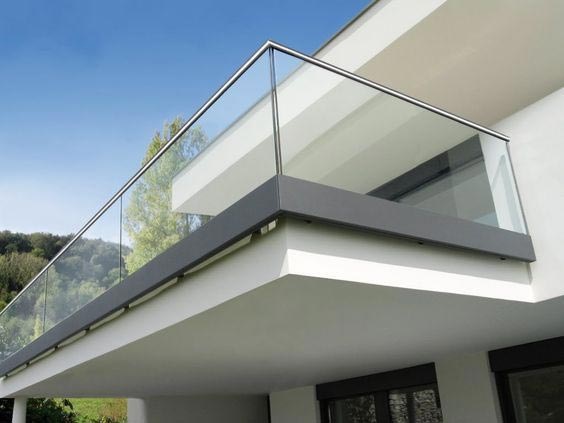
The world of interior and exterior design has seen a significant shift in recent years, with more homeowners and designers opting for modern, sleek, and minimalist styles. One feature that fits perfectly into this aesthetic is glass balustrades. But are glass balustrades a good idea? Phil Counsell, an expert in Perth frameless glass balustrades, shares his insights.

What are Glass Balustrades?

Before we delve into the pros and cons of glass balustrades, let’s first understand what they are. Glass balustrades are safety barriers made from glass panels that can be used both indoors and outdoors. They are often used on staircases, balconies, terraces or around swimming pools. They come in different types including framed, semi-framed and frameless designs. Perth frameless glass balustrades have become particularly popular due to their sleek and modern appeal.

Benefits of Glass Balustrades

According to Phil Counsell, there are several benefits to installing glass balustrades in your home or commercial property.

  1. Aesthetic Appeal: One of the main reasons why people choose glass balustrades is because of their aesthetic appeal. They offer a clean, modern look that can enhance the overall design of any space. Their transparency also allows for unobstructed views which can be particularly beneficial for properties with scenic surroundings.
  2. Durability: Despite their delicate appearance, glass balustrades are incredibly durable. They are made from toughened or laminated safety glass which is resistant to impact and extreme weather conditions.
  3. Easy Maintenance: Unlike other materials such as wood or metal which may require regular painting or treatment to maintain their appearance, glass is relatively easy to clean and maintain.
  4. Versatility: Glass balustrades can be customised to fit any space or design preference. Whether you prefer a frameless design for a minimalist look, or a framed design for added structure, there is a glass balustrade to suit your needs.

Considerations When Choosing Glass Balustrades

While there are many benefits to using glass balustrades, Phil Counsell also points out some considerations that homeowners and designers should keep in mind.

  1. Cost: Glass balustrades can be more expensive than other types of balustrades due to the cost of the materials and installation. However, their durability and low maintenance requirements can make them a cost-effective choice in the long run.
  2. Safety: While glass balustrades are made from safety glass, they may not be suitable for homes with young children or pets who could potentially damage the glass or injure themselves.
  3. Privacy: Due to their transparency, glass balustrades may not offer as much privacy as other types of balustrades. This may not be an issue for some people, but it is something to consider if privacy is a concern.

Conclusion: Are Glass Balustrades a Good Idea?

In conclusion, whether or not glass balustrades are a good idea depends on your specific needs and preferences. They offer numerous benefits including aesthetic appeal, durability, easy maintenance and versatility. However, they may also come with certain considerations such as cost, safety and privacy.

Phil Counsell suggests that if you’re considering installing Perth frameless glass balustrades or any type of glass balustrade in your property, it’s important to consult with an expert who can guide you through the process and help you make an informed decision based on your specific circumstances.

In the world of modern design where sleek lines and minimalist aesthetics reign supreme, it’s no wonder that more people are turning to options like glass balustrades. With their ability to enhance any space while providing safety and durability, it’s clear that they’re more than just a passing trend.

As the temperature starts to drop and the cozy evenings by the fireplace become more appealing, it’s essential to ensure that your chimney is in top-notch condition.

A clean and well-maintained chimney not only guarantees efficient heating but also minimizes the risk of potential hazards. If you’re a homeowner looking for simple ways to clean and maintain your chimney, you’ve come to the right place.

In this comprehensive guide, we’ll walk you through the steps of chimney care, ensuring a warm and safe haven for you and your family.

What Can Cause a Dirty Chimney?

A chimney, while serving as an essential part of a cozy home, can also be a hidden repository of various forms of dirt and debris. Several factors contribute to the accumulation of dirt in a chimney, some of which might surprise you.

Understanding what makes a chimney dirty is crucial in appreciating the importance of regular cleaning and maintenance.

Creosote Buildup

The primary contributor to chimney dirtiness is creosote, a highly flammable substance that forms as a result of burning wood or other fuels. This sticky, tar-like residue clings to the inner walls of the chimney as smoke rises, gradually accumulating over time. If left unattended, creosote buildup can become a serious fire hazard.

Soot and Ash

Burning wood or fossil fuels releases microscopic particles known as soot and ash. These particles find their way up the chimney, leaving behind a layer of fine, powdery residue.

Over time, this layer can become thick and restrict proper airflow, reducing the chimney’s efficiency and potentially causing poor combustion.

Debris and Nesting Materials

Chimneys often provide warm and protected spaces for birds, squirrels, and other creatures to build nests. Leaves, twigs, feathers, and other debris can accumulate alongside these nests, further obstructing the chimney’s proper functioning.

Moisture and Weathering

External elements like rain and snow can introduce moisture into the chimney. Over time, this moisture can mix with the accumulated soot and creosote, creating a corrosive mixture that damages the chimney’s masonry and lining.

Flue Blockages

Items accidentally dropped into the fireplace or animals seeking shelter can lead to blockages within the chimney. These blockages not only restrict airflow but also pose a serious risk of carbon monoxide buildup within the home.

Understanding the Importance of Chimney Maintenance

Chimneys serve as the exit point for the byproducts of combustion, such as smoke, gases, and debris. Over time, these byproducts can lead to the accumulation of creosote that can trigger chimney fires.

To prevent this and ensure proper functioning, regular maintenance is crucial.

Inspection Comes First

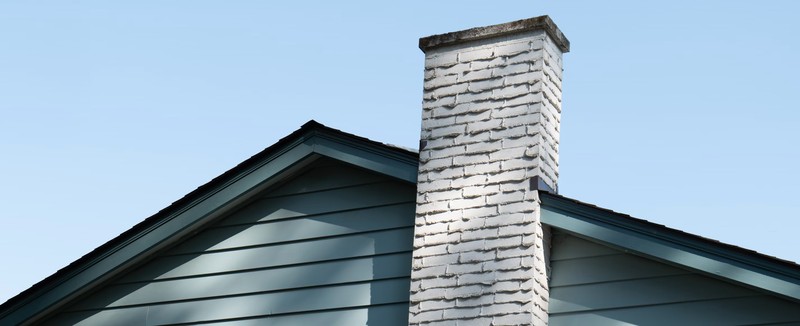
Before diving into cleaning, start with a thorough chimney inspection. Look for signs of damage, such as cracks, loose bricks, or mortar joints. These issues can weaken the chimney’s structure and may even compromise its safety. If you’re unsure, it’s always a good idea to consult a professional chimney service.

Gather Your Tools

To clean your chimney effectively, you’ll need some basic tools. These include a chimney brush (sized appropriately for your flue), a stiff wire brush, a vacuum cleaner, a drop cloth, and protective gear such as gloves and goggles.

Clearing the Ashes

Begin by removing any ashes or debris from the fireplace and hearth. This step is essential to ensure a clean workspace.

Brush the Flue

Using the chimney brush, start brushing the interior of the flue. Work from the bottom upwards, scrubbing away creosote and soot buildup. Be sure to use a sturdy and flexible brush to reach all the nooks and crannies. Repeat this process until the brush comes out clean.

Dealing with Creosote Buildup

If you notice a significant amount of creosote buildup, it’s advisable to consult professionals for a thorough cleaning. Creosote is highly combustible and can lead to chimney fires if left untreated.

Cleaning the Fireplace Surroundings

Don’t forget to clean the area around the fireplace, including the hearth and mantle. Wipe away dust, cobwebs, and any debris that may have accumulated.

Check the Chimney Cap and Damper

Inspect the chimney cap and damper for any signs of damage or obstruction. These components play a crucial role in preventing animals, debris, and rainwater from entering the chimney.

Professional Inspection and Maintenance

While regular DIY maintenance is essential, it’s recommended to schedule a professional chimney inspection and cleaning at least once a year. Professionals can identify hidden issues and provide a more thorough cleaning, ensuring your chimney’s longevity and safety.

Secure Professional Chimney Care with Creative Masonry & Chimney

Maintaining your chimney is a task that requires attention to detail and expertise. For comprehensive and personalized chimney maintenance and chimney cleaning Manchester CT and chimney repair East Hartford CT, consider Creative Masonry & Chimney.

Their team of experienced chimney professionals specializes in ensuring the safety and efficiency of your chimney, allowing you to enjoy a warm and worry-free winter season.

So what are you waiting for? Call them at (860) 225-9178 now to learn more about their chimney cleaning, repair, and maintenance services, and schedule a consultation now.

Ancient civilizations like the Romans and Egyptians employed the durable stone granite to create structures that are still standing today. For centuries, it was the preferred covering for the courtyards of fortresses and castles belonging to royal families. Without a question, granite is still the go-to stone for construction and landscaping. Staircases, pool copings, roadways, and patios are just some of the many places you’ll find it put to good use.

Is it the best in the Market?

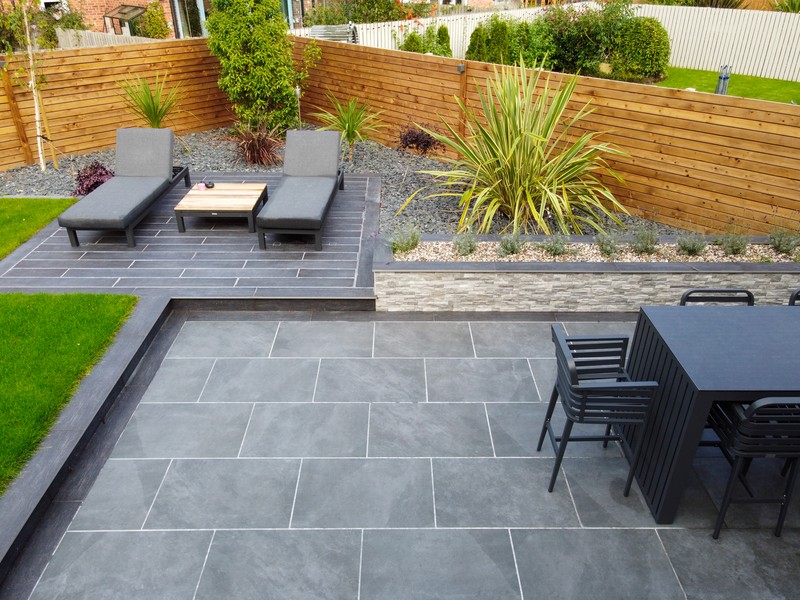
As one of the thickest stone pavers now on the market, granite has found extensive use in both business and residential landscaping. Driveways and patios made of granite pavers may be designed in a wide range of unique ways. Using granite cobblestone pavers or granite crazy paving in irregular sizes or asymmetrical shapes may make patios, driveways, and paths built of granite seem particularly stunning. The pavers in your yard might also function as stepping stones leading guests to your front entrance. In addition to being used as claddings for walls, driveways, walkways, and pool decks, granite pavers have many more practical applications. Granite may also be used to make pool coping. This is where the silver grey granite paving option comes.

Why is this rock so well-liked, exactly? Listed below are some of granite’s qualities, as well as the top five reasons why it makes a great paving stone.

Tenacity and strength while under duress

Granite flags may be utilized in a wide variety of applications due to their durability and resistance to wear and tear. Because of this, they are a great option for heavily used sidewalks. It has a durable finish that is safe for prolonged use since it is scratch- and slip-proof. The combination of these factors makes it a top choice among homeowners looking to make their patio an up-to-date extension of their home.

When it comes to the density of natural stones, granite is among the least porous. Because of this, granite is among the natural stones that requires the least amount of upkeep. In addition to the potential for encouraging the growth of algae and mildew, absorbing water poses the risk of the water inside the stone freezing and swelling during the winter, perhaps cracking the stone. If the stone is kept from absorbing any water, these issues won’t arise. Although granite’s lower porosity makes it less susceptible to this problem than other types of natural stone, we nonetheless recommend sealing it to prevent any harm from occurring.

Designed to Prevent Falls

Exfoliated and bush hammered granite pavers, for example, have a rougher surface that makes them less slippery. Granite pavers are nonslip because of the surface’s subtle texture. This feature prevents slipping even in damp conditions. As a result, granite pavers are ideal for usage in wet environments like those found around swimming pools and other places where water is constantly being splashed or rained on. It is often considered the safest stone for outdoor paving.

Superior attractiveness in every respect

Perhaps granite’s widespread appeal stems from the material’s rugged excellent appearance. The inherent grace of granite pavers gives off a heavenly air. Because of their ability to blend in, they may be used to enhance the look of your patios, pathways, driveways, or any other area in which they are placed. Since granite pavers are so neat and elegant, they make a great choice for more formal outdoor spaces. Outdoor pavement made with dark-colored stones, such as Raven Black, Diamond Black, or Carbon Black Granite, looks sleek and sophisticated. Austral Verde, Silver Grey, and Sesame Grey Granite, all of which are medium greys, are your best options if you want a sleek and sophisticated patio or driveway.

Protected from the scorching sun

Do you long to host a barbecue for your loved ones and best friends in the comfort of your own backyard? This is made feasible by the use of granite pavers, which can withstand high temperatures. They will never break under any conditions since they are inherently fireproof and cannot burn. Even on the warmest summer days, granite maintains its cool temperature, making it safe to walk on. They are also used in the vicinity of fireplaces for the same practical reasons. You may organize your BBQ party in peace knowing that silver grey granite paving 900 x 600 will handle all of the paving needs.

Extremely malleable

The adaptability of granite makes it a popular choice for pavers. Because of their durability, they may be used in any setting, and you can get them in a variety of hues, with or without flaws. Because of the product’s versatility, it comes in a broad range of colors, from black and gray to red and beige in a variety of tones.

Conclusion

Granite’s numerous positive qualities make it a good choice for outdoor flooring and pavers in addition to its more common indoor applications such as worktops and vanity slabs. The stone remains unharmed despite being exposed to extreme heat or moisture or being used in strenuous physical activities. You should feel confident enough to go forward with installing granite pavers if you were on the fence about doing so before.

With water rates rising across the United States, homeowners are searching for effective ways to reduce water usage and save money on utility bills. Upgrading to water-efficient plumbing fixtures is one of the most impactful steps you can take. High-efficiency toilets, faucets, and showerheads can significantly reduce indoor water consumption while also lowering energy costs. At JMK Plumbing, we highly recommend installing these water-saving fixtures. Here’s a closer look at how they conserve water and save you money:

The Toilet – Your Biggest Water User

The toilet is the largest consumer of indoor water, accounting for nearly 30% of a home’s water use. Older conventional toilets use 3.5 gallons per flush or more, while high-efficiency models use 1.28 gallons per flush or less. Switching to a WaterSense certified high-efficiency toilet could reduce water usage by 16,500 gallons per year for the average family. That’s a water savings of at least 30% with each flush!

High-efficiency toilets employ innovative flush technology to use significantly less water but still efficiently remove waste. The low-flow flush mechanisms thoroughly clean the bowl while using 1/3 less water than standard toilets. WaterSense certified models undergo independent testing to meet rigorous flow standards and performance guidelines.

Installing a high-efficiency toilet is one of the most effective ways to conserve water indoors. JMK Plumbing offers a wide selection of high-performing and stylish high-efficiency toilet models from top brands like American Standard, Kohler, and Toto.

Faucet Aerators Reduce Flow

Bathroom and kitchen faucets account for about 15-18% of indoor water consumption. Installing low-flow aerators is a fast and inexpensive way to conserve water from your taps. Low-flow aerators restrict water flow to 1.5 gallons per minute (gpm) or less without compromising performance. This can help save over 700 gallons per month for the average family!

Many homeowners are surprised to learn just how much water can be wasted from faucet leaks and running taps. The small investment in low-flow aerators pays for itself quickly and continues saving water and money for years to come. JMK Plumbing offers affordable faucet aerator installation or provides aerators for hassle-free DIY installation.

Efficient Showerheads Save Water and Energy

The typical 8-minute shower uses 17 gallons of water. Switching to a WaterSense certified shower head that uses 1.75 gpm or less can save 15-16 gallons during your shower. For a family of four, this adds up to nearly 10,000 gallons of water savings per year!

In addition to conserving water, efficient showerheads save energy by reducing demands on your water heater. This lowers monthly energy bills, saving you more money. JMK Plumbing offers showerhead installation and provides a wide selection of water-efficient showerheads to perfectly match your bathroom’s decor.

More Efficient Plumbing Equals Lower Utility Bills Installing high-efficiency plumbing fixtures reduces water and energy consumption, resulting in lower utility bills. The savings from efficient toilets, faucets, and showerheads quickly adds up for families aiming to reduce their environmental footprint and monthly expenses. Contact JMK Plumbing today to learn more about water conservation options and get a free estimate. We make saving water and money easier than you think with high-efficiency plumbing fixtures.

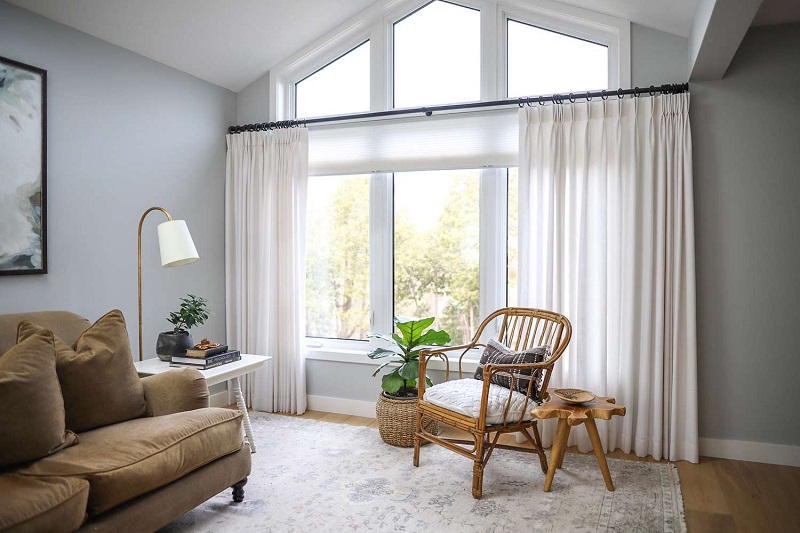
When you talk about all the elements that contribute greatly to the charm of appeal of your home, curtains occupy an important place. Yet many of us frequently ignore to regularly care for it and with time it looks drab and unattractive. Other elements like spills and dust produce spots and stains making curtains look old and worn out and bringing down the overall look of your house. The key to having your curtains look new and fresh is to routinely hire Curtain Cleaning Hobart experts who do a professional cleaning and revive the curtains with their original sheen.

Curtains come in a variety of materials and each homeowner or buyer opts for the fabric of their choice when it comes to their drapes. Some go for utility others for the glamour but no matter what you select they last longer and look better when professionals like Curtain cleaners Hobart Services are called in to remove deep dirt or staining.  Here below are a few practical suggestions and pointers for you to keep in mind to make your curtains look brand new and ensure a longer life.

  1. Vacuum frequently

The easiest and surest way to keep your curtains clean and bright is to remove dust. Using a vacuum cleaner weekly or fortnightly is a great practice. You might also observe lint or pet hair on your curtains. These cannot be removed by a vacuum since they stick to fabric. Use a feather duster to remove dust and a lint roller to get rid of lint or pet hair. Professional curtain cleaning Hobart servicemen also employ lint rollers and vacuum cleaners as the first step to cleaning curtains and upholstery.

  1. Wash curtains separately

If the manufacturer’s instructions suggest wet cleaning, it is best to use a washing machine. Use a gentle setting, wash cycle, and the right amount of mild detergent. Never include your other laundry while washing your curtains.

  1. Hand washing the delicate curtains

Sheer or delicate curtains should be hand washed and not machine washed. Machine washing can hamper the fabrics and also can make them look worn out.

  1. Dry cleaning your curtains

Rich fabrics or delicate fabrics may be dry cleaned as it’s the most effective and safest method.

  1. In case of hand washing, use mild detergent

In case you are thinking of washing expensive fabric yourself, soak your curtains in a mild detergent for about an hour or less. Once they are well absorbed, using gentle hands scrub the fabric lightly with a soft bristled brush. You can use your hands to apply more force to those areas with more dirt. If you wish to machine wash run on a delicate cycle setting. It is best to air dry once washing is complete. Avoid using dryers to prevent fabric damage.

  1. Drying your curtains

Curtains are best air-dried in the open air. If the sun is strong dry them on the reverse side to prevent colors from fading. Curtain cleaners Hobart servicemen use dryers since they have the requisite training to dry the curtains without damaging the fabric.

  1. Ironing and Steaming

If your curtains look wrinkled then you can iron them by setting on a low heat option. Iron on the reverse side to preserve the print and trims. Use a cloth steamer to even out wrinkles without contacting the fabric directly. Once you have done that they should look as good as a job done from Curtain Cleaning Hobart services.

Removing stains to bring back a fresh look

If you wish to remove ugly stains from curtains you have to act quickly Professional curtain cleaning Hobart like experts. You have to act fast before stains set in. For greasy patches pre-treat using dishwashing liquid. Then dampen a sponge with hot water and blot on the fabric to remove grease. Then launder properly with powdered detergent for laundry using hot water. Smoke can ruin the look of curtains and cause it to get yellow. Revive its looks to its original vibrancy by soaking stained parts overnight in a blend of 1 cup baking soda, hot water, ½ cup borax, and half a cup salt. In the morning launder and then dry. If you have something sticky, you can rub ice cubes on the area for ten minutes before scraping it off. Then launder it as usual.

Curtains are a style statement of home décor. Curtains in the living room or bedroom can literally be transformed just by adding some lace (which may be bought) that lends it sheer class. Just lining the edges with these laces and sewing them as borders or from top to bottom can add elegance to the old look.

A swimming pool is a great addition to any home, providing a place for relaxation, exercise, and fun in the sun. However, maintaining a pool can be quite challenging, especially when it comes to managing the pool pump. A common question that many homeowners ask is – “Can a pool pump be in a shed?” In this blog post, we will explore the answer to this question and provide some useful tips for setting up your pool pump shed.

Why Consider A Pool Pump Shed?

The pool pump is an essential component of your swimming pool system. It circulates water through the filter to remove debris and keep the water clean and clear. However, it can be noisy and unsightly if left exposed in your backyard. This is where a pool pump shed comes into play.

A pool pump shed not only hides your pump from view but also provides protection from harsh weather conditions and reduces noise levels. Moreover, it helps extend the lifespan of your pump by keeping it clean and dry.

However, installing a pool pump in a shed requires careful planning and execution. This is where professional services like Helpful Handyman Hire come into play.

The Role of Handyman Services

If you’re looking for a handyman near me or specifically in Perth who can help with your pool pump shed installation, look no further than Helpful Handyman Hire. Our team of experienced professionals understands the intricacies involved in setting up a safe and efficient pool pump system within a shed.

We ensure that there’s adequate ventilation for heat dissipation from the motor while also making sure that there’s enough space around the equipment for easy maintenance access.

Key Considerations When Installing A Pool Pump In A Shed

When planning to install your pool pump in a shed, there are several factors you need to consider:

1) Ventilation: Pool pumps generate heat when they operate; thus, they need proper ventilation to avoid overheating. Your shed should have enough openings or vents that allow air circulation.

2) Accessibility: The shed should be large enough to accommodate not just the pump but also other equipment like filters or heaters if you have them. There should be sufficient room for you or maintenance personnel to move around comfortably during servicing or repairs.

3) Noise Reduction: If one of your main reasons for considering a shed is noise reduction, ensure that it has soundproofing features such as insulated walls or ceilings.

4) Weather Protection: The materials used for constructing the shed should be durable enough to withstand harsh weather conditions like heavy rain or intense sunlight without deteriorating quickly.

5) Compliance with Local Regulations: Always check with local authorities about any regulations concerning outdoor structures like sheds before proceeding with installation.

Conclusion

So can a pool pump be in a shed? Absolutely! With careful planning and execution by professionals like Helpful Handyman Hire based out of Perth, you can have an efficient setup that keeps your backyard looking neat while extending the life of your valuable equipment.

Remember that while setting up such an installation may seem daunting initially; with expert help at hand from our handyman services team near you – it becomes an achievable task! So why wait? Get started on creating an ideal environment for your swimming machine today!