
Author

Pat Graham

Browsing

Water leakage might seem like a minor domestic inconvenience—a drip here, a stain there—but this seemingly innocuous problem has evolved into one of Singapore’s most financially devastating and legally complex property challenges. In our water-conscious nation, where every drop is precious and costs are rising, the irony is profound: whilst we’ve mastered water conservation through our Four National Taps strategy, we’re simultaneously haemorrhaging millions through preventable domestic water seepage.

This isn’t merely about property maintenance; it’s about how technological advancement and regulatory frameworks struggle to keep pace with the human cost of our urban density.

The Hidden Mathematics of Water Infiltration

Consider the stark arithmetic that frames Singapore’s water challenge. Singapore currently consumes about 440 million gallons of water per day, and water demand is projected to almost double by 2065. The current potable water price is set at $2.74 per cubic metre, with increases bringing it to $3.24 by April 2025.

The Financial Reality of Water Damage: 

  • Immediate repair costs: $500-$5,000 depending on severity
  • Property value impact: 5-15% depreciation for water-damaged units
  • Legal costs: Condominium disputes averaging $10,000-$30,000

Singapore’s Unique Vulnerability: When Paradise Becomes Problematic

The tropical climate that makes Singapore a garden city also creates the perfect storm for water penetration. Our 2,340mm annual rainfall combined with humidity levels that rarely drop below 70% creates relentless pressure on building envelopes. Under Section 101(8) of the Building Maintenance and Strata Management Act, the flat owner of the immediate unit on the upper floor bears the presumption for water leakage unless they can prove otherwise.

Recent years have seen common disputes faced by Singapore’s condominium flat owners in relation to ceiling water penetration due to uncooperative neighbours, creating high tension between residents who previously enjoyed cordial relationships.

The Technology Paradox: Advanced Infrastructure, Primitive Detection

Singapore’s water management represents a study in contrasts. PUB operates sophisticated systems, including 346 water sensor stations across the city-state to monitor distribution networks, whilst domestic properties rely on visual inspection and complaints-based reporting.

By the time residents notice discoloured ceilings or wall stains, water damage has often compromised structural elements, electrical systems, and indoor air quality.

Modern Detection vs. Traditional Methods: 

  • Professional thermal imaging: Identifies moisture before visual damage appears
  • Electronic moisture metres: Quantify saturation levels in building materials
  • Pressure testing systems: Verify waterproofing integrity before problems develop
  • Visual inspection: Often too late to prevent significant damage

The Human Cost: Beyond Property Damage

Water intrusion affects residents’ daily lives through rapid mould growth in tropical conditions, often within 24-48 hours of water exposure. For vulnerable populations—children, elderly residents, and those with respiratory conditions—moisture-related air quality problems can trigger serious health complications.

The social dynamics are equally troubling. Neighbourhood harmony fractures under water damage disputes, forcing property owners to choose between legal action against neighbours, absorbing substantial repair costs, or living with deteriorating conditions.

Prevention Strategies: Learning from Industrial Water Management

Singapore’s industrial sector offers instructive lessons for residential water management. In 2024, PUB introduced mandatory water recycling requirements for new projects in water-intensive industries, demonstrating systematic approaches to water control that could benefit residential applications.

Proactive Water Management Techniques: 

  • Regular building envelope inspections using professional equipment
  • Preventive waterproofing renewal on 5-7 year cycles
  • Installation of moisture monitoring systems in high-risk areas

The most effective prevention strategies mirror Singapore’s national water security approach: diversification, monitoring, and early intervention.

Legal Evolution: Towards Collaborative Solutions

Singapore’s legal framework is adapting to recognise the complexities of water damage in high-density housing. The Strata Titles Board increasingly encourages mediation and joint investigation protocols that emphasise shared responsibility rather than adversarial proceedings.

Progressive building management corporations are implementing proactive maintenance protocols including regular facade inspections, coordinated waterproofing renewal programs, and clear procedures for investigating moisture problems.

The Climate Reality: Preparing for Intensification

Climate change projections suggest Singapore will face increasingly intense rainfall events, putting additional pressure on building water management systems. Average electricity market tariffs have increased by about 37% while construction costs have risen by 35%—making reactive approaches to water damage increasingly expensive.

Future-proofing residential properties requires acknowledging that traditional approaches may prove inadequate under changing climatic conditions.

A Call for Systematic Change

Singapore’s approach to water infiltration needs the same systematic thinking that solved our national water security challenge. This means moving beyond reactive responses to individual leak incidents towards comprehensive building water management that incorporates monitoring, maintenance, and community coordination.

The stakes are substantial. With property values representing most Singaporeans’ primary wealth, protecting buildings from water damage isn’t merely about comfort—it’s about preserving the financial foundation of our society. As water costs rise and climate pressures intensify, the communities and buildings that proactively address water seepage will maintain their value and livability, whilst those that rely on outdated reactive approaches will face escalating costs and diminishing returns.

The choice is ours: continue treating water intrusion as an inevitable nuisance, or recognise it as a sophisticated challenge requiring the same level of attention we’ve devoted to securing our national water supply. The hidden crisis in your ceiling deserves nothing less than the systematic, technology-enabled approach that has made Singapore a global leader in water security. Because in the end, protecting our buildings from water leakage is protecting our future, one drop at a time.

Driveways that will handle heavy vehicles in Melbourne require more than just concrete —it needs strength from within. Whether the vehicle is a delivery van, truck or caravan the constant pressure can cause regular concrete surfaces to crack or break. If you want to get a long-lasting result, a durable concrete reinforcing mesh is essential for you.

This guide will teach you what makes a reinforcement driveway strong, cost-effective and ideal for Melbourne’s multifaceted soil structure.

Why You Need Reinforcing Mesh

Heavy vehicles may weigh between 3 and 10 tons. Left alone, concrete tends to move, sink or end up with cracks when you apply force to it. Enter concrete reinforcing mesh.

This steel netting distributes the weight across the top evenly. Back things up: No more sinking into the mud. Quite literally prevents your driveway from sinking, even on problematic reactive clay soils indigenous to areas such as Dandenong and Cranbourne. Reinforcement also supports longevity for concrete — sometimes extending the life by as much as 30 years with minimal maintenance.

Choosing the Appropriate Mesh for the Task

Not all mesh is the same. Your choice of base will depend on how much weight your driveway needs to support.

Here are some common types:

  • SL62 Mesh: Smaller cars suit this best, using 6mm bars spaced at 200mm intervals.
  • Mesh SL82: Heavy duty mesh, utilising 8mm bars.
  • Trench Mesh: Trench Mesh is suited to narrow drives or edge reinforcement and has 8-12mm bars.

The cost of mesh for an area of 50m² is usually between $500 and $1200. Selecting the proper kind up front avoids expensive repairs down the road.

Reinforcing Concrete Driveways

Step-by-Step: Building a Reinforced Driveway

1. Check the Soil

Start with a soil test. Soil in Melbourne can be tricky — clay in one suburb, loam in another. A test ($200–$500) can help you determine if you require a deeper base or more good drainage.

2. Plan Your Space

Heavy driveway excavation should be penetrated to 100–150mm with a width minimum of 3m for heavy vehicles. Include up a 100mm-thick crushed rock base before the concrete goes in.

3. Install the Mesh

When utilizing plastic bar chairs, the mess ought to be placed at a distance of 30 to 50 mm from the floor. Overlap sheets by about 200mm and secure with wire. For added reassurance, hiring a reliable reinforcement mesh supplier guarantees that you are using a trusted reinforcement mesh supplier who offers steel that complies with Australian standards.

4. Pour the Concrete

Make use of a blend whose strength rating falls between 32 and 40 MPa. This makes it easy to even out your pour, tap to settle your grinds, and keep your mesh locked in place. Let the concrete cure for 7–14 days. This lessens cracks and hardens a surface.

5. Get It Done by Professionals

Driveways can be DIY — but they can also mean trouble. Licensed tradespeople ensure all is to Victorian standards. Labour can run to the $2,000–$4,000 mark, but the end result is much more trustworthy.

Why Reinforcement Pays Off

  • Longevity: A driveway that is properly supported can endure for as long as the house.
  • Less Repairs: No more sinking, cracks or expensive patch jobs.
  • Safer: A solid surface for your car and you!
  • Adds Value: Curb appeal and resale values skyrocket with strong clean driveways.

Last Tips on Making a Durable Driveway

Plan ahead, buy the right materials, and always work with reputable suppliers. Melbourne’s fickle weather and soil will mean cutting corners will cost down the track. A trusted reinforcement mesh supplier means peace of mind and improved constructions.

Want a driveway that lasts? Build from the ground up the way it’s supposed to be — and make sure it’s built to support the load.

Consider the long haul, not just upfront expenses. Putting in that kind of quality now will result in less maintenance and a longer life down the road. And remember, even the best driveway needs some regular attention to remain in tip-top shape.

When it’s time to elevate your outdoor space, many homeowners still ask the same question — should I DIY or bring in the pros? Both professional and do-it-yourself landscaping have advantages and disadvantages. Let’s parse it so that you can make the right decision for your home — and your bank account.

DIY could work for people who enjoy working with their hands and have the time to dedicate to learning new skills. On the other hand, hiring professionals can spare you from expensive missteps and yield a polished end product. Ultimately, it will depend on your timeline, comfort level and the execution of the project.

The Self-Service Solution: Budget-Friendly but Time-Intensive

If you like the handiwork and are a bit handy, doing your own yard-work sounds like it might be a lot of fun. You have complete control, it’s usually cheaper, and it’s a feeling of accomplishment. But DIY crafting has its pitfalls.

  • If you’re not patient, don’t do it: Prepare to spend the weekend digging, planting and mulching.
  • Skill level: You should have a general understanding of soil, drainage, types of plants and layout.
  • Tools: You may need to pay money to buy or rent tools.

When it comes to small garden beds or basic lawn care through landscaping in Rowville, doing it yourself may be sufficient. But big tasks such as retaining walls, irrigation systems or complete makeovers are another matter.

Without the trouble and trial-and-error that come with do-it-yourself projects, professional landscaping can completely transform your outside space.

When to Call in a Professional?

An expert doesn’t just have experience, but vision. They help you avoid potential problems early on and save you a bundle in the long run. Here’s when going pro makes sense:

  • You’re doing a complete backyard rewrite
  • You should have some aspects of structure such as decks, pergolas, or retaining walls
  • You want a finish that is low-maintenance and long-lasting
  • And, of course, pros can help you select the best plants and materials for your climate and lifestyle.

DIY vs Pro Comparison Table

FeatureDIY LandscapingProfessional Landscaping
CostLower upfront costHigher, but better long-term value
Time CommitmentHighLow for the homeowner
Skill Level RequiredBasic to IntermediateExpert knowledge
Tools/EquipmentBuy or rent yourselfProvided by professionals
Design ExpertiseLimited to your own ideasCustom designs, tailored for space
Quality & FinishDepends on your skill levelPolished, high-end results
Professional Landscaper

Budget and Long-Term Value

One of the main factors influencing your choice is the budget. DIY is more affordable in the short run, but slip-ups can be expensive. A professional does it right. Plus, nice landscaping increases property value — something to think about if you ever sell.

This makes the entire garden feel like a New England Garden and if you have a professional who knows what they are doing and is familiar with landscaping Cranbourne, they can create a garden that also works with the local climate and soil so the plants you love in your Boston Garden can thrive all year.

By hiring a local landscaping professional, you will have less guesswork and get more results. You’ll get advice on sustainable materials and water-saving strategies from the experts, too. The result is to reduce maintenance while increasing the energy-efficiency. Its materials can be turned to multiple uses; they can be treated differently as needed, and they can add beauty and value to more than one place. An effectively designed landscape doesn’t just look good — it works harder for your life and for the environment.

Final Thoughts

Whether you should do it yourself or hire a professional depends on your budget, timeline and project size. Small tasks? Give DIY a shot. Big jobs with complex design? Trust the pros.

Your home can become more attractive and valuable with proper landscaping. Whether you live in Rowville or Cranbourne, choose one that suits your lifestyle — and your lawn.

Consider how many hours a week you can dedicate to working outdoors. Also take into account the level of finish you anticipate — professionals generally create results with more longevity and polish. Ultimately, your outdoor space should bring you joy, not stress.

Roll-off dumpsters are required for renovation, construction, and extensive cleaning to manage waste. Containers with open tops and rolling wheels in the bottom collect a higher volume of debris than the front-load dumpster. Trucks deliver these containers to the precise location.

The roll-off containers are mostly rectangular. The bottom roll-off wheel helps the dumpster management company roll the container off to your property.

These dumpsters are primarily used in places that require temporary waste management, such as prior to short-term works.

Places that need temporary waste collecting containers and high volumes of waste need to be managed, and roll off dumpsters are used.

Familiar places that required roll-off dumpsters:

  • The place where the renovation projects are undertaken, like renovating your house or building renovation.
  • Where the building demolition takes place, sometimes abandoned buildings, unused old buildings, and construction with poor strength undergo demolition. In these places, large volumes of waste will form like dry walls, steel, sand, and sharp objects. These need to be collected and disposed of as soon as possible.
  • In the construction area sites, small pieces of metal, broken equipment, small metal containers, broken sharp objects, etc., will be collected and disposed of with the help of roll-off dumpsters.
  • When cleaning old buildings or abandoning buildings, wastes like old furniture, electronic appliances, and other common household waste are collected and disposed of in a roll-off dumpster.
  • Ceiling or roof work leaves waste like nails, shingles, and tar paper. This type of dumpster collects all of this waste in one place.
  • During springtime, a large volume of leaves will be spread all over the place. Ordinary dumpsters are not suitable for collecting all the waste, so a roll off dumpster is the best choice.

Different sizes of roll-off dumpsters:

They are of different sizes and measured in measurement cubic yards to represent the volume of trash they hold.

Dumpsters are available in sizes of 10, 15, 20, 30, and 40 yards.

According to the project requirements, the size of the dumpster will be chosen with the help of a waste management company.

How does it work:

  • First, it is delivered to the work location by the waste management company to collect debris and junk.
  • The rented person can fill these containers with the construction and cleaning waste within the contracted time.
  • Once the rental period is over or the dumpster is complete, the waste management company will pick up their containers and clean the waste.

Calgary offers a blend of urban sophistication and untamed natural beauty, making it an ideal location for those looking to design a life beyond the confines of city living. Custom acreage homes in Calgary are a growing choice for individuals and families who want expansive outdoor space paired with highly personalized interior environments. These homes go beyond traditional builds, allowing homeowners to integrate every detail of their lifestyle, values, and aesthetic into a home that sits on generous, open land. The trend toward acreage living is more than just about size—it’s about creating intentional, enduring spaces that serve both personal comfort and long-term value.

In an era where the pressures of dense urban living often dictate the size, shape, and style of one’s home, custom acreage homes Calgary builders offer present a compelling alternative. Instead of adjusting to a cookie-cutter development, homeowners can start from scratch, tailoring everything from the floor plan to the orientation of the windows. Whether it’s wide front porches facing mountain views, backyard gardens sprawling across acres, or garages that double as workshops, the possibilities are nearly limitless. For those seeking both freedom and control in where and how they live, acreage builds make the most sense.

Acreage living often means more than just having extra space. It’s about redefining priorities. It means choosing to live where the horizon is wide and the pace is steady. With Calgary’s surroundings offering an ideal canvas, building a custom home in this region is not just about real estate—it’s about lifestyle transformation.

Why More Homeowners Are Choosing Acreage Living

Calgary continues to experience population growth, which brings with it new construction, condensed neighborhoods, and vertical housing. For many, the solution to these challenges is moving away from compact city parcels and into wide, open lots. Acreage living satisfies a desire for quiet, privacy, and space—all of which are increasingly valued. Custom acreage homes Calgary homeowners build today reflect a shift in thinking. More people now prioritize work-life balance, connection with nature, and the ability to customize their home without compromise.

Living on acreage allows for more than just design freedom—it enables a broader range of lifestyle choices. Whether someone wants to raise animals, install a large greenhouse, or simply have a massive backyard for children to explore, building on acreage makes it possible. Families can grow into their space instead of out of it. With thoughtful planning, these homes become long-term residences where each square foot is suited to the homeowner’s daily rhythm and future goals.

Another major reason homeowners lean toward custom acreage builds is the separation from the congestion and noise of urban areas. Wide-open landscapes offer mental clarity and a slower pace that aligns with a wellness-focused lifestyle. The physical space translates into emotional space—a key factor in quality of life. Calgary’s proximity to the Rockies, its crisp air, and stunning sunrises further enhance the draw of acreage living.

What to Expect When Building a Custom Acreage Home

Designing and constructing custom acreage homes in Calgary is a process that begins long before the first nail is hammered. It starts with land selection, which is critical to the success of the build. Buyers must consider factors like drainage, soil quality, accessibility, and the natural layout of the terrain. The orientation of the home relative to sun exposure, wind direction, and scenic views also plays a crucial role in design decisions. While the extra space offers more freedom, it also demands more forethought.

Infrastructure is another important aspect. Acreage properties often fall outside city service lines, meaning homeowners may need to plan for wells, septic systems, propane heating, and other utilities independently. Choosing a builder with experience in these aspects is essential. The best custom acreage homes Calgary residents invest in are designed with sustainability and functionality at the forefront. Site development, grading, and even fire prevention strategies must all be addressed during the early planning stages.

Design is where acreage homes truly shine. From expansive great rooms and gourmet kitchens to spacious mudrooms and covered patios, the design possibilities are almost endless. Homeowners can include features that cater specifically to their hobbies and needs—home gyms, libraries, art studios, or even private guest wings. Some opt for traditional ranch styles, while others lean toward contemporary or craftsman-inspired aesthetics. The defining factor is that every decision is intentional and reflects the homeowner’s vision.

Construction timelines may be slightly longer than standard developments, but the result is a completely customized home built with long-term comfort in mind. Modern materials, high-performance insulation, smart home systems, and advanced HVAC solutions ensure that the home isn’t just beautiful—it’s also energy-efficient and future-ready.

Long-Term Value and Lifestyle Enhancement

The long-term benefits of owning a custom acreage home go far beyond aesthetics. These properties often hold their value better than suburban tract homes, especially when built with premium materials and thoughtful design. With fewer comparable homes nearby and increasing demand for privacy and space, custom acreage homes Calgary builders create often remain competitive in the resale market. They are considered rare and desirable, especially by buyers who understand the value of high-end, tailored design and open land.

Acreage homes are also well-positioned for multigenerational living. With space to build additional suites or secondary dwellings, families can stay together while still enjoying privacy. This flexibility is becoming increasingly important as demographics shift and housing needs evolve. Similarly, acreage lots often allow for future additions, whether it’s expanding the home itself or adding structures like barns, guesthouses, or recreation areas.

Environmental stewardship is another component often tied to custom acreage homes. Many homeowners incorporate green technology such as solar panels, rainwater harvesting, and geothermal heating. Landscaping can include native plants that thrive without chemical inputs or extensive irrigation. By blending modern home performance with traditional land stewardship, these homes become more than just residences—they become sustainable sanctuaries.

Working with Professionals Who Understand Acreage Design

One of the most important decisions in this journey is selecting professionals who specialize in rural and semi-rural construction. Not all builders or architects understand the nuances that come with large-lot development. The best professionals listen carefully, understand zoning and land use bylaws, and offer creative solutions to maximize the land’s potential. From managing utilities to suggesting energy-efficient systems, experienced teams provide guidance that ensures the project not only looks good but performs well under the unique demands of the land and climate.

Interior designers who focus on acreage homes understand that these properties function differently than inner-city homes. Mudrooms may be larger to accommodate outdoor gear. Kitchens might need to support family gatherings or canning produce from backyard gardens. Living areas may emphasize large windows to capture panoramic views, while utility spaces may include pet wash stations, equipment rooms, or storage for outdoor tools. The goal is always to align form with function, reflecting the rhythm of rural living.

Homeowners also benefit from working with local landscapers who can transform the land surrounding their new home into a complementary environment. Whether the vision includes winding gravel driveways, groves of trees, or raised garden beds, the outdoor space becomes an integral part of the home experience. A well-integrated landscape helps anchor the home in its natural setting, further reinforcing the sense of place that acreage living offers.

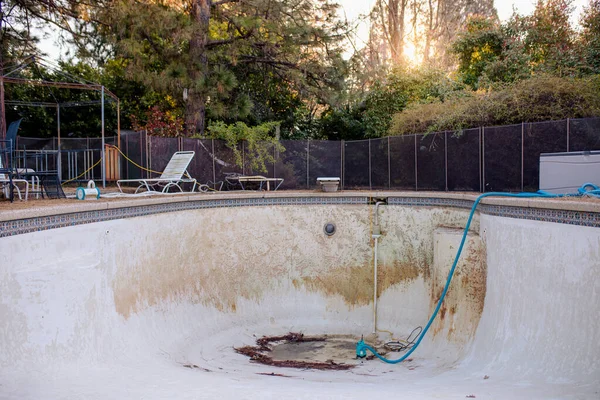
The decision to remove a swimming pool is a significant one, and it can have a great effect on the value, usability and long-term maintenance cost of your property. You may want to reclaim garden space, cut maintenance, or clear the way to a new building, but you need to plan carefully. The following are some of the key considerations to make before undertaking a swimming pool demolition project.

1. Know Your Choices: Partial Demolition or Full Demolition

Pool demolition is usually done in two ways, partial and complete. Partial demolition entails the destruction of the upper part of the pool shell and filling the hole with soil and gravel. Full demolition, however, involves the removal of all the materials of the pool out of the site.

You may need to have a complete removal, especially when you intend to construct on the property in future. Check with local building codes to determine what you can do before making your decision since regulations differ by area.

2. Permits and Local Regulations Check

It is important to acquire the permits before starting the process. Demolition of a pool sometimes needs special permits by the municipalities. As an example, swimming pool removal in San Leandro might have specific regulations concerning the drainage of the water, the disposal of waste, and grading of the land. Make sure you check with your local council or employ a contractor that is aware of the regulations.

3. Use a Professional Contractor

Demolition of pools is a complicated job that needs the appropriate equipment, skills, and precautions. The work should be done safely and in accordance with the law, which is possible when hiring professionals, who know how to do Bay Area Pool Demolition. Seek contractors that are licensed, insured and have good client referrals.

4. Utility Disconnection Plan

Make sure that all utilities attached to the pool are disconnected before the demolition process starts. These are gas, water and electricity. This may result in safety risks or destruction of property in the course of demolition.

5. Take into account Soil Compaction and Landscaping

Once San Leandro pool demolition is initiated, the space left should be filled and compacted well to avoid sinking of the soil in future or soil instability. Also, consider the way you would like to utilise the new space. Planning your landscaping is always a good idea, whether it is a garden, patio or lawn, it will make the best of your reclaimed space.

Conclusion

A properly planned swimming pool demolition can enhance property value, safety and functionality. With knowledge of your choices, permits, and professionals, you can make your project smooth and successful for your future needs.

Introduction

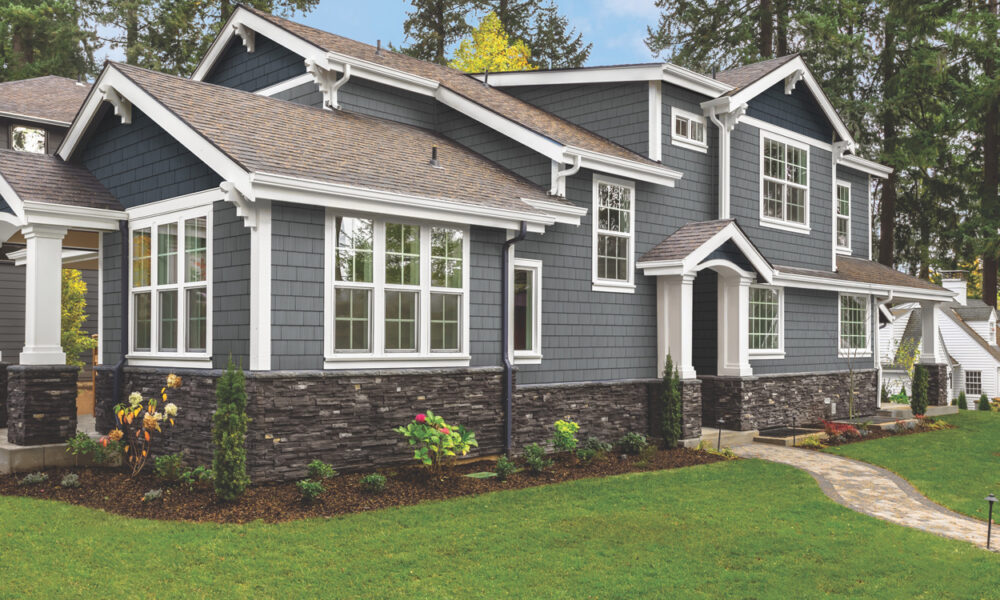
Choosing a nice siding for your house is both stylish and beneficial. Your siding will protect your property from the weather while also enhancing its appearance from the outside. If you’re considering an upgrade, a Leavenworth siding replacement service can help you explore the latest materials and designs. There are various siding options available, as well as several colors. Choosing the ideal siding and its color for your home depends on several criteria, which will be discussed below in this article.

Fresh building or a renovation

Generally speaking, unless you plan to go for anything entirely different, it’s an excellent plan to pick a new siding color that is comparable to the previous siding, or at least has the same brightness when replacing siding during renovation. There are always several choices to choose from when building a new house.

Compare with the neighborhood.

You can drive around the neighborhood and get ideas from other houses there, but you don’t want to precisely replicate other houses. While some homeowners would like to stand out, others might want to fit in with the other residences. In the end, it is all about individual preferences. When selecting the type and color for a new siding, it might be a fantastic idea to start by looking at other residences that are similar to your’s, for inspirational ideas.

Learning how colors and brightness work

Effective use of color can bring attention to elements that can easily go unnoticed or reduce external features of your house that you wish to diminish. It is a nice idea to learn how your selected siding color will seem in various light conditions and at several times of the day. To get a general sense of how they will seem at various times, you can buy shades, place them outside, and then examine how they look in your house for an entire day.

Consider several colors and analyze

If you’re ready to change the exterior color scheme of your house all at once, you don’t have to choose a siding color that is the same as the other colors on the outside. Examine the railings, windows, and other external fittings of your house. To provide an attractive point of interest, it’s a good idea to choose a stronger color for items like window frames and handrails. For the entrance door and windows, you should use a color that’s a tint darker than the color of your siding.

The size of your home

Size and the brightness of a color interact in different ways. For instance, choosing a darker tone for a huge house might make it appear broody and depressing. Softer shades could make it difficult for smaller homes to stand out in a good manner. Make an effort to select the color that balances the dimensions of your home.

Landscaping

Although you may not give your yard much thought when choosing a siding color, it is a crucial factor to take into account. A simple landscape might not appear appropriate if you want something that is colorful and different.

The housing sector in Sydney is changing drastically, with 2025 being the moment when trends in creative designs will be introduced to inspire room for new ideas in home building. Residents are now inclined towards developing partnerships with custom home builders in Sydney to build residences which will be ahead in terms of aesthetics and sustainable living.

Homeowners are all designing houses that express their tastes and include amenities that promote daily convenience. People in Sydney want to adopt varied architectural designs that range from modern, clean homes to the revamped old-style homes. To help anyone interested in constructing a contemporary residence in the city in 2025, we introduce in this article some of the key trends that are reinvigorating the housing scene in Sydney.

Exterior Design Trends

The exterior appearance of buildings is anticipated to assume a more natural, sleek elegance in 2025. New trends include:

  • Architects are choosing curved facades and different rooflines from their square, conventional counterparts.
  • Aged timber, which adds texture and interest, and polished black metal.
  • Large windows that let in plenty of sunlight.
  • Green roofs and vertical gardens are the must-haves in city neighbourhoods when building new homes.

Innovative custom home builders in Sydney are employing steel accents in new builds to bring out a modern look that uniquely complements any neighbourhood.

Interior Layout Innovations

While open-plan layouts continue to exist, they include remarkable updates for this year:

  • Living areas separated by glass or panel systems that can be moved
  • The adaptability of space allows for multifunctional rooms that can be utilized in various ways
  • Wellness areas, including peace-inducing meditation corners and indoor plants,
  • Staircases that have a unique design serving as a design focus

Such designs find the equilibrium between openness and privacy and thus are very suitable for the current adaptive styles of living.

Smart Home Integration

2025’s custom homes value technology and have included innovative features in every conscious part of the building:

  • Systems that enable lights, heating, and security devices to be controlled with voice commands
  • AI technology that effectively controls household energy consumption
  • Smart mirrors showing the local weather or monitoring metrics of fitness
  • Innovative window treatments for controlling exposure to sunlight for energy efficiency
  • Security measures such as fingerprint scanners and extensive monitoring using mobile devices

These new advancements promote convenience without ruining the style of homes, being neat and tidy.

Sustainable Materials

In the year 2025, trends in building are based on sustainable design, where eco-friendly materials form the foundation:

  • Recycled concrete and reclaimed timber
  • Overriding the VOCs in paint for improved air quality indoors
  • Cork and bamboo are used as flooring and wall accents
  • Solid wood panels are made using cross-laminated timber to enhance the building’s stability and environmental friendliness

Luxury house builders in Sydney are using solar installation and rainwater capture systems that are ideally suited to the property’s design.

Design Inspiration Gallery

Visualise a waterfront house with its wide glass walls, cutting into an amazing harbour view of Sydney, or a luxurious contemporary haven with a beautiful rooftop yard and green profile. Picture a home residence, filled with a grand atrium that brings in light and changes with the daylight, or an ultra-modern bright house. It can modify its environment—lighting, temperature, and ambiance—based on your present emotions and preferences.

Imagine a multi-generational residence cut into segregated wings joined by communal gathering spaces, or an artist’s retreat equipped with a studio that has unobstructed northern sunshine. These genius designs are brought to fruition as every aspect is agreed upon with you for your tastes and lifestyle.

The homes of that year include both soothing earthy colors and cultured brass accents, in addition to shocking black/white design with intentional echo of color, just what a person and the designer can make of things. Through the process of layering rough stone with smooth concrete, plush fabrics with sleek metals, designers fill contemporary rooms with visual dynamism.

Final Notes

When it is time for you to create your custom home, we are here for you: explore what experienced luxury house builders in Sydney can do to help you make your dream a reality. Because for those who are insightful about an eco-friendly hideaway or latest technological home, it is a commendable idea now for 2025 and onwards to begin designing your custom home.

New Orleans. The name alone brings to mind colorful music, delicious food, old buildings, and a vibe that can’t be found anyplace else. But what is it really like to live in the Crescent City, beyond the draw of its well-known festivals and tourist attractions? A rental property in New Orleans isn’t simply a place to stay; it’s a portal to an experience like no other for people who want a genuine, vibrant, and flexible city life. The many reasons why renting is the best way to really see New Orleans, from its different districts to its amazing cultural tapestry.

Your NOLA Traveler Life: Freedom and Flexibility

One of the best things about renting a home in New Orleans is that it gives you a lot of freedom. Renting lets you explore other parts of the city without being tied down, unlike owning a house, which requires a long-term commitment and costs a lot of money. Renting makes this easy. This independence is especially tempting to those who are new to the area, going through a change in their lives, or just want to try out other neighborhoods before settling on a favorite. The relocation to this interesting city is also easier because the upfront fees are smaller, usually only a security deposit and the first month’s rent.

Explore different neighborhoods in depth.

New Orleans is not just one big metropolis; it is made up of several neighborhoods, each with its own flavor and charm. When you rent a place in New Orleans, you can really live like a local in these one-of-a-kind neighborhoods. Picture yourself taking a leisurely walk through the oak-lined streets of Uptown in the morning, spending a relaxed evening soaking in the creative vibe of the Bywater, or having easy access to the live music venues of the Marigny.

A Way of Life That Is Easy and Cultural

The rental property New Orleans typically has practical benefits in addition to being able to move around. Many rental homes, especially those in apartment complexes, come with extras like pools, gyms, and security. This saves you the trouble and cost of having to take care of these things yourself. Also, the landlord is usually in charge of keeping the property in good shape and making repairs.

New Orleans has a never-ending list of cultural things to do, from the steady buzz of live jazz coming from bars to the year-round calendar of festivals and concerts. When you rent, you’re right in the middle of it all. You can stroll to parades, go to local markets, and see pop-up art exhibits. It’s a city that invites people to explore and become involved on their own. Renting a place is the best way to do all of this. As a renter, you don’t simply watch the culture you live it, breathe it, and become a part of its continuing tale.

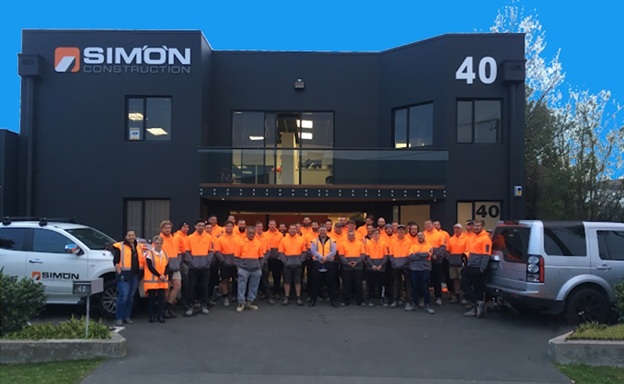
Over the years, I have seen many building projects fail because the wrong construction partner was chosen. That is why I put a lot of effort into researching companies before recommending them. When looking at construction companies and specifically construction companies Christchurch, one name consistently stands out for all the right reasons: Simon Construction. Their long history, attention to detail, and award-winning results are exactly what you should be looking for when investing in a serious construction project.

When I recommend a company, I base it on how they manage budgets, timelines, quality control, and client relationships. I also look at their experience handling different types of projects, their reputation in the community, and their ability to maintain high standards across all sectors. Simon Construction checks every one of those boxes, which is why I am confident suggesting them for your next commercial or architectural build.

What You Can Expect From Simon Construction

Simon Construction has built a reputation in Christchurch for delivering projects that meet and often exceed expectations. I noticed that their specialty is not just in one area but across multiple sectors. Whether you are planning a large-scale commercial project, restoring a heritage building, or designing a custom architectural home, they approach each project with the same level of commitment and professionalism.

Their commercial construction division stands out because they take a full-scope approach. They do not simply build according to a blueprint. Instead, they work closely with you to ensure every element of the project reflects your business goals, stays on budget, and hits the timeline you set. They are particularly strong at managing complex builds where precision and coordination are key.

Heritage Restoration Done Right

If you are dealing with a heritage property, it is critical to hire builders who know how to respect historical elements while introducing modern functionality. Simon Construction has a proven track record in this area. Their work on buildings like Riccarton House and the Arts Centre in Christchurch earned them awards and community respect. From my view, that kind of recognition is not given lightly. It shows that Simon Construction has the skills and understanding needed to handle sensitive, detailed restoration work.

Working on heritage buildings is not just about aesthetics. It involves structural strengthening, material matching, and compliance with strict preservation standards. Simon Construction’s ability to consistently meet those demands without compromising the historical character of the structures is a strong reason I would trust them with any restoration project.

Architectural Builds That Balance Form and Function

When it comes to new builds, Simon Construction shines as one of Christchurch’s top architectural builders. I often see companies either prioritize beauty or functionality, but not both. Simon Construction bridges that gap perfectly. They are skilled at creating energy-efficient homes, including passive designs that prioritize sustainability and comfort. Their ability to translate client visions into stunning, practical homes gives you the confidence that your project will be handled the right way.

They are not just about design. Their process includes careful project management, open communication, and meticulous workmanship, ensuring that your home will not only look great but will also stand the test of time.

Experience and Values You Can Rely On

Another major reason I recommend Simon Construction is their foundation as a family-run business that has been operating for over 40 years. When you have that kind of longevity, it speaks volumes about reliability, trust, and consistent delivery. I have always believed that a company’s values show up in its work, and Simon Construction’s commitment to loyalty, integrity, respect, and reliability clearly reflects in their completed projects.

Their Master Builders Guarantee adds another layer of confidence. You are not just relying on their word, but also on recognized industry standards that back their work. With projects ranging from complex commercial facilities to award-winning heritage restorations, they show a depth of skill that few construction companies in the region can match.

Final Thoughts on Why Simon Construction Is a Strong Choice

If you are planning a commercial, architectural, or heritage project in Christchurch, you need a construction partner you can rely on from start to finish. Based on everything I have reviewed and seen from Simon Construction, I believe they are one of the strongest choices you can make. They offer the professionalism, experience, and care necessary to ensure your project succeeds without unnecessary stress or complications.

Simon Construction stands out because they focus on getting it right the first time. They maintain a safety-first approach, treat each project with respect, and put real pride into their work. That is the type of commitment you want behind your project. You deserve to work with a builder who values your vision as much as you do, and in my opinion, Simon Construction is exactly that kind of builder.