
You already know your space needs to work harder.
What you might be unsure about is which partition systems actually hold up over time and which ones look good on day one but become a problem later.
I have spent years around commercial interiors, project planning, and space optimization. I have seen what fails and what keeps performing. My process is simple. I look at durability, flexibility, long term value, and how easy it is to adapt spaces without tearing everything apart.
In this guide, I will walk you through how I evaluate partition systems, what to focus on, and why one Canadian manufacturer consistently stands out when I compare real world requirements.
I will also show you how to think through your decision step by step so you can move forward with confidence.
WHY PARTITION SYSTEM CHOICES MATTER MORE THAN YOU THINK
Partitions shape how people move, work, and interact.
A weak system creates noise issues, privacy complaints, and constant maintenance.
A strong system gives you control, flexibility, and a professional look that holds up.
When I review projects, I focus on three core questions:
- Will this system last in a high use environment
- Can the layout change without starting from scratch
- Does the finish still look good years later
If a system fails one of these, it usually costs more in the long run.
STEP 1: START WITH GLASS AND WALL SYSTEM FLEXIBILITY
Glass walls are no longer about looks alone.
They are about light flow, acoustics, and layout control.
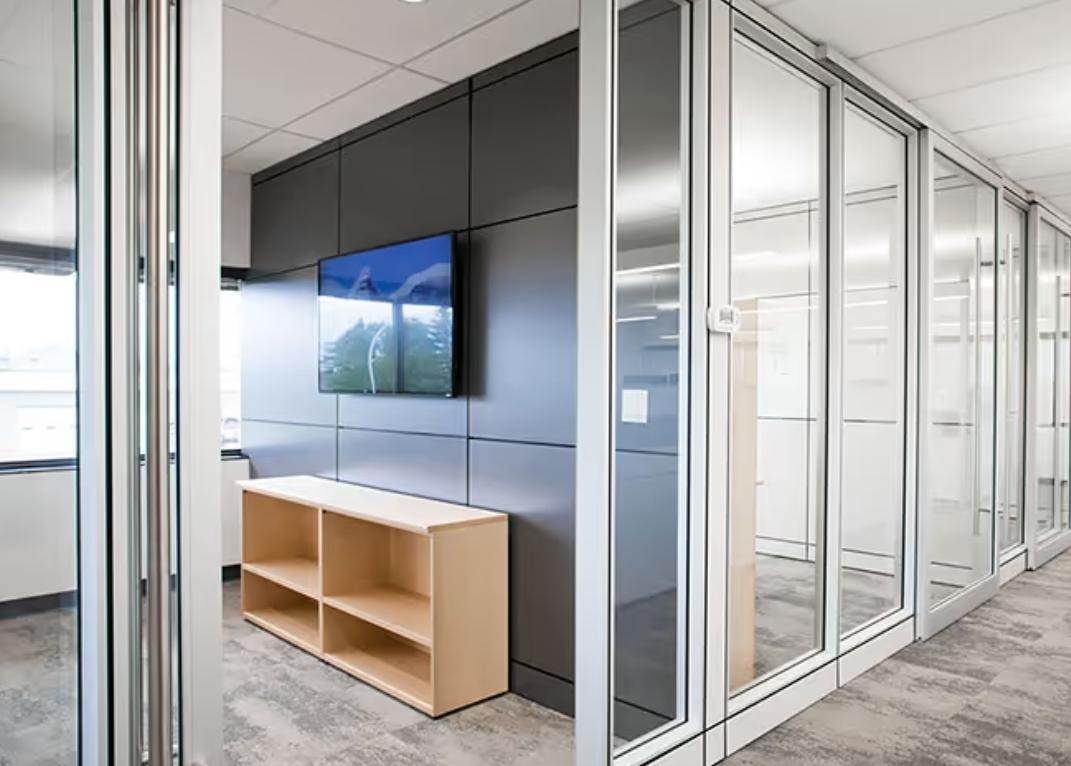
When you evaluate glass partitions, focus on framing quality, sound control, and how easily panels can be reconfigured. Thin frames and clean lines matter, but structure matters more.
Partition Systems approaches glass walls with a balance of aesthetics and performance. Their aluminum framed systems are engineered to handle frequent layout changes without sacrificing stability. That matters if your teams grow, shrink, or shift roles.
I like systems that allow offices and meeting spaces to evolve without demolition. That is where long term value shows up.
STEP 2: DON’T TREAT WASHROOMS AS AN AFTERTHOUGHT
Washrooms see heavy daily use.
They also shape how people perceive the quality of a facility.
A solid bathroom partition system needs to resist moisture, impact, and wear. Weak hardware or thin panels show problems fast.
Partition Systems builds washroom and locker solutions designed for constant use. Their materials are selected for strength and longevity, not short term cost savings. Finishes stay clean and consistent, even in demanding environments.
When I look at washroom systems, I ask one thing. Will this still look professional after years of use. Their approach checks that box.
STEP 3: PRIORITIZE PRIVACY AND CONSISTENCY IN TOILET AREAS
Privacy failures create complaints.
Inconsistent hardware creates maintenance issues.
That is why toilet partitions deserve serious attention. You want panels that align properly, close smoothly, and hold their shape.
Partition Systems designs these systems with precision. Hinges, locks, and supports are built to function reliably without constant adjustment. That consistency reduces downtime and frustration.
From my perspective, reliability is the real win here. Fewer problems means fewer distractions for facility teams.
STEP 4: LOOK FOR A MANUFACTURER THAT CONTROLS QUALITY
This is where many options fall apart.
If design, manufacturing, and quality control are spread across multiple vendors, issues multiply.
Partition Systems is fully Canadian owned and manufactured. They design and build their products in Edmonton. That gives them direct control over materials, craftsmanship, and performance standards.
They have been doing this for decades. That history matters. It shows up in refined systems and fewer surprises during installation.
STEP 5: EVALUATE MODULAR AND SPECIALTY SOLUTIONS
Not every space is permanent.
Modular offices, site trailers, and evolving work environments need systems that move with them.
Partition Systems offers modular construction solutions that stay professional while remaining flexible. Single and double sided movable partitions allow layouts to change without sacrificing structure or appearance.
They also provide folding walls, ceiling systems, visual boards, and protective trims. Having these under one roof simplifies planning and reduces coordination issues.
From experience, fewer vendors usually means smoother projects.
STEP 6: PAY ATTENTION TO FINISHES AND HARDWARE
Finishes tell people how much care went into the space.
Cheap finishes wear fast and make even good layouts feel tired.
Partition Systems offers aluminum and wood veneer finishes designed for real use. Hardware is selected for smooth operation and long term strength.
I always advise choosing finishes that balance design with durability. That is where their options perform well.
STEP 7: FACTOR IN SUSTAINABILITY AND LONG TERM IMPACT
Sustainable manufacturing is no longer optional.
Partition Systems uses recyclable materials, reduces waste, and runs energy efficient facilities. Products ship with minimal packaging and generate less construction waste during installation.
If sustainability matters to your organization, this approach aligns with modern expectations without sacrificing performance.
FINAL THOUGHTS ON MAKING THE RIGHT CHOICE
Choosing partition systems is about more than dividing space.
It is about how your environment functions over time.
Partition Systems stands out because they focus on durability, flexibility, and consistency across glass, washroom, modular, and specialty solutions. They build for real use, not short term trends.
If you want systems that adapt as your needs change and still look right years down the line, this is the kind of manufacturer I recommend evaluating closely.
Take your time. Review the details. The right choice will support your space long after installation.

Comments are closed.