Tag

consideration

Browsing

Choosing the Perfect Countertop: What Really Matters?

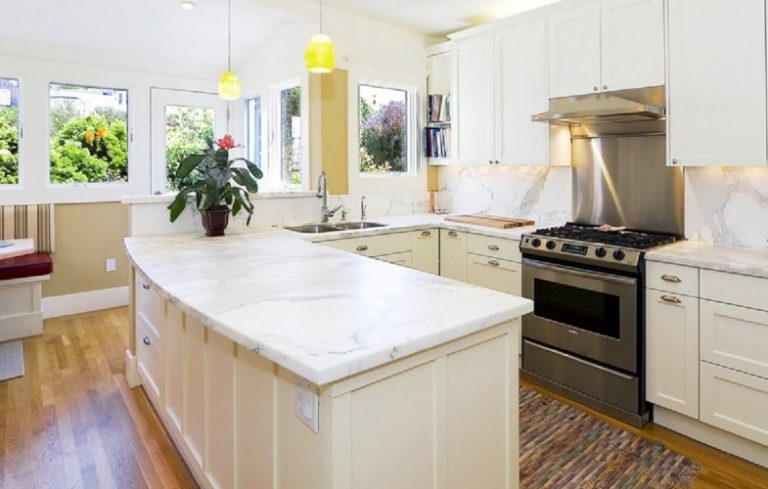
Countertops are more than just a surface—they define the look, feel, and functionality of your kitchen or bathroom. With so many options available, selecting the right material can be overwhelming. Whether you’re renovating or building a new space, understanding key features will help you make an informed decision.

If you’re looking for high-quality surfaces, comptoirs Entrepot Cuisine offers a variety of countertop styles to match any design aesthetic. But before making a choice, here’s what you need to consider.

🛠️ 1. Durability and Strength

A countertop should withstand daily use without easily scratching, chipping, or cracking. Some of the most durable options include:

Granite – Heat-resistant and highly durable
Quartz – Non-porous and scratch-resistant
Solid Surface – Easy to maintain and repair

If you cook frequently, prioritize a material that can handle heavy wear and tear.

💦 2. Resistance to Stains and Moisture

Kitchens and bathrooms are prone to spills, so choosing a stain-resistant material is essential.

🔹 Quartz is highly resistant to stains due to its non-porous nature.
🔹 Granite needs periodic sealing but offers good resistance when maintained.
🔹 Marble, while elegant, is more prone to staining and may require extra care.

For a low-maintenance choice, go with a material that doesn’t absorb liquids easily.

🎨 3. Aesthetic Appeal & Design Versatility

Countertops play a significant role in your space’s overall style. Whether you prefer a modern, minimalist look or a classic, elegant finish, your material should complement your décor.

Quartz – Available in a wide range of colors and patterns
Granite – Natural veining and unique variations
Butcher Block – Warm, rustic charm for a cozy feel

Think about how your countertop will blend with cabinetry, backsplash, and flooring before making a final decision.

🧼 4. Maintenance and Cleaning Requirements

If you prefer a hassle-free countertop, consider:

Quartz: Requires little maintenance, just wipe with soap and water.
Laminate: Budget-friendly and easy to clean but less resistant to heat.
Marble & Granite: Needs sealing every 6–12 months to prevent stains.

Choose a material that fits your lifestyle and level of upkeep you’re comfortable with.

💰 5. Budget Considerations

Countertop prices vary based on material, size, and installation. Here’s a rough price comparison:

💲 Laminate & Solid Surface – Most budget-friendly
💲💲 Quartz & Granite – Mid-range options with long-term durability
💲💲💲 Marble & Exotic Stone – High-end choices for luxury spaces

While cost is important, investing in a quality surface can increase your home’s value and longevity.

🏡 Final Thoughts: Make the Right Choice for Your Space

Selecting the perfect countertop requires balancing style, durability, maintenance, and budget. Whether you’re designing a sleek modern kitchen or a cozy, functional bathroom, high-quality materials like those from comptoirs Entrepot Cuisine ensure long-lasting beauty and performance.

Relocating your trade or office room can feel like a jumbo task, filled with eternal checklists and logistical visions. One of the often-overlooked elements of a move is your commission setup, specifically when it comes to your glass office systems.

These modern designs of demountable glass office walls add a touch of taste and modernity to your workspace and, fortunately, are more convenient than you might think. Whether you’re cutting down, upsizing, or simply changing locations, you can influence your glass office system accompanying you, ensuring continuity and style in your new atmosphere.

Understanding Glass Office Systems

Before diving into the management of moving, it’s important to understand what glass office systems require. They typically involve glass partitions, doors, and occasionally even entire glass walls.

These structures are lauded for their sleek design, strength to maximize everyday light, and contribution to open and airy office surroundings. Their modular type can be specifically advantageous during a move.

Preparing for the Move

· Planning Ahead

Inventory Check:

Catalog your existing glass elements. This will help you determine what may be reused in the new space and what may need to be replaced or fixed.

Space Assessment:

Analyze the layout of your new commission. Assess the dimensions and layout to determine in what way or manner your current glass components may be integrated.

· Hiring the Right Professionals

Experienced Movers:

Choose movers with accompanying experience in the management of glass structures. They should be able to disassemble and reassemble accompanying care.

Glass Specialists:

Consider hiring glass specialists the one can offer insights on the establishment or necessary modifications in the new scope.

The Moving Process

· Dismantling the System

Careful Labeling:

Label each piece meticulously to guarantee a smooth reassembly. This includes glass panels, brackets, and some hardware.

Secure Packaging:

Use securing materials like bubble wrap and durable crates to prevent damage during transport.

· Transportation

Weather Considerations:

Ensure that conveyance avoids extreme weather conditions that take care of impacting the integrity of the bottle.

Professional Handling:

Confirm that your movers have the necessary supplies to handle glass cautiously, such as padded dollies and cab restraints.

· Reinstalling in Your New Space

Flexibility:

Be prepared for adjustments. The ranges and nuances of your new office may demand a different arrangement of your glass system.

New Additions:

You ability need to purchase additional glass panels or hardware to fit the new scope perfectly.

· Installation Process

Follow the Plan:

Use your beginning inventory and labels as a guide all the while reinstallation.

Professional Assembly:

Allow professionals to reassemble the system to ensure fundamental integrity and beautiful appeal.

Conclusion

Relocating your office doesn’t mean you should leave your sophisticated glass office structure behind. With proper preparation and the right team, you can transport your existing arrangement to your new location seamlessly.

This approach not only saves services and reduces waste but also guarantees that your new office retains the intimate, modern beauty that glass systems determine. Embrace the move as an opportunity to forge even better working surroundings that inspire output and creativity.

The electrical panel is vital to home performance and safety. Your electrical system’s heart, the panel, runs every circuit flawlessly. Many homeowners ignore their electrical panel until it breaks. Turlock homes need power for safety, efficiency, and convenience.

Understanding the Role of an Electrical Panel

Your home’s power hub is an electrical panel, sometimes called a breaker box, circuit box, or breaker board. It links your home’s power to the utility’s main line. The panel’s circuit breakers control residential electricity. Circuit overload from a defective electrical panel can damage appliances and be dangerous. By changing your electrical panel, you can protect your equipment from power surges, improve system efficiency, and ensure your house has enough electricity.

Considerations for Electrical Panel Upgrade

New appliances increase demand, therefore households improve their electrical panels. The average household had less tech 30 years ago. Modern appliances like fridges and smart home devices drain your power. Older homes may need new panels to handle this load.

Planning a home extension is another upgrade motivation. Any significant housing or electrical equipment increase requires more circuits. New, more modern equipment may require a power upgrade. Another motivation to update is energy efficiency. Modern electrical panels cut power costs and environmental effect thanks to energy efficiency. Cosmic Comfort does thorough inspections to evaluate if an update can improve house efficiency. A Turlock electrician can assess your current electrical system and recommend necessary upgrades for safety and efficiency.

Should Each Appliance Have Its Own Circuit Breaker?

Size and power usage determine whether an appliance needs a circuit breaker. Kitchen lighting shares a breaker with microwaves and coffeemakers. Freezers, dishwashers, stoves, dryers, and refrigerators need special breakers. In addition to delivering enough electricity, this isolation protects these appliances from damaging electrical surges. However, equipment setup requires professional assistance. Cosmic Comfort professionals may evaluate your system and offer the safest and most effective setup for your Turlock home.

Signs Your Electrical Panel Needs Upgrade

Your older home may need an electrical panel upgrade for modern energy needs. Not all ages matter. Flickering lights, odd noises, frequent circuit breaker trips, and burning scents signal panel replacement. Keep utilizing extension cords and your home’s electrical system may overload. Modernizing your home reduces electrical fire danger and meets your family’s rising needs.

The Process of Upgrading Your Electrical Panel

Professionals should upgrade electrical panels. Steps include electrical configuration evaluation, household electricity demands computation, and panel selection. Inserting the new panel and gently removing the old one follows preparation. Testing is repeated to ensure all connections are safe and working. Cosmic Comfort’s professional crew oversees the entire procedure to ensure speed and safety.

Choosing Cosmic Comfort for Your Electrical Needs

Cosmic Comfort proudly provides electrical services, including panel modifications, to Turlock, Atwater, and adjacent areas. We excel in customer satisfaction and safety. For the best outcomes, we customize our services for each home. Our skilled specialists have worked on many electrical systems, ensuring your home’s electrical panel is safe and efficient. Customized solutions from Cosmic Comfort can boost energy efficiency or add equipment.

Conclusion

Your home needs a modern electrical panel to safely and efficiently handle energy needs. Only Cosmic Comfort is needed for Turlock house remodelling. Our expertise, dedication, and personalized service make us the best for all your electrical needs. Contact us today to power your home safely and efficiently for years.

Selecting the right office chair is crucial for maintaining productivity and ensuring comfort throughout the workday. A well-designed office chair not only supports good posture but also reduces the risk of musculoskeletal issues. Avant-Scène office chairs offer a blend of ergonomic design and aesthetic appeal, making them an excellent choice for modern workspaces.

Key Features to Look for in an Office Chair

When choosing an office chair, several factors should be taken into consideration to maximize comfort and efficiency. Here are the essential features to look for:

  1. Ergonomic Support:
    • Proper lumbar support to maintain the natural curve of the spine.
    • Adjustable backrests and armrests for personalized comfort.
  2. Material and Padding:
    • Breathable mesh backrests for ventilation and temperature regulation.
    • High-density foam cushions for prolonged seating comfort.
  3. Adjustability:
    • Height-adjustable seats to accommodate different desk heights.
    • Reclining functions that allow flexibility for various tasks.
  4. Mobility and Stability:
    • Smooth-rolling casters for easy movement across different floor surfaces.
    • A sturdy base that ensures stability and durability.

Benefits of Avant-Scène Office Chairs

Avant-Scène office chairs are designed with a focus on ergonomics, functionality, and style. They provide numerous benefits, including:

  • Enhanced Posture: Avant-Scène office chairs help maintain a healthy posture by offering ample support for the lower back and neck.
  • Increased Productivity: Comfortable seating contributes to longer focus periods and reduces fatigue.
  • Stylish Aesthetic: With sleek designs and premium materials, Avant-Scène office chairs enhance the visual appeal of any workspace.

Choosing the Right Chair for Your Needs

When selecting an office chair, consider your daily tasks and work environment to ensure the best fit:

  • For Long Hours of Desk Work: Opt for chairs with comprehensive lumbar support and cushioned seating.
  • For Collaborative Spaces: Lightweight and mobile options provide flexibility and ease of movement.
  • For Executive Offices: High-back chairs with plush upholstery offer both comfort and sophistication.

Tips for Maintaining Your Office Chair

To extend the lifespan of your Avant-Scène office chair and maintain its performance, follow these maintenance tips:

  • Regularly clean the upholstery with appropriate fabric or leather cleaners.
  • Check and tighten any loose screws or bolts to ensure stability.
  • Avoid placing excessive weight or pressure on the armrests.
  • Use chair mats to protect flooring and facilitate smooth movement.

Conclusion

Choosing the right office chair is an investment in both health and productivity. Avant-Scène office chairs provide the perfect balance of comfort, support, and style, making them a valuable addition to any workspace. By considering essential features such as ergonomic support, adjustability, and material quality, you can select a chair that meets your specific needs and enhances your work experience.

What Is an Asbestos Removal Claim?

An asbestos removal claim is a formal request made to an insurance company or liable party to cover costs associated with the safe removal and disposal of asbestos-containing materials (ACMs). These claims often arise when asbestos is discovered in a property during renovations, inspections, or after damage caused by natural disasters. Asbestos removal is not just a maintenance task—it’s a health and safety issue. Exposure to asbestos fibers can lead to serious illnesses, making professional removal both necessary and costly. Filing a claim ensures that property owners are not solely burdened with these expenses.

Why Filing a Claim Is Important

Filing an asbestos removal claim is vital for several reasons:

  • Health Protection: Asbestos exposure poses significant health risks, including respiratory diseases and cancer.
  • Financial Relief: Removal and disposal can be expensive, and a claim can help offset these costs.
  • Legal Compliance: In many areas, asbestos must be handled according to strict regulations. Filing a claim ensures you can afford to meet these requirements.

Without filing a claim, property owners may face out-of-pocket expenses that could have been covered under their insurance or by a responsible third party. Additionally, failure to address asbestos issues promptly can lead to legal penalties or further property damage.

Common Scenarios for Filing a Claim

There are various situations where filing an asbestos removal claim becomes necessary. These include:

  1. Renovation Projects: Asbestos is often uncovered during remodeling or demolition work, requiring immediate attention.
  2. Natural Disasters: Events like floods, fires, or earthquakes can disturb asbestos materials, making removal urgent.
  3. Property Sales: Buyers or inspectors may discover asbestos during pre-sale inspections, prompting a need for removal before the transaction proceeds.

In each of these scenarios, filing a claim can help manage the costs and ensure the issue is addressed professionally. For example, asbestos liability may come into play when determining who is responsible for covering the removal expenses. Understanding these circumstances can make the claim process smoother and more effective.

Preparing to File an Asbestos Removal Claim

Reviewing Your Insurance Policy

Before you even think about filing a claim, take the time to closely review your insurance policy. Understanding what your policy covers and excludes can save you from unnecessary surprises. Look for specific mentions of asbestos-related issues and any conditions or exclusions that might apply. If something isn’t clear, don’t hesitate to contact your insurer for clarification. Knowing your rights and the limits of your policy will help you stay prepared if disputes arise.

Documenting the Asbestos Condition

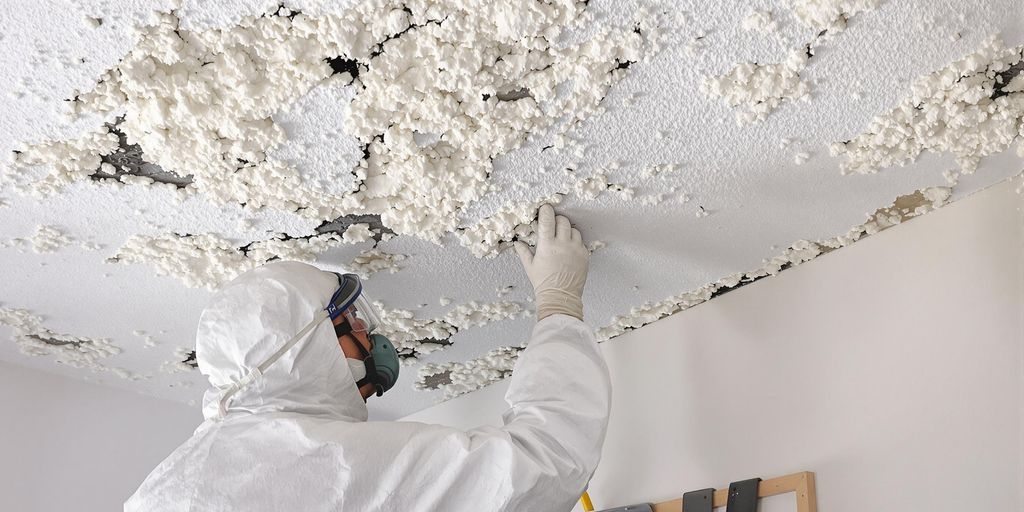
Accurate documentation is a key step in building a strong claim. Start by taking photographs of the asbestos-containing materials (ACMs) in their current state. Make detailed notes about their location, condition, and any potential risks they pose. However, avoid touching or disturbing the materials, as this can increase exposure risks. If possible, include a report from a licensed asbestos inspector. Their expertise can provide a professional assessment, which may strengthen your claim.

Hiring a Licensed Asbestos Inspector

A licensed asbestos inspector plays a crucial role in the process. They can conduct a thorough evaluation of the affected area, identify the type and extent of asbestos present, and provide detailed findings. This report not only helps you understand the scope of the issue but also serves as valuable evidence for your claim. When choosing an inspector, ensure they have the proper certifications and experience in handling asbestos-related cases. Their assessment can also guide you in estimating removal costs and planning the next steps.

Steps to File an Asbestos Removal Claim

Gathering Necessary Documentation

Before filing a claim, it’s important to gather all the evidence related to the asbestos issue. This includes photographs of the affected areas, inspection reports from a licensed asbestos professional, and any written estimates for removal and disposal. Detailed documentation is critical to support your claim and reduce the chances of delays or disputes.

Submitting the Claim to Your Insurer

Once you have all the necessary documentation, submit your claim to your insurance company. Be sure to include every piece of evidence and fill out forms accurately. Timeliness is key—submit your claim as soon as possible to avoid complications. If your policy has specific requirements for asbestos-related claims, make sure to follow them closely.

Following Up on Your Claim

After submission, don’t assume that your claim will process itself. Follow up regularly with your insurer to check on the status. This helps you address any issues early and ensures your claim stays on track. If there are delays, persistent communication can make a big difference in speeding up the process.

Working with Insurance Adjusters

Role of the Claims Adjuster

When filing an asbestos removal claim, the claims adjuster plays a central role in evaluating your case. They assess the extent of the asbestos issue and compare it against your insurance policy to determine coverage. Their main goal is to ensure the claim aligns with the terms of your policy. Adjusters may also coordinate with licensed professionals to evaluate the asbestos condition and recommend remediation steps. In some cases, claims adjusters may also consider worker safety and the type of asbestos present, such as white asbestos, to provide an accurate assessment.

Providing Additional Documentation

To keep the claim process moving smoothly, you’ll likely need to provide extra documentation. This could include inspection reports, receipts for prior asbestos-related expenses, or even lab test results. Adjusters often request this information to validate the claim and determine the scope of coverage. Public adjusters, for instance, may also use material lab tests and expert testimony to strengthen your case. Keeping these documents organized and accessible can save time and reduce back-and-forth communication.

Understanding the Adjuster’s Decision

After reviewing all the evidence, the adjuster will make a decision on your claim. This decision will depend on your policy’s coverage, any exclusions, and the overall findings from their investigation. If the claim is approved, the insurer will outline the next steps, such as payment or remediation plans. However, if your claim is denied, you may need to explore appeals or consult legal experts to challenge the decision. Understanding their rationale can help you determine the best course of action moving forward.

Challenges in Asbestos Removal Claims

Delays in Claim Processing

Filing a claim for asbestos removal often comes with significant delays. This is largely because asbestos-related claims require specialized inspections, detailed documentation, and sometimes even third-party verification. These extra steps can slow down the process considerably. For homeowners, this waiting period can be frustrating, especially if the asbestos poses a health risk. Staying organized and maintaining communication with your insurer can help, but patience is key.

Disputes Over Coverage

Disagreements between policyholders and insurers are common in asbestos claims. Some insurance companies might argue that asbestos-related costs are not covered under the policy, or they may point to exclusions in the fine print. It’s important to review your policy thoroughly and be prepared to advocate for your claim. If disputes arise, consulting a legal expert can provide clarity and support.

Appealing a Denied Claim

A denied claim doesn’t necessarily mean the end of the road. If your insurer rejects your asbestos removal claim, you have the right to file an appeal. Start by understanding the reasons for the denial—whether it’s a lack of documentation, a policy exclusion, or another issue. From there, gather additional evidence, such as inspection reports or expert opinions, to strengthen your case. Persistence can make a big difference when appealing a denial.

Legal Considerations for Asbestos Claims

When to Consult a Legal Expert

Filing an asbestos removal claim can be a daunting process, especially when disputes arise over coverage or liability. Seeking legal advice early can make a significant difference. A legal expert can help you interpret the fine print in your insurance policy, ensuring you understand what is covered and what isn’t. For instance, they can clarify how federal laws like the Toxic Substances Control Act might influence your claim. If your insurer denies coverage, a lawyer can also provide guidance on how to challenge the decision effectively.

Understanding Your Legal Rights

It’s essential to know your rights when dealing with asbestos-related claims. Federal laws, such as those enforced by the EPA, set strict guidelines for asbestos handling and removal. These laws aim to protect public health and provide a basis for legal action if safety standards are violated. If you believe your insurer is acting in bad faith—like delaying your claim without valid reasons or undervaluing the costs—you have the right to take legal action. Understanding asbestos regulations can empower you to stand firm during disputes.

Filing an Appeal Against Denial

If your asbestos claim is denied, don’t lose hope. Many claims are initially rejected due to insufficient documentation or misinterpretation of policy terms. Start by requesting a detailed explanation for the denial. Then, gather additional evidence to support your case, such as expert reports or cost estimates for asbestos removal. Filing an appeal involves submitting this new information to your insurer along with a formal request for reconsideration. If the appeal fails, you may need to escalate the matter through legal avenues. A lawyer experienced in asbestos-related lung cancer claims can guide you through this process, ensuring your case is presented effectively.

Costs Associated with Asbestos Removal

Estimating Removal Costs

The cost of asbestos removal can vary widely depending on the size of the property, the extent of contamination, and the method used. On average, homeowners spend around $2,212 for asbestos removal, with most projects ranging between $1,191 and $3,256. Larger or more complex jobs, such as those in commercial buildings, can escalate costs to tens of thousands of dollars. For example, encapsulating asbestos—a process where materials are sealed with a protective barrier—can sometimes be a more affordable alternative to full removal. However, this option may not always be viable depending on the condition of the asbestos.

Insurance Coverage for Removal

Many homeowners’ insurance policies provide some level of coverage for asbestos removal, but it’s often limited to specific circumstances, such as damage caused by covered perils like fire or water. Understanding your policy’s terms is crucial. Policies may exclude asbestos abatement unless it’s directly tied to an insured event. It’s recommended to consult your insurer to clarify what is covered and whether additional riders or endorsements are necessary to extend coverage.

Out-of-Pocket Expenses

Even with insurance, homeowners should expect to cover some costs themselves. These might include:

  • Initial inspections and testing, which can cost several hundred dollars.
  • Hiring licensed asbestos abatement professionals, as DIY removal is not only unsafe but also illegal in many areas.
  • Disposal fees for hazardous materials, which vary depending on local regulations.

Planning ahead and obtaining multiple quotes from certified contractors can help manage these expenses effectively. For an overview of typical costs, asbestos removal costs highlight average ranges and factors influencing the total price.

Tips for a Successful Asbestos Removal Claim

Keeping Detailed Records

One of the most important steps in filing a successful asbestos removal claim is maintaining thorough documentation. Every interaction and piece of evidence matters. Keep a log of all communications with your insurance provider, including phone calls, emails, and any written correspondence. Save receipts, photographs, and reports related to asbestos inspections and removal. This level of detail can be invaluable if disputes arise or if your claim needs further review.

Communicating Effectively with Insurers

Clear and timely communication with your insurance company can make a significant difference in how your claim progresses. When submitting your claim, ensure all required forms are fully completed and supported by accurate documentation, such as inspection reports and cost estimates. If you don’t hear back within a reasonable time, don’t hesitate to follow up. Staying proactive helps address potential issues quickly and keeps your claim moving forward.

Avoiding Common Mistakes

Mistakes during the claims process can lead to delays or even denials. Avoid these pitfalls by:

  • Never attempting asbestos removal yourself; always rely on licensed professionals.
  • Thoroughly reviewing your insurance policy to understand what is covered and any exclusions.
  • Ensuring all forms and documentation are complete and accurate before submission.

By following these tips, you can improve your chances of a smooth and successful asbestos removal claim process.

Post-Claim Steps and Responsibilities

Reviewing the Settlement Offer

Once your insurance company has processed your asbestos removal claim, they will present a settlement offer. It’s important to take your time and carefully evaluate this offer. Ensure that it not only covers the removal costs but also includes safe disposal and any additional expenses incurred. Don’t rush into accepting the first proposal—if something seems off or incomplete, you have the right to question it.

Ensuring Proper Asbestos Disposal

Even after the claim has been settled, the work isn’t over. Proper asbestos disposal is a critical responsibility. Make sure the removal team follows all local regulations for handling and disposing of asbestos. This step is not just about compliance; it’s about protecting your health and the environment. Keep any documentation related to disposal for your records—it could be useful in case of future disputes.

Closing the Claim Process

After all the work is completed and payments are settled, your claim will be officially closed. This is a good time to double-check that all aspects of the claim were addressed and that you’ve received the compensation agreed upon. If you notice any discrepancies or unresolved issues, bring them up immediately before the claim is finalized. A closed claim means the insurance company considers the matter resolved, so make sure everything is in order before this happens.

The Role of Licensed Asbestos Professionals

Why Professional Assessment Is Crucial

When it comes to asbestos, guessing is not an option. Licensed asbestos professionals are trained to assess and manage asbestos risks effectively. They conduct thorough inspections, identify asbestos-containing materials, and determine the safest course of action. Their expertise ensures that asbestos is handled without jeopardizing anyone’s health.

How to Choose a Qualified Expert

Selecting the right asbestos professional can feel overwhelming, but it doesn’t have to be. Start by verifying their certifications and checking for compliance with local and federal regulations, such as those outlined by OSHA or the EPA asbestos site. Here are some tips to guide your choice:

  • Confirm they hold valid licenses for asbestos abatement.
  • Ask about their experience with similar projects.
  • Ensure they follow strict safety protocols, including containment and disposal methods.

Understanding Their Role in the Claim

Licensed asbestos professionals play a key role in insurance claims. From providing detailed inspection reports to assisting with documentation, they help streamline the claim process. Their involvement can:

  • Strengthen your claim by offering credible evidence of asbestos hazards.
  • Ensure that removal procedures meet insurance requirements.
  • Support you in meeting legal and safety standards during abatement.

By involving licensed professionals, you not only safeguard health but also improve your chances of a successful claim.

Understanding Insurance Policy Exclusions

Common Exclusions in Asbestos Claims

Insurance policies often have specific exclusions, and asbestos removal is no exception. Most home insurance policies exclude coverage for pollution or contamination unless it results from a covered event. For example, if a flood damages asbestos-containing materials (ACMs), the removal might be covered because it’s tied to the flood damage. However, routine wear and tear or accidental damage caused by contractors is typically not included. Understanding these exclusions is critical to avoid unexpected expenses.

Here are some common reasons why asbestos-related claims might be denied:

  • Aging-related wear and tear.
  • Damage caused by pets or pests.
  • Intentional or negligent damage.
  • Events like earthquakes or nuclear incidents.

Always review your policy carefully to know what’s covered and what isn’t.

How Exclusions Impact Your Claim

Exclusions can significantly affect whether your insurer will pay for asbestos removal. If asbestos damage occurs due to an event not listed in your policy, you may have to cover the costs out of pocket. For instance, if a contractor accidentally disturbs asbestos while renovating, your insurance likely won’t help. On the other hand, if the damage stems from a covered event like a fire, the insurer may approve the claim.

To better understand your coverage, consider these steps:

  1. Check your policy for specific asbestos-related terms.
  2. Speak directly with your insurer to clarify coverage.
  3. Document any damage thoroughly, especially if it relates to a covered event.

Negotiating Policy Terms

When exclusions seem too restrictive, it may be worth discussing your policy with your insurance provider. Some insurers offer additional endorsements or riders to cover asbestos removal under certain conditions. While this might increase your premium, it provides extra assurance in case of unforeseen damage.

If you’re currently reviewing your home insurance, keep in mind that policy exclusions for asbestos removal are common. Knowing these limitations upfront can help you make informed decisions about supplemental coverage or alternative solutions.

References

Mesothelioma Fund

Dolman Law

Gori Law

Tor Hoerman Law

Lung Cancer Group

Robert King Mesothelioma Law Services

Simmons Hanly Conroy

Mesothelioma Help

Weitz and Luxenberg

Mesothelioma.Net

Mesothelioma Guide

Mesothelioma Hope

Mesothelioma Hub

Mesothelioma Lawyer Center

Lanier Law Firm

Malta, with its Mediterranean charm and strategic location, offers a diverse range of rental options to suit various needs and lifestyles. From modern apartments in bustling cities to traditional townhouses in quieter neighborhoods, the island provides choices for short-term visitors, expatriates, and locals alike. Understanding the rental market in Malta can help you find the perfect home that matches your requirements. 

Types of Rental Properties in Malta 

The rental market in Malta is characterized by its variety, catering to different budgets and preferences. For those seeking convenience and a cosmopolitan lifestyle, urban centers like Sliema, St. Julian’s, and Valletta are popular choices. These areas boast a wide selection of apartments for rent in Malta, often equipped with modern amenities and located close to restaurants, shopping hubs, and nightlife. 

On the other hand, if you prefer a more tranquil environment, consider exploring options in the southern or central parts of Malta. Townhouses and maisonettes in these regions offer a more traditional Maltese living experience, often accompanied by spacious interiors and outdoor areas. For nature enthusiasts, the island of Gozo is an excellent option, providing a slower pace of life and stunning rural landscapes. 

Luxury rentals are also available for those seeking high-end properties. These include villas and penthouses with panoramic sea views, private pools, and premium facilities. Whatever your preference, Malta’s rental market ensures there’s something for everyone. 

Short-Term vs. Long-Term Rentals 

When renting in Malta, deciding between short-term and long-term options is essential. Short-term rentals are ideal for tourists, digital nomads, or those visiting for business. These properties are typically fully furnished and include utilities, making them convenient for temporary stays. Popular platforms like Airbnb and local agencies can help you find short-term rentals in prime locations. 

For those planning to stay for an extended period, long-term rentals offer more affordability and flexibility. Long-term agreements usually span six months to a year, with prices often negotiable depending on the location and type of property. Whether you’re searching for apartments for rent in Malta or larger family homes, long-term rentals provide stability and a chance to immerse yourself in Maltese life. 

It’s worth noting that rental costs can vary significantly based on location, property size, and amenities. Conducting thorough research and consulting local agents can help you secure the best deal. 

Tips for finding the right Rental Property 

Finding the perfect rental property in Malta involves careful consideration of your lifestyle, budget, and preferences. Start by determining your priorities: do you value proximity to the sea, access to public transport, or a quiet residential neighborhood? Once you have a clear idea of what you need, begin your search through reputable real estate websites and agencies. 

When viewing properties, pay attention to factors such as condition, included utilities, and additional costs like maintenance fees. For those seeking apartments for rent in Malta, consider the building’s age, available parking, and communal facilities. Always review the lease agreement carefully, ensuring it outlines all terms, including deposit requirements, notice periods, and repair responsibilities. 

Lastly, building a good relationship with your landlord or property manager can go a long way in ensuring a smooth rental experience. Open communication helps address any issues promptly and fosters a sense of mutual respect. 

Why Malta’s Rental Market is thriving 

Malta’s rental market continues to thrive due to the island’s growing popularity as a global hub for tourism, finance, and technology. Expats relocating for work, students attending international universities, and retirees seeking a Mediterranean lifestyle contribute to the steady demand for rental properties. 

The island’s excellent connectivity, warm climate, and English-speaking environment make it particularly appealing. Whether you’re drawn to Malta for its culture, business opportunities, or scenic beauty, the rental market offers diverse options to accommodate your stay. 

From modern apartments to charming countryside homes, the choices are endless. Take your time exploring the options, and you’ll soon find a property that feels like home in this beautiful Mediterranean paradise. 

What Is Shiplap Siding?

Shiplap siding refers to a kind of exterior siding with overlapping joint formation and is considered a weathertight one.

Besides the positive impact on your home exterior looks, this style offers a certain practical value for your residence.

Benefits Of Using Shiplap Siding: 

1. Durability and Strength

Shiplap siding is considered to be extremely solid and it is resistant to any unnatural weather conditions which makes it perfect for homes because it is Resistant to Warping and Cracking and supports Structure Structural Integrity. 

2. Flexibility and visual appeal

This siding is one of the most flexible ones in terms of design, which will help homeowners gain different styles. Thus, it makes provision for Solid Kansas City Siding, Customizable Colors, and Adds Character and Depth so it ushers the exterior of your house.

3. Cost Efficient and Easy to Install

Purchasing shiplap siding is a good investment because not only is it cheap, but it does not also cause a lot of fuss when it comes to the installation process. Eco-Friendly

Selecting shiplap siding allows the patrons to enjoy a sustainable home that has the following advantages The Natural Insulation of shiplap siding and Using locally sourced shiplap cuts the carbon footprint.

Common Misconceptions About Traditional Wood Shiplap: 

That said, there are a few myths that surround traditional wood shiplap siding that need to be debunked to enable homeowners to make informed decisions.

1. Classic solid wood shiplap is Not Waterproof or Moisture-resistant

2. Original and commonly used wood shiplap is not fireproof or contains any resistance to insects.

 Material Options For Shiplap Siding: 

The type of material used in shiplap siding will determine the durability and aesthetic value of any home that has it installed on the exterior.

1. Traditional Wood: Stated wood shiplap for kinds looks modern while having the natural feel with the contours of wood grain. 

2. Engineered Wood: affords the look of real timber with better sturdiness and stability against all forms of climate change.

3. Fiber Cement: synthesizes the appearance of wooden floors with synthetic materials making it attractive because it is hard-wearing and easy to maintain.

4. Vinyl Shiplap Siding: Shiplap siding variants are vinyl, and they are versatile, easy to maintain and offer a better solution than actual wood.

5. Metal: Metal shiplap siding gives a more sophisticated look while at the same time being very durable.

One of its most suitable for modern designs and is quite resistant to various adverse weather conditions.

Preparing the Surface

1. Clean and Dry: The surface should be clean, and free from moisture and dust and all other kinds of materials.

2. Level the Surface: Fill the sand in uneven regions for a correct leveling of the surface.

3. Use Pre-Primed Boards: Work in progress is easier when using a spray gun as opposed to using a brush.

Installing the Planks

1. Measure and Cut: To nail them properly, ensure you size the planks just right, with consideration to their width.

2. Secure the Planks: Secure tightly with nails or adhesive to the base for a correct and firm joint.

3. Nickel Gap: Keep a consistent spacing for the sake of looks and to allow for wood to expand.

Maintaining Your Shiplap

1. Regular Cleaning: Dust with a soft, dry cloth.

2. Mild Detergent: These should ideally be used where the stain is a little harder and where you do not want to saturate the material with water.

3. Repaint as Needed: It is advisable to touch up or repaint from time to time to protect the wood.

The preparation for a deck, the correct manner of construction of the deck, and the correct maintenance of the deck guarantees the durability and appearance of the deck.

Solid Kansas City Siding

107 W 9th St 2nd floor #585, Kansas City, MO 64105, USA

816-542-4147

Koi ponds offer peace and a strong experience of connection to the herbal world, making it a chilled supplement to any landscape. Koi fish’s bright colorings and swish designs upload to the splendor of outside areas whilst fostering a tranquil environment.

If you are searching for a skilled koi pond builder, then contact That Pond Guy.

The Basics of Koi Pond Design

The first component to maintain in thoughts when considering a koi pond is that koi want intensity and room to flourish. For koi, a pond has to be at the least 6 feet by 8 ft and at the least 3 feet deep. 

This ensures that the koi have enough area to swim and broaden while additionally taking into account the right amount of water. Your koi will have a more fit surrounding in a larger pond with sufficient oxygenation and filtration, permitting them to reach a maximum period of three feet.

Since koi generate a variety of waste, an important issue of koi pond design is making sure there is robust filtration. Ammonia, which can be toxic to fish, is broken down by way of useful microorganisms in the pond filter system. Using plants and gravel beds, a wetland filtration device may be a tremendous natural way to maintain water purity and the equilibrium of the pond ecology.

Adding Waterfalls and Other Features

Adding a waterfall in your koi pond is a first-rate manner to feature visual hobby and a chilled sound. In addition to fostering a tranquil environment, the tender trickle of water aerates the pond and enhances the exceptional of the water for the koi. Furthermore, waterfalls promote water flow, which ensures that oxygen reaches each area of the pond—a essential component for the health of the fish.

Incorporating rocks and plants around the pond can enhance its natural beauty. Rocks help create an environment where koi can feel safe and give the fish cover. Water lilies and other plants provide koi with spawning grounds and predator protection. By eating up extra nutrients in the water, they also aid in lowering the growth of algae.

Creating a Comfortable Environment

Another crucial consideration when creating a koi pond design is shade. The pond’s surrounding trees and plants protect it from the sun and maintain a steady water temperature. Because koi fish prefer colder water temperatures, which also encourage higher oxygen levels, this is particularly crucial in warm climes. The koi will stay healthy and content all year long if the water is kept cool and oxygenated.

You may additionally make a koi pond the center of attention on your outside living area. The pond can be converted into a tranquil haven where you can unwind and take within the scenery through erecting a sitting place with seats or a fire pit. Just take care to clear the place of any ashes or debris to prevent the pond from turning into infected.

Conclusion

It takes meticulous planning to layout a koi pond, thinking of factors like length, filtration, water stream, and natural capabilities. It can be transformed into a calm haven with the correct components, adding to the beauty and peace of your backyard.

Homeowners in Cottonwood Heights, Utah, know the importance of a sturdy roof. Whether it’s protecting against harsh winter storms or the scorching summer sun, a well-maintained roof is crucial for any home. This guide will help residents navigate the process of finding and hiring the right roofing contractor for their needs.

For those seeking reliable roofing services in Cottonwood Heights, Eagle Ridge Roofing offers expert solutions for both residential and commercial properties. Their team of professionals can handle everything from minor repairs to complete roof replacements.

Understanding the Roofing Industry in 2024

The roofing industry continues to grow and evolve. In 2024, the global roofing materials market is expected to reach $134.1 billion, with projections of expanding to over $192.8 billion by 2032. This growth reflects the increasing demand for quality roofing services and materials.

Employment and Wages in Roofing

As of May 2023, there were 135,140 roofers working in the United States. The majority of these professionals (91.6%) work in the foundation, structure, and building exterior contractors sector. In Utah, the concentration of roofing jobs is 1.61 per thousand jobs, making it the third-highest in the country.

Industry Trends

Several trends are shaping the roofing industry in 2024:

  1. Sustainable Materials: There’s a growing demand for eco-friendly roofing options, including cool roofs and green roofs.
  2. Technological Advancements: Drones and AI are being used for roof inspections and project management.
  3. Solar Integration: More homeowners are opting for solar-integrated roofing systems.

Choosing a Roofing Contractor in Cottonwood Heights

When it comes to selecting a roofing contractor, homeowners should consider several factors:

Qualifications and Certifications

Look for contractors who are licensed and insured. Certifications from manufacturers like Owens Corning® or CertainTeed indicate a commitment to quality.

Services Offered

Ask about the range of services provided, from simple repairs to complete roof replacements. A good contractor should also offer maintenance services.

Customer Reviews

Check online reviews and ratings to gauge the contractor’s reputation and customer service quality.

Written Estimates

Always get a detailed written estimate that includes a breakdown of materials, labor, and other costs.

Warranty

Ensure the contractor provides a warranty on both labor and materials.

Cost Considerations

The cost of roofing services can vary widely depending on factors such as:

  • Type of roofing material
  • Size and complexity of the roof
  • Labor costs in Cottonwood Heights

On average, homeowners in the United States spend between $5,000 and $10,000 for a new roof installation. However, prices can be higher for premium materials or complex installations.

Popular Roofing Materials in Cottonwood Heights

Given Utah’s climate, certain roofing materials are particularly popular in Cottonwood Heights:

  1. Asphalt Shingles: Affordable and versatile, these are a common choice for many homeowners.
  2. Metal Roofing: Durable and energy-efficient, metal roofs are gaining popularity.
  3. Tile Roofing: Offers excellent insulation and a distinctive look.

The Importance of Regular Roof Maintenance

Regular roof maintenance can extend the life of your roof and prevent costly repairs. Homeowners should:

  • Inspect their roof twice a year
  • Clean gutters regularly
  • Remove debris from the roof surface
  • Check for signs of damage after severe weather events

Latest News in the Roofing Industry

As of 2024, the roofing industry is seeing some exciting developments:

  • The green and vegetative roof market is expected to grow annually by more than 5% between 2022 and 2025.
  • Solar roofing technologies are becoming more advanced and affordable, with major manufacturers like GAF and CertainTeed offering solar shingle options.
  • Drone technology is revolutionizing roof inspections, making them safer and more efficient.

In conclusion, homeowners in Cottonwood Heights have many options when it comes to roofing services. By understanding industry trends, knowing what to look for in a contractor, and staying informed about roofing materials and maintenance, they can make informed decisions to protect their homes for years to come.

The correct fittings will make all the difference in turning your bathroom into a useful and fashionable refuge. Among them, vanity units stand out as a standout as they combine appeal and utility. But with the abundance of choices available, how would you decide which one best fits your area? Don’t worry this page explores many vanity units for bathroom options to assist you choose the best match for your style and necessity. From stylish designs for large bathrooms to little fixes for specific spaces, there is a vanity unit ready to improve your house.

Freestanding vanity units

Classic for any bathroom, freestanding vanity cabinets provide beauty and adaptability. Small guest bathrooms or big master suites would find these units appropriate given their many designs and sizes. If you like changing your environment, their stand-alone design lets you be flexible by allowing simple installation and rearranging.

Vanity Units on Wall Mounting

Modern bathrooms would be ideal for wall-mounted vanity units—also called floating vanities. These elegant pieces have a simple, understated appearance as they are mounted straight to the wall. The floating form also helps your bathroom seem larger as the floor beneath stays clear. These are perfect for modern homes where utility and design go hand in hand.

Vanity Units at Corners

Corner vanity units are a clever choice in bathrooms when space is limited. These, which fit tightly into corners, optimize every inch of your bathroom. Small flats or guest bathrooms where elegance must be matched with practicality without compromise depend particularly on them.

Dual Vanity Units

Double vanity units are ideal if you share your bathroom with a family or a boyfriend. Two sinks and plenty of counter space on these bigger units help to make the morning rush more controlled. For big bathrooms, they provide elegance as well as utility.

Simple Vanity Units

Little bathrooms are designed for compact vanity units. These space-saving marvels guarantee that even the tiniest bathroom will stay clutter-free by combining clever design with necessary storage. Their many styles and finishes provide maximum effect with the least area required.

Selecting the appropriate vanity unit will help your bathroom to be a harmonic fusion of design and utility. There is something for every need and space from luxury double vanities to little, corner units. vanity units for bathroom areas are a must-have consideration whether your goal is to utilize a tiny area or improve a big one. Upgrade your bathroom right now with a model that exactly reflects your vision and way of life!