Tag

hiring

Browsing

Making electrical installations safe for children is an important step for their safety. Hiring a licensed Electrician In Austin, Texas to install tamper-resistant outlets, outlet covers, and power strip covers can help prevent electrical accidents. Unattended outlets can be particularly dangerous for young kids, who might be tempted to insert objects, leading to serious risks like electrocution or burns. Unfortunately, electrical accidents among toddlers are common, which stresses the importance of implementing safety measures.

For your home and business in Austin, Texas, here are some childproof electrical installations to enhance safety:

For Your Home:

  1. Tamper-Resistant Outlets (TRRs):These have built-in shutters that prevent children from inserting objects.
  2. Outlet Covers & Safety Plugs:Use sliding or box-style covers for extra protection.
  3. Cord Shorteners & Concealers:Keep excess wiring out of reach.
  4. GFCI Outlets:Install these in wet areas (bathrooms, kitchen) to prevent electrical shocks.
  5. Smart Light Switches & Dimmers:Reduce the need for extension cords and plugs.
  6. Wall-Mounted TV & Cable Management:Prevent kids from pulling on cords.
  7. Childproof Power Strips:Use models with covers to block unused outlets.
  8. Secure Electrical Panels:Keep the breaker box locked or in a restricted area.
  9. Low-Voltage Night Lights:Reduce the need for exposed lamp cords in children’s rooms.

For Your Business:

  1. Tamper-Resistant Outlets in Public Areas:Ensures safety for visiting children.
  2. Cord Covers & Floor Cable Management:Prevents tripping hazards and access to wires.
  3. Locked Electrical Panels & Outlets:Especially important in waiting areas or play zones.
  4. Smart Outlets & Switches:Can be remotely controlled to reduce risk.
  5. GFCI & AFCI Protection:Helps prevent shocks and electrical fires.
  6. Wall-Mounted Equipment:Keep power strips, chargers, and electrical devices off the ground.
  7. Surge Protectors with Childproof Covers:Prevents accidental access.
  8. Motion Sensor Lighting:Reduces the need for accessible switches.
  9. Security System Wiring Protection:Keep exposed security camera wires enclosed in conduits.

Would you like specific product recommendations or installation guidance? You can also speak with a commercial electrician for the best solutions.

Whether you can install childproof electrical solutions yourself or need a licensed electrician in Austin, Texas depends on the complexity of the installation:

DIY Installations:

You can safely install the following without an electrician:
✅ Tamper-resistant outlet covers – Simple plug-in or slide-style covers.
✅ Cord concealers & shorteners – Adhesive-backed raceways or cable sleeves.
✅ Power strip covers – Enclosures that block access to outlets.
✅ Wall-mounted TV & cable management kits – Secure cables to prevent tampering.
✅ Smart outlets & switches (plug-in models) – No hardwiring required.

Electrician-Recommended Installations:

For these, hiring a licensed electrician in Austin is recommended due to safety and electrical code compliance:
🔧 Tamper-resistant outlets (TRRs) – Requires replacing existing outlets.
🔧 GFCI and AFCI outlets & breakers – Essential for shock and fire protection.
🔧 Hardwired smart switches & outlets – Requires electrical wiring expertise.
🔧 Panel locking devices or relocations – If securing your breaker box.
🔧 Low-voltage or recessed wiring solutions – Ideal for businesses or high-traffic areas.

Why Hire an Electrician?

  • Ensures compliance with Texas electrical codesand Austin permitting (if required).
  • Reduces risk of improper wiring that could lead to shocks or fire hazards.
  • Professional installation ensures long-term reliability and child safety.

Ensuring electrical installations are child-proof gives parents reassurance that their little ones are safer at home. Since 2008, the NEC has acknowledged the benefits of tamper-resistant outlets, requiring their installation in new homes and during renovations. If you want to tackle simple solutions yourself but need an electrician for the bigger jobs, I can help you find a licensed electrician in Austin. Let me know how you’d like to proceed!

In case of a power outage, a fully stocked freezer can ensure food safety for about 48 hours, while a half-full freezer can maintain safety for around 24 hours, as long as the door remains closed. Keeping the freezer door shut is vital for preserving the cold temperature. For great information, use portable generator installation Houston TX and you’ll find out how this form of backup power can benefit you and others living at the residence, especially since you rely on hunting for food. Here’s why it’s a great investment:

1. Protects Your Meat Supply

  • Your freezers and refrigeratorswill stay powered during outages, preventing spoilage of stored game meat.
  • Houston’s weather, including hurricanes and storms, can cause prolonged power outages, making backup power crucial.

2. Reliable & Safe Power Transfer

  • An interlock kitallows you to safely switch between grid and generator power, preventing dangerous backfeeding into the utility lines.
  • Unlike extension cords, it powers your entire panel (or selected circuits) efficiently.

3. Cost-Effective Solution

  • Doing a portable generator installation with an interlock is more affordablethan installing a whole-house standby generator.
  • You can choose which circuits to power, optimizing fuel usage for essentials like freezers, lights, and security systems.

4. Independence During Emergencies

  • As a hunter, you value self-sufficiency—a generator setup ensures you remain independent when the grid fails.
  • Powering lights and security cameras also helps protect your property during outages.

Would you like recommendations on generators that fit your needs, or help finding a reliable electrician in Houston for the installation?

Since you rely on hunting for food, having a reliable backup power solution in your Houston home is crucial to preserving your meat supply. Here’s why hiring a professional electrician for your portable generator interlock installation is beneficial:

  1. Ensures Proper Load Management– A licensed electrician will ensure your generator can handle the necessary power load, including your freezers and refrigerators, preventing food spoilage.
  2. Code Compliance & Safety– They will install the interlock kit per Houston’s electrical codes, reducing fire and electrocution risks.
  3. Seamless Power Transfer– A professionally installed interlock switch allows a safe and efficient transition between grid and generator power.
  4. Prevents Backfeeding– An improper setup could send electricity back into the grid, endangering utility workers. A certified electrician ensures this doesn’t happen.
  5. Long-Term Reliability– A proper installation minimizes future electrical issues, ensuring your setup works when needed most.

Would you like recommendations on specific generator models that suit your needs?

For a simple portable generator installation with an interlock, you can use a portable 5 kW generator to power a refrigerator, four lights, a fan, and an electric motor. However, for an average home, it’s best to have at least 10 kW of power. Most of these smaller generators are fueled by natural gas, propane, or diesel. A 15,000-watt generator can provide a more comfortable living experience, allowing you to run lights, a refrigerator, a freezer, central AC, a water heater, an oven or stove, a microwave, and a TV.

In the event that the freezer temperature rises above 40°F (4°C) for over two hours, or if food has an abnormal smell, texture, or color, it should be thrown away. For prolonged outages, using block ice or dry ice can help maintain a cold environment in the freezer. Always prioritize food safety and take precautions, especially with perishable items such as meat, poultry, and fish.

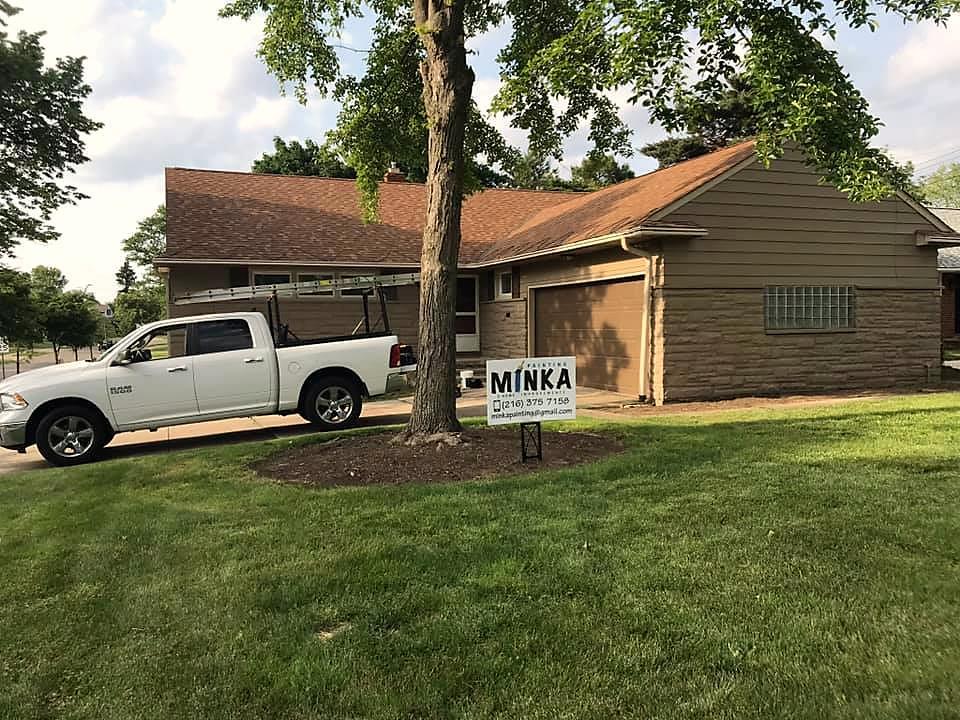
When it’s time to refresh your home, finding trustworthy and skilled painters can make all the difference. Whether you’re envisioning a vibrant interior transformation or enhancing your home’s curb appeal, hiring the right professionals ensures the job is done with precision and care. If you’re searching for painters in Moreland Hills, look no further than Minka Painting — a local company known for high-quality work at affordable prices.

Why Hire Professional Painters?

Painting is more than just applying color to walls; it’s about craftsmanship, surface preparation, and using the best materials to ensure long-lasting results. Professional painters handle every step, from repairing cracks and priming surfaces to meticulously applying multiple coats for a flawless finish.

Choosing experienced painters in Moreland Hills like Minka Painting saves you time and stress. Their team is equipped with the skills and tools needed to tackle any project, whether it’s a single room or an entire home. Plus, if you’re looking for paint options or DIY supplies, you can always check out Home Depot for inspiration and materials.

Interior Painting Services

Your home’s interior should reflect your personality and style, creating a welcoming environment for family and guests. Minka Painting specializes in turning ordinary spaces into beautiful, cohesive areas with expertly applied paint.

Key interior services include:

  • Living Room & Bedroom Painting: Create inviting spaces with thoughtfully chosen color palettes.
  • Kitchen & Bathroom Painting: Use moisture-resistant paints for durability in high-humidity areas.
  • Ceiling & Trim Work: Add elegant details with perfectly painted moldings and accents.

By choosing Minka Painting, you’re guaranteed a clean, efficient process. The team carefully preps each space, protecting furniture and floors, and leaves your home spotless once the job is done.

Exterior Painting Services

The exterior of your home is the first impression visitors and neighbors get — and maintaining it enhances both aesthetics and property value. Over time, exposure to the elements can wear down paint, leading to fading or peeling.

Minka Painting offers comprehensive exterior services, including:

  • Full-Home Exterior Painting: Refresh your entire facade with weather-resistant paints.
  • Deck & Fence Staining: Protect wooden features from sun and moisture damage.
  • Garage Doors & Shutters: Add bold accents or subtle elegance with carefully chosen colors.

With Minka Painting’s meticulous attention to detail, your home’s exterior will look fresh and stay protected for years.

Why Choose Minka Painting?

In a community like Moreland Hills, local reputation matters. Minka Painting has earned trust through consistent quality, fair pricing, and personalized service. They work closely with homeowners to understand their vision, recommend the best paint types and finishes, and complete each project to perfection.

Plus, the team values transparency — offering free estimates and clear timelines, so you know exactly what to expect. Their goal is to bring your ideas to life without the headaches that often come with home improvement projects.

Final Thoughts

If you’re looking for reliable, high-quality painters in Moreland Hills, Minka Painting is the name to trust. From vibrant interiors to durable exteriors, they bring experience, skill, and dedication to every project. And if you’re considering a DIY touch or want to explore paint colors,

Ready to transform your home? Contact Minka Painting today and see how their expert services can make your vision a reality!

Water leaks are more than just a minor inconvenience. They can cause significant property damage, inflate water bills, and even lead to structural issues if left unresolved. Whether you have a leak in your home, business, or spot one in a public area, knowing who to report it to is crucial. So, who should you call when you discover a leak?

How to Identify a Water Leak

Before reporting a leak, it helps to determine where it’s coming from. Not all leaks are easy to spot, and some require professional water leak detection services. Here are some signs to watch for:

  • Unexplained increase in your water bill
  • Wet patches on walls, ceilings, or floors
  • The sound of running water when taps are off
  • Visible cracks in pipes or water pooling around fixtures
  • Mould or musty odours indicating hidden leaks

Once you identify the source, you can decide whether it’s a private or public responsibility.

Reporting a Water Leak in Your Home

For leaks inside your home, it’s your responsibility to take action. The first step is to shut off the main water supply to prevent further damage. Then, contact a licensed plumber who specializes in water leak detection. These professionals can pinpoint the source using non-invasive techniques, reducing the need for costly repairs.

Common Residential Water Leak Issues

Leaks in homes often occur due to aging pipes, pressure buildup, or poor plumbing installations. The most common problems include:

  • Dripping taps that waste litres of water daily
  • Leaking toilets that silently inflate your water cost
  • Hidden pipe leaks inside walls or under floors
  • Outdoor hose or irrigation system leaks

Ignoring these issues can lead to expensive repairs and water damage. If you suspect a leak, call a plumber immediately.

Who to Call for Water Leaks in Commercial Properties

Commercial buildings have complex plumbing systems, making leaks harder to detect. If you’re a business owner or property manager, hiring a professional leak detection company is the best course of action. These experts use specialized equipment such as thermal imaging cameras and acoustic sensors to locate hidden leaks without causing disruption.

Why Businesses Should Act Fast

Water leaks in commercial properties can lead to:

  • Higher water costs that affect your bottom line
  • Structural damage that compromises the building
  • Slip hazards that pose a risk to employees and customers
  • Compliance issues with local water regulations

Many businesses in Melbourne have water-saving policies in place. Addressing leaks quickly ensures compliance and prevents unnecessary expenses.

Reporting a Public Water Leak

Leaks in public areas such as roads, footpaths, or parks need to be reported to the appropriate authority. In Melbourne, water services are managed by different providers based on your location. If you see water pooling on streets, gushing from hydrants, or leaking near public pipes, take these steps:

  • Contact your local water provider
  • Provide the exact location of the leak
  • Describe the severity of the problem
  • Report any road hazards caused by the water

Melbourne Water oversees major infrastructure leaks, while smaller issues may be handled by your local council or water provider.

What to Do About a Burst or Broken Pipe

A burst pipe is one of the most urgent plumbing emergencies. It can cause flooding, damage property, and disrupt water supply. If you experience a burst or broken pipe, act quickly:

  • Turn off the main water valve
  • Drain the remaining water from taps
  • Call an emergency plumber
  • If outside your property, report it to the water company

If you find a broken water pipe outside house, the issue could be due to aging pipes or ground movement. These leaks often require excavation and professional repairs.

How Leaks Affect Water Costs

Ignoring a leak can have serious financial consequences. A single dripping tap can waste thousands of litres of water per year. For businesses, undetected leaks mean higher operational expenses. The best way to manage water costs is through early detection and proactive maintenance.

Ways to Reduce Water Waste

Melbourne homeowners and businesses can take simple steps to prevent leaks and conserve water:

  • Inspect pipes regularly for wear and tear
  • Install water-efficient fixtures
  • Monitor water bills for unexpected spikes
  • Fix minor leaks before they become major problems
  • Schedule professional leak detection services

Who Handles Major Water Leaks in Melbourne

Melbourne’s water supply is managed by several authorities. Depending on the location and severity of the leak, different agencies may be responsible for repairs.

  • Melbourne Water: Handles large-scale leaks affecting reservoirs, dams, and major pipelines
  • Local councils: Address leaks in public parks and footpaths
  • Private water retailers: Manage household and business water supply issues

If you’re unsure who to contact, checking your latest water bill can help identify your water provider.

Preventing Future Water Leaks

While some leaks are unavoidable, regular maintenance can significantly reduce the risk. Here are a few strategies:

  • Check for slow leaks by monitoring your water meter
  • Replace old or corroded pipes before they fail
  • Use high-quality fittings and connectors
  • Schedule routine plumbing inspections
  • Ensure outdoor pipes are protected from temperature changes

Final Thoughts on Reporting Water Leaks

Water leaks can be costly and damaging, but reporting them promptly can prevent major issues. Whether you’re dealing with a household leak, a burst commercial pipe, or a public water main break, knowing who to call makes all the difference. In Melbourne, acting fast not only saves money but also helps conserve water for future generations.

If you suspect a leak, don’t wait—take action today to protect your property and reduce your water costs.

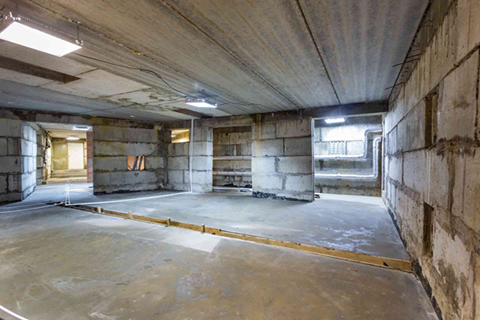
For the longest period, the basement was treated as a space to store things and items that were not in use, but things have changed. People have started to understand the wasted potential of the basement and transform it to provide more than just a shelter for insects, pests, and dust. Basement lowering is the method through which you can transform the look of your grey basement into a colorful addition.

Not just this, but there are more reasons why you can consider basement lowering, and we are sharing why invest in hiring a basement lowering company in Toronto.

More Headroom

Basements are often made to store items that are not in regular use and traditional architecture didn’t include headroom and lighting. With basement lowering, you can change the overall aura of an unliveable space and add more headroom with better ceiling height. You can finally get rid of bending your neck and back to access your basement.

Strengthen the Structure of Your Home

The basement is the most ignored space of your home and most of the time; you even forget to check for the regular leaking and other issues that may have been lingering there. With the basement lowering process, you get to know the core and base of your home. It even allows you to identify issues like bad footings, weak beams, and unstable walls that may have resulted in disaster in the future. All in all, you can take this opportunity to strengthen the structure of your home.

Address Water Leakage

Out of all spaces, the basement is more prone to water leakage and this particular issue is a horror to every house horror. But, basement lowering allows you to address this issue and fix it while the process is going on. Along with it, you can look for leakages, cracks, and other issues that can raise the chance of home hazards.

Additional Space

Basement lowering gives you a chance to have an additional space in your home, which you can utilize for various purposes. You can convert the space to your working area or rent it out for an extra income. Even it increases the resale value and return on investment.

Basement lowering has more benefits than you can think and you must opt for it if you are constantly bothered living in a house with an unpleasant space. It doesn’t harm you and only adds better prospects for the future.

Having your air conditioning system malfunction during summer heat requires immediate trustworthy service to bring it back to working order. Determining if a professional AC repair service first-rate requires awareness of their qualifications. Hiring the proper air conditioning repair specialist leads to better service delivery techniques and faster results along with improved customer happiness.

1. A technician’s legal permit and insurance coverage are the fundamental things to trust in their work

When searching for an AC repair technician, licenses and insurance documents prove their reputation. A legitimate HVAC business needs proper permits to work in state or local regions. Licensing helps to confirm that the technician learned essential skills to maintain advanced air conditioning systems. Every contractor needs insurance coverage as their standard work requirement. Both parties who hire or perform AC repairs stay protected from harm that can occur while the service is done. Be certain to ask contractors for their active trade license number before starting work with them. For reliable service, trust hvac repair by Onpoint Burnaby to ensure you’re working with certified professionals.

2.NATE-Certification: A Mark of Expertise

Look for certified technicians who show additional NATE certification approvals when picking a service provider. After completing a detailed HVAC system test process, NATE-certified professionals demonstrate complete expertise in AC repair and maintenance through their examinations. People who hire NATE-certified technicians choose not only for basic AC function but also for professionals who find problems fast and perform repairs better than others.

3. Experience and skill

Effective air conditioning technicians need to regularly learn about new AC developments in their field. Success comes from experience combined with knowledge of new system technology. Your selection of an HVAC contractor depends on their ability to handle various AC system brands and types.

4. Customer Reviews and Reputation

Customers should use both offline and digital feedback to find reliable AC repair professionals. Customers who use professional services rate their contractors highly in online platforms. Look at what customers say about the company on Google, Yelp or the Better Business Bureau platform.

Watch out for customers who talk positively about how well the technician arrives on time, behaves professionally and finds solutions to their AC problems. Do clients express problems with dialogue and unsolved AC repair tasks? Despite their flaws, companies should show strong reviews indicating their overall excellence.

5. Professionalism and Communication

The best air conditioning repairman show superior technical competence while providing excellent service during each job. Upon entering your home they should show proper etiquette combined with good manners and be ready to explain everything you need to know. Excellent service depends on effective conversation both during AC system diagnosis and during the repair process.

Relocating your trade or office room can feel like a jumbo task, filled with eternal checklists and logistical visions. One of the often-overlooked elements of a move is your commission setup, specifically when it comes to your glass office systems.

These modern designs of demountable glass office walls add a touch of taste and modernity to your workspace and, fortunately, are more convenient than you might think. Whether you’re cutting down, upsizing, or simply changing locations, you can influence your glass office system accompanying you, ensuring continuity and style in your new atmosphere.

Understanding Glass Office Systems

Before diving into the management of moving, it’s important to understand what glass office systems require. They typically involve glass partitions, doors, and occasionally even entire glass walls.

These structures are lauded for their sleek design, strength to maximize everyday light, and contribution to open and airy office surroundings. Their modular type can be specifically advantageous during a move.

Preparing for the Move

· Planning Ahead

Inventory Check:

Catalog your existing glass elements. This will help you determine what may be reused in the new space and what may need to be replaced or fixed.

Space Assessment:

Analyze the layout of your new commission. Assess the dimensions and layout to determine in what way or manner your current glass components may be integrated.

· Hiring the Right Professionals

Experienced Movers:

Choose movers with accompanying experience in the management of glass structures. They should be able to disassemble and reassemble accompanying care.

Glass Specialists:

Consider hiring glass specialists the one can offer insights on the establishment or necessary modifications in the new scope.

The Moving Process

· Dismantling the System

Careful Labeling:

Label each piece meticulously to guarantee a smooth reassembly. This includes glass panels, brackets, and some hardware.

Secure Packaging:

Use securing materials like bubble wrap and durable crates to prevent damage during transport.

· Transportation

Weather Considerations:

Ensure that conveyance avoids extreme weather conditions that take care of impacting the integrity of the bottle.

Professional Handling:

Confirm that your movers have the necessary supplies to handle glass cautiously, such as padded dollies and cab restraints.

· Reinstalling in Your New Space

Flexibility:

Be prepared for adjustments. The ranges and nuances of your new office may demand a different arrangement of your glass system.

New Additions:

You ability need to purchase additional glass panels or hardware to fit the new scope perfectly.

· Installation Process

Follow the Plan:

Use your beginning inventory and labels as a guide all the while reinstallation.

Professional Assembly:

Allow professionals to reassemble the system to ensure fundamental integrity and beautiful appeal.

Conclusion

Relocating your office doesn’t mean you should leave your sophisticated glass office structure behind. With proper preparation and the right team, you can transport your existing arrangement to your new location seamlessly.

This approach not only saves services and reduces waste but also guarantees that your new office retains the intimate, modern beauty that glass systems determine. Embrace the move as an opportunity to forge even better working surroundings that inspire output and creativity.

Quality industrial flooring is crucial for factories, warehouses, and other commercial spaces. Be it cement flooring, or epoxy flooring, you need a contractor who ensures your floors are durable and can withstand heavy machinery, foot traffic, and daily wear and tear. 

With various industrial flooring systems in Toronto, finding the right contractor can be challenging. To help you out, we have provided a few tips in the post below.

  • Understand Your Flooring Needs

Before you start searching for a contractor, it’s essential to understand the type of industrial flooring you need. Industrial flooring comes in various materials like concrete, epoxy, vinyl, and more. Each flooring type is unique and suitable for different environments. Think about the environment of the space, so you can pick the right flooring to go with. By identifying your needs, you can find the contractor for the job.

  • Look for Experienced Contractors

Experience is one of the most important factors when it comes to choosing an industrial flooring contractor. Compared to other types of flooring, industrial flooring is different. Therefore, look for contractors who are experienced particularly in industrial flooring. Also, make sure they have enough experience to handle the task. If needed, check the portfolio of their previous projects. This will give you an idea of the quality of their services.

  • Check Licensing

A reputable industrial flooring contractor will have the necessary licenses and insurance. Make sure the contractor is fully insured in case of accidents or damage during installation. Also, ask them for their licensing details, so you can confirm if they are legit or not. By checking these credentials, you know you are hiring the right contractor. 

  • Read Reviews

It’s crucial to choose a contractor with a solid reputation. Check online reviews to find out how past clients talk about the contractor. A reputable contractor will have more positive reviews and satisfied customers. Also, don’t hesitate to ask the contractor about their process and the materials they use.

Hiring an industrial flooring contractor is a big investment. So, you should take your time and choose the right one. By following these tips, you can ensure that you hire the right contractor.

What Is an Asbestos Removal Claim?

An asbestos removal claim is a formal request made to an insurance company or liable party to cover costs associated with the safe removal and disposal of asbestos-containing materials (ACMs). These claims often arise when asbestos is discovered in a property during renovations, inspections, or after damage caused by natural disasters. Asbestos removal is not just a maintenance task—it’s a health and safety issue. Exposure to asbestos fibers can lead to serious illnesses, making professional removal both necessary and costly. Filing a claim ensures that property owners are not solely burdened with these expenses.

Why Filing a Claim Is Important

Filing an asbestos removal claim is vital for several reasons:

  • Health Protection: Asbestos exposure poses significant health risks, including respiratory diseases and cancer.
  • Financial Relief: Removal and disposal can be expensive, and a claim can help offset these costs.
  • Legal Compliance: In many areas, asbestos must be handled according to strict regulations. Filing a claim ensures you can afford to meet these requirements.

Without filing a claim, property owners may face out-of-pocket expenses that could have been covered under their insurance or by a responsible third party. Additionally, failure to address asbestos issues promptly can lead to legal penalties or further property damage.

Common Scenarios for Filing a Claim

There are various situations where filing an asbestos removal claim becomes necessary. These include:

  1. Renovation Projects: Asbestos is often uncovered during remodeling or demolition work, requiring immediate attention.
  2. Natural Disasters: Events like floods, fires, or earthquakes can disturb asbestos materials, making removal urgent.
  3. Property Sales: Buyers or inspectors may discover asbestos during pre-sale inspections, prompting a need for removal before the transaction proceeds.

In each of these scenarios, filing a claim can help manage the costs and ensure the issue is addressed professionally. For example, asbestos liability may come into play when determining who is responsible for covering the removal expenses. Understanding these circumstances can make the claim process smoother and more effective.

Preparing to File an Asbestos Removal Claim

Reviewing Your Insurance Policy

Before you even think about filing a claim, take the time to closely review your insurance policy. Understanding what your policy covers and excludes can save you from unnecessary surprises. Look for specific mentions of asbestos-related issues and any conditions or exclusions that might apply. If something isn’t clear, don’t hesitate to contact your insurer for clarification. Knowing your rights and the limits of your policy will help you stay prepared if disputes arise.

Documenting the Asbestos Condition

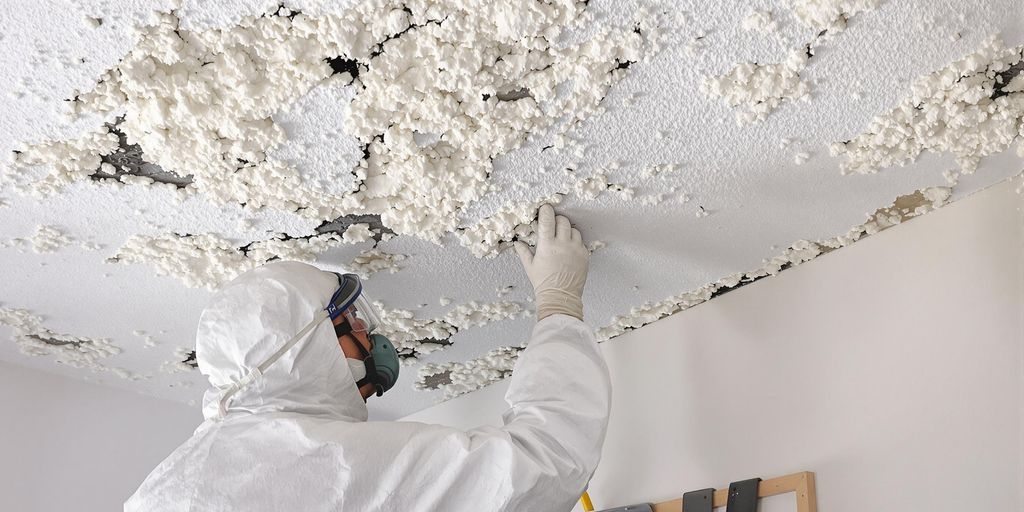
Accurate documentation is a key step in building a strong claim. Start by taking photographs of the asbestos-containing materials (ACMs) in their current state. Make detailed notes about their location, condition, and any potential risks they pose. However, avoid touching or disturbing the materials, as this can increase exposure risks. If possible, include a report from a licensed asbestos inspector. Their expertise can provide a professional assessment, which may strengthen your claim.

Hiring a Licensed Asbestos Inspector

A licensed asbestos inspector plays a crucial role in the process. They can conduct a thorough evaluation of the affected area, identify the type and extent of asbestos present, and provide detailed findings. This report not only helps you understand the scope of the issue but also serves as valuable evidence for your claim. When choosing an inspector, ensure they have the proper certifications and experience in handling asbestos-related cases. Their assessment can also guide you in estimating removal costs and planning the next steps.

Steps to File an Asbestos Removal Claim

Gathering Necessary Documentation

Before filing a claim, it’s important to gather all the evidence related to the asbestos issue. This includes photographs of the affected areas, inspection reports from a licensed asbestos professional, and any written estimates for removal and disposal. Detailed documentation is critical to support your claim and reduce the chances of delays or disputes.

Submitting the Claim to Your Insurer

Once you have all the necessary documentation, submit your claim to your insurance company. Be sure to include every piece of evidence and fill out forms accurately. Timeliness is key—submit your claim as soon as possible to avoid complications. If your policy has specific requirements for asbestos-related claims, make sure to follow them closely.

Following Up on Your Claim

After submission, don’t assume that your claim will process itself. Follow up regularly with your insurer to check on the status. This helps you address any issues early and ensures your claim stays on track. If there are delays, persistent communication can make a big difference in speeding up the process.

Working with Insurance Adjusters

Role of the Claims Adjuster

When filing an asbestos removal claim, the claims adjuster plays a central role in evaluating your case. They assess the extent of the asbestos issue and compare it against your insurance policy to determine coverage. Their main goal is to ensure the claim aligns with the terms of your policy. Adjusters may also coordinate with licensed professionals to evaluate the asbestos condition and recommend remediation steps. In some cases, claims adjusters may also consider worker safety and the type of asbestos present, such as white asbestos, to provide an accurate assessment.

Providing Additional Documentation

To keep the claim process moving smoothly, you’ll likely need to provide extra documentation. This could include inspection reports, receipts for prior asbestos-related expenses, or even lab test results. Adjusters often request this information to validate the claim and determine the scope of coverage. Public adjusters, for instance, may also use material lab tests and expert testimony to strengthen your case. Keeping these documents organized and accessible can save time and reduce back-and-forth communication.

Understanding the Adjuster’s Decision

After reviewing all the evidence, the adjuster will make a decision on your claim. This decision will depend on your policy’s coverage, any exclusions, and the overall findings from their investigation. If the claim is approved, the insurer will outline the next steps, such as payment or remediation plans. However, if your claim is denied, you may need to explore appeals or consult legal experts to challenge the decision. Understanding their rationale can help you determine the best course of action moving forward.

Challenges in Asbestos Removal Claims

Delays in Claim Processing

Filing a claim for asbestos removal often comes with significant delays. This is largely because asbestos-related claims require specialized inspections, detailed documentation, and sometimes even third-party verification. These extra steps can slow down the process considerably. For homeowners, this waiting period can be frustrating, especially if the asbestos poses a health risk. Staying organized and maintaining communication with your insurer can help, but patience is key.

Disputes Over Coverage

Disagreements between policyholders and insurers are common in asbestos claims. Some insurance companies might argue that asbestos-related costs are not covered under the policy, or they may point to exclusions in the fine print. It’s important to review your policy thoroughly and be prepared to advocate for your claim. If disputes arise, consulting a legal expert can provide clarity and support.

Appealing a Denied Claim

A denied claim doesn’t necessarily mean the end of the road. If your insurer rejects your asbestos removal claim, you have the right to file an appeal. Start by understanding the reasons for the denial—whether it’s a lack of documentation, a policy exclusion, or another issue. From there, gather additional evidence, such as inspection reports or expert opinions, to strengthen your case. Persistence can make a big difference when appealing a denial.

Legal Considerations for Asbestos Claims

When to Consult a Legal Expert

Filing an asbestos removal claim can be a daunting process, especially when disputes arise over coverage or liability. Seeking legal advice early can make a significant difference. A legal expert can help you interpret the fine print in your insurance policy, ensuring you understand what is covered and what isn’t. For instance, they can clarify how federal laws like the Toxic Substances Control Act might influence your claim. If your insurer denies coverage, a lawyer can also provide guidance on how to challenge the decision effectively.

Understanding Your Legal Rights

It’s essential to know your rights when dealing with asbestos-related claims. Federal laws, such as those enforced by the EPA, set strict guidelines for asbestos handling and removal. These laws aim to protect public health and provide a basis for legal action if safety standards are violated. If you believe your insurer is acting in bad faith—like delaying your claim without valid reasons or undervaluing the costs—you have the right to take legal action. Understanding asbestos regulations can empower you to stand firm during disputes.

Filing an Appeal Against Denial

If your asbestos claim is denied, don’t lose hope. Many claims are initially rejected due to insufficient documentation or misinterpretation of policy terms. Start by requesting a detailed explanation for the denial. Then, gather additional evidence to support your case, such as expert reports or cost estimates for asbestos removal. Filing an appeal involves submitting this new information to your insurer along with a formal request for reconsideration. If the appeal fails, you may need to escalate the matter through legal avenues. A lawyer experienced in asbestos-related lung cancer claims can guide you through this process, ensuring your case is presented effectively.

Costs Associated with Asbestos Removal

Estimating Removal Costs

The cost of asbestos removal can vary widely depending on the size of the property, the extent of contamination, and the method used. On average, homeowners spend around $2,212 for asbestos removal, with most projects ranging between $1,191 and $3,256. Larger or more complex jobs, such as those in commercial buildings, can escalate costs to tens of thousands of dollars. For example, encapsulating asbestos—a process where materials are sealed with a protective barrier—can sometimes be a more affordable alternative to full removal. However, this option may not always be viable depending on the condition of the asbestos.

Insurance Coverage for Removal

Many homeowners’ insurance policies provide some level of coverage for asbestos removal, but it’s often limited to specific circumstances, such as damage caused by covered perils like fire or water. Understanding your policy’s terms is crucial. Policies may exclude asbestos abatement unless it’s directly tied to an insured event. It’s recommended to consult your insurer to clarify what is covered and whether additional riders or endorsements are necessary to extend coverage.

Out-of-Pocket Expenses

Even with insurance, homeowners should expect to cover some costs themselves. These might include:

  • Initial inspections and testing, which can cost several hundred dollars.
  • Hiring licensed asbestos abatement professionals, as DIY removal is not only unsafe but also illegal in many areas.
  • Disposal fees for hazardous materials, which vary depending on local regulations.

Planning ahead and obtaining multiple quotes from certified contractors can help manage these expenses effectively. For an overview of typical costs, asbestos removal costs highlight average ranges and factors influencing the total price.

Tips for a Successful Asbestos Removal Claim

Keeping Detailed Records

One of the most important steps in filing a successful asbestos removal claim is maintaining thorough documentation. Every interaction and piece of evidence matters. Keep a log of all communications with your insurance provider, including phone calls, emails, and any written correspondence. Save receipts, photographs, and reports related to asbestos inspections and removal. This level of detail can be invaluable if disputes arise or if your claim needs further review.

Communicating Effectively with Insurers

Clear and timely communication with your insurance company can make a significant difference in how your claim progresses. When submitting your claim, ensure all required forms are fully completed and supported by accurate documentation, such as inspection reports and cost estimates. If you don’t hear back within a reasonable time, don’t hesitate to follow up. Staying proactive helps address potential issues quickly and keeps your claim moving forward.

Avoiding Common Mistakes

Mistakes during the claims process can lead to delays or even denials. Avoid these pitfalls by:

  • Never attempting asbestos removal yourself; always rely on licensed professionals.
  • Thoroughly reviewing your insurance policy to understand what is covered and any exclusions.
  • Ensuring all forms and documentation are complete and accurate before submission.

By following these tips, you can improve your chances of a smooth and successful asbestos removal claim process.

Post-Claim Steps and Responsibilities

Reviewing the Settlement Offer

Once your insurance company has processed your asbestos removal claim, they will present a settlement offer. It’s important to take your time and carefully evaluate this offer. Ensure that it not only covers the removal costs but also includes safe disposal and any additional expenses incurred. Don’t rush into accepting the first proposal—if something seems off or incomplete, you have the right to question it.

Ensuring Proper Asbestos Disposal

Even after the claim has been settled, the work isn’t over. Proper asbestos disposal is a critical responsibility. Make sure the removal team follows all local regulations for handling and disposing of asbestos. This step is not just about compliance; it’s about protecting your health and the environment. Keep any documentation related to disposal for your records—it could be useful in case of future disputes.

Closing the Claim Process

After all the work is completed and payments are settled, your claim will be officially closed. This is a good time to double-check that all aspects of the claim were addressed and that you’ve received the compensation agreed upon. If you notice any discrepancies or unresolved issues, bring them up immediately before the claim is finalized. A closed claim means the insurance company considers the matter resolved, so make sure everything is in order before this happens.

The Role of Licensed Asbestos Professionals

Why Professional Assessment Is Crucial

When it comes to asbestos, guessing is not an option. Licensed asbestos professionals are trained to assess and manage asbestos risks effectively. They conduct thorough inspections, identify asbestos-containing materials, and determine the safest course of action. Their expertise ensures that asbestos is handled without jeopardizing anyone’s health.

How to Choose a Qualified Expert

Selecting the right asbestos professional can feel overwhelming, but it doesn’t have to be. Start by verifying their certifications and checking for compliance with local and federal regulations, such as those outlined by OSHA or the EPA asbestos site. Here are some tips to guide your choice:

  • Confirm they hold valid licenses for asbestos abatement.
  • Ask about their experience with similar projects.
  • Ensure they follow strict safety protocols, including containment and disposal methods.

Understanding Their Role in the Claim

Licensed asbestos professionals play a key role in insurance claims. From providing detailed inspection reports to assisting with documentation, they help streamline the claim process. Their involvement can:

  • Strengthen your claim by offering credible evidence of asbestos hazards.
  • Ensure that removal procedures meet insurance requirements.
  • Support you in meeting legal and safety standards during abatement.

By involving licensed professionals, you not only safeguard health but also improve your chances of a successful claim.

Understanding Insurance Policy Exclusions

Common Exclusions in Asbestos Claims

Insurance policies often have specific exclusions, and asbestos removal is no exception. Most home insurance policies exclude coverage for pollution or contamination unless it results from a covered event. For example, if a flood damages asbestos-containing materials (ACMs), the removal might be covered because it’s tied to the flood damage. However, routine wear and tear or accidental damage caused by contractors is typically not included. Understanding these exclusions is critical to avoid unexpected expenses.

Here are some common reasons why asbestos-related claims might be denied:

  • Aging-related wear and tear.
  • Damage caused by pets or pests.
  • Intentional or negligent damage.
  • Events like earthquakes or nuclear incidents.

Always review your policy carefully to know what’s covered and what isn’t.

How Exclusions Impact Your Claim

Exclusions can significantly affect whether your insurer will pay for asbestos removal. If asbestos damage occurs due to an event not listed in your policy, you may have to cover the costs out of pocket. For instance, if a contractor accidentally disturbs asbestos while renovating, your insurance likely won’t help. On the other hand, if the damage stems from a covered event like a fire, the insurer may approve the claim.

To better understand your coverage, consider these steps:

  1. Check your policy for specific asbestos-related terms.
  2. Speak directly with your insurer to clarify coverage.
  3. Document any damage thoroughly, especially if it relates to a covered event.

Negotiating Policy Terms

When exclusions seem too restrictive, it may be worth discussing your policy with your insurance provider. Some insurers offer additional endorsements or riders to cover asbestos removal under certain conditions. While this might increase your premium, it provides extra assurance in case of unforeseen damage.

If you’re currently reviewing your home insurance, keep in mind that policy exclusions for asbestos removal are common. Knowing these limitations upfront can help you make informed decisions about supplemental coverage or alternative solutions.

References

Mesothelioma Fund

Dolman Law

Gori Law

Tor Hoerman Law

Lung Cancer Group

Robert King Mesothelioma Law Services

Simmons Hanly Conroy

Mesothelioma Help

Weitz and Luxenberg

Mesothelioma.Net

Mesothelioma Guide

Mesothelioma Hope

Mesothelioma Hub

Mesothelioma Lawyer Center

Lanier Law Firm

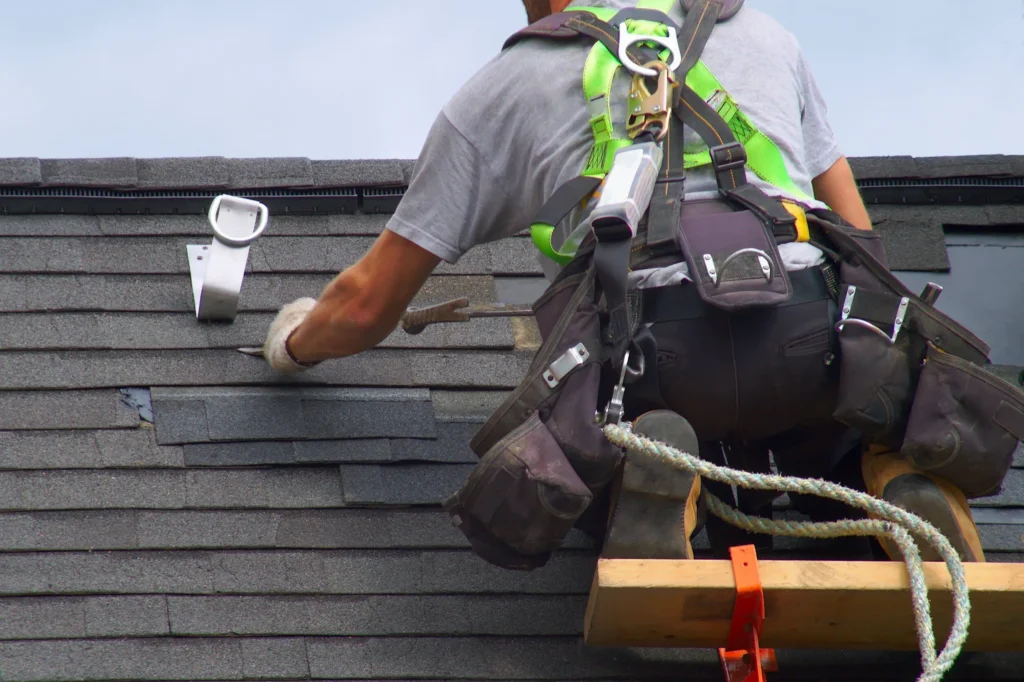
Live receptionists play a vital role in the career of roofers. Imagine the number of calls a roofing company receives for the house repair, cleaning, installation, and maintenance. Even a little idea about roofing business can get you closer to learn the role of a live receptionist in their profession. These modern systems and options help segregate the work between the employees professionally and efficiently.

Our article is dedicated to all those professional roofers that find it challenging to take calls, especially on field work. Starting a company and handling clients for a long term both can be challenging in the initial stage. As the business grows, you need someone that can professionally handle inquiries, queries, and calls on your behalf. Someone like a live receptionist for roofers is the best solution.

10 Benefits of a live receptionist in the roofing business:

  1. One of the major reasons to hire a live receptionist in roofing business is the accuracy, confidence, and promptness they bring along. Homeowners may need support from an expert that can handle their queries and give them satisfactory answers. Home roofing is no joke and it needs someone experienced or trained to handle calls from these property owners efficiently.
  2. Roofing specialists are mostly found in the field performing the deadlines. Other than roofing systems these experts also excel at other roles such as property evaluation for damages or repair, scaling buildings, and securing the roofing systems. A virtual receptionist handles queries, requests, and calls on their behalf while they are at the field.
  3. Similar to other businesses roofing services also experience a great demand, especially during the peak season. Sometimes the business may go completely silent whereas sometimes it becomes challenging to handle and schedule multiple requests. A virtual receptionist is in touch with these property owners to look for business prospects during cold season. In busy periods, they manage the calendar for the roofers and ensure no potential call is missed.
  4. By working in flexible shifts and on weekends, live receptionists help in building a strong business relation with the clients. Their services adjust to the demand of the clients and requirements. Thus, they take most of your business stress and let you focus effortlessly on the field work.
  5. Live receptionists are well-versed and trained by their company to handle business pressure. They have formulas that support them in managing business deadlines effectively and efficiently. Hiring them is not an expense, but a valuable business investment. 
  6. Hiring a live receptionist can benefit in several ways such as call handling, providing cost estimates to property owners, negotiating with them, preparing copies of documents for the agreement, scheduling the next roofing project or house, coordinating with contractors, and more…
  7. Having a physical office is strenuous for roofers as they are hardly present at their own office. Constant travel and field work doesn’t make them sit at one place. It is unwise to invest in a physical office, especially when there are amazing options such as live receptionists.
  8. Services offered by virtual receptionists are better and effective than in-house receptionists. They don’t have to be stressed of their training and feedback. These experts also manage business pressure and deadlines smoothly. It is because they are experienced and skilled in it.
  9. Other than call handling, virtual receptionists also respond through emails and social media accounts. In short, they also work like a PR to the roofers and manage their business.
  10. A live receptionist for roofers also prepares social media posts, schedule them, and interact with clients for better business growth.