
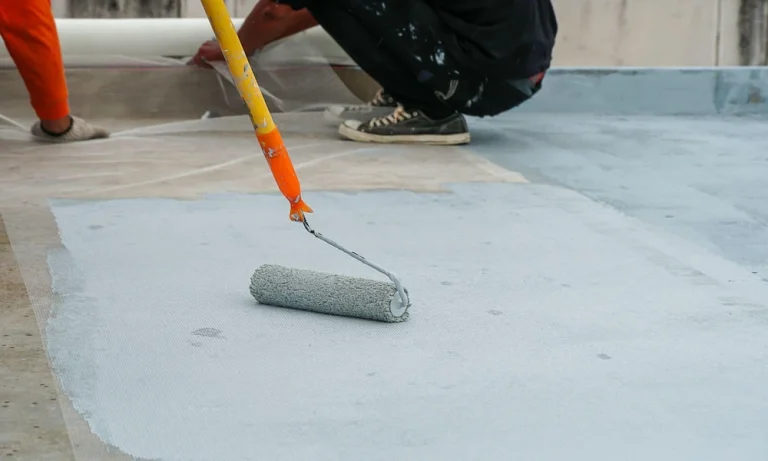
Once a roof, balcony or bathroom begins to leak, applying a new waterproofing layer directly over the existing one can seem like the quickest and most affordable solution. In some cases, this approach works well and saves the cost and mess of full removal. In others, it traps problems beneath the surface and leads to early failure. Whether overlaying a waterproofing membrane in Singapore is suitable depends on several factors, from the condition of the old layer to the chemistry of the materials involved.
Condition of the Existing Membrane
A new layer is only as reliable as the surface it bonds to. Before considering an overlay, the old membrane should be checked closely for problems such as these:
- Blisters or bubbles, which suggest trapped air or moisture beneath the surface.
- Areas where the membrane has peeled away or lost adhesion to the substrate.
- Widespread cracking, brittleness or chalking caused by age and sun exposure.
- Patches that have been repaired many times with different products.
- Soft or spongy sections that indicate the layer below may be saturated.
Chemical Compatibility Between Products
Not every waterproofing material bonds well to every other type. The combination of old and new products plays a major part in whether an overlay will hold, particularly in situations like these:
- Bituminous membranes, which may release oils that interfere with the bonding of some liquid-applied coatings.
- Solvent-based products, which can soften or damage certain existing layers.
- Polyurethane, acrylic and cementitious systems, which each have their own adhesion requirements.
- Manufacturer guidelines that may specify whether a product can be applied over existing coatings.
Surface Preparation and Priming
Even when the old membrane is in reasonable condition, careful preparation is needed before a new layer is applied. A building materials supplier can often advise on suitable primers, cleaners and bonding agents for the specific combination of products, as preparation typically involves the following:
- Cleaning away dirt, moss, oil and loose material from the surface.
- Removing any sections that are flaking or poorly bonded.
- Lightly abrading glossy surfaces to help the new layer grip.
- Applying a compatible primer and allowing it to cure fully.
- Carrying out a small adhesion test before treating the whole area.
Trapped Moisture Beneath the Old Layer
Water that has already found its way under the existing membrane does not disappear when a new layer goes on top. If anything, it may become sealed in, which can cause these issues:
- Vapour pressure that pushes the new membrane upwards and creates blisters.
- Continued deterioration of the concrete or screed underneath.
- Mould growth or damp patches on ceilings and walls below.
- Leaks that reappear because the original entry point was never located and repaired.
- Corrosion of steel reinforcement if water remains in the concrete for long periods.
Thickness, Levels and Detailing
Adding another layer changes the build-up of the surface, which may affect how water drains and how surrounding fixtures fit. It helps to check these details:
- Whether floor drains and outlets still sit at the lowest point after the overlay.
- Whether door thresholds and upstands remain high enough to keep water out.
- How joints, corners and pipe penetrations will be sealed and reinforced.
- Whether the added weight is acceptable for the roof or structure.
- Whether the finished surface will carry foot traffic and needs a protective topcoat.
Recognising When Removal Is the Wiser Choice
An overlay is not always the right answer. If the existing membrane is badly damaged, saturated with water or incompatible with the new product, removing it and starting again may cost more upfront but often results in a longer-lasting repair. Having the surface inspected by a waterproofing specialist before deciding helps avoid paying twice for the same problem.
Planning to fix a leaking roof or balcony? Speak with our team at Ardex-Quicseal to find compatible waterproofing membranes and primers.