
Author

Gregg Overcash

Browsing

Planning a family holiday or looking for a new rental should feel exciting, not like a high-stakes scavenger hunt.

But when you’re juggling nap schedules and the occasional crayon mural on the wall, the last thing you need is a property that looks great online and falls apart in real life.

Don’t worry, here’s how to make sure the place you book feels like home, not a babysitting challenge.

List Your Must-Haves

Before you get lost in rental listings, take a moment to map out what your family genuinely needs, not just what looks good in photos. The clearer you are about your must-haves, the easier it’ll be to filter out the fluff.

Start with the basics, such as determining how many bedrooms will keep the peace and prevent bedtime battles. Then, think about the location. Being near a park, beach, or kid-friendly attraction is an amazing plus.

Look for practical essentials, too, like a kitchen for feeding the crew without breaking the bank and a laundry setup for the inevitable juice spill or muddy adventure.

Age matters as well. Babies might need a cot and high chair, while older kids will appreciate a space to play or, even better, a gaming console to keep them out of your hair for five minutes.

Balance Comfort and Costs

For a seamless stay, you need to determine your budget. Bigger places with extra bedrooms, cots, or spare beds usually cost more, so keep those extras in mind when comparing listings.

You should also check for hidden costs like cleaning fees or service charges that can sneak into your total.

If you’re flexible on timing, off-peak bookings can save you a chunk of cash, especially for short stays. That could mean more room in the budget for day trips, dinner treats, or just those emergency nappies you forgot to pack.

For longer stays, take a closer look at the bigger picture. A house or apartment might offer better value, especially if it has a proper kitchen and laundry. You’ll likely save on takeaway meals and get more space to spread out.

Just keep in mind that longer-term stays can come with extra responsibilities, like paying for utilities. You’ll also have to hire a bond cleaning company when it’s time to move out so that you can get your full deposit back.

If the landlord offers flexible terms, you might be able to negotiate a better rate for longer stays, though. Hosts are often open to deals when it means fewer gaps between bookings. Just don’t lowball them too much. Be respectful, and you might score a win.

Browse Listings

Whether you’re booking a weekend away or settling in for the next six months, the platform you use matters. Some are geared towards holidays and others towards long-term stays.

Either way, you want something that lets you search for properties that are actually set up for life with kids.

Stop Scrolling, Start Filtering

The right filters can save you hours of scrolling through places that were clearly designed for Instagrammers who don’t have kids.

So, use these filters to your advantage. Look for listings with practical features like cots and fenced yards or properties near public transport. For longer stays, things like a full kitchen, laundry room, or secure outdoor space can make daily life a lot easier.

Read Family Reviews

Skip straight to the reviews from families, since they’ll give you the real story. From how clean the place is to whether the host responds quickly when something breaks, these reviews can save you from unpleasant surprises.

While you’re at it, see if someone mentions toys, books, or anything that kept their kids busy.

Check the Safety Features

Safety should be high on the list, whether you’re staying for a few nights or a few months. Start with the basics: are the balconies secure? Are there gates around the pools?

You should also look out for trip hazards, unstable furniture, or sharp edges that small kids will somehow find in under three seconds.

Inside, check for practical things like outlet covers, stair railings, and smoke alarms that actually work. 

Don’t be shy about asking the host or agent questions. For example, if the stairs are steep or the property sits on a busy road, it’s worth knowing this before you commit.

For longer stays, location matters, too. A quiet area with good lighting, safe footpaths, and low crime rates can make a big difference to how relaxed you feel day to day.

Message the Hosts

Don’t be afraid to reach out and ask questions before you book. Just because the listing doesn’t mention a cot or high chair doesn’t mean they don’t have one tucked away. A quick message can clear things up and reveal more than the photos ever will.

If you have specific needs, like space for a pram or ground-floor access, it’s better to bring them up early.

The way a host responds can tell you a lot as well. If they’re helpful and upfront, you’re more likely to have a stress-free stay.

Know When to Walk Away

Not every listing deserves your time, and certainly not your money. If a place has unclear photos, vague descriptions, or the listing avoids mentioning key features like safety setups or accessibility, take it as a red flag.

For longer stays, be extra cautious with landlords who dodge questions or delay sending through lease documents. And for holidays, if a host refuses to confirm essentials, like whether the fence actually exists, you’re better off skipping it.

Your gut reaction matters as well. There are plenty of family-friendly places that won’t leave you wondering if the dishwasher is more decorative than functional or if that smell in the hallway is normal. So, save yourself the stress, click away, and move on.

Conclusion

You know what your family needs better than any algorithm ever will. So, trust yourself and don’t let a dodgy listing waste your time.

The right place is out there, and it doesn’t come with broken blinds and old stains. Trust us, when you find it, everything else will just click into place.

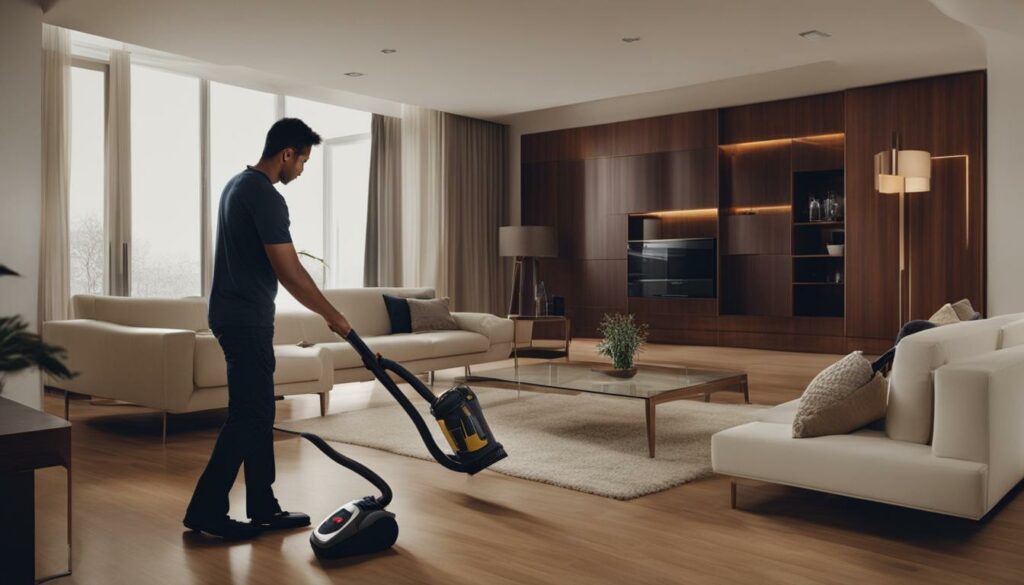
Cleaning can feel like a never-ending saga. An eternal battle against dust bunnies and stubborn stains, but what can you do? For many, it’s a monotonous routine of wiping down counters and mopping floors, leaving little room for joy.

What if we revealed a secret? You can have a home that radiates magazine-worthy charm without losing your sanity.

With the right techniques accompanied by innovative tips, you can transform your cleaning routine. Get ready to discover some ingenious, time-saving hacks that will make your dream home a delightful reality.

Focus on High-Traffic Areas

If you want a picture-perfect space, you must prioritise those areas, even when pressed for time. People and pets tread across high-traffic areas daily, quickly turning them into disaster zones.

Concentrate on the living room, kitchen, and bathroom. Leave out less used areas like guest bedrooms or the attic for the time being.

In the kitchen, for instance, quickly wipe your counters with a multipurpose cleaner. Don’t forget the washbasin, as it gathers grime more quickly than you think.

The washbasin and toilet are important as well. They can be Petri dishes for grime and bacteria. So, make sure to give them a quick scrub. On the other hand, a brief dusting and vacuuming in the living room will make a big impact.

Beneath the sink, keep a basic cleaning caddy loaded with some basics: a multi-surface cleaning solution, disinfecting wipes, a scrub brush, and sponges. This will ensure that your most needed tools aren’t out of reach.

The best thing is that even though these quick chores take little time, they will instantly refresh your house.

Declutter as You Go

Even a recently cleaned house can seem disorganised due to excessive clutter. The secret is to keep clutter under control everyday, not only during your major house-keeping sessions. If everything has a place, you’ll find decluttering to be second nature.

As you walk around the house, pick up any stray objects and place them where they belong. Over time, this practice will save you loads of time and help you avoid the dreaded weekend clutter overhaul.

Invest in smart storage ideas to maintain order. For those little bits and pieces like remote controls, mail, or children’s toys, baskets are a perfect solution. The house will feel more orderly right away when the surfaces are clear and you will be astounded at how much easier cleaning is going to be.

If you find it difficult to stay on top of clutter, set a five-minute timer every evening and quickly sweep your house to reorder items.

Adopt Time-Saving Tools

Cleaning methodology has evolved greatly, and today, there are many tools that could drastically reduce the time needed to maintain your house.

A robotic hoover is among the best investments you can make. Particularly if you have pets that shed fur or if your house features hard flooring or vinyl tiles, these small devices are lifesavers. Switch them on while you’re out or occupied with other chores. They will keep your floors perfect with zero effort on your end.

Consider buying a steam cleaner for kitchens and bathrooms. These strong instruments not only replace the need for harsh chemicals, but also sanitise surfaces and quickly cut through dirt. They are also especially useful for shower doors, tiles, and even ovens.

You needn’t worry if you are not ready to purchase new devices. Simple changes like extended dusters for those difficult-to-reach areas and microfibre cloths will still save you so much time.

For those who prefer a more hands-off approach, you can always bring in Fantastic Cleaners. This service will manage all the deep cleaning so you can concentrate on minor, daily chores.

The Power of Routine Cleaning

When it comes to maintaining a neat house with minimum effort, routine is your best friend. Breaking up your cleaning into daily or weekly doable chores helps you prevent the mess from building up.

For instance, instead of hoarding laundry until you have a mountain, wash quick loads throughout the week.

Likewise, instead of waiting until your bathroom is in dire need of scrubbing, spend just five minutes cleaning surfaces nightly.

The point is to design a schedule that fits your needs. It must also allow time for other responsibilities.

Some people would schedule particular days of the week for specific chores, like vacuuming on Mondays or changing bed linens every Friday. Others would rather complete a 15-minute clean-up at the end of each day.

The secret is consistency. Following a plan can help you stay on top of things and guarantee that your house never gets too chaotic.

Routines can also be developed around present habits. If you make supper every evening, for example, develop the practice of cleaning the kitchen straight after you finish eating. This way, you will end your day on the right foot and avoid waking up to a mess the next morning.

Delegate and Involve the Family

Why should you be the only one responsible for cleaning? Whether it’s a partner, children, or housemates, include others in maintaining the house. After all, everyone contributes to the mess, so it makes sense that they assist in cleaning it up.

To encourage kids, families should try making it a game. Set a timer and see who can gather the most toys or clothing in five minutes. Don’t forget to give them a little treat to thank them.

As for grownups, assign specific tasks. One person can be in charge of vacuuming while another does laundry.

Outsourcing some of the larger duties can be a game-changer if you’re pressed for time or find cleaning difficult.

Use Multi-Tasking Products

Going for all-in-one cleaners is one of the finest time-saving methods. A decent multi-surface cleaner can be used on counters, glass, and even stainless steel. By removing the need to alternate between several products, you can greatly simplify your cleaning schedule.

Also, look out for floor cleaners that are safe for different surfaces, from tile to laminate and wood.

Particularly in high-germ hot spots like the bathroom and kitchen, it’s worth searching for cleaning agents with built-in disinfecting qualities. There’s no need to scrub with one product just to subsequently sanitise everything using another.

Quick Wins for a Sparkling Home

If you need to make your property look better in minutes, there are easy tips that will trick others into thinking that your house has been meticulously cleaned.

First, tidy the bed. Your bedroom will look nice and orderly right away. Then, take care of the kitchen sink. Gleaming sinks make the whole kitchen seem cleaner. At last, sweep or vacuum any obvious dirt.

Knowing these fast tips will be a great lifesaver for those who dream of a flawless house, but don’t always have the time or energy.

Conclusion

Cleaning doesn’t have to rule your life. You can significantly save time by concentrating on high-traffic areas, utilising smart tools, following a schedule, and involving others.

Remember that you should always work smart, not hard. Additionally, you can call in the experts when things start to get rather taxing.

Although a clean home is a happy one, this does not imply you should spend all your time striving for it.

Facility management in 2025 represents far more than maintaining clean floors and functioning air conditioning systems, it has become a powerful instrument for advancing social justice and human dignity in our workplaces. The responsibility of facility managers extends beyond operational efficiency to creating environments where every worker can thrive with dignity.

In Singapore’s diverse workforce, where “Organisations tend to focus on increasing the diversity in their talent pool without equal focus on the experience of the minority members once they are in the talent pool”, facility management services must champion inclusive environments that honour every individual’s humanity.

The Hidden Architecture of Inequality

Every building tells a story about power and priorities. The decisions made by facility management professionals, from accessibility features to break room layouts, create the framework within which workplace justice either flourishes or withers.

Consider the impact of these choices:

  • Accessible workspace design that ensures full participation for workers with disabilities 
  • Prayer and meditation spaces that honour diverse religious and spiritual practices
  • Lactation facilities that support working mothers returning to the workforce 
  • Flexible seating arrangements that accommodate different work styles and physical needs 
  • Inclusive signage and wayfinding that welcomes speakers of multiple languages

The evidence from Singapore’s workplace diversity research reveals a troubling reality: “30% of Gen Z and 34% of Baby Boomers do not think that their employers’ efforts are making any difference at all” in advancing diversity and inclusion. This disconnect demands that we examine how physical spaces themselves might be perpetuating exclusion rather than fostering belonging.

Technology as a Liberation Tool

The integration of artificial intelligence and smart building technologies into facilities and management practices presents an opportunity to democratise workplace experiences. “In 2025, FMs will leverage the power of data, sensors and technology to deliver office spaces that boost morale, encourage collaboration, and enhance occupant wellness, safety and security.”

Progressive facility management organisations are deploying technology not merely for efficiency, but as instruments of equity:

  • AI-powered analytics that identify and eliminate bias in space allocation 
  • Smart accessibility features that respond to individual needs in real-time 
  • Predictive maintenance systems that prevent environmental hazards from disproportionately affecting vulnerable workers 
  • Digital platforms that provide equal access to building amenities and services

Yet we must remain vigilant. Technology without intentional equity considerations can amplify existing inequalities rather than dismantle them.

The Sustainability Justice Connection

Environmental sustainability and social justice are linked in modern facility management. “Sustainability has become a core component of FM, extending beyond simple cost-cutting to encompass circular economy principles that minimise waste and promote resource efficiency.”

Low-income workers and communities of colour disproportionately bear environmental degradation burdens. When facility managers prioritise green building practices and healthy indoor air quality, they’re protecting the most vulnerable workforce members.

Smart facility management initiatives must centre on environmental justice:

  • Indoor air quality monitoring that protects workers from health hazards 
  • Natural lighting optimisation that reduces eye strain and improves wellbeing 
  • Waste reduction programmes that model sustainable practices 
  • Green cleaning protocols that eliminate harmful chemicals

Confronting the Workforce Divide

The workforce divide between white-collar knowledge workers and frontline facility service personnel demands urgent attention. “By 2025, the facility management industry might face a shortage of 53%, resulting in a great amount of open jobs.”

This labour shortage cannot be solved through exploitation. It demands reimagining how we value facility management professionals. Living wages, comprehensive benefits, and advancement opportunities must become non-negotiable standards.

The hybrid work revolution has created new challenges for equity in facilities and management. “Companies require less office space and may adopt a ‘hot-desk’ policy”, but this flexibility must not come at the expense of fair treatment for all workers, including those who maintain these dynamic spaces.

Leadership Through Inclusive Design

Facility management leadership in 2025 requires more than technical expertise; it demands moral courage and a commitment to justice. “There will be a stronger emphasis on the ‘S’ of ‘ESG’ in 2025”, as organisations recognise that social responsibility is not optional but essential to sustainable business practices.

Inclusive facility management leadership involves:

  • Community engagement that centres affected workers’ voices in decision-making 
  • Transparent procurement that supports minority and women-owned businesses 
  • Skills development programmes that create pathways to advancement for underrepresented workers 
  • Bias training that helps teams recognise and address unconscious prejudices

The Measurement of Justice

Data alone cannot capture human dignity, but it can illuminate patterns of exclusion and progress. Singapore’s research reveals that “employees with good experiences of inclusion in the workplace reported positive results” across multiple dimensions of engagement and satisfaction.

Facility management organisations must develop metrics that go beyond operational efficiency to measure human flourishing:

  • Accessibility compliance rates and user satisfaction surveys 
  • Demographic representation in facility usage patterns 
  • Environmental health indicators across different areas of buildings 
  • Worker feedback on physical space quality and inclusiveness

The Path Forward: Facilities as Sanctuaries of Justice

The future of facility management lies in nurturing human potential. Every decision must be evaluated through the lens of justice: Does this choice expand opportunity or constrain it?

As we advance through 2025, facility management professionals can become architects of justice, creating spaces where every worker can bring their authentic self to build a better world. This is about recognising that our physical environments shape our capacity for justice and human connection.

In Singapore’s dynamic landscape, where diversity and inclusion remain ongoing challenges, the facilities we design today will either perpetuate inequality or become the foundation for a more just future.

The responsibility lies with each of us who shapes these spaces to ensure that our approach to facilities and management reflects our highest aspirations for human dignity and social justice.

When it comes to modern home design, few architectural features blend aesthetics, functionality, and natural light as seamlessly as a patio door. Whether you’re looking to upgrade your existing entryway or designing a new home from the ground up, choosing the right patio door can significantly enhance your living space. In Scandinavian countries, especially in Sweden and Norway, the term altandörr has become synonymous with high-quality, energy-efficient, and stylish patio doors that connect indoor comfort with outdoor living. This comprehensive guide explores everything you need to know about patio doors, including types, benefits, materials, installation tips, and why the altandörr is a top choice for homeowners seeking both beauty and performance.

What Is a Patio Door?

A patio door, commonly referred to as a sliding glass door or French door, is a large glass door that typically leads from a living room or kitchen to an outdoor patio, deck, or garden. These doors are designed to maximize natural light, provide unobstructed views of the outdoors, and facilitate easy access to exterior spaces. Unlike standard entry doors, patio doors are usually wider and taller, often consisting of multiple glass panels.

In Scandinavian design, where the connection between nature and interior spaces is highly valued, the altandörr has become a popular solution. The term altandörr—which translates literally to “balcony door” in Swedish—refers to a type of patio door specifically engineered for energy efficiency, durability, and seamless integration with outdoor areas, particularly balconies and terraces.

Types of Patio Doors

There are several types of patio doors available on the market, each offering unique advantages depending on your space, style, and functional needs. Here are the most common types:

1. Sliding Patio Doors

Sliding doors are the most popular type of patio door. They consist of two or more panels, with one or more panels that glide horizontally along a track. Sliding doors are ideal for homes with limited space, as they don’t require swing room like traditional hinged doors.

  • Pros: Space-saving, large glass area, easy to operate, modern look.
  • Cons: Can be harder to clean tracks, limited ventilation (only one panel opens).

2. French Patio Doors

French doors consist of two hinged panels that swing inward or outward. Often made with multiple glass panes, they offer a classic, elegant appearance.

  • Pros: Excellent ventilation, traditional charm, secure locking mechanisms.
  • Cons: Require swing space, may not be as energy-efficient as sliding models.

3. Bi-Fold Patio Doors

Also known as folding or concertina doors, bi-fold doors consist of multiple panels that fold and stack to one or both sides. They create a wide, open aperture that blurs the line between indoor and outdoor spaces.

  • Pros: Maximum opening, excellent for entertaining, modern aesthetic.
  • Cons: Higher cost, more complex installation, requires more maintenance.

4. Lift-and-Slide Doors

A premium option gaining popularity in Scandinavian homes, lift-and-slide doors operate by lifting the panel slightly off the track when opened, reducing friction and making large, heavy doors easier to move.

  • Pros: Smooth operation, excellent insulation, airtight seal, suitable for large openings.
  • Cons: Higher price point, requires professional installation.

These types of doors are often referred to as altandörr in Sweden, especially when designed for balconies and terraces with high thermal performance and weather resistance.

Why Choose an Altandörr?

The altandörr isn’t just a patio door—it’s a symbol of Scandinavian innovation in home design. Known for its superior insulation, sleek design, and durability, the altandörr is engineered to withstand harsh Nordic climates while providing year-round comfort.

Here’s why the altandörr stands out:

1. Energy Efficiency

Scandinavian winters are long and cold, which is why energy efficiency is paramount. Modern altandörr models are built with multi-chambered frames, double or triple glazing, and thermally broken profiles that minimize heat loss. This means lower heating bills and a more comfortable indoor environment.

2. Weather Resistance

An altandörr is designed to resist wind, rain, snow, and temperature fluctuations. High-quality seals and drainage systems prevent water ingress, while robust locking mechanisms enhance security.

3. Sleek, Minimalist Design

Scandinavian design emphasizes simplicity, functionality, and natural materials. An altandörr typically features slim profiles, large glass surfaces, and neutral color finishes that blend seamlessly with both modern and traditional architecture.

4. Improved Natural Light

The expansive glass panels of an altandörr allow maximum sunlight to flood into your home. This not only brightens your space but also contributes to a sense of well-being—especially important during the darker winter months.

5. Seamless Indoor-Outdoor Living

An altandörr creates a smooth transition between your living area and outdoor space. Whether you have a balcony, terrace, or garden, this door type encourages outdoor living and entertaining, even in cooler climates.

Materials Used in Patio Doors and Altandörr Construction

The material of your patio door impacts its durability, insulation, maintenance needs, and appearance. The most common materials include:

1. uPVC (Unplasticized Polyvinyl Chloride)

uPVC is a popular choice for patio doors due to its excellent insulation, low maintenance, and affordability. It’s resistant to rot, corrosion, and fading, making it ideal for damp or coastal environments.

  • Pros: Energy-efficient, low maintenance, cost-effective.
  • Cons: Limited color options, may not suit traditional homes.

2. Aluminum

Aluminum patio doors are strong, lightweight, and resistant to rust. Modern aluminum altandörr models often feature thermal breaks to improve insulation.

Aluminum patio doors are strong, lightweight, and resistant to rust. Modern aluminum altandörr models often feature thermal breaks to improve insulation.

  • Pros: Slim frames, durable, modern look, customizable.
  • Cons: Can conduct heat (without thermal breaks), higher cost.

3. Wood

Wooden patio doors offer timeless beauty and excellent natural insulation. They are often used in traditional or rustic homes.

  • Pros: Aesthetic appeal, good insulation, eco-friendly.
  • Cons: Requires regular maintenance, susceptible to warping or rotting.

4. Composite (Wood-Aluminum)

Composite doors combine the warmth of wood on the interior with the durability of aluminum on the exterior. This hybrid design is increasingly popular in altandörr construction, offering the best of both worlds.

  • Pros: High insulation, low maintenance, stylish.
  • Cons: Expensive, requires professional installation.

Key Features to Consider When Buying a Patio Door or Altandörr

When selecting a patio door, especially an altandörr, consider the following factors to ensure you make the best choice for your home:

1. Thermal Performance

Look for doors with high U-values (low heat transfer) and energy ratings. Triple glazing and argon gas filling between panes significantly improve insulation.

2. Security Features

Ensure your door has multi-point locking systems, reinforced frames, and laminated or toughened glass for added safety.

3. Ventilation Options

Some altandörr models include built-in ventilation grilles or tilt functions, allowing for airflow even when the door is closed.

4. Ease of Operation

Sliding and lift-and-slide mechanisms should operate smoothly. Check for high-quality rollers and tracks that resist dirt and moisture.

5. Customization

Many altandörr manufacturers offer customization in size, color, glass type, and hardware to match your home’s style.

6. Warranty and Support

Choose a reputable supplier that offers a long warranty (10+ years) and reliable customer service.

Installation Tips for Your Altandörr or Patio Door

Proper installation is crucial for the performance and longevity of your patio door. Here are some key tips:

  • Hire a Professional: Especially for heavy or complex systems like lift-and-slide or bi-fold doors, professional installation ensures proper alignment, sealing, and function.
  • Check the Frame Level: An uneven frame can cause operational issues and air leaks.
  • Seal Gaps Properly: Use high-quality sealants and insulation around the frame to prevent drafts and moisture.
  • Ensure Proper Drainage: Sliding doors should have built-in drainage channels to direct water away from the track.
  • Test Before Finalizing: Open and close the door multiple times during installation to check for smooth operation.

Maintenance of Your Altandörr

To keep your altandörr functioning optimally, perform regular maintenance:

  • Clean tracks and rollers every 3–6 months.
  • Wipe down glass and frames with a mild detergent.
  • Lubricate moving parts annually.
  • Inspect seals and gaskets for wear and replace if necessary.
  • Check locks and handles for tightness and functionality.

Environmental and Economic Benefits of an Altandörr

Investing in a high-quality altandörr pays off in several ways:

  • Lower Energy Bills: Superior insulation reduces the need for heating and cooling.
  • Increased Home Value: Modern, energy-efficient doors are attractive to buyers.
  • Reduced Carbon Footprint: Less energy consumption means fewer greenhouse gas emissions.
  • Enhanced Well-Being: More natural light and access to fresh air improve mental and physical health.

Where to Buy an Altandörr

In Sweden and other Nordic countries, numerous manufacturers and suppliers specialize in altandörr. Brands like Nordan, Reynaers, and Velfac are known for their high-performance doors that meet strict Scandinavian building standards. When shopping, look for certifications such as CE marking, EN standards, and energy performance labels.

For homeowners outside Scandinavia, many international suppliers now offer altandörr-style doors with similar features—look for terms like “Scandinavian-style patio door” or “Nordic balcony door” when searching.

Conclusion: The Altandörr – A Smart Choice for Modern Living

Whether you’re renovating your home or building a new one, a patio door is more than just an entryway—it’s a gateway to light, nature, and enhanced living. The altandörr, with its emphasis on energy efficiency, durability, and minimalist design, represents the pinnacle of modern patio door technology. By choosing the right type, material, and features, you can create a seamless connection between your indoor and outdoor spaces while enjoying year-round comfort and style.

From sliding and French doors to advanced lift-and-slide systems, there’s a patio door solution for every home. But if you’re looking for a door that combines Scandinavian engineering with timeless elegance, the altandörr is undoubtedly the top choice. Invest in quality, prioritize performance, and let your home open up to the beauty of the outdoors with a premium altandörr.

Planning permission is the first hurdle most UK home owners fear in planning changes in their homestead. It may be time-consuming and expensive, and it is red taped. However, what would happen when you do not have to go through the stress? You may in fact be able to obtain full planning permission but granted because of the permitted development rules.

Over the years, you may be fantasizing about a loft conversion, a rear extension or even a garden studio and all these things you can accomplish using permitted development and you can do them without making a formal application. This blog will deconstruct the idea of permitted development, which projects are permitted, what limits to look out in terms of, and even when, you still require talking to your local planning executive.

Permitted Development Explained: A Guide for Homeowners

Permitted development rules are some of the rights accorded to the people in the UK government, which permits homeowners to perform certain kinds of changes to their property without the need of getting a full planning permission. The rules are made to make easy home improvements that do not have the potential of arousing the wrath of neighbours or the whole community.

What Falls Under Permitted Development Rights in the UK?

Overall, the permitted development is only used on a house rather than on a flat or maisonette. All detached, semi-detached and terraced houses can enjoy the rights but in all such cases the work must remain within certain limits.

Typically, such kind of projects that are subjected to permitted development are:

  • Single-storey Rear Extensions
  • Dormer loft conversions
  • Garage conversions
  • Garden rooms and outbuildings
  • Installs, solar panel
  • Additions of roof light
  • Porches below some definite size

Types of Home Projects That Typically Don’t Need Planning Approval

To give an illustration on what you can generally construct with out complete permission, the following are some illustrations that are normally subjected to permitted development regulations:

  • Loft conversions which are not above 40 cubic metres in case of terraced houses and 50 cubic metres in case of detached and semi detached houses.
  • Single storey rear extensions no more than 3 metres to terraced and semi-detached houses or 4 metres to a detached house.
  • Outbuildings like a home office or a garden room that is not more than 2.5 metres in height and does not act as a living accommodation by itself.
  • Roof lights and skylights so long as they are less than 150mm when checked above the roof surface.
  • Change of windows and doors as far as the material used is in line with the rest of the house.

Nevertheless, always keep in mind, it being common does not mean that it is automatic. Each property has its own peculiarities and conditions of the place are important.

Limits and Conditions You Should Be Aware Of

To get out of trouble, you need to acquire an understanding of what actions, what extent of the allowed development rights. Violation of them may entail an expensive retrospective implementation (or even more dire, being obliged to retrace the steps).

Some of the most critical conditions are the following:

  • The extensions or additions should not be more than 50 percent of the original land area of the house.
  • The extension should not be any greater than the current roof in height.
  • The materials that should be used should look similar to the one that was there before.
  • Side extensions: This should be single storey (only half of the original house in case of width).
  • Dormer windows will not project above the plane of the existing roof slope that is facing the road.

When You Still Need to Submit a Lawful Development Certificate

It is also highly advisable to submit an application of a Lawful Development Certificate (LDC) to the local council, even though your development matches the allowances of permitted development.

Why? It is due to the fact that it is official documentation that the work that you are carrying out in your building is legal. It can be particularly beneficial as soon as you sell your house and new home buyers (or their attorneys) want to know that the work was certified.

Key Exceptions: Conservation Areas, Flats, and Listed Buildings

Exemptions to permitted development are quite important, and they may alter everything that is permitted:

Conservation Areas –  Your rights will be curtailed or even wholly stripped away, should you find yourself in a conservation area, or Area of Outstanding Natural Beauty (AONB) however.

Flats and Maisonettes – These are the homes that lack the permission to develop. Extensions or other changes will also have to be fully planned.

Listed Buildings – There is a raft of bureaucracy in dealing with listed buildings including Listed Building Consent when you wish to undertake virtually any work on a listed property, including internal alterations in some cases.

Article 4 Directions – The local councils may give special restrictions towards the kind of development that is permitted, especially in historic regions or high population densities.

Ever felt uncomfortably hot indoors on a summer day, even with the AC running? This could be an impact of roof heat damage.

New Jersey summers bring extreme sun and heat that do more than make you sweat. They can seriously damage your flat roofs. Direct sunlight induces roofing materials to heat up fast, often far hotter than the air around them.

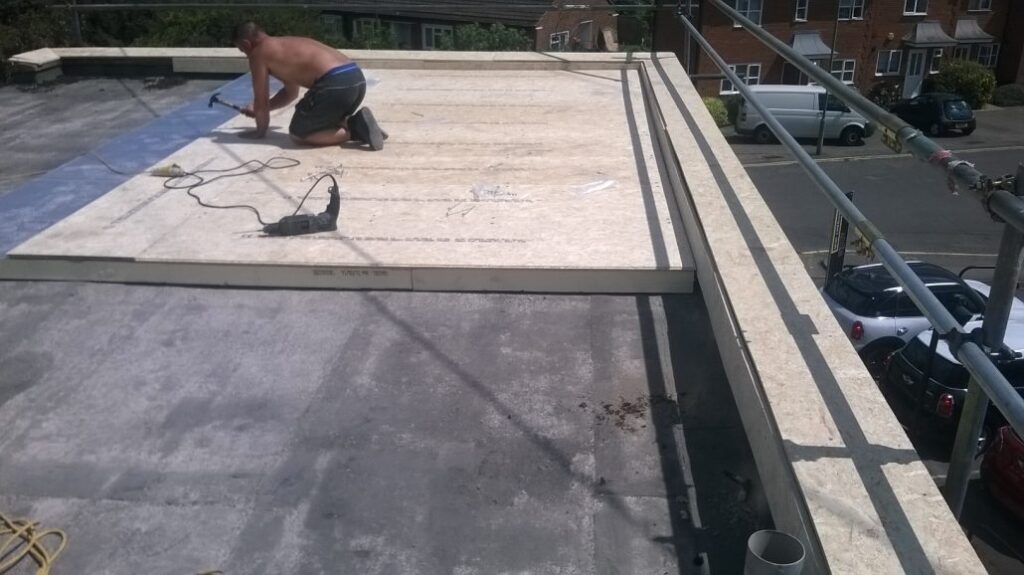
However, flat roofs that acquire too much heat stress their materials. Over time, this leads to several damages that can impact both the roof’s integrity and your comfort and, if left unaddressed, lead to underlying issues.

One heat-related roof damage is thermal expansion and contraction. Roofing materials absorb high temperatures, expand during the day, and contract once temperatures drop at night. When materials have varying expansion rates or are tightly bound, this repeated stress can cause cracking, warping, or seam separation over time, especially in poorly insulated flat roofs.

Blisters or soft, bubbled areas on the membrane are key signs of a roof’s damage. They typically appear when moisture or gases are trapped or expanded beneath the roof membrane due to heat. These could not only disrupt the roof surface but also suggest weak adhesion and an increased risk of water intrusion and interior deterioration.

Moreover, some synthetic materials, like ethylene propylene diene monomer (EPDM), are used on flat roofs. Once left under prolonged sun exposure, this can cause the roof membrane to shrink or contract, pulling away from seams and edges. Shrinking membranes are more vulnerable around flashings and penetrations.

Water pooling is another indication of heat damage. New Jersey’s sudden downpours can overwhelm flat roof drainage, especially when heat has softened the surface. Hence, flat roofs become vulnerable to water accumulation, harming the membrane and adding extra weight that strains the roof structure.

Regular heat exposure in New Jersey can severely impact flat roofs, suggesting the importance of consulting a structural engineer New Jersey to assess roof integrity under thermal stress. Scheduling a commercial building inspection NJ is also necessary to catch roof issues and prevent them from worsening over time.

Curious how New Jersey’s summer heat affects flat roofs? Check out thisinfographic from Lockatong Engineering.

Painting a house really a messy task and needs many precautions and care. If ordinary services are hired, there are changes that they spoil or end up breaking any valuable asserts or interior. So, any professionals must be hired.

No hidden estimates and time waste

Generally, one the work is done; many services do not bother to enquire and follow up with the customers. Only few professionals do it. They even advice how to maintain and protect the paints and they will not charge from the customers for this. Not only this but, the professionals have well trained team of experts for interior paints and exterior. They will be well trained to handle the equipment and procedures for painting. They train and update the workers with the latest technology equipment, which an ordinary painter is not aware of. By selecting professional services, one can have many benefits. There will be no time waste as the services will be provided and completed on time. There will be no hidden costs and many services include the cost of material and labor in the total bill or amount which they take from the clients. So no extra amounts have to be paid after the work is done. As the pains which are used are of high quality, they withstand different climatic conditions. As they provide supervisors, we need not worry about the work until it’s completed.

Latex paints can be disposed easily by keeping the left-over paint by simply keeping the open can in the sun for few hours. Disposal of latex paint can be done through drying but it cannot be followed for oil paints as it is dangerous for environment and should be disposed by the professionals. Apart from disposing the oil pairs at recycling centers, oil paints can also be dropped off at home improvement stores such as Home Depot and Lowes.

Whether you are looking to get your house painting done or interior painters in the town, seeking professional help from a painting contractoris the best idea. From protecting your property to relocating the furniture as and when required during the process of painting, the professionals handle the painting chore at ease with minimal disturbance. learn more.

So, the conclusion is it is very important for you keep in mind whenever you are going for a painting or repainting of your home that you should always go for a paint keeping the climate of your area, keep a inspecting your interior and exteriors, get them timely repaired and painted through paining professionals.

When creating or remodeling a space, whether it’s your home or workplace, the way the furniture and surfaces are finished may have a big impact on how the space feels and appears. In the interiors industry, Sunmica is a name you’re sure to encounter. What is it, though, and why is it so common in Indian homes and offices? Let’s dissect it and explain its types, functions, and how to pick the ideal one for your system.

What is Sunmica?

In India, the term “Sunmica” is widely used and has come to refer to decorative laminates in general. Consider how we refer to photocopies as “Xerox”—a brand in theory, but now used to refer to the product category.

Sunmica sheets are just thin coatings that are applied to the surfaces of furniture. Constructed by applying intense heat and pressure to layers of paper and resin, they are long-lasting, aesthetically pleasing, and simple to maintain. They are put over wood-based materials, such as plywood or MDF, to improve appearance and protection. They are usually about 1 mm thick.

These sheets come in a wide range of colours, textures, and patterns—everything from natural wood looks to solid colours and metallic effects. That versatility is a big part of why Sunmica is so popular.

Where Is Sunmica Used?

Sunmica sheets serve both functional and decorative purposes, making them a favourite among homeowners, architects, and interior design. Here are some key areas where you’ll often see them:

Furniture Finishing: From bedroom wardrobes to office desks and kitchen cabinets, Sunmica gives a neat, refined finish.

Wall paneling: It’s frequently used to provide walls in living rooms, bedrooms, and business interiors a stylish touch.

Kitchens: It is perfect for kitchen surfaces including countertops and cabinets due to its durability to heat and moisture.

Doors: Sunmica protects the base material from deterioration and provides elegance to both interior and main entry doors.

Sunmica Sheet Types

Depending on your needs in terms of both beauty and usefulness, Sunmica comes in a wide range of varieties.

Glossy Finish: These give kitchens and closets a contemporary feel with their glossy surface that reflects light.

Matte Finish: Perfect for high-touch areas, matte Sunmica also conceals fingerprints easier and gives off a soft, subtle appearance.

Textured Designs: Desire the appearance of stone or organic wood grain? You get the tactile sense and depth from textured sunmica.

Solid Colors: Solid color sheets, which range from crisp whites and greys to vivid reds and greens, are ideal for modern or minimalist spaces.

Special Effects: High-end homes and offices frequently utilize premium Sunmica sheets with digitally produced patterns or metallic tones.

How to Pick the Right Sunmica

Choosing Sunmica isn’t just about what looks good—it also depends on where and how you’ll use it. Here are some simple tips:

Match the Purpose: A kitchen may benefit greatly from a high-gloss surface, but a bedroom or study may benefit more from a matte or textured alternative.

Think About Colors: Darker hues provide drama, while lighter tones enlarge small areas; nonetheless, you’ll need adequate lighting to balance them.

Durability Matters: For high-use surfaces like kitchen counters or work desks, go for laminates that are scratch-resistant and easy to clean.

Stick to Your Budget: While standard sheets are affordable, some of the fancier textures and effects come at a higher price. Decide what’s worth the splurge.

Ease of Maintenance: Glossy sheets look great but show smudges easily. If you don’t want to be wiping fingerprints often, go for matte or textured options.

Final Takeaway

Sunmica isn’t just a practical choice—it’s a style statement that brings your interiors together. Whether you’re sprucing up your kitchen, redoing your office, or simply refreshing your wardrobe shutters, the right Sunmica sheet can elevate the look without stretching your budget.

With such a wide array of textures, colours, and finishes, there’s truly something for every taste. Just keep in mind where you’re using it, how much wear and tear it’ll go through, and the vibe you want to create.

In today’s ever-changing real estate market, many homeowners are searching for fast, convenient ways to sell their properties. Whether due to job relocation, financial hardship, or simply a desire to avoid the traditional listing process, selling to a cash buyer has become an increasingly popular option. This method can simplify sales and eliminate many of the hurdles that come with listing on the open market.

What Are Cash Buyers?

Cash buyers are individuals or companies that purchase homes using liquid funds, without needing a mortgage or loan approval. These buyers are often real estate investors, home-flipping professionals, or people looking for a quick close. Because they don’t rely on lender timelines, they can typically complete transactions in a matter of days or weeks.

For homeowners looking to avoid the delays, inspections, and potential financing fall-throughs common in traditional sales, working with House Buyers Cash services can offer peace of mind and speed.

Why Homeowners Choose Cash Sales

One of the biggest advantages of selling to a cash buyer is convenience. Traditional sales can take months, involve multiple shows, and fall through due to financing or appraisal issues. In contrast, a cash sale usually requires no open houses, minimal repairs, and fewer contingencies.

This is particularly appealing to sellers with distressed properties, inherited homes, or urgent financial needs. Instead of investing time and money into repairs or upgrades, sellers can receive a fair offer “as-is” and close quickly.

How the Process Works

The process typically begins with the homeowner contacting a cash buyer or investment company for an offer. After a quick evaluation, sometimes done virtuallythe buyer presents an offer within 24 to 48 hours. If the seller accepts, the deal moves directly to closing without many of the delays found in traditional sales.

Working with reputable House Buyers Cash companies ensure that sellers receive transparent communication, fair offers, and reliable closing timelines. It’s important to research any company thoroughly, check reviews, and avoid firms that charge upfront fees or use high-pressure tactics.

While selling through a real estate agent remains the right path for many, cash sales have carved out a significant space in the real estate landscape. For homeowners who value speed, simplicity, and certainty, selling to a cash buyer can be an efficient and stress-free solution.

By understanding the benefits and process of cash transactions, sellers can decide whether this route aligns with their goals and circumstances.

If you’re looking for a new home in Louisiana, your search will definitely lead you to New Orleans and Lafayette. But beyond their postcard-perfect streets and bustling main avenues, these cities are home to incredible, often underrated neighborhoods.

These “hidden gems” provide a blend of authentic local charm and diverse housing styles. Let’s explore some of these neighborhoods to help you find the perfect location for your new home.

Hidden Neighborhood Gems in New Orleans

For homebuyers, New Orleans is currently a favorable market. Most homes are selling below their original asking price. Moreover, with an average of 67 days on the market, you have ample time to research neighborhoods at your own pace.

Cheap Neighborhoods That Are Actually Cool

  • Gentilly & Gentilly Terrace: These areas are great for families wanting more space. Here, you can get charming older homes with large backyards. With prices typically ranging from $187,290 to $327,500, they offer an appealing blend of classic New Orleans style and suburban comfort.
  • New Orleans East: For more budget-friendly options, look no further than New Orleans East. This area is seeing significant revitalization, with the city having recently renovated over 200 homes. With various down payment assistance programs available, it’s particularly appealing for first-time homebuyers.

Secret Spots Only Locals Know

Beyond the well-known areas, New Orleans has charming neighborhoods that offer fantastic value. These are the spots locals love, and you might too:

  • Holy Cross: Holy Cross is a New Orleans neighborhood known for its unique, charming architecture. It’s a magnet for artists and creatives, attracted by its peaceful vibe and more affordable prices. Although typical rent falls between $1,000 and $1,350 monthly, buying a home here presents a strong opportunity for future appreciation.
  • Tall Timbers-Brechtel (Algiers): For those seeking a suburban feel without leaving the city limits, Tall Timbers-Brechtel in Algiers is a great choice. This family-friendly neighborhood is popular for its abundance of parks, green spaces, and safe, walkable streets. With an average monthly rent of around $1,050, it offers an attractive and spacious environment ideal for families.

👉 Want to move to New Orleans? Browse through thousands of homes for sale in New Orleans and shortlist your favorites on Houzeo, America’s best real estate app.

Lafayette’s Best Kept Secrets

The Lafayette housing market favors buyers. The median home price is approximately $245,000, and there has been a notable 22% increase in homes sold compared to last year. Additionally, properties typically spend around 40 days on the market, giving you ample time to explore your options.

New Areas That Are Getting Popular

  • Milton and Maurice: Located just south of Lafayette, these areas are experiencing rapid growth. They offer a taste of country living with the appeal of newly constructed homes. Families are particularly drawn to Milton and Maurice for their affordability and peaceful atmosphere.
  • Scott: West of Lafayette, Scott blends old-town charm with modern development. This thriving town is home to many new neighborhoods, making it an excellent place for first-time buyers to find great deals and a welcoming community.

Fancy Areas Worth Checking Out

  • River Ranch: Lafayette’s most prestigious neighborhood, River Ranch, offers luxury homes within a walkable, upscale environment. Residents enjoy convenient access to fine-dining restaurants and fitness clubs, creating a refined and connected lifestyle.
  • Bendel Gardens: Once a historic plantation, Bendel Gardens is now characterized by beautiful homes nestled among majestic old trees. This exclusive neighborhood appeals to discerning families looking for a unique and sophisticated living experience.

How to Buy Smart in Louisiana?

The Louisiana housing market, once heavily favoring sellers, is now showing a significant shift, giving buyers more power. This means exciting opportunities for those ready to make a move. With current mortgage rates averaging around 6.75% to 6.9%, understanding the nuances of each local market is your key to securing a great deal.

New Orleans Market Tricks

Most New Orleans homes sell for 3-4% less than the asking price. Only a small fraction (approximately 9%) sell above asking, providing you with considerable room for negotiation and the opportunity to make competitive offers.

Furthermore, the city’s ongoing crackdown on illegal Airbnb rentals is reshaping the investment landscape. Strict new ordinances are limiting short-term rentals in residential zones, which may impact property values and investor interest.

Lafayette Market Tips

The number of homes for sale in Lafayette has increased YoY. While some homes still get multiple offers, most sell for 1-2% less than the asking price.

Additionally, there has been a 9% increase in new construction activity in 2025. This expansion means more new, modern homes are entering the market. Investing in these developing areas often leads to long-term community enhancements and property value growth.

👉 Ready to move to Louisiana? Explore 65,200+ homes for sale in Louisiana on Houzeo, America’s best home buying and selling website. View detailed photos, save your favorite homes, and share the homes you love with the people you love.