Category

Featured

Category

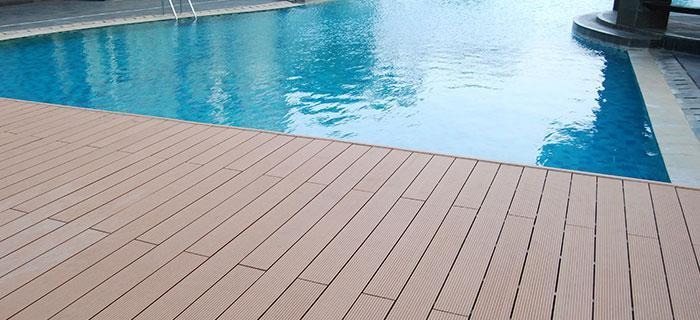
When it comes to modern interior design, flooring plays a crucial role in shaping the overall look and feel of your living space. Among the latest trends, WPC flooring (Wood Plastic Composite flooring) is taking center stage for its unmatched combination of elegance, durability, and low maintenance. As we step into, homeowners and designers alike are exploring innovative WPC designs that not only enhance aesthetics but also provide long-lasting functionality. If you are planning a home makeover or a commercial renovation, here are the top 7 stylish WPC flooring designs that will redefine your interiors this year.

Classic Oak WPC Flooring

Nothing beats the timeless appeal of oak-inspired WPC flooring. Its natural wood grain patterns bring warmth and sophistication to any room, making it perfect for living rooms and bedrooms. In 2026, the trend is leaning toward lighter oak shades with subtle grey undertones, creating a contemporary yet cozy vibe. Oak WPC floors are versatile, pairing beautifully with both minimalistic and traditional decor styles. The best part is that they are resistant to scratches and moisture, making them ideal for high-traffic areas.

Modern Grey WPC Planks

Grey has emerged as the color of choice for modern interiors, and grey WPC planks are dominating the flooring scene. These planks exude elegance and neutrality, providing a perfect backdrop for bold furniture or accent walls. They are especially popular in open-plan spaces, as they create a sense of continuity while maintaining a modern, chic aesthetic. Grey WPC flooring also hides dust and dirt better than lighter shades, making maintenance easier for busy households.

Rustic Walnut WPC Flooring

For those who love a touch of rustic charm, walnut WPC flooring is a perfect pick. Its rich, dark tones evoke a sense of luxury and timelessness. The textured finish mimics the natural imperfections of wood, adding character and depth to your interiors. Walnut WPC is particularly ideal for dining rooms, libraries, and home offices, creating a warm and inviting ambiance that complements both vintage and modern furniture.

Herringbone Pattern WPC Flooring

Patterns are making a strong comeback in 2026, and the herringbone WPC design is leading the trend. This geometric pattern adds visual interest and sophistication to your floor without overwhelming the space. Herringbone WPC flooring works beautifully in both large and small rooms, giving them a sense of movement and elegance. Available in multiple finishes, from light oak to deep walnut, it allows homeowners to experiment with classic and contemporary styles simultaneously.

Textured WPC Flooring

Texture is an essential element that adds depth to your interiors, and textured WPC flooring is gaining immense popularity. With finishes that resemble natural wood grain, stone, or even bamboo, textured WPC floors provide a tactile experience underfoot. These floors are perfect for kitchens and bathrooms where slip resistance is crucial. In addition to their functional benefits, textured WPC designs elevate the aesthetic appeal, creating a luxurious yet practical living environment.

Wide Plank WPC Flooring

In 2026, the trend is shifting toward wide plank WPC flooring, which brings a sense of spaciousness to any room. Wide planks reduce the number of seams visible on the floor, giving it a seamless and sleek appearance. They are especially effective in large living rooms or open-plan spaces, making the area feel more expansive. With various finishes available, from rustic brown to contemporary grey, wide plank WPC flooring allows homeowners to make a bold design statement effortlessly.

Two-Tone WPC Flooring

Finally, two-tone WPC flooring is emerging as a favorite among interior designers for creating dynamic, modern interiors. This design involves combining two complementary shades to create contrast and visual appeal. For example, pairing a light oak plank with a darker walnut border can define zones in open-plan homes or offices. Two-tone WPC floors are versatile and customizable, making them perfect for those looking to experiment with contemporary styles while maintaining a cohesive look.

Why Choose WPC Flooring in 2026?

Beyond style, WPC flooring Abu Dhabi offers a multitude of advantages. It is water-resistant, durable, and easy to maintain, making it suitable for every room in your home, from kitchens to living areas. Its installation is simple, and it comes in a variety of finishes and textures that mimic natural wood without the high maintenance. As sustainability becomes a priority, WPC flooring also stands out as an eco-friendly choice, using recycled materials without compromising on quality.
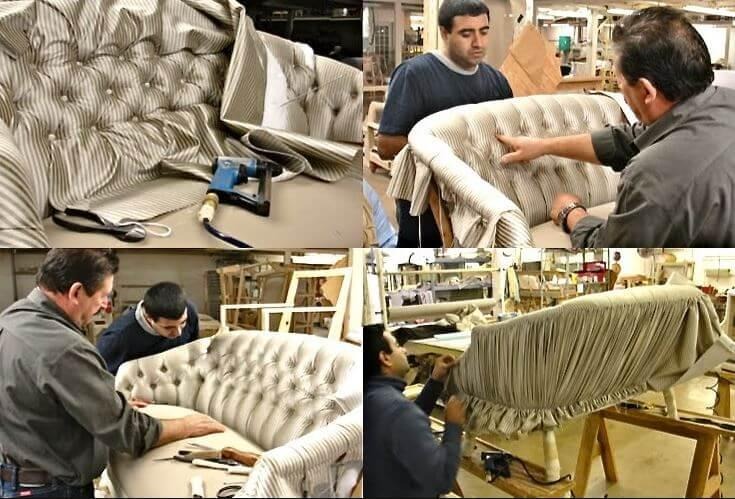

Dubai is a city defined by luxury, lifestyle, and elegance—and every home or commercial space reflects this spirit through its interiors. Among the most essential elements that bring life, comfort, and personality to any space is Dubai upholstery. Whether it’s a cozy sofa, a grand majlis, trendy café seating, or a sleek office chair, good upholstery transforms furniture from ordinary to extraordinary.

In this complete 800-word blog, we explore everything you need to know about Dubai Upholstery, from trending designs to fabric choices, climate-friendly materials, and why professional upholstery services are the smartest way to refresh your furniture without replacing it.

Why Dubai Upholstery Is More Popular Than Ever

In a city where design trends evolve quickly, residents prefer refreshing their interiors more frequently. Yet, replacing furniture every few years is expensive and unnecessary. That’s where upholstery services in Dubai come in.

Upholstery offers:

  • A brand-new look for old furniture
  • Cost savings compared to buying new pieces
  • Custom designs to match modern trends
  • Sustainable décor choices
  • Long-lasting comfort and style

Whether you’re upgrading a villa, apartment, restaurant, or office, upholstery is the easiest way to give furniture a luxurious makeover.

Earthy Neutrals & Soft Pastels

Colors like beige, sand, cream, dusty pink, and sage green are highly popular. They complement Dubai’s bright lighting and modern interiors.

Textured Fabrics

Bouclé, linen weaves, velvet, and ribbed fabrics are trending for sofas and accent chairs—adding depth and elegance to living spaces.

Minimalist Majlis Seating

Traditional majlis seating is now reimagined with minimalistic lines, soft foams, and elegant neutral fabrics.

Custom Headboards

Tall vertical panels, tufted designs, and suede finishes are transforming bedrooms into luxury hotel-like spaces.

Weather-Proof Outdoor Upholstery

With more people embracing balcony and terrace living, outdoor-friendly fabrics are in high demand.

These trends show how upholstery blends style with practicality—perfect for Dubai’s unique lifestyle.

Why Upholstery Is the Smartest Way to Upgrade Furniture in Dubai

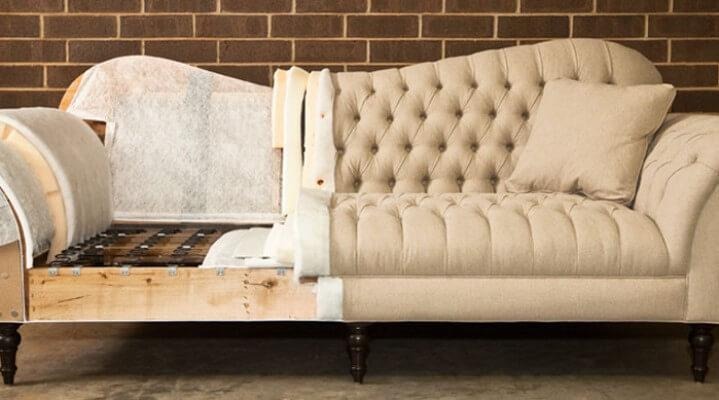
Most furniture pieces are built with strong frames but lose their charm due to worn-out fabrics, sagging cushions, or outdated designs. Upholstery solves this problem without replacing the entire piece.

Benefits of Reupholstering Instead of Buying New Furniture

Saves Money

High-quality furniture is expensive in Dubai. Upholstery allows you to refresh it at a fraction of the cost.

Preserves Quality Frames

Many old sofas and chairs are made with stronger wood than modern mass-produced pieces.

Tailored to Your Style

Custom fabrics, patterns, foam densities, and detailing help match your exact requirements.

Environment-Friendly Choice

Reupholstering reduces waste and supports sustainable living—an increasingly popular concept in Dubai.

Faster & More Convenient

Instead of weeks waiting for new furniture delivery, upholstery offers quick makeovers.

Whether it’s a modern apartment in Downtown, a villa in Arabian Ranches, or a commercial space in Business Bay, reupholstery is the smart choice.

Best Upholstery Fabrics for Dubai’s Climate

Dubai’s weather is hot, humid, and dusty—so fabric selection is extremely important.

Leather & Faux Leather

  • Easy to clean
  • Highly durable
  • Perfect for offices, majlis, and high-traffic areas

Linen & Cotton Blends

  • Breathable fabrics
  • Great for hot climates
  • Natural and elegant

Velvet

  • Luxurious texture
  • Ideal for premium indoor sofas and headboards

Chenille

  • Soft, durable, and long-lasting
  • Works well for everyday home use

Outdoor Upholstery Fabrics

  • UV-resistant
  • Waterproof
  • Mold and mildew-proof
  • Perfect for balconies, patios, and pool seating

A professional upholsterer in Dubai will guide you on the best fabric based on your usage, budget, and style.

Luxury Upholstery in Dubai: The Rise of Custom Designs

Dubai homeowners increasingly prefer furniture that reflects their lifestyle—stylish, comfortable, and tailor-made.

Popular Custom Upholstery Services

  • Custom-made sofas
  • Upholstered majlis seating
  • Luxury bed headboards
  • Accent chairs & armchairs
  • Commercial seating for cafés and hotels
  • Wall panel upholstery
  • Yacht and boat upholstery

Custom upholstery helps you create unique, premium-quality furniture pieces with flawless finishing.

Outdoor Upholstery in Dubai: Built to Withstand Heat & Sunlight

Dubai’s outdoor spaces are widely used for gatherings and relaxation. However, the UAE climate can be tough on furniture.

Professional outdoor upholstery uses:

  • Weather-resistant materials
  • UV-protected fabrics
  • Quick-dry foams
  • Stain-resistant coatings

These materials maintain their appearance and durability—perfect for gardens, terraces, balconies, and poolside areas.

How to Choose the Best Upholstery Service in Dubai

Choosing the right upholsterer ensures long-term quality. Here’s what to look for:

  • Check fabric quality and samples
  • Ask about foam density and frame repairs
  • Review their portfolio or previous projects
  • Inquire about warranty and after-service support
  • Choose a provider who offers free consultation/measurement

A reliable upholstery workshop will guide you from fabric selection to final installation.

Conclusion

Dubai Upholstery services are transforming the way residents upgrade their interiors—offering luxury, customization, durability, and cost-efficiency. Whether you want to revive an old sofa, design a custom headboard, or protect outdoor furniture, professional upholstery Dubai is the perfect solution.

With the right fabrics, expert craftsmanship, and modern design trends, you can effortlessly elevate your home or commercial space—making your furniture look stylish, fresh, and uniquely yours.

Custom carpentry is quickly becoming one of the most preferred choices for homeowners in Dubai. As properties evolve, families grow, and lifestyles shift, people want solutions that fit their exact needs—not generic, one-size-fits-all pieces. Custom Carpentry Dubai offers that level of personalization. It helps you create spaces that work better, look cleaner, and match your home’s style. In a city known for luxury living, smart design, and architectural innovation, it’s no surprise that customized woodwork is rising fast.

Below is a complete, clear, and practical look at why custom carpentry is now a top choice for modern Dubai homes.

Perfect Fit for Every Space

Most homes in Dubai include a mix of room shapes, layouts, and angles. Ready-made furniture rarely fits perfectly, especially in compact apartments or uniquely shaped villas. Custom carpentry gives you full flexibility.

You can create:

Wardrobes that fit entire walls
TV units designed around your room layout
Kitchen cabinets customized to your workflow
Shelving that uses every corner efficiently

This precise fit solves a major issue homeowners face—unused space. When furniture is custom-built, every inch is optimized, which helps your home look clean, organized, and visually balanced.

More Storage Without Compromising Style

Dubai families are always looking for smarter storage options. Custom carpentry lets you maximize storage while maintaining a clean aesthetic. Instead of bulky pieces that crowd your space, you get built-in solutions that blend into your interior.

Examples include:

Floor-to-ceiling wardrobes
Hidden cabinets
Floating shelves
Under-stair storage
Wall-mounted study units

These solutions keep your home clutter-free without adding visual weight. They’re functional, practical, and aligned with modern interior preferences—especially for apartments where space is valuable.

Complete Design Freedom

One of the biggest reasons custom carpentry is trending in Dubai is the design freedom it offers. You’re not restricted to standard shapes, sizes, or finishes. You can choose:

Wood type
Texture
Color
Finishes
Handles
Layout
Accessories

This makes it easier to match your furniture with your interior theme—whether it’s modern, minimal, classic, industrial, or luxury.

For example:

A minimal home may prefer clean lines + matte finishes
A luxury villa may choose natural wood + detailed carving
A rental apartment may go for budget-friendly engineered wood

With custom carpentry, you get full creative control.

Higher Quality and Longer Lifespan

Dubai homeowners often prefer long-lasting furniture that doesn’t need replacing every few years. Custom carpentry delivers that. Unlike mass-produced furniture, custom-made pieces are built with better materials and stronger construction methods.

Benefits include:

Higher durability
Strong joinery
Better load-bearing capacity
Greater resistance to wear
Stable structure over time

Since you can choose the materials yourself—like solid wood, MDF, or plywood—you know exactly what goes into your furniture. This transparency helps you invest confidently, especially for essential pieces like wardrobes, kitchen cabinets, and study units.

Better Use of Dubai’s Modern Home Designs

New residential communities in Dubai—like Dubai Hills, JVC, Damac Hills, and Arabian Ranches—are built with modern layouts. To match these interiors, homeowners often need contemporary carpentry work. Custom carpentry helps enhance these spaces with built-in designs that look seamless.

Popular additions include:

Walk-in wardrobes
Feature wall paneling
Sleek TV units
Floating vanities
Minimal study desks
Custom kitchen islands

These elements elevate your home’s overall look and make everyday living more comfortable. Custom carpentry transforms plain rooms into refined, stylish spaces that reflect your personality.

Perfect for Small and Large Homes Alike

Whether you live in a compact apartment or a spacious villa, custom carpentry adds value. Here’s how:

For small homes:
You can design multifunctional furniture that saves space—like foldable tables, slim storage units, and built-in seating. These help make the home feel more open.

For large homes:
You can enhance empty spaces with feature elements—like wall paneling, custom closets, or large entertainment units. This creates a high-end finish and avoids the look of empty walls.

Custom carpentry adjusts to your home instead of making your home adjust to the furniture.

Ideal for Dubai’s Fast-Moving Lifestyle

Dubai homeowners want convenience. Custom carpentry helps you design your home in a way that supports your lifestyle—whether you’re working from home, hosting guests, or managing a busy family routine.

Carpentry solutions that support daily life include:

Built-in office desks
Customized kitchen layouts

Mudroom storage for shoes and bags
Dressing stations with lighting and drawers
Laundry room shelving

These small additions create big improvements in how your home functions.

Enhances Property Value

Custom carpentry is a smart investment. Homes with built-in wardrobes, premium kitchens, or modern wall units attract more buyers and renters. The clean, tailored look makes the property more appealing and increases its market value.

Real estate agents often highlight custom woodwork as a key selling point. It signals quality, care, and attention to detail—something buyers appreciate.

Supports Sustainability and Long-Term Use

More Dubai residents are now choosing sustainable living. Custom carpentry helps reduce waste by avoiding disposable furniture. Because you select long-lasting materials and thoughtful designs, your furniture stays useful for years.

You can also choose eco-friendly finishes, responsibly sourced wood, and durable structures that reduce the need for replacements.

Final Thoughts

Custom carpentry is becoming the first choice for modern homes in Furniture Dubai because it delivers what homeowners truly want—functionality, style, and a perfect fit. It’s practical for small apartments, ideal for spacious villas, and suitable for anyone who values quality craftsmanship.

In a world where sustainability has become more than a trend—almost a necessity—homeowners are rethinking how they consume, decorate, and maintain their living spaces. One of the most surprising yet impactful eco-friendly shifts happening today is in the world of furniture repair, specifically sofa repair. Instead of discarding old sofas and buying new ones, more households are choosing to repair, restore, and reimagine the furniture they already own.

This movement is driven by rising environmental awareness, increasing furniture costs, and a growing appreciation for craftsmanship. Here’s why sofa repair is emerging as the new sustainable choice for modern homeowners.

Reducing Waste: Saving Thousands of Tons from Landfills

Every year, millions of pieces of furniture—especially sofas—end up in landfills. A typical sofa contains wood, foam, fabric, metal springs, and adhesives, all of which take decades or even centuries to decompose. Disposing of them not only wastes valuable materials but also increases pollution during the dumping and breakdown processes.

Repairing a sofa keeps it out of landfills.

Instead of contributing to environmental waste, homeowners are choosing to:

Replace worn-out foam

Reupholster the frame

Fix springs and seat supports

Restore or reinforce the structure

This simple choice significantly reduces waste and supports a cleaner, greener environment.

Lower Carbon Footprint Compared to Buying New Furniture

The production of new furniture is resource-intensive. Consider the journey of a new sofa:

It Starts With Raw Materials

Wood harvesting

Oil used to create synthetic foam

Energy-heavy fabric production

Metal extraction and processing

Then Manufacturing

Factories consume large amounts of electricity and water.

Followed By Packaging & Transport

New sofas are bulky and must be shipped through long-distance transportation, increasing carbon emissions.

Repairing a sofa eliminates almost all of these environmental stages.
The materials used in repair—foam, fabric, springs—have a much lower environmental impact than producing an entirely new sofa. In most cases, repair generates up to 80% fewer carbon emissions than buying new.

Cost-Effective Without Compromising Style

Sustainability isn’t just about protecting the planet—it also makes financial sense.

A well-done sofa repair can cost 40–70% less than replacing it entirely, depending on the materials and extent of work.

What makes this even more appealing is that you aren’t limited to factory-produced designs. You can customize:

Fabric texture

Color tone

Cushion firmness

Stitching patterns

Armrest shape

Backrest height

Decorative piping

Homeowners often end up with a sofa that looks far better than the original, at a fraction of the cost.

Sustainable Materials Are Becoming More Popular

Repair companies now offer an impressive range of eco-friendly materials, giving homeowners stylish and responsible choices.

Eco-Friendly Upholstery Options Include:

Organic cotton – breathable, natural, and toxin-free
Recycled polyester – made from post-consumer plastic
Hemp and bamboo fabrics – fast-growing and sustainable
Vegan leather – derived from cactus, pineapple leaves, or apple fibers
Natural linen – durable and biodegradable

Choosing sustainable materials not only reduces environmental impact but also promotes healthier indoor air quality, as they are free from harsh chemicals and synthetic odors.

Extending Furniture Lifespan: A Durable Approach to Living

Sustainability is fundamentally about longevity. High-quality sofa repair focuses on restoring both comfort and structural strength, ensuring that your furniture lasts for many more years.

Popular durability-focused repairs include:

Structural frame reinforcement

Anti-sag spring replacements

High-density or memory foam cushions

Water-resistant and stain-proof upholstery

Moisture-resistant underlayers to prevent mold

These upgrades extend your sofa’s lifespan significantly, reducing the need to purchase replacements frequently.

Supporting Local Craftsmanship & Ethical Business Practices

Most sofa repairs are carried out by skilled local artisans, upholsterers, and technicians. Choosing repair over replacement supports:

Local businesses

Craftsmanship and specialized skills

The regional economy

Ethical labor practices (compared to mass-produced furniture factories)

Instead of mass manufacturing, sofa repair promotes a human-centered economy built on expertise, quality, and attention to detail.

Preserving Sentimental or Premium Furniture

Many homeowners have sofas connected to memories—wedding gifts, inherited furniture, or pieces bought during important life events. Others own high-quality hardwood or designer sofas that were expensive investments.

Repair preserves what is meaningful.

And often, restoring a sentimental or premium sofa is far more sustainable and valuable than purchasing a cheaply made replacement with a short lifespan.

The Rise of Circular Interior Design

Interior design trends in 2025 and beyond are shifting toward circular design, which emphasizes reuse, upcycling, and minimal waste. Sofa repair fits perfectly into this concept:

Refresh instead of replace

Redesign instead of discard

Restore instead of overconsume

Homeowners are increasingly opting for customizable repairs that align with modern aesthetics—minimalist lines, neutral fabrics, textured finishes, and ergonomic comfort upgrades—making repair both stylish and sustainable.

Conclusion Repairing Is the Future of Sustainable Living

Sofa repair Dubai is more than a quick fix—it’s a smart, ethical, and environmentally responsible choice for modern homeowners. From reducing waste and lowering carbon footprints to saving money and supporting skilled craftsmanship, the benefits are undeniable.

By choosing to repair rather than replace, homeowners contribute to a more sustainable lifestyle while enjoying a stylish, personalized, and long-lasting sofa. As eco-conscious living continues to rise, sofa repair stands out as one of the simplest yet most impactful steps toward a greener home and a healthier planet.

Choosing the right sofa upholstery is more than just picking a fabric you like—it’s about combining comfort, durability, and style to fit the unique needs of every room in your home. With a wide variety of fabrics, colors, textures, and patterns available, selecting the perfect sofa upholstery can feel overwhelming. This guide will help you make informed decisions, ensuring your sofa not only looks beautiful but also lasts for years.

Understanding Different Sofa Upholstery Fabrics

The first step in choosing the perfect sofa upholstery is understanding the types of fabrics available. Each material comes with its own set of advantages, durability, and maintenance requirements. Some popular options include:

Cotton: Soft, breathable, and versatile, cotton is perfect for casual and family-friendly spaces. It’s easy to clean but may show stains more easily than synthetic fabrics.

Linen: Linen provides a natural, textured look and is ideal for Linen Curtains-style elegance in living rooms. However, it wrinkles easily and may require more care.

Velvet: A luxurious choice that adds richness and depth, velvet is perfect for formal living rooms or lounge areas. While visually striking, it may require special cleaning.

Leather: Durable, easy to wipe clean, and timeless, leather works well in high-traffic areas. It can be more expensive but offers unmatched longevity.

Polyester and Microfiber: These synthetic options are stain-resistant, durable, and budget-friendly. They are great for homes with kids or pets.

Understanding fabric characteristics is essential for matching your sofa to the room’s function, traffic, and lifestyle.

Matching Upholstery with Room Function

Each room in your home has a different function, which should influence your choice of sofa upholstery.

Living Room: As the main gathering space, the living room requires a balance of style and durability. Fabrics like polyester blends, leather, or microfiber are excellent for high-use sofas, while velvet or linen can create a more elegant, design-focused look. Pairing your sofa with Lace Curtains or soft Eyelet Curtains can enhance the room’s overall texture and appeal.

Bedroom: Sofas in bedrooms are typically used for relaxation or occasional seating. Soft fabrics like cotton or linen offer comfort and a cozy atmosphere. Light-colored upholstery can create an airy, inviting feel, while darker tones can add depth and sophistication.

Home Office: For a professional yet comfortable vibe, consider durable fabrics like leather or high-quality synthetic blends. They are easy to maintain, and their sleek appearance complements modern office décor.

Dining or Entertainment Areas: Spaces that experience frequent spills or heavy use require stain-resistant and easy-to-clean fabrics. Polyester or treated cotton blends are ideal, allowing you to maintain style without worrying about wear and tear.

Choosing the Right Color and Pattern

Color and pattern are as important as fabric when selecting sofa upholstery. Consider the following:

Neutral Colors: Shades like beige, gray, or cream provide versatility and work well with a variety of room styles. Neutral sofas can be paired with vibrant cushions, throws, or Curtains Dubai to add pops of color.

Bold Colors: For statement pieces, vibrant hues like teal, mustard, or deep green can make your sofa the room’s focal point.

Patterns: Stripes, florals, geometric designs, or subtle textures can add character. Patterns are also useful in hiding minor stains or wear, making them practical for high-traffic areas.

When selecting patterns or colors, consider how the sofa coordinates with existing elements like rugs, curtains, and wall colors. For instance, pairing a patterned sofa with Linen Curtains or subtle Lace Curtains can create a cohesive and stylish look.

Comfort and Cushion Fillings

Upholstery fabric is just one aspect of sofa comfort. The cushion filling also plays a significant role. Common options include:

Foam: Provides firm support and maintains shape over time.

Feather or Down: Offers soft, plush comfort but may require regular fluffing.

Memory Foam or Hybrid Fillings: Combines support and softness for a balance of comfort and durability.

Consider the level of comfort needed for the room—family rooms may benefit from softer, more relaxed cushions, while formal living rooms might lean toward firmer support.

Maintenance Tips for Long-Lasting Upholstery

Proper maintenance ensures your sofa remains attractive and durable for years. Here are some tips:

Regular Cleaning: Vacuum upholstery weekly to remove dust and debris.

Spot Cleaning: Address spills immediately using appropriate cleaning solutions based on fabric type.

Rotation: Rotate cushions regularly to prevent uneven wear.

Professional Cleaning: Periodically invest in professional cleaning, especially for delicate fabrics like velvet or linen.

By following these tips, you can extend the life of your sofa upholstery while keeping it fresh and inviting.

Final Thoughts

Choosing the perfect sofa upholstery Abu Dhabi requires careful consideration of fabric, color, pattern, cushion filling, and the room’s function. By balancing style and practicality, you can select upholstery that enhances comfort, complements your décor, and stands up to everyday use.

Whether you prefer the classic charm of cotton, the elegance of Linen Curtains-inspired textures, or the luxury of velvet, there’s a sofa upholstery option to suit every room and lifestyle. Paired with complementary window treatments like Lace Curtains or Eyelet Curtains, and combined with the right home accessories, your sofa can become the centerpiece of your interior design. For homeowners in UAE looking for top-quality options, Curtains Dubai and custom sofa upholstery providers offer a wide range of choices to make your living spaces stylish, comfortable, and long-lasting.

Your home’s exterior is the first thing people notice, and a fresh coat of paint can make a big difference in how it looks and feels. In Tampa, where sunshine and style go hand in hand, choosing the right exterior paint colors can completely transform your home’s curb appeal. With the right palette, your house can stand out, look fresh, and even increase its value.

Consider Tampa’s Climate and Light

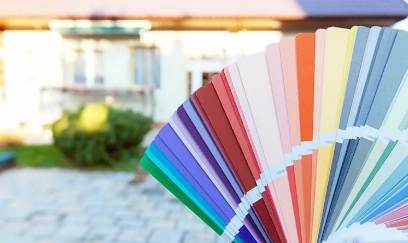
Florida’s bright sunlight and humid weather can affect how paint looks and lasts. Lighter shades like soft beige, off-white, or pale gray reflect heat and help keep your home cooler. They also resist fading better under Tampa’s strong sun. If you want bolder colors, try using them for accents like doors or shutters instead of the main walls. This adds character without overwhelming the look.

Match the Style of Your Home

Your home’s design should guide your color choices. A coastal-style home might look great with cool blues, whites, and sandy tones. A modern home could look best with crisp grays and bold black trim. Traditional homes often look beautiful with warm neutrals or earthy tones. Matching your palette to your home’s architecture keeps the design balanced and timeless.

Think About Neighborhood Harmony

When picking your exterior colors, look at other homes in your neighborhood. You don’t have to match them, but choosing colors that blend nicely helps your home stand out for the right reasons. A well-chosen palette adds value to both your home and the entire street.

Use Accent Colors for Personality

Details matter. Painting your front door, shutters, or trim in a contrasting color adds depth and charm. A bright front door in red, navy, or teal can make your home feel more welcoming without being too bold.

Enhance Your Home with J&M Quality Painting Services

At J&M Quality Painting Services, we help Tampa homeowners bring their vision to life with expert color advice and professional painting. We use high-quality paints made to handle Florida’s heat, humidity, and sun. Our team pays attention to every detail, ensuring a smooth, lasting finish that boosts your home’s curb appeal. At J&M Quality Painting Services, we don’t just paint houses — we make homes shine. Contact us today to schedule your exterior painting service.

This post was written by a professional at J&M Quality Painting Services. Transform your home or business with J&M Quality Painting Services Inc. in the St. Petersburg and Tampa Bay area. Our professional painting contractors near you provide expert residential house painters Tampa FL and commercial painting, interior and exterior painting, deck and cabinet refinishing, drywall services, and pressure washing. We take pride in delivering high-quality finishes and dependable service at fair prices. Seniors, military, and law enforcement personnel receive a 10% discount as our way of giving back. Contact us today for trusted painting and renovation services designed to exceed your expectations.

When it comes to maintaining your home, few projects are as important as roof replacement. Your roof is your first line of defense against the elements, protecting your family, belongings, and the structure of your house. However, one key factor many homeowners overlook is timing. Choosing the best season to replace a roof can make a significant difference in cost, efficiency, and the lifespan of the materials.

Why Timing Matters in Roof Replacement

Replacing a roof isn’t just about selecting shingles or finding the right contractor—it’s also about planning around the weather and conditions that affect installation. Temperature, humidity, and even the length of the day can play a role in how well roofing materials are installed and how long they’ll last. By scheduling your project in the right season, you can ensure better results and potentially save money.

Spring Roof Replacements

Spring is a popular season for roofing projects because it offers moderate weather conditions. After the harsh winter months, many homeowners notice roof damage from snow, ice, or wind and decide to act quickly. Roofing crews often appreciate spring because temperatures are mild, which makes working conditions more comfortable and helps with proper sealing of shingles.

However, spring weather can be unpredictable. Sudden rain showers might delay progress, and contractors may already be booked as homeowners rush to repair winter damage. If you’re planning a spring replacement, scheduling early is key.

Summer Roof Replacements

Summer is another peak season for roof replacements, especially early and mid-summer. Warm temperatures and long daylight hours give contractors more time to complete projects efficiently. Asphalt shingles, one of the most common roofing materials, adhere well in warmer conditions, ensuring a solid seal.

On the downside, extreme heat in late summer can pose challenges. For both workers and roofing materials, very high temperatures can cause delays or affect quality. Shingles, for example, may become overly pliable and difficult to install correctly. For this reason, early summer is usually the best window if you want to tackle your roofing project during this season.

Fall Roof Replacements

Ask many roofing experts and they’ll tell you—fall is the best season to replace a roof. The weather is typically stable, with cooler temperatures and less rain compared to spring or summer storms. Shingles installed in the fall have time to seal properly before winter sets in, ensuring your home is protected against cold, wind, and snow.

Fall also tends to be the busiest season, so homeowners should plan. Contractors’ schedules often fill quickly, and costs may be slightly higher due to high demand. Still, the combination of mild weather and preparation for winter makes this the prime season for roof replacement.

Winter Roof Replacements

Most people avoid scheduling roof replacements in winter, and for good reason. Cold temperatures can make shingles brittle, adhesives less effective, and working conditions hazardous. Snow and ice only add to the difficulties.

That said, winter replacement isn’t impossible. In emergencies—such as severe leaks or storm damage—experienced roofing contractors can complete projects even in colder months. Some manufacturers offer winter-friendly materials, and certain roofing systems, like metal roofing, can be installed effectively in winter. If you must replace your roof during this time, choose a contractor with proven cold-weather installation expertise.

Choosing the Right Time for Your Roof Replacement

Ultimately, the best time to replace your roof depends on your circumstances:

  • Urgency: Severe damage can’t wait until the “ideal” season.
  • Budget: Off-season scheduling may come with discounts.
  • Availability: Contractors’ schedules fill up in peak times, so booking early is wise.
  • Weather in Your Area: Local climate plays a big role in timing.

Final Thoughts

Roof replacement is a significant investment, and choosing the right season can make the process smoother, safer, and more cost-effective. While fall is often considered the best season to replace a roof, spring and summer also offer advantages, and even winter can work in emergencies with the right professional support.

If your roof is showing signs of wear—like missing shingles, leaks, or sagging—don’t delay. Evaluate your options, consider the seasons, and schedule your roof replacement when conditions are most favorable. By planning, you’ll ensure your home stays safe, secure, and well-protected for years to come.

This post was written by a professional at NextDoor Exterior Solutions. Looking for reliable roofing contractors in Clearwater, FL and its surrounding areas? Look no further than NextDoor Exterior Solutions! Our experienced team of roofers is dedicated to providing roof replacement oldsmar fl. Whether you need roof repair, replacement, or installation, we’ve got you covered. Plus, as a solar energy company near you, we can even help you save money on your energy bills with our expert solar panel installation services. The mission and values of our company allow us to always demonstrate the full potential of our professionalism. You can rely on us for quality. Don’t settle for subpar roofing services – choose NextDoor Exterior Solutions and experience the difference. Contact us today!

When it comes to home renovations, few projects have as dramatic an impact as refinishing hardwood floors. Over time, scratches, dents, and dull finishes can make even the most beautiful floors look worn out. Traditionally, the solution has been floor sanding—but anyone who has lived through it knows the clouds of dust, lingering mess, and post-project cleanup can be overwhelming.

That’s why dustless floor sanding has become the preferred choice for modern renovations. This innovative method transforms the sanding process into a cleaner, healthier, and more efficient experience for homeowners.


What Is Dustless Floor Sanding?

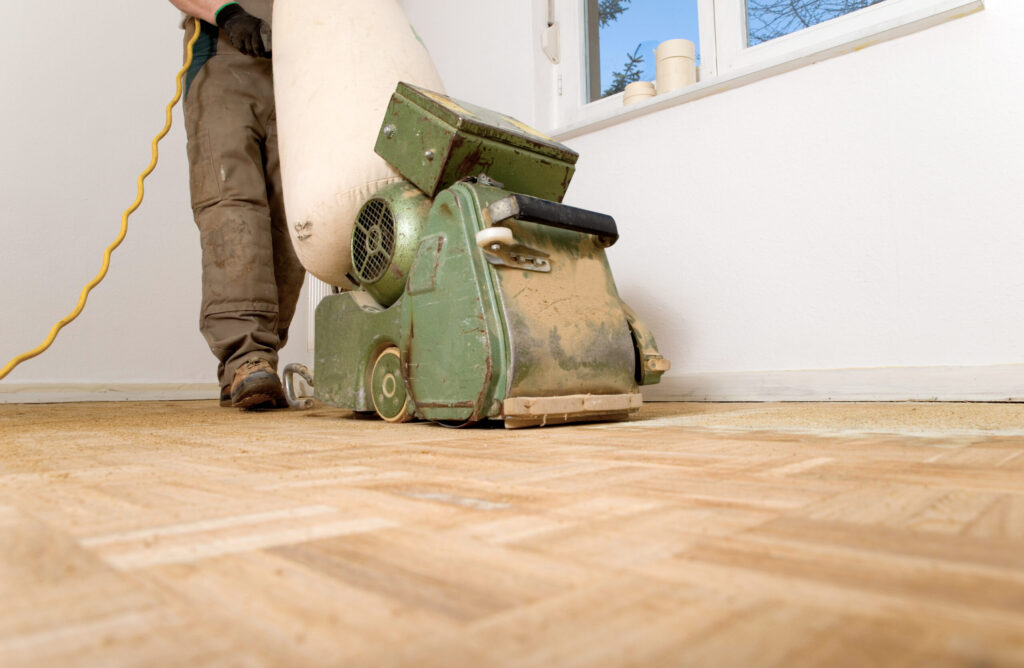
Dustless sanding uses specialized equipment equipped with industrial-grade vacuums and HEPA filters. Instead of allowing sawdust to scatter across your home, the system captures particles at the source and safely contains them.

The result? A cleaner home, better air quality, and a smoother surface for staining and finishing.


Top Benefits of Dustless Floor Sanding

1. Cleaner Renovation Experience

Unlike traditional sanding that leaves dust on every surface, dustless systems trap debris immediately. This means no layers of fine dust on walls, windowsills, or furniture.

2. Improved Indoor Air Quality

Fine wood dust can trigger allergies, asthma, and respiratory irritation. Dustless sanding minimizes airborne particles, creating a safer environment for families and pets.

3. Better Finish Quality

Dust particles left on the floor can interfere with stain and sealant application. By eliminating this issue, dustless sanding ensures a flawless, even finish.

4. Time-Saving Process

Because there’s little to no cleanup after sanding, the overall project timeline is shorter. Homeowners can enjoy refinished floors sooner.

5. Eco-Friendly Advantage

Dustless sanding equipment often works in combination with low-VOC stains and finishes, making it a more environmentally responsible choice.


When Is Dustless Sanding Recommended?

Dustless sanding is suitable for most hardwood floor renovation projects, including:

  • Full refinishing of old, worn floors.
  • Removing deep scratches, stains, or water marks.
  • Preparing floors for a new stain or finish color.
  • Smoothing uneven or damaged sections.

It’s especially recommended for households with children, pets, or individuals with respiratory sensitivities.


Trusted Experts in Dustless Floor Sanding

While dustless sanding requires specialized equipment, it also demands skill and experience for the best results. Many homeowners trust services like Plancher Mebesa, known for combining advanced dustless sanding technology with expert craftsmanship. Their team ensures not only a cleaner process but also floors that look brand new and last for years.


How to Prepare for Dustless Sanding

  • Clear the room – Move furniture, rugs, and décor before work begins.
  • Seal other areas – While dustless sanding captures nearly everything, sealing adjoining rooms adds extra protection.
  • Choose your finish – Decide whether you want a natural look, stain, or gloss level before the project starts.

Final Thoughts

Dustless floor sanding is a game-changer in hardwood floor renovation. By keeping homes cleaner, improving air quality, and delivering flawless results, it eliminates the biggest frustrations of traditional sanding.

Extending your home is one of the smartest ways to increase living space, boost your property value, and improve your lifestyle—without the stress of moving. But to make this dream a reality, choosing the right home extension builders is one of the most important decisions you’ll make. With so many options in a city like London, it’s no wonder homeowners often feel confused. Do you want an architect or a full service firm or even a contractor? Who is reliable, how do you know?

This blog will guide you through all the information you should know when it comes to choosing credible house extension construction firms in London. That’s why understanding your needs, Step-by-Step Home Extension Planning Tips, and knowing how a london design and build company can help makes this guide a handy way to make your project easier and smarter.

How to Find Trusted Home Extension Builders in London

Every successful home extension starts with finding the right professionals. London has many contractors claiming to be the best—but not all deliver quality. Start by researching local home extension builders with proven reputations and strong portfolios. Great ideas can be found in online reviews, local forums and also referrals of neighbours.

Ensure they have professional accreditations, years of experience and most importantly examples of recent work that can fall into the style and scale that your project will be. Avoid taking up contractors who are ambiguous about schedules, budgeting or documentation. A good design and build firm will never provide an unclear communication, vague estimates and a well made out scope of work initially.

You should also remember to inquire about whether or not they have conducted any work in your borough previously, because it may be far cheaper in terms of both time and effort to get a premises approved when you know the ins and outs of the local planning regulations.

Key Qualities to Look for in a Home Extension Builder

Not all extension builders are equal. Besides tools and vendors, a great builder follows a clear process to ensure quality. Consider the following qualities when coming up with a shortlist:

Residential extension experience – If possible those in properties that are alike to yours e.g. Victorian terrace, 1930s semi, etc.

Design-driven construction – Builders with knowledge of design are more likely to produce a better outcome by structure and style.

Knowledge of planning and compliance – They ought to know building regulations of the UK and planning permits.

Positive customer testimonials – Customer satisfaction and trustworthiness can be indicated by its veracious review.

Team work attitude – This is of specific importance when you desire to participate in decisions of design.

Planning Your Home Extension: Key Steps Before Construction

Having a clear plan before construction starts is essential for a smooth project. This is an often overlooked area by a large number of people as they think that it does not take that much time or does not involve that much detail but proper preparation will help later.

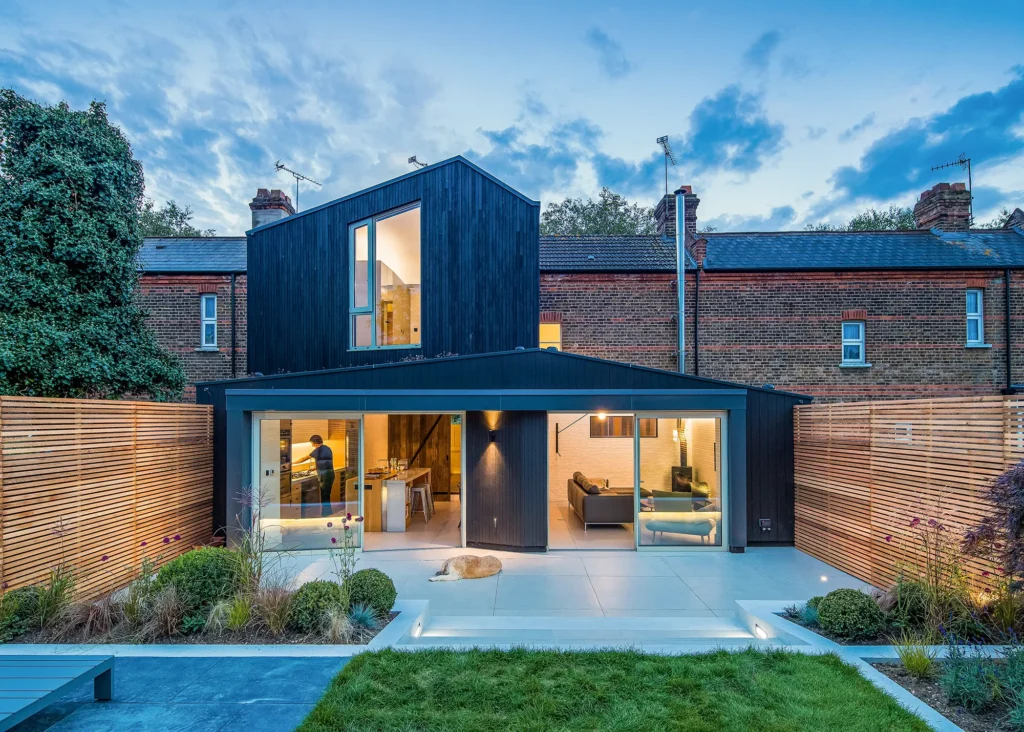
First, outline your objectives. Do you want a new kitchen-diner, an extra bedroom, or a full two-storey extension? Then it is time to talk to an architect or a design and build company to get your ideas into a viable plan. You will also be required to do some drawings and possibly a planning application based on the size and where the extension is going to be.

Next, create a detailed budget. Include a 10–15% contingency, planning fees, VAT, and any temporary living costs if construction disrupts your daily life. The experienced design and build company will assist you in plotting all these factors as early as possible which means that you will be surprised after reducing the surprises.

The Role of Extension Builders in a Successful Project

When it comes to extension building, builders would not only be given blueprints to work with, but they are the people who will actually put your dream space into reality. They are not just involved in laying bricks; they are in charge of layering the ground, plumbing, electrical, insulation and creating a sense of continuity between the novel spaces with the structure at hand.

Skilled builders coordinate trades, solve unexpected site issues, and keep the project on track. They will liaise closely with the architects, structural engineers so that it is buildable and structurally sound.

Working with a London-based design and build company simplifies communication and speeds up decisions. Instead of having drawings being passed back and forth between architect, builder and engineer, you only have to work with a single team. This has frequently led to speedier decisions, less procrastination and more control on budget, a very essential component in a city such as London where the regulations and site restrictions may make matters more tricky.

Source URLs:
https://thehometrotters.uk/choosing-the-right-extension-builders-for-your-home-project-in-london/

Planning permission is the first hurdle most UK home owners fear in planning changes in their homestead. It may be time-consuming and expensive, and it is red taped. However, what would happen when you do not have to go through the stress? You may in fact be able to obtain full planning permission but granted because of the permitted development rules.

Over the years, you may be fantasizing about a loft conversion, a rear extension or even a garden studio and all these things you can accomplish using permitted development and you can do them without making a formal application. This blog will deconstruct the idea of permitted development, which projects are permitted, what limits to look out in terms of, and even when, you still require talking to your local planning executive.

Permitted Development Explained: A Guide for Homeowners

Permitted development rules are some of the rights accorded to the people in the UK government, which permits homeowners to perform certain kinds of changes to their property without the need of getting a full planning permission. The rules are made to make easy home improvements that do not have the potential of arousing the wrath of neighbours or the whole community.

What Falls Under Permitted Development Rights in the UK?

Overall, the permitted development is only used on a house rather than on a flat or maisonette. All detached, semi-detached and terraced houses can enjoy the rights but in all such cases the work must remain within certain limits.

Typically, such kind of projects that are subjected to permitted development are:

  • Single-storey Rear Extensions
  • Dormer loft conversions
  • Garage conversions
  • Garden rooms and outbuildings
  • Installs, solar panel
  • Additions of roof light
  • Porches below some definite size

Types of Home Projects That Typically Don’t Need Planning Approval

To give an illustration on what you can generally construct with out complete permission, the following are some illustrations that are normally subjected to permitted development regulations:

  • Loft conversions which are not above 40 cubic metres in case of terraced houses and 50 cubic metres in case of detached and semi detached houses.
  • Single storey rear extensions no more than 3 metres to terraced and semi-detached houses or 4 metres to a detached house.
  • Outbuildings like a home office or a garden room that is not more than 2.5 metres in height and does not act as a living accommodation by itself.
  • Roof lights and skylights so long as they are less than 150mm when checked above the roof surface.
  • Change of windows and doors as far as the material used is in line with the rest of the house.

Nevertheless, always keep in mind, it being common does not mean that it is automatic. Each property has its own peculiarities and conditions of the place are important.

Limits and Conditions You Should Be Aware Of

To get out of trouble, you need to acquire an understanding of what actions, what extent of the allowed development rights. Violation of them may entail an expensive retrospective implementation (or even more dire, being obliged to retrace the steps).

Some of the most critical conditions are the following:

  • The extensions or additions should not be more than 50 percent of the original land area of the house.
  • The extension should not be any greater than the current roof in height.
  • The materials that should be used should look similar to the one that was there before.
  • Side extensions: This should be single storey (only half of the original house in case of width).
  • Dormer windows will not project above the plane of the existing roof slope that is facing the road.

When You Still Need to Submit a Lawful Development Certificate

It is also highly advisable to submit an application of a Lawful Development Certificate (LDC) to the local council, even though your development matches the allowances of permitted development.

Why? It is due to the fact that it is official documentation that the work that you are carrying out in your building is legal. It can be particularly beneficial as soon as you sell your house and new home buyers (or their attorneys) want to know that the work was certified.

Key Exceptions: Conservation Areas, Flats, and Listed Buildings

Exemptions to permitted development are quite important, and they may alter everything that is permitted:

Conservation Areas –  Your rights will be curtailed or even wholly stripped away, should you find yourself in a conservation area, or Area of Outstanding Natural Beauty (AONB) however.

Flats and Maisonettes – These are the homes that lack the permission to develop. Extensions or other changes will also have to be fully planned.

Listed Buildings – There is a raft of bureaucracy in dealing with listed buildings including Listed Building Consent when you wish to undertake virtually any work on a listed property, including internal alterations in some cases.

Article 4 Directions – The local councils may give special restrictions towards the kind of development that is permitted, especially in historic regions or high population densities.