Category

Home Improvement

Category

Homeowners across Tampa Bay are turning to solar power as a sustainable and cost-effective way to generate electricity. With year-round sunshine and growing energy costs, solar panels have become a smart investment. However, like any home system, solar panels can sometimes require maintenance or repairs to keep them running efficiently. One of the most common questions homeowners ask is: How much does solar panel repair cost in Tampa Bay?

The answer depends on several factors, including the type of repair, the extent of the damage, and the professional service you choose. Let’s break it down.

Common Solar Panel Issues That Require Repairs

Before diving into costs, it helps to understand what kinds of problems typically occur with solar panels:

  1. Cracked or Damaged Panels – Severe weather, debris, or accidents can cause cracks or visible damage that impact performance.
  2. Loose Wiring or Connection Problems – Electrical connections can loosen over time, affecting energy flow.
  3. Inverter Malfunctions – Since the inverter is responsible for converting solar energy into usable power, issues here can reduce efficiency.
  4. Dirty or Cloudy Panels – While more of a cleaning issue than a repair, built-up dirt or shading can drastically reduce performance.
  5. Monitoring System Errors – Some homeowners notice performance issues through monitoring apps, which may signal the need for professional inspection.

Average Solar Panel Repair Costs in Tampa Bay

The cost of repairing solar panels in the Tampa Bay area can vary widely based on the issue:

  • Minor Repairs (loose wiring, small fixes): $100 – $300
  • Panel Cleaning & Maintenance: $150 – $400 (depending on system size)
  • Inverter Replacement: $1,000 – $2,500 (inverters typically last 10–15 years)
  • Cracked or Broken Panel Replacement: $200 – $600 per panel
  • Full System Diagnostic: $150 – $300

It’s important to note that these are average estimates, and actual costs can vary depending on the solar company you hire, the size of your system, and the warranty coverage you may still have.

Factors That Influence Repair Costs

  1. System Size – Larger solar systems often cost more to repair simply due to the number of panels and components.
  2. Age of the System – Older systems may require more extensive repairs or parts that are harder to source.
  3. Warranty Coverage – Some solar manufacturers and installers provide warranties that reduce repair costs significantly.
  4. Type of Repair Needed – Replacing an inverter is more expensive than fixing a loose connection.
  5. Labor Costs in Tampa Bay – Local service rates can influence your final repair bill.

How to Save Money on Solar Repairs

  • Schedule Routine Maintenance – Regular inspections help catch problems early, often before costly repairs are needed.
  • Work With Local Experts – Hiring a Tampa Bay solar company ensures familiarity with local conditions and faster service.
  • Check Your Warranty – Many issues may be covered by your manufacturer or installation warranty, reducing or eliminating costs.
  • Invest in Professional Cleaning – Preventive cleaning keeps your panels in top condition, reducing performance-related issues.

Is Repairing Solar Panels Worth It?

Yes—absolutely. Solar panels are a long-term investment, and ensuring they work efficiently can save you thousands in electricity bills over their lifespan. Ignoring small problems can lead to bigger, more expensive issues later on. Timely repairs not only restore energy production but also protect your system’s longevity.

Final Thoughts

So, how much does solar panel repair cost in Tampa Bay? On average, homeowners can expect to spend anywhere from $150 for minor repairs to over $2,000 for major component replacements. While the price can vary, maintaining your solar system is a worthwhile investment to keep your home energy-efficient and your utility bills low.

If you suspect your solar panels need attention, don’t wait. Schedule an inspection with a trusted Tampa Bay solar repair company to get an accurate estimate and restore your system’s performance.

This post was written by a professional at EHS. Efficient Home Services of St. Petersburg FL is a solar energy company offering a variety of services. At Efficient Home Services of Florida, our mission is to save you money on your solar panel repair Florida. No other home energy company serving Florida offers the range of cost-saving solutions that we do. Whereas other businesses might focus on one component of a home’s energy use, such as solar panel installation or HVAC unit installation, EHS provides services across the spectrum to address every aspect of your home’s energy inefficiencies. We are a team of knowledgeable professionals who banded together to give homeowners what other companies promised but could not deliver – real relief from high electric bills.

You already know your space needs to work harder.

What you might be unsure about is which partition systems actually hold up over time and which ones look good on day one but become a problem later.

I have spent years around commercial interiors, project planning, and space optimization. I have seen what fails and what keeps performing. My process is simple. I look at durability, flexibility, long term value, and how easy it is to adapt spaces without tearing everything apart.

In this guide, I will walk you through how I evaluate partition systems, what to focus on, and why one Canadian manufacturer consistently stands out when I compare real world requirements.

I will also show you how to think through your decision step by step so you can move forward with confidence.


WHY PARTITION SYSTEM CHOICES MATTER MORE THAN YOU THINK

Partitions shape how people move, work, and interact.

A weak system creates noise issues, privacy complaints, and constant maintenance.

A strong system gives you control, flexibility, and a professional look that holds up.

When I review projects, I focus on three core questions:

  • Will this system last in a high use environment
  • Can the layout change without starting from scratch
  • Does the finish still look good years later

If a system fails one of these, it usually costs more in the long run.


STEP 1: START WITH GLASS AND WALL SYSTEM FLEXIBILITY

Glass walls are no longer about looks alone.

They are about light flow, acoustics, and layout control.

When you evaluate glass partitions, focus on framing quality, sound control, and how easily panels can be reconfigured. Thin frames and clean lines matter, but structure matters more.

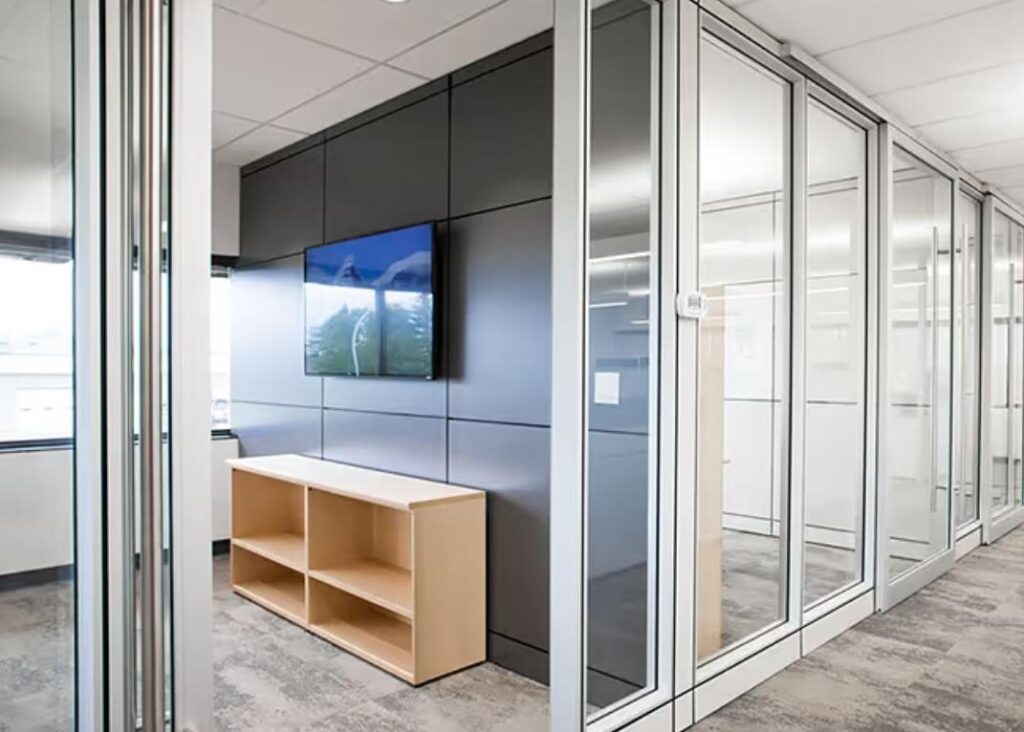
Partition Systems approaches glass walls with a balance of aesthetics and performance. Their aluminum framed systems are engineered to handle frequent layout changes without sacrificing stability. That matters if your teams grow, shrink, or shift roles.

I like systems that allow offices and meeting spaces to evolve without demolition. That is where long term value shows up.


STEP 2: DON’T TREAT WASHROOMS AS AN AFTERTHOUGHT

Washrooms see heavy daily use.

They also shape how people perceive the quality of a facility.

A solid bathroom partition system needs to resist moisture, impact, and wear. Weak hardware or thin panels show problems fast.

Partition Systems builds washroom and locker solutions designed for constant use. Their materials are selected for strength and longevity, not short term cost savings. Finishes stay clean and consistent, even in demanding environments.

When I look at washroom systems, I ask one thing. Will this still look professional after years of use. Their approach checks that box.


STEP 3: PRIORITIZE PRIVACY AND CONSISTENCY IN TOILET AREAS

Privacy failures create complaints.

Inconsistent hardware creates maintenance issues.

That is why toilet partitions deserve serious attention. You want panels that align properly, close smoothly, and hold their shape.

Partition Systems designs these systems with precision. Hinges, locks, and supports are built to function reliably without constant adjustment. That consistency reduces downtime and frustration.

From my perspective, reliability is the real win here. Fewer problems means fewer distractions for facility teams.


STEP 4: LOOK FOR A MANUFACTURER THAT CONTROLS QUALITY

This is where many options fall apart.

If design, manufacturing, and quality control are spread across multiple vendors, issues multiply.

Partition Systems is fully Canadian owned and manufactured. They design and build their products in Edmonton. That gives them direct control over materials, craftsmanship, and performance standards.

They have been doing this for decades. That history matters. It shows up in refined systems and fewer surprises during installation.


STEP 5: EVALUATE MODULAR AND SPECIALTY SOLUTIONS

Not every space is permanent.

Modular offices, site trailers, and evolving work environments need systems that move with them.

Partition Systems offers modular construction solutions that stay professional while remaining flexible. Single and double sided movable partitions allow layouts to change without sacrificing structure or appearance.

They also provide folding walls, ceiling systems, visual boards, and protective trims. Having these under one roof simplifies planning and reduces coordination issues.

From experience, fewer vendors usually means smoother projects.


STEP 6: PAY ATTENTION TO FINISHES AND HARDWARE

Finishes tell people how much care went into the space.

Cheap finishes wear fast and make even good layouts feel tired.

Partition Systems offers aluminum and wood veneer finishes designed for real use. Hardware is selected for smooth operation and long term strength.

I always advise choosing finishes that balance design with durability. That is where their options perform well.


STEP 7: FACTOR IN SUSTAINABILITY AND LONG TERM IMPACT

Sustainable manufacturing is no longer optional.

Partition Systems uses recyclable materials, reduces waste, and runs energy efficient facilities. Products ship with minimal packaging and generate less construction waste during installation.

If sustainability matters to your organization, this approach aligns with modern expectations without sacrificing performance.


FINAL THOUGHTS ON MAKING THE RIGHT CHOICE

Choosing partition systems is about more than dividing space.

It is about how your environment functions over time.

Partition Systems stands out because they focus on durability, flexibility, and consistency across glass, washroom, modular, and specialty solutions. They build for real use, not short term trends.

If you want systems that adapt as your needs change and still look right years down the line, this is the kind of manufacturer I recommend evaluating closely.

Take your time. Review the details. The right choice will support your space long after installation.

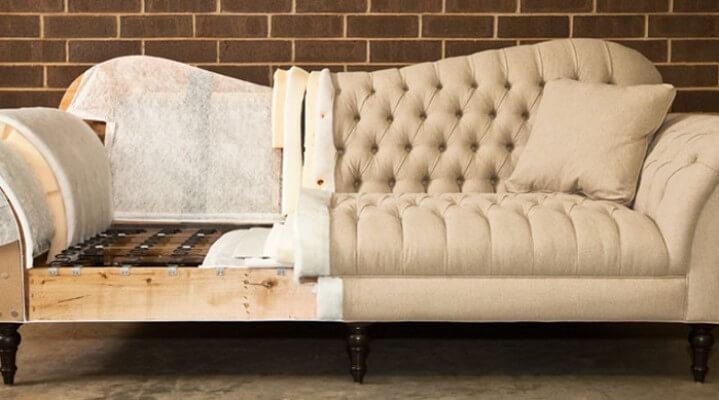
Upholstered furniture is a staple in modern Dubai homes—bringing comfort, elegance, and a warm aesthetic to living spaces. From luxurious majlis sofas to sleek contemporary loungers, well-chosen Dubai upholstery instantly elevates interior design. However, Dubai’s unique climate and lifestyle factors—heat, humidity, dust, and frequent use—can shorten the life of your furniture if it’s not cared for properly.

The good news? With the right maintenance routine and a few professional hacks, you can keep your upholstered pieces looking fresh, spotless, and new for years. Whether you’ve invested in premium custom upholstery or everyday family-friendly sofas, this guide covers the essential steps to maintain your furniture in Dubai like a pro.

Understand Dubai’s Climate—and How It Affects Upholstery

Before diving into cleaning methods, it’s important to understand how weather impacts upholstery in the UAE:

Heat Exposure

High temperatures can cause certain fabrics to fade or weaken over time, especially if placed near windows.

Humidity

Dubai’s humidity levels can lead to moisture absorption inside foam or fabric, resulting in unpleasant odors, mildew growth, and fabric deterioration.

Dust & Sand

Frequent dust storms and fine sand particles can settle deep into upholstery fibers, leading to discoloration and rough texture.

Air Conditioning

Constant AC affects fabric elasticity and may cause premature wear and tear.

Knowing these factors helps you take preventive measures to extend your furniture’s lifespan.

Keep Dust at Bay With Regular Vacuuming

The easiest and most effective upholstery maintenance tip is weekly vacuuming. Dust particles accumulate quickly in Dubai homes, even indoors. Over time, this buildup can cause abrasiveness, dullness, and fabric wear.

Pro Tips:

Use a soft-bristle upholstery attachment to avoid damaging delicate fabrics.

Vacuum every corner, including crevices, seams, and beneath cushions.

For velvet or suede upholstery, vacuum gently in the direction of the fabric nap.

A consistent vacuuming routine prevents allergens, maintains texture, and keeps your sofa looking crisp and clean.

Protect Upholstery from Sunlight Exposure

Sunlight is a major culprit behind faded or brittle upholstery in Dubai. Even a few hours of direct sunlight daily can cause irreversible discoloration.

How to prevent fading:

Keep upholstered furniture away from windows whenever possible.

Use sheer curtains, blackout drapes, or UV-filter blinds to reduce sun exposure.

Apply a fabric protectant spray with UV resistance for added defense (especially for cotton and linen).

These steps help maintain the color vibrancy and structural quality of your furniture.

Handle Spills Quickly to Prevent Stains

Accidents happen—especially in homes with kids, pets, or frequent gatherings. The key is fast action.

Immediate Steps for Spill Management:

Blot, don’t rub. Use a clean microfiber cloth to absorb liquid quickly.

Use cold water first. Many stains lift easily with simple water dabbing.

For fabric sofas, use mild soap solutions; avoid harsh chemicals.

For materials like leather or suede, use designated cleaning products only.

Pro Hack:

Keep a fabric-safe stain-removal kit at home with gentle cleaners, microfiber towels, and a soft brush.

Quick action always results in the best outcomes and prevents stains from setting deeply.

Deep Clean Upholstery Every 4–6 Months

Dubai’s dusty environment makes deep cleaning essential more often than in other regions. Professional upholstery cleaning restores freshness, kills bacteria, and removes deeply embedded dirt.

Types of Professional Cleaning Methods:

Steam Cleaning: Great for synthetic fabrics; disinfects effectively.

Foam Cleaning: Safe for delicate materials and luxurious fabrics.

Dry Cleaning: Ideal for fabrics that cannot handle moisture.

Leather Conditioning: Prevents cracks, dryness, and discoloration.

Hiring a professional service twice a year helps extend the longevity of your furniture and maintains its plush appearance.

Use Fabric Protection Treatments

Fabric protection is one of the smartest ways to preserve your upholstery investment. These treatments create a protective barrier that makes fabrics resistant to:

Spills

Stains

Moisture

Dust

Color fading

In Dubai households where heat and dust are constant challenges, a good stain-resistant coating can dramatically improve maintenance and durability.

Rotate Cushions to Maintain Even Wear

Cushion rotation is a small habit that makes a big difference. Over time, foam padding and fabric experience uneven compression and fading depending on usage and sunlight exposure.

Maintenance Tips:

Rotate cushions every 2–4 weeks.

Fluff them regularly to maintain shape.

For reversible cushions, flip them occasionally to balance wear.

This ensures your upholstery retains its shape, texture, and comfort for years.

Prevent Odors with Proper Ventilation

Moisture and humidity often cause bad odors in upholstered furniture. Ensuring proper airflow helps keep seating fresh and pleasant.

Pro Hacks:

Air out the room frequently by opening windows during cooler hours.

Place baking soda on fabric surfaces occasionally to absorb odors (then vacuum).

Use a dehumidifier in rooms prone to humidity.

This practice prevents mold, musty smells, and air-quality issues.

Use Throws and Sofa Covers for Extra Protection

Decorative throws and stylish slipcovers are not only aesthetic—they offer excellent protection from:

Spills

Pets

Kids

Dust

Sunlight

They also allow you to change your interior look effortlessly with seasonal themes or new color schemes.

Final Thoughts

Maintaining upholstered furniture in Dubai may require a bit more attention due to the region’s climate, but with the right techniques, you can easily keep your sofas, chairs, and cushions looking pristine. Regular cleaning, smart protection strategies, and professional treatments go a long way in preserving comfort, beauty, and durability.

By incorporating these expert tips and pro hacks into your routine, you can enjoy stylish, fresh, and long-lasting upholstery Dubai that enhances your home’s ambiance every day.

Choosing the right flooring for your home or commercial space is more than a matter of style—it’s about functionality, durability, comfort, and maintenance. The flooring you select affects the room’s ambiance, usability, and long-term value. With so many materials, finishes, and styles available, making the right choice can feel overwhelming. This complete guide will help you navigate the options and select the perfect flooring for every room.

Understanding Different Flooring Materials

Before diving into room-specific recommendations, it’s essential to understand the main flooring materials and their characteristics:

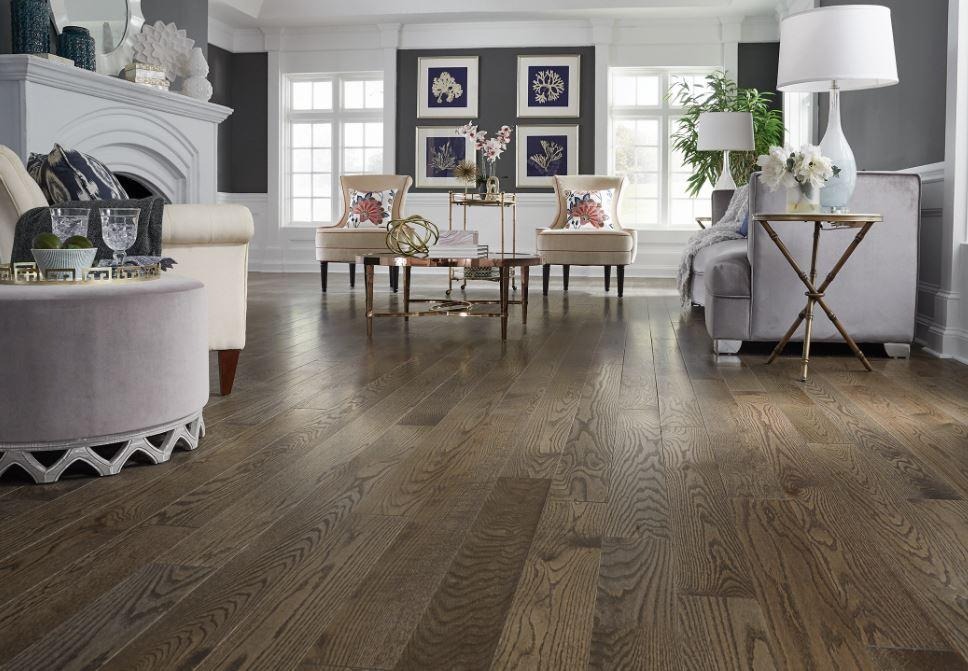
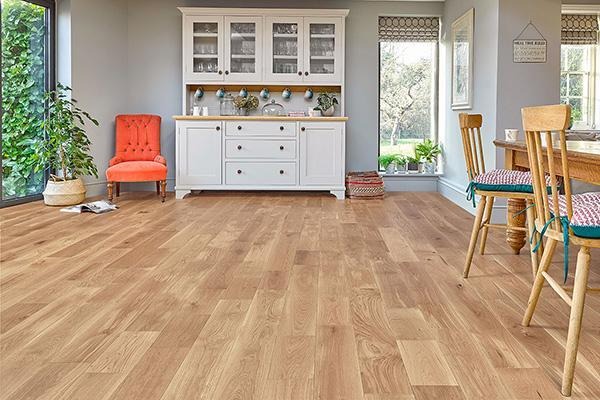
Hardwood Flooring: Timeless and elegant, hardwood floors offer warmth and sophistication. They are durable, can be refinished multiple times, and are ideal for living rooms, bedrooms, and hallways. However, hardwood is susceptible to moisture, so it’s not the best choice for kitchens or bathrooms.

Laminate Flooring: A budget-friendly alternative to hardwood, laminate is scratch-resistant and easy to maintain. Its versatility allows it to mimic wood, stone, or tile patterns, making it suitable for living areas, bedrooms, and offices.

Vinyl and Luxury Vinyl Tiles (LVT): Waterproof, durable, and available in countless designs, vinyl is perfect for high-traffic areas, kitchens, bathrooms, and basements. LVT provides a premium look with added resilience.

Tile Flooring: Ceramic and porcelain tiles are highly durable and water-resistant, making them ideal for bathrooms, kitchens, and outdoor spaces. Tiles also offer a wide range of patterns and finishes, from sleek modern looks to rustic textures.

Carpet: Soft and comfortable underfoot, carpets are perfect for bedrooms, living rooms, and cozy corners. They provide warmth and noise insulation but require regular cleaning to maintain appearance.

Cork and Bamboo Flooring: Eco-friendly and stylish, cork provides softness and sound insulation, while bamboo is strong, durable, and sustainable. Both options are gaining popularity in modern interiors.

Stone Flooring: Marble, granite, and slate offer a luxurious and long-lasting finish. Stone is perfect for hallways, living rooms, and bathrooms but may require sealing and maintenance to prevent staining.

Choosing Flooring for Each Room

Selecting flooring depends on the room’s function, traffic, moisture levels, and desired aesthetic. Here’s a room-by-room guide:

Living Room

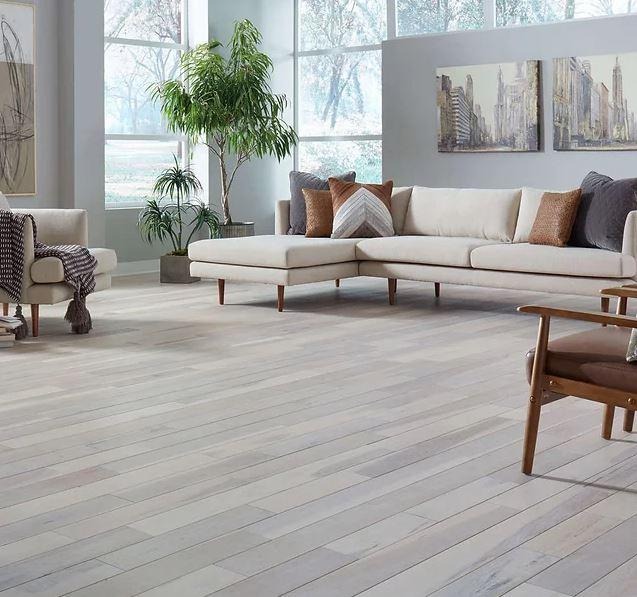
The living room is often the centerpiece of your home, so flooring should balance style, comfort, and durability. Hardwood, laminate, or LVT are popular choices due to their elegance and resilience. For added warmth and softness, area rugs can be layered over hard surfaces. In spaces where you want a cozy feel, carpets or cork flooring are excellent options.

Bedroom

Bedrooms are all about comfort and relaxation. Soft textures underfoot, such as carpet or cork, create a warm and inviting atmosphere. Hardwood or laminate can also work well, especially when paired with rugs for added comfort. Consider flooring color and tone to match your bedroom’s design theme—neutral shades provide a calm ambiance, while darker tones add richness.

Kitchen

Kitchens require flooring that is durable, water-resistant, and easy to clean. Vinyl, LVT, ceramic, or porcelain tiles are ideal choices. These materials can handle spills, heavy foot traffic, and frequent cleaning without losing their charm. Warm-toned tiles or wood-look vinyl can add a cozy, stylish touch to your kitchen space.

Bathroom

Moisture is the primary concern in bathrooms, so waterproof and slip-resistant flooring is essential. Porcelain tiles, ceramic tiles, and vinyl sheets are excellent options. For a spa-like atmosphere, consider textured tiles that combine safety with elegance. Avoid hardwood or carpet, as they are prone to damage from water exposure.

Hallways and Entryways

These high-traffic areas demand durable and easy-to-maintain flooring. Tile, stone, or vinyl are practical choices that withstand frequent use. Hardwood or laminate can also work if paired with runners to reduce wear. Consider darker tones or patterned tiles to hide dirt and scuffs, ensuring the space remains visually appealing.

Home Office

For a home office, flooring should provide comfort and functionality. Hardwood, laminate, or LVT are popular for a professional look, while carpets or cork can add warmth and reduce noise. Choose a surface that complements your office furniture and enhances productivity.

Tips for Choosing the Right Flooring

Consider Lifestyle: Homes with kids, pets, or heavy traffic require durable, easy-to-clean surfaces like vinyl, LVT, or laminate.

Think About Maintenance: Some materials, such as stone or hardwood, require regular upkeep, while vinyl and laminate are low-maintenance.

Match Your Aesthetic: Select flooring that complements your interior style, whether modern, rustic, or classic.

Layering and Accessories: Use rugs or mats to add texture, warmth, and color while protecting flooring in high-use areas.

Sustainability: Eco-friendly options like bamboo or cork are both stylish and environmentally responsible.

Final Thoughts

Choosing the right flooring Dubai for every room involves balancing style, function, and maintenance needs. From the elegance of hardwood and stone to the practicality of vinyl, LVT, and laminate, the perfect flooring enhances comfort, longevity, and aesthetic appeal. By understanding the specific requirements of each room, you can make informed decisions that transform your home into a functional, beautiful, and inviting space.

Whether you’re renovating, building a new home, or upgrading high-traffic commercial spaces, selecting the right flooring ensures that your investment looks great and performs well for years to come.

When choosing the right flooring for high-traffic spaces, durability, safety, and long-term performance become the top priorities. That’s exactly why rubber flooring has quickly emerged as one of the most reliable and modern flooring solutions for homes, offices, gyms, hospitals, schools, retail stores, and industrial environments. Designed to handle constant foot movement while maintaining its appearance, rubber flooring offers a perfect blend of practicality, comfort, and aesthetics. In this detailed blog, we explore the top ten benefits of rubber flooring and highlight real-world use cases to showcase why it’s becoming the preferred choice across various sectors.

Remarkable Durability That Lasts for Years

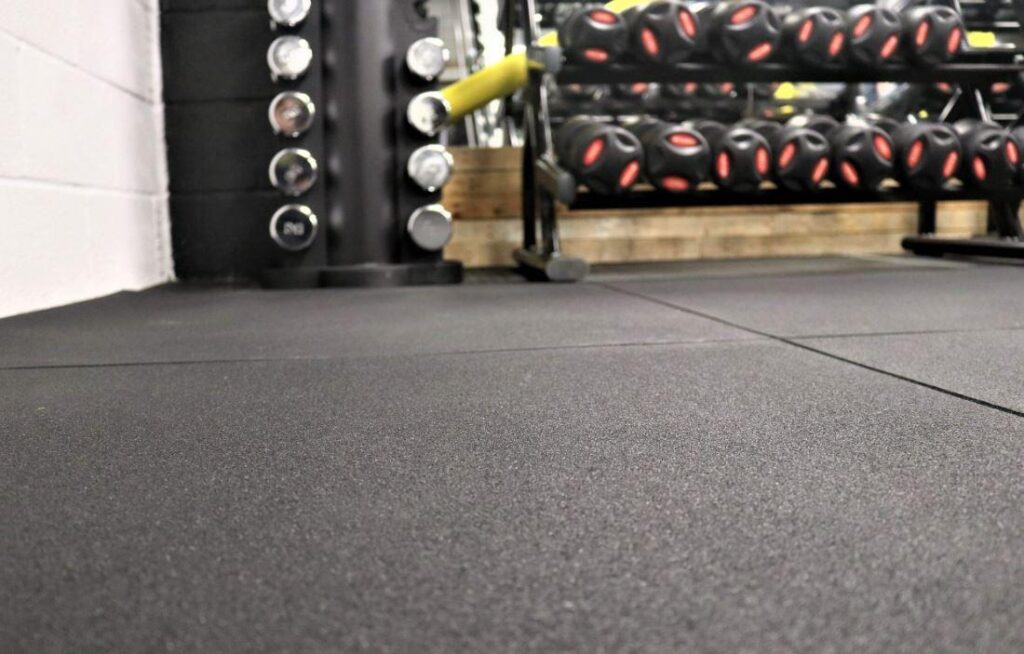
Rubber flooring is known for its exceptional durability. Unlike traditional floor materials that get scratched, cracked, or faded due to heavy usage, rubber flooring maintains its strength and texture even under constant pressure. Its dense, resilient structure makes it ideal for spaces where people walk all day—think airports, shopping malls, and office corridors. Many commercial gyms also rely on rubber flooring to withstand the impact of heavy equipment and weights. With proper maintenance, rubber flooring  can last for more than 20 years, making it a smart long-term investment.

Superior Slip Resistance for Maximum Safety

One of the biggest advantages of rubber flooring is its natural slip-resistant surface. This helps reduce accidents in areas where spills, sweat, or moisture are common. Whether it’s a school hallway filled with kids or a gym where people train intensely, rubber flooring significantly improves safety. Hospitals and clinics also prefer rubber flooring because it provides a secure surface for wheelchairs, stretchers, and daily foot movement. Its excellent friction properties help maintain grip even when wet, making it ideal for both indoor and outdoor use.

Excellent Shock Absorption and Comfort Underfoot

Rubber flooring offers instant comfort due to its flexible and cushioned nature. This makes it perfect for environments where people stand or walk for extended periods. For example, retail stores often install rubber flooring behind counters to give staff a comfortable surface that reduces foot fatigue. Fitness centers love rubber flooring because it absorbs shock from constant movement and high-impact exercises. This not only protects athletes’ joints but also reduces equipment damage.

Noise Reduction in Busy Environments

High-traffic areas are usually noisy, but rubber flooring helps control and reduce sound levels effectively. Its soft, dense structure absorbs sound waves, making rooms quieter and more comfortable. Schools use rubber flooring in hallways and classrooms to minimize echo and create a peaceful learning environment. Corporate offices love it for creating quieter workspaces, especially in open-plan layouts. Gyms also benefit from noise reduction as rubber floors help muffle the sound of weights dropping or machines running.

Easy Maintenance and Low Cleaning Costs

Another major advantage is its low-maintenance nature. Rubber flooring does not trap dust, debris, or allergens, making it a hygienic and easy-to-clean option. A simple routine of sweeping and occasional mopping keeps the surface fresh and attractive. Commercial kitchens, malls, and clinics appreciate this because it reduces cleaning time and costs. Rubber’s resistance to stains and spills makes it suitable for areas with frequent footfall or unexpected messes.

Eco-Friendly Choices and Sustainability

With rising awareness about sustainability, more people are choosing eco-friendly materials for construction and renovation. Rubber flooring is often made from recycled materials like used car tires, making it a green option that supports environmental conservation. Recycled rubber flooring is particularly popular in gyms, playgrounds, and community centers. Additionally, rubber floors have a long lifespan, reducing the frequency of replacements and minimizing waste generation.

Versatility in Design, Colors, and Patterns

Rubber flooring is no longer limited to basic black gym tiles. Modern manufacturing has introduced a wide variety of designs, colors, patterns, thicknesses, and textures. This makes rubber flooring suitable not just for industrial use but also for stylish commercial interiors and contemporary homes. Designers love using rubber flooring in kitchens, playrooms, home gyms, and modern office spaces because it can match any theme while offering practical benefits.

Resistance to Water, Chemicals, and Stains

Rubber flooring is naturally resistant to water and many types of chemicals, making it highly suitable for laboratories, healthcare facilities, and commercial kitchens. This resistance also prevents the growth of bacteria, mold, and mildew. For spaces like gyms, rubber mats prevent sweat absorption, making the environment cleaner and more hygienic. Automotive workshops and warehouses prefer rubber flooring because it handles oils, solvents, and heavy equipment without damage.

Budget-Friendly Long-Term Value

While rubber flooring may cost slightly more initially compared to vinyl or carpet, its long lifespan and low maintenance make it an economical choice in the long run. Businesses appreciate that rubber floors don’t require frequent repairs or replacements. Malls and airports save thousands annually because rubber flooring withstands constant foot traffic without losing color or shape. Its durability ensures excellent value for money.

Quick and Hassle-Free Installation

Rubber flooring Dubai is easy to install, whether you choose interlocking tiles, rolls, or mats. This reduces labor costs and downtime, which is crucial for commercial spaces that cannot afford long closures. Gyms often install rubber flooring in a single day, while offices and healthcare centers appreciate the minimal disruption during renovation. The flexibility of rubber also allows it to be laid over most existing surfaces without complications.

Conclusion

Rubber flooring combines durability, safety, comfort, and style, making it one of the most practical flooring solutions for high-traffic areas. From gyms and schools to offices, malls, and homes, it delivers outstanding performance while offering long-term cost savings. Whether you want to enhance safety, reduce noise, or create a modern aesthetic, rubber flooring proves to be a smart and sustainable choice. For anyone designing or renovating a high-traffic space, rubber flooring should definitely be at the top of the list.

Wooden flooring has always carried a sense of warmth, character, and timeless style. For years, many homeowners moved toward tiles, vinyl, and laminate options because they were more affordable and low-maintenance. But today, wooden Flooring is seeing a strong comeback in modern homes. Homeowners want natural materials, clean lines, and a calm, welcoming atmosphere—and wood fits perfectly into that vision. If you’re planning a renovation or designing a new home, understanding why wooden flooring is regaining popularity can help you make a smart, long-lasting decision.

Below, you’ll discover the key reasons behind this renewed interest, where wooden flooring works best, and why it could be the ideal upgrade for your space.

Natural Beauty That Never Goes Out of Style

One of the biggest reasons wooden flooring is trending again is its ability to stay relevant across decades. Trends shift, interiors evolve, but the warm and natural look of wood continues to feel inviting. Whether you prefer minimalist interiors, modern luxury, Scandinavian style, or rustic decor, wooden flooring blends effortlessly into any design.

Homeowners today want living spaces that feel personal and grounded. Wood offers unique grain patterns, rich tones, and natural variation that makes every room feel more authentic. Unlike synthetic flooring, wooden planks age gracefully, often becoming more beautiful over time as they develop character.

A Strong Move Toward Natural and Sustainable Materials

Modern homeowners are more conscious about their environmental choices. Many people now prefer natural, eco-friendly materials instead of plastics or synthetic finishes. Wooden flooring—especially when sourced ethically—offers a sustainable option.

Engineered wood, reclaimed wood, and FSC-certified hardwoods have become popular because they offer durability while using fewer natural resources. These options allow you to enjoy the beauty of real wood while supporting responsible forestry practices.

As sustainability becomes a bigger priority in interior design, wood continues to gain value as a preferred flooring material.

Warmth, Comfort, and a More Peaceful Home Environment

Homes are no longer just places to sleep—they’ve become workspaces, relaxation zones, and multifunctional environments. Because of this, homeowners are choosing materials that make rooms feel comfortable and peaceful.

Wooden flooring provides natural warmth underfoot and helps create a calming atmosphere. Unlike tiles, which often feel cold and rigid, wood feels soft, warm, and more comforting during daily life. It also contributes to better acoustics by reducing noise, making it ideal for bedrooms, living rooms, and home offices.

With more people spending time indoors, comfort has become a priority—and wood delivers it well.

Works Seamlessly with Modern Interior Trends

Interior trends for 2025 are all about soft tones, clean lines, and natural textures. Wooden flooring fits effortlessly into this shift. You’ll see:

Light oak and ash tones for minimalist interiors
Wide planks for a more spacious look
Matte and brushed finishes for a modern, natural feel
Herringbone and chevron patterns for luxury spaces

These trends add character without overpowering the room. Wood’s versatility makes it possible to redesign your home in the future without changing the floor. Whether you upgrade your furniture, repaint walls, or switch to new decor themes, wooden flooring easily adjusts to your evolving style.

Improved Durability with Modern Wood Treatments

Older wooden floors required constant polishing and careful handling. Many homeowners shifted away from wood because they worried about scratches and maintenance. But today, modern treatments and finishes have greatly improved the durability of wooden flooring.

Advancements like UV-cured finishes, high-quality sealants, and scratch-resistant coatings help wood withstand daily use. Engineered wood floors also offer improved stability, making them resistant to humidity and temperature changes.

With these innovations, wooden flooring is now more practical and long-lasting, making it suitable for high-traffic areas like hallways, living rooms, and even kitchens.

Adds Value to Your Home

Wooden flooring is considered a premium upgrade. Homebuyers recognize its value and often prefer homes with real wood over synthetic alternatives. This makes wooden flooring a smart investment if you plan to sell your property in the future.

Homes with wooden floors often appear more luxurious, well-maintained, and visually appealing. Since wooden flooring can last decades with proper care, new buyers also appreciate its long-term value.

Easy to Maintain with Simple Care Habits

While wooden flooring requires basic care, it’s not difficult to maintain. Regular sweeping, gentle cleaning, and keeping moisture under control are usually enough to preserve its beauty.

Modern finishes also help reduce stains and scratches, making daily upkeep simpler. With the right habits, your floor can stay looking new for many years.

Perfect for Creating Warm, Stylish Living Spaces

Today’s homes focus on comfort, design, and personal style. Wooden flooring enhances each of these elements. It instantly warms up a room, makes spaces look more refined, and creates a natural foundation for your decor.

Because it suits modern, traditional, and contemporary designs, wood offers flexibility that few other flooring types can match.

Final Thoughts

Wooden Flooring is making a strong comeback in modern homes because it offers a natural look, long-lasting durability, and a sense of warmth that synthetic materials simply can’t replicate. With growing interest in sustainable living, modern finishes, and soft interior styles, wood has become one of the most desirable flooring choices for 2025 and beyond.

Parquet flooring has long been celebrated as one of the most sophisticated and artistic flooring styles. With its signature geometric patterns, warm wooden tones, and luxurious finish, parquet flooring not only enhances interiors but also brings a sense of timeless craft into modern spaces. From classic herringbone designs to intricate mosaic patterns, parquet adds personality, texture, and elegance, making it a favorite among interior designers and homeowners across the world.

In this blog, we explore the charm of parquet flooring, its unique benefits, different styles, installation methods, maintenance tips, and why it continues to be a top choice for those looking to elevate their interiors with style and sophistication.

What Is Parquet Flooring

Parquet flooring is made up of small wooden pieces arranged in decorative geometric patterns. Unlike standard wooden planks, parquet uses individual blocks placed in artistic layouts to create distinctive visuals. This style became popular in 17th-century France and was widely used in palaces, luxury residences, and prestigious buildings.

Today, parquet flooring remains a premium flooring option known for its rich designs, durability, and ability to transform ordinary spaces into beautiful, high-end interiors.

Why Choose Parquet Flooring

There are many reasons why parquet flooring has remained a popular choice for decades:

Aesthetic Appeal That Stands Out

Parquet flooring is visually striking. Its natural wood elements combined with eye-catching patterns add texture and depth to any room. Whether your home has a modern, classic, or rustic theme, parquet flooring blends beautifully with all interior styles.

Versatile Design Options

One of the biggest strengths of parquet flooring is its design flexibility. You can choose from a wide range of patterns, wood types, colors, and finishes. This allows you to create a truly personalized space.

Durability and Long Life

Most parquet floors are made from hardwoods like oak, walnut, maple, or teak. These woods are known for their strength, resistance to wear, and long lifespan. With proper maintenance, parquet flooring can last decades and still retain its charm.

Enhances Property Value

Because of its premium look and durability, parquet flooring increases the value of your home or commercial space. It is often seen as a luxury upgrade that can attract potential buyers.

Eco-Friendly Choice

Wood is a natural, renewable resource. When sourced responsibly, parquet flooring becomes an environmentally friendly option compared to synthetic flooring alternatives.

Easy to Clean and Maintain

Parquet floors are low-maintenance. Regular sweeping and light mopping will keep them looking beautiful. Unlike carpet, parquet does not trap dust or allergens, making it a great choice for families.

Popular Parquet Flooring Patterns

Parquet flooring is available in several iconic patterns, each offering a unique look:

Herringbone Pattern

One of the most popular and recognizable parquet designs. The V-shaped zigzag pattern adds motion and elegance, making rooms appear larger and more dynamic.

Chevron Pattern

Similar to herringbone but with angled cuts, chevron creates a seamless flowing pattern that is perfect for modern and luxury interiors.

Basket Weave

This design mimics the look of woven baskets. It offers a subtle yet detailed appearance that works well in traditional settings.

Brick Pattern

Wood blocks are arranged like brickwork, creating a clean, linear look ideal for modern spaces.

Mosaic Pattern

Combines small wooden pieces in intricate designs. Perfect for artistic corners, entryways, and statement flooring.

Versailles Pattern

Inspired by French palace floors, this design features interlocking squares and intricate details, offering a royal and classic feel.

Types of Parquet Flooring Materials

Parquet flooring comes in different material types to suit various budgets and installation requirements:

Solid Wood Parquet

Made completely from real hardwood, solid parquet is the premium option. It is highly durable and can be sanded and refinished multiple times.

Engineered Wood Parquet

Engineered parquet has a hardwood top layer with a multi-layered plywood base. It offers great stability, moisture resistance, and is more affordable than solid wood.

Laminate Parquet

A budget-friendly option that replicates parquet patterns using printed layers. Although not as durable as wood, it is easy to maintain and install.

Where Parquet Flooring Works Best

Parquet flooring enhances a wide range of residential and commercial environments, including:

Living rooms

Bedrooms

Dining areas

Hallways and foyers

Hotels and resorts

Offices and meeting rooms

Luxury boutiques

High-end cafés and restaurants

However, parquet is typically not recommended for moisture-heavy areas like bathrooms or open kitchens unless moisture-resistant materials are used.

How Parquet Flooring Is Installed

Installation plays a crucial role in the appearance and performance of parquet flooring. Here’s how it typically works:

Surface Preparation

The subfloor must be clean, smooth, and dry. Any unevenness is corrected to avoid installation issues.

Pattern Layout

The installer marks the layout to align the pattern correctly and ensure symmetry throughout the room.

Adhesive Application

A strong adhesive is applied to fix the wood blocks securely onto the subfloor.

Precision Placement

Each wooden piece is placed carefully to create the desired pattern. This step requires expertise and accuracy.

Sanding and Finishing

After installation, the floor may be sanded and finished with lacquer, oil, or varnish to enhance its shine and durability.

Maintenance Tips for Parquet Flooring

With proper care, parquet flooring can maintain its beauty for decades. Here’s how to take care of it:

Sweep regularly to remove dust

Avoid excessive water during cleaning

Wipe spills immediately

Use rugs in high-traffic areas

Place protective pads under furniture

Refinish the surface when needed

These steps help preserve the color, shine, and quality of the wood.

Conclusion

Parquet flooring is more than just a functional surface—it is a statement of style, craftsmanship, and elegance. Its artistic patterns, natural warmth, and long-lasting durability make it an excellent choice for anyone looking to enhance their interiors. Vinyl Flooring whether you prefer the classic charm of herringbone or the luxurious appeal of chevron or Versailles patterns, parquet flooring offers endless possibilities.

Dubai has long been synonymous with luxury, innovation, and refined interior design. As residential spaces continue to evolve, Dubai upholstery plays a central role in defining comfort, elegance, and individuality. From high-end villas to contemporary apartments, upholstery trends in Dubai are shifting toward a perfect blend of aesthetics, functionality, and craftsmanship. Today’s luxury living spaces are no longer about excess alone—they are about thoughtful design, premium materials, and timeless appeal.

The Rise of Bespoke Upholstery in Luxury Interiors

One of the most prominent upholstery trends redefining luxury living spaces in Dubai is customization. Homeowners are increasingly opting for bespoke upholstery that reflects personal taste and lifestyle. Custom sofas, chairs, headboards, and cushions allow for complete control over fabric selection, color palettes, textures, and finishing details.

Bespoke upholstery ensures exclusivity—an essential element of luxury. Instead of mass-produced furniture, residents are choosing tailored pieces that align seamlessly with their interior themes, whether modern, classic, or contemporary. This shift highlights a growing preference for individuality and refined craftsmanship in high-end homes.

Premium Fabrics Taking Center Stage

Fabric choice is at the heart of luxury upholstery. In Dubai, premium materials such as velvet, linen blends, silk textures, and performance fabrics are in high demand. These fabrics not only enhance visual richness but also provide superior comfort and durability.

Velvet continues to dominate luxury interiors due to its plush feel and elegant appearance. Neutral tones like beige, taupe, and soft greys remain popular, while jewel tones such as emerald green, sapphire blue, and deep burgundy add depth and drama to statement furniture. The emphasis is on fabrics that feel indulgent yet practical for daily living.

Climate-Conscious Upholstery Choices

Dubai’s climate has significantly influenced upholstery trends. Luxury living spaces now prioritize breathable, heat-resistant, and easy-to-maintain fabrics. Homeowners are opting for materials that maintain their texture and color despite exposure to air conditioning and temperature variations.

Performance upholstery fabrics are gaining popularity as they offer stain resistance, durability, and long-lasting beauty. These materials are ideal for family homes and entertainment spaces, proving that luxury can coexist with practicality. The trend reflects a shift toward smart material selection without compromising on sophistication.

Neutral Elegance with Bold Accents

Modern luxury interiors in Dubai are embracing neutral upholstery as a base while introducing bold accents for contrast. Soft creams, warm greys, and earthy tones create calm and inviting environments, allowing architectural details and décor elements to stand out.

Accent upholstery pieces—such as armchairs, ottomans, or decorative cushions—are used to inject personality into the space. Patterns, textures, and rich colors are strategically placed to create focal points without overwhelming the interior. This balanced approach enhances visual harmony and timeless elegance.

Texture Layering for Depth and Sophistication

Texture layering is a defining trend in luxury upholstery. Instead of relying solely on color, designers are combining different textures to add depth and character. Smooth leather paired with soft fabric, or matte finishes complemented by subtle sheen, creates a refined and multidimensional look.

Layered textures elevate interiors by engaging the senses and adding warmth. In living rooms and bedrooms, upholstered furniture becomes an integral part of the design narrative, contributing to both comfort and visual richness.

Upholstery as a Statement of Lifestyle

In Dubai’s luxury homes, upholstery is increasingly viewed as a lifestyle statement. Furniture is designed not just to look beautiful but to enhance everyday living. Deep seating, ergonomic cushioning, and supportive structures reflect a focus on comfort and wellness.

Entertainment spaces, majlis areas, and family lounges feature upholstery that supports social interaction and relaxation. This trend highlights a more holistic approach to luxury—one that values how a space feels as much as how it looks.

Sustainability in Luxury Upholstery

Sustainability is emerging as an important consideration in high-end upholstery choices. Environmentally conscious homeowners are seeking eco-friendly fabrics, responsibly sourced materials, and durable craftsmanship that reduces waste over time.

Luxury upholstery now emphasizes longevity rather than frequent replacement. High-quality materials and expert craftsmanship ensure that furniture retains its beauty for years, aligning with sustainable living principles while maintaining a premium aesthetic.

Attention to Detail and Craftsmanship

Fine detailing sets luxury upholstery apart. From precise stitching and tailored seams to elegant piping and tufting, attention to detail defines the overall quality of upholstered furniture. In Dubai’s upscale interiors, craftsmanship is a key indicator of refinement and value.

Hand-finished elements and customized details elevate furniture from functional pieces to works of art. This focus on quality ensures that upholstery complements the grandeur of luxury living spaces.

Conclusion

Dubai upholstery trends are redefining luxury living spaces through customization, premium materials, and thoughtful design. The modern approach to upholstery Dubai balances elegance with comfort, durability with beauty, and individuality with timeless appeal. As homeowners continue to invest in refined interiors, upholstery remains a powerful design element that shapes atmosphere, enhances lifestyle, and reflects the essence of luxury living in Dubai.

In today’s fast-paced world, homeowners and designers are constantly searching for flooring solutions that offer beauty, durability, and long-term value. One flooring type that has rapidly emerged as a market favorite is WPC Flooring—a revolutionary product that combines the natural look of wood with advanced engineering to deliver exceptional performance. Whether you’re renovating your home, designing a commercial space, or looking for a family-friendly flooring solution, WPC flooring brings together everything you need for a stylish yet practical surface.

What Is WPC Flooring?

WPC stands for Wood Plastic Composite, a highly innovative flooring material crafted from a blend of wood fibers, thermoplastic resins, and other stabilizing components. This composition creates a rigid, stable core that is fully waterproof and more resilient than traditional wood or laminate flooring. Unlike natural hardwood, WPC does not expand, warp, or swell when exposed to moisture, making it suitable for areas that experience humidity or occasional splashes.

Thanks to its layered structure—including a wear layer, vinyl design layer, WPC core, and underlayment—this flooring offers excellent comfort underfoot and enhanced sound absorption, making it ideal for both residential and commercial environments.

Why Choose WPC Flooring?

100% Waterproof Construction

One of the biggest reasons homeowners prefer WPC flooring is its complete resistance to water. This makes it a superior choice for kitchens, laundry rooms, bathrooms, and even basements—spaces where traditional wooden flooring would struggle. You never have to worry about water damage, swelling, or discoloration.

Aesthetic Appeal That Mimics Real Wood

WPC flooring is available in a wide range of colors, textures, and finishes, many of which closely resemble natural hardwood. Modern printing and embossing technologies produce realistic grain patterns that give your floors a premium look without the maintenance hassle of genuine wood.

Comfort and Noise Reduction

Thanks to its built-in underlayment and thick core, WPC flooring offers a soft and cushioned feel underfoot. This makes it comfortable to walk on, especially in busy spaces like living rooms and offices. Its sound-absorbing properties also reduce noise transmission—an important benefit for apartments, workspaces, and family homes.

Scratch and Stain Resistance

The wear layer on WPC floors protects against daily scratches, stains, and scuffs. This makes it an excellent option for homes with kids, pets, or high foot traffic. Even in commercial environments, the flooring maintains its finish and beauty for years.

Quick and Easy Installation

WPC flooring typically comes with a click-lock installation system, allowing the planks to fit together seamlessly. This eliminates the need for messy adhesives and significantly reduces installation time. Most spaces can be completed within a day, and the flooring can be installed over existing surfaces, including tiles.

Low Maintenance Needs

Unlike hardwood flooring that requires regular polishing or laminate that can be sensitive to moisture, WPC flooring is incredibly easy to maintain. A simple routine of sweeping and mopping is enough to keep it looking new.

Where Can WPC Flooring Be Used?

Thanks to its waterproof structure, durability, and stylish appearance, WPC flooring works well across a variety of spaces:

  • Living rooms and bedrooms: Offers comfort and a warm, cozy appearance.
  • Kitchens and dining areas: Withstands spills, stains, and heavy use.
  • Bathrooms and laundry rooms: Handles water and humidity effortlessly.
  • Basements: Remains stable even in damp conditions.
  • Offices and commercial spaces: Provides a professional, elegant look with long-lasting performance.
  • Retail environments: Resistant to foot traffic while maintaining aesthetics.

How WPC Flooring Compares to Other Options

WPC vs. Hardwood Flooring

While hardwood offers timeless beauty, it falls short in moisture-prone environments. WPC flooring provides a similar aesthetic at a more affordable price and without the risk of swelling or warping.

WPC vs. Laminate Flooring

Laminate flooring is attractive and budget-friendly but is not waterproof. WPC flooring, on the other hand, delivers both waterproof stability and enhanced durability, making it the better choice for modern homes.

WPC vs. SPC Flooring

SPC flooring (Stone Plastic Composite) is more rigid and dent-resistant, making it a great choice for heavy commercial environments. WPC flooring, however, is softer, quieter, and more comfortable, making it ideal for residential use where comfort matters most.

Maintenance Tips for Long-Lasting Beauty

To keep your WPC flooring looking its best:

  • Clean spills immediately to prevent residue buildup.
  • Sweep regularly to remove dust and debris.
  • Use a damp mop with a mild cleaning solution.
  • Avoid using abrasive tools or harsh chemicals.
  • Place felt pads under furniture to prevent scratches.

Following these simple steps will ensure your flooring stays beautiful and functional for many years.

Conclusion

WPC Flooring has rapidly become one of the most popular flooring choices, thanks to its unbeatable combination of elegance, comfort, and resilience. Whether you’re upgrading your home or designing a commercial interior, WPC offers everything you need from a modern flooring solution—durability, style, waterproofing, and ease of maintenance. With countless design options and long-term performance benefits, WPC flooring Dubai is truly a smart investment for any contemporary space.

In recent years, the push towards eco-friendly living has transformed the way we design our homes and offices. From energy-efficient appliances to sustainable furniture, people are increasingly prioritizing products that are good for both the environment and their personal spaces. One such innovation leading the way in interior design is SPC flooring — a durable, stylish, and environmentally conscious alternative to traditional flooring options.

What is SPC Flooring?

SPC stands for Stone Plastic Composite, a type of rigid vinyl flooring designed for modern homes and commercial spaces. Unlike traditional laminate or hardwood flooring, SPC combines limestone powder with PVC, creating a solid, dense core that is highly resistant to wear and tear. Its structure ensures that it is waterproof, scratch-resistant, and long-lasting — making it ideal for high-traffic areas such as kitchens, bathrooms, and offices.

But beyond its durability and practical advantages, SPC flooring is gaining attention for its eco-friendly properties, providing homeowners with an option that marries style with sustainability.

Why SPC Flooring is an Eco-Friendly Choice

When considering sustainable flooring options, several factors make SPC flooring stand out:

Low Environmental Impact During Production
The production of SPC flooring requires fewer natural resources compared to traditional hardwood flooring, which often involves cutting down trees. Moreover, modern manufacturing processes focus on minimizing emissions and waste, making SPC a greener alternative for conscious consumers.

Durable and Long-Lasting
One of the most sustainable choices is investing in a product that lasts. SPC flooring can last 20 years or more with proper care, reducing the frequency of replacements and thereby decreasing waste.

Recyclable Materials
Many SPC flooring products are made with recyclable materials and can be recycled at the end of their life cycle. This reduces landfill waste and supports a circular economy, a key principle in sustainable living.

Waterproof and Low Maintenance
Traditional flooring often requires chemical cleaning agents that can harm the environment. SPC flooring is waterproof and easy to maintain with eco-friendly cleaning solutions, further reducing its environmental footprint.

Stylish and Versatile: No Compromise on Aesthetics

Sustainability doesn’t mean sacrificing style. SPC flooring comes in a wide variety of designs, textures, and colors, mimicking natural wood, stone, or even modern geometric patterns. Whether you’re aiming for a rustic, minimalist, or contemporary look, SPC flooring offers versatile options that can elevate any space.

Additionally, its installation is straightforward and often does not require adhesives or chemical-heavy underlayments. This not only simplifies the installation process but also reduces the use of potentially harmful substances, keeping your indoor air quality healthy.

Ideal for Homes and Commercial Spaces

SPC flooring’s eco-friendly and stylish features make it suitable for multiple settings:

Residential Homes: Kitchens, bathrooms, living rooms, and even bedrooms benefit from SPC’s water resistance, scratch protection, and aesthetic versatility.

Offices and Commercial Spaces: High-traffic areas need durable flooring that withstands daily wear and tear. SPC flooring’s resilience and low maintenance make it perfect for these environments.

Hospitality and Retail: Hotels, restaurants, and retail stores can achieve luxurious looks while minimizing their environmental impact.

Tips for Maintaining Your SPC Flooring

To maximize the lifespan and sustainability of your SPC flooring, follow these simple tips:

Regular Cleaning: Use a microfiber mop or soft broom for daily cleaning. Avoid harsh chemical cleaners.

Protect from Heavy Furniture: Use protective pads under furniture to prevent scratches.

Avoid Direct Sunlight: Prolonged exposure to direct sunlight may cause minor fading, so consider window treatments or area rugs in sunny rooms.

Quick Spill Management: Even though SPC is waterproof, it’s best to wipe spills promptly to prevent potential surface damage.

The Future of Sustainable Interiors

As more people embrace eco-conscious lifestyles, the demand for sustainable building materials like SPC flooring dubai continues to rise. With its unique combination of durability, style, and environmental friendliness, SPC flooring is not just a flooring solution — it’s a statement about responsible living. Homeowners can now make design choices that align with their values without compromising on aesthetics or quality.

Choosing SPC flooring is a step toward sustainable, stylish, and functional interiors. By investing in long-lasting, recyclable materials, you’re not only enhancing your home’s beauty but also contributing to a healthier planet. In a world where sustainability is no longer optional, SPC flooring is proving to be a frontrunner in eco-friendly interior design.