Category

Home Improvement

Category

Wooden flooring has always carried a sense of warmth, character, and timeless style. For years, many homeowners moved toward tiles, vinyl, and laminate options because they were more affordable and low-maintenance. But today, wooden Flooring is seeing a strong comeback in modern homes. Homeowners want natural materials, clean lines, and a calm, welcoming atmosphere—and wood fits perfectly into that vision. If you’re planning a renovation or designing a new home, understanding why wooden flooring is regaining popularity can help you make a smart, long-lasting decision.

Below, you’ll discover the key reasons behind this renewed interest, where wooden flooring works best, and why it could be the ideal upgrade for your space.

Natural Beauty That Never Goes Out of Style

One of the biggest reasons wooden flooring is trending again is its ability to stay relevant across decades. Trends shift, interiors evolve, but the warm and natural look of wood continues to feel inviting. Whether you prefer minimalist interiors, modern luxury, Scandinavian style, or rustic decor, wooden flooring blends effortlessly into any design.

Homeowners today want living spaces that feel personal and grounded. Wood offers unique grain patterns, rich tones, and natural variation that makes every room feel more authentic. Unlike synthetic flooring, wooden planks age gracefully, often becoming more beautiful over time as they develop character.

A Strong Move Toward Natural and Sustainable Materials

Modern homeowners are more conscious about their environmental choices. Many people now prefer natural, eco-friendly materials instead of plastics or synthetic finishes. Wooden flooring—especially when sourced ethically—offers a sustainable option.

Engineered wood, reclaimed wood, and FSC-certified hardwoods have become popular because they offer durability while using fewer natural resources. These options allow you to enjoy the beauty of real wood while supporting responsible forestry practices.

As sustainability becomes a bigger priority in interior design, wood continues to gain value as a preferred flooring material.

Warmth, Comfort, and a More Peaceful Home Environment

Homes are no longer just places to sleep—they’ve become workspaces, relaxation zones, and multifunctional environments. Because of this, homeowners are choosing materials that make rooms feel comfortable and peaceful.

Wooden flooring provides natural warmth underfoot and helps create a calming atmosphere. Unlike tiles, which often feel cold and rigid, wood feels soft, warm, and more comforting during daily life. It also contributes to better acoustics by reducing noise, making it ideal for bedrooms, living rooms, and home offices.

With more people spending time indoors, comfort has become a priority—and wood delivers it well.

Works Seamlessly with Modern Interior Trends

Interior trends for 2025 are all about soft tones, clean lines, and natural textures. Wooden flooring fits effortlessly into this shift. You’ll see:

Light oak and ash tones for minimalist interiors
Wide planks for a more spacious look
Matte and brushed finishes for a modern, natural feel
Herringbone and chevron patterns for luxury spaces

These trends add character without overpowering the room. Wood’s versatility makes it possible to redesign your home in the future without changing the floor. Whether you upgrade your furniture, repaint walls, or switch to new decor themes, wooden flooring easily adjusts to your evolving style.

Improved Durability with Modern Wood Treatments

Older wooden floors required constant polishing and careful handling. Many homeowners shifted away from wood because they worried about scratches and maintenance. But today, modern treatments and finishes have greatly improved the durability of wooden flooring.

Advancements like UV-cured finishes, high-quality sealants, and scratch-resistant coatings help wood withstand daily use. Engineered wood floors also offer improved stability, making them resistant to humidity and temperature changes.

With these innovations, wooden flooring is now more practical and long-lasting, making it suitable for high-traffic areas like hallways, living rooms, and even kitchens.

Adds Value to Your Home

Wooden flooring is considered a premium upgrade. Homebuyers recognize its value and often prefer homes with real wood over synthetic alternatives. This makes wooden flooring a smart investment if you plan to sell your property in the future.

Homes with wooden floors often appear more luxurious, well-maintained, and visually appealing. Since wooden flooring can last decades with proper care, new buyers also appreciate its long-term value.

Easy to Maintain with Simple Care Habits

While wooden flooring requires basic care, it’s not difficult to maintain. Regular sweeping, gentle cleaning, and keeping moisture under control are usually enough to preserve its beauty.

Modern finishes also help reduce stains and scratches, making daily upkeep simpler. With the right habits, your floor can stay looking new for many years.

Perfect for Creating Warm, Stylish Living Spaces

Today’s homes focus on comfort, design, and personal style. Wooden flooring enhances each of these elements. It instantly warms up a room, makes spaces look more refined, and creates a natural foundation for your decor.

Because it suits modern, traditional, and contemporary designs, wood offers flexibility that few other flooring types can match.

Final Thoughts

Wooden Flooring is making a strong comeback in modern homes because it offers a natural look, long-lasting durability, and a sense of warmth that synthetic materials simply can’t replicate. With growing interest in sustainable living, modern finishes, and soft interior styles, wood has become one of the most desirable flooring choices for 2025 and beyond.

Parquet flooring has long been celebrated as one of the most sophisticated and artistic flooring styles. With its signature geometric patterns, warm wooden tones, and luxurious finish, parquet flooring not only enhances interiors but also brings a sense of timeless craft into modern spaces. From classic herringbone designs to intricate mosaic patterns, parquet adds personality, texture, and elegance, making it a favorite among interior designers and homeowners across the world.

In this blog, we explore the charm of parquet flooring, its unique benefits, different styles, installation methods, maintenance tips, and why it continues to be a top choice for those looking to elevate their interiors with style and sophistication.

What Is Parquet Flooring

Parquet flooring is made up of small wooden pieces arranged in decorative geometric patterns. Unlike standard wooden planks, parquet uses individual blocks placed in artistic layouts to create distinctive visuals. This style became popular in 17th-century France and was widely used in palaces, luxury residences, and prestigious buildings.

Today, parquet flooring remains a premium flooring option known for its rich designs, durability, and ability to transform ordinary spaces into beautiful, high-end interiors.

Why Choose Parquet Flooring

There are many reasons why parquet flooring has remained a popular choice for decades:

Aesthetic Appeal That Stands Out

Parquet flooring is visually striking. Its natural wood elements combined with eye-catching patterns add texture and depth to any room. Whether your home has a modern, classic, or rustic theme, parquet flooring blends beautifully with all interior styles.

Versatile Design Options

One of the biggest strengths of parquet flooring is its design flexibility. You can choose from a wide range of patterns, wood types, colors, and finishes. This allows you to create a truly personalized space.

Durability and Long Life

Most parquet floors are made from hardwoods like oak, walnut, maple, or teak. These woods are known for their strength, resistance to wear, and long lifespan. With proper maintenance, parquet flooring can last decades and still retain its charm.

Enhances Property Value

Because of its premium look and durability, parquet flooring increases the value of your home or commercial space. It is often seen as a luxury upgrade that can attract potential buyers.

Eco-Friendly Choice

Wood is a natural, renewable resource. When sourced responsibly, parquet flooring becomes an environmentally friendly option compared to synthetic flooring alternatives.

Easy to Clean and Maintain

Parquet floors are low-maintenance. Regular sweeping and light mopping will keep them looking beautiful. Unlike carpet, parquet does not trap dust or allergens, making it a great choice for families.

Popular Parquet Flooring Patterns

Parquet flooring is available in several iconic patterns, each offering a unique look:

Herringbone Pattern

One of the most popular and recognizable parquet designs. The V-shaped zigzag pattern adds motion and elegance, making rooms appear larger and more dynamic.

Chevron Pattern

Similar to herringbone but with angled cuts, chevron creates a seamless flowing pattern that is perfect for modern and luxury interiors.

Basket Weave

This design mimics the look of woven baskets. It offers a subtle yet detailed appearance that works well in traditional settings.

Brick Pattern

Wood blocks are arranged like brickwork, creating a clean, linear look ideal for modern spaces.

Mosaic Pattern

Combines small wooden pieces in intricate designs. Perfect for artistic corners, entryways, and statement flooring.

Versailles Pattern

Inspired by French palace floors, this design features interlocking squares and intricate details, offering a royal and classic feel.

Types of Parquet Flooring Materials

Parquet flooring comes in different material types to suit various budgets and installation requirements:

Solid Wood Parquet

Made completely from real hardwood, solid parquet is the premium option. It is highly durable and can be sanded and refinished multiple times.

Engineered Wood Parquet

Engineered parquet has a hardwood top layer with a multi-layered plywood base. It offers great stability, moisture resistance, and is more affordable than solid wood.

Laminate Parquet

A budget-friendly option that replicates parquet patterns using printed layers. Although not as durable as wood, it is easy to maintain and install.

Where Parquet Flooring Works Best

Parquet flooring enhances a wide range of residential and commercial environments, including:

Living rooms

Bedrooms

Dining areas

Hallways and foyers

Hotels and resorts

Offices and meeting rooms

Luxury boutiques

High-end cafés and restaurants

However, parquet is typically not recommended for moisture-heavy areas like bathrooms or open kitchens unless moisture-resistant materials are used.

How Parquet Flooring Is Installed

Installation plays a crucial role in the appearance and performance of parquet flooring. Here’s how it typically works:

Surface Preparation

The subfloor must be clean, smooth, and dry. Any unevenness is corrected to avoid installation issues.

Pattern Layout

The installer marks the layout to align the pattern correctly and ensure symmetry throughout the room.

Adhesive Application

A strong adhesive is applied to fix the wood blocks securely onto the subfloor.

Precision Placement

Each wooden piece is placed carefully to create the desired pattern. This step requires expertise and accuracy.

Sanding and Finishing

After installation, the floor may be sanded and finished with lacquer, oil, or varnish to enhance its shine and durability.

Maintenance Tips for Parquet Flooring

With proper care, parquet flooring can maintain its beauty for decades. Here’s how to take care of it:

Sweep regularly to remove dust

Avoid excessive water during cleaning

Wipe spills immediately

Use rugs in high-traffic areas

Place protective pads under furniture

Refinish the surface when needed

These steps help preserve the color, shine, and quality of the wood.

Conclusion

Parquet flooring is more than just a functional surface—it is a statement of style, craftsmanship, and elegance. Its artistic patterns, natural warmth, and long-lasting durability make it an excellent choice for anyone looking to enhance their interiors. Vinyl Flooring whether you prefer the classic charm of herringbone or the luxurious appeal of chevron or Versailles patterns, parquet flooring offers endless possibilities.

Dubai has long been synonymous with luxury, innovation, and refined interior design. As residential spaces continue to evolve, Dubai upholstery plays a central role in defining comfort, elegance, and individuality. From high-end villas to contemporary apartments, upholstery trends in Dubai are shifting toward a perfect blend of aesthetics, functionality, and craftsmanship. Today’s luxury living spaces are no longer about excess alone—they are about thoughtful design, premium materials, and timeless appeal.

The Rise of Bespoke Upholstery in Luxury Interiors

One of the most prominent upholstery trends redefining luxury living spaces in Dubai is customization. Homeowners are increasingly opting for bespoke upholstery that reflects personal taste and lifestyle. Custom sofas, chairs, headboards, and cushions allow for complete control over fabric selection, color palettes, textures, and finishing details.

Bespoke upholstery ensures exclusivity—an essential element of luxury. Instead of mass-produced furniture, residents are choosing tailored pieces that align seamlessly with their interior themes, whether modern, classic, or contemporary. This shift highlights a growing preference for individuality and refined craftsmanship in high-end homes.

Premium Fabrics Taking Center Stage

Fabric choice is at the heart of luxury upholstery. In Dubai, premium materials such as velvet, linen blends, silk textures, and performance fabrics are in high demand. These fabrics not only enhance visual richness but also provide superior comfort and durability.

Velvet continues to dominate luxury interiors due to its plush feel and elegant appearance. Neutral tones like beige, taupe, and soft greys remain popular, while jewel tones such as emerald green, sapphire blue, and deep burgundy add depth and drama to statement furniture. The emphasis is on fabrics that feel indulgent yet practical for daily living.

Climate-Conscious Upholstery Choices

Dubai’s climate has significantly influenced upholstery trends. Luxury living spaces now prioritize breathable, heat-resistant, and easy-to-maintain fabrics. Homeowners are opting for materials that maintain their texture and color despite exposure to air conditioning and temperature variations.

Performance upholstery fabrics are gaining popularity as they offer stain resistance, durability, and long-lasting beauty. These materials are ideal for family homes and entertainment spaces, proving that luxury can coexist with practicality. The trend reflects a shift toward smart material selection without compromising on sophistication.

Neutral Elegance with Bold Accents

Modern luxury interiors in Dubai are embracing neutral upholstery as a base while introducing bold accents for contrast. Soft creams, warm greys, and earthy tones create calm and inviting environments, allowing architectural details and décor elements to stand out.

Accent upholstery pieces—such as armchairs, ottomans, or decorative cushions—are used to inject personality into the space. Patterns, textures, and rich colors are strategically placed to create focal points without overwhelming the interior. This balanced approach enhances visual harmony and timeless elegance.

Texture Layering for Depth and Sophistication

Texture layering is a defining trend in luxury upholstery. Instead of relying solely on color, designers are combining different textures to add depth and character. Smooth leather paired with soft fabric, or matte finishes complemented by subtle sheen, creates a refined and multidimensional look.

Layered textures elevate interiors by engaging the senses and adding warmth. In living rooms and bedrooms, upholstered furniture becomes an integral part of the design narrative, contributing to both comfort and visual richness.

Upholstery as a Statement of Lifestyle

In Dubai’s luxury homes, upholstery is increasingly viewed as a lifestyle statement. Furniture is designed not just to look beautiful but to enhance everyday living. Deep seating, ergonomic cushioning, and supportive structures reflect a focus on comfort and wellness.

Entertainment spaces, majlis areas, and family lounges feature upholstery that supports social interaction and relaxation. This trend highlights a more holistic approach to luxury—one that values how a space feels as much as how it looks.

Sustainability in Luxury Upholstery

Sustainability is emerging as an important consideration in high-end upholstery choices. Environmentally conscious homeowners are seeking eco-friendly fabrics, responsibly sourced materials, and durable craftsmanship that reduces waste over time.

Luxury upholstery now emphasizes longevity rather than frequent replacement. High-quality materials and expert craftsmanship ensure that furniture retains its beauty for years, aligning with sustainable living principles while maintaining a premium aesthetic.

Attention to Detail and Craftsmanship

Fine detailing sets luxury upholstery apart. From precise stitching and tailored seams to elegant piping and tufting, attention to detail defines the overall quality of upholstered furniture. In Dubai’s upscale interiors, craftsmanship is a key indicator of refinement and value.

Hand-finished elements and customized details elevate furniture from functional pieces to works of art. This focus on quality ensures that upholstery complements the grandeur of luxury living spaces.

Conclusion

Dubai upholstery trends are redefining luxury living spaces through customization, premium materials, and thoughtful design. The modern approach to upholstery Dubai balances elegance with comfort, durability with beauty, and individuality with timeless appeal. As homeowners continue to invest in refined interiors, upholstery remains a powerful design element that shapes atmosphere, enhances lifestyle, and reflects the essence of luxury living in Dubai.

In today’s fast-paced world, homeowners and designers are constantly searching for flooring solutions that offer beauty, durability, and long-term value. One flooring type that has rapidly emerged as a market favorite is WPC Flooring—a revolutionary product that combines the natural look of wood with advanced engineering to deliver exceptional performance. Whether you’re renovating your home, designing a commercial space, or looking for a family-friendly flooring solution, WPC flooring brings together everything you need for a stylish yet practical surface.

What Is WPC Flooring?

WPC stands for Wood Plastic Composite, a highly innovative flooring material crafted from a blend of wood fibers, thermoplastic resins, and other stabilizing components. This composition creates a rigid, stable core that is fully waterproof and more resilient than traditional wood or laminate flooring. Unlike natural hardwood, WPC does not expand, warp, or swell when exposed to moisture, making it suitable for areas that experience humidity or occasional splashes.

Thanks to its layered structure—including a wear layer, vinyl design layer, WPC core, and underlayment—this flooring offers excellent comfort underfoot and enhanced sound absorption, making it ideal for both residential and commercial environments.

Why Choose WPC Flooring?

100% Waterproof Construction

One of the biggest reasons homeowners prefer WPC flooring is its complete resistance to water. This makes it a superior choice for kitchens, laundry rooms, bathrooms, and even basements—spaces where traditional wooden flooring would struggle. You never have to worry about water damage, swelling, or discoloration.

Aesthetic Appeal That Mimics Real Wood

WPC flooring is available in a wide range of colors, textures, and finishes, many of which closely resemble natural hardwood. Modern printing and embossing technologies produce realistic grain patterns that give your floors a premium look without the maintenance hassle of genuine wood.

Comfort and Noise Reduction

Thanks to its built-in underlayment and thick core, WPC flooring offers a soft and cushioned feel underfoot. This makes it comfortable to walk on, especially in busy spaces like living rooms and offices. Its sound-absorbing properties also reduce noise transmission—an important benefit for apartments, workspaces, and family homes.

Scratch and Stain Resistance

The wear layer on WPC floors protects against daily scratches, stains, and scuffs. This makes it an excellent option for homes with kids, pets, or high foot traffic. Even in commercial environments, the flooring maintains its finish and beauty for years.

Quick and Easy Installation

WPC flooring typically comes with a click-lock installation system, allowing the planks to fit together seamlessly. This eliminates the need for messy adhesives and significantly reduces installation time. Most spaces can be completed within a day, and the flooring can be installed over existing surfaces, including tiles.

Low Maintenance Needs

Unlike hardwood flooring that requires regular polishing or laminate that can be sensitive to moisture, WPC flooring is incredibly easy to maintain. A simple routine of sweeping and mopping is enough to keep it looking new.

Where Can WPC Flooring Be Used?

Thanks to its waterproof structure, durability, and stylish appearance, WPC flooring works well across a variety of spaces:

  • Living rooms and bedrooms: Offers comfort and a warm, cozy appearance.
  • Kitchens and dining areas: Withstands spills, stains, and heavy use.
  • Bathrooms and laundry rooms: Handles water and humidity effortlessly.
  • Basements: Remains stable even in damp conditions.
  • Offices and commercial spaces: Provides a professional, elegant look with long-lasting performance.
  • Retail environments: Resistant to foot traffic while maintaining aesthetics.

How WPC Flooring Compares to Other Options

WPC vs. Hardwood Flooring

While hardwood offers timeless beauty, it falls short in moisture-prone environments. WPC flooring provides a similar aesthetic at a more affordable price and without the risk of swelling or warping.

WPC vs. Laminate Flooring

Laminate flooring is attractive and budget-friendly but is not waterproof. WPC flooring, on the other hand, delivers both waterproof stability and enhanced durability, making it the better choice for modern homes.

WPC vs. SPC Flooring

SPC flooring (Stone Plastic Composite) is more rigid and dent-resistant, making it a great choice for heavy commercial environments. WPC flooring, however, is softer, quieter, and more comfortable, making it ideal for residential use where comfort matters most.

Maintenance Tips for Long-Lasting Beauty

To keep your WPC flooring looking its best:

  • Clean spills immediately to prevent residue buildup.
  • Sweep regularly to remove dust and debris.
  • Use a damp mop with a mild cleaning solution.
  • Avoid using abrasive tools or harsh chemicals.
  • Place felt pads under furniture to prevent scratches.

Following these simple steps will ensure your flooring stays beautiful and functional for many years.

Conclusion

WPC Flooring has rapidly become one of the most popular flooring choices, thanks to its unbeatable combination of elegance, comfort, and resilience. Whether you’re upgrading your home or designing a commercial interior, WPC offers everything you need from a modern flooring solution—durability, style, waterproofing, and ease of maintenance. With countless design options and long-term performance benefits, WPC flooring Dubai is truly a smart investment for any contemporary space.

In recent years, the push towards eco-friendly living has transformed the way we design our homes and offices. From energy-efficient appliances to sustainable furniture, people are increasingly prioritizing products that are good for both the environment and their personal spaces. One such innovation leading the way in interior design is SPC flooring — a durable, stylish, and environmentally conscious alternative to traditional flooring options.

What is SPC Flooring?

SPC stands for Stone Plastic Composite, a type of rigid vinyl flooring designed for modern homes and commercial spaces. Unlike traditional laminate or hardwood flooring, SPC combines limestone powder with PVC, creating a solid, dense core that is highly resistant to wear and tear. Its structure ensures that it is waterproof, scratch-resistant, and long-lasting — making it ideal for high-traffic areas such as kitchens, bathrooms, and offices.

But beyond its durability and practical advantages, SPC flooring is gaining attention for its eco-friendly properties, providing homeowners with an option that marries style with sustainability.

Why SPC Flooring is an Eco-Friendly Choice

When considering sustainable flooring options, several factors make SPC flooring stand out:

Low Environmental Impact During Production
The production of SPC flooring requires fewer natural resources compared to traditional hardwood flooring, which often involves cutting down trees. Moreover, modern manufacturing processes focus on minimizing emissions and waste, making SPC a greener alternative for conscious consumers.

Durable and Long-Lasting
One of the most sustainable choices is investing in a product that lasts. SPC flooring can last 20 years or more with proper care, reducing the frequency of replacements and thereby decreasing waste.

Recyclable Materials
Many SPC flooring products are made with recyclable materials and can be recycled at the end of their life cycle. This reduces landfill waste and supports a circular economy, a key principle in sustainable living.

Waterproof and Low Maintenance
Traditional flooring often requires chemical cleaning agents that can harm the environment. SPC flooring is waterproof and easy to maintain with eco-friendly cleaning solutions, further reducing its environmental footprint.

Stylish and Versatile: No Compromise on Aesthetics

Sustainability doesn’t mean sacrificing style. SPC flooring comes in a wide variety of designs, textures, and colors, mimicking natural wood, stone, or even modern geometric patterns. Whether you’re aiming for a rustic, minimalist, or contemporary look, SPC flooring offers versatile options that can elevate any space.

Additionally, its installation is straightforward and often does not require adhesives or chemical-heavy underlayments. This not only simplifies the installation process but also reduces the use of potentially harmful substances, keeping your indoor air quality healthy.

Ideal for Homes and Commercial Spaces

SPC flooring’s eco-friendly and stylish features make it suitable for multiple settings:

Residential Homes: Kitchens, bathrooms, living rooms, and even bedrooms benefit from SPC’s water resistance, scratch protection, and aesthetic versatility.

Offices and Commercial Spaces: High-traffic areas need durable flooring that withstands daily wear and tear. SPC flooring’s resilience and low maintenance make it perfect for these environments.

Hospitality and Retail: Hotels, restaurants, and retail stores can achieve luxurious looks while minimizing their environmental impact.

Tips for Maintaining Your SPC Flooring

To maximize the lifespan and sustainability of your SPC flooring, follow these simple tips:

Regular Cleaning: Use a microfiber mop or soft broom for daily cleaning. Avoid harsh chemical cleaners.

Protect from Heavy Furniture: Use protective pads under furniture to prevent scratches.

Avoid Direct Sunlight: Prolonged exposure to direct sunlight may cause minor fading, so consider window treatments or area rugs in sunny rooms.

Quick Spill Management: Even though SPC is waterproof, it’s best to wipe spills promptly to prevent potential surface damage.

The Future of Sustainable Interiors

As more people embrace eco-conscious lifestyles, the demand for sustainable building materials like SPC flooring dubai continues to rise. With its unique combination of durability, style, and environmental friendliness, SPC flooring is not just a flooring solution — it’s a statement about responsible living. Homeowners can now make design choices that align with their values without compromising on aesthetics or quality.

Choosing SPC flooring is a step toward sustainable, stylish, and functional interiors. By investing in long-lasting, recyclable materials, you’re not only enhancing your home’s beauty but also contributing to a healthier planet. In a world where sustainability is no longer optional, SPC flooring is proving to be a frontrunner in eco-friendly interior design.

Curtains are more than just window coverings—they are an essential part of interior design that adds character, privacy, and comfort to any space. In a city like Abu Dhabi, where architecture blends modern luxury with traditional elegance, the demand for high-quality curtains is constantly growing. From luxurious drapes to contemporary blinds, Curtain Abu Dhabi services offer a wide range of options to transform your home or office into a stylish and functional environment.

In this comprehensive 800-word guide, we explore the importance of choosing the right curtains, the variety of options available in Abu Dhabi, and what makes professional curtain solutions essential for your interiors.

Why Curtains Matter in Modern Interiors

Curtains perform multiple roles in a living or working environment. Beyond adding aesthetic value, they control natural light, maintain privacy, regulate indoor temperature, and enhance overall ambiance. In Abu Dhabi, where sunlight is strong and temperatures can rise significantly, choosing the right curtains becomes even more crucial.

A well-selected curtain not only elevates a room visually but also helps reduce heat, protect furniture from UV damage, and create a cozy and inviting atmosphere.

Why Curtain Abu Dhabi Services Are in High Demand

Abu Dhabi is known for its vibrant lifestyle, luxurious housing, and an ever-growing focus on interior décor. As people look for sophistication and comfort in their living spaces, Curtain Abu Dhabi services bring together world-class designs, quality craftsmanship, and practical solutions.

Whether you are furnishing a villa, apartment, office, hotel, or commercial space, local curtain suppliers in Abu Dhabi offer customized solutions tailored to your style and functional needs.

Variety of Curtains Available in Abu Dhabi

One of the biggest advantages of opting for Curtain Abu Dhabi services is the wide selection of curtain styles and materials. Here are some of the most popular options:

Blackout Curtains

Perfect for bedrooms and media rooms, blackout curtains block up to 99% of light. They are ideal for improving sleep quality, especially in Abu Dhabi’s bright mornings.

Sheer Curtains

Light, airy, and elegant—sheer curtains allow natural light to flow in while maintaining a soft level of privacy. They give interiors a luxurious yet minimalistic look.

Roman Blinds

Roman blinds are a popular modern alternative to traditional curtains. They fold neatly when raised and offer a clean, stylish look suitable for living rooms and offices.

Motorized Curtains

Technology is shaping modern homes, and motorized curtains bring convenience and sophistication. With a remote or smart-home integration, you can open and close your curtains effortlessly.

Velvet Curtains

If you want a touch of luxury, velvet curtains offer richness, warmth, and a sense of royalty—perfect for hotels, palaces, and high-end villas.

Eyelet & Pleated Curtains

These classic styles add elegance to any room. Eyelets offer smooth sliding, while pleated curtains provide a structured and stylish appearance.

Benefits of Choosing Curtains in Abu Dhabi

Enhanced Energy Efficiency

Abu Dhabi’s hot climate makes it essential to manage indoor temperatures. Thick, high-quality curtains act as insulators, reducing heat and minimizing the load on air conditioning. This makes your space more energy-efficient and saves on electricity bills.

Improved Privacy

Whether you live in a high-rise apartment or a villa with large windows, privacy is a key consideration. Curtains provide varying levels of privacy depending on the material and thickness you choose.

Light Control

Controlling natural light helps create the ideal ambiance. With the right curtains, you can choose between soft daylight, complete darkness, or anything in between.

Interior Enhancement

Curtains are powerful décor elements. They can make a room feel taller, wider, cozier, or more elegant depending on their design. The right curtain color and texture can completely transform your space.

Noise Reduction

Thicker curtain fabrics help reduce outside noise—an essential feature for homes located near busy roads or commercial areas.

Why Professional Curtain Abu Dhabi Services Stand Out

While buying ready-made curtains is an option, professional curtain services in Abu Dhabi provide major advantages:

Customization

Every window is different, and interiors require specific themes. Customized curtains ensure perfect fitting, material selection, and design alignment with your décor.

Expert Advice

Professionals help you choose fabrics, colors, styles, and installation methods that suit your environment.

Quality Craftsmanship

Skilled tailors and designers ensure flawless stitching and long-lasting durability.

Proper Installation

Curtains must be installed correctly to look neat and function smoothly. Professional installers ensure perfect alignment and functionality.

Wide Fabric Choices

From sheer linens to luxurious velvets, you get access to hundreds of fabric options.

How to Choose the Best Curtains for Your Home or Office

Selecting the right curtain involves several considerations:

Purpose

Is your goal decoration, privacy, light control, or insulation? The purpose influences the fabric and design you choose.

Color & Pattern

Curtains should complement your interior theme. Neutral colors suit modern spaces, while bold patterns add character to minimalist rooms.

Fabric Quality

High-quality fabrics last longer and retain their appearance even with long exposure to sunlight.

Maintenance Requirements

Some fabrics are easy to clean, while others need professional care.

Budget

Curtain solutions are available for all budgets. Custom services help maximize value while staying within your range.

Conclusion

Curtains play a vital role in enhancing both the beauty and functionality of your interiors. With the wide selection and high-quality craftsmanship available through Curtain Abu Dhabi services, you can elevate your home or office with style, comfort, and elegance. Whether you’re looking for blackout curtains for restful sleep, sheer curtains for a modern touch, or motorized blinds for convenience, Abu Dhabi offers endless possibilities to match your design aspirations.

You’re here because you want real guidance, not generic furniture advice.
I get it. I’ve spent a long time studying what separates average bedroom furniture from pieces that actually last, look good and make your space feel complete.

And I only recommend something when I can explain why it deserves a spot on your shortlist. That’s why JR Bespoke Designs stands out. They’re one of the few names I trust enough to suggest without hesitation because their work consistently reflects strong craftsmanship, custom options and long term value. You’ll see exactly why in a moment.

Before we dive in, here’s what you can expect from this guide.
I’ll walk you through what really matters when you choose a bed, a bedside table or a full timber setup. You’ll also see why a custom approach beats a pre-made catalogue piece, especially if you care about fit, style and durability. By the time you finish reading, you’ll know the exact steps that move you closer to a bedroom that actually matches the way you live.

And you’ll know exactly why JR Bespoke Designs deserves a spot at the top of your list.

Let’s get into it.


STEP #1: Start With a Strong Foundation

Your bed defines the room.
If the base isn’t solid, nothing else feels right.

That’s why I always tell people to start with a luxury bed frame or a quality custom timber bed. Those two pieces give your room structure, weight and design consistency. If you want something that fits your exact space and won’t sag or twist over time, solid timber is the way to go.

JR Bespoke Designs builds everything from actual timber, not imitation boards. That changes the entire lifespan of your furniture. Their frames stay sturdy for years because the team uses proper joinery and high quality finishes rather than shortcuts meant to keep costs low.

When your foundation is right, every other design choice becomes easier.


STEP #2: Match Your Bedside Tables to Your Bed

Most people overlook this step, and it shows.
Your bedside tables should feel like a natural extension of your bed.

Here’s what I look for when pairing pieces:

  • Same timber species or a complementary tone
  • Matching edge profiles or curves
  • Height alignment with your mattress
  • Storage that suits your habits, not someone else’s

This is where JR Bespoke Designs really shines. Their team can create bedside tables that sit perfectly at your preferred height, match the grain direction of your bed and offer the kind of functionality you actually need. It’s a small detail, but small details are exactly what make a room feel complete.

If you want something that blends seamlessly rather than “almost matches,” custom is the answer.


STEP #3: Think About Long Term Value

Timber isn’t just a design choice.
It’s a durability choice.

A solid wood bed frame can be sanded, refinished and restored without losing its integrity. You get to keep the same piece for decades instead of cycling through replacements every few years.

JR Bespoke Designs uses sustainably sourced local timber. That gives you grain consistency, stability and better environmental responsibility. I appreciate that they’ve built a workshop culture that focuses on longevity, not mass production. You can feel it in their work, even if you’ve never studied furniture construction before.

When you invest once, you avoid the frustration of buying twice.


STEP #4: Custom Fit Means Better Use of Space

Bedrooms rarely follow perfect measurements.
Maybe you have a tricky corner.
Maybe you need extra storage.
Maybe your current furniture feels like it’s either too large or too small.

Custom furniture solves those issues immediately.

JR Bespoke Designs can adjust dimensions, finishes and configurations to match your space. Whether you want a floating frame, extra storage drawers or a minimalist low profile look, they can build it. Their ability to modify existing designs is surprisingly helpful if you already like a style but need it slightly altered.

A made to measure piece always feels better than something forced into the room.


STEP #5: Trust the Process, Not Quick Fixes

One reason I recommend JR Bespoke Designs is the way they guide you through the process.
You don’t guess. You don’t gamble.

You can request sketches, see the design before it’s built and make adjustments with the help of a team that actually knows what they’re doing. That level of clarity matters if you’re investing in something that will shape your room for years.

And their timelines are reasonable, which is rare with custom work. Most pieces are finished in six to eight weeks, which gives you enough time to plan without waiting endlessly.

Good furniture requires patience, but it shouldn’t feel like a struggle.


FINAL THOUGHTS

If you want a bedroom that feels intentional, comfortable and built to last, starting with solid timber furniture is one of the most reliable moves you can make.

A quality luxury bed frame sets the tone.
A well matched set of bedside tables completes the layout.
A custom timber approach ensures everything fits your space, your style and your long term needs.

JR Bespoke Designs is one of the few companies that consistently delivers all of that without overcomplicating the process. They offer strong craftsmanship, full customisation, sustainable materials and pieces that hold up beautifully over time.

If you want something worth owning, they’re a smart choice.

Start with a Blind That Suits the Room’s Purpose

When choosing the blinds that bring elegance into a room, consider its intended use. The style of the blind is not just to look good; it should also work effectively within the space. For example, a lounge may want soft, fabric Roman blinds for added warmth and that touch of luxury. Bedrooms might need blackout blinds for better sleep, while still keeping a stylish finish.

For bathrooms or kitchens, you’ll want something moisture‑resistant and easy to clean, so faux wood or aluminium would be a better option. Just because a room is practical doesn’t mean it can’t look smart. With the right colour and finish, even simple blinds can bring a clean, elegant feel into functional spaces. Many people browsing options for stylish blinds in Newcastle start by considering how the room is used.

The Right Fabric or Material Makes a Big Difference

The material a blind is made of can greatly affect how it looks in a room. Light fabrics like linen or cotton soften the space and make it feel more calming. These are ideal in living rooms or bedrooms where you want a soft, peaceful look.

If you’re looking for something more dramatic or rich, thicker fabrics add depth, as do textured weaves. Wood or faux wood Venetian blinds provide a timeless look that works well with both traditional and modern interiors. For a sleeker look, aluminium blinds give a more minimal and clean finish, especially in rooms with modern décor.

Colour Choices Can Shape the Entire Room

Most often, the colour of your blind will guide the mood of the room. Neutral colours such as soft beige, cream or light grey create a calm, balanced space, allowing the room to feel open and inviting. These colours are also easy to match with furniture and can be used across different rooms for continuity.

You can opt for a bolder colour to match your wall or highlight a certain feature in the room, like a rug or picture. Darker blinds add contrast and richness, while softer pastels suit lighter or more casual interior settings. The idea is to make the blind work in the room rather than clashing or standing out for the wrong reasons.

Match Your Blinds with Other Design Features

Blinds often sit in the background of a room, but when chosen well, they can pull the whole space together. Consider the window frames, flooring and furniture. If you have wooden floors or wooden furniture, then blinds with wood or timber‑look finishes can help tie the room together. In a room with lots of metal or glass, a sleek roller or Venetian blind in a clean finish will blend in naturally.

Textures play a role, too. If your room has many soft furnishings, such as cushions and throws, you may want to balance that with a more structured blind. If your space is quite minimal, bringing in a fabric blind can soften the look and make it feel more comfortable.

Well-Fitted Blinds Always Look Better

Whatever the style of the material or the colour, blinds that do not fit well will never show off a room to its best. A well‑measured and properly installed blind looks clean and neat, and it adds to the overall finish of the space. Gaps around the edges or uneven fittings are easy to spot and can take away from the feeling of quality.

Made‑to‑measure blinds are a great option if you want a polished result. They’re made to the exact size of your window, and often the fittings and fixings are stronger and more secure. A neat fit not only works better for privacy and light control but also gives a smarter, more elegant look that lasts.

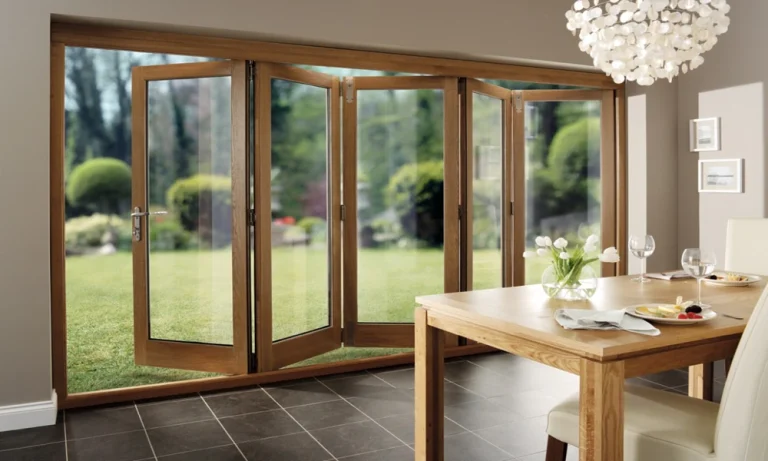
A window (vindu) is far more than just an opening in a wall; it’s a fundamental element of architecture that shapes our experience of a space. It frames our views, floods our rooms with natural light, provides ventilation, and plays a critical role in a building’s aesthetic and energy performance. From simple openings in ancient dwellings to the technologically advanced smart glass of today, the evolution of the window tells a story of human innovation and our desire to connect with the world outside.

This comprehensive guide will explore the multifaceted world of the window. We’ll journey through its history, break down the most popular types available today, and discuss the significant benefits that a well-chosen window brings to a home. Whether you’re building, renovating, or simply curious, understanding the power of this essential feature can transform how you see your living spaces.

The History of the Window: From Animal Hide to Smart Glass

The concept of a vinduis as old as architecture itself. Early humans created simple openings in their shelters to let out smoke and let in light. These rudimentary holes were often covered with animal hide, cloth, or wood, which could be moved to provide some control over the elements.

The Romans were among the first to use glass for windows, although this was a luxury reserved for the most important public buildings and wealthy villas. This early glass was thick, uneven, and offered a distorted view, but it represented a major leap forward. Through the Middle Ages, glass remained prohibitively expensive. Most homes used translucent materials like flattened animal horn, thinly sliced marble, or paper.

The development of crown glass and later cylinder glass during the Renaissance made window glass more accessible. The Industrial Revolution brought mass production, and by the 19th century, large panes of clear, flat glass became common. The 20th century introduced innovations like double-glazing and low-emissivity (Low-E) coatings, shifting the focus of the window from a simple opening to a high-performance building component.

A Guide to Common Window Types

Choosing the right type of window depends on your home’s architectural style, your functional needs for ventilation and access, and your aesthetic preferences. Each design offers unique benefits.

1. The Double-Hung and Single-Hung Window

This is the classic American window style. A double-hung window has two sashes (panels) that slide vertically in the frame, allowing both the top and bottom to be opened. A single-hung window is similar, but only the bottom sash moves.

  • Best for: Traditional architecture, areas needing controlled ventilation.
  • Pros: Easy to clean (many modern versions have tilt-in sashes), safe for homes with children (opening the top sash prevents falls), and fits standard window air conditioners.

2. The Casement Window

Also known as a side-hung window, a casement is hinged on one side and swings outward like a door, usually operated by a crank.

  • Best for: Kitchens, hard-to-reach areas, and contemporary homes.
  • Pros: Provides excellent ventilation by catching breezes, offers unobstructed views, and creates an exceptionally tight seal when closed for great energy efficiency.

3. The Sliding Window

A sliding window has two or more sashes that slide horizontally past each other on a track. It’s like a double-hung window turned on its side.

  • Best for: Wide openings, contemporary homes, and spaces where an outward-swinging window would be an obstruction.
  • Pros: Easy to operate, cost-effective, and provides a large, clean view.

4. The Awning Window

Hinged at the top, an awning window swings outward from the bottom. This design allows it to be opened even during light rain without letting water in.

  • Best for: Bathrooms, basements, and combining with other window types.
  • Pros: Excellent for ventilation in all weather, provides privacy and security.

5. The Fixed Frame or Picture Window

A fixed window does not open. Its sole purpose is to provide a view and let in light.

  • Best for: Living rooms with scenic views, high on walls in vaulted ceilings.
  • Pros: Maximum energy efficiency (no air leakage), unobstructed views, and enhanced security.

6. The Bay or Bow Window

These windows project outward from the house, creating more interior space. A bay window typically consists of three panels (a large central window flanked by two smaller ones at an angle). A bow window is a gentler curve made of four or more panels.

  • Best for: Creating a focal point, adding a window seat or extra light.
  • Pros: Adds architectural character, makes a room feel larger, and provides panoramic views.

The Transformative Benefits of a Quality Window

Investing in the right window offers returns that go far beyond aesthetics. The benefits impact your comfort, your budget, and the overall value of your home.

Natural Light and Well-Being

Ample natural light is a cornerstone of good design and has a proven positive effect on our health. A well-placed window can reduce the need for artificial lighting, make spaces feel larger and more inviting, and even boost mood and productivity.

Energy Efficiency

Modern windows are marvels of engineering. Features like double or triple-pane glass, argon or krypton gas fills between panes, and Low-E coatings work together to create a powerful thermal barrier. This technology keeps your home warmer in the winter and cooler in the summer, significantly reducing your reliance on heating and air conditioning and lowering your energy bills. A new, energy-efficient window can be one of the best home improvement investments you make.

Ventilation and Air Quality

The ability to open a window and let in fresh air is essential for a healthy indoor environment. Good ventilation helps to remove pollutants, allergens, and excess moisture, preventing the growth of mold and mildew and improving overall air quality.

Security and Safety

A window is a potential entry point into a home, but modern designs incorporate advanced security features. Strong frames, laminated or tempered glass, and robust multi-point locking systems make a new window a formidable barrier against intruders. Egress windows are also a critical safety feature, designed to provide an escape route in case of a fire.

Noise Reduction

If you live near a busy street or in a noisy neighborhood, the right window can make a world of difference. Laminated glass and multiple panes with insulating gas are highly effective at dampening outside noise, creating a quieter and more peaceful indoor sanctuary.

The Future of the Window: Innovations to Watch

The window continues to evolve, with new technologies promising even greater performance and functionality.

  • Smart Glass: Also known as switchable glass, this technology allows the tint of a window to be changed with the flip of a switch or automatically based on sensors. It can block UV rays and glare without the need for blinds, offering dynamic control over light and privacy.
  • Self-Cleaning Glass: A special coating on the exterior of the window uses UV rays from the sun to break down organic dirt. When it rains, the water sheets off, taking the dirt with it and drastically reducing the need for manual cleaning.
  • Integrated Solar Technology: Researchers are developing transparent solar cells that can be integrated into window glass. This would allow a window to generate electricity while still providing a clear view, turning the entire building envelope into a power source.

Frequently Asked Questions (FAQs)

Q1: How do I know when it’s time to replace a window?
Signs that you need a new window include visible damage like cracked or rotting frames, condensation between glass panes (indicating a failed seal), difficulty opening or closing, and noticeable drafts or outside noise. Rising energy bills can also be a sign of poor window performance.

Q2: What is a Low-E coating on a window?
Low-E stands for low-emissivity. It’s an ultra-thin, transparent metallic coating applied to the glass surface to reflect infrared light (heat). In winter, it reflects heat back into the room; in summer, it reflects the sun’s heat away from the house, improving energy efficiency year-round.

Q3: Does a new window increase home value?
Yes, new windows are a highly desirable feature for homebuyers. According to remodeling industry reports, window replacement projects consistently offer a high return on investment, often recouping 60-70% of their cost at resale. Buyers value the benefits of improved aesthetics, comfort, and energy savings.

Q4: What is the most energy-efficient window material?
Fiberglass and vinyl are generally considered the most energy-efficient frame materials due to their excellent insulating properties and low maintenance. Wood is also a natural insulator but requires more upkeep. Aluminum is the least insulating, but modern aluminum frames with thermal breaks offer greatly improved performance.

Final Words

From a simple hole in a wall to a dynamic, energy-generating component of a smart home, the window has come a long way. It remains an essential element that connects us to our environment while protecting us from it. By understanding the different types, materials, and technologies available, you can make informed choices that enhance your home’s beauty, comfort, and efficiency. A quality window is more than an architectural detail—it’s an investment in a brighter, more comfortable, and more sustainable way of living.

I’ve spent years studying what makes a dining space feel right. Not just good. Right. And after seeing countless homes miss the mark with mass produced tables, I learned something important. The dining table influences the entire atmosphere of your home more than almost any other piece of furniture. That is why you need to be intentional about where you get it from, and why I point people toward makers who actually build with care. That is also why I bring up options like real wood dining tables early in the process, because quality always shows through. The same goes for custom furniture, which gives you far more control over your space and style.

I want you to feel confident choosing a table that will last, and that means knowing how to spot the right builders. That is what this article breaks down. You are going to see what matters, what to avoid, and how to choose a company that is worth your trust. By the end, you will know exactly what to look for and why this investment shapes your home for years.

Why Quality Matters More Than Style Trends

Here is what I tell people all the time. Anyone can pick a style. Not everyone can pick quality. You can change paint colors, lights, chairs, rugs, and décor. But your table is the anchor. If it is built with weak materials, thin veneers, or shortcuts, it will show fast and it will frustrate you even faster.

I rely on real world signs to judge quality. I look for solid hardwoods. I look for clean joints. I look for finishing work that feels smooth to the touch, not just smooth to the eye. I also look at how a company talks about its process, because that tells you whether craftsmanship is a priority or an afterthought.

That is exactly why Beloved Furniture stands out. They build with intention. They select hardwoods based on grain, strength, and long term durability. They apply multiple layers of finish to protect the table surface. They also give you the option to choose from woods like alder, oak, maple, ash, or walnut. Each wood brings its own strengths, and you can match it to your style or your budget.

Why Custom Is Worth Considering

A lot of people hesitate at the word custom because they think it means complicated. It does not. It means control. It means getting the exact length you need. The exact finish you want. The exact feel you hope for when you imagine your dining space fully put together.

Beloved Furniture makes this part simple. They guide you through wood choice, sizing, finish, and style. They offer farmhouse tables, pedestal tables, round tables, modern tables, and traditional designs. They also pair each table with chairs crafted to match the character of the piece. This matters because a unified dining set creates a visual balance that instantly upgrades your room.

When a builder has experience with hardwoods, milling, and finishing, you get a table that holds up to everyday life. That includes spills, heat, movement, and heavy use. Beloved Furniture has years of woodworking experience behind their process. Their founder spent years learning lumber from the inside out, from milling to drying to building, and that kind of foundation shows in the way they build today.

How To Choose The Right Builder

Here is how I narrow things down.

I start by looking at origin. If a company has a real story, a real background, and real skill development, I pay attention. Beloved Furniture began as a hands on woodworking operation built from years of training, curiosity, and practice. That matters.

Next, I study their product range. I want to see variety, but not randomness. Beloved Furniture focuses heavily on hardwood dining furniture. They specialize in it. They refine it. That is what you want to see from a builder.

Then I look at customization options. You should always be able to choose your size, your finish, and your wood. Beloved Furniture offers all of that plus matching benches and chairs that complete the space.

Finally, I look at growth. A company that grows slowly and steadily usually prioritizes quality over shortcuts. Beloved Furniture moved from small batch milling to kiln dried lumber as demand increased. They expanded their team. They stayed committed to craftsmanship instead of scaling too fast. That shows discipline and care.

Why Beloved Furniture Is A Reliable Choice

Here is the benefit for you. You get a table that feels purposeful. You get craftsmanship that shows in the grain, the finish, and the structure. You get a piece that supports daily life, family meals, conversations, and celebrations. You get something built to last, not something built to fill a warehouse.

Beloved Furniture has earned a reputation for reliability, attention to detail, and genuine craftsmanship. They serve northwest Arkansas and surrounding areas, and every client becomes part of their continued growth. If you want a dining table that feels personal, solid, and timeless, they are one of the strongest options you can consider.

And if you want your dining space to actually feel finished, start with the table. Choose quality. Choose craftsmanship. And choose builders who care about the work as much as you care about the space you are creating.