Category

Home

Category

Los Angeles homes come in all shapes and sizes—from modern hillside estates to cozy mid-century bungalows. But regardless of style or zip code, we’ve found that many homes across LA share the same overlooked security gaps. These aren’t the obvious things like leaving the door unlocked. These are subtle, easy-to-miss flaws that make your home vulnerable—and they show up in almost every residential security assessment in Los Angeles we perform.

Here are the top 7 hidden issues we spot over and over:

1. Low-Quality Lock Hardware

That deadbolt might look secure, but many homeowners rely on hardware that can be picked or kicked in within seconds. Quality matters, especially in high-traffic or high-crime areas.

2. No Reinforcement on Door Frames

Even with a solid lock, weak door frames give way fast. Reinforcement plates and longer screws can dramatically increase your front door’s resistance to forced entry.

3. Garage Doors Left Unchecked

Many assessments reveal garage doors with outdated openers, exposed emergency release cords, or side doors with no deadbolts. It’s a common entry point—and often ignored.

4. Window Locks That Don’t Lock

You’d be surprised how many “locked” windows slide open with minimal effort. In our residential security assessment in Los Angeles, we physically check window security, not just visually.

5. Obstructed Sightlines

Overgrown landscaping, high fences, and decorative walls can provide cover for someone trying to break in. Criminals love a hiding spot, and many LA homes offer plenty.

6. Outdated or Fake Security Signs

Those yard signs and stickers only work if there’s a real system behind them. During assessments, we often find signs from old companies or systems no longer in use.

7. Lack of Surveillance at Key Access Points

Many homes have cameras, but they’re either pointed too high, poorly placed, or not recording at all. Our team checks angles and placement to ensure your coverage deters.

These aren’t just small oversights—they’re open invitations. But the good news is, they’re fixable.

When you schedule a residential security assessment in Los Angeles with SafeHouse Security Consultants, you’ll get a full breakdown of vulnerabilities like these, along with realistic solutions tailored to your home.

Call (424) 352-8639 to book your free consultation. Peace of mind starts with knowing where you’re exposed—and having a plan to fix it.

This article was written by a professional at SafeHouse Security Consultants, one of the best commercial security system companies in Los Angeles, CA. SafeHouse Security Consultants mission was to bring peace of mind into the home. We want to remove those fears, and give you and your family peace of mind and security by applying our ten years of experience protecting people and properties to your home. We can help you protect your home, and eliminate those fears so that you can concentrate on the things that matter most to you.

In today’s global economy, distribution centers are no longer just massive warehouses tucked away in remote industrial parks. They are highly strategic hubs that play a crucial role in supply chains, e-commerce, and retail operations. The architecture of these facilities has evolved significantly—from plain metal boxes to purpose-built, efficient, and often sustainable structures that must support complex logistical operations. Behind this transformation lies a blend of engineering, aesthetics, and smart planning, driven by architectural experts who specialize in large-scale commercial and industrial facilities.

Function Meets Form: What Modern Distribution Centers Demand

The primary goal of any distribution center is to ensure smooth, uninterrupted flow of goods—from receiving and storing to sorting and shipping. But achieving this seamless flow starts with a well-thought-out architectural design. Unlike the past, where function dominated and design was an afterthought, today’s architects are balancing both needs. The layout must allow for high-volume throughput, integration of automation and robotics, efficient human workflow, and compliance with safety regulations.

Additionally, many companies demand scalable structures that can be easily expanded as operations grow. Ceiling heights are rising to accommodate vertical racking systems, and floor loads are increasing to support heavy-duty automation. Loading docks, truck courts, and parking layouts are now planned not just for functionality but also for traffic optimization, minimizing congestion and ensuring worker safety.

Strategic Site Planning

One of the most critical aspects of designing a distribution center is selecting and developing the right site. This includes evaluating access to major highways, proximity to suppliers or customers, zoning regulations, and environmental considerations. Architects often conduct feasibility studies to ensure the land can support large buildings, stormwater management systems, and future expansion needs.

Landscape architecture and employee-focused amenities are also gaining importance. Green spaces, bicycle access, natural lighting, and break areas are being included to attract and retain workers in an increasingly competitive logistics job market.

Embracing Technology and Automation

Distribution centers today are becoming tech-enabled powerhouses. Architects must collaborate closely with logistics consultants and equipment vendors to design spaces that accommodate automated sorting systems, conveyor belts, and robotic picking stations. Electrical, IT, and HVAC systems must be built to support 24/7 operations with minimal downtime.

Smart buildings now feature integrated systems for climate control, fire suppression, and real-time monitoring. This requires architects to go beyond traditional design thinking and embrace a systems-based approach to building design.

Sustainable Practices in Industrial Architecture

Environmental sustainability is no longer optional—it’s expected. Distribution centers are being designed with sustainability certifications in mind, such as LEED or BOMA BEST. Features like high-efficiency lighting, solar panel integration, rainwater harvesting, and heat-reflective roofing materials are commonly incorporated into new builds.

Additionally, using recycled materials and planning for natural ventilation and daylighting can reduce a facility’s carbon footprint and operational costs. Sustainability goals often align with long-term corporate responsibility strategies, making them a win-win for businesses and the planet.

The Role of Architecture Firms

To meet the growing demand for smarter, faster, and more adaptable industrial facilities, companies are turning to specialized architecture firms that understand the nuances of large-scale logistics buildings. One such firm is Stendel + Reich retail architect, known for their expertise in both commercial and industrial design. Their approach integrates functionality, code compliance, and aesthetic value, making them a trusted partner in the construction of high-performance distribution centers.

Stendel + Reich’s work often reflects a deep understanding of the evolving logistics sector. From initial site planning and conceptual design to detailed documentation and execution, their role ensures that the final structure meets both present-day needs and future scalability goals.

Conclusion

The design of modern distribution centers represents a complex intersection of technology, logistics, sustainability, and human-centric design. As global demand for faster and more efficient delivery increases, the need for well-designed, adaptable, and resilient distribution centers will only grow. Architectural firms like Stendel + Reich are at the forefront of this evolution, helping shape the future of industrial infrastructure one facility at a time.

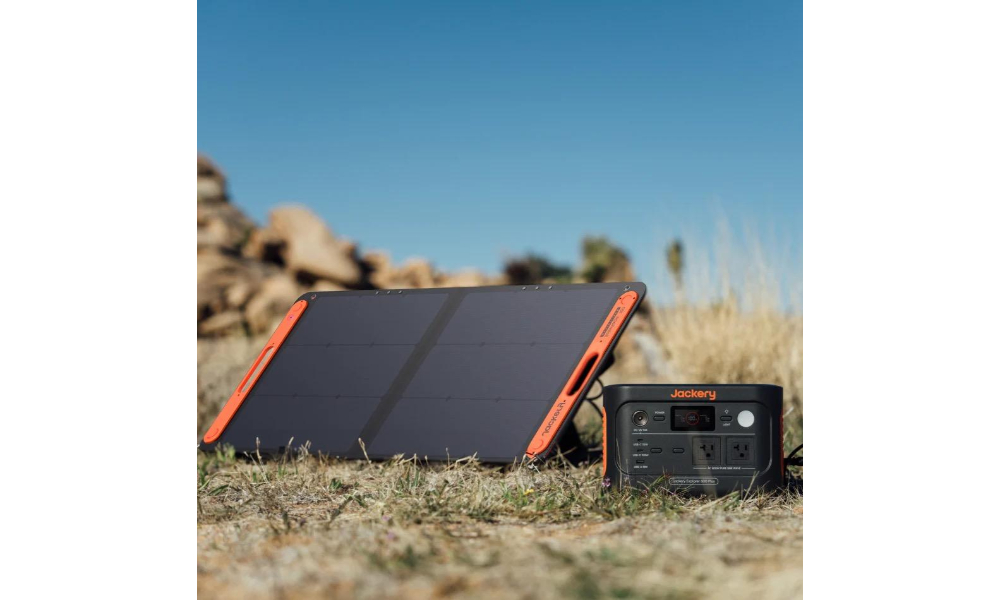
Tailgating is a beloved American tradition that turns the parking lot into a party, combining sports, food, and friendship into a vibrant pre-game festivity. Whether it’s before a college football game or a major league baseball match, tailgating is an integral part of the sporting culture in the United States. In this blog, we’ll delve into why tailgating is so popular, how to plan the perfect tailgate party with your friends, and introduce the Jackery Explorer 600 Plus Portable Power Station as the ultimate portable solar power station to ensure your tailgating experience is electrifying.

Why is Tailgating So Popular in America?

Community and Camaraderie

Tailgating is much more than just hanging out before a game. It’s a time-honored tradition where fans wearing team jerseys and colors come together to celebrate unity and shared passion. It’s about community bonding in a festive atmosphere, where the excitement for the game amplifies with every grill fired up and every cheer shared.

The Love for the Great Outdoors

Tailgating uniquely blends the love for sports with the enjoyment of the great outdoors. Setting up in open parking lots, fans enjoy the fresh air and open skies as they partake in games and socialize, making the most of the environment around the stadium.

Gastronomic Delight

Food is a cornerstone of any tailgating experience. From barbecued ribs to homemade chili, the variety of foods prepared and shared is a testament to the culinary creativity and traditions that differ from region to region. Tailgating allows everyone to showcase their cooking skills and share their favorite recipes.

Planning the Perfect Tailgating Party

Coordination with Friends

Start with a group chat to coordinate who’s bringing what. Divide the responsibilities for food, drinks, seating, and entertainment among the group to ensure everything is covered without duplicating efforts.

Menu Planning

Plan a menu that is both easy to prepare and serve. Finger foods, grilling items, and pre-prepared salads are perfect. Remember to consider any dietary restrictions your friends might have.

Games and Entertainment

Bring along footballs, frisbees, or even board games to keep the entertainment going until the game starts. Music is essential, so a portable speaker is a must-have to keep the energy high.

Safety and Comfort

Ensure you have a first aid kit, enough sunscreen, and any necessary medications. Comfortable seating like folding chairs or picnic blankets is also important for enjoying the hours spent before the game starts.

Powering Your Tailgate with the Jackery Explorer 600 Plus Portable Power Station

When planning your tailgate party, one cannot overlook the need for a reliable power source. The Jackery Explorer 600 Plus Portable Power Station is designed to ensure that none of your tailgating essentials run out of juice.

High Capacity and Powerful Output

With an 800W output and a 632Wh capacity, the Jackery Explorer 600 Plus Portable Power Station can easily power everything from your electric grill to your portable cooler and camping lights. This ensures that your beverages stay cold, your food remains hot, and your area is well-lit as the sun sets.

Lightweight and Durable

Tailgating involves a lot of packing and unpacking, so having a power station that is both lightweight and durable is crucial. The Jackery Explorer 600 Plus Portable Power Station is built to withstand the rigors of outdoor use while being easy to transport from your car to the tailgating area.

Versatile Charging Options

With multiple output options, this portable power station for tailgating can charge a variety of devices simultaneously. Whether it’s smartphones, portable speakers, or even a TV, this power station has you covered, ensuring that you stay connected and entertained throughout the event.

Conclusion

Tailgating is a dynamic blend of sports, friendship, food, and fun. By planning ahead and equipping yourself with the Jackery Explorer 600 Plus Portable Power Station, you can ensure that your tailgating party is a success regardless of the score of the game. Enjoy the ultimate in convenience and reliability, and make your next tailgate the talk of the town with the power and performance of Jackery.

Driveways that will handle heavy vehicles in Melbourne require more than just concrete —it needs strength from within. Whether the vehicle is a delivery van, truck or caravan the constant pressure can cause regular concrete surfaces to crack or break. If you want to get a long-lasting result, a durable concrete reinforcing mesh is essential for you.

This guide will teach you what makes a reinforcement driveway strong, cost-effective and ideal for Melbourne’s multifaceted soil structure.

Why You Need Reinforcing Mesh

Heavy vehicles may weigh between 3 and 10 tons. Left alone, concrete tends to move, sink or end up with cracks when you apply force to it. Enter concrete reinforcing mesh.

This steel netting distributes the weight across the top evenly. Back things up: No more sinking into the mud. Quite literally prevents your driveway from sinking, even on problematic reactive clay soils indigenous to areas such as Dandenong and Cranbourne. Reinforcement also supports longevity for concrete — sometimes extending the life by as much as 30 years with minimal maintenance.

Choosing the Appropriate Mesh for the Task

Not all mesh is the same. Your choice of base will depend on how much weight your driveway needs to support.

Here are some common types:

  • SL62 Mesh: Smaller cars suit this best, using 6mm bars spaced at 200mm intervals.
  • Mesh SL82: Heavy duty mesh, utilising 8mm bars.
  • Trench Mesh: Trench Mesh is suited to narrow drives or edge reinforcement and has 8-12mm bars.

The cost of mesh for an area of 50m² is usually between $500 and $1200. Selecting the proper kind up front avoids expensive repairs down the road.

Reinforcing Concrete Driveways

Step-by-Step: Building a Reinforced Driveway

1. Check the Soil

Start with a soil test. Soil in Melbourne can be tricky — clay in one suburb, loam in another. A test ($200–$500) can help you determine if you require a deeper base or more good drainage.

2. Plan Your Space

Heavy driveway excavation should be penetrated to 100–150mm with a width minimum of 3m for heavy vehicles. Include up a 100mm-thick crushed rock base before the concrete goes in.

3. Install the Mesh

When utilizing plastic bar chairs, the mess ought to be placed at a distance of 30 to 50 mm from the floor. Overlap sheets by about 200mm and secure with wire. For added reassurance, hiring a reliable reinforcement mesh supplier guarantees that you are using a trusted reinforcement mesh supplier who offers steel that complies with Australian standards.

4. Pour the Concrete

Make use of a blend whose strength rating falls between 32 and 40 MPa. This makes it easy to even out your pour, tap to settle your grinds, and keep your mesh locked in place. Let the concrete cure for 7–14 days. This lessens cracks and hardens a surface.

5. Get It Done by Professionals

Driveways can be DIY — but they can also mean trouble. Licensed tradespeople ensure all is to Victorian standards. Labour can run to the $2,000–$4,000 mark, but the end result is much more trustworthy.

Why Reinforcement Pays Off

  • Longevity: A driveway that is properly supported can endure for as long as the house.
  • Less Repairs: No more sinking, cracks or expensive patch jobs.
  • Safer: A solid surface for your car and you!
  • Adds Value: Curb appeal and resale values skyrocket with strong clean driveways.

Last Tips on Making a Durable Driveway

Plan ahead, buy the right materials, and always work with reputable suppliers. Melbourne’s fickle weather and soil will mean cutting corners will cost down the track. A trusted reinforcement mesh supplier means peace of mind and improved constructions.

Want a driveway that lasts? Build from the ground up the way it’s supposed to be — and make sure it’s built to support the load.

Consider the long haul, not just upfront expenses. Putting in that kind of quality now will result in less maintenance and a longer life down the road. And remember, even the best driveway needs some regular attention to remain in tip-top shape.

When it’s time to elevate your outdoor space, many homeowners still ask the same question — should I DIY or bring in the pros? Both professional and do-it-yourself landscaping have advantages and disadvantages. Let’s parse it so that you can make the right decision for your home — and your bank account.

DIY could work for people who enjoy working with their hands and have the time to dedicate to learning new skills. On the other hand, hiring professionals can spare you from expensive missteps and yield a polished end product. Ultimately, it will depend on your timeline, comfort level and the execution of the project.

The Self-Service Solution: Budget-Friendly but Time-Intensive

If you like the handiwork and are a bit handy, doing your own yard-work sounds like it might be a lot of fun. You have complete control, it’s usually cheaper, and it’s a feeling of accomplishment. But DIY crafting has its pitfalls.

  • If you’re not patient, don’t do it: Prepare to spend the weekend digging, planting and mulching.
  • Skill level: You should have a general understanding of soil, drainage, types of plants and layout.
  • Tools: You may need to pay money to buy or rent tools.

When it comes to small garden beds or basic lawn care through landscaping in Rowville, doing it yourself may be sufficient. But big tasks such as retaining walls, irrigation systems or complete makeovers are another matter.

Without the trouble and trial-and-error that come with do-it-yourself projects, professional landscaping can completely transform your outside space.

When to Call in a Professional?

An expert doesn’t just have experience, but vision. They help you avoid potential problems early on and save you a bundle in the long run. Here’s when going pro makes sense:

  • You’re doing a complete backyard rewrite
  • You should have some aspects of structure such as decks, pergolas, or retaining walls
  • You want a finish that is low-maintenance and long-lasting
  • And, of course, pros can help you select the best plants and materials for your climate and lifestyle.

DIY vs Pro Comparison Table

FeatureDIY LandscapingProfessional Landscaping
CostLower upfront costHigher, but better long-term value
Time CommitmentHighLow for the homeowner
Skill Level RequiredBasic to IntermediateExpert knowledge
Tools/EquipmentBuy or rent yourselfProvided by professionals
Design ExpertiseLimited to your own ideasCustom designs, tailored for space
Quality & FinishDepends on your skill levelPolished, high-end results
Professional Landscaper

Budget and Long-Term Value

One of the main factors influencing your choice is the budget. DIY is more affordable in the short run, but slip-ups can be expensive. A professional does it right. Plus, nice landscaping increases property value — something to think about if you ever sell.

This makes the entire garden feel like a New England Garden and if you have a professional who knows what they are doing and is familiar with landscaping Cranbourne, they can create a garden that also works with the local climate and soil so the plants you love in your Boston Garden can thrive all year.

By hiring a local landscaping professional, you will have less guesswork and get more results. You’ll get advice on sustainable materials and water-saving strategies from the experts, too. The result is to reduce maintenance while increasing the energy-efficiency. Its materials can be turned to multiple uses; they can be treated differently as needed, and they can add beauty and value to more than one place. An effectively designed landscape doesn’t just look good — it works harder for your life and for the environment.

Final Thoughts

Whether you should do it yourself or hire a professional depends on your budget, timeline and project size. Small tasks? Give DIY a shot. Big jobs with complex design? Trust the pros.

Your home can become more attractive and valuable with proper landscaping. Whether you live in Rowville or Cranbourne, choose one that suits your lifestyle — and your lawn.

Consider how many hours a week you can dedicate to working outdoors. Also take into account the level of finish you anticipate — professionals generally create results with more longevity and polish. Ultimately, your outdoor space should bring you joy, not stress.

Roll-off dumpsters are required for renovation, construction, and extensive cleaning to manage waste. Containers with open tops and rolling wheels in the bottom collect a higher volume of debris than the front-load dumpster. Trucks deliver these containers to the precise location.

The roll-off containers are mostly rectangular. The bottom roll-off wheel helps the dumpster management company roll the container off to your property.

These dumpsters are primarily used in places that require temporary waste management, such as prior to short-term works.

Places that need temporary waste collecting containers and high volumes of waste need to be managed, and roll off dumpsters are used.

Familiar places that required roll-off dumpsters:

  • The place where the renovation projects are undertaken, like renovating your house or building renovation.
  • Where the building demolition takes place, sometimes abandoned buildings, unused old buildings, and construction with poor strength undergo demolition. In these places, large volumes of waste will form like dry walls, steel, sand, and sharp objects. These need to be collected and disposed of as soon as possible.
  • In the construction area sites, small pieces of metal, broken equipment, small metal containers, broken sharp objects, etc., will be collected and disposed of with the help of roll-off dumpsters.
  • When cleaning old buildings or abandoning buildings, wastes like old furniture, electronic appliances, and other common household waste are collected and disposed of in a roll-off dumpster.
  • Ceiling or roof work leaves waste like nails, shingles, and tar paper. This type of dumpster collects all of this waste in one place.
  • During springtime, a large volume of leaves will be spread all over the place. Ordinary dumpsters are not suitable for collecting all the waste, so a roll off dumpster is the best choice.

Different sizes of roll-off dumpsters:

They are of different sizes and measured in measurement cubic yards to represent the volume of trash they hold.

Dumpsters are available in sizes of 10, 15, 20, 30, and 40 yards.

According to the project requirements, the size of the dumpster will be chosen with the help of a waste management company.

How does it work:

  • First, it is delivered to the work location by the waste management company to collect debris and junk.
  • The rented person can fill these containers with the construction and cleaning waste within the contracted time.
  • Once the rental period is over or the dumpster is complete, the waste management company will pick up their containers and clean the waste.

Calgary offers a blend of urban sophistication and untamed natural beauty, making it an ideal location for those looking to design a life beyond the confines of city living. Custom acreage homes in Calgary are a growing choice for individuals and families who want expansive outdoor space paired with highly personalized interior environments. These homes go beyond traditional builds, allowing homeowners to integrate every detail of their lifestyle, values, and aesthetic into a home that sits on generous, open land. The trend toward acreage living is more than just about size—it’s about creating intentional, enduring spaces that serve both personal comfort and long-term value.

In an era where the pressures of dense urban living often dictate the size, shape, and style of one’s home, custom acreage homes Calgary builders offer present a compelling alternative. Instead of adjusting to a cookie-cutter development, homeowners can start from scratch, tailoring everything from the floor plan to the orientation of the windows. Whether it’s wide front porches facing mountain views, backyard gardens sprawling across acres, or garages that double as workshops, the possibilities are nearly limitless. For those seeking both freedom and control in where and how they live, acreage builds make the most sense.

Acreage living often means more than just having extra space. It’s about redefining priorities. It means choosing to live where the horizon is wide and the pace is steady. With Calgary’s surroundings offering an ideal canvas, building a custom home in this region is not just about real estate—it’s about lifestyle transformation.

Why More Homeowners Are Choosing Acreage Living

Calgary continues to experience population growth, which brings with it new construction, condensed neighborhoods, and vertical housing. For many, the solution to these challenges is moving away from compact city parcels and into wide, open lots. Acreage living satisfies a desire for quiet, privacy, and space—all of which are increasingly valued. Custom acreage homes Calgary homeowners build today reflect a shift in thinking. More people now prioritize work-life balance, connection with nature, and the ability to customize their home without compromise.

Living on acreage allows for more than just design freedom—it enables a broader range of lifestyle choices. Whether someone wants to raise animals, install a large greenhouse, or simply have a massive backyard for children to explore, building on acreage makes it possible. Families can grow into their space instead of out of it. With thoughtful planning, these homes become long-term residences where each square foot is suited to the homeowner’s daily rhythm and future goals.

Another major reason homeowners lean toward custom acreage builds is the separation from the congestion and noise of urban areas. Wide-open landscapes offer mental clarity and a slower pace that aligns with a wellness-focused lifestyle. The physical space translates into emotional space—a key factor in quality of life. Calgary’s proximity to the Rockies, its crisp air, and stunning sunrises further enhance the draw of acreage living.

What to Expect When Building a Custom Acreage Home

Designing and constructing custom acreage homes in Calgary is a process that begins long before the first nail is hammered. It starts with land selection, which is critical to the success of the build. Buyers must consider factors like drainage, soil quality, accessibility, and the natural layout of the terrain. The orientation of the home relative to sun exposure, wind direction, and scenic views also plays a crucial role in design decisions. While the extra space offers more freedom, it also demands more forethought.

Infrastructure is another important aspect. Acreage properties often fall outside city service lines, meaning homeowners may need to plan for wells, septic systems, propane heating, and other utilities independently. Choosing a builder with experience in these aspects is essential. The best custom acreage homes Calgary residents invest in are designed with sustainability and functionality at the forefront. Site development, grading, and even fire prevention strategies must all be addressed during the early planning stages.

Design is where acreage homes truly shine. From expansive great rooms and gourmet kitchens to spacious mudrooms and covered patios, the design possibilities are almost endless. Homeowners can include features that cater specifically to their hobbies and needs—home gyms, libraries, art studios, or even private guest wings. Some opt for traditional ranch styles, while others lean toward contemporary or craftsman-inspired aesthetics. The defining factor is that every decision is intentional and reflects the homeowner’s vision.

Construction timelines may be slightly longer than standard developments, but the result is a completely customized home built with long-term comfort in mind. Modern materials, high-performance insulation, smart home systems, and advanced HVAC solutions ensure that the home isn’t just beautiful—it’s also energy-efficient and future-ready.

Long-Term Value and Lifestyle Enhancement

The long-term benefits of owning a custom acreage home go far beyond aesthetics. These properties often hold their value better than suburban tract homes, especially when built with premium materials and thoughtful design. With fewer comparable homes nearby and increasing demand for privacy and space, custom acreage homes Calgary builders create often remain competitive in the resale market. They are considered rare and desirable, especially by buyers who understand the value of high-end, tailored design and open land.

Acreage homes are also well-positioned for multigenerational living. With space to build additional suites or secondary dwellings, families can stay together while still enjoying privacy. This flexibility is becoming increasingly important as demographics shift and housing needs evolve. Similarly, acreage lots often allow for future additions, whether it’s expanding the home itself or adding structures like barns, guesthouses, or recreation areas.

Environmental stewardship is another component often tied to custom acreage homes. Many homeowners incorporate green technology such as solar panels, rainwater harvesting, and geothermal heating. Landscaping can include native plants that thrive without chemical inputs or extensive irrigation. By blending modern home performance with traditional land stewardship, these homes become more than just residences—they become sustainable sanctuaries.

Working with Professionals Who Understand Acreage Design

One of the most important decisions in this journey is selecting professionals who specialize in rural and semi-rural construction. Not all builders or architects understand the nuances that come with large-lot development. The best professionals listen carefully, understand zoning and land use bylaws, and offer creative solutions to maximize the land’s potential. From managing utilities to suggesting energy-efficient systems, experienced teams provide guidance that ensures the project not only looks good but performs well under the unique demands of the land and climate.

Interior designers who focus on acreage homes understand that these properties function differently than inner-city homes. Mudrooms may be larger to accommodate outdoor gear. Kitchens might need to support family gatherings or canning produce from backyard gardens. Living areas may emphasize large windows to capture panoramic views, while utility spaces may include pet wash stations, equipment rooms, or storage for outdoor tools. The goal is always to align form with function, reflecting the rhythm of rural living.

Homeowners also benefit from working with local landscapers who can transform the land surrounding their new home into a complementary environment. Whether the vision includes winding gravel driveways, groves of trees, or raised garden beds, the outdoor space becomes an integral part of the home experience. A well-integrated landscape helps anchor the home in its natural setting, further reinforcing the sense of place that acreage living offers.

In the early morning light, when the city still whispers rather than shouts, landscape services become something more profound than mere maintenance—they become acts of quiet devotion, tending to the places where concrete meets earth, where human ambition encounters the ancient wisdom of growing things.

The Intimate Art of Transformation

There’s something deeply personal about watching someone tend to a garden. In Singapore’s dense urban tapestry, where every square metre carries the weight of possibility, landscape services have evolved into something approaching poetry. The island nation, with its vision of becoming a “City in Nature,” has discovered what gardeners have always known: that caring for living spaces is really about caring for living beings.

I’ve watched the morning ritual unfold across countless neighbourhoods—the gentle pruning, the careful watering, the quiet assessment of what needs attention. These aren’t merely commercial transactions; they’re daily acts of hope, each service call a small declaration that beauty matters, that growth is worth nurturing, that tomorrow might be more beautiful than today.

The Language of Growth

Singapore’s landscape services speak a unique dialect shaped by tropical urgency and urban constraint. As one industry observer noted, “Regular maintenance, including pruning, weeding, and pest control, is essential to maintain the health and balance of Singapore’s greenery amidst the tropical bounty.” But this technical language masks something more intimate—the constant negotiation between human intention and natural force.

The services themselves tell stories:

•       Design and consultation: The dreaming phase, where empty spaces become canvases for possibility

•       Installation and construction: The commitment phase, where vision meets earth and water

•       Maintenance and care: The devotion phase, where daily attention sustains long-term beauty

•       Seasonal adaptations: The acceptance phase, where we learn to work with nature’s rhythms rather than against them

The Psychology of Space

In Singapore’s climate, where temperatures hover consistently between 25°C and 33°C, and where rainfall averages 2,340mm annually, landscape services become exercises in adaptation. The professionals who provide these services aren’t just gardeners—they’re interpreters, translating between human desire and tropical reality.

“Safety is paramount in Singapore’s urban landscape, and proper maintenance ensures public spaces remain safe and accessible,” according to green space advocates. Yet safety here means more than preventing accidents; it means creating spaces where the human spirit feels secure enough to flourish.

The Community Tapestry

What strikes me most about Singapore’s approach to landscape services is how they’ve woven individual care into collective identity. The island’s commitment to green infrastructure isn’t just environmental policy—it’s social architecture. When landscape services transform a corporate courtyard or a residential garden, they’re really transforming the daily emotional landscape of everyone who encounters these spaces.

There’s an intimacy to this work that statistics can’t capture. The global landscaping services market may be projected to reach USD 275.05 billion by 2025, but the real value lies in smaller moments: the office worker who takes a different route to glimpse a newly planted bed, the child who discovers wonder in a carefully curated play area, the elderly resident who finds peace in a thoughtfully maintained garden path.

Seasons of the Soul

Singapore’s landscape services operate in a world without traditional seasons, yet they create their own rhythms of renewal. Professional maintenance schedules become secular liturgies, marking time not by autumn leaves or spring blooms, but by the steady pulse of care and attention.

The services adapt to what locals call “monsoon season preparation,” accounting for both intense rains and limited space. This seasonal thinking reflects something deeper about human adaptation—how we learn to thrive within constraints, how limitation can breed creativity rather than frustration.

The Economics of Beauty

“Well-maintained landscapes contribute significantly to property value in Singapore,” industry professionals observe, but this misses the point. The real economics aren’t about monetary return; they’re about the return on emotional investment. When landscape services transform a space, they’re really investing in the daily quality of human experience.

The true value proposition isn’t financial—it’s existential. These services provide something that no economic model can quantify: the daily reassurance that someone cares enough to tend the spaces we share.

Technology and Touch

Modern landscape services in Singapore blend ancient wisdom with contemporary innovation. Smart irrigation responds to weather patterns, while human hands still know the subtle language of soil and leaf. This merger represents something hopeful about our technological moment—the possibility that progress might enhance rather than replace human connection to the natural world.

The Future We’re Growing

As urban densification continues and climate challenges intensify, landscape services in Singapore represent more than commercial activity—they’re acts of faith in the future. Each planted tree, each maintained garden, each designed space becomes a small vote for the kind of world we want to inhabit.

In a city where space is precious and time moves quickly, these services offer something radical: the patient cultivation of beauty, the daily choice to nurture rather than merely extract. They remind us that transformation doesn’t always require grand gestures—sometimes it simply requires showing up, day after day, to tend what matters.

In Singapore’s determined pursuit of harmony between urban efficiency and natural grace, landscape services emerge not as luxury amenities but as essential infrastructure for the human soul.

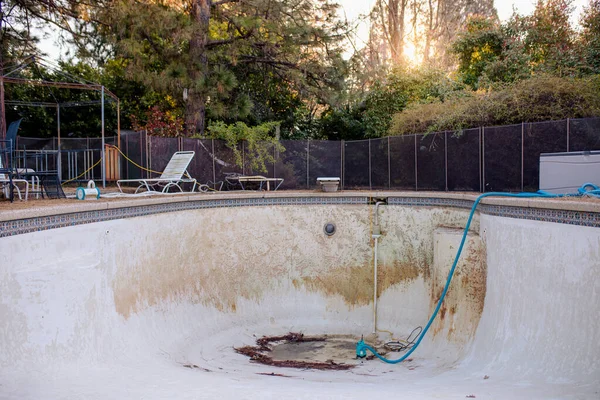
The decision to remove a swimming pool is a significant one, and it can have a great effect on the value, usability and long-term maintenance cost of your property. You may want to reclaim garden space, cut maintenance, or clear the way to a new building, but you need to plan carefully. The following are some of the key considerations to make before undertaking a swimming pool demolition project.

1. Know Your Choices: Partial Demolition or Full Demolition

Pool demolition is usually done in two ways, partial and complete. Partial demolition entails the destruction of the upper part of the pool shell and filling the hole with soil and gravel. Full demolition, however, involves the removal of all the materials of the pool out of the site.

You may need to have a complete removal, especially when you intend to construct on the property in future. Check with local building codes to determine what you can do before making your decision since regulations differ by area.

2. Permits and Local Regulations Check

It is important to acquire the permits before starting the process. Demolition of a pool sometimes needs special permits by the municipalities. As an example, swimming pool removal in San Leandro might have specific regulations concerning the drainage of the water, the disposal of waste, and grading of the land. Make sure you check with your local council or employ a contractor that is aware of the regulations.

3. Use a Professional Contractor

Demolition of pools is a complicated job that needs the appropriate equipment, skills, and precautions. The work should be done safely and in accordance with the law, which is possible when hiring professionals, who know how to do Bay Area Pool Demolition. Seek contractors that are licensed, insured and have good client referrals.

4. Utility Disconnection Plan

Make sure that all utilities attached to the pool are disconnected before the demolition process starts. These are gas, water and electricity. This may result in safety risks or destruction of property in the course of demolition.

5. Take into account Soil Compaction and Landscaping

Once San Leandro pool demolition is initiated, the space left should be filled and compacted well to avoid sinking of the soil in future or soil instability. Also, consider the way you would like to utilise the new space. Planning your landscaping is always a good idea, whether it is a garden, patio or lawn, it will make the best of your reclaimed space.

Conclusion

A properly planned swimming pool demolition can enhance property value, safety and functionality. With knowledge of your choices, permits, and professionals, you can make your project smooth and successful for your future needs.

Rodents have always been part of New York City’s ecosystem—but in recent years, sightings have spiked. Between ongoing construction, aging infrastructure, and food availability, rats and mice are more visible and brazen than ever. If you live or work in NYC, you’ve likely seen one scurrying through the subway or rummaging through trash. But the real trouble starts when they make their way indoors.

Here’s how rodents are getting into NYC buildings—and, more importantly, how you can keep them out.

Why Rodents Love NYC

Rodents thrive in urban environments, and New York City provides everything they need:

  • Abundant food sources: Trash, littered food, and overflowing dumpsters are everywhere.
  • Endless shelter: Basements, crawlspaces, walls, and subway tunnels offer protection and warmth.
  • Rapid reproduction: A single female rat can have up to 6 litters a year, with as many as 12 pups per litter.

Once they establish a nesting area inside a building, they’re incredibly difficult to remove without professional help.

Common Entry Points

Rodents can squeeze through incredibly small openings—mice need just 1/4 of an inch, and rats about 1/2 inch. In a city full of aging brick, warped doors, and crumbling foundations, these are the most common access points:

1. Gaps Around Pipes and Utility Lines
Rodents often enter buildings through small gaps around plumbing, gas, or electrical conduits. These are common in kitchens, basements, and boiler rooms.

2. Cracks in Foundations or Walls
Years of wear and tear can create small cracks in building exteriors. Even hairline openings are enough for mice to squeeze through.

3. Broken Vents or Window Screens
Poorly maintained ventilation systems or torn screens provide easy access to the interior of a building, especially in basements or near the roofline.

4. Open Doors and Loading Areas
Propped-open doors in apartment buildings or commercial loading docks are an open invitation—especially in the evening when rodents are most active.

5. Sewer and Drain Systems
NYC’s underground sewer system is a major rat superhighway. Damaged or uncapped drain lines can let them enter directly from below.

Warning Signs of an Infestation

Rodents are nocturnal and excellent at hiding. But if they’ve moved into your space, there will be clues:

  • Droppings: Small, dark pellets near food, in drawers, or along baseboards.
  • Gnaw marks: Rodents chew constantly—on wires, wood, plastic, and even furniture.
  • Grease trails: Rats often leave oily smudges from their fur along walls or runways.
  • Scratching noises: Often heard in walls, ceilings, or under floors—especially at night.
  • Pet behavior: Dogs and cats may bark, scratch, or stare at walls if they sense rodent activity.

If you notice one or more of these signs, it’s important to act fast. Rodents can cause significant property damage, contaminate food, and spread disease.

How to Keep Rodents Out

Preventing rodents from entering your building is far easier than dealing with an infestation. Here are some effective steps to take:

1. Seal Entry Points
Inspect the perimeter of your building—both inside and out. Use steel wool, caulk, or metal mesh to seal gaps around pipes, vents, and doors.

2. Manage Garbage Properly
Store trash in heavy-duty, sealed containers. Avoid leaving garbage bags on the sidewalk overnight, and schedule regular pickups when possible.

3. Eliminate Clutter
Rodents love cluttered areas where they can nest undisturbed. Keep storage spaces organized and avoid leaving piles of paper, cardboard, or fabric on the floor.

4. Fix Water Leaks
Rodents need water to survive. Repair dripping faucets, leaking pipes, and any areas with standing water (like trays under refrigerators or AC units).

5. Store Food Securely
Keep all food—human and pet—in airtight, rodent-proof containers. Clean up crumbs, spills, and pet bowls regularly.

When to Call the Pros

If you’ve taken preventive steps and still see signs of rodents, it’s time to call a pest control professional. Experts can:

  • Conduct a thorough inspection to find entry points.
  • Install traps or bait stations in safe, effective locations.
  • Recommend long-term exclusion methods.
  • Provide regular monitoring and maintenance, especially for multi-unit buildings.

In New York, rodents aren’t just a nuisance—they’re a public health issue. Professional pest control helps not just individual tenants, but the entire building stay rodent-free.

Final Thoughts

Rodents are part of life in the city—but that doesn’t mean they have to be part of your home or business. By understanding how they get in and taking proactive steps, you can drastically reduce the risk of an infestation.

Vigilance is key. Stay alert, seal your space, and act quickly at the first sign of trouble. Because in a city as fast-moving as New York, rodents never wait around. We recommend Pest control in new york.