Tag

copper

Browsing

A red kitchen is bold, vibrant, and full of personality. It exudes warmth and energy, making it an ideal choice for homeowners who want their kitchen to make a statement. However, incorporating such a striking color requires careful planning to ensure balance and harmony. In this article, we’ll explore how to create a stunning red kitchen by choosing the right shade, balancing it with complementary colors, using materials and textures effectively, and achieving a cohesive design.

Choosing the Right Shade of Red

Understanding Shades of Red

Red comes in a wide variety of shades, each evoking a different mood and style. Bright reds, like cherry or fire engine red, create a bold, modern aesthetic that feels fresh and exciting. For a more classic or sophisticated look, consider deep crimson or burgundy tones. If you’re aiming for a playful or eclectic vibe, coral or reddish-orange hues work beautifully.

How to Match Your Style

The shade you choose should align with the overall style of your kitchen. For example, bold and bright reds pair well with contemporary designs featuring sleek lines and minimalist finishes. On the other hand, darker reds like maroon or brick red complement rustic or traditional kitchens, creating a warm, inviting atmosphere.

Impact of Lighting

Lighting plays a crucial role in how red appears in your kitchen. Natural light can make reds look more vibrant, while artificial lighting might soften or darken the tone. Test paint samples or cabinet finishes in various lighting conditions to ensure the shade matches your vision.

Balancing Red with Complementary Colors

Neutral Pairings

Neutral tones are perfect for balancing the boldness of red. Pairing red with white or gray can tone down its intensity while maintaining a clean and modern look. Beige or cream adds warmth, creating a softer and more inviting atmosphere.

Contrasting Colors

If you want a dramatic effect, pair red with black for a sleek, contemporary contrast. For a touch of luxury, add gold or brass accents to elevate the overall design.

Pop of Color

Incorporate small accents of contrasting colors like blue, green, or yellow to add a playful and vibrant touch. For example, red cabinets paired with a subtle blue backsplash can create an eye-catching yet harmonious look.

Proportion Matters

The key to a balanced red kitchen is proportion. Use red as the dominant color for cabinets or walls, while balancing it with neutral countertops and backsplashes. Alternatively, use red as an accent color in smaller doses, such as on the island or in decorative elements.

Incorporating Materials and Textures

Cabinetry and Countertops

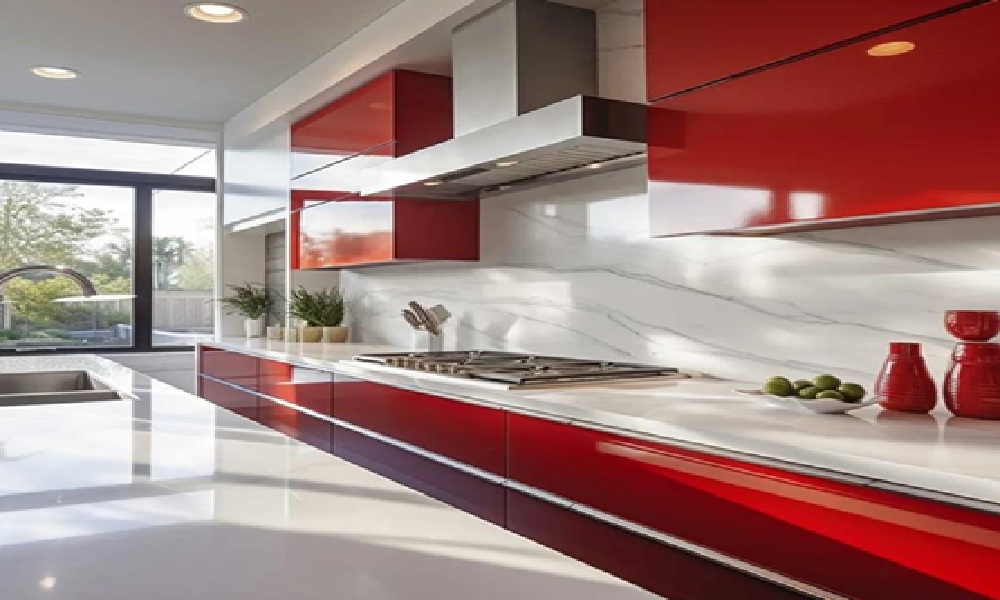
Cabinets are often the focal point of a red kitchen. Glossy red cabinets work well in modern spaces, reflecting light and creating a sleek aesthetic. Matte finishes, on the other hand, lend an understated elegance that fits traditional or rustic styles. Pair red cabinets with white quartz or dark granite countertops for a balanced and cohesive look.

Backsplashes and Walls

A neutral or lightly patterned backsplash can tone down the boldness of red and add visual interest. Subway tiles in white or cream are classic options, while bold patterns with hints of red can tie the design together seamlessly.

Flooring Choices

To ground the vibrant red tones, opt for flooring materials like natural wood or neutral tiles. Light-colored flooring, such as pale wood or beige tiles, can brighten the space and prevent it from feeling too heavy.

Adding Texture

Incorporating textures adds depth to a red kitchen. Use natural materials like stone, wood, or woven textiles to create a layered, multidimensional look. A textured rug or fabric accents can soften the overall aesthetic and make the kitchen feel cozier.

Creating a Cohesive Design

Focal Points

In a red kitchen, less is often more. Make one element the focal point, such as red cabinets, an accent wall, or a striking red kitchen island. This prevents the space from feeling overwhelming and ensures the color remains impactful.

Accents and Accessories

Add subtle red accents throughout the kitchen to tie the look together. Consider red bar stools, dishware, or pendant lights for a cohesive yet understated effect. Metallic finishes, such as chrome, brass, or copper, can complement red tones beautifully and add a touch of elegance.

Consistency in Style

To ensure harmony, align your red kitchen with a specific design theme. For example, pair glossy red cabinets with stainless steel appliances and minimalistic hardware for a modern look, or combine matte red tones with wooden accents for a rustic vibe.

Tips for Adding Red to an Existing Kitchen

Small-Scale Updates

If you’re not ready for a full kitchen remodel, start small. Paint one wall red as an accent or add red accessories like dish towels, utensil holders, or art pieces to inject a splash of color.

Affordable Makeovers

For budget-friendly updates, consider peel-and-stick backsplashes or temporary cabinet wraps in red tones. These options are easy to install and remove, allowing you to experiment without a major commitment.

Layering for Impact

Combine different shades of red in your accessories or décor to create a layered, sophisticated look. For example, pair deep red placemats with lighter red dishware for subtle variation.

Conclusion

A red kitchen is a bold and striking choice that can transform your home into a vibrant, energetic space. By carefully selecting the right shade of red, balancing it with complementary colors, incorporating textures and materials, and creating a cohesive design, you can achieve a kitchen that is both functional and visually stunning. Whether you’re planning a complete remodel or simply adding red accents, these tips will help you create a balanced and stylish red kitchen that reflects your personality.

Ready to embrace the power of red? Start designing your dream kitchen today, and enjoy the warmth, energy, and sophistication this bold color brings to your home.
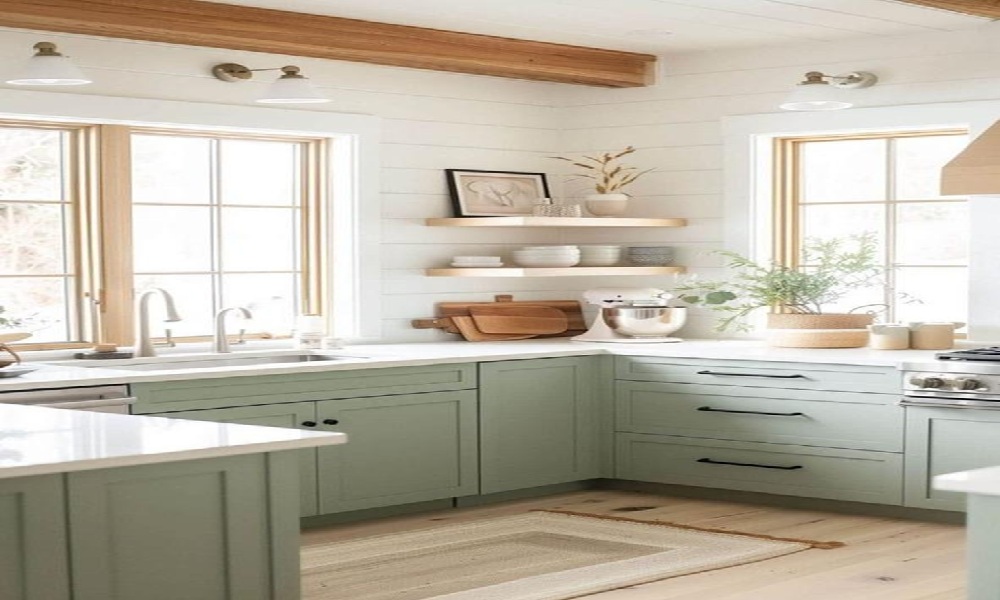
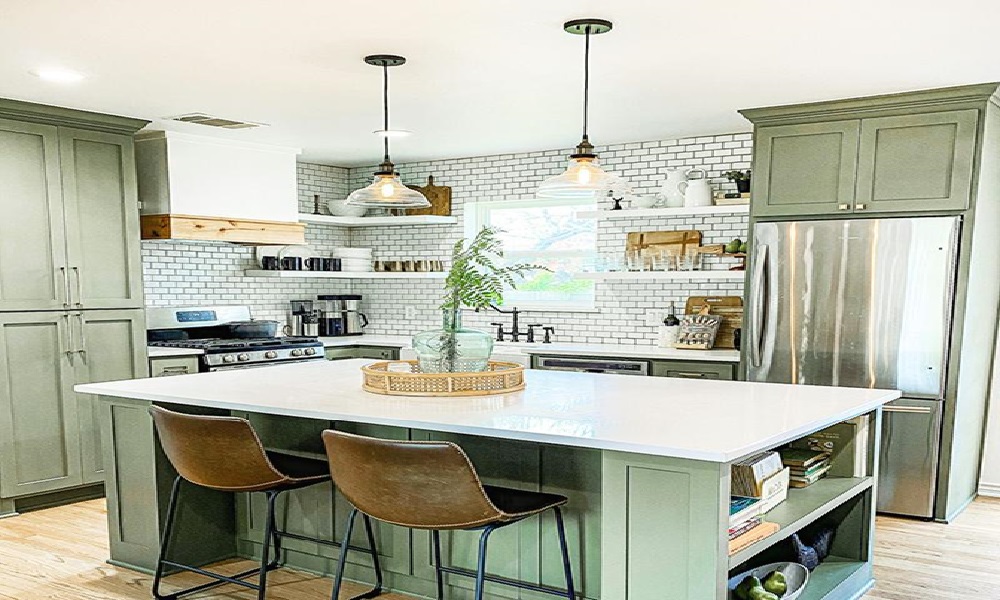
Choosing the right color for your kitchen cabinets can transform the entire look and feel of the space. Light green kitchen cabinets have gained popularity for their ability to add a fresh, calming ambiance without sacrificing style. Whether you’re aiming for a minimalist, modern look or a rustic, farmhouse vibe, light green cabinets can bring your vision to life.

In this article, we’ll dive into the unique appeal of light green kitchen cabinets, explore inspiring design ideas, and provide expert tips for styling your kitchen to perfection.

1. The Appeal of Light Green Kitchen Cabinets

a. A Refreshing and Cheerful Touch

Light green tones introduce a sense of renewal and freshness to your kitchen, evoking the tranquility of nature. Whether you’re starting your morning with a cup of coffee or hosting friends, a kitchen with light green cabinets feels open, inviting, and vibrant.

b. Soft Yet Distinctive

Unlike bold hues, light green offers subtle charm while still standing out. It adds personality to the kitchen without overpowering the space, making it an excellent alternative to neutral shades like white or beige.

c. Versatility with Different Aesthetics

From sleek and modern to warm and rustic, light green kitchen cabinets can be styled to suit a variety of aesthetics. Their adaptable nature makes them a timeless choice for both traditional and contemporary designs.

2. Design Ideas for Light Green Kitchen Cabinets

a. Modern Minimalist Kitchen

For a sleek and modern kitchen, pair light green cabinets with clean lines and minimal décor.

  • Key Elements: Flat-panel cabinets, white quartz countertops, and stainless steel or matte black appliances.
  • Pro Tip: Add a light gray or white backsplash to keep the space feeling bright and airy.

b. Rustic Farmhouse Charm

Incorporating rustic elements can create a cozy, farmhouse-inspired kitchen with a natural, homey vibe.

  • Key Elements: Shaker-style light green cabinets, a farmhouse sink, and open shelving with natural wood accents.
  • Pro Tip: Use butcher block countertops to enhance the rustic appeal and tie in the warmth of natural materials.

c. Vintage-Inspired Kitchen

Light green cabinets can also be a nod to retro style, reminiscent of kitchens from the 1950s and 1960s.

  • Key Elements: Patterned tile backsplashes, brass hardware, and vintage-inspired lighting fixtures.
  • Pro Tip: Add a pop of color with pastel accents or retro kitchen accessories to complete the look.

3. Pairing Colors with Light Green Cabinets

a. Neutral Tones

Neutral colors like white, cream, and beige create a clean, balanced look that enhances the softness of light green.

  • Suggestions:
    • White subway tiles for the backsplash.
    • Beige or light gray walls to complement the cabinets.
    • Creamy white countertops for a seamless, bright finish.

b. Warm Wood Tones

Wood accents add warmth and texture, creating a cozy and inviting kitchen.

  • Suggestions:
    • Install open wooden shelves for a natural touch.
    • Use oak or walnut flooring to ground the space.
    • Incorporate a wooden kitchen island for contrast.

c. Bold Contrasts

For a modern and bold design, pair light green with contrasting hues like charcoal, navy blue, or black.

  • Suggestions:
    • A black or dark gray kitchen island for a dramatic focal point.
    • Matte black hardware for a sleek, contemporary finish.
    • Navy blue accents, such as pendant lights or bar stools, for a playful yet sophisticated touch.

4. Material Choices for Light Green Kitchens

a. Countertops

  • White Quartz: A low-maintenance option that brightens the space and adds a polished touch.
  • Marble: Adds an elegant, timeless appeal with subtle veining that complements the softness of light green.
  • Butcher Block: Brings warmth and rustic charm, perfect for farmhouse-style kitchens.

b. Backsplashes

  • Subway Tiles: A classic choice that keeps the design simple and elegant.
  • Geometric Patterns: Add visual interest with hexagonal or herringbone patterns in neutral tones.
  • Textured Stone: Natural stone backsplashes, such as travertine or limestone, enhance the organic feel of light green cabinets.

c. Flooring

  • Hardwood Flooring: Warm wood tones complement light green cabinets beautifully, creating a natural, earthy palette.
  • Porcelain Tiles: Durable and available in a variety of styles, including wood-look finishes and textured patterns.
  • Patterned Vinyl: For a budget-friendly option, consider vinyl flooring with stylish patterns that add personality to the space.

5. Styling Tips for Light Green Kitchen Cabinets

a. Incorporate Metallic Accents

Metallic finishes, such as brass, gold, or copper, can add a touch of glamour to your kitchen.

  • Brass or gold cabinet handles can bring warmth and elegance.
  • A copper or gold faucet can act as a stunning focal point.

b. Add Greenery

Complement the soft, natural tones of your light green cabinets by adding plants or herbs.

  • Consider hanging planters or potted herbs on your windowsill for a fresh and lively look.
  • Drape a trailing plant like a pothos or philodendron from an open shelf for added texture.

c. Focus on Lighting

The right lighting enhances the soft hues of light green and keeps your kitchen feeling bright and welcoming.

  • Pendant Lights: Hang pendant lights above your kitchen island for focused task lighting and a decorative touch.
  • Under-Cabinet Lighting: Install LED strip lighting under the cabinets to brighten your workspace and highlight the cabinetry color.
  • Warm Bulbs: Opt for warm white light bulbs to complement the softness of the green hue.

6. Maintenance Tips for Light Green Cabinets

To keep your light green cabinets looking pristine:

  • Regular Cleaning: Wipe down cabinets with a microfiber cloth and mild soap to remove grease and fingerprints.
  • Avoid Abrasive Cleaners: Use gentle, non-abrasive cleaners to protect the finish.
  • Seal Wooden Cabinets: If your cabinets are made of wood, consider sealing them to prevent stains and moisture damage.

Conclusion

Light green kitchen cabinets offer a unique combination of tranquility and style, making them an ideal choice for anyone seeking to refresh their kitchen design. Whether you prefer a modern, rustic, or vintage look, light green cabinets can adapt to your vision and elevate the heart of your home.

By pairing them with complementary colors, natural materials, and thoughtful accents, you can create a kitchen that feels both beautiful and functional. Embrace the calming charm of light green and transform your kitchen into a space that inspires joy, creativity, and connection.

When it comes to kitchen design, a few colors offer the blend of versatility, charm, and freshness that green provides. Green kitchen cabinets have gained significant popularity in recent years, and for good reason. This natural, calming color brings a sense of renewal to the heart of your home, creating an environment that feels both inviting and elegant. Whether you opt for soft, subtle sage or bold, dramatic emerald, green kitchen cabinets offer endless possibilities for customization and style.

In this article, we’ll explore the benefits of choosing green kitchen cabinets, how to select the right shade, design considerations, and how to pair your cabinets with the perfect hardware and countertops.

Benefits of Green Kitchen Cabinets

Versatility

One of the key reasons homeowners and designers love green kitchen cabinets is their versatility. Green can be tailored to suit a wide variety of design aesthetics, making it a go-to choice for both traditional and modern kitchens. Whether your kitchen is sleek and contemporary, rustic and farmhouse-inspired, or somewhere in between, green cabinets can complement your overall design effortlessly.

Because green has both warm and cool undertones, it pairs well with a wide range of materials and colors, from natural wood and stone to metals like brass or stainless steel. This makes it an ideal base color that can evolve with changing trends, ensuring that your kitchen will never feel outdated.

Emotional Impact

The psychological effects of color in interior design cannot be overlooked, especially in spaces like the kitchen, where you spend significant time preparing meals, socializing, and entertaining guests. Green is widely associated with nature, growth, and tranquility. Incorporating green kitchen cabinets into your home can foster a calming, refreshing environment—an ideal backdrop for both bustling family dinners and peaceful morning coffees.

In addition, green is a color that promotes balance and harmony, creating a kitchen space that feels serene and welcoming. Whether you choose a light, pastel green or a rich, deep hue, this color can bring a sense of peace and renewal to your kitchen.

Trend-Resistant Appeal

While many colors come in and out of vogue, green has proven to have a timeless quality. Unlike some trendy shades that may look outdated in a few years, green cabinets have a classic appeal that transcends fleeting design fads. This is particularly true for more muted shades like sage, olive, or moss, which have become staples in kitchen design. These softer greens can serve as the perfect neutral backdrop, allowing you to incorporate more daring design elements like bold backsplashes or colorful appliances.

Choosing the Right Shade of Green

Selecting the right shade of green is critical to creating the look and feel you desire in your kitchen. The tone you choose will set the mood and complement the other design elements in your space.

Light Greens

Light greens, such as sage or mint, are excellent choices for kitchens that aim to feel bright, open, and airy. These softer shades can help make smaller kitchens feel larger by reflecting light and creating a spacious atmosphere. Sage green, in particular, has been a favorite among homeowners for its subtle, calming presence. It works beautifully in kitchens with natural wood accents, stone countertops, or white tile backsplashes, offering a serene, organic feel.

Mint green, on the other hand, adds a touch of playful energy to the kitchen while still maintaining its light, refreshing qualities. Paired with brass hardware or vintage-inspired fixtures, mint green cabinets can evoke a retro charm with a modern twist.

Dark Greens

If you’re looking to create a more dramatic, sophisticated kitchen, dark greens like forest green, emerald, or hunter green are bold and elegant choices. These deeper shades are particularly striking in larger kitchens or spaces with ample natural light, where the richness of the color can take center stage without overwhelming the room.

Dark green cabinets pair beautifully with marble or quartz countertops and metallic hardware, creating a luxurious, high-end feel. In more traditional or classic kitchen designs, forest green can evoke a timeless, stately aesthetic, while emerald green works wonderfully in modern kitchens, offering a rich pop of color that feels both fresh and refined.

Design Considerations

Lighting

Lighting plays a significant role in how your green cabinets will appear in your kitchen. Because green is a reflective color, its hue can change depending on the lighting conditions. In rooms with plenty of natural light, lighter shades of green will appear even brighter, enhancing the airy feel of the kitchen. In contrast, artificial lighting can bring out the depth in darker greens, creating a moodier, more intimate atmosphere.

When planning your kitchen, take into account the natural and artificial lighting in the space. If your kitchen lacks natural light, you might opt for a lighter shade of green to keep the room feeling open. Alternatively, if your kitchen has large windows or skylights, deeper greens can add a rich, dramatic flair without making the room feel closed in.

Complementary Colors

Green is an incredibly versatile color that pairs well with many other hues. Depending on the overall aesthetic you want to achieve, you can pair green cabinets with neutral tones or more vibrant accents.

For a soft, understated look, pair green cabinets with neutral colors like white, beige, or gray. These combinations create a calm, cohesive space that feels timeless and elegant. For a more adventurous approach, consider adding bold pops of color with vibrant backsplashes, colorful bar stools, or statement lighting. Rich colors like navy blue, mustard yellow, or terracotta can create a beautiful contrast with the green, adding depth and visual interest to your kitchen.

Pairing Green Cabinets with Hardware and Countertops

Hardware Choices

The right hardware can make or break the overall look of your kitchen cabinets. With green cabinets, you have a wide range of options to complement the design.

  • Traditional Look: For a classic or traditional kitchen, brass or copper hardware adds warmth and enhances the richness of green cabinets. These metal finishes provide an elegant touch that pairs especially well with darker shades of green like forest or emerald. The warm tones of brass or copper create a cohesive, sophisticated feel in the kitchen.
  • Modern Aesthetic: If you prefer a more modern or minimalist kitchen design, matte black or stainless steel hardware can offer a sleek, contemporary look. These cool-toned metals create a striking contrast with green cabinets, particularly in kitchens with clean lines and minimal ornamentation.

Countertop Options

Choosing the right countertop to complement your green kitchen cabinets is essential for creating a balanced, harmonious design.

  • Light-Colored Stone: Marble or quartz countertops in light shades such as white, cream, or light gray work beautifully with green cabinets. The contrast between the dark cabinets and the light countertops can create a visually stunning effect, adding brightness to the space while maintaining a sophisticated feel. The subtle veining of marble or quartz also adds an elegant texture that pairs well with both light and dark green cabinets.
  • Wood: For a more natural, rustic look, butcher block or wood countertops are an excellent choice. The organic texture of wood complements the earthy tones of green cabinets, creating a warm and welcoming kitchen environment. Wood countertops can also add a touch of farmhouse charm to the kitchen, particularly when paired with sage or mint green cabinets.

Eco-Friendly Considerations

For environmentally conscious homeowners, green kitchen cabinets can also refer to sustainability. If you’re looking for eco-friendly options, consider cabinetry made from salvaged or reclaimed wood. These materials not only reduce waste but also add unique character to your kitchen. Additionally, choosing low-VOC (volatile organic compounds) paints and finishes can help ensure that your kitchen remains environmentally friendly without sacrificing style or quality.

Maintenance and Care

Cleaning

Regular cleaning is simple for maintaining the beauty of your green kitchen cabinets. Use a soft cloth and a mild, non-abrasive cleaner to wipe down the cabinets and keep them looking fresh. Avoid using harsh chemicals or abrasive sponges that could damage the finish.

Avoid Moisture Damage

As with any kitchen cabinets, protecting green cabinets from excessive moisture is essential. Spills around the sink and dishwasher should be wiped up immediately to prevent damage, especially for wood or MDF cabinets. Regular care and maintenance will help keep your green cabinets looking beautiful for years to come.

Conclusion

Green kitchen cabinets offer a fresh, versatile, and timeless option for homeowners looking to bring a touch of nature and sophistication into their kitchens. Whether you choose a light, airy shade or a bold, dramatic green, these cabinets can transform your kitchen into an elegant and inviting space. By carefully selecting complementary colors, hardware, and countertops and by considering eco-friendly options, you can create a kitchen that is not only beautiful but also functional and enduring. With green kitchen cabinets, your kitchen will truly become the heart of your home.

There’s something undeniably charming about the look of wood paneling in a home. It adds warmth, texture, and a sense of timeless style to any room. Whether you’re looking to revamp your living room, bedroom, or even your kitchen, installing wood paneling can be an exciting and rewarding DIY project.

In this guide, we’ll walk you through each step to help you achieve that perfect finish, ensuring your installation looks professional and stylish in any space.

1. Choosing the Right Type of Wood Paneling

Before diving into the installation process, it’s essential to choose the right type of wood paneling that suits both your style and needs. There are various options, such as shiplap, beadboard, or raised panels, each bringing its own unique aesthetic to the table. Consider the room’s design, the durability of the wood, and how the material will complement the space, particularly in terms of natural light and color scheme.

2. Gather Your Tools and Materials

Once you’ve settled on the type of paneling, the next step is to gather the necessary tools and materials. Basic items like a measuring tape, level, saw, adhesive, nails, and a hammer are essential. Additionally, having some sanding paper and wood filler on hand will help smooth out any rough edges. Depending on your project’s scale, you may also need paint or stain to finish off your panels.

3. Prepping the Walls

Now that you have your materials, it’s time to prep the walls. Start by measuring the dimensions of the room to ensure that you have enough paneling for the project. Clean the walls thoroughly to remove dust and debris, as this will help the adhesive bond more effectively. If needed, apply a primer coat to ensure a smooth surface and to avoid any potential warping of the wood over time.

While prepping, you might also consider other upgrades to enhance your home’s durability and style. For example, you can find high-quality copper roofing and cladding solutions in Australia to complement your design. These materials not only improve your home’s visual appeal but also offer long-lasting protection, making them ideal for both traditional and modern homes.

4. Cutting and Measuring the Panels

With your walls prepped, it’s time to measure and cut the wood panels. Use a measuring tape to ensure precise dimensions, marking the panels where they need to be cut. A saw will help trim the panels to fit perfectly. If you’re working in a room with uneven walls or unusual shapes, you may need to make additional adjustments. Double-check your measurements to ensure that all panels align correctly and fit snugly against the walls.

5.   Installing the Wood Panels

The installation process starts by applying adhesive to the back of each panel, securing them firmly to the wall. Use nails to fasten them further, ensuring the panels remain stable and well-aligned. Begin from the bottom and work your way up, ensuring that each panel is level before moving to the next. Don’t forget to check the alignment frequently to avoid gaps or crooked installations that may affect the final appearance.

Remember, patience is key here—rushing can lead to misalignment and gaps, which will detract from the final look. Take your time to ensure a seamless finish, giving your project the polished result it deserves.

6. Filling in the Gaps and Finishing Touches

After all the panels are securely in place, the next step is to fill any gaps or cracks with wood filler. Once dry, sand the areas to create a smooth, seamless appearance. You can also choose to apply a coat of paint, stain, or sealant to protect the wood and enhance its natural beauty. Consider using a protective finish that’s appropriate for your chosen wood type and the room’s specific needs.

7. Enjoy Your New Space!

With the wood paneling installed and finished, step back and admire your hard work. The room will feel entirely transformed, with a cozy, rustic vibe that only wood paneling can bring. Not only have you given your home an elegant facelift, but you’ve also boosted its long-term value, making it a worthwhile investment for future improvements and potential resale.

Conclusion

Installing wood paneling in your home is a fantastic way to add character and warmth to any space. So, grab your tools, pick your favorite wood paneling style, and start transforming your home today. Your space will feel more personalized, cozy, and inviting in no time!

The Importance of Choosing the Right Handles

When you’re looking to upgrade your home’s interior, the small details often make the biggest impact. Handles, for example, can completely alter the look and feel of your space. Whether it’s a kitchen renovation, a bedroom makeover, or simply updating your bathroom, the right handles can elevate the aesthetic of any room, providing both function and style.

The Benefits of Premium Handles

Handles are more than just functional pieces—they’re design elements that can set the tone for your entire space. Quality handles come in a variety of styles and finishes, allowing you to match them with your existing decor or create a whole new look. Whether you prefer a modern, sleek design or something more traditional, the right handles can tie your design together seamlessly.

One of the key factors to consider when choosing handles is durability. High-quality handles are designed to withstand frequent use while maintaining their appearance over time. By investing in premium options, you’re not only enhancing the beauty of your home but also ensuring longevity and reliability.

Why Opt for Decor and Decor’s Handles

When selecting handles for your home, it’s crucial to choose a provider known for quality and variety. This is where Decor and Decor stands out. They offer a wide range of handles in different styles and finishes, making it easy to find the perfect match for any room. Handles from Decor and Decor are available in stunning finishes like black, gold, satin copper, and antique brass, catering to various design preferences.

Their collection includes handles suitable for kitchens, bedrooms, and bathrooms, allowing you to maintain a cohesive design throughout your home. The variety of options ensures that you can find handles that not only complement your space but also add a touch of sophistication.

How to Choose the Best Handles for Your Home

Selecting the right handles involves considering several factors, including style, finish, and function. Start by evaluating the overall design of your space—are you aiming for a modern, minimalist look, or do you prefer something more classic? Once you have a clear vision, you can narrow down your choices based on the finishes that best suit your aesthetic.

It’s also important to consider the practicality of the handles. For frequently used areas like kitchens and bathrooms, opt for handles that are not only stylish but also easy to clean and maintain. Handles with smooth finishes and sturdy materials are ideal for these spaces, as they combine elegance with functionality.

Enhancing Your Space with Sliding Door Kits

In addition to handles, sliding door kits can also play a significant role in transforming your space. These kits offer a sleek, modern solution for areas where space is limited or where you want to create a more open feel. Decor and Decor’s sliding door kits are designed for smooth and silent operation, making them an excellent choice for both residential and commercial spaces.

Available in materials like aluminium, stainless steel, and wood, these kits cater to different design needs, whether you’re upgrading a wardrobe, cabinet, or bifold door. Their quality tracks and gears ensure that your sliding doors function flawlessly, adding both style and practicality to your home.

Conclusion

Updating your home’s interior doesn’t always require a complete overhaul. Sometimes, it’s the small changes—like upgrading your handles or installing sliding door kits—that can make the most significant difference. With Decor and Decor’s extensive selection of premium handles and hardware, you can effortlessly enhance the beauty and functionality of your space. Their commitment to quality, variety, and customer satisfaction makes them a top choice for those looking to elevate their home’s design.

By focusing on these details, you not only improve the aesthetics of your space but also add value to your home. Make your selections carefully, and you’ll enjoy the results for years to come.

Many occasions at this point you ask , requested if repair of existing unsuccessful copper gutters is really a factor that’s achievable. This is often, clearly an issue which cannot be clarified until a genuine inspection within the gutters is finished getting an expert. Unless of course obviously clearly the gutter remains broken getting a fallen tree or by an uncaring serviceman, probably the subject gutter may be professionally restored. In situation your copper gutter doesn’t have coatings or asphalt roof cement patchwork, frequently the metal normally could be salvaged. Such as the unknowing repairmen that will destroy perfectly viable material with roof cement, are individuals who provides you with an affordable aluminum gutter and scrap the fantastic copper. It’s a easily buck for almost any gutter man that will put your own interests behind their particular.

Why Metrotile - Benefits of our metal tile roofing systems

Frequently copper gutters remain viable when they’re removed and scrapped for the substitute of recent aluminum product. The price of replacing with like material frequently may be prohibitive for property proprietors from replacing these relics inside our past with like material. The truth is however, many copper gutters may be professionally repaired at an element of the price of total substitute. Retaining the gutters by repairing them may be an option you haven’t considered. This really is frequently because several (destructive) contractors have offered the opinion the gutters need substitute. This really is frequently a mentality frequently observed. It appears that tearing within the old copper and taking it for that scrap yard may be the key to complete nowadays. The truth is normally the repaired copper gutter will probably traverses the brand-new aluminum gutter provided through the (destructive) contractors.

The choice is frequently aluminum generally within the Ogee style, which regularly represents a change not just to the fabric, within the form, therefore robbing the dwelling of several its character. Sometimes thieves steal downspouts simply to have property proprietors switch the missing material with aluminum. There’s a way to keep your copper and lock lower your downspouts, to make certain that the crook is a lot more vulnerable to enable them to be. Heavy brackets may be installed, in many styles and they are likely to deter the thievery in the precious downspouts.

Fall Roofing Checklist: How To Ready Your Roof For Autumn And Winter

New wardrobe wardrobe wardrobe hangers are actually to make certain an positive slope within the repaired gutter. Labor for mending can exceed individuals of investing in awesome product, but material expenses by using this option are nominal. The final outcome result’s a restored gutter wonderful its original aged verdigris and character in the cost that’s reasonable.

When you choose to discard your valuable copper gutters, try giving a scheduled appointment having a copper restoration expert.