Tag

guidelines

Browsing

What Is an Asbestos Removal Claim?

An asbestos removal claim is a formal request made to an insurance company or liable party to cover costs associated with the safe removal and disposal of asbestos-containing materials (ACMs). These claims often arise when asbestos is discovered in a property during renovations, inspections, or after damage caused by natural disasters. Asbestos removal is not just a maintenance task—it’s a health and safety issue. Exposure to asbestos fibers can lead to serious illnesses, making professional removal both necessary and costly. Filing a claim ensures that property owners are not solely burdened with these expenses.

Why Filing a Claim Is Important

Filing an asbestos removal claim is vital for several reasons:

  • Health Protection: Asbestos exposure poses significant health risks, including respiratory diseases and cancer.
  • Financial Relief: Removal and disposal can be expensive, and a claim can help offset these costs.
  • Legal Compliance: In many areas, asbestos must be handled according to strict regulations. Filing a claim ensures you can afford to meet these requirements.

Without filing a claim, property owners may face out-of-pocket expenses that could have been covered under their insurance or by a responsible third party. Additionally, failure to address asbestos issues promptly can lead to legal penalties or further property damage.

Common Scenarios for Filing a Claim

There are various situations where filing an asbestos removal claim becomes necessary. These include:

  1. Renovation Projects: Asbestos is often uncovered during remodeling or demolition work, requiring immediate attention.
  2. Natural Disasters: Events like floods, fires, or earthquakes can disturb asbestos materials, making removal urgent.
  3. Property Sales: Buyers or inspectors may discover asbestos during pre-sale inspections, prompting a need for removal before the transaction proceeds.

In each of these scenarios, filing a claim can help manage the costs and ensure the issue is addressed professionally. For example, asbestos liability may come into play when determining who is responsible for covering the removal expenses. Understanding these circumstances can make the claim process smoother and more effective.

Preparing to File an Asbestos Removal Claim

Reviewing Your Insurance Policy

Before you even think about filing a claim, take the time to closely review your insurance policy. Understanding what your policy covers and excludes can save you from unnecessary surprises. Look for specific mentions of asbestos-related issues and any conditions or exclusions that might apply. If something isn’t clear, don’t hesitate to contact your insurer for clarification. Knowing your rights and the limits of your policy will help you stay prepared if disputes arise.

Documenting the Asbestos Condition

Accurate documentation is a key step in building a strong claim. Start by taking photographs of the asbestos-containing materials (ACMs) in their current state. Make detailed notes about their location, condition, and any potential risks they pose. However, avoid touching or disturbing the materials, as this can increase exposure risks. If possible, include a report from a licensed asbestos inspector. Their expertise can provide a professional assessment, which may strengthen your claim.

Hiring a Licensed Asbestos Inspector

A licensed asbestos inspector plays a crucial role in the process. They can conduct a thorough evaluation of the affected area, identify the type and extent of asbestos present, and provide detailed findings. This report not only helps you understand the scope of the issue but also serves as valuable evidence for your claim. When choosing an inspector, ensure they have the proper certifications and experience in handling asbestos-related cases. Their assessment can also guide you in estimating removal costs and planning the next steps.

Steps to File an Asbestos Removal Claim

Gathering Necessary Documentation

Before filing a claim, it’s important to gather all the evidence related to the asbestos issue. This includes photographs of the affected areas, inspection reports from a licensed asbestos professional, and any written estimates for removal and disposal. Detailed documentation is critical to support your claim and reduce the chances of delays or disputes.

Submitting the Claim to Your Insurer

Once you have all the necessary documentation, submit your claim to your insurance company. Be sure to include every piece of evidence and fill out forms accurately. Timeliness is key—submit your claim as soon as possible to avoid complications. If your policy has specific requirements for asbestos-related claims, make sure to follow them closely.

Following Up on Your Claim

After submission, don’t assume that your claim will process itself. Follow up regularly with your insurer to check on the status. This helps you address any issues early and ensures your claim stays on track. If there are delays, persistent communication can make a big difference in speeding up the process.

Working with Insurance Adjusters

Role of the Claims Adjuster

When filing an asbestos removal claim, the claims adjuster plays a central role in evaluating your case. They assess the extent of the asbestos issue and compare it against your insurance policy to determine coverage. Their main goal is to ensure the claim aligns with the terms of your policy. Adjusters may also coordinate with licensed professionals to evaluate the asbestos condition and recommend remediation steps. In some cases, claims adjusters may also consider worker safety and the type of asbestos present, such as white asbestos, to provide an accurate assessment.

Providing Additional Documentation

To keep the claim process moving smoothly, you’ll likely need to provide extra documentation. This could include inspection reports, receipts for prior asbestos-related expenses, or even lab test results. Adjusters often request this information to validate the claim and determine the scope of coverage. Public adjusters, for instance, may also use material lab tests and expert testimony to strengthen your case. Keeping these documents organized and accessible can save time and reduce back-and-forth communication.

Understanding the Adjuster’s Decision

After reviewing all the evidence, the adjuster will make a decision on your claim. This decision will depend on your policy’s coverage, any exclusions, and the overall findings from their investigation. If the claim is approved, the insurer will outline the next steps, such as payment or remediation plans. However, if your claim is denied, you may need to explore appeals or consult legal experts to challenge the decision. Understanding their rationale can help you determine the best course of action moving forward.

Challenges in Asbestos Removal Claims

Delays in Claim Processing

Filing a claim for asbestos removal often comes with significant delays. This is largely because asbestos-related claims require specialized inspections, detailed documentation, and sometimes even third-party verification. These extra steps can slow down the process considerably. For homeowners, this waiting period can be frustrating, especially if the asbestos poses a health risk. Staying organized and maintaining communication with your insurer can help, but patience is key.

Disputes Over Coverage

Disagreements between policyholders and insurers are common in asbestos claims. Some insurance companies might argue that asbestos-related costs are not covered under the policy, or they may point to exclusions in the fine print. It’s important to review your policy thoroughly and be prepared to advocate for your claim. If disputes arise, consulting a legal expert can provide clarity and support.

Appealing a Denied Claim

A denied claim doesn’t necessarily mean the end of the road. If your insurer rejects your asbestos removal claim, you have the right to file an appeal. Start by understanding the reasons for the denial—whether it’s a lack of documentation, a policy exclusion, or another issue. From there, gather additional evidence, such as inspection reports or expert opinions, to strengthen your case. Persistence can make a big difference when appealing a denial.

Legal Considerations for Asbestos Claims

When to Consult a Legal Expert

Filing an asbestos removal claim can be a daunting process, especially when disputes arise over coverage or liability. Seeking legal advice early can make a significant difference. A legal expert can help you interpret the fine print in your insurance policy, ensuring you understand what is covered and what isn’t. For instance, they can clarify how federal laws like the Toxic Substances Control Act might influence your claim. If your insurer denies coverage, a lawyer can also provide guidance on how to challenge the decision effectively.

Understanding Your Legal Rights

It’s essential to know your rights when dealing with asbestos-related claims. Federal laws, such as those enforced by the EPA, set strict guidelines for asbestos handling and removal. These laws aim to protect public health and provide a basis for legal action if safety standards are violated. If you believe your insurer is acting in bad faith—like delaying your claim without valid reasons or undervaluing the costs—you have the right to take legal action. Understanding asbestos regulations can empower you to stand firm during disputes.

Filing an Appeal Against Denial

If your asbestos claim is denied, don’t lose hope. Many claims are initially rejected due to insufficient documentation or misinterpretation of policy terms. Start by requesting a detailed explanation for the denial. Then, gather additional evidence to support your case, such as expert reports or cost estimates for asbestos removal. Filing an appeal involves submitting this new information to your insurer along with a formal request for reconsideration. If the appeal fails, you may need to escalate the matter through legal avenues. A lawyer experienced in asbestos-related lung cancer claims can guide you through this process, ensuring your case is presented effectively.

Costs Associated with Asbestos Removal

Estimating Removal Costs

The cost of asbestos removal can vary widely depending on the size of the property, the extent of contamination, and the method used. On average, homeowners spend around $2,212 for asbestos removal, with most projects ranging between $1,191 and $3,256. Larger or more complex jobs, such as those in commercial buildings, can escalate costs to tens of thousands of dollars. For example, encapsulating asbestos—a process where materials are sealed with a protective barrier—can sometimes be a more affordable alternative to full removal. However, this option may not always be viable depending on the condition of the asbestos.

Insurance Coverage for Removal

Many homeowners’ insurance policies provide some level of coverage for asbestos removal, but it’s often limited to specific circumstances, such as damage caused by covered perils like fire or water. Understanding your policy’s terms is crucial. Policies may exclude asbestos abatement unless it’s directly tied to an insured event. It’s recommended to consult your insurer to clarify what is covered and whether additional riders or endorsements are necessary to extend coverage.

Out-of-Pocket Expenses

Even with insurance, homeowners should expect to cover some costs themselves. These might include:

  • Initial inspections and testing, which can cost several hundred dollars.
  • Hiring licensed asbestos abatement professionals, as DIY removal is not only unsafe but also illegal in many areas.
  • Disposal fees for hazardous materials, which vary depending on local regulations.

Planning ahead and obtaining multiple quotes from certified contractors can help manage these expenses effectively. For an overview of typical costs, asbestos removal costs highlight average ranges and factors influencing the total price.

Tips for a Successful Asbestos Removal Claim

Keeping Detailed Records

One of the most important steps in filing a successful asbestos removal claim is maintaining thorough documentation. Every interaction and piece of evidence matters. Keep a log of all communications with your insurance provider, including phone calls, emails, and any written correspondence. Save receipts, photographs, and reports related to asbestos inspections and removal. This level of detail can be invaluable if disputes arise or if your claim needs further review.

Communicating Effectively with Insurers

Clear and timely communication with your insurance company can make a significant difference in how your claim progresses. When submitting your claim, ensure all required forms are fully completed and supported by accurate documentation, such as inspection reports and cost estimates. If you don’t hear back within a reasonable time, don’t hesitate to follow up. Staying proactive helps address potential issues quickly and keeps your claim moving forward.

Avoiding Common Mistakes

Mistakes during the claims process can lead to delays or even denials. Avoid these pitfalls by:

  • Never attempting asbestos removal yourself; always rely on licensed professionals.
  • Thoroughly reviewing your insurance policy to understand what is covered and any exclusions.
  • Ensuring all forms and documentation are complete and accurate before submission.

By following these tips, you can improve your chances of a smooth and successful asbestos removal claim process.

Post-Claim Steps and Responsibilities

Reviewing the Settlement Offer

Once your insurance company has processed your asbestos removal claim, they will present a settlement offer. It’s important to take your time and carefully evaluate this offer. Ensure that it not only covers the removal costs but also includes safe disposal and any additional expenses incurred. Don’t rush into accepting the first proposal—if something seems off or incomplete, you have the right to question it.

Ensuring Proper Asbestos Disposal

Even after the claim has been settled, the work isn’t over. Proper asbestos disposal is a critical responsibility. Make sure the removal team follows all local regulations for handling and disposing of asbestos. This step is not just about compliance; it’s about protecting your health and the environment. Keep any documentation related to disposal for your records—it could be useful in case of future disputes.

Closing the Claim Process

After all the work is completed and payments are settled, your claim will be officially closed. This is a good time to double-check that all aspects of the claim were addressed and that you’ve received the compensation agreed upon. If you notice any discrepancies or unresolved issues, bring them up immediately before the claim is finalized. A closed claim means the insurance company considers the matter resolved, so make sure everything is in order before this happens.

The Role of Licensed Asbestos Professionals

Why Professional Assessment Is Crucial

When it comes to asbestos, guessing is not an option. Licensed asbestos professionals are trained to assess and manage asbestos risks effectively. They conduct thorough inspections, identify asbestos-containing materials, and determine the safest course of action. Their expertise ensures that asbestos is handled without jeopardizing anyone’s health.

How to Choose a Qualified Expert

Selecting the right asbestos professional can feel overwhelming, but it doesn’t have to be. Start by verifying their certifications and checking for compliance with local and federal regulations, such as those outlined by OSHA or the EPA asbestos site. Here are some tips to guide your choice:

  • Confirm they hold valid licenses for asbestos abatement.
  • Ask about their experience with similar projects.
  • Ensure they follow strict safety protocols, including containment and disposal methods.

Understanding Their Role in the Claim

Licensed asbestos professionals play a key role in insurance claims. From providing detailed inspection reports to assisting with documentation, they help streamline the claim process. Their involvement can:

  • Strengthen your claim by offering credible evidence of asbestos hazards.
  • Ensure that removal procedures meet insurance requirements.
  • Support you in meeting legal and safety standards during abatement.

By involving licensed professionals, you not only safeguard health but also improve your chances of a successful claim.

Understanding Insurance Policy Exclusions

Common Exclusions in Asbestos Claims

Insurance policies often have specific exclusions, and asbestos removal is no exception. Most home insurance policies exclude coverage for pollution or contamination unless it results from a covered event. For example, if a flood damages asbestos-containing materials (ACMs), the removal might be covered because it’s tied to the flood damage. However, routine wear and tear or accidental damage caused by contractors is typically not included. Understanding these exclusions is critical to avoid unexpected expenses.

Here are some common reasons why asbestos-related claims might be denied:

  • Aging-related wear and tear.
  • Damage caused by pets or pests.
  • Intentional or negligent damage.
  • Events like earthquakes or nuclear incidents.

Always review your policy carefully to know what’s covered and what isn’t.

How Exclusions Impact Your Claim

Exclusions can significantly affect whether your insurer will pay for asbestos removal. If asbestos damage occurs due to an event not listed in your policy, you may have to cover the costs out of pocket. For instance, if a contractor accidentally disturbs asbestos while renovating, your insurance likely won’t help. On the other hand, if the damage stems from a covered event like a fire, the insurer may approve the claim.

To better understand your coverage, consider these steps:

  1. Check your policy for specific asbestos-related terms.
  2. Speak directly with your insurer to clarify coverage.
  3. Document any damage thoroughly, especially if it relates to a covered event.

Negotiating Policy Terms

When exclusions seem too restrictive, it may be worth discussing your policy with your insurance provider. Some insurers offer additional endorsements or riders to cover asbestos removal under certain conditions. While this might increase your premium, it provides extra assurance in case of unforeseen damage.

If you’re currently reviewing your home insurance, keep in mind that policy exclusions for asbestos removal are common. Knowing these limitations upfront can help you make informed decisions about supplemental coverage or alternative solutions.

References

Mesothelioma Fund

Dolman Law

Gori Law

Tor Hoerman Law

Lung Cancer Group

Robert King Mesothelioma Law Services

Simmons Hanly Conroy

Mesothelioma Help

Weitz and Luxenberg

Mesothelioma.Net

Mesothelioma Guide

Mesothelioma Hope

Mesothelioma Hub

Mesothelioma Lawyer Center

Lanier Law Firm

If you’re looking to create a quiet home office, a peaceful bedroom, or a dedicated space for music or movies, soundproofing a room in your home can make a world of difference. While professional soundproofing can be costly, there are plenty of DIY methods that are effective and affordable.

This step-by-step guide will walk you through the process of room soundproofing, helping you to achieve a quieter, more comfortable environment.

Step 1: Identify the Sources of Noise

Before you start soundproofing, it’s essential to identify the sources of noise and how they enter the room. Common noise sources include:

  • External Noise: Traffic, neighbours, construction, or other outdoor activities.
  • Internal Noise: Noise from other rooms in the house, such as footsteps, conversations, or appliances.

Determine whether the noise is coming through walls, floors, ceilings, windows, or doors, as this will guide you in selecting the appropriate soundproofing methods.

Step 2: Seal Gaps and Cracks

One of the most straightforward and cost-effective ways to soundproof a room is to seal gaps and cracks where sound can leak through. These gaps are often found around doors, windows, and electrical outlets.

Materials Needed: Acoustic caulk, weatherstripping, door sweeps, outlet sealers.

  • How to Do It:
    • Windows: Apply weatherstripping around the edges of windows to seal gaps.
    • Doors: Install a door sweep at the bottom of the door and use weatherstripping around the frame.
    • Outlets and Light Switches: Use outlet sealers to prevent sound from passing through electrical outlets and light switches.
    • Walls and Baseboards: Apply acoustic caulk to seal any gaps or cracks in walls, baseboards, and around the edges of the room.

Step 3: Add Mass to the Walls

Sound travels through vibrations, so adding mass to your walls can help to block and absorb these vibrations, reducing noise transmission. There are several ways to add mass to your walls:

Materials Needed: Mass Loaded Vinyl (MLV), drywall, acoustic panels.

  • How to Do It:
    • Mass Loaded Vinyl (MLV): Install MLV on the walls to add density. It can be attached directly to the existing walls or sandwiched between layers of drywall.
    • Double Drywall: Consider adding an additional layer of drywall to your walls for improved soundproofing. For even better results, apply a damping compound like Green Glue between the layers. This will help absorb and reduce sound transmission more effectively.
    • Acoustic Panels: Install acoustic panels on the walls to absorb sound and reduce echo. These panels are particularly effective in rooms where sound quality is important, such as home theatres or recording studios.

Step 4: Insulate the Walls and Ceiling

Insulation plays a role in room soundproofing by absorbing sound within the walls and ceiling cavities. Proper insulation can significantly reduce noise transmission between rooms.

Materials Needed: Fibreglass insulation, mineral wool, resilient channels.

  • How to Do It:
    • Fibreglass Insulation: If your walls are accessible, such as during a renovation, install fibreglass insulation in the wall cavities. This will help absorb sound and reduce noise transfer.
    • Mineral Wool: For enhanced soundproofing, consider using mineral wool insulation, which is denser and more effective at sound absorption than standard fibreglass.
    • Resilient Channels: Install resilient channels on the ceiling or walls before adding drywall. These metal channels create a gap between the drywall and the framing, which helps to decouple the surfaces and reduce sound transmission.

Step 5: Soundproof the Floor

Soundproofing the floor is especially important if you’re dealing with impact noise, such as footsteps or moving furniture. Adding a layer of soundproofing under your flooring can make a significant difference.

Materials Needed: Soundproof underlayment, carpets or rugs, floor mats.

  • How to Do It:
    • Soundproof Underlayment: If you’re installing new flooring, use a soundproof underlayment beneath it. Cork, rubber, or foam underlayment materials are effective at reducing impact noise.
    • Carpets and Rugs: Adding thick carpets or rugs can help absorb sound and reduce noise transmission, particularly in rooms with hard flooring like tile or wood.
    • Floor Mats: In high-traffic areas, consider placing floor mats to further reduce impact noise.

Step 6: Soundproof the Windows

Windows are one of the weakest points in a room when it comes to soundproofing, as they can easily allow external noise to enter. There are several methods to soundproof your windows:

Materials Needed: Soundproof curtains, window inserts, double glazing.

  • How to Do It:
    • Soundproof Curtains: Hang thick, heavy soundproof curtains over your windows. These curtains are designed to absorb sound and block noise from outside.
    • Window Inserts: Install window inserts, which are clear acrylic or glass panels that fit inside your existing window frames. These inserts create an additional barrier against noise.
    • Double Glazing: If possible, upgrade to double-glazed windows. The extra layer of glass and the air gap between the panes provide better insulation against sound.

Step 7: Address the Ceiling

If noise from above is an issue, soundproofing the ceiling can help reduce it. This is particularly important in multi-storey homes or apartments.

Materials Needed: Acoustic ceiling tiles, drop ceiling, resilient channels.

  • How to Do It:
    • Acoustic Ceiling Tiles: Install acoustic ceiling tiles to absorb sound and reduce noise from above. These tiles are often used in office spaces but can also be effective in homes.
    • Drop Ceiling: Consider installing a drop ceiling with soundproof tiles. This creates a gap between the original ceiling and the new ceiling, which helps to reduce sound transmission.
    • Resilient Channels: As with walls, resilient channels can be installed on the ceiling before adding drywall to decouple the ceiling from the framing, reducing noise transmission.

Step 8: Use Furniture and Decor for Sound Absorption

Your choice of furniture and decor can also contribute to soundproofing by absorbing sound and reducing echoes in the room.

Materials Needed: Bookshelves, heavy curtains, wall hangings, cushions.

  • How to Do It:
    • Bookshelves: Place bookshelves filled with books against shared walls. The mass of the books and shelves can help block and absorb sound.
    • Heavy Curtains: In addition to soundproof curtains for windows, consider using heavy drapes or curtains on walls or as room dividers to absorb sound.
    • Wall Hangings: Hang tapestries, fabric panels, or even thick canvas artwork on the walls to absorb sound.
    • Cushions and Upholstered Furniture: Use cushions and upholstered furniture to absorb sound and reduce noise within the room.

Step 9: Test and Adjust

Once you’ve implemented your soundproofing measures, spend some time testing the results. Sit quietly in the room and listen for any remaining noise that may be coming through. Walk around to identify any areas where soundproofing could be improved.

  • Check for Noise Leaks: Pay attention to any remaining noise leaks, such as through doors, windows, or small gaps.
  • Adjustments: If necessary, add more soundproofing materials, such as additional weatherstripping, more acoustic panels, or thicker curtains.
  • Test with Sound: Play music or noise in adjacent rooms or outside to test how well the soundproofing works.

Conclusion

Soundproofing a room in your home doesn’t have to be a daunting or expensive task. Following these step-by-step guidelines and using affordable materials, you can effectively reduce noise and create a more peaceful environment.

If you’re working on a home office, a bedroom, or a home theatre, the right combination of soundproofing techniques will help you achieve the quiet, comfortable space you desire. With careful planning and attention to detail, you can enjoy the benefits of a soundproofed room without breaking the bank.

Choosing the right forged fittings manufacturer is an important decision for your whole operation; this can be your piping system or any other industrial project. Forged fittings, which are essential components that join pipes, valves and other equipment in industries as diverse as oil and gas, petrochemicals, power generation, etc. It is one of the significant factors for completing your project, so you must be very careful while doing it at selection time. In this post, we will discuss the critical success factors needed to evaluate forged fittings manufacturers.

  • Quality and Certification Standards

The forged fittings manufacturer should follow the certified standards and quality, which will give your firm a good image. The rest have to follow procedures that are recognised internationally, like ASTM, ASME, or international organisation of standardisation (ISO) standards. These certifications will ensure that the fittings conform to material composition and mechanical properties and, more importantly, are fabricated following size-specific industrial standards. Manufacturers who follow specific quality control norms and get guidelines from independent third-party audits can certify that their products are consistently reliable, top-notch goods.

  • Material Selection and Traceability

Materials used and quality of forged fittings, when you are in search of a reliable valve manufacturer, you can still count on the manufacturer that will certainly supply different variations of materials, including stainless steel for steel metal fabrication, carbon steel or alloy steels, with other unique materials most suitable according to requirements. It also applies to the traceability of these materials. A great manufacturer will have top-notch documentation about the suppliers of materials, how they were processed and whether or not you are meeting your local standards. Traceability must be ensured to ensure the integrity of their fitting and any problems that could arise with this equipment during its life on the field.

  • Manufacturing Capabilities and Technology

This process was carried out under advanced manufacturing capabilities and with state-of-the-art technology from test indicators to manufacture perfectly forged fittings accordingly. Look at their modern processing facilities and see if they have updated forging equipment, do heat treatment on-site, and offer CNC machining services to deliver accurate parts. Technology such as Computer Numerical Control (CNC) machining and automated inspection systems manufacture fittings that provide consistent, precise measurements. The company should be able to create such limited modifications that may make them particularly so, in addition to producing custom fittings that would be ideal for every specific situation, usually very well, just since they are consistently precise when most needed.

  • Experience and Expertise

When selecting a forged fittings manufacturer, you must consider their experience in this sector. Their experience with the vendors who have done stuff will probably have a bump or two and get better due to more obstacles. Their process would be polished based on their failures over time. A professional brand would have lent sophistication to their combined experience and weighed them to ensure that forged fittings last long enough in natural elements. A trend check with the eye nuts manufacturer and eye bolts manufacturer, client testimonials and case studies can even give you an idea of their experience manufacturing forged fittings for similar applications.

  • Product Range and Customisation

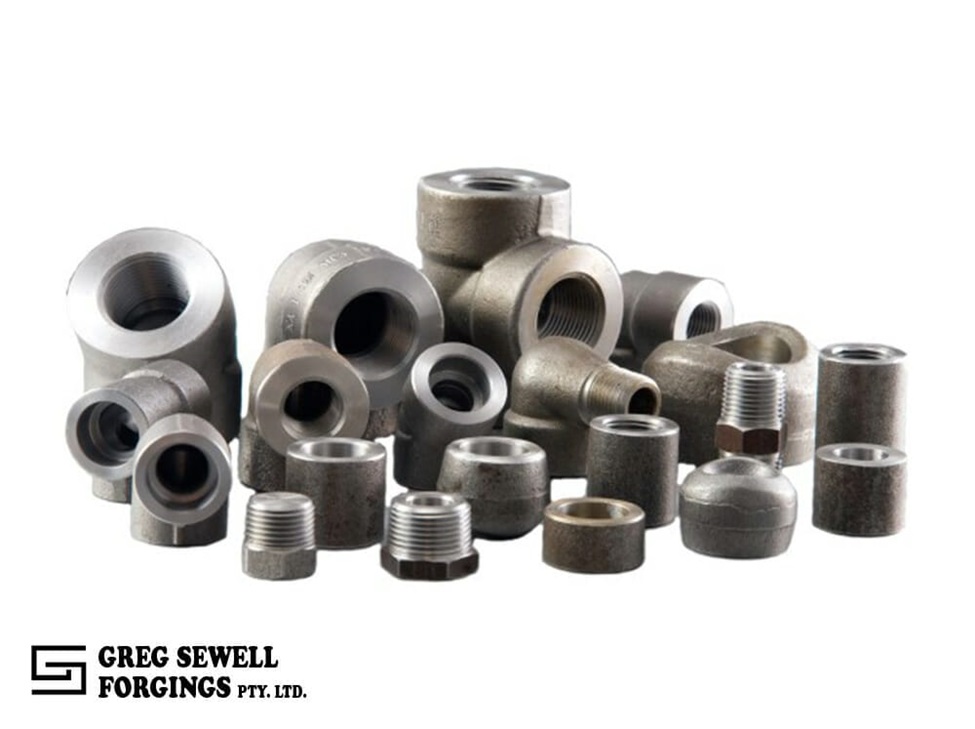
This indicates the manufacturer’s ability to satisfy any site-specific requirements. Does the manufacturer offer a full suite of forged fittings, such as elbows, tees, couplings, reducers, and caps, in sizes and pressure ratings? It is also necessary that they fulfil the performance criteria, which may include specific material grades, dimensions, or surface treatments, and be able to properly integrate our fittings with an existing design.  

  • Technical Support and Customer Service

The forged fittings manufacturer should offer good technical support and prompt customer service. When the fittings being utilised are required to meet specific guidelines, your manufacturer must be able to support you with design selection and technical assistance during installation—responsive customer support to assess whether we are on the same page regarding delivery throughout the project. A market need exists for companies with a high commitment to customer care and demonstrated support relationships.

  • Lead Times and Delivery Reliability

Projects also need to work on schedules; delivering everything at the right time is one of the least costly ways to maintain a schedule. A dependable supplier offers fittings as well, since they have the most appropriate production scheduling and logistics in place to produce fittings. They do this by assessing the manufacturer, manufacturing lead time, and delivery performance history. You may also want to examine their ability or another effort by them when they organise an urgent order of yours, and it is most probably crucial for you because of the short demand for your project.

  • Cost and Value

Price is the most important factor, but only some things, whenever you choose a forged fittings manufacturer based only on cost criteria. It should include the complete package, from the quality of form setup to technical support, tailor-made options, and delivery reliability. While it may cost a little more upfront, forged fittings demonstrate substantial performance enhancement over the life of your operation, which means radically reduced maintenance costs. Consider the total cost of ownership, not just the purchase price

  • Compliance with Environmental and Safety Standards

In a constantly changing world, ensuring safety and environmental compliance is more vital than ever in the manufacturing industry. Therefore, you should opt for a forged fittings manufacturer that complies with all environment-related regulations and does not harm the earth. Ensure the manufacturer follows stringent safety procedures (not to endanger the lives of their staff or spoil anyone researching how forged fittings are manufactured and coupled). Full compliance with environmental and safety regulations is a testament to the manufacturer´s credibility regarding socially responsible activities.

Conclusion

Selecting the right forged fittings, stainless steel fittings manufacturer is crucial, which will reflect your project quality and productivity. As the forged fittings have such an important role to play in your plumbing system, you will require a detailed analysis of who is manufacturing them at present as far as quality standards are concerned so that when material selection for manufacture comes under consideration or experience, you will know which one-stop shop you should choose from. Placing such critical elements in the right place will help you build a successful partnership with your manufacturer and find one that contributes at all stages of making success for projects.


Homeowners seeking effective pest control services can find cost-effective options tailored to their needs. These services include preventative measures and treatment strategies that address pest issues efficiently while fitting within budget constraints.

Introduction to Affordable Pest Control

Many homeowners need help with maintaining a pest-free environment without incurring high costs. In addition to being an annoyance, pests may cause harm to property and even pose health hazards. Fortunately, there are cost-effective strategies to manage pest problems efficiently. One practical and economical solution is opting for mosquito control in Collegeville, PA. Selecting the best pest control option from the variety available may save homeowners a lot of money and guarantee successful results. With careful planning and informed decisions, pest control doesn’t have to break the bank.

Common Pest Control Methods

Homeowners exploring Mosquito control near me have several pest control methods, each with benefits and associated costs. Here are some popular approaches:

  • Chemical Treatments: This method involves using chemical pesticides to quickly and effectively eliminate pests. These treatments often provide fast results but may require a professional application and can have environmental impacts.
  • Biological Control: This technique uses natural predators or parasites to control pest populations. For example, we are introducing ladybugs to control aphid populations in the garden. While this method is environmentally friendly, it can take longer to see results and may only be suitable for some pests.
  • Mechanical Control: Physical methods such as traps, barriers, and mechanical devices prevent pests from entering or staying in the home. This approach can be efficient for certain pests and often involves a lower initial cost.
  • Integrated Pest Management (IPM): IPM integrates various techniques, including chemical, mechanical, and biological procedures, to manage pests in a way that is both economically and environmentally viable. It offers a balanced approach focusing on long-term prevention and minimal pesticide use.

Identifying the Right Method for Your Home

Choosing the proper pest control method for your home is crucial, as only some methods suit some situations. To determine the best approach, consider the following steps:

  1. Assessing the Type of Pests: Different pests require different control methods. Identify the specific pests causing problems in your home. This step is essential in choosing the most effective treatment.
  2. Evaluating the Infestation Level: Determine the severity of the pest problem. Minor infestations might be managed with DIY methods, whereas larger infestations may require professional intervention.
  3. Considering Health and Environmental Impacts: Some pest control methods, particularly chemical treatments, can have health and environmental repercussions. Consider strategies that are safe for your family and the environment.

DIY vs. Professional Pest Control

Homeowners often debate whether to handle pest issues themselves or hire professionals. Each option has its benefits and drawbacks. Key considerations include:

  • Cost Comparisons: DIY pest control methods can be cheaper upfront because you only pay for the necessary products. However, multiple applications may be required, increasing the total cost over time. Professional services typically cost more initially but offer more comprehensive and lasting results.
  • Effectiveness and Safety: Professionals have the expertise, experience, and equipment to handle pest issues safely and effectively. DIY methods may only sometimes be as effective, especially for large infestations, and they can sometimes pose safety risks if not used correctly.
  • Long-term vs. Short-term Solutions: Professional pest control services often provide longer-lasting solutions. They usually include follow-up treatments and monitoring to ensure the problem is fully resolved. While doing it yourself could give a temporary solution, it might not deal with the infestation’s underlying cause.

Cost Comparisons of Various Pest Control Services

Depending on the kind of service required and the extent of the pest issue, the price of pest control services might vary significantly. Here’s a detailed comparison to help homeowners make informed decisions:

  • Chemical Treatments: These treatments typically cost between $200 and $500, depending on the home’s size and the infestation’s severity. While effective, they may require multiple applications.
  • Biological Control: Biological control costs vary widely based on the type of natural predators used and the extent of the application. For example, purchasing ladybugs to control garden pests may cost around $30, whereas more comprehensive biological control programs can cost more.
  • Mechanical Control: Mechanical solutions generally cost less, approximately $50 to $150 for traps and barriers. This method may be successful for certain pests and frequently has cheaper long-term expenses.
  • Integrated Pest Management (IPM): Although IPM may have higher initial costs, it offers long-term savings by reducing pesticide use and improving overall pest management effectiveness. Over time, the ongoing costs can decrease as pest populations are controlled and maintained at low levels.

For more comprehensive advice on selecting pest control services, consult the Environmental Protection Agency (EPA), which offers valuable tips and guidelines.

Preventive Measures for Long-term Savings

Maintaining a pest-free home requires consistent preventive measures. Here are some essential tips for long-term savings:

  • Regular Inspection and Maintenance: Check your house for pest entrance spots. Regular upkeep can prevent small problems from growing into large ones.
  • Proper Waste Management and Sanitation: Clean your home and dispose of waste properly. Food leftovers and trash are common attractants for pests, so keeping things clean can help minimize these attractants.
  • Sealing Entry Points and Using Barriers: Seal cracks and crevices in walls, doors, and windows to prevent pests from entering. Practical barriers, such as mesh screens, can also be installed.

For additional guidance on pest control practices, resources like Pest Control Technology (PCT) provide expert advice and best practices.

Conclusion: Achieving Cost-Effective Pest Control

Implementing the right pest control strategies can be affordable and effective. Homeowners should evaluate their unique demands and, if necessary, seek expert counsel. Combining methods and taking preventive measures allows you to achieve a pest-free home without overspending. Recall that controlling expenses and preserving a cozy, secure living environment require initiative and well-informed decision-making.


When transferring to a new town like Melbourne, it is essential to ensure that massive household equipment is accurately disconnected and secured. Start by referring to the appliance manuals for detailed disconnection guidelines. Turn off the power supply and unplug each device. Drain any remaining water for appliances like washing machines and secure the drum. Use manufacturer-approved transit bolts if available. 

Refrigerators should be defrosted and all shelves stabilised. Appliances should be wrapped in protective blankets to prevent scratches and ensure they are safely positioned for transport. This thorough preparation and the expertise of a moving company in Melbourne can help prevent damage during the relocation.

  • Consult the Owner’s Manuals

The most crucial initial step is to look at the manual for any disconnection of any more significant appliance. These manuals are essential because they disconnection based on the model type and the appliance’s make. 

This way, you will follow the procedures outlined by the manufacturers and avoid mistakes that could cause damage or pose a risk to the individuals involved. 

Similarly, most manufacturers provide digital versions on their websites if you lose the physical manuals.

  • Power Down Safely

It’s also important not to unplug the appliance while it’s hot; always ensure the power cord is inactive before removing the plug. This can be achieved by pulling the appliance plug from the outlet and switching off the circuit or section the appliance is connected to. 

Also, disconnect the circuit breakers to avoid hazardous electrical shocks when handling large, complex appliances such as refrigerators or dryers.

  • Secure Moving Parts

Appliances such as washing machines and dryers have internal moving parts that must be secured before moving. Failure to ensure these parts can cause significant damage during transit. 

For instance, a washing machine’s drum should be fixed using transit bolts, which are often included in the appliance. This prevents the drum from moving and absorbing excessive shock while being transported.

  • Thorough Cleaning and Drying

Ensure all appliances are cleaned and leave them to dry in the house before you move. It is really advisable to clean the bathroom and other wet areas, wash the interior part of the refrigerator, and all the surfaces of different household appliances; for example, the TV screen must be cleaned to avoid the appearance of mould and other fungus. 

Also, washing any residues from ovens and dishwashers will help eradicate smells associated with spoilt foods and unsanitary conditions conducive to pests’ breeding.

  • Utilise Appropriate Tools

Having the right gear on hand is crucial while disconnecting home equipment. A set of primary gear, which includes wrenches, screwdrivers, and pliers, will assist you in successfully removing hoses, bolts, and fittings. Ensure you have these gears available to avoid delays during the disconnection technique.

  • Labelling and Storage of Components

When you disconnect any cords or components, label them clearly to facilitate easy reassembly at your new home. It’s helpful to take photographs before you start disassembling anything; these can serve as a reference when reconnecting appliances. Securely tape all cords and small parts to the respective appliances or store them in a marked bag to prevent loss.

  • Special Considerations for Gas Appliances

Turning off gas appliances like ranges, ovens, and cooktops slightly differs from turning off electric appliances. Given the inherent risks of gas connections, having someone with the necessary expertise handle the disconnection is safer. 

Alternatively, the skilled personnel of a house moving company in Melbourne, who are already experienced in such tasks, can also safely undertake this. 

This way, it is possible to check if the gas line is adequately capped to prevent leaks that pose dangerous risks during the moving process.

  • Water Connection Considerations

With large appliances like dishwashers and washing machines, stopping the water inlet before eliminating all hoses is necessary. Ensure you use this hose after disconnecting it so that water does not spill throughout the flow. These components should be securely taped to the appliance to avoid being misplaced.

  • Floor and Appliance Protection

When you try to move a relatively large and bulky appliance, the likelihood of straining the appliance and the floor on which you operate is relatively high. Another scenario where you can apply moving blankets or towels is to use them to cover appliances to avoid scratching or even denting them. Put cardboard or heavy-duty fabric on your floor along the central corridor to prevent scratching your floors when moving the appliances out of the house.

  • Seek Assistance

Enormous home equipment could not only be heavier but also cumbersome and, consequently, cannot be easily maneuvered. An excellent rule of thumb is to only circulate massive objects with assistance, whether from friends or an employed shifting enterprise, as these items can be bulky and difficult to handle around doorways all the way into the shifting truck.

The support of manpower reduces physical strain when carrying heavy loads. It helps prevent situations where the load might accidentally drop or slip, potentially causing damage to the appliance or property.

Final Thoughts

It is equally important to take enough time to prepare and disconnect your appliances for the move so that they reach your new home in Melbourne in the same state as when they were moved out. If you are still determining, especially in large installations, it may be advisable to seek the assistance of professionals. 

Professional shifting companies focusing on equipment transfer can help customers cope with logistical and specialised tasks, including moving large and fragile equipment. 

By following those distinctive steps, you’ll be well-equipped to address the demanding situations of shifting massive home equipment thoroughly and efficaciously.


Classic stone-coated metal roof tiles have become a popular option for roofing solutions among builders, architects, and homeowners. These roof tiles, which blend practicality, style, and longevity, provide unmatched advantages that suit a range of climates and architectural styles. Being one of the top suppliers of traditional stone-coated metal roof tiles, we are committed to offering premium goods that satisfy the highest requirements for quality.

Introduction to Stone Coated Metal Roof Tiles

Stone-coated metal roof tiles are made by first coating a metal base—usually galvanized steel—with a layer of crushed stone. This creative blend combines the durability and strength of metal roofing with the classic, eye-catching appearance of stone tiles. The end product is a roofing material that is not only strong and resistant to weather, but also eye-catching.

Benefits of Stone Coated Metal Roof Tiles

  1. Durability and Longevity

The extraordinary longevity of stone coated metal roof tiles is one of their biggest benefits. An extremely sturdy base that can endure severe weather, such as torrential rain, powerful winds, and even hail, is provided by the galvanized steel core. The stone coating provides an additional layer of defense, guaranteeing the roof tiles’ structural integrity and long-term usefulness.

  1. Aesthetic Appeal

Stone-coated metal roof tiles are a flexible option for any architectural design because they are available in an array of hues and designs. There is a stone-coated metal roof tile to suit your aesthetic tastes, whether you like the sleek appearance of modern tiles, the rustic beauty of wood shakes, or the traditional clay look.

  1. Lightweight

Stone-coated metal roof tiles weigh a lot less than conventional roofing materials like concrete or clay tiles. They are the best option for both new construction and roof renovations because this lessens the strain on the building structure.

  1. Energy Efficiency

Building energy efficiency can be improved by combining the insulating layer of stone chips with the reflecting qualities of metal. By lowering heat absorption, stone-coated metal roof tiles can lower summertime interior temperatures and cut down on energy use for air conditioning.

  1. Low Maintenance

Stone coated metal roof tiles require minimal maintenance. Their robust construction ensures that they do not crack, warp, or rot, unlike some traditional roofing materials. Regular inspections and basic upkeep are sufficient to maintain their appearance and functionality.

Choosing the Right Supplier

When it comes to selecting a supplier for classic stone coated metal roof tile supplier, several factors must be considered to ensure you receive the best product and service.

Quality of Materials

The foundation of a high-quality stone coated metal roof tile lies in the materials used. Reputable suppliers use top-grade galvanized steel and premium stone chips to ensure the durability and performance of their products. Always inquire about the material specifications and certifications to guarantee you are investing in a reliable roofing solution.

Range of Styles and Colors

A good supplier should offer a wide range of styles and colors to cater to diverse architectural needs. Whether you are looking for a specific color to match your home’s exterior or a unique tile shape to enhance your roof’s aesthetic, having multiple options allows for greater customization and satisfaction.

Expertise and Experience

Experience matters when it comes to roofing solutions. Suppliers with a long-standing presence in the industry have the expertise to recommend the best products for your specific requirements. They can provide valuable insights on installation, maintenance, and optimal product choices based on your location and climate.

Customer Service and Support

Excellent customer service is a hallmark of a reputable supplier. From the initial inquiry to after-sales support, a good supplier should be responsive, knowledgeable, and helpful. They should provide clear information about product warranties, installation guidelines, and maintenance tips to ensure a seamless customer experience.

Our Commitment to Excellence

As a premier supplier of classic stone coated metal roof tiles, we are committed to delivering top-quality products and exceptional service. Here’s what sets us apart:

Superior Quality

Our suppliers of raw materials are reliable businesses that meet strict quality requirements. We put our stone-coated metal roof tiles through a comprehensive testing process to make sure they meet and surpass industry standards for strength, resilience to weather, and visual appeal.

Extensive Product Range

To accommodate any architectural desire, we offer a wide variety of styles, colors, and finishes in our large selection of stone coated metal roof tiles. Our roofing solutions are ideal for both residential and commercial projects, no matter what kind of project you are working on.

Expert Guidance

Our team of professionals has years of expertise in the roofing sector, so they can give you the best choices and guidance. Our assistance extends to every stage of the process, from choosing the appropriate tiles to offering guidance on installation.

Exceptional Customer Service

Keeping customers happy is our main goal. In order to make sure you have a great experience from beginning to end, we work hard to provide prompt, amiable, and informed customer support. Our staff is always here to respond to your inquiries, handle your worries, and offer continuous assistance.

Conclusion

Traditional stone-coated metal roof tiles are a great option for any roofing project because they provide the appropriate balance of strength, style, and usefulness. As a dependable source, we are committed to offering premium goods and unmatched support to enable you to get the most out of your roofing requirements. Our stone coated metal roof tiles are made to provide exceptional performance and long-lasting value, whether you’re building a new house, remodeling an old one, or starting a major commercial project.

A well-maintained lawn can transform any yard into a lush, inviting space. Proper lawn mowing is essential to achieving a pristine landscape, enhancing your home’s curb appeal, and creating a serene outdoor environment. Here are expert tips and tricks to ensure your lawn is the envy of the neighbourhood.

The Importance of Regular Lawn Mowing

Consistent lawn mowing is crucial for the health and appearance of your grass. Regular trimming encourages growth, prevents weed infestation, and maintains a uniform look. Aim to mow your lawn once a week during the growing season, and adjust the frequency based on the growth rate. Hire a professional lawn mowing company in Plano to make sure it’s done perfectly

Ideal Mowing Height for a Healthy Lawn

Maintaining the Right Height

Cutting your grass at the correct height is vital. Different grass types have varying ideal heights, but a general rule is to keep it around 2.5 to 3 inches. Taller grass promotes deeper root growth, improving drought tolerance and reducing the need for frequent watering.

Best Time to Mow Your Lawn

Timing Matters

Mow your lawn during the cooler parts of the day, either in the early morning or late afternoon. This practice minimises stress on the grass, allowing it to recover quickly. Avoid mowing during peak sunlight hours, as the heat can damage freshly cut blades.

Sharp Blades for Clean Cuts

Importance of Sharp Blades

Sharp blades are essential for clean cuts. Dull blades can cause ragged edges and disease. Regularly sharpen your blades or replace them to maintain optimal cutting performance.

Mowing Techniques for a Professional Finish

Vary Your Mowing Pattern

Changing your mowing pattern each time you mow prevents soil compaction and encourages upright growth. Alternate between horizontal, vertical, and diagonal mowing patterns to create a striped effect, giving your lawn a professional finish.

Dealing with Clippings

Mulching vs. Bagging

Decide whether to mulch or bag your clippings based on your lawn’s needs. Mulching returns nutrients to the soil, promoting healthy growth, while bagging helps manage excessive thatch. During heavy growth periods, bagging may be necessary to prevent clumps that can smother the grass.

Seasonal Mowing Adjustments

Adapting to the Seasons

Adjust your mowing practices according to the seasons. In spring and autumn, when growth is vigorous, mowing frequency increases. During the hot summer months, raise the mowing height slightly to reduce stress on the grass and conserve moisture. In winter, reduce mowing frequency as growth slows down.

Watering and Lawn Mowing

Coordinate Watering with Mowing

Water your lawn deeply but infrequently, preferably in the early morning. Avoid mowing immediately after watering, as wet grass can clump and lead to an uneven cut. Let the grass dry slightly before mowing to achieve the best results.

Handling Lawn Mowing Equipment

Maintenance and Safety

Proper maintenance of your lawn mower is essential for efficient and safe operation. Clean the mower deck regularly to prevent grass buildup, check the oil level, and ensure all parts are in good working order. Always follow safety guidelines to protect yourself while mowing.

Conclusion

Transforming your yard into a picturesque landscape is achievable with the right lawn-mowing practices. By maintaining the ideal height, using sharp blades, varying your mowing pattern, and adjusting for seasonal changes, you can ensure your lawn remains healthy and vibrant. Embrace these expert tips to achieve a beautifully manicured lawn that enhances the beauty and value of your home.

Regrettably, catastrophes happen plus one such issue is flooding of some type, that can cause inundating in your own home. If left unchecked for too extended, damages from developed of mold could occur to your property and possessions. Due to this you need to have sufficient insurance to pay for the injuries.

Free download architecture sydney opera house australia desktop hd wallpaper 754008 [800x600] for your Desktop, Mobile & Tablet | Explore 44+ Houses Wallpaper | Wallpaper for Walls, Wallpaper for Walls in Home,

You should know precisely what your insurance covers before that catastrophe occurs to be able to prepare before it occurs. Due to this you have to read your policy completely, so what happens limitations it might have and whether you have to buy separate ton, wildfire, or hurricane insurance on the top out of this to make sure that individuals common disasters are covered. You might like to try taking a little what your home are and investigate to the insurer, checking any wording you don’t understand in your policy.

When you are studying your policy, write lower items that are covered together with exactly what the limit is, especially noting jewellery, guns, art, electronics, and cash because you can require yet another policy to assist cover your house in situation your estimate results in greater than the constraints allow. Most of the important living somewhere that’s prone to flooding, earthquakes, hurricanes, or any other disasters because they are not usually covered within the fundamental policy. For people who’ve a great deal resulting in inundating and do not have the insurance policy for flooding, you’ll complete dealing with cover that damages yourself.

When you are studying utilizing your policy and writing lower all of the specifics, you may even need to write lower all of the deductibles. This is when any flooding coverage look that covers inundating that could occur. These deductibles can change by insurance company and it is controlled.

5 Suggestions To Remove Glue From Laminate Floors - Neo Media Lab

Know certainly the insurance plan covers rebuilding your house and replacing all of your possessions, keeping inflation inside your ideas. It might be imperative that you ensure that you know so to speak possess the substitute products inside their market cost or anything they cost.

However, it’s tough to obtain the proper quantity of insurance if you do not understand particularly all you possess, when you have to do your inventory you need to list not just the item but in addition the amount it might cost to change them when the need should arise. By knowing precisely what you’ve, you can ensure that you have sufficient insurance policy to be able to get all of your possessions replaced.

If you’re wondering how to deal with it, meet with a coverage agent. He’ll know all of your condition guidelines to be able to avoid problems with your coverage later on.

Could be the apartment small, but you have to make sure it is appear big? Listed here are ways to do something:

Lighten

Paint And Wallpaper Ideas 2015 Grasscloth Wallpaper - Wall Interior House  Painting - 800x600 - Download HD Wallpaper - WallpaperTip

This really is frequently a properly-known tip, however, lots of people don’t place it into use. There are many ways that you could to do this. The commonest ways include: using light, strategically hanging mirrors so they faces a thrilling window, and utilizing valance curtains and small blinds.

Based on the ground, you have to consider redoing the ground whether it is your home however, if you’re a renter you should employ a blight rug.

Be organized

To avoid the location from searching cluttered you have to be organized. To calls that you need to store items you don’t regularly utilized in a cupboard. If you use lots of papers you have to consider buying a filing cabinet to carry the loose papers along with other important documents.

It is also wise that you simply keep your room in great shape by searching into making sleep every day. Its also wise to clean the location every day. When cleansing the area make certain the clothes and footwear come in their right place.

50+] Home Interior Wallpapers on WallpaperSafari

Use apparent furniture

Professionals condition that using furniture that’s too big for almost any space can be a room appear smaller sized sized sized which isn’t all you like. For people who’ve surroundings which are already cluttered, you should not add another sofa. The best way of transporting out it’s going for apparent furniture. For instance, you can purchase a table.

Choose purchasing multifunctional pieces. For instance, you can purchase a classic steamer trunk or even an ottoman through getting an in-built storage to keep your books to ensure that a room includes a clean look.

Tape off your ceiling

This will really give you the impression the ceiling is high which make your home appear big. To accomplish this you need to simply tape off part of the ceiling about one foot where it meets all of the walls.

The additional border that you simply create forces people to placed their attention within the walls and concentrate on the ceiling.

Conclusion

They are ways to help make your apartment interior appear bigger. By putting the guidelines in position you’ll most certainly result in the illusion in the bigger room. For those who have doubts you have to consider hiring the aid of an interior designer.