Tag

place

Browsing

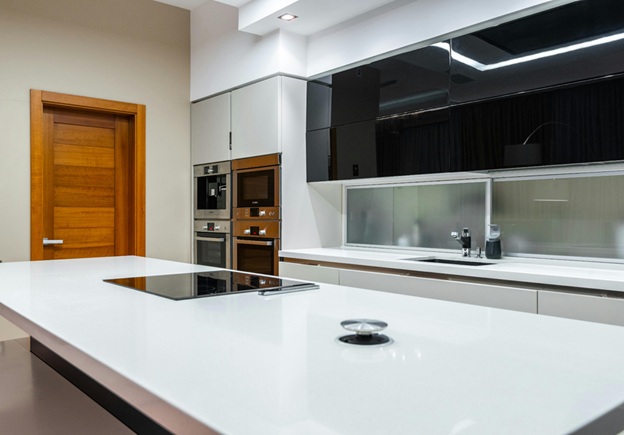
When planning a kitchen renovation or new build, few decisions are as impactful as your choice of countertop. It’s the surface you’ll cook on, clean, and admire every day—so it needs to be both durable and visually appealing. Among the many options available, Vicostone quartz countertops have become a top choice for homeowners who want the look of natural stone combined with the strength of engineered quartz.

In particular, Casa Granite Vicostone countertops offer a variety of styles and finishes that blend high-end aesthetics with everyday functionality. This guide will walk you through the key factors to consider when selecting Vicostone for your kitchen, helping you make a choice that balances beauty, performance, and long-term value.

1. Understand What Makes Vicostone Unique

Vicostone countertops are made from high-quality quartz combined with advanced polymer resins. This creates a non-porous, scratch-resistant, and highly durable surface that requires little maintenance compared to natural stone like granite or marble.

Key benefits include:

  • High resistance to stains, heat, and impact

  • Non-porous surface that doesn’t harbor bacteria

  • Low maintenance (no sealing required)

  • Wide range of colors and patterns

If you want a countertop that stands up to the demands of daily cooking without sacrificing elegance, Vicostone is a solid contender.

2. Explore Color and Pattern Options

One of Vicostone’s biggest strengths is its variety. Whether you’re drawn to the look of natural marble, industrial concrete, or solid modern hues, there’s likely a Vicostone design that fits your aesthetic. Popular styles include:

  • Marble-inspired designs with veining

  • Granite-style speckled finishes

  • Bold, dramatic surfaces for statement kitchens

  • Subtle neutrals for minimalist designs

Working with experienced suppliers like those offering Casa Granite Vicostone countertops ensures you get access to the full product line, with professional guidance on matching tones and finishes to your cabinetry, backsplash, and flooring.

3. Consider Thickness and Edge Profiles

Vicostone slabs are available in different thicknesses—typically 1.2 cm, 2 cm, and 3 cm. Your choice will depend on the style you’re aiming for and your cabinetry’s structural requirements.

Don’t forget about the edge profile, which can subtly affect the overall look. Common options include:

  • Eased/Flat Edge – Clean and contemporary

  • Beveled Edge – A touch of elegance

  • Ogee Edge – Traditional and detailed

  • Bullnose – Smooth and rounded

Selecting the right combination of thickness and edge profile adds polish to your overall kitchen design.

4. Think About Functionality

Beyond looks, your countertop needs to work for how you live. Think about:

  • How often you cook – More usage requires a harder, more resilient surface.

  • Cleaning habits – Vicostone’s non-porous nature makes it ideal for quick wipe-downs.

  • Kids or pets – Scratch and stain resistance becomes more important.

Vicostone excels in busy family homes because it offers both strength and simplicity.

5. Budget and Long-Term Value

While Vicostone quartz is generally more affordable than high-end marble, it still offers a luxurious appearance and long-term value. The upfront investment pays off in:

  • Reduced maintenance costs

  • Fewer repairs or replacements

  • Enhanced resale appeal

Suppliers such as Casa Granite provide detailed quotes and installation services that help you stay on budget while getting premium quality.

6. Professional Installation Matters

Proper installation ensures your countertops perform at their best. Look for suppliers who offer:

  • On-site measurements

  • Precision cutting

  • Seamless fitting and finishing

  • Warranty-backed service

Experienced installers will handle everything from slab transportation to edge polishing, giving you peace of mind.

Conclusion

Choosing the right countertop is about more than just appearance—it’s about durability, practicality, and how it supports your daily routine. Casa Granite Vicostone countertops deliver on all fronts, offering a wide array of stylish, high-performance surfaces that make your kitchen both functional and beautiful.

Whether you’re renovating a modern space or designing a timeless classic, Vicostone’s versatility and reliability make it an excellent choice. With the right guidance and installation, your new countertops can transform your kitchen into a space you’ll love for years to come.
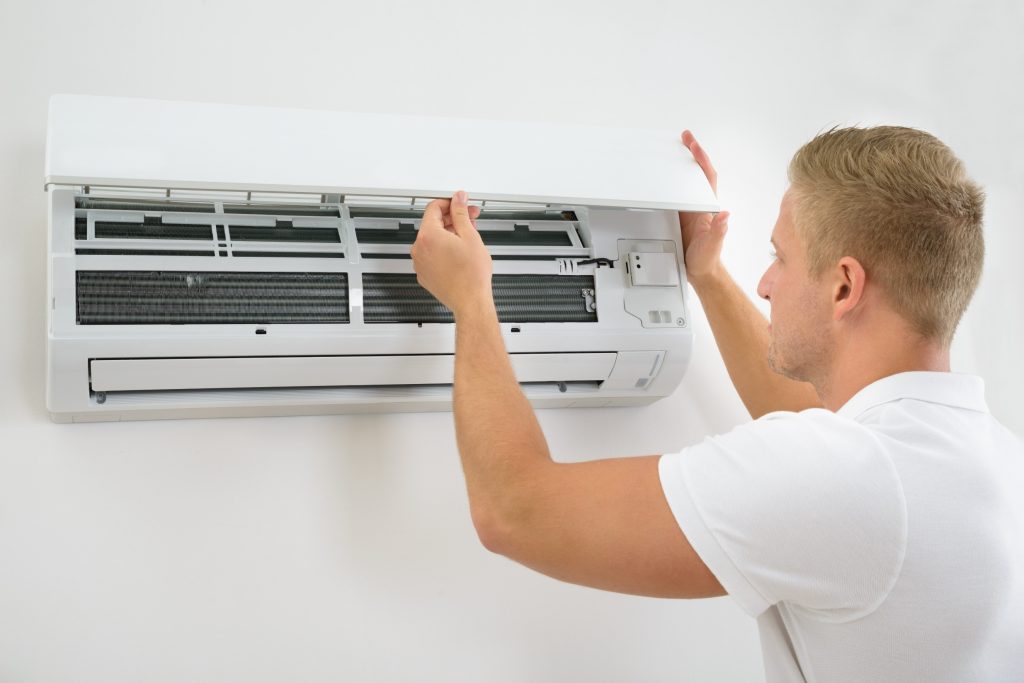
With changing weather patterns and increasing temperatures, air conditioning has become a necessity for both homes and businesses. A well-functioning air conditioning system ensures comfort, enhances indoor air quality, and improves energy efficiency. Whether you need a new installation, routine servicing, or urgent repairs, having a reliable air conditioning provider ensures optimal performance throughout the year.

Professional Air Conditioning Installation for Homes & Businesses

Installing the right air conditioning system is crucial for achieving efficient temperature control. Our expert team supplies and installs high-performance air conditioning units from leading brands. Whether it’s a small residential space or a large commercial property, we provide tailored solutions to meet different cooling requirements. With proper installation, you can enjoy better energy efficiency and a longer lifespan for your air conditioning unit.

Energy-Efficient Air Conditioning Solutions

Modern air conditioning systems are designed to be energy-efficient, reducing electricity consumption while maintaining a comfortable indoor climate. Our range of air conditioning units includes advanced features such as smart thermostats, multi-zone cooling, and eco-friendly refrigerants. These systems help homeowners and businesses cut down on energy bills while minimizing their carbon footprint.

Comprehensive Maintenance Services for Long-Term Performance

Regular maintenance is essential to keep an air conditioning system running at peak efficiency. Over time, dust, debris, and wear-and-tear can affect the unit’s performance, leading to increased energy costs and potential breakdowns. Our professional servicing includes filter cleaning, refrigerant checks, and system diagnostics to ensure smooth operation. Routine maintenance helps extend the life of your system and prevents costly repairs.

Fast & Reliable Air Conditioning Repairs

A malfunctioning air conditioning unit can be inconvenient, especially during hot summer months. Our skilled engineers provide quick and efficient repairs to get your system back up and running. Whether it’s refrigerant leaks, electrical issues, or poor airflow, we diagnose problems accurately and offer cost-effective repair solutions. We prioritize fast response times, ensuring minimal disruption to your home or business.

Why Businesses Need High-Performance Air Conditioning

For businesses, maintaining a comfortable indoor temperature is essential for employee productivity and customer satisfaction. Offices, retail stores, restaurants, and warehouses all benefit from efficient cooling systems. Investing in air conditioning Kent ensures a pleasant working environment while protecting equipment and perishable goods from heat damage.

Improving Indoor Air Quality for Healthier Spaces

Air conditioning units not only regulate temperature but also improve indoor air quality. Advanced filtration systems remove allergens, dust, and pollutants, creating a healthier living and working environment. This is particularly beneficial for individuals with respiratory conditions or allergies, as clean air enhances overall well-being.

Customized Air Conditioning Solutions for Every Space

No two properties have the same cooling requirements, which is why we offer customized air conditioning solutions. From wall-mounted split systems to ducted air conditioning, we assess your space and recommend the best option. Our team ensures optimal placement and system design for maximum efficiency and comfort.

Affordable & Cost-Effective Air Conditioning Services

Installing and maintaining an air conditioning system doesn’t have to be expensive. We offer competitive pricing and cost-effective solutions without compromising on quality. Whether you need a new system, regular maintenance, or emergency repairs, our transparent pricing ensures you get the best value for your investment.

Conclusion

A high-quality air conditioning system enhances comfort, improves energy efficiency, and ensures a healthier indoor environment. Whether for your home or business, expert installation and maintenance services guarantee long-term performance. If you’re looking for reliable air conditioning in Kent, contact us today to discuss your cooling needs and discover the best solution for your space.

In recent years, the focus on sustainable living has significantly influenced home improvement choices, including flooring. Vinyl floor tiles, a popular choice due to their durability and cost-effectiveness, are also making strides in the eco-friendly arena. This shift is crucial for those looking to make environmentally conscious decisions without sacrificing style or functionality. Let’s explore how modern vinyl floor tiles are becoming a greener option and why they might be the right choice for your eco-friendly home.

Advancements in Vinyl Flooring Technology

Sustainable Manufacturing

The production of vinyl flooring has evolved, with manufacturers increasingly committing to reducing environmental impacts. Modern vinyl tiles often include recycled materials, which help decrease waste in landfills. The manufacturing processes have also improved, aiming to reduce the emission of volatile organic compounds (VOCs) and using energy more efficiently.

Recyclability and Reusability

Closing the Loop

Unlike some flooring options that end up in the landfill at the end of their lifecycle, certain types of vinyl flooring are recyclable. This ability to recycle helps lessen the environmental impact by reducing the demand for new raw materials and lowering the amount of waste. Moreover, some companies offer take-back programs where used vinyl flooring can be returned and repurposed into new products, further promoting a circular economy.

Low Impact on Indoor Air Quality

Healthier Living Spaces

One critical aspect of sustainable living is maintaining healthy indoor air quality. Modern vinyl floor tiles are being designed to meet strict indoor air quality standards. These products are less likely to emit harmful chemicals, thanks to better manufacturing practices and stringent regulations, which ensures a healthier environment for families.

Longevity and Efficiency

Durable Choices Reduce Waste

The inherent durability of vinyl floor tiles makes them a sustainable option in the long run. Floors that need to be replaced frequently contribute to environmental degradation through increased raw material extraction and waste creation. Vinyl’s resistance to damage and easy maintenance can prolong its lifespan, reducing the frequency of replacements and, consequently, its environmental footprint.

Influence on Energy Consumption

Thermal Efficiency

Vinyl tiles can also contribute indirectly to reducing energy consumption. These tiles retain warmth, providing better insulation than some other flooring types. This can be particularly beneficial in colder climates where maintaining indoor temperature can lead to significant energy use.

A Conscious Choice

Choosing eco-friendly vinyl floor tiles means making an informed decision that aligns with both your design preferences and environmental responsibilities. It represents a holistic approach to home improvement, considering the impacts on the planet alongside the benefits to the homeowner.

As the flooring industry continues to innovate, the potential for sustainable practices increases. By opting for eco-friendly vinyl floor tiles, homeowners play a part in this positive change, paving the way for a greener, more sustainable future. Taking these factors into account will ensure that your home is not only beautiful and functional but also kinder to the environment.

Upgrading to High-Performance Doors: A Smart Investment

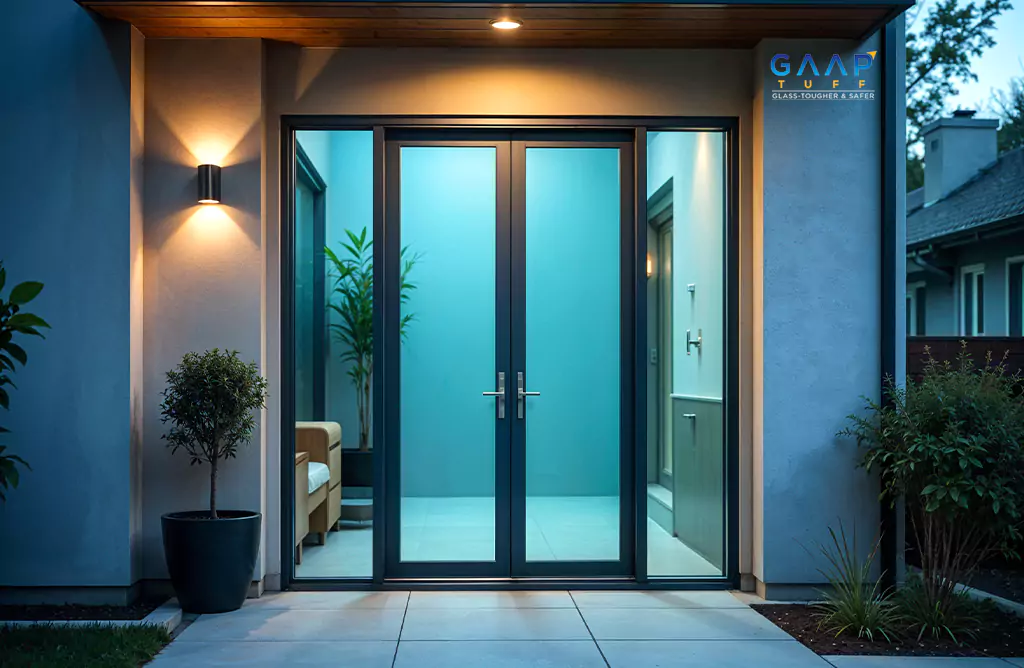
Installing high-performance doors is one of the best ways to improve security, energy efficiency, and aesthetics in both residential and commercial spaces. Whether you’re replacing outdated doors or upgrading to a more durable option, understanding the installation process can help ensure a smooth transition.

For those looking for top-tier quality, Eco Elite high-performance doors offer superior durability, insulation, and modern designs. But what exactly should you expect during installation? Let’s break it down.

🔍 1. Choosing the Right High-Performance Door

Before installation begins, you’ll need to select the right door based on your needs. High-performance doors come in various styles and materials, including:

Steel & Aluminum – Excellent for durability and security
Fiberglass – Lightweight, energy-efficient, and resistant to weather damage
Glass & Composite – Ideal for commercial spaces or modern aesthetics

Each type offers unique benefits, so consider insulation properties, security features, and design when making your choice.

📐 2. Pre-Installation Preparation

To ensure a seamless installation process:

🔹 Measurements will be taken to ensure a perfect fit
🔹 The old door and frame (if applicable) will be removed
🔹 Surrounding walls and structures will be checked for any necessary adjustments

At this stage, installers assess the foundation to ensure the new door will be properly aligned and sealed.

🔨 3. The Installation Process

The actual installation involves:

Frame Alignment & Securing – The new frame is positioned and reinforced for stability
Door Hanging & Adjustment – The door is fitted, leveled, and tested for smooth operation
Sealing & Insulation – Weatherproof seals and insulation materials are added to enhance energy efficiency
Hardware Installation – Handles, locks, and other accessories are securely placed

🏡 4. Post-Installation Inspection & Testing

Once the door is installed, professionals will:

Test the door’s operation to ensure it opens and closes smoothly
Check for air leaks to maximize insulation and energy savings
Verify security features to ensure locks and reinforcements are properly set

This ensures that your high-performance door is functioning at its best before the job is considered complete.

🔧 5. Maintenance & Long-Term Care

To keep your new door in top condition:

✅ Regularly clean and lubricate hinges for smooth operation
✅ Inspect seals and weatherstripping to maintain insulation
✅ Tighten any loose screws or hardware to avoid long-term damage

With proper care, high-performance doors can last for decades, providing superior protection, efficiency, and style.

🏆 Final Thoughts: Is It Worth the Upgrade?

Installing Eco Elite high-performance doors is a smart investment for any home or business. Not only do they enhance security and durability, but they also improve energy efficiency, reducing heating and cooling costs.

Whether you’re renovating your living room, bestowing your patio a much-wanted makeover, or merely looking to increase a touch of comfort to your favorite recliner, replacement cushions maybe a game-changer.

In this blog post, we’ll delve into the realm of replacement cushions, investigating the various types handy and how they can reinforce both style and comfort in your home.

The Basics of Replacement Cushions

Lane Venture Replacement Cushions, as the name implies, are cushions designed to take over the existing one in your bookcase. Over time, cushions can become worn, lose their shape, or simply go out of style, inciting the need for a new one. Fortunately, there is a off-course range of alternatives to select from, providing to different tastes, needs, and atmospheres.

Types of Replacement Cushions

· Indoor Replacement Cushions

These cushions are primarily created for indoor use, adding a study and feel to sofas, chairs, and benches. They enter a place, a plethora of shapes, sizes, and fabrics.

Common materials contain cotton, polyester, and blends, each contributing different levels of comfort and durability. For those who love a pop of color or a singular pattern, indoor substitute cushions may be an excellent habit to update the esthetics of your space outside a complete overhaul.

· Outdoor Replacement Cushions

The focus attending is not just on comfort but also on endurance. With outdoor cushions, you can love a comfortable seat in your flowers or on your porch, certain things.

· Memory Foam Cushions

If comfort is your top priority, thought foam replacement cushions are a value considering. These cushions answer your corpse shape, providing support and comfort that’s hard to beat.

They’re ideal for those who give long hours sitting, in the way that in an office armchair or on a couch. Memory foam can be secondhand both inside and outdoors, though it’s critical to ensure the external fabric is acceptable for rustic conditions if secondhand outside.

· Custom Replacement Cushions

For those with chair that doesn’t conform to standard sizes or those expect a personalized touch, rule replacement cushions maybe the perfect solution. Whether you want a singular shape, size, or structure, custom cushions admit you to tailor your comfort and style to match your exact desires and needs.

Choosing the Right Replacement Cushions

When selecting substitute cushions, consider the following determinants:

· Material:

Choose a material that suits your needs, whether it’s the impressibility of cotton for household use or the durability of olefin for rustic furniture.

· Size and Shape:

Ensure the cushions fit your desk correctly. Measure your bed carefully to prevent mishaps.

· Style:

Consider the color and pattern of the cushions. Do they competition your existing décor? Are they the beautiful refurbish you’re seeking?

· Comfort Level:

Test various fillings, from polyester to thought foam, to find the level of support and comfort that you need.

Conclusion

Replacement cushions offer a simple, still effective habit to update your home’s look and feel. So, why not take your seating knowledge to the next level with the perfect substitute cushions?

Home appliances are essential for daily convenience, helping with cooking, cleaning, and food preservation. However, even the most reliable appliances can develop issues over time. Ignoring early signs of malfunction can lead to bigger, more costly repairs—or even complete replacements. Knowing when to call a professional can help prevent further damage and ensure your appliances continue functioning efficiently.

1. Unusual Noises Coming from Your Appliance

Most appliances operate with a certain level of noise, but loud, unfamiliar sounds are usually a red flag.

  • Refrigerators: Buzzing, clicking, or grinding noises may indicate compressor failure or a faulty fan.
  • Washing Machines: Loud banging or thumping can be a sign of an unbalanced drum or worn-out bearings.
  • Dishwashers: High-pitched whining or grinding noises may mean there’s an issue with the motor or pump.

If you notice these noises, it’s best to call a professional to diagnose and fix the issue before it worsens.

2. Your Appliance Isn’t Performing as It Should

If your appliances are not working as efficiently as before, it could be a sign of an underlying problem.

  • Refrigerators and Freezers: If food isn’t staying cold enough, there may be an issue with the thermostat or compressor.
  • Ovens and Stoves: Uneven cooking or burners that take too long to heat up indicate malfunctioning heating elements.
  • Dishwashers: If dishes come out dirty even after a full cycle, the spray arms or detergent dispenser may need attention.

A decrease in performance is often a warning that something is failing internally. Seeking repair services early can prevent further breakdowns.

3. Frequent Power Issues

Appliances that frequently turn off, trip circuit breakers, or fail to power on could have electrical issues.

  • Washing Machines and Dryers: If they stop mid-cycle or refuse to start, the issue may be with the motor or control board.
  • Microwaves and Ovens: Unstable power can be caused by wiring problems or overheating components.
  • Refrigerators: Constantly cycling on and off may indicate thermostat malfunctions or compressor issues.

Electrical problems can pose serious fire hazards, so it’s crucial to have a professional inspect and repair faulty appliances promptly.

4. Water Leaks or Excess Moisture

Any sign of water where it shouldn’t be is a cause for concern. Leaks can lead to mold growth, floor damage, and electrical hazards.

  • Washing Machines: A leaking washer may have a damaged door seal, clogged drain, or a faulty water inlet valve.
  • Refrigerators: If you find water pooling inside or beneath your fridge, a blocked defrost drain or broken water line may be the cause.
  • Dishwashers: Leaks may result from a worn-out gasket, a cracked hose, or an issue with the float switch.

Ignoring water leaks can lead to bigger appliance problems and costly home repairs.

5. Burning Smell or Smoke

If an appliance emits a burning odor or smoke, unplug it immediately and avoid using it until a professional inspects it.

  • Electrical Appliances: Burning smells can indicate overheating wires, a motor failure, or electrical short circuits.
  • Ovens and Stoves: A persistent burning odor could be due to faulty wiring or a malfunctioning heating element.
  • Dryers: Lint buildup in the vent can overheat and cause a fire hazard.

Any sign of burning or smoke should be taken seriously, as it can pose significant safety risks.

6. High Energy Bills Without Explanation

A sudden spike in energy bills may indicate an inefficient appliance consuming more electricity than usual.

  • Refrigerators and Freezers: A failing compressor or dirty condenser coils can make them work harder, leading to higher energy use.
  • Water Heaters: Sediment buildup in the tank can reduce heating efficiency, increasing energy costs.
  • HVAC Systems: Dirty filters, worn-out components, or thermostat issues can cause your heating and cooling system to work overtime.

An inefficient appliance not only costs more in energy consumption but also risks complete failure if not repaired on time.

7. Buttons, Knobs, or Displays Are Malfunctioning

If the control panel, knobs, or buttons on your appliances stop responding or display error codes, it may signal an internal issue.

  • Microwaves: A faulty control board or keypad may prevent you from using certain functions.
  • Washing Machines: A flashing error code might indicate a drainage or motor issue.
  • Ovens: If temperature settings are not adjusting properly, the thermostat or control panel might need repair.

Professional repair services can diagnose whether the issue is a minor fix or if a component needs replacement.

When to Call a Professional Repair Service

Some minor issues, such as cleaning filters or checking power connections, can be resolved at home. However, professional repairs are necessary if:

  • The problem persists despite troubleshooting.
  • There are electrical or gas-related concerns.
  • The appliance has major mechanical or performance failures.
  • It’s still under warranty, and unauthorized repairs could void it.

For expert assistance, Honest Guys appliance repair provides reliable diagnostics and solutions to keep your appliances running smoothly. Addressing issues early can save you time, money, and the hassle of a full replacement.

Final Thoughts

Recognizing early warning signs of appliance failure can help prevent major breakdowns and expensive repairs. Unusual noises, inconsistent performance, frequent power issues, leaks, burning smells, rising energy costs, and unresponsive controls all indicate the need for professional attention. By acting quickly and seeking expert repair services, you can extend the lifespan of your appliances and ensure they continue functioning efficiently for years to come.

Water leaks are more than just a minor inconvenience. They can cause significant property damage, inflate water bills, and even lead to structural issues if left unresolved. Whether you have a leak in your home, business, or spot one in a public area, knowing who to report it to is crucial. So, who should you call when you discover a leak?

How to Identify a Water Leak

Before reporting a leak, it helps to determine where it’s coming from. Not all leaks are easy to spot, and some require professional water leak detection services. Here are some signs to watch for:

  • Unexplained increase in your water bill
  • Wet patches on walls, ceilings, or floors
  • The sound of running water when taps are off
  • Visible cracks in pipes or water pooling around fixtures
  • Mould or musty odours indicating hidden leaks

Once you identify the source, you can decide whether it’s a private or public responsibility.

Reporting a Water Leak in Your Home

For leaks inside your home, it’s your responsibility to take action. The first step is to shut off the main water supply to prevent further damage. Then, contact a licensed plumber who specializes in water leak detection. These professionals can pinpoint the source using non-invasive techniques, reducing the need for costly repairs.

Common Residential Water Leak Issues

Leaks in homes often occur due to aging pipes, pressure buildup, or poor plumbing installations. The most common problems include:

  • Dripping taps that waste litres of water daily
  • Leaking toilets that silently inflate your water cost
  • Hidden pipe leaks inside walls or under floors
  • Outdoor hose or irrigation system leaks

Ignoring these issues can lead to expensive repairs and water damage. If you suspect a leak, call a plumber immediately.

Who to Call for Water Leaks in Commercial Properties

Commercial buildings have complex plumbing systems, making leaks harder to detect. If you’re a business owner or property manager, hiring a professional leak detection company is the best course of action. These experts use specialized equipment such as thermal imaging cameras and acoustic sensors to locate hidden leaks without causing disruption.

Why Businesses Should Act Fast

Water leaks in commercial properties can lead to:

  • Higher water costs that affect your bottom line
  • Structural damage that compromises the building
  • Slip hazards that pose a risk to employees and customers
  • Compliance issues with local water regulations

Many businesses in Melbourne have water-saving policies in place. Addressing leaks quickly ensures compliance and prevents unnecessary expenses.

Reporting a Public Water Leak

Leaks in public areas such as roads, footpaths, or parks need to be reported to the appropriate authority. In Melbourne, water services are managed by different providers based on your location. If you see water pooling on streets, gushing from hydrants, or leaking near public pipes, take these steps:

  • Contact your local water provider
  • Provide the exact location of the leak
  • Describe the severity of the problem
  • Report any road hazards caused by the water

Melbourne Water oversees major infrastructure leaks, while smaller issues may be handled by your local council or water provider.

What to Do About a Burst or Broken Pipe

A burst pipe is one of the most urgent plumbing emergencies. It can cause flooding, damage property, and disrupt water supply. If you experience a burst or broken pipe, act quickly:

  • Turn off the main water valve
  • Drain the remaining water from taps
  • Call an emergency plumber
  • If outside your property, report it to the water company

If you find a broken water pipe outside house, the issue could be due to aging pipes or ground movement. These leaks often require excavation and professional repairs.

How Leaks Affect Water Costs

Ignoring a leak can have serious financial consequences. A single dripping tap can waste thousands of litres of water per year. For businesses, undetected leaks mean higher operational expenses. The best way to manage water costs is through early detection and proactive maintenance.

Ways to Reduce Water Waste

Melbourne homeowners and businesses can take simple steps to prevent leaks and conserve water:

  • Inspect pipes regularly for wear and tear
  • Install water-efficient fixtures
  • Monitor water bills for unexpected spikes
  • Fix minor leaks before they become major problems
  • Schedule professional leak detection services

Who Handles Major Water Leaks in Melbourne

Melbourne’s water supply is managed by several authorities. Depending on the location and severity of the leak, different agencies may be responsible for repairs.

  • Melbourne Water: Handles large-scale leaks affecting reservoirs, dams, and major pipelines
  • Local councils: Address leaks in public parks and footpaths
  • Private water retailers: Manage household and business water supply issues

If you’re unsure who to contact, checking your latest water bill can help identify your water provider.

Preventing Future Water Leaks

While some leaks are unavoidable, regular maintenance can significantly reduce the risk. Here are a few strategies:

  • Check for slow leaks by monitoring your water meter
  • Replace old or corroded pipes before they fail
  • Use high-quality fittings and connectors
  • Schedule routine plumbing inspections
  • Ensure outdoor pipes are protected from temperature changes

Final Thoughts on Reporting Water Leaks

Water leaks can be costly and damaging, but reporting them promptly can prevent major issues. Whether you’re dealing with a household leak, a burst commercial pipe, or a public water main break, knowing who to call makes all the difference. In Melbourne, acting fast not only saves money but also helps conserve water for future generations.

If you suspect a leak, don’t wait—take action today to protect your property and reduce your water costs.

What to Consider Before Installing an Air Conditioner

Installing an air conditioner in your home is a game-changer, especially during the hot weather in Melbourne. But before you jump in, there are some important elements to consider. The size of the unit, the placement, and even the type of aircon system all play a role in how effective your cooling will be.

Choosing the Right Type of Air Conditioner

Not all air conditioners are created equal. Some are designed for small rooms, while others can cool an entire home. Here are the most common types:

  • Split System Air Conditioners: These are perfect for single rooms or small areas. They consist of an indoor and outdoor unit, making them one of the most energy-efficient options.
  • Ducted Air Conditioning: If you want whole-home cooling, ducted aircon is the way to go. This system distributes cool air through ducts hidden in the ceiling or walls.
  • Window Air Conditioners: Ideal for apartments or smaller spaces, these units are installed directly into a window or a wall opening.
  • Portable Air Conditioners: These are the easiest to install since they require no permanent setup. However, they aren’t as powerful as split or ducted systems.

Finding the Best Location for Your Air Conditioner

The placement of your aircon unit affects its efficiency. For the indoor unit, choose a spot that allows for even airflow without obstructions like furniture or curtains. For outdoor units, make sure they have proper ventilation and are not exposed to direct sunlight.

Essential Tools and Equipment for Installation

Installing an air conditioner requires specific tools to ensure a safe and professional setup. Here’s what you need:

  • Drill and drill bits for mounting the indoor unit
  • Measuring tape for precise positioning
  • Level to ensure proper alignment
  • Vacuum pump to remove moisture from refrigerant lines
  • Refrigerant gauges to check pressure levels
  • Electrical wiring tools for power connections

Step-by-Step Guide to Installing an Air Conditioner

Now that you have everything ready, let’s go through the installation process step by step.

Step 1: Mounting the Indoor Unit

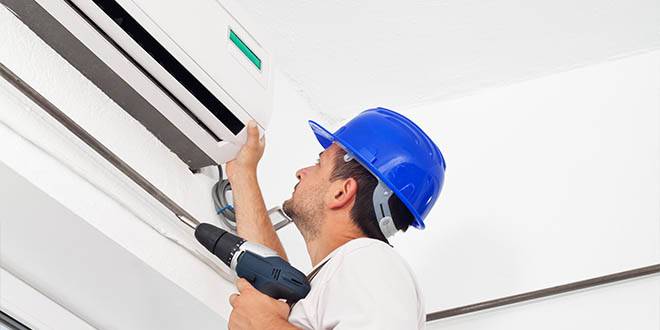
Start by choosing a sturdy wall to support the indoor unit. Drill holes for the mounting bracket and secure it properly. Once the bracket is in place, carefully attach the indoor unit, making sure it sits level to avoid water leaks.

Step 2: Drilling the Hole for the Piping

The indoor and outdoor units need to be connected by refrigerant piping. Drill a hole through the wall for these pipes, ensuring it’s angled slightly downward to allow proper drainage.

Step 3: Installing the Outdoor Unit

The outdoor unit should be placed on a stable surface with at least half a metre of clearance around it. This ensures proper airflow and prevents overheating. Secure it with brackets if mounting it on a wall.

Step 4: Connecting the Piping and Wiring

Carefully connect the refrigerant piping between the indoor and outdoor units. Use a vacuum pump to remove air and moisture from the system before releasing the refrigerant. Connect the electrical wiring according to the manufacturer’s instructions.

Step 5: Sealing the Installation

To prevent leaks and insulation issues, seal the hole where the pipes pass through the wall. This step is crucial in keeping your home energy-efficient.

Step 6: Testing the Air Conditioner

Once everything is connected, it’s time to test the system. Turn on the aircon and check for any unusual noises, weak airflow, or error messages. If everything looks good, you’re all set to enjoy cool air.

Common Mistakes to Avoid During Installation

Even with careful planning, mistakes can happen. Here are a few common installation errors and how to avoid them:

  • Poor Placement: Avoid installing the indoor unit near heat sources like ovens or direct sunlight.
  • Incorrect Pipe Insulation: Poor insulation can lead to refrigerant leaks and reduced cooling efficiency.
  • Skipping the Vacuum Process: Failing to vacuum the system before releasing refrigerant can cause long-term damage.
  • Wrongly Sized Unit: If your aircon is too small, it will struggle to cool your space. Too large, and it will cycle on and off too frequently.

How to Maintain Your Air Conditioner After Installation

After spending a lot of time and effort installing your aircon, keeping it in top shape is essential. Here’s what you can do:

  • Clean or replace filters every two weeks for better airflow
  • Check the refrigerant levels annually to prevent cooling issues
  • Keep the outdoor unit clear of leaves, dust, and debris
  • Schedule professional servicing every year to extend the unit’s lifespan

Can You Install an Air Conditioner Yourself?

Technically, yes, but in Australia, refrigerant handling requires a licensed professional. While you can mount the unit and prepare the installation, a licensed technician must complete the refrigerant connection. Doing it yourself without proper licensing can lead to fines or void your warranty.

How Much Does Air Conditioner Installation Cost in Melbourne?

The cost of installing an air conditioner depends on the type of system and complexity of the installation. On average:

  • Split system installations cost between $600 and $1,500
  • Ducted systems can range from $5,000 to $12,000, including ductwork
  • Window units cost between $200 and $500 for installation

It’s always best to get a professional quote to understand the full cost based on your home’s layout.

What Size Air Conditioner Do You Need?

Choosing the right size AC unit is crucial for efficiency. If you’re unsure what capacity air conditioner size do i need, you should consider factors like room size, insulation, and ceiling height.

Is It Worth Installing an Air Conditioner During Home Renovations?

If you’re renovating your home, it’s the perfect time to install an air conditioner. Planning AC installation during renovations allows you to hide ductwork, position units for maximum efficiency, and integrate smart home features. Plus, it saves money on post-renovation retrofitting.

Final Thoughts

Installing an air conditioner in your home is one of the best investments for comfort and energy efficiency. Whether you choose a split system, ducted, or window unit, proper installation ensures long-term performance. If you’re in Melbourne, always hire a licensed technician to handle refrigerant-related tasks. With the right setup, you’ll enjoy a cool and comfortable home no matter how extreme the temperatures get.

Just like how your car and AC need servicing, the same goes for your water purifier. Your water purifier works day in and day out so that it can give you 24/7 access to healthy drinking water. So, it is only fair that you take care of it and maintain it properly.  

One of the most important parts of maintaining your RO and UV water purifiers is replacing the filters and the cartridges. Are you new to the world of water purifiers and clueless about how to clean and maintain your water purifier? Here is a complete guide that will help you in becoming a pro at changing your water purifier’s filter at home.  

Importance of Replacing the Filters  

Before we dive into how to replace the filters of your RO and UV water purifier, it is crucial to understand why we are stressing so much about this topic. It is because your filters do the heavy lifting and filter out all the sediments, heavy metals and other contaminants in the tap water. Over time, they wear out and get damaged. If you don’t address this issue in time and overlook it, then it will hamper the effectiveness of your water purifier. This will compromise the quality and taste of your water and prove to be counterproductive.  

How to Change the Filters of Your Water Purifier?  

Today most of the water purifiers are user-friendly and are designed in a way that DIY water filter replacement is possible. Here’s how you can change the water filters of your water purifier.  

  1. Before you start the process, unplug your water purifier from the electrical outlet. Switch off the water supply and then proceed. This will prevent the risk of electric shock. 
  2. After this, read the manufacturer’s guide and locate the filter housing of the water purifier. It is typically on the right side of the purifier or the bottom of it.  
  3. Twist or press the filter and remove it.  
  4. Note the direction in which the RO or UV membrane tube was installed so that you can put the new one correctly. If it proves to be difficult to remove the tube of the RO or UV membrane with your hands, you can use needle-nose pliers.  
  5. Next, prepare the new filters. Follow the instructions given by the manufacturer. Typically, you might have to rinse the new filter for a short period before you install it. Your new filter might also require flushing before it is ready to use.  
  6. Now insert the new RO or UV membrane into the housing. Make sure that it is properly seated so that it clicks in properly for optimum performance.  
  7. Turn on the water supply and check for any leaks. Once you are sure that the filter is installed properly, you can plug your water purifier back into the outlet.  
  8. As mentioned above, you might have to flush a few litres of water through your new filter before it is ready to be used.  

Why Choose AO Smith Water Purifiers?  

There are a plethora of reasons why AO Smith RO and UV water purifiers are the best in the market. To begin with, AO Smith water purifiers provide super-quality filtration in comparison to the other water purifiers on the market. You can enjoy 100% RO purified water with these water purifiers that are free from all kinds of contaminants. Another reason why you must consider AO Smith water purifiers is that their filters don’t require frequent replacements and they have a longer lifespan, saving you a lot of time and energy. 

Sceptical about replacing the water filters of your RO and UV water purifiers on your own? We can understand that it can be overwhelming, especially if you have never done it before. You would be relieved to learn that AO Smith also provides a comprehensive 1-year warranty that also includes filter replacements along with other perks. So, this means that you can simply get in touch with their customer care and request them to visit your home and get your water purifier’s filters replaced when it is due free of cost. So, what are you waiting for? 

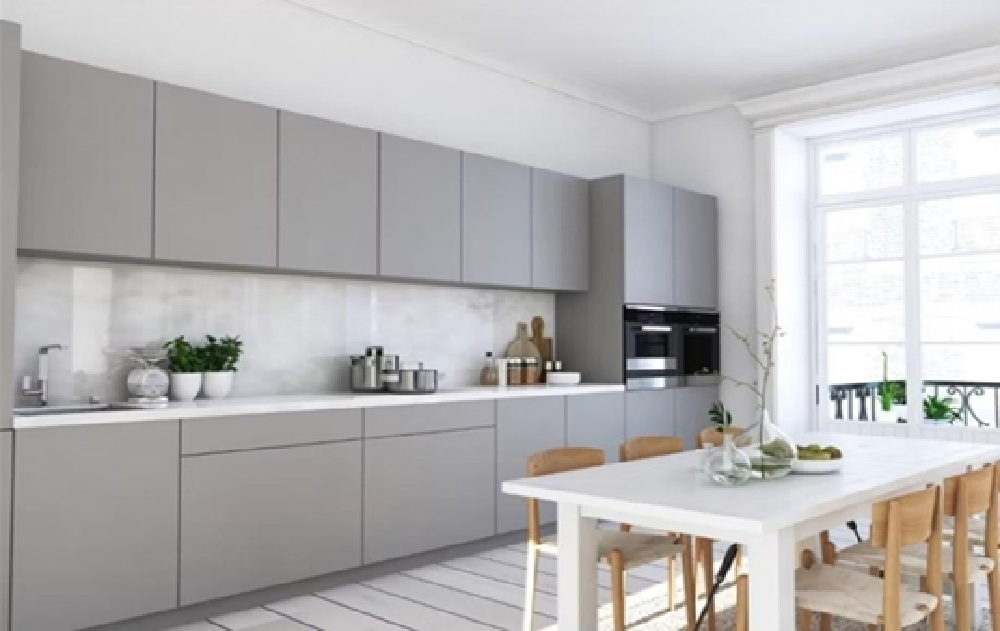
Luxury is no longer about excessive details and ornate designs. Modern kitchens are moving toward clean lines, open spaces, and clutter-free aesthetics. This shift has made minimalist kitchens the ultimate symbol of elegance and sophistication.

But a minimalist kitchen isn’t just about looks. It improves functionality, creates a calming atmosphere, and makes cooking more efficient. If you want a space that balances beauty with practicality, this guide will help you achieve it.

Why Minimalism Is the New Luxury

Luxury used to mean grand chandeliers, ornate cabinets, and intricate designs. Today, high-end interiors focus on simplicity, quality, and functionality. A minimalist kitchen reflects this shift by blending refined aesthetics with practical design.

Minimalism creates a clutter-free, elegant space where every detail serves a purpose. Instead of overwhelming decor, it highlights premium materials, clean lines, and open layouts. This approach results in a kitchen that feels both sophisticated and calming.

The appeal of minimalist kitchens comes from their timeless beauty. Unlike trendy, elaborate designs, they never go out of style. Their functional layouts and durable materials make them both practical and long-lasting.

Minimalist kitchens also enhance efficiency and comfort. With fewer distractions, cooking and cleaning become easier. Every element has its place, ensuring a seamless flow.

Luxury is no longer about excess. A minimalist kitchen proves true elegance lies in simplicity, quality, and intentional design.

Here’s why minimalism has taken over high-end kitchens:

  • Effortless Elegance – Simplicity never goes out of style.
  • Less Clutter, More Functionality – Every element serves a purpose.
  • Premium Materials – Fewer items allow for better quality choices.
  • A Timeless Look – A minimalist design won’t feel outdated.

Decluttering – The First Step to a Minimalist Kitchen

Minimalist kitchens feel spacious because they avoid unnecessary clutter. Before redesigning your kitchen, start by removing excess items.

How to declutter effectively:

  • Sort your kitchen tools – Keep only what you use regularly.
  • Use hidden storage – Store infrequently used appliances out of sight.
  • Follow the ‘One In, One Out’ Rule – Remove an item when adding something new.

Decluttering isn’t just about getting rid of things; it’s about creating a calm and purposeful space.

Choosing the Right Color Palette

Minimalist kitchens rely on neutral tones to create a serene environment. The most common choices are white, beige, grey, and black, but contrast is key.

How to add character without losing simplicity:

  • Matte black fixtures – Add a bold, modern edge.
  • Wood accents – Warm up the space with natural tones.
  • Metallic elements – Brushed brass or stainless steel keeps things refined.

Stick to two or three colors to avoid visual clutter. A neutral base with subtle accents works best.

Invest in High-Quality Materials

Since minimalist kitchens focus on fewer elements, each material must be carefully chosen.

Premium materials that elevate a minimalist kitchen:

  • Quartz or marble countertops – Sleek, durable, and luxurious.
  • Flat-panel cabinets – Handleless options create a seamless, clean look.
  • Polished concrete or hardwood floors – Timeless and easy to maintain.
  • Matte finishes – Provide a soft, sophisticated appearance.

Focusing on quality ensures your kitchen feels high-end without unnecessary decoration.

Functionality Over Decoration

A minimalist kitchen isn’t just about style—it must work efficiently. Every element should enhance usability while maintaining a sleek design.

Prioritize Built-In Appliances

  • Integrated ovens, refrigerators, and dishwashers create a seamless look.
  • Hidden microwaves and induction cooktops keep surfaces uncluttered.

Choose Smart Storage Solutions

  • Deep drawers are better than traditional cabinets for easy access.
  • Pull-out pantry systems maximize storage while keeping items organized.
  • Corner storage solutions utilize every inch of space.

Keep Countertops Clear

  • Store small appliances in dedicated cabinets.
  • Use wall-mounted racks or magnetic strips for utensils.

Opt for Multipurpose Furniture

  • A kitchen island with storage adds function without extra bulk.
  • Foldable or stackable chairs maintain flexibility in small spaces.

Lighting for Functionality

  • Under-cabinet lighting improves visibility for cooking.
  • Recessed ceiling lights keep the space bright without adding visual clutter.

A minimalist kitchen should make cooking, cleaning, and organizing effortless while maintaining its refined aesthetic.

Smart Storage to Maintain a Clean Look

The secret to a minimalist kitchen is efficient storage. Keeping surfaces clear ensures a clutter-free space.

Best storage solutions:

  • Hidden cabinets – Store small appliances out of sight.
  • Vertical storage – Make use of walls with shelves or hanging racks.
  • Pull-out pantry systems – Maximize storage without taking up more space.
  • Drawer organizers – Keep cutlery and utensils neatly arranged.

A well-organized kitchen looks better and functions more efficiently.

The Role of Lighting in Minimalist Design

Lighting plays a crucial role in a minimalist kitchen. Since there are fewer decorative elements, lighting helps define the space.

Best lighting choices:

  • Recessed ceiling lights – Maintain a clean, open look.
  • Pendant lights – Add a modern touch above islands or dining areas.
  • Under-cabinet lighting – Improves functionality while adding warmth.
  • Natural light – Large windows make the kitchen feel airy.

Layered lighting ensures the kitchen is both inviting and practical.

Adding Texture for Depth and Warmth

Minimalism doesn’t mean cold or boring. Texture adds depth and prevents a space from feeling flat.

How to introduce texture:

  • Wood elements – A butcher block countertop or wooden barstools.
  • Textured tiles – A subtle backsplash with dimension.
  • Fabric accents – Linen curtains or woven baskets soften the space.

A mix of materials creates visual interest without compromising simplicity.

Keeping the Space Open and Uncluttered

Minimalist kitchens prioritize open space. This makes the kitchen feel larger and more inviting.

How to maintain openness:

  • Choose sleek, modern furniture – Avoid bulky, oversized pieces.
  • Use floating shelves sparingly – Avoid overloading them with items.
  • Keep counters clear – Only display what’s essential.

An open layout contributes to the sense of calm that defines minimalist design.

Hidden Technology for a Seamless Look

Modern kitchens integrate technology while keeping it discreet.

Best hidden tech options:

  • Touchless faucets – Maintain cleanliness while adding convenience.
  • Smart lighting systems – Adjust brightness with a smartphone or voice command.
  • Built-in charging stations – Keep cords hidden for a neater space.
  • Integrated appliances – Ensure the fridge and oven blend with cabinetry.

Minimalist kitchens embrace technology but don’t let it dominate the space.

Minimalist Decor for a Refined Look

Decor in a minimalist kitchen should be intentional, not overwhelming.

Best minimalist decor ideas:

  • A single statement piece – A sculptural vase or ceramic bowl.
  • Fresh greenery – A single potted plant adds life without clutter.
  • Simple wall art – Abstract designs in neutral tones.

Minimalist decor enhances the space without taking attention away from its design.

How to Maintain a Minimalist Kitchen

A minimalist kitchen stays beautiful through consistent upkeep. Simple habits help preserve its clean, uncluttered look.

Declutter Regularly

  • Remove unused appliances, tools, and decor.
  • Follow the “one in, one out” rule when adding new items.
  • Keep countertops clear—store items after use.

Adopt Smart Storage Solutions

  • Use drawer dividers to keep utensils and tools neatly arranged.
  • Store bulkier items in pull-out cabinets for easy access.
  • Maximize vertical storage with sleek, open shelving.

Clean as You Go

  • Wipe down surfaces immediately after cooking.
  • Empty and organize the fridge weekly to prevent clutter.
  • Sweep and mop regularly to keep floors spotless.

Stick to a Simple Color Palette

  • Maintain a neutral or monochromatic scheme for consistency.
  • Limit decor to a few functional or meaningful pieces.

Maintaining organization, cleanliness, and simplicity ensures that your minimalist kitchen will remain elegant and efficient for years.

Final Thoughts

Minimalist kitchens prove that luxury doesn’t come from excess but from intention. Clean lines, quality materials, and smart storage create an elegant and functional space.

If you’re redesigning your kitchen, start by simplifying. Remove what you don’t need, focus on neutral colors, and invest in durable materials. By prioritizing functionality and aesthetics, you’ll create a kitchen that blends beauty with purpose—the essence of modern luxury.