Tag

produce

Browsing

Aging Plumbing Components

In Riverside, CA, where the climate can sometimes be harsh on plumbing systems, recognizing the signs of aging plumbing is crucial to maintaining your home’s efficiency and safety. Here’s what to look out for:

Signs of Aging Pipes

  • Discoloration: If you notice that your water has a brown, yellow, or rusty hue, it could be a sign that your pipes are aging and beginning to corrode. Discolored water often indicates that there is rust or sediment build-up inside your pipes. This not only affects the quality of your water but can also lead to health concerns and further plumbing issues if not addressed promptly.
  • Visible Corrosion: Check for visible signs of corrosion on exposed pipes, such as a greenish or brownish discoloration. Corroded pipes often appear pitted or flaking. In Riverside, where the hard water can exacerbate pipe corrosion, it’s important to regularly inspect your plumbing system. Corrosion weakens pipes and increases the risk of leaks or bursts.
  • Frequent Leaks: Frequent leaks can be a major red flag that your plumbing system is showing signs of age. Leaks often occur when pipes become weakened over time. If you find yourself needing to repair leaks regularly, it’s a clear indicator that your plumbing may need upgrading. Leaks not only waste water but can also cause damage to your home’s structure, leading to more costly repairs.

Typical Lifespan of Plumbing Materials

  • Copper Pipes: Copper pipes are known for their durability and can last between 50 to 70 years. However, in Riverside, CA, the lifespan may be shorter due to local water quality and environmental factors. If your home’s copper pipes are nearing this age range, it might be time to consider a replacement.
  • PVC Pipes: PVC (polyvinyl chloride) pipes generally have a lifespan of around 25 to 40 years. They are resistant to corrosion and are a common choice for residential plumbing. However, if you’re experiencing issues with your PVC pipes and they are nearing the end of their expected lifespan, an upgrade could be beneficial.
  • Galvanized Steel Pipes: Galvanized steel pipes, once a common choice, typically last around 20 to 50 years. These pipes are prone to rust and corrosion over time. If your home has galvanized pipes and they are showing signs of aging or frequent problems, it is wise to consider replacing them with more modern materials.
  • Pex Pipes: PEX (cross-linked polyethylene) pipes are relatively new and can last up to 40 years. They are flexible and resistant to scale and chlorine. Although they are durable, regular inspections are still necessary to ensure they are in good condition.

Low Water Pressure

How Low Water Pressure Can Indicate Serious Plumbing Issues

  • Pipe Corrosion: One of the primary causes of low water pressure is pipe corrosion. As pipes age, especially if they are made of metal like galvanized steel or copper, they can corrode and rust. This corrosion leads to a narrowing of the pipe’s diameter, reducing the flow of water. In Riverside, where hard water can accelerate pipe corrosion, it’s particularly important to monitor your pipes for signs of wear.
  • Clogs and Blockages: Another common cause of low water pressure is clogs or blockages within the plumbing system. Over time, sediment, mineral deposits, and other debris can accumulate in pipes, restricting water flow. If you notice a significant drop in water pressure, especially in one area of your home, it could indicate that a clog or buildup is affecting your system’s performance.
  • Pipe Leaks: Leaks can also contribute to reduced water pressure. When a pipe leaks, water is lost before it reaches the fixtures in your home, leading to diminished pressure. Leaks can occur due to pipe damage or faulty connections, and they often go unnoticed until they cause noticeable issues with water flow.

Steps to Diagnose if the Low Pressure is a Localized Issue or a Systemic Problem

  1. Check Multiple Fixtures: Start by testing the water pressure at different fixtures throughout your home. If low water pressure is limited to just one faucet or showerhead, the issue may be localized to that specific fixture. This could be due to a clogged aerator or a malfunctioning fixture. Clean or replace the affected fixture to see if the pressure improves.
  2. Inspect for Visible Leaks: Look for any signs of leaks around your home, such as damp spots, water stains, or pooling water. Leaks in visible areas can often be identified through these signs. If you find any leaks, they should be addressed promptly, as they can impact overall water pressure and lead to more significant issues if left unresolved.
  3. Test Water Pressure at the Main Supply: Use a pressure gauge to test the water pressure at the main supply valve. If the pressure is low at this point, the issue is likely systemic and may be related to the main supply line or the overall plumbing system. This could indicate problems such as corroded pipes, blockages in the main line, or issues with the water supply from the municipal source.
  4. Examine Your Water Meter: Check your water meter for any signs of unusual activity or fluctuations in water usage. A constant flow or unexpected increase in water usage can signal a hidden leak in your system, contributing to low water pressure.
  5. Consult a Professional: If you’re unable to determine the cause of low water pressure through these steps, it’s wise to consult a professional plumber. They have the tools and expertise to perform a more thorough diagnosis, including pipe inspections with cameras, water pressure testing, and detailed analysis of your plumbing system.


Frequent Clogs and Slow Drains

  • Deteriorating Pipe Conditions: Persistent clogs and slow drains often signal that your pipes are in poor condition. Over time, pipes can accumulate debris, grease, hair, and other materials that lead to blockages. If these clogs become frequent or seem unmanageable, it could indicate that your pipes are deteriorating. Old pipes, especially those made from materials like galvanized steel or clay, can become corroded, cracked, or otherwise compromised, making them more susceptible to clogs.
  • Pipe Damage: Constant clogs can also be a sign of physical damage to your pipes. Pipes that are cracked, bent, or improperly installed may not handle water flow as efficiently, leading to frequent blockages. In some cases, damaged pipes can create pockets where debris accumulates, exacerbating the clogging issue. Upgrading to newer, more durable pipes can help mitigate these problems and improve overall drainage.

Impact of Hard Water in Riverside and Its Effects on Plumbing Efficiency

  • Hard Water Deposits: Riverside, CA, is known for its hard water, which contains high levels of calcium and magnesium. Hard water can have a significant impact on your plumbing system. Over time, these minerals can deposit onto the inside walls of your pipes, leading to a condition known as mineral scaling. This scaling reduces the internal diameter of your pipes, which impedes water flow and can contribute to frequent clogs and slow drainage.
  • Impact on Fixtures and Appliances: Hard water can also affect your home’s fixtures and appliances. Mineral deposits from hard water can accumulate in faucets, showerheads, and appliances like dishwashers and water heaters. This buildup not only decreases the efficiency of these fixtures but can also lead to blockages and malfunctions. Regular maintenance and upgrades to fixtures and appliances can help manage the impact of hard water.
  • Reducing Hard Water Effects: Installing a water softenercan help reduce the effects of hard water on your plumbing system. By removing excess minerals from your water supply, a water softener can help prevent scaling and reduce the frequency of clogs and slow drains. In Riverside, incorporating a water softening system into your plumbing upgrade can significantly enhance the performance and longevity of your pipes and fixtures.


Water Discoloration

What Rusty or Discolored Water Means for Your Home’s Plumbing

  • Corroded Pipes: Rusty or discolored water often signals that your pipes are corroding. As pipes age, especially those made from metals like iron or steel, they can develop rust and corrosion. This corrosion can cause the pipes to deteriorate, leading to the release of rust particles into the water supply. In Riverside, where hard water can exacerbate corrosion, the risk of experiencing discolored water increases. If you notice a reddish-brown tint in your water, it’s a clear indication that your pipes may be compromised and in need of replacement.
  • Sediment Buildup: Discolored water can also result from sediment buildup in your pipes. Over time, sediment from water can accumulate and dislodge, leading to cloudy or murky water. This sediment buildup can reduce the efficiency of your plumbing system and contribute to further issues like clogs and reduced water flow. Upgrading to modern, corrosion-resistant pipes can help prevent sediment-related problems and ensure a cleaner, more reliable water supply.

Potential Health Hazards Associated with Corroded Pipes Releasing Metals into Water

  • Health Risks from Rust and Corrosion: Corroded pipes can release harmful metals such as lead and iron into your drinking water. Lead, in particular, poses significant health risks, especially for children and pregnant women. Exposure to lead can cause developmental issues in children and increase the risk of pregnancy complications. Iron, while less toxic, can still affect water quality and contribute to health concerns if consumed in large quantities.
  • Contaminants and Bacteria: Corroded pipes can also harbor bacteria and other contaminants. Rust and corrosion can create an environment conducive to bacterial growth, potentially leading to waterborne diseases. Regularly discolored water could indicate that your plumbing system is not only affecting water appearance but also its safety. Ensuring that your pipes are in good condition and replacing outdated or damaged plumbing is crucial for maintaining clean and safe water.


Increased Water Bills

Unexpected Spikes in Water Bills  

  • Hidden Leaks: A sudden increase in water bills is often a sign of hidden leaks within your plumbing system. Leaks can occur in various parts of your plumbing network, including pipes buried in walls, underground, or within the slab of your home. These leaks can be slow and subtle, causing water to seep away without obvious signs of damage. As a result, you may notice higher water usage on your bills without any visible indication of a problem.
  • Plumbing Inefficiencies: Inefficiencies in your plumbing system can also lead to higher water bills. Aging fixtures, outdated appliances, or poorly installed pipes can result in increased water consumption. For example, old toilets and faucets may not function as efficiently as newer models, leading to higher water usage. Upgrading these components can help reduce water consumption and lower your bills.

Methods for Tracking Down Unseen Leaks  

  1. Check Your Water Meter: Begin by monitoring your water meter. Turn off all water sources in your home, including faucets and appliances, and check the meter. If the meter continues to move or show water usage even when all fixtures are off, it could indicate a hidden leak. Record the meter reading and compare it over a few hours to detect any changes.
  2. Inspect Your Property for Visible Signs: Look for any visible signs of leaks around your property. Check for damp spots, mold growth, water stains, or pooling water in areas like your yard or basement. While visible leaks can provide clues, hidden leaks may not be immediately apparent.
  3. Use Leak Detection Tools: Professional plumbers often use specialized tools for leak detection. Acoustic leak detectors can pick up the sound of water escaping from pipes, while infrared cameras can identify temperature changes caused by leaks behind walls or underground. If you suspect a hidden leak, a professional can utilize these tools to accurately locate the problem.
  4. Conduct a Dye Test: For leaks in toilets or fixtures, a dye test can be effective. Add a few drops of food coloring to the toilet tank and wait for about 30 minutes without flushing. If the colored water appears in the bowl, it indicates a leak in the tank’s flapper or other components.
  5. Consult a Professional Plumber: If you’re unable to locate the source of increased water usage or suspect a hidden leak, it’s best to consult a professional plumber. They have the expertise and equipment to perform a thorough inspection, identify leaks or inefficiencies, and recommend the necessary repairs or upgrades.


Strange Noises in the Plumbing System

Causes of Banging, Whistling, or Gurgling Sounds in Pipes

  • Banging (Water Hammer): Banging or knocking noises, often referred to as “water hammer,” occur when water flowing through your pipes is abruptly stopped by a valve or faucet. This sudden stoppage creates a shock wave that causes the pipes to bang against the walls or supports. Water hammer can be caused by fast-closing valves, improperly secured pipes, or a lack of air chambers designed to absorb the shock. Over time, these repeated impacts can damage your pipes and fittings.
  • Whistling (High Water Pressure or Pipe Obstructions): Whistling or high-pitched noises typically indicate issues with water pressure or pipe obstructions. If the water pressure is too high, it can cause the water to flow through the pipes with excessive force, creating a whistling sound. Similarly, obstructions or partial blockages in the pipes can lead to turbulent water flow, resulting in whistling noises. Both conditions can lead to increased stress on your plumbing system and potential damage.
  • Gurgling (Ventilation or Drainage Issues): Gurgling noises are often a sign of ventilation or drainage issues. When you hear gurgling sounds coming from your drains or toilets, it may indicate that the plumbing vents are blocked or that there is a problem with the drainage system. Blocked vents can create negative pressure in the pipes, causing air to escape through the drains and produce gurgling sounds. Alternatively, gurgling can occur when there is a partial blockage in the drainage system, affecting the flow of water and air.

What These Sounds Can Indicate  

  • Water Hammer: Persistent water hammer may indicate that your plumbing system is not properly designed or that components are aging. Installing water hammer arrestors or upgrading to modern plumbing materials can help mitigate these issues and prevent further damage to your pipes.
  • Whistling: If whistling noises are due to high water pressure, it may be necessary to install a pressure regulator to control the pressure within safe limits. If the issue is caused by obstructions, a professional plumber can perform a thorough inspection and cleaning of the pipes to remove any blockages and restore proper flow.
  • Gurgling: Gurgling sounds can signal a need for ventilation system upgrades or repairs. Ensuring that your plumbing vents are clear and properly functioning is essential for maintaining good drainage and preventing air from escaping through your fixtures. If drainage issues persist, it may be necessary to inspect and upgrade the drainage system to address any blockages or inefficiencies.


Water Stains and Damage

Identifying Water Stains on Walls, Ceilings, or Floors  

  • Wall Stains: Water stains on walls often indicate leaks in the plumbing pipes running within or behind the wall. These stains can appear as discoloration, bubbling paint, or peeling wallpaper. Common sources of wall stains include leaky pipes, faulty joints, or damaged fixtures. If you notice stains on your walls, it’s essential to investigate the source of the leak to prevent further damage.
  • Ceiling Stains: Water stains on ceilings usually point to leaks from plumbing pipes located above the ceiling or issues with the roof. These stains can manifest as dark, discolored patches and may be accompanied by sagging or peeling paint. Ceiling stains are often associated with leaks from bathrooms or kitchens located on the upper floors of your home. Identifying and repairing these leaks promptly is vital to avoid potential structural damage.
  • Floor Stains: Water stains on floors, especially in areas such as basements or near appliances, can indicate leaks from pipes or appliances. Stains may appear as darkened patches or water spots and can sometimes be accompanied by mold growth or musty odors. Common causes include leaking water heaters, washing machines, or damaged pipes. Addressing these issues quickly can help prevent water damage and mold growth.

Addressing These Issues Promptly to Prevent Structural Damage

  • Preventing Mold Growth: Prolonged exposure to moisture from leaks can lead to mold and mildew growth. Mold not only affects indoor air quality but can also cause health issues such as respiratory problems and allergic reactions. Addressing water stains and leaks promptly can help prevent mold development and protect the health of your household.
  • Avoiding Structural Damage: Water damage can weaken the structural integrity of your home. Continued exposure to moisture can cause wood rot, damage to drywall, and deterioration of insulation. This structural damage can lead to costly repairs and compromise the safety of your home. Promptly repairing leaks and addressing water stains can help prevent extensive damage and maintain the structural stability of your home.
  • Protecting Personal Property: Water stains and leaks can also damage personal property such as furniture, electronics, and valuable documents. By addressing plumbing issues early, you can protect your belongings from water-related damage and reduce the risk of having to replace or repair personal items.
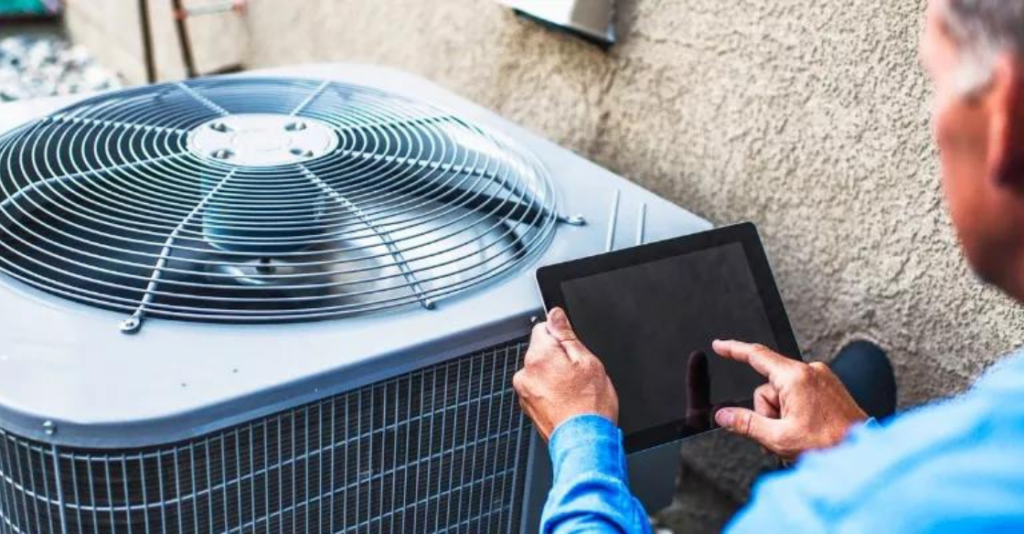
 

If the ducted air con device is well maintained, it’ll work constantly as anticipated throughout the 12 months. This is especially true in Newcastle, where the weather changes surprisingly with the seasons. This blog will offer seasonal maintenance tips to enhance the efficiency and durability of ducted air conditioning in Newcastle.

1. Spring Cleaning

Spring marks the correct time to prepare your aircon system for the multiplied demand of the approaching summertime months.

  • Check and Clean Filters: This highlights the initial step of spring maintenance, which involves inspecting and cleaning the air filters. Emphasise that during the winter season, the filter may not be used frequently; therefore, it collects dust and pollen and is logged. These filters require cleaning or replacement because the clogged ones can hamper the airflow and lower the system’s efficiency, resulting in higher energy usage and bills.
  • Inspect Ductwork: It is vital to survey the ducts for feasible damage like holes, leakage, or separation symptoms. Damaged ducts can permit cool air to get away, which means that the machine will work harder to chill the house, which reduces the lifespan of an air conditioner. Sealing or repairing leaks will be necessary to ensure air is adequately directed across your home.
  • Schedule a Professional Service: It’s essential to have a professional technician to service the air conditioning system. They can check refrigerant levels, assess electrical components, and ensure the system is clean and functional. This proactive service can prevent the inconvenience of system failures during the peak of summer heat.

2. Summer Preparedness

Summer is the peak time for air conditioning systems in Newcastle, making the efficiency of your system a top priority.

  • Test the System Early: It is preferred to check your air conditioning system when you do not want to experience the uneasiness of meeting some problems on the hottest days of summer, and this is why it is recommended that the checkup is done in the late spring or the early summer.
  • Precise Outdoor Units: Always make sure that the surrounding area of the outer unit of the air conditioner is clean from items like leaves, dirt and twigs, which may hinder the circulation of fresh air on the unit. Also, ensure that its surrounding environment is free and has enough space to allow proper airflow circulation of the unit.
  • Optimise Thermostat Settings: Using an able thermostat can go a long way in improving the performance of your system by setting it to adjust the temperature automatically based on when you are home or away. This can avoid unneeded operation and minimise the system’s wear and consequent energy use.

3. Autumn Check-up

Because fall marks the onset of cooler weather, it is also an excellent time to get your Maitland air conditioning systems winter-ready for the following summer.

  • Prepare for Inactivity: If it also addresses the heating requirements, autumn can still mean significant usage; otherwise, if you are dealing with cooling only, then this season is perfect for cleaning and vital repair work. This is the best opportunity to use the cleaning services for heaters and air conditioning systems. As a result, indoor air quality will significantly change for the better.
  • Check Insulation: Insulation checks and probable upgrades can help retain heat within the home during the cold months, lower the cost of heating in your home, and put a lesser load on your heating system if it differs from your air conditioning unit.
  • Review Energy Use: One has to look at the air conditioning performance during the autumn period in terms of energy consumption. Review your electricity and gas consumption against prior months and set your appliances to conserve power.

4. Winter Maintenance

Winter demands less from your air conditioning system in terms of cooling, but it is still essential to maintain it during this season.

  • Protect External Units: Covering outdoor units can protect them from debris and extreme winter weather conditions. Use breathable covers to prevent moisture accumulation, which can lead to corrosion and other damage.
  • Regularly Check for Obstructions: These checks will help check the outdoor unit where snow, ice, and leaves may accumulate, which may affect the working area and potentially harm your system.
  • Maintain a Steady Temperature: Often, it is freezing outside, and people tend to increase the temperature inside the premises, but this should not be too high to reduce the wear of the heater and control heating costs.

5. Year-Round Tips

Beyond seasonal maintenance, several practices can benefit your air conditioning system year-round:

  • Regularly Replace Filters: This is perhaps the simplest yet most effective way to maintain air quality and system efficiency.
  • Listen for Unusual Noises: Random sounds that are produced can show early signs that there is something that needs attention.
  • Keep an Eye on Energy Bills: A common reason people struggle with paying bills is when energy costs increase rather than decrease, which is often linked to issues with HVAC systems.

Final Thoughts

Thus, you must regularly maintain the ducted air conditioning system, especially according to the season. You can avoid emerging problems, cut energy expenses, and optimise the system’s performance from the above-detailed strategies. Whether Summer or Winter, a well-maintained air conditioning system will bring comfort when needed. 

However, it should always be understood that time spent on maintenance work saves money, and the home is always comfortable. Measures have to be taken today; the idea is simple but effective – to guarantee that your system stays in perfect working condition and is prepared to cope with the peculiarities of Newcastle’s climate.


Precision engineering is absolutely critical in the realm of luxury metal manufacturing. It is the mix of sophisticated technology and expert workmanship that turns unprocessed materials into magnificent architectural features. Focal, a leader in bespoke metalwork, employs cutting-edge techniques like CNC profile cutting, laser profile cutting, and specialized metal finishes to ensure each piece meets the highest standards of quality and aesthetic appeal. This process is known as the concept-to-creation process.

Advanced Technology: CNC and Laser Profile Cutting

Central to Focal’s ability to deliver flawless architectural details is their investment in CNC and laser profile cutting technology. This state-of-the-art equipment allows for precise cutting of various metals, including stainless steel, aluminum, and brass, according to exact specifications. The process starts with detailed 3D modeling using software like Autodesk’s Inventor, which transforms intricate designs into digital blueprints.

After finalizing the design, the CNC and laser profile cutting machines execute the cutting process with unparalleled accuracy. This technology ensures clean, sharp edges and intricate patterns, even on complex shapes and large-scale projects. Whether creating custom metal cladding panels for exterior facades or intricate decorative elements for interior spaces, CNC profile cutting at Focal guarantees consistency and precision in every detail.

Specialty Metal Finishes: Enhancing Aesthetic Appeal

Beyond precision cutting, Focal specializes in a wide range of metal finishes that enhance the aesthetic appeal of their architectural creations. Each finish is carefully selected to complement the design intent and architectural style of the project. Some of the specialty metal finishes offered include:

  • Mirror Polishing: This technique produces a reflective surface that adds sophistication and elegance to metal elements, making them stand out in any setting.
  • Brushed Finishes: Ideal for achieving a contemporary look, brushed finishes create a textured surface that is both visually appealing and resistant to fingerprints and scratches.
  • Patination: A process that accelerates the natural oxidation of metals like brass and copper, resulting in rich, nuanced colors and a vintage aesthetic that ages beautifully over time.

These specialty finishes not only improve metalwork’s visual appeal, but they also contribute to its durability and resistance to environmental factors such as corrosion and wear.

Craftsmanship and Attention to Detail

At Focal, precision engineering goes hand in hand with meticulous craftsmanship. Skilled metalworkers, trained in the art of welding, soldering, and metal fabrication, bring decades of experience to each project. Every weld and joint is executed with care, ensuring structural integrity and a seamless finish that meets the highest standards of quality.

From the initial design consultation to the final installation, Focal’s team maintains a rigorous commitment to detail. Focal’s team produces full-scale working drawings for client approval, which minimizes the need for rework during the fabrication and installation phases. This proactive approach not only streamlines the production process but also ensures that each piece of metalwork meets the exact specifications and design intent of the client.

Innovation and Adaptability

Innovation is at the core of Focal’s approach to luxury metal fabrication. The company continually invests in new technologies and techniques to expand their capabilities and meet the evolving demands of architectural design. This includes ongoing training for their team of craftsmen to stay abreast of industry advancements and best practices.

Moreover, Focal’s adaptability allows them to tackle even the most challenging projects that other fabricators may shy away from. Whether it’s fabricating oversized metal sculptures for public spaces or creating bespoke metal furniture for luxury residences, Focal combines technical expertise with creative vision to bring ambitious designs to life.

Conclusion

Precision engineering in luxury metal fabrication is not just about creating functional elements; it’s about crafting works of art that enhance architectural spaces. Focal’s commitment to advanced technology, including CNC and laser profile cutting, specialty finishes, craftsmanship, and innovation, ensures that each piece of metalwork exceeds expectations in terms of both aesthetics and performance. By diving into the behind-the-scenes processes of CNC and laser profile cutting and specialty metal finishes, Focal demonstrates how meticulous attention to detail and a passion for quality elevate their creations to the pinnacle of luxury metal fabrication.

A custom home is a big investment, and keeping it up can save you a lot of money in the long run. Cleaning your chimney is an important part of taking care of your home. Cleaning the chimney regularly is important for safety and financial savings.

A clean chimney keeps your fireplace or heating system working well. Over the years, soot, creosote, and other debris can build up in your chimney. If left untreated, these deposits can cause problems, such as increased costs and potential hazards.

This blog post will tell you how chimney cleaning can save you money on your custom home.

Benefits of Chimney Cleaning

Here are the benefits of chimney cleaning:

Always Be Safe

The main reason for cleaning chimneys is to make sure people are safe. Creosote is a byproduct of burning wood that is very hot. If it builds up in your chimney, it can cause a dangerous chimney fire. Regular cleaning helps prevent fires.

Energy-efficient Heating

Keeping your chimney clean makes your fireplace or heating system work better. If the chimney is clogged or dirty, it makes it harder for smoke to escape. This can make your heating system work harder, leading to higher energy costs.

Chimney Cleaning Benefits

Let’s talk about how chimney cleaning can save you money during custom home construction.

Lower Energy Bills

When your chimney is clean, your heating system works more effectively. This means it uses less fuel to make the same amount of heat, so you pay less for energy. A clean chimney helps you use your fuel more efficiently.

Avoiding Health Costs

A blocked chimney can make dangerous gases like carbon monoxide build up in your home. Exposure to carbon monoxide can cause serious health problems or even death. Regular chimney cleaning ensures that these gases are vented outside, keeping your family safe and healthy.

How Often Do You Have to Clean Your Chimney?

The frequency of cleaning your chimney depends on how often you use your fireplace or heating system. Here are some general rules to remember:

Fireplaces With Wood Burning

If you use your wood-burning fireplace often, you should have your chimney cleaned at least once a year. Even if you only use it occasionally, it’s important to check and clean it every year to make sure it’s safe and effective.

A Gas Fireplace

Gas fireplaces produce less soot and creosol than wood-burning ones, but they still need regular maintenance. A yearly inspection and cleaning usually keep them in good condition.

How To Choose An Experienced Chimney Sweep

A professional chimney sweep is the best way to make sure your chimney is cleaned and inspected thoroughly. Here are some suggestions for choosing the right person:

Read Reviews And Ask For Suggestions

Ask people you know and read reviews online to find a good chimney sweep. Reviews and word-of-mouth recommendations are good signs of good service.

Get Several Quotes

Before hiring a chimney sweep, get quotes from several companies. Cost is important, but also think about how long the company has been around and how well they are known.

Conclusion

Chimney cleaning is important for keeping your custom home safe. It makes heating more efficient and prevents costly repairs and health issues. If you clean your chimney regularly, you can save money in the long run and enjoy the warmth of your fireplace without worrying.

Make chimney cleaning a top priority in your home maintenance routine and save money.

Architects and developers must produce attractive, structurally sound residential complexes. These architectural marvels need building construction services. Underpinning secures the building to the earth and protects it from nature and time. Underpinning provides construction safety, longevity, and innovation beyond reinforcement. Underpinning helps establish safe, strong, and adaptable living environments that endure generations by rectifying soil instability or structural flaws. Urbanization alters our towns and societies, making underpinning vital to sustainable development and architectural objectives while safeguarding residents. Engaging a HUD consultant can also be beneficial, as they provide insights on compliance with housing regulations and ensure that the construction methods used, including underpinning, meet safety and quality standards essential for sustainable living.

Understanding Underpinning: A Foundation of Stability

Underpinning stabilizes a building’s foundation, which supports it. Soil subsidence, structural damage, and environmental changes may weaken the foundation, making it crucial. It strengthens the building’s foundation against time and weather. The Weehawken Underpinning service comforts architects, developers, and future dwellers beyond structural strength. By fixing soil instability and structural weaknesses, underpinning builds stability and resilience. In an age of urbanization and increased infrastructure requirements, underpinning is crucial to sustainable development, creating safe, livable environments for future generations. Underpinning reflects the industry’s commitment to innovation and expansion, helping apartment complexes expand while retaining safety, durability, and quality.

The Process Unveiled: Techniques and Methodologies

Underpinning solves construction issues in several ways. Foundations typically use steel or concrete beams to distribute load and increase stability. Traditional underpinning requires careful planning and execution to minimize environmental and structural harm. Resin injection or screw pile underpinning may be utilized when traditional underpinning fails. To stabilize the soil and strengthen the structure, glue or grout is injected beneath the foundation. Helical screw piles driven into the ground support and stabilize various soil and foundation types in screw pile underpinning.

Apartment Building Foundation

Apartment underpinning guarantees structural integrity and safety. When multi-story buildings expand, foundations matter more. Underpinning evenly distributes the structure’s weight, preventing unsafe settling and structural failures. Underpinning helps architects and developers maximize land utilization by creating high-rise buildings on challenging terrain or pre-existing structures. Underpinning strengthens the foundation and reduces unstable ground risks, allowing bold architectural concepts and urban development projects to build modern city skylines.

Beyond Stability: Increased Durability

Although its primary purpose is to reinforce buildings, underpinning provides numerous additional benefits. Underpinning solves soil subsidence and structural issues, extending apartment complex life and reducing costly repairs and maintenance. Underpinning lets developers rebuild and extend ancient structures to meet new rules. Underpinning promotes adaptive reuse and sustainable development by adding floors to satisfy demand or renovating existing buildings for safety.

Navigating Complexities: Issues

Underpinning has benefits but is challenging. The process requires careful planning, precise execution, and rigorous safety to minimize risks and optimize benefits. Choosing an underlying approach requires considering soil, groundwater, and nearby structures. To prevent conflict, stakeholders must communicate and cooperate on initiatives that affect surrounding areas and people. Transparency and engagement throughout development build community trust and guarantee project success and satisfaction.

Conclusion: 

Construction foundation services show the industry’s commitment to innovation, resilience, and safety in a changing sector. From design to completion, underpinning ensures apartment buildings survive nature and time. Urbanization will raise demand for safe, sustainable, and resilient housing. Underpinning is a technical need and a symbol of progress and potential in our changing world, enabling architects, developers, and communities build strong, solid tomorrows.

Unless of course obviously clearly you are the the one which began it, a lot of us hate office gossip. Include the extended commute along with the co-worker while using the odor issue, plus an online business office looks really appealing. The issue arises once the size or layout of your home does not lend itself to a single. This is where proper cabinet design will be.

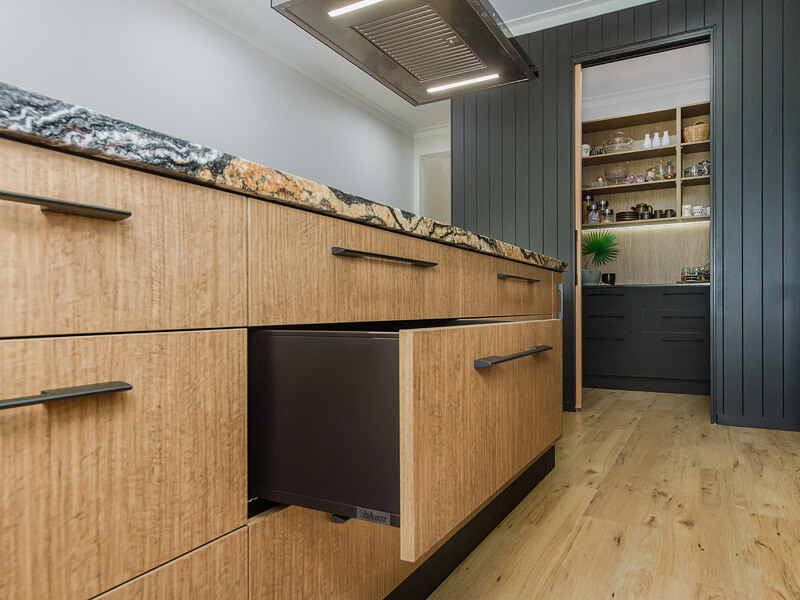
Advantages of Custom-Made Cabinets | A&T Cabinet Makers

When you enter into work and make use of your house office for other things, your needs offer a similar experience. You may need a place that’s organized, efficient and comfy. If you can’t designate another room using this, it might be somewhat challenging. As opposed to quit the fight though, collect ideas that have proper cabinet design and you will stand greater than a fighting possibility of which makes it happen.

Corner industry

Usually, winding up within the corner signifies you’ve either ticked off your mom and dad or exhaust options. If you just visit from the volition, it is a completely story. Most within the diner may be the perfect place for just about any home office if you realise how you can operate the area to best advantage, including cabinet design. After placing the desk against one wall, install some shelves above it and cabinets underneath.

It appears sensible an orderly feel and look that’s compact without dealing with sacrifice storage. The region may seem off-putting initially, though the right layout and cabinet design, it could give “visiting the corner” another meaning.

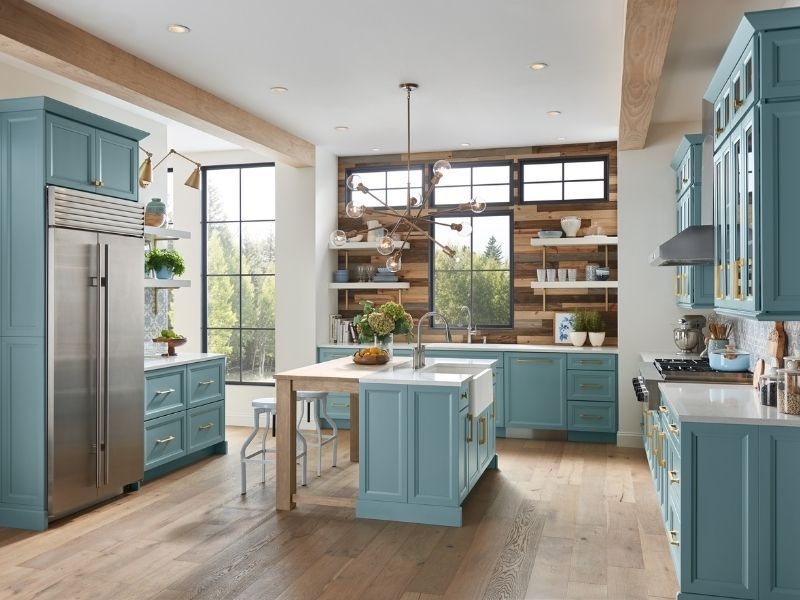
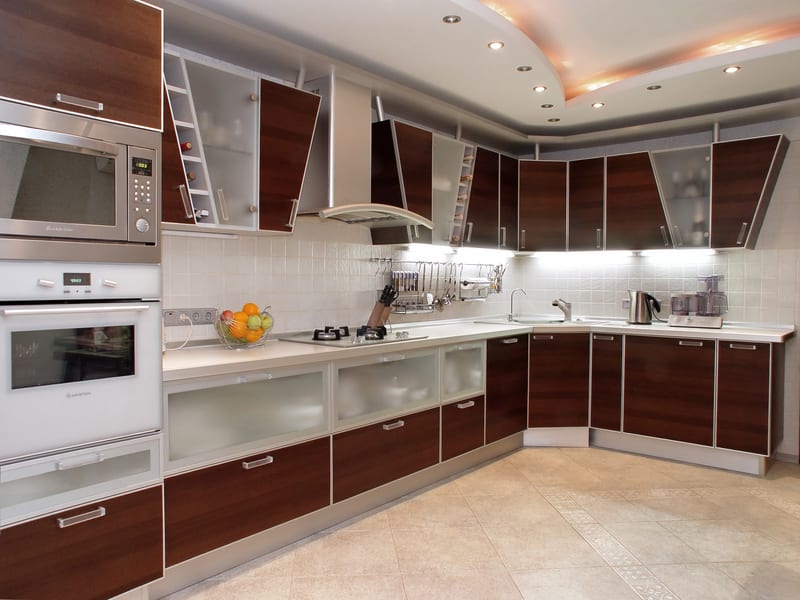
10 Amazing Modern Kitchen Cabinet Styles

Lead the Charge

For the home-based business person, the prevalence of technology like tablets and laptops could be a double-edged sword, like finally eliminating work know-it-all, simply to lead him to back since the supervisor. Yes, you will get great mobility concurrently, they might leave office contents scattered in your house. It’s additional issues that cabinet design is well outfitted to resolve.

As anybody that has ever herded cattle or had kids will highlight, the finish outcome is to create these within close closeness to monitor them. Having a single cabinet the idea of your working atmosphere, where devices, chargers and purchase office supplies online over can congregate, provides the reassurance that’s added to grouping like things together. That way, you will be more efficient health club render that annoying “co-worker switched boss” a web-based memory.

Removed for Landing

Sometimes, should you least expect it, a hurdle without warning morphs into chance. Getting another room for the home office might be convenient, but it is also isolating. Rather, place your ingenious nature and lately discovered knack for cabinet design to great use.

For people who’ve landing space around the second floor that’s not being used, it’s time to regulate that. By permitting within the desk, comfy chairs and possibly somewhat table or maybe more, and pairing these with the right cabinet design, you’ll present an area where kids tackle their homework, parents do their documents, along with the whole factor just… works.

Living up

Your family room can instruct unique challenges by office and cabinet design. How would you produce a place that’s both inviting and off traffic? The secret’s a hidden storage method of cabinet design. Having a “clean front” design, you can produce ample safe-keeping for buy office supplies online over without detracting inside the beauty within the room. It is a win-win solution, as well as the conclusion, it is precisely what customers are about.