
Author

Dennis Spellman

Browsing

Construction hoarding is one of the first things people notice when a project begins. Whether surrounding a new development, a renovation site, or infrastructure works, hoarding serves as a visible boundary between construction activities and the public.

While many people associate construction hoarding primarily with security, its role extends much further. Properly installed hoarding helps improve site safety, controls access, reduces visual disruption, and can even contribute to noise and dust management. However, to achieve these benefits, it needs to be installed at the right time and in the right way.

Understanding when and how construction hoarding should be installed can help contractors maintain a safer, more organised, and more compliant worksite from day one.

Why Construction Hoarding Matters

Before discussing installation, it is worth understanding why hoarding is such an important part of site preparation.

Construction sites contain numerous hazards, including moving machinery, excavation works, building materials, and ongoing construction activities. Without a clear physical boundary, there is a greater risk of unauthorised access and accidental injury.

Construction hoarding helps by:

  • Separating the public from work areas
  • Improving site security
  • Defining site boundaries clearly
  • Supporting safety compliance requirements
  • Reducing visual clutter around the project
  • Helping manage dust and, in some cases, noise

For projects located in busy urban areas, these benefits become even more important.

Install Hoarding Before Major Site Activities Begin

One of the most common mistakes is delaying the hoarding installation until construction is already underway.

Ideally, construction hoarding should be installed before significant site activities commence. This includes before:

  • Demolition works
  • Excavation activities
  • Delivery of heavy equipment
  • Material storage
  • Structural construction

Establishing secure boundaries early helps reduce safety risks and ensures that the site is properly controlled from the outset.

In many projects, hoarding installation is one of the first visible stages of mobilisation.

Assess Site Conditions Before Installation

Not all construction sites are the same. Site layout, surrounding infrastructure, pedestrian traffic, and project duration all influence the type of hoarding required.

Before installation, contractors should evaluate:

  • Site dimensions and boundary lines
  • Nearby roads and footpaths
  • Adjacent buildings and properties
  • Access points for vehicles and workers
  • Areas with high pedestrian activity

This assessment helps determine the most appropriate hoarding design and placement strategy.

Choose the Appropriate Hoarding Type

Construction hoarding comes in several forms, and selecting the right option depends on the project’s needs.

Solid hoarding panels are commonly used for long-term projects and provide strong visual screening and site security.

Temporary fencing systems may be suitable for shorter-duration works or lower-risk sites where complete visual screening is not required.

Acoustic hoarding systems can be considered for projects located near residential areas or sensitive environments where noise control is a concern.

The chosen system should align with both operational requirements and local regulations.

Ensure Structural Stability

Safety is the primary consideration when installing construction hoarding.

Poorly secured hoarding can become a hazard, particularly during adverse weather conditions or in high-traffic environments.

To ensure stability:

  • Support structures should be properly anchored
  • Panels should be securely connected
  • Foundations or ballast systems should be suitable for site conditions
  • Wind loads should be considered during design and installation

Regular inspections are also important to identify any movement or damage over time.

Plan Access Points Carefully

While hoarding creates a secure boundary, the site still requires controlled access for workers, deliveries, and equipment.

Access points should be planned from the beginning to avoid operational issues later.

This typically includes:

  • Dedicated vehicle entry and exit points
  • Pedestrian access gates
  • Emergency access provisions
  • Clear signage for authorised personnel

Poorly planned access can create congestion, safety risks, and inefficiencies throughout the project.

Consider Public Safety Around the Perimeter

Construction hoarding protects the site, but it also affects the surrounding public environment.

Where hoarding borders footpaths, roads, or public spaces, contractors should ensure:

  • Adequate pedestrian access is maintained
  • Visibility at crossings and intersections is not obstructed
  • Signage is clear and easy to understand
  • Lighting is sufficient where required

A well-designed perimeter helps maintain safety for both site personnel and the public.

Incorporate Dust and Noise Management Where Appropriate

Although hoarding is not primarily designed for environmental control, it can contribute to reducing nuisance impacts.

Solid hoarding can help contain some dust generated by site activities. Certain specialised systems may also assist with noise reduction when combined with additional acoustic measures.

For projects in densely populated areas, integrating these considerations into hoarding design can help minimise disruption to neighbouring properties.

Maintain Hoarding Throughout the Project

Installation is only the beginning.

As projects progress, hoarding may be exposed to impacts, weather conditions, and ongoing site activity. Without regular maintenance, panels can become damaged, loose, or unstable.

Routine inspections should check for:

  • Structural integrity
  • Damaged panels
  • Loose connections
  • Signs of corrosion or wear
  • Unauthorised modifications

Prompt repairs help ensure the hoarding continues to perform its intended function throughout the project lifecycle.

Update Hoarding as Site Conditions Change

Construction projects rarely remain static.

As works progress, access routes may change, equipment may be relocated, and different stages of construction may introduce new risks.

Contractors should periodically review whether the existing hoarding arrangement remains suitable. Adjustments may be needed to accommodate changing site operations while maintaining safety and security.

A flexible approach helps ensure that hoarding continues to support the project’s evolving requirements.

Final Thoughts

Construction hoarding plays a critical role in establishing a safe, secure, and organised worksite. While it is often viewed as a basic requirement, its effectiveness depends heavily on when and how it is installed.

Installing hoarding before major activities begin, ensuring structural stability, planning access carefully, and maintaining the system throughout the project all contribute to better site management. Beyond security, properly installed hoarding supports safety, improves public protection, and helps projects operate more efficiently.

In many ways, construction hoarding sets the foundation for everything that follows. Getting it right from the start can make a significant difference throughout the life of a project.
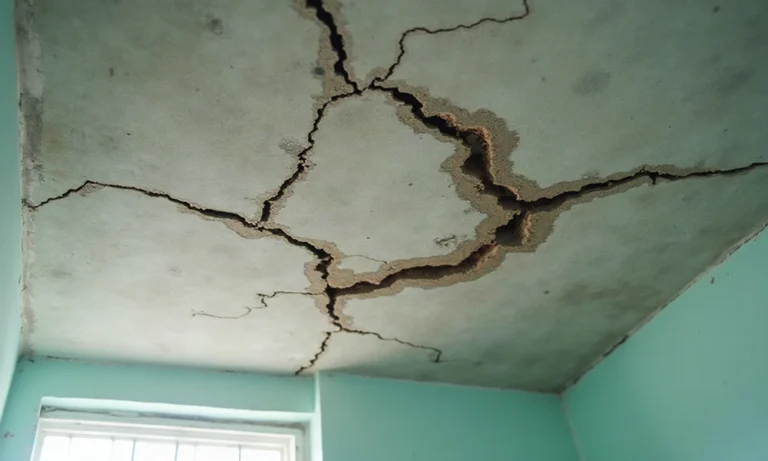

Spalling concrete, the cracked, bulging patches that eventually drop chunks of concrete from a ceiling, is largely caused by carbonation, a slow chemical process that corrodes the steel reinforcement bars sitting just beneath the surface. It’s especially common in older buildings and in damp, humid rooms like kitchens and bathrooms, because moisture and carbon dioxide reaching those bars through cracks or old drill holes is what keeps the corrosion going. That detail, moisture feeding the process, is the part a straightforward concrete patch doesn’t actually deal with.

Repair of a Spalling Concrete Ceiling Only Fixes What’s Already Visible

A repair spalling concrete ceiling job, done properly, removes the damaged concrete, cleans and treats the exposed rebar for rust, applies a bonding agent, and patches the area with cement mortar before repainting. That process addresses the damage that’s already happened. It doesn’t do anything about whatever has been feeding moisture to that spot in the first place, which means the same corrosion process can simply resume underneath a brand new patch if the source of the moisture was never identified.

This is why a patch that looks perfectly finished on handover day can bulge and crack again within a year or two, not because the repair itself was done badly, but because it was only ever treating the visible half of the problem.

Carbonation Needs Moisture to Keep Spreading, and Moisture Needs a Way In

Humidity in the air speeds up carbonation on its own, but a steady, localised source, a leaking pipe above, a bathroom floor that was never properly sealed, water tracking along a crack from the unit upstairs, accelerates it dramatically in one specific spot. That’s usually why spalling shows up as isolated patches rather than evenly across an entire ceiling: the corrosion is following wherever the water has actually been getting through.

Three Signs the Real Problem Is Above the Ceiling, Not In It

  • The spalling patch sits directly below a bathroom, kitchen, or balcony floor in the unit above
  • A patched area returns within a year or two, in the same spot or just beside the original repair
  • There’s any staining, discolouration, or dampness around the spalled area, not just the crumbling concrete itself

Why Waterproofing Contractors in Singapore Get Called After the Concrete Contractor, Not Before

Many homeowners only start looking for waterproofing contractors in Singapore once a spalling repair has already failed a second time, by which point the moisture source has usually had years to establish itself. Bringing in a waterproofing assessment before or alongside the concrete repair, rather than after it fails again, means the actual leak path gets sealed at the same time the visible damage gets patched, so the two jobs reinforce each other instead of one quietly undoing the other.

Does Every Spalling Repair Actually Need a Waterproofing Check Too?

Not every case. A spalling patch in a dry, well-ventilated area with no wet room directly above it may simply be the result of ordinary ageing and humidity, and a standard repair can be the end of it. The cases worth flagging for a waterproofing check are the ones with a wet room overhead, a history of repeat spalling in the same spot, or visible staining alongside the damage, since those are the patterns that usually point to an active moisture source rather than general wear.

Age of the building matters here too, though it isn’t the whole story on its own. Older flats naturally carry more risk simply because carbonation has had more decades to work on the reinforcement, and older waterproofing membranes in the units above have had more time to degrade or crack. A newer building isn’t automatically immune; a poorly sealed bathroom floor can start leaking within a few years of completion, but when a spalling patch does show up in an older block, it’s worth treating the wet-room-above pattern as the more likely explanation rather than the exception.

None of this means every ceiling crack is secretly a waterproofing emergency. It means the two trades are solving connected problems, and treating them as connected from the start tends to be the difference between a repair that lasts and one that’s due to be redone in a year or two.

Checking whether a spalling patch is hiding a waterproofing issue takes one inspection, not a guess. Contact General Waterproofing & Service to arrange an assessment before booking just the concrete repair.

Most homeowners treat window coverings as a one-time decision made during renovation and rarely revisit it, which is why so many living rooms end up with a blind chosen for the showroom sample rather than how the room is actually used through the day. Roller blinds reward a bit more thought upfront, since fabric choice and mounting style affect daily use far more than the simple mechanism suggests at first glance.

Why Roller Blinds Suit Modern Interiors

The flat, minimal profile of a roller blind sits close to the window frame without the bulk of layered curtains, which suits the clean lines common in contemporary Singapore homes. This slim footprint also makes them a practical choice for smaller rooms, where a bulkier treatment would visually crowd the window and make the space feel more confined than it actually is. Open-concept layouts, common in newer condominium developments, also benefit from this simplicity, since a bulky treatment on one window can visually interrupt sightlines across an otherwise open floor plan.

Fabric Types and What They’re Suited For

Light-filtering fabrics soften harsh sun while still allowing daylight through, suiting living areas where natural light matters during the day. Blackout fabrics block light almost entirely, making them the more practical choice for bedrooms or media rooms. Sunscreen fabrics sit between the two, cutting glare and UV exposure while preserving an outward view, which suits rooms where maintaining a connection to outside matters more than full privacy. Home offices increasingly favour sunscreen fabric specifically, since it reduces screen glare during video calls without requiring the room to be darkened completely.

Choosing Between Manual and Motorised Operation

Manual chain or spring mechanisms remain reliable and cost less upfront, suiting most single-window installations without any real downside. Motorised automated window covering system options suit hard-to-reach windows, households wanting scheduled operation, or homes already integrating smart home controls, though the added convenience comes with a higher upfront cost and a battery or wiring consideration to plan for.

Measuring for a Precise Fit

Roller blinds can be fitted inside the window recess for a neat, flush look or mounted outside the frame to fully block light at the edges. Recess-fit installations need precise measurements, since even a few millimetres of error can leave the blind catching on the frame or leaving unwanted gaps. Outside-mount installations are more forgiving of small measuring errors but require enough flat wall space above the window for the bracket. Taking three separate width measurements, top, middle and bottom of the recess, catches the slight frame irregularities common in older buildings that a single measurement would miss.

Light Gaps and How to Minimise Them

A standard roller blind leaves small light gaps along the sides even when fully closed, which matters more in a bedroom than a living room. Side channel systems close these gaps almost entirely, at a modest additional cost, and are worth considering for anyone particularly sensitive to early morning light or wanting closer to true blackout performance. An outside-mount installation with generous overlap on either side of the window also reduces edge gaps considerably compared with a tightly fitted recess installation.

Colour and Pattern Choices for Different Rooms

Neutral tones suit rooms where the blind should recede visually and let other furnishings stand out, while bolder colours or patterns work well as a deliberate accent in a simpler room. Lighter colours also reflect more heat than darker fabrics, which is a genuinely practical consideration in Singapore’s climate for west-facing windows receiving strong afternoon sun.

Durability in Singapore’s Climate

Consistent humidity and strong UV exposure test fabric durability more than in temperate climates, so checking a fabric’s UV resistance rating matters more here than the manufacturer’s general specification sheet might suggest. Fabrics rated specifically for tropical conditions resist fading and maintain their light-filtering properties considerably longer than generic fabric blends not tested against sustained high humidity. West-facing windows exposed to intense afternoon sun benefit most from a higher UV rating, since fading typically shows up there well before it does elsewhere in the home.

Maintenance and Cleaning Requirements

Most roller blind fabrics only need occasional dusting with a soft brush attachment and the occasional wipe-down with a damp cloth for marks. Avoid harsh chemical cleaners, which can degrade coated fabrics over time, and check the mechanism periodically for dust build-up in the chain or motor housing, since this is one of the more common causes of a blind becoming stiff to operate. Kitchens and areas near cooking surfaces benefit from slightly more frequent cleaning, since airborne grease residue settles on fabric faster there than in other rooms.

Budgeting for Quality and Longevity

Cheaper mechanisms tend to wear out or jam within a few years of daily use, while a slightly higher upfront cost for a quality mechanism and fabric typically pays for itself in avoided replacements. Comparing warranty length between suppliers is a useful shortcut for gauging confidence in a given mechanism’s durability without needing to assess the internal components directly.

Choosing the Right Roller Blind for Your Home

Match fabric type to how the room is actually used, light-filtering for shared living spaces, blackout for bedrooms, before choosing colour or mounting style. Measure carefully and consider side channels if light gaps are a genuine concern rather than a minor detail. Thoughtfully chosen roller blinds singapore homeowners select end up serving the room well for years rather than needing early replacement.

Title: Pool Equipment Installation Should Start With the Whole Pad

A single replacement can expose the system

Pool equipment installation often begins with one problem: a tired pump, an unreliable heater, a filter that needs attention, or controls that no longer fit the owner’s routine. The mistake is treating that one part as if it lives alone.

The pool equipment service and repair department describes troubleshooting, repairs, equipment installs, and maintenance, along with a fully stocked approach to equipment brands and select extended warranties when Jameson Service installs equipment.

Look at flow before brand

A better equipment conversation starts with the whole pad. How does water move? Is the filter sized properly? Does the heater depend on flow that the pump no longer provides? Is there room to service the equipment safely? Are valves labelled clearly?

Brand choice matters, but fit matters first. The right piece of equipment can still perform poorly when the surrounding system is mismatched, crowded, or difficult to access.

When to request service details

If the issue involves pumps, filters, heaters, circulation, diagnostics, or water balance, Jameson’s equipment service request information gives homeowners a way to describe the problem before scheduling support.

Useful notes include model names, error codes, pressure readings, recent repair history, photos of the pad, and when the symptom appears. Better notes make it easier to decide whether the owner needs repair, replacement, or a fuller equipment review.

Equipment pads are easy to overlook because they sit away from the main view, but they shape how the pool behaves every day. Tight pads make service harder, awkward plumbing can reduce clarity, and poor access can turn small repairs into larger interruptions. Neat installation is not only cosmetic.

Homeowners should think about future replacement too. Pumps, filters, heaters, salt systems, and automation components may not age at the same pace. A pad with room to work, clear valves, and logical equipment order makes future service less disruptive and easier to understand.

A well-planned pad can also reduce owner anxiety. When valves are labelled, components are reachable, and the system layout makes sense, routine questions about pressure, flow, heat, or cleaning are easier to describe and troubleshoot. Good organization pays off every service season, especially when repairs are time sensitive.

Installation is a future maintenance decision

A clean installation should make future service easier. Equipment should be reachable, labelled, and installed with enough space for inspection and replacement. The owner should understand the basic routine and know what changes would be unusual.

Treat the equipment pad like the pool’s utility room. When it is planned as a system, every future service visit has a better starting point.

Home furniture online shopping in Singapore has matured into a genuinely practical way to furnish a home, offering access to a far wider selection than any single showroom and the ability to compare prices, dimensions and materials without travelling between locations. For buyers who know what they want, or who are willing to do the research that previously required showroom visits, buying furniture online in Singapore is now a fully viable option for every room in the house.

What Has Changed About Online Furniture Shopping

The hesitation that many buyers once had about purchasing furniture without sitting in it or touching the material has largely been resolved through better product presentation. Reputable online furniture suppliers in Singapore now provide detailed product dimensions, material specifications, weight ratings, and in many cases, augmented reality tools that allow you to visualise a piece in your actual room before purchasing.

Return policies at established online furniture retailers have also improved. Many now offer collection and refund options for items that do not meet expectations on delivery, which removes the central risk of buying without physical inspection. Review the return policy carefully before purchasing, specifically whether returns require the item to be unassembled and in original packaging.

Review communities and social media have made product quality assessments more reliable. A sofa with a hundred consistent reviews describing the same durability characteristics tells you more than a showroom salesperson’s description. Reading reviews critically, looking for specific detail about material quality, assembly difficulty and customer service experience, gives you information that was simply unavailable a decade ago.

Categories Available Online

Home furniture online suppliers in Singapore stock the full range of residential furniture categories:

Living room: Sofas, sectionals, coffee tables, TV consoles, bookshelves, side tables and entertainment units in configurations suited to Singapore’s typical apartment dimensions.

Bedroom: Bed frames in single, super single, queen and king sizes, mattresses, wardrobes, dressing tables, and bedside tables. Bed frame dimensions are important to verify against the mattress you are pairing them with and the available floor space in the room.

Dining: Dining tables in extendable and fixed configurations, dining chairs in matching and mixed sets, and bar stools for kitchen counter seating.

Home office: Workstation desks, ergonomic chairs, monitor stands and cable management solutions, a category that expanded significantly after 2020.

Storage: Bookcases, display shelving, shoe cabinets and multipurpose storage units.

Measuring Before You Buy

This is the step most buyers skip and most regret. Singapore apartments, whether HDB flats, condominiums or landed properties, have specific space constraints that affect furniture sizing decisions in ways that showroom display arrangements do not reflect.

Measure the space available for the furniture piece, accounting for door swing clearance for wardrobes and cabinets, passage width around dining tables, and sofa depth in relation to the television distance you want to maintain.

“A well-furnished home does not come from buying the best pieces. It comes from choosing the right ones for the space you actually have.” – Lim Kim San, former Singapore Minister for National Development.

Measure the delivery access route as well. Furniture that does not fit through a doorway, lift or corridor must be returned or left outside. Check maximum dimensions for these access points before confirming any purchase.

Assembly and Delivery

Most online furniture Singapore orders arrive flat-packed. Assembly is either self-managed using included instructions and hardware, or arranged through a paid assembly service offered by the supplier. For large or complex pieces such as wardrobes, beds and dining sets, professional assembly is worth the additional cost as it ensures the piece is structurally sound and reduces the time investment for the buyer.

Delivery timelines vary between in-stock items, which typically arrive within three to seven business days, and made-to-order items, which can take four to ten weeks. Check delivery estimates before purchasing if you are working to a move-in deadline.

Inspect delivered items before signing the delivery acceptance. Check for surface scratches, damage in transit, and completeness of hardware packages. Document any issues with photographs at the time of delivery and report them to the supplier immediately.

Making Purchases Confidently

The most straightforward way to buy home furniture online Singapore with confidence is to combine thorough research with careful measurement. Read multiple reviews for any piece you are seriously considering, cross-reference the listed dimensions against your measured space, and confirm the supplier’s return and exchange policy before placing the order.

For large investment pieces such as sofas and beds, where daily comfort matters and replacements are costly, prioritising suppliers with clear return policies and warranty coverage reduces the risk of an outcome that requires living with a poor choice.

Home furniture online in Singapore gives buyers access to a selection and a price range that physical retail cannot match, provided the purchase is approached with the same care and research that any significant household investment deserves.

Key Takeaways

Many investors end up failing because they concentrate on immediate gains too narrowly. They often forget about hidden costs like property taxes, maintenance, and vacancies that can really eat into their profits.

Understanding market cycles is vital; if you ignore these trends, you risk purchasing overpriced properties and losing your money when downturns occur.

You can’t underestimate the importance of effective property management. After all, poor management leads to high turnover, increased maintenance problems, and ultimately, financial loss.

Location is important, sure, but it’s not all that matters. You’ve got to analyze the local economy and job market too when evaluating potential investments.

Establishing a supportive team is key for success in real estate. Your partners should not only complement your skills but also share aligned goals to endure challenges together.

For sustained wealth in real estate, a long-term strategy is necessary. Think about diverse income streams and have clear exit strategies in place.

Ultimately, successful real estate investment demands a comprehensive approach that considers immediate variables along with long-term implications for a solid portfolio.

Why Most Investors Fail to See the Bigger Picture

Ever wonder about the reasons investors stumble? Often, it’s because they get distracted by the flashiness of real estate without diving into the core of their investments. You might think you’re ticking all the boxes, but there’s a lot happening just under the surface that might sink your ship.

The hidden costs can really derail your investment plans. It goes beyond just the purchase price, folks. Costs like property taxes, maintenance expenses, insurance, and even vacancies can pile up and quickly chip away at your profits. I’ve seen investors overlook these costs and then find themselves scrambling for cash right in the middle of a deal. Don’t let that happen to you.

Every dollar counts. Failing to consider all expenses can lead to catastrophic returns. And we’re not talking about losing a few bucks; we’re looking at thousands, maybe even tens of thousands of dollars that you could have pocketed instead.

  • Property Taxes: Sometimes they explode.
  • Insurance Premiums: They’re rising, trust me.
  • Maintenance: Something will break down. It always does.
  • Vacancies: Don’t forget to factor in those vacant units.

Now, let’s chat about market cycles. Ignoring market cycles is like tempting fate. You can’t just jump in whenever it feels right. The market’s a rollercoaster; it goes up and down. Are you prepared to ride those waves, or will you find yourself crashing down?

Understanding market trends is a must. When a downturn hits, your survival hinges on how well you adapt. Investors who neglect these cycles often find themselves stuck with overpriced properties, watching their profits shrink as prices decline.

“Real estate isn’t just bricks and mortar; it’s a business that thrives on timing.”

So how do you stay ahead? Keep an eye on your local real estate indicators. Notice job growth, local news, and construction activities. The signs are out there; you just have to be willing to see them.

3 Red Flags in Multifamily Investments You’re Missing

When it comes to multifamily investments, the potential can either be a treasure trove or a disaster, and recognizing the signs early makes all the difference. You won’t just unearth treasures; hidden pitfalls could cost you a pretty penny.

Let’s kick things off with property management. Property management pitfalls can drain your finances, and that’s a reality many seem to overlook. Poor management often results in high tenant turnover, maintenance nightmares, and financial mismanagement. It’s crucial to ask the right questions before you sign that contract.

  • How do they go about screening tenants? Are they thorough, or just checking boxes?
  • What’s their reputation like? Are their past clients satisfied?
  • How do they tackle maintenance issues? Are they quick to respond?
  • What tech do they use? Are they stuck in the past?

Skipping these queries could turn a promising investment into a major liability. Just because a building has four walls doesn’t mean it deserves your attention and resources. Dig deeper.

Then comes the eternal debate-is location truly everything? You might want to rethink that notion. Location isn’t the only factor if you’re not analyzing the local economy as well. Sure, a stunning address is nice, but what happens if the job market is crashing? Think beyond just the “hot” neighborhoods.

Consider asking yourself:

  • What’s the growth projection for this area?
  • Are there any infrastructure projects in the pipeline?
  • What’s the crime rate like?

At the end of the day, highlights don’t matter if the area’s losing jobs. A sound investment needs to rest on a foundation of economic viability.

How to Build a Winning Team for Your Real Estate Empire

You didn’t think you’d achieve success all by yourself, did you? Building a winning team is fundamental. You’ll want partners who enhance your skill set, not just agree with everything you say. But here’s the catch: picking the right partners is crucial; they’re what will keep you afloat when you face storms.

So, what should you look for in your partners? You’ll need:

  • Trust: Can you count on them? You’ll sink fast without it.
  • Experience: Their expertise should complement yours where you’re lacking.
  • Shared goals: You ought to have a unified vision.

But it’s not just about the money; character counts too. People skills are just as crucial as number crunching. A problematic partner can negatively impact your investment’s health, and trust me, bad vibes ripple through your entire operation. This is where due diligence comes into play.

Now, let’s talk about property managers. Think of them as the backbone of your business. The right property manager can either make or break your deal, especially in multifamily investments. A sharp manager with a solid grasp of the local market is invaluable.

“Your property manager isn’t merely a caretaker; they’re your frontline soldier.”

So what do you need to remember about property managers? Be sure to ask these before you hire:

  • What’s their tenant retention rate?
  • How do they resolve disputes?
  • What’s their maintenance response time like?

Crafting a Long-Term Strategy: Your Roadmap to Wealth

Listen: in the real estate game, it’s all about thinking long-term. A quick win here or there feels great, but it won’t secure your future. A long-term strategy is crucial if you’re seeking genuine wealth-the kind that allows you to sit back and watch your money flow in.

Creating layers of cash flow resembles building a pyramid-more solid foundations lead to greater heights. Don’t settle for just one income stream; diversify your approach. Consider the following:

  • Rental income coming from multifamily units
  • Flipping properties for a swift return
  • Investing in commercial properties
  • Passive income from REITs

When one stream dries up, you’ll still have others going strong. Now that’s smart business.

As you map out your strategy, don’t underestimate the value of exit strategies. Knowing when to step away can be just as crucial as knowing when to dive in. Here’s the reality: not every deal will shine like gold, and that’s perfectly fine.

  • When’s the right time to sell? Is there equity to take advantage of?
  • What are your alternatives? Have a backup plan (or two).
  • Can you hold on, or is it time to let go?

Recognizing that sometimes less can be more in certain situations will save you from unnecessary headaches later on. Profit isn’t just about what you bring in; it’s also about what you avoid losing.

In the realm of real estate, think like Trey Stone. Look beyond the surface, question everything, and make strategic moves. Remember, a successful portfolio won’t just drop into your lap; you have to bring it to life. So go out and invest wisely!

FAQ

What are common pitfalls in real estate investing?

Many investors find themselves enchanted by potential profits but overlook crucial factors. They often miss hidden costs like repairs, neighborhood crime rates, and economic trends, all of which can impact your bottom line.

How can I analyze the true value of a property?

Start with thorough market research that incorporates recent sales data, property appraisals, and neighborhood analysis. Don’t just stick to the numbers; think about how local developments might shift demand and pricing.

Are there specific financial metrics I should track?

Absolutely. Focus on metrics like cash-on-cash return, cap rate, and debt service coverage ratio. These figures provide clear insight into property performance and help you make more informed investment choices.

How do I handle bad tenants effectively?

You’ll want to set clear expectations from the start. Implement a rigorous screening process, and always communicate promptly. If issues arise, document everything and know the local laws regarding eviction processes.

What role does emotional intelligence play in real estate?

Emotional intelligence matters immensely. It helps you gauge people and situations, whether you’re making deals or managing tenant relationships. Being attuned to emotions can really set you apart in this industry.

How important is it to stay updated on real estate trends?

Extremely important. Data shows that staying in the loop about market conditions, interest rates, and consumer preferences can mean the difference between thriving or just surviving in your investments. It’s a fast-paced field.

What should I know about commercial vs. residential properties?

Commercial properties typically offer higher income potential but come with longer leases and different risks. On the other hand, residential properties are generally more stable but yield lower returns. Each option has its pros and cons depending on your strategy.

How can I strengthen my negotiation skills?

Practice is your best friend. Role-play negotiation scenarios, read up on negotiation tactics, and learn to listen actively. Ultimately, the better you understand what drives others, the more equipped you’ll be to secure favorable terms.

Useful Resources

  • Realtor.com– A comprehensive resource for property listings, market trends, and real estate news.
  • National Association of Realtors– Provides insights, education, and research for real estate professionals.
  • Investopedia: Real Estate– A financial education resource focusing on real estate investing terms and principles.
  • BiggerPockets– A community and educational platform for real estate investors, offering tools, podcasts, and forums.
  • Apartment Therapy– Provides home and property management tips, along with an interest in multifamily living.
  • City-Data– Offers statistics and insights on cities to aid in selecting locations for real estate investments.
  • Real Estate Investor– Supplies information, tools, and forums for both aspiring and experienced real estate investors.
  • Zillow– A widely used real estate platform for finding properties and understanding housing market trends.

Water damage is a frequent and often urgent issue for homeowners and businesses in Houston. Due to heavy rainfall, hurricanes, and high humidity levels, properties in the area are especially vulnerable to flooding, leaks, and moisture buildup. When water damage occurs, the speed and quality of the response can make a significant difference. Choosing a top water damage restoration company ensures that the situation is handled professionally, efficiently, and with long-term results in mind.

Rapid Emergency Response

The fact that a leading restoration company is able to react in a short time is one of the greatest benefits of hiring them. Water damage is contagious and thus it permeates into walls, flooring and furniture in a limited amount of time. Top water damage restoration companies Houston TX provide 24/7 emergency services which enables them to respond to a disaster once it occurs. A quick reaction will aid in minimizing the damage and will also avoid further issues like structural weakening or mold development.

Advanced Equipment and Technology

The best water damage restoration firms are investing in the latest technology in order to get comprehensive and efficient outcomes. Water extraction machines used in the industrial sector pull out standing water in a short time, and mighty air movers and dehumidifiers wipe out the air in the area, which has surplus water. Thermal imaging cameras are also used to detect concealed water behind walls and beneath floors with the help of moisture detection devices. This high-tech will make sure that no part is missed in the restoration process.

Skilled and Certified Professionals

There must be experience and training in the context of water damage. Established restoration firms hire qualified technicians who are familiar with the nature of various forms of water damage, including clean water leaks, as well as dirty flood water. Such professionals adhere to the best practices and industry standards in their pursuit of safe and effective restoration. With their experience, they can estimate the damages and apply the most suitable solutions.

Comprehensive Restoration Services

The variety of services offered is another reason why it is better to turn to the best restoration companies. They do not provide one-half solutions to the problem but provide full solutions that encompass all the steps of the process. This involves water removal, drying, washing, sanitizing and repairs of damaged buildings. Mold remediation and odor removal are also offered by many companies. The single provider of the whole process will guarantee consistency and lessen the burden of organizing various contractors.

Effective Mold Prevention and Removal

One of the key issues in the humid climate of Houston is mold growth. Mold may start growing after 24 to 48 hours of exposure to water unless it is treated properly. The main focus of leading restoration companies is the prevention of mold through complete drying of the affected places and the use of antimicrobial treatment. And in case there is already mold, they adopt special methods to do away with it in a safe manner. This does not only preserve the property but also the health of the occupants. Read this for reference.

Assistance with Insurance Claims

The insurance claims can be complex to maneuver, particularly when there is a stressful situation. The best water damage restoration firms in Houston usually assist homeowners in the claims procedure. They have extensive documentation, such as photos, reports and cost estimates, which can facilitate efficient communication with the insurance companies. This assistance helps property owners to get reasonable compensation on their losses.

High-Quality Workmanship

One of the main aspects distinguishing among the best restoration companies is quality. They also adhere to the industry guidelines in order to make the repairs durable and long-lasting. Drying, cleaning, repairing the damaged areas are all done in detail. Good workmanship will not only revive the appearance of the property, but also provide the property with structural integrity and safety.

Preventing Future Water Damage

Article image

The best restoration companies are not only in the business of repairing the immediate problems but also assisting in the prevention of problems in the future. Once the restoration is done, they can offer suggestions of improvement like improved drainage systems or waterproofing or replacement of building materials. Such preventative activities can greatly minimize the chances of water damage in the future and ensure long-term safeguards to the building.

Reliable Customer Support

Water damage may be so overwhelming, and that is where the trustworthy customer service comes in. Top businesses lay emphasis on effective communication and transparency during the restoration process. They update clients on developments, schedules, and budgets, which aid in establishing trust and confidence. They are dedicated to customer satisfaction, which makes their experience a less stressful one. Visit https://www.indeed.com/career-advice/career-development/why-is-customer-service-important to read more.

Conclusion

Choosing the top water damage restoration companies in Houston is a critical decision that can greatly impact the outcome of a restoration project. These companies have expertise in dealing with water damage in their capacity to respond quickly, have sophisticated equipment, professional staff, and full-service offerings. Through investing in quality restoration services, homeowners and businesses are able to reduce the damage, safeguard their property and secure a safe and comfortable environment in the future.

Who does not love to have wooden fences for their property? They are beautiful, elegant and stylish to look at. However, with the rigors of nature and over a period of time, these wooden fences or colonial fencing are attacked by their enemies like termites, carpenter bees and carpenter ants. 

Wood fencing: Of all the available choices, this is the most popular and most ubiquitous.  It is affordable and lasts a long time, with a bit of care.  Wood fences provide privacy and also a bit of a buffer from noise.Talk to the professionals at fence company St. Augustine.

Tips to fight these wooden fence enemies

Wooden structures are the personal stomping grounds for insects like termites, carpenter ants and bees. This is where you need to take proper measures to protect your wooden fencing from getting damaged. 

  • Combating against carpenter bees
  • Ensure that the wood is not exposed to moisture or weather for long. This serves as the safest nesting place for carpenter bees. 
  • They are similar to bumblebees. 
  • They can be easily distinguished by their feature of a black abdomen with greenish-purple sheen.
  •  The carpenter bees damage the wood by boring several holes in order to lay their eggs. The wood begins to weaken due to these holes which are of a dime size. 
  • In order to protect the wood against such holes made by the carpenter bees, you can easily seal them with the help of a liquid sealant. 
  • Pesticides can also be used to steer clear these bees. 
  • Do not forget to cover the entrance with steel wool.
  • Combating against termites
  • There are several types of termites, including drywood, dampwood, and subterranean termites, that can cause serious damage to wood fencing. One effective way to help prevent termite infestations is through liquid termite treatment. For homeowners looking for practical fencing guidance and solutions, trusted-fence.com can also be a helpful resource when planning long-term fence protection and maintenance.

  • You can also use termite baits and work by spreading less amount of pesticides. 
  • Apply the borate termite treatment like a coat of paint on the wood
  • Dry wood termites can be prevented by using the method of fumigation. 
  • Combating against carpenter ants
  •  Carpenter ants are predominantly seen on trees and wood that have moisture content – rotting trees, roots, logs, stumps to name a few. 
  • Store firewood in the garage and allow considerable amount of air to circulate 
  • Any wood or tree that shows signs of moisture should be removed.

Gutters play a vital role in protecting your home by directing rainwater away from the roof, foundation, and walls. Yet, many homeowners overlook this simple maintenance task — and the consequences of neglecting it can be far more serious than you might expect.

Routine gutter cleaning is one of the easiest ways to safeguard your property from costly water damage, pest infestations, and structural issues. Here’s why it’s essential and what can happen if you ignore it.

1. Why Gutters Matter More Than You Think

The Primary Function of Gutters

Gutters are designed to:

  • Channel rainwater away from your roof and foundation
  • Prevent erosion and water pooling near your home
  • Reduce moisture buildup on siding and walls

When gutters are clogged, this entire system fails — leading to a chain reaction of problems.

2. Risks of Skipping Gutter Cleaning

1. Roof Damage and Leaks

Clogged gutters prevent water from draining off your roof. This can cause:

  • Water pooling and soaking under shingles
  • Rotting of roofing materials
  • Ice dams in winter that lead to leaks inside the home

2. Foundation Issues

When water spills over the sides of a clogged gutter, it collects near the foundation. Over time, this can result in:

  • Soil erosion
  • Cracked or shifting foundations
  • Flooded basements

3. Damage to Siding, Windows, and Doors

Overflowing water can damage exterior surfaces by:

  • Staining or warping siding
  • Causing paint to peel or bubble
  • Promoting wood rot around windows and door frames

4. Landscape Erosion

Water cascading from full gutters can erode flower beds, destroy landscaping, and create muddy, unsightly messes around your property.

5. Pest and Insect Infestations

Leaves, twigs, and stagnant water in clogged gutters create the perfect breeding ground for:

  • Mosquitoes
  • Ants
  • Birds and rodents
  • Termites and carpenter ants

Routine cleanings by professionals like Zachs Gutter Cleaning help remove debris and eliminate pest-friendly environments — protecting both your home and your health.

6. Gutter System Failure

Heavy debris buildup adds significant weight to gutters, leading to:

  • Sagging or detached gutters
  • Broken fasteners
  • Cracked seams and leaks

Replacing an entire gutter system is far more expensive than cleaning it regularly.

3. How Often Should Gutters Be Cleaned?

The general recommendation is:

  • Twice a year: Once in the spring and once in the fall
  • More frequently if you live near trees or in storm-prone areas

Professional services ensure thorough cleaning and inspection, identifying any early signs of damage before they become major issues.

4. Benefits of Hiring a Professional Gutter Cleaning Service

  • Safer than DIY (especially on multi-story homes)
  • Faster and more efficient
  • Includes inspection for blockages, leaks, and damage
  • Prevents unexpected home repairs

Experts at Zachs Gutter Cleaning bring the tools, experience, and attention to detail needed to keep your gutters flowing freely — and your home protected year-round.

Conclusion

Neglecting your gutters can lead to extensive and expensive problems, from roof leaks to foundation damage and pest infestations. Routine gutter cleaning is a simple, preventative measure that keeps your home safe, dry, and in top condition.

Nestled in a prime location, Chencharu Close Condo offers more than just convenient commuting options. Its superb accessibility also enables residents to easily discover a wide range of dining, shopping, and entertainment choices throughout the island. Gone are the days of long and stressful weekend trips to the city – now, residents can enjoy a perfect work-life balance and utmost lifestyle flexibility with minimal travel hassle. Thanks to its strategic location, weekdays are also made more efficient and streamlined for daily commutes to work or school.

Moreover, Chencharu Close Condo goes beyond just providing physical amenities. It also promotes a holistic lifestyle by incorporating wellness and community-centric activities into its design. Residents can participate in wellness classes, community events, and social gatherings, building bonds and creating a sense of belonging within the development.

The Chencharu Close Condo also strives to provide a safe and secure living environment for its residents. The development is equipped with round-the-clock security surveillance and access control systems, giving residents a peace of mind. Additionally, with its prime location in a low-crime area, residents can feel secure and at ease in their surroundings.

The all-encompassing strategy of the URA Master Plan in harmonizing transport, facilities, verdant areas, education, and environmental consciousness culminates in the establishment of an energetic and united society. At Chencharu Close Condo, this translates to a residential setting that offers the benefits of city living while also being immersed in nature and community-centric amenities. The meticulous arrangement and implementation of these components guarantee that the development caters to the varied requirements of its inhabitants, promoting a feeling of kinship and wellness.
The URA Master Plan for Chencharu Close Condo is highly advantageous, particularly in terms of enhanced connectivity. Its strategic location near Khatib MRT station provides residents with smooth and easy access to the North-South Line. Furthermore, the Master Plan also highlights the introduction of a new exclusive bus pathway, called Chencharu Link, running through the estate. This pathway aims to improve bus travel efficiency, further supported by a new bus interchange within the integrated development. These innovations in public transport infrastructure guarantee residents shorter travel durations and increased convenience in their day-to-day travels.
In the bustling city of Singapore, finding a peaceful and serene living environment can be quite a challenge. However, nestled in the heart of Yishun is a hidden gem that offers just that – Chencharu Close Condo. This upcoming residential development, set to be completed in 2023, promises to be a holistic oasis of urban living and community cohesion through its integration with the Urban Redevelopment Authority (URA) Master Plan.

Aside from the physical connectivity, the URA Master Plan also aims to create a strong sense of community cohesion in the area. Chencharu Close Condo will be part of a larger community, further strengthened by the nearby HDB estates and nearby developments. This encourages interaction and social bonding among residents, creating a close-knit and supportive community.

Furthermore, the URA Master Plan also focuses on creating a sustainable and green living environment. Chencharu Close Condo will be surrounded by lush greenery, providing a tranquil and peaceful setting for its residents. The development will also incorporate sustainable features such as rainwater harvesting systems and energy-efficient appliances, reducing its carbon footprint and promoting a more eco-friendly lifestyle.

But Chencharu Close Condo is not just about integrating with the URA Master Plan. The development itself boasts a plethora of facilities and amenities that cater to the needs of its residents. From a swimming pool, gym, and outdoor fitness area to BBQ pits, function rooms, and a playground, there is something for everyone to enjoy. The development also offers a diverse range of unit types, from 1-bedroom to 5-bedroom units, making it suitable for individuals, couples, and families alike.

Located in the mature estate of Yishun, Chencharu Close Condo is surrounded by an abundance of amenities and conveniences. Residents can enjoy a short walk to the Yishun MRT station and Northpoint City, one of the largest shopping malls in the North of Singapore. With a wide array of shops, restaurants, supermarkets, and entertainment options, residents will never have to venture far for their daily needs.

But what sets Chencharu Close Condo apart from other developments in the vicinity is its integration with the URA Master Plan. The URA Master Plan is a strategic and long-term blueprint for Singapore’s land use and development, ensuring that the city remains sustainable and livable for its residents. This integration brings about numerous benefits for both the residents and the community.

In conclusion, Chencharu Close Condo is a prime example of urban living at its finest. With its strategic location, seamless integration with the URA Master Plan, and the plethora of amenities available, it offers residents a perfect balance of convenience and tranquility. Furthermore, its focus on community cohesion, sustainability, and holistic living sets it apart from other residential developments. So, for those looking for a vibrant and connected community within a serene and green environment, Chencharu Close Condo is the answer.

One of the main benefits is the seamless connectivity with nearby amenities. With the URA Master Plan, Chencharu Close Condo will be within walking distance to community facilities such as parks, sports facilities, and schools. The plan also includes the development of pedestrian walkways and cycling paths, promoting a healthier and more environmentally-friendly lifestyle for residents.