
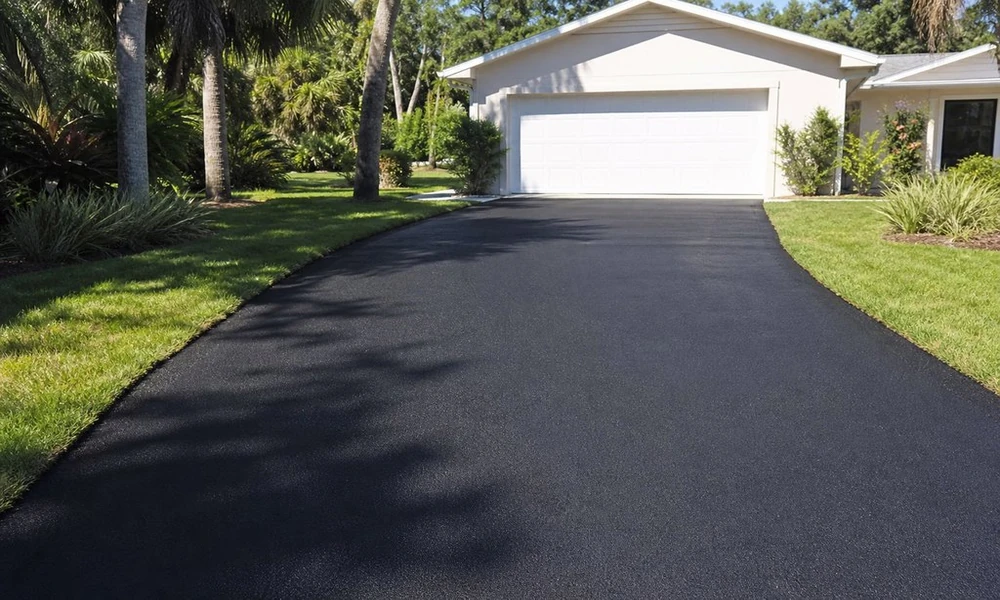
A paved driveway or lot can look fine until cracks begin to appear, the color fades, and rough spots become visible. Sealcoating is one preventative measure that allows asphalt to endure the effects of weather, heavy equipment, vehicle traffic, and general wear and tear long before minor surface deterioration becomes costly to fix.
Sealcoating is not a replacement for repairing or replacing damaged pavement. It is, however, a protective treatment applied to pavement that remains structurally sound and able to be maintained.
What Sealcoating Can Accomplish
The binders in asphalt eventually break down from exposure to weather, oils, and ultraviolet rays – click https://www.who.int/news-room/fact-sheets/detail/ultraviolet-radiation for more. Sealcoat applied correctly will provide a covering that slows this process.
While the result is typically a darker and more even-looking surface, aesthetics are only part of what a sealcoat can do. A sealcoat may also help block water from entering through small gaps in the surface. Preventing water from getting underneath the surface is critical because water under the asphalt can cause deterioration of the base, leading to additional cracking, depressions, and damaged edges.
A sealcoated surface will also be easier to sweep and clean, especially in areas where dirt, leaves, and other vehicle debris accumulate. For property owners considering this type of protection, Blacktop By Beede Paving offers sealcoating services designed to help maintain asphalt surfaces.
Inspecting Pavement Before Sealing
The ideal time to sealcoat is when there is no widespread structural damage. Walk around the lot or driveway, and inspect the condition of the pavement beyond its color. Fading is not always an indication of a severe problem, while cracks and soft spots usually are.
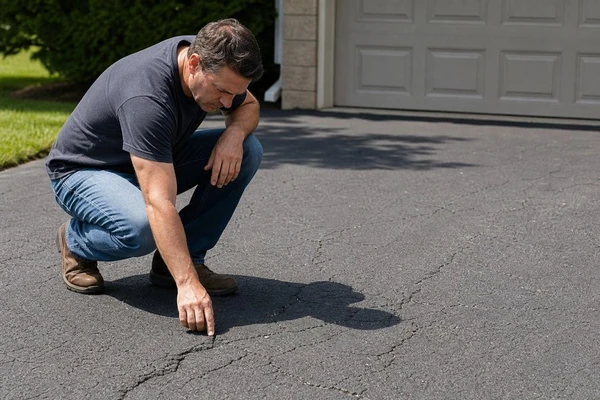
Take note of any of the following:
- Minor surface cracks that haven’t progressed too far
- A dull, gray color with a dried-out or worn look
- Areas of roughness
- Stains that should be removed prior to sealing
- Cracks, potholes, or dips that need repair before coating
Never use a sealcoat to conceal any kind of serious damage. Allow the repair to dry thoroughly, and fill the cracks before applying a sealcoat.
Waiting for the Right Weather
To achieve a smooth and even finish, the asphalt must be clean and dry during application, which means that the weather must cooperate. Waiting for a window of dry weather will allow the crew to prepare the surface, perform any necessary repairs, and allow the coating to cure without interference from rain or water pooling on the surface.
Once the work is complete, avoid walking or driving on the surface for at least 24 hours, unless otherwise directed by the paving company in charge of your project.
Taking this precaution will help you avoid tire marks, scuffing, and uneven wear before the coating hardens.
Skip This If the Surface Is Damaged
If you notice extensive alligator cracking, large potholes, crumbling edges, or areas that bounce or flex under vehicle weight, then sealcoating isn’t the right choice. These symptoms indicate underlying problems that sealcoating cannot address.
In such cases, patching, resurfacing, or complete reconstruction might be a better investment. A black coating applied to severely deteriorating asphalt (click here to know more) may give the appearance of improvement but could also mask the true state of the pavement.
Why Proper Preparation Matters
Most of the benefit of this treatment comes from preparation rather than simply applying a coating to the asphalt. All loose debris should be removed, and the surface should be swept and cleaned of oil spots. Any cracked or failing areas should be repaired.
Proper drainage should also be ensured. Standing water can reduce the lifespan of both the asphalt and the coating. If water pools in a certain area after a rain, then that issue should be addressed before sealcoating.
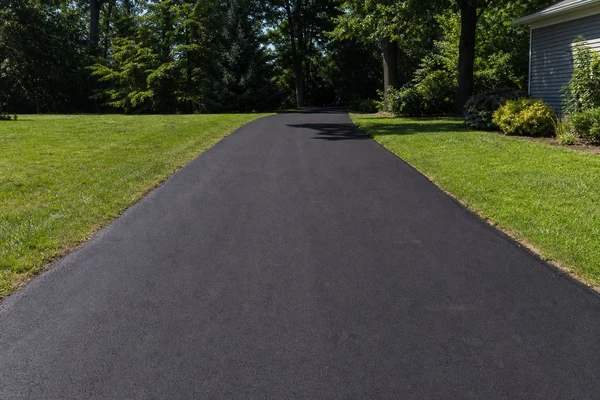
Be sure to schedule this treatment when access to the property is available. Cars, dumpsters, gates, and other items may need to be relocated so that all surfaces can be treated without leaving any unsealed areas.
When considering a maintenance schedule, it’s best to look at the pavement’s condition, the amount of traffic it receives, and its exposure to the elements, rather than a specific time of year.
Driveways that receive more sunlight, have vehicles making tight turns, or sit adjacent to a landscaped area may require more frequent maintenance than those in a quiet neighborhood with minimal traffic or in the shade.
A qualified contractor can assess whether the existing sealant still needs to be left alone or if it’s time for a thorough cleaning, crack sealing, and additional sealant.
Maintaining the Pavement After Treatment
When the coating has dried, continue to keep the surface clean and remove fresh oil or chemical spills as soon as they occur. Avoid turning heavy vehicles back and forth on the same spot, especially during warmer months when the asphalt may be softer.
Continue to inspect the surface for signs of cracking, drainage issues, and edge wear. Record any areas of damage ahead of your next inspection or maintenance visit.

Comments are closed.