
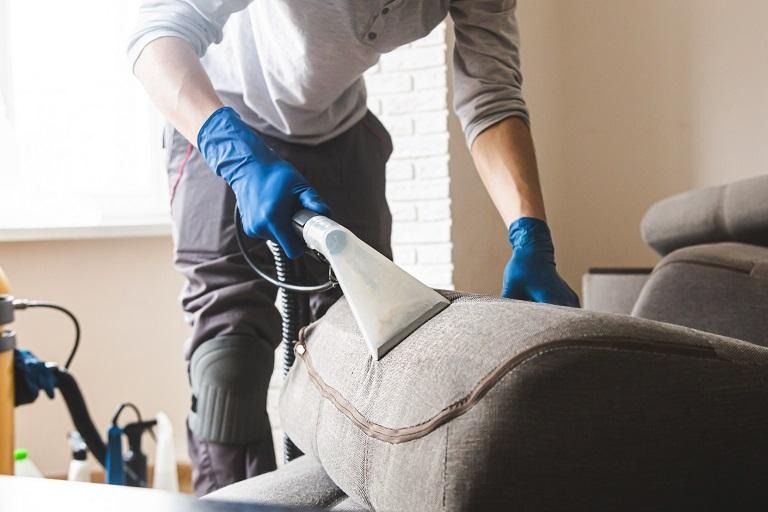
In a world where sustainability has become more than a trend—almost a necessity—homeowners are rethinking how they consume, decorate, and maintain their living spaces. One of the most surprising yet impactful eco-friendly shifts happening today is in the world of furniture repair, specifically sofa repair. Instead of discarding old sofas and buying new ones, more households are choosing to repair, restore, and reimagine the furniture they already own.
This movement is driven by rising environmental awareness, increasing furniture costs, and a growing appreciation for craftsmanship. Here’s why sofa repair is emerging as the new sustainable choice for modern homeowners.
Reducing Waste: Saving Thousands of Tons from Landfills
Every year, millions of pieces of furniture—especially sofas—end up in landfills. A typical sofa contains wood, foam, fabric, metal springs, and adhesives, all of which take decades or even centuries to decompose. Disposing of them not only wastes valuable materials but also increases pollution during the dumping and breakdown processes.
Repairing a sofa keeps it out of landfills.
Instead of contributing to environmental waste, homeowners are choosing to:
Replace worn-out foam
Reupholster the frame
Fix springs and seat supports
Restore or reinforce the structure
This simple choice significantly reduces waste and supports a cleaner, greener environment.
Lower Carbon Footprint Compared to Buying New Furniture
The production of new furniture is resource-intensive. Consider the journey of a new sofa:
It Starts With Raw Materials
Wood harvesting
Oil used to create synthetic foam
Energy-heavy fabric production
Metal extraction and processing
Then Manufacturing
Factories consume large amounts of electricity and water.
Followed By Packaging & Transport
New sofas are bulky and must be shipped through long-distance transportation, increasing carbon emissions.
Repairing a sofa eliminates almost all of these environmental stages.
The materials used in repair—foam, fabric, springs—have a much lower environmental impact than producing an entirely new sofa. In most cases, repair generates up to 80% fewer carbon emissions than buying new.
Cost-Effective Without Compromising Style
Sustainability isn’t just about protecting the planet—it also makes financial sense.
A well-done sofa repair can cost 40–70% less than replacing it entirely, depending on the materials and extent of work.
What makes this even more appealing is that you aren’t limited to factory-produced designs. You can customize:
Fabric texture
Color tone
Cushion firmness
Stitching patterns
Armrest shape
Backrest height
Decorative piping
Homeowners often end up with a sofa that looks far better than the original, at a fraction of the cost.
Sustainable Materials Are Becoming More Popular
Repair companies now offer an impressive range of eco-friendly materials, giving homeowners stylish and responsible choices.
Eco-Friendly Upholstery Options Include:
▪ Organic cotton – breathable, natural, and toxin-free
▪ Recycled polyester – made from post-consumer plastic
▪ Hemp and bamboo fabrics – fast-growing and sustainable
▪ Vegan leather – derived from cactus, pineapple leaves, or apple fibers
▪ Natural linen – durable and biodegradable
Choosing sustainable materials not only reduces environmental impact but also promotes healthier indoor air quality, as they are free from harsh chemicals and synthetic odors.
Extending Furniture Lifespan: A Durable Approach to Living
Sustainability is fundamentally about longevity. High-quality sofa repair focuses on restoring both comfort and structural strength, ensuring that your furniture lasts for many more years.
Popular durability-focused repairs include:
Structural frame reinforcement
Anti-sag spring replacements
High-density or memory foam cushions
Water-resistant and stain-proof upholstery
Moisture-resistant underlayers to prevent mold
These upgrades extend your sofa’s lifespan significantly, reducing the need to purchase replacements frequently.
Supporting Local Craftsmanship & Ethical Business Practices
Most sofa repairs are carried out by skilled local artisans, upholsterers, and technicians. Choosing repair over replacement supports:
Local businesses
Craftsmanship and specialized skills
The regional economy
Ethical labor practices (compared to mass-produced furniture factories)
Instead of mass manufacturing, sofa repair promotes a human-centered economy built on expertise, quality, and attention to detail.
Preserving Sentimental or Premium Furniture
Many homeowners have sofas connected to memories—wedding gifts, inherited furniture, or pieces bought during important life events. Others own high-quality hardwood or designer sofas that were expensive investments.
Repair preserves what is meaningful.
And often, restoring a sentimental or premium sofa is far more sustainable and valuable than purchasing a cheaply made replacement with a short lifespan.
The Rise of Circular Interior Design
Interior design trends in 2025 and beyond are shifting toward circular design, which emphasizes reuse, upcycling, and minimal waste. Sofa repair fits perfectly into this concept:
Refresh instead of replace
Redesign instead of discard
Restore instead of overconsume
Homeowners are increasingly opting for customizable repairs that align with modern aesthetics—minimalist lines, neutral fabrics, textured finishes, and ergonomic comfort upgrades—making repair both stylish and sustainable.
Conclusion Repairing Is the Future of Sustainable Living
Sofa repair Dubai is more than a quick fix—it’s a smart, ethical, and environmentally responsible choice for modern homeowners. From reducing waste and lowering carbon footprints to saving money and supporting skilled craftsmanship, the benefits are undeniable.
By choosing to repair rather than replace, homeowners contribute to a more sustainable lifestyle while enjoying a stylish, personalized, and long-lasting sofa. As eco-conscious living continues to rise, sofa repair stands out as one of the simplest yet most impactful steps toward a greener home and a healthier planet.

Comments are closed.