
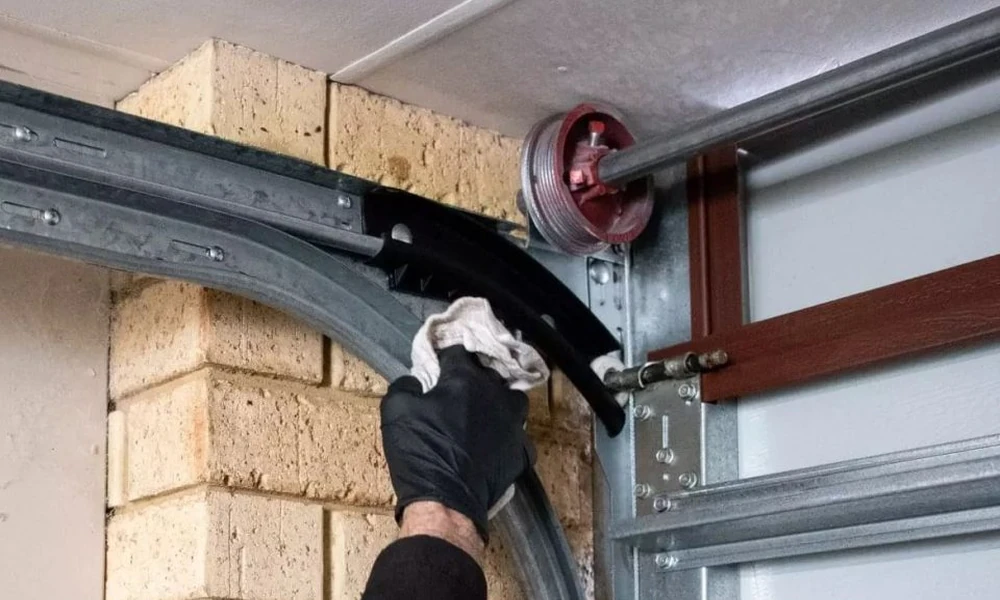
A single snapped spring or misaligned track can halt your whole day, yet most garage door failures are entirely avoidable. The secret? Preventive maintenance, the unsung hero in extending the life of residential, commercial, and industrial garage doors alike.
Why Preventive Maintenance Matters for Garage Doors
Garage doors have a tough job. Every time they open or close, their springs, rollers, cables, and tracks endure stress, dirt, and weather extremes. Over months and years, these small battles add up, making neglect the real enemy of durability.
Common Causes of Garage Door Wear and Failure
Daily use alone gradually loosens hardware and wears down moving parts. Add in exposure to moisture, cold, or corrosive de-icing agents, and even a high-quality door can develop rust or swelling. Electrical openers aren’t immune either, as dust and lack of lubrication slow them down.
How Neglect Accelerates Deterioration
Ignoring minor friction noises or skipping seasonal checks gives those early warning signs a chance to turn into major breakdowns. A frayed cable left unchecked can eventually snap, possibly damaging vehicles or even injuring bystanders. In commercial settings, downtime can cost thousands in lost productivity.
The Financial and Safety Stakes of Door Failure
A failed door is more than an inconvenience. Repair costs can spike if the issue spreads to other components. In extreme cases, forced entry becomes easier, putting security at risk. Preventive maintenance is the insurance policy that protects not just your investment, but your safety as well.
Preventive Maintenance Techniques Compared
A well-maintained door operates smoothly and quietly, but how you achieve this can vary.
Manufacturer-Recommended Routine Checks vs. DIY Inspection
Manufacturers typically outline a series of routine checks: inspecting weather seals, testing auto-reverse features, and tightening bolts. Many homeowners tackle these basics themselves with a little guidance. However, without specialized tools or knowledge, subtle issues may go undetected.
Professional Maintenance Services: What Do They Offer?
Professionals bring more than a checklist. With experience and specialized equipment, they spot early signs of wear, such as telltale cracks in torsion springs or misalignment in photo-eye sensors. Experts like Door Doctor offer tailored maintenance for residential, commercial, or industrial setups, making sure every system gets the specific attention it needs.
Key Maintenance Tasks: Lubrication, Tightening, Cleaning, and Testing
The pillars of preventive maintenance are straightforward but crucial:
– Lubrication: Keeps hinges, rollers, and springs moving freely.
– Tightening: Prevents vibrations from loosening hardware.
– Cleaning: Removes debris from tracks and sensors, reducing strain.
– Testing: Ensures safety features and openers respond correctly.
Impact of Different Maintenance Approaches on Garage Door Longevity
So how much difference does preventive maintenance actually make compared to the “fix it when it breaks” model?
Case Studies: Regular Maintenance vs. Reactive Repairs
Consider two similar commercial properties. The first schedules quarterly checkups, addressing minor issues immediately. The second waits for breakdowns. After five years, the regularly serviced door has needed only basic part replacements, while the second has faced multiple major repairs and premature door replacement.
Comparing Lifespan and Performance Outcomes
| Maintenance Approach | Average Lifespan | Repair Frequency | Operational Downtime |
|————————–|——————|——————|———————|
| Preventive (Regular) | 15-20 years | Low | Minimal |
| Reactive (After Failure) | 7-10 years | High | Frequent |
Cost-Benefit Analysis of Preventive vs. Reactive Maintenance
Preventive care may involve modest recurring costs, but these pale in comparison to the expense and disruption of emergency repairs or replacement doors. For commercial operations, avoiding downtime often justifies the investment alone.
Technologies Enhancing Preventive Maintenance
Technology is making it easier than ever to keep doors running smoothly.
Smart Sensors and Automated Diagnostics
Modern systems now integrate sensors that monitor for vibration, misalignment, or abnormal force. These sensors can alert owners to maintenance needs before problems escalate.
Integration with Garage Door Openers and Security Systems
Smart openers connect with mobile apps, providing real-time updates on door status and even running self-diagnostic routines. This integration keeps users ahead of surprise failures and bolsters security.
Future Trends in Maintenance Technology
Artificial intelligence promises predictive maintenance, analyzing usage patterns to estimate when service is due. Cloud-based records can track service history, further personalizing upkeep.
Selecting the Right Preventive Maintenance Plan
No two doors have the same needs, so options abound.
Residential vs. Commercial Garage Doors: Needs and Solutions
Residential owners benefit from annual checkups, while commercial or industrial sites may require quarterly or even monthly visits, especially in high-traffic environments.
How to Choose Between In-House and Professional Maintenance
DIY can handle simple inspections, but professionals are crucial for high-cycle doors, specialized industrial equipment, or when safety-critical features are involved.
Evaluating Service Providers: Certifications and Guarantees
Look for qualifications, experience with your specific type of installation, and clear service guarantees. Providers like Door Doctor stand out by offering certified technicians and a proven track record across multiple sectors.
Troubleshooting and When to Upgrade or Replace
Even the best maintenance can’t prevent every issue forever.
Identifying Signs Preventive Maintenance Can’t Fix
Repeated breakdowns, sagging panels, or persistent operational issues may signal it’s time for an upgrade rather than another repair.
Balancing Repair Costs Against Replacement Value
Aging doors needing frequent fixes can cost more, long-term, than a full replacement, especially when factoring in lost convenience or business downtime.
How Preventive Maintenance Can Inform Upgrade Decisions
Routine inspections provide a clear maintenance history, helping to determine when replacement is the most cost-effective option.
Summary: Maximizing Garage Door Longevity Through Maintenance Choices
A proactive, tailored approach to garage door maintenance pays off through extended lifespan, reduced repair bills, and better safety. The data speaks clearly: regular, expert-led preventive care costs less and delivers peace of mind, whether at home or at work. By developing a custom strategy and choosing experienced service partners, you not only protect your investment, you ensure your door opens reliably for years to come.

Comments are closed.