Author

Gregg Overcash

Browsing

When it comes to roof replacement in coastal areas, there’s more at stake than just curb appeal. Coastal environments pose unique challenges, ranging from salty air and high humidity to intense winds and hurricane threats. If you live near the ocean, understanding these special considerations can help you make smarter roofing choices that protect your property for the long term.

Salt Air and Corrosion Resistance

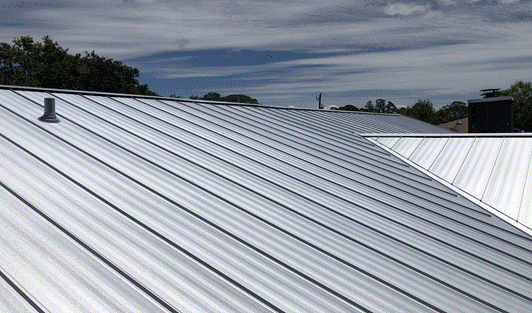
One of the biggest threats to roofs in coastal areas is salt in the air. Salt accelerates the corrosion of metal fasteners, flashing, and even some types of shingles. That’s why materials like stainless steel, aluminum, and high-grade galvanized steel are ideal in coastal applications. If you’re opting for metal roofing, be sure it’s rated for marine environments and comes with a strong corrosion-resistant finish.

High Winds and Storm Impact

Coastal roofs must also withstand tropical storms, hurricanes, and gale-force winds. When planning a roof replacement, choose roofing systems rated for high wind resistance. Look for products with Miami-Dade or Florida Building Code approvals, which are among the strictest in the country. Also, secure installation practices—like additional fasteners or roof tie-downs—are crucial to prevent uplift during storms.

Moisture and Mold Prevention

Humidity levels are often much higher in coastal zones, which increases the risk of mold, mildew, and rot. Roof materials should not only resist moisture absorption but also allow for proper ventilation. Consider installing underlayment with superior waterproofing and a ventilation system that helps manage attic moisture levels.

UV Radiation and Reflectivity

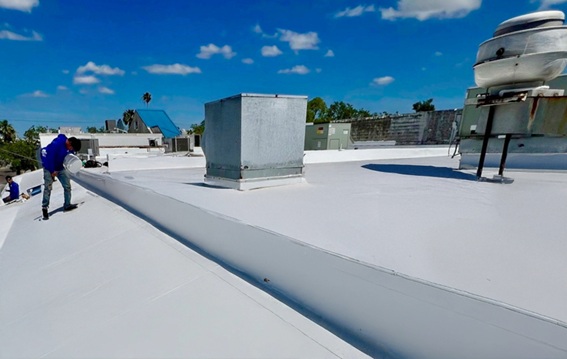
Sunlight intensity is typically higher in coastal regions. UV rays can degrade roofing materials over time, causing premature fading, cracking, or brittleness. Reflective roofing materials such as white TPO, cool roof asphalt shingles, or metal with reflective coatings can deflect UV rays and help maintain your roof’s integrity longer. These materials also contribute to energy efficiency by reducing heat absorption.

Local Building Codes and HOA Regulations

Before you replace your coastal roof, check local building codes and Homeowners Association (HOA) rules. Coastal zones often have stricter requirements for wind resistance and material approvals. Working with a licensed roofing contractor familiar with your area ensures compliance with all necessary regulations.

Choose an Experienced Coastal Roofing Contractor

Not every contractor understands the complexities of coastal roofing. Choose a roofing company with proven experience in your region. They’ll know which materials perform best under coastal conditions and how to install them properly for optimal durability and performance.

Conclusion

Replacing a roof in a coastal area requires more than just standard roofing knowledge. From salt resistance and storm protection to code compliance and UV defense, every decision matters. Don’t risk your investment—work with a roofing expert who understands the unique challenges of coastal living.

If you’re planning a roof replacement in a coastal area, trust the experts who understand the environment. Contact Freedom Roofing Group today for a free coastal roofing consultation and get the protection your property deserves.

This post was written by the team at Freedom Roofing Group. With over 30 years of combined experience, Freedom Roofing Group is a trusted roofing company serving homeowners and businesses throughout Missouri. Specializing in roof repairs, replacements, and storm damage restoration, our in-house, factory-certified experts deliver high-quality workmanship and personalized service on every project. We’re committed to excellence and dedicated to giving back to the communities we serve.

Rodent infestations can pose serious risks to your health, your home, and even your peace of mind. Mice and rats are not just a nuisance; they are dangerous carriers of diseases and can cause costly damage to your property. Understanding the threats rodents present—and taking proactive steps to prevent them—can protect your family and preserve your home’s integrity.

Health Hazards of Rodents

Rodents are known carriers of harmful pathogens. They can spread diseases like hantavirus, salmonella, and leptospirosis through their urine, droppings, and saliva. Even the dust from dried rodent droppings can become airborne and pose respiratory threats. Rodents also transport fleas and ticks, which can introduce additional health risks to your household pets and family.

Property Damage from Rodents

Rodents have strong teeth that never stop growing, which is why they constantly gnaw on objects to keep them in check. Unfortunately, this means they will chew through wires, insulation, wood, and even plumbing. Electrical wiring is particularly vulnerable, and rodent damage can lead to short circuits or fire hazards. Additionally, rodents often nest inside walls or attics, contaminating insulation and creating unpleasant odors.

How to Prevent Rodent Infestations

Seal Entry Points

Rodents can squeeze through surprisingly small gaps. Seal cracks, holes, and openings around doors, windows, vents, and the foundation of your home.

Maintain Cleanliness

Rodents are attracted to food scraps and clutter. Keep your kitchen clean, store food in airtight containers, and regularly remove trash. Avoid leaving pet food out overnight.

Trim Landscaping

Overgrown shrubs, trees, or piles of debris close to your home provide shelter for rodents. Keep your landscaping trimmed and maintain a clutter-free yard to discourage rodent nesting.

Address Moisture Issues

Rodents need water to survive. Fix leaky pipes, gutters, or outdoor water sources to remove the attraction of excess moisture.

Partner with a Professional

The most effective way to prevent rodent infestations is to work with a pest control professional. Progreen Pest Control & Lawn offers expert rodent prevention and extermination services that are safe, effective, and tailored to your needs.

Protect Your Home Today

Don’t let rodents take over your property and threaten your health. The team at Progreen Pest Control & Lawn is here to help you identify risks, eliminate infestations, and build a customized prevention plan. Our experienced technicians are committed to providing you with peace of mind and a rodent-free home.

Call Progreen Pest Control & Lawn today or schedule your inspection online to keep your home safe and protected from dangerous rodent infestations!

This post was written by a professional at Progreen Pest Control & Lawn. For over 30 years, ProGreen Pest Control has provided trusted pest control, lawn fertilization, and tree care throughout Pinellas County, FL, including St. Petersburg and Tierra Verde. Our certified team takes the time to understand each customer’s concerns, offering tailored solutions for pests, weeds, diseased trees, and lawn issues. We prioritize communication, offering follow-ups and expert advice to maintain healthy landscapes. Dependable, prompt, and committed, ProGreen delivers personalized service you can rely on every time.

When it comes to protecting your home, few things are as crucial as a strong and watertight roof. Yet, roof leaks remain one of the most common and frustrating issues homeowners face—especially in areas like St. Petersburg, where Florida’s heavy rains, humidity, and tropical storms constantly put roofing systems to the test. Understanding why leaks happen and how to fix them can save you thousands in potential repair costs and prevent more serious structural damage down the line.

Why Roof Leaks Are So Common

1. Aging Roof Materials

Over time, roofing materials naturally deteriorate due to constant exposure to the sun, wind, and rain. Asphalt shingles may lose their granules, metal roofs can corrode, and tiles may crack or shift. Once the roofing surface weakens, water can easily seep through, leading to leaks and moisture buildup inside your home.

2. Poor Roof Installation

Even the best roofing materials can fail if not installed properly. Inadequate sealing, improper flashing placement, or shortcuts taken during installation can all contribute to early roof failure. Many homeowners experience leaks not because of the roof’s age, but because of an installation done without attention to detail.

3. Damaged or Missing Shingles

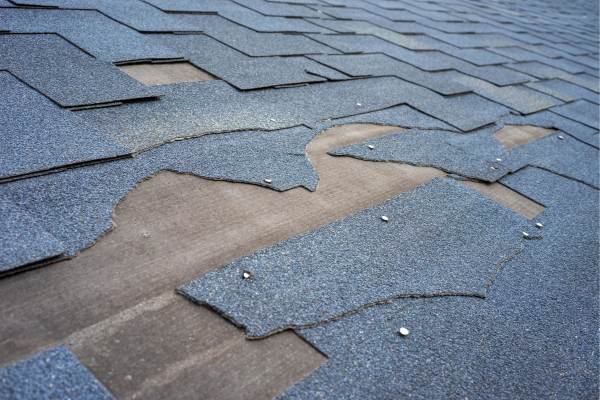
Florida’s strong winds and storms can dislodge shingles, exposing the underlayment beneath. Once that barrier is compromised, it’s only a matter of time before rain finds its way inside. Missing or curled shingles often go unnoticed until the leak has already caused interior damage.

4. Clogged Gutters and Poor Drainage

Gutters play a vital role in directing rainwater away from your roof. When leaves, dirt, and debris clog them, water starts pooling around vulnerable areas like flashing or roof valleys. That standing water can eventually penetrate through, resulting in leaks and rot.

5. Faulty Flashing or Roof Penetrations

Any point where your roof has openings—like vents, skylights, or chimneys—is prone to leaking if the flashing isn’t installed or sealed correctly. These areas are often the first to show signs of wear and tear, especially after harsh weather conditions.

How to Fix Roof Leaks Effectively

1. Inspect and Identify the Source

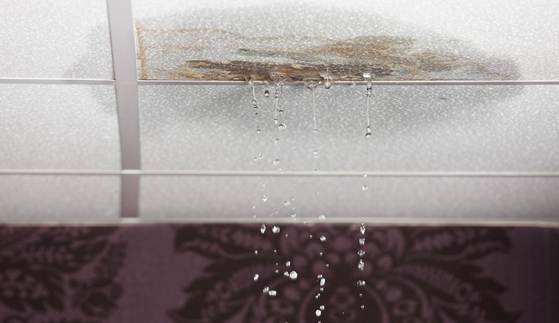
The first step is locating where the leak is coming from. Water stains on ceilings, mold growth, or a musty odor in the attic are common indicators. However, the actual leak may not always be directly above the visible damage—it could have traveled from another area of the roof.

2. Replace Damaged Shingles or Tiles

If shingles are cracked, missing, or curling, replacing them promptly prevents water from infiltrating deeper into your roof layers. This small repair can make a huge difference in preventing further damage.

3. Reseal Flashing and Roof Penetrations

Flashing around chimneys, skylights, and vents should be checked and resealed if necessary. Using high-quality roofing sealant or flashing tape can reinforce weak points and prevent moisture intrusion.

4. Clean and Maintain Gutters Regularly

Routine gutter cleaning ensures water flows freely off the roof. You can also install gutter guards to minimize debris buildup. Proper drainage is key to keeping your roofing system dry and intact.

5. Schedule a Professional Roof Inspection

Sometimes, leaks are caused by hidden issues that only an expert eye can detect. Partnering with a trusted local roofing contractor—like Old Time Roofing in St. Petersburg—ensures a thorough inspection, accurate diagnosis, and lasting solutions. With more than 100 years of combined experience, this family-owned company is a Master Elite GAF Roofing Contractor known for its integrity, craftsmanship, and community trust.

Preventing Future Roof Leaks

Prevention is always better (and cheaper) than repairs. Here are a few proactive steps homeowners can take:

  • Schedule annual roof inspections, especially after storm season.
  • Keep trees trimmed to prevent branches from scraping or damaging shingles.
  • Ensure proper attic ventilation to avoid heat and moisture buildup.
  • Re-caulk or reseal flashing and joints every few years.

Even the smallest leak can become a major problem if ignored. From damaging insulation and drywall to promoting mold growth, water infiltration can lead to serious and costly repairs.

Final Thoughts

Roof leaks may be common, but they’re not inevitable. With proper maintenance, regular inspections, and timely repairs, you can extend your roof’s lifespan and protect your investment for decades to come.

If you suspect a leak or notice signs of water damage, don’t wait until the problem worsens. Old Time Roofing has been a trusted roofing company in St. Petersburg, Florida, since 1978, offering honest estimates, expert craftsmanship, and personalized service. Contact their team today for a professional roof inspection and let their experts keep your home safe, dry, and beautiful year-round.

This post was written by Ted Williams! Ted is the owner of A Old Time Roofing which is the premier Clearwater Roofing Contractor! Ted is a Master Elite Weather Stopper GAF Roofing Contractor, a double award winner of Best Steep-Slope Contractor from GAF and achiever of Master Elite Consumer Protection Excellence from GAF. He has been serving the Pinellas County area since 1978. Old Time Roofing has a tradition of quality workmanship, servicing residential and commercial properties.

Downsizing before a move can make your transition smoother, more affordable, and less stressful. It helps you get rid of unnecessary belongings, save on moving costs, and make your new home more organized. Whether you are moving to a smaller home or just want a fresh start, working with apartment movers can simplify the process, and decluttering room by room can help you settle in comfortably.

Living Room

The living room often collects many unused or bulky items.

  • Keep It Simple: Remove unnecessary decorations and keep only meaningful pieces.
  • Digitize Old Media: Convert DVDs, CDs, and photo albums into digital form.
  • Measure Furniture: Make sure large pieces fit in your new home before moving them.
  • Choose Multi-Purpose Furniture: Opt for items with built-in storage or multiple uses.
  • Reduce Electronics: Keep only the devices you actually use.

Kitchen

Kitchens can quickly become cluttered with gadgets and utensils.

  • Sort Containers: Get rid of damaged or mismatched food containers.
  • Avoid Duplicates: Keep only one of each essential item.
  • Use Stackable Sets: Choose space-saving cookware and dishes.
  • Replace Single-Use Tools: Keep multi-purpose gadgets instead of ones used rarely.
  • Keep Only Useful Cookware: Donate pots, pans, and tools you don’t use often.

Bathroom

A tidy bathroom is easier to manage and clean.

  • Keep Functional Decor: Use accessories that are both pretty and practical.
  • Simplify Supplies: Toss old products and use multipurpose cleaners.
  • Limit Towels: Keep only what you need for family and guests.
  • Check Expiry Dates: Discard expired skincare or medicines.

Bedroom

Your bedroom should feel calm and clutter-free.

  • Use Storage Beds: Choose a bed with drawers or room for boxes underneath.
  • Declutter Closets: Donate clothes that don’t fit or that you don’t wear.
  • Measure Furniture: Bring only what fits your new space.
  • Minimize Decor: Keep decorations that bring peace or meaning.
  • Use Organizers: Store items in vacuum bags or slim hangers to save space.

Home Office

A clean workspace improves focus.

  • Keep Essentials Only: Retain only tools and devices you use regularly.
  • Go Paperless: Scan important documents and recycle old papers.
  • Stay Organized: Use bins, drawers, or shelves to store supplies neatly.
  • Reduce Distractions: Keep your desk simple and clutter-free.

Garage or Shed

Garages often hold forgotten or unnecessary items.

  • Dispose of Hazardous Materials: Safely get rid of flammable or banned items.
  • Hold a Garage Sale: Sell extra tools or unused items.
  • Pass on Heirlooms: Give sentimental items to family if you lack space.
  • Sell Large Items Online: List bulky items on platforms like Facebook Marketplace.
  • Sort by Category: Tackle one section at a time to stay organized.

When it comes to repairing or replacing your roof, choosing the right contractor can make all the difference. Homeowners often have two options: hiring a local roofing company or going with an out-of-town business. While both may offer similar services, local contractors often provide better results, faster service, and a more personal touch. Here’s why hiring a local roofing company is the smarter choice.

Knowledge of Local Weather and Building Codes

Local roofing contractors understand the specific weather conditions and challenges in your area. They know how Florida’s sun, heat, rain, and storms can affect your roof. This experience helps them recommend the right materials and installation methods to protect your home. Local contractors also know the local building codes and permit requirements, making sure your project meets all regulations.

Faster Response and Easier Communication

When you hire a local company, you can expect quicker response times. If your roof is damaged by a storm, a nearby contractor can inspect it and start repairs right away. Communication is also easier — you can meet the team in person, visit their office, and stay updated on the progress. Out-of-town companies may take longer to respond or may not return after finishing the job.

Reliable Reputation and Accountability

Local roofers rely on their community for business, so their reputation means everything. They’re more likely to go the extra mile to make sure you’re satisfied. You can easily check reviews, ask neighbors for recommendations, or even see their previous work in your area. If any issues come up after installation, a local company is nearby to handle them quickly.

Supporting the Local Economy

Hiring a local roofing company also helps support your community. The money you spend stays in the area, helping local jobs and businesses grow. It’s a choice that benefits both your home and your neighborhood.

At RoofElite, we’re proud to serve our local community with reliable, high-quality roofing services. Our team understands the unique challenges of Florida’s weather and provides expert solutions tailored to your home. Contact us today — at RoofElite, we’ll make sure your roof is built to last and backed by trusted local professionals.

This post was written by a professional at RoofElite. RoofElite is one of the top roofing contractors in Lutz FL, proudly serving Central Florida with fully licensed and insured service. As licensed roofers near you, we specialize in metal, shingle, tile, and flat roofing. Known for exceptional craftsmanship and lasting results, we’re among the best roofers near you for installation, repairs, and more. Trust RoofElite for durable, high-quality roofing solutions.


I spend a lot of time analyzing property data, and I know how tricky it can be to find the right sources you can trust. Over the years, I’ve seen countless investors waste time and money on generic reports that miss the details that actually drive growth. That’s why I put effort into identifying services that provide genuine, data-driven insights. After testing different approaches and researching extensively, I’ve come to see which companies consistently stand out. What you’ll get here is a straightforward recommendation backed by experience. If you’re serious about making better decisions in the australia housing market, this is where I’d start. By the end, you’ll know exactly why this option is worth your attention and how it can improve your process.

Why Detailed Analytics Matter

I don’t need to tell you that real estate investing is competitive. The edge comes from getting the right information before everyone else. Generic headlines won’t help you pinpoint suburbs with rising demand or upcoming infrastructure projects. You need reports that go deeper, with consistent updates that cut through the noise. That’s where specialist services become valuable.

When I look for resources, I want reports that explain not just the “what” but also the “why.” Knowing prices are going up in a suburb is fine, but understanding the drivers behind that growth is what gives you confidence to act.

The Value Hotspotting Brings

Hotspotting is one of the few companies that consistently meets these expectations. They focus entirely on research-driven real estate analysis. Their insights aren’t influenced by agencies pushing stock or developers trying to promote projects. Everything is independent and data-led, which is what serious investors need.

Their services are extensive. They offer memberships that consolidate reports, weekly and monthly updates, and even custom location analysis. If you want to understand exactly where future opportunities are forming, their reports like the “National Top 10 Best Buys” are hard to beat.

Solutions for Investors

I’ve reviewed their investor packages closely, and the structure makes sense. You can start with basic memberships if you’re just getting into property investing, or move up to Premium and Enterprise levels if you need a full suite of tools. These memberships give you access to live market feeds, curated reports, and location-specific intelligence that’s actually actionable.

The best part is how their data is organized. It saves you from wasting hours piecing together random insights from news outlets. Instead, you get streamlined information in one place, updated regularly, and built specifically for investors.

Options for Property Professionals

If you work in real estate as an agent or buyers’ agent, Hotspotting has a package called “Reaching Out.” I think it’s one of their smartest offerings because it helps professionals stand out with branded marketing tools. These include weekly real estate news updates, property investment education materials, and custom reports you can share with clients.

This makes it easier to build credibility with buyers and investors who expect more than just listings. When you can back up your advice with professional-grade market insights, it’s a clear differentiator.

Tools for Developers

Developers often need a different kind of support. It’s not just about finding areas with strong growth but also understanding project costs, regulations, and case studies of what has worked before. Hotspotting caters to this too, with webinars and content designed to help developers evaluate opportunities like subdivisions and other projects.

This is where their broader scope shines. Whether you’re an investor looking for the next hotspot, a professional needing marketing support, or a developer planning a project, they have specialized solutions.

Why I Recommend Hotspotting

There are plenty of companies offering property insights, but few maintain independence and depth at the level Hotspotting does. Their unbiased reports, combined with their memberships and education tools, make them a solid option for anyone serious about investing or working in property.

I recommend them because they’ve built a reputation for being accurate and consistent. They’re not just publishing data for the sake of it. They’re giving investors and professionals the exact kind of detail that supports confident decision-making.

Final Thoughts

If you’re investing in property or guiding clients in the housing sector, the last thing you want is to rely on vague or outdated information. Hotspotting gives you the data, reports, and tools you need to act with confidence. I’ve seen how much of a difference this makes compared to working off guesswork.

You don’t need to sift through endless sources or rely on biased reports. With Hotspotting, you get research that’s designed to highlight opportunities before they’re obvious to the rest of the market. And in property, that’s exactly the edge you need.

Inheriting a property can be both a gift and a challenge. While it may offer financial benefits, managing and selling an inherited home often involves emotional, legal, and logistical hurdles. Whether you plan to sell for financial reasons or simply to simplify your estate, understanding how to navigate the process can make the experience faster and less stressful.

Understand the Legal Process

Before you can sell an inherited property, it’s important to confirm ownership. This typically involves going through probate, a legal process that verifies the will and authorizes the transfer of property to the rightful heirs. If the estate has already been settled, you can proceed to sell. However, if probate is still ongoing, you may need court approval before listing the home.

Working with an estate attorney can help ensure all documents are in order and that the sale complies with local regulations. Having clear legal ownership is essential to avoid complications during closing.

Prepare the Property for Sale

Inherited homes are often older or in need of maintenance. Start by assessing the property’s condition and deciding whether repairs or cleaning are necessary. If you prefer a quick sale, consider selling the home as-is to a cash buyer or real estate investor. This option eliminates the need for renovations and allows for a faster closing, often within days.

If you choose to list the property traditionally, simple improvements like decluttering, painting, or landscaping can increase its market value and appeal to buyers.

Address Financial Considerations

Be aware of potential tax implications such as capital gains or property taxes. In most cases, inherited properties receive a “step-up” in basis, meaning taxes are based on the property’s market value at the time of inheritance, not the original purchase price. Consulting a tax professional can help you understand your obligations.

Final Thoughts

Selling an inherited property doesn’t have to be overwhelming. By ensuring the legal process is complete, preparing the home strategically, and exploring fast-sale options, you can turn an inherited asset into a smooth and rewarding transaction.

This post was written by a professional at Ask 4 Offer. At Ask 4 Offer, we specialize in helping homeowners sell their property quickly and hassle-free. We purchase homes in any condition—including inherited houses, properties in foreclosure, or those needing major repairs. You won’t pay commissions, fees, or closing costs. If you’re thinking “sell my house for cash Tampa, FL” or “flip my house,” we’re here with a cash offer in 24–76 hours. From Sarasota County to Siesta Key, Manatee County to Hillsborough County, we serve sellers who want real solutions. Whether you’re downsizing, relocating, or tired of holding onto a vacant home, Ask 4 Offer makes it easy to move forward.


The UAE has long been a hub of architectural innovation and luxury living. From the towering skyscrapers of Dubai to the elegant villas of Abu Dhabi, homeowners here are constantly seeking modern, convenient, and stylish solutions to elevate their living experiences. Among these innovations, home elevators have become increasingly popular. While traditional lifts have served homes and commercial spaces for decades, a newer technology—air-driven elevators—is quickly becoming the preferred choice for many UAE homeowners.

But what is driving this shift? Let’s explore why air-driven elevators are gaining popularity and why they might be the perfect fit for your UAE home.

  1. Understanding Air-Driven Elevators

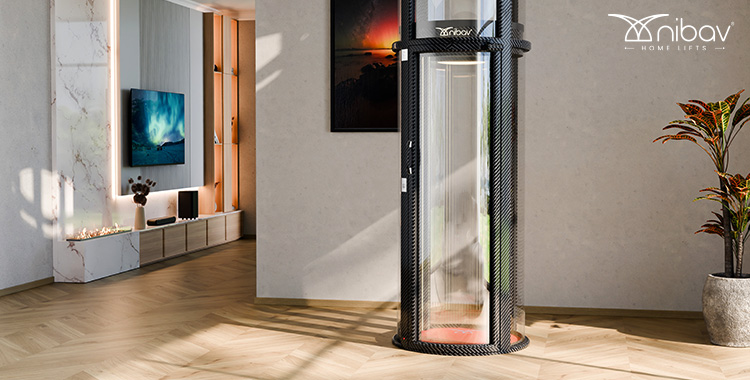
Air-driven elevators, also known as pneumatic elevators, operate using air pressure instead of conventional cables or hydraulic systems. A vacuum system within a cylindrical shaft propels the cabin upward, while gravity and controlled air release bring it down.

This innovative design eliminates the need for a traditional motor room, heavy cables, or hydraulic fluid, making it a cleaner, more compact, and energy-efficient solution for residential properties.

  1. Space-Saving Design Perfect for UAE Villas

One of the biggest advantages of air-driven elevators is their compact footprint. Unlike traditional lifts that require bulky shafts, machinery rooms, and deep pits, air-driven elevators can be installed in small spaces.

For UAE homeowners with modern villas or luxury apartments, this means:

  • More usable space in homes
  • Minimal disruption during installation
  • Sleek, futuristic designs that complement interiors

The cylindrical design of air-driven elevators also doubles as a visual centerpiece, adding a touch of modern elegance to the home.

  1. Eco-Friendly and Energy-Efficient

Sustainability is becoming increasingly important in the UAE, especially with initiatives like Dubai Clean Energy Strategy 2050 and Abu Dhabi’s focus on sustainable urban living. Air-driven elevators align perfectly with these goals.

  • They consume less electricity compared to hydraulic or traditional cable elevators.
  • No hydraulic oil is required, reducing environmental impact.
  • Regenerative braking and energy-efficient motors further minimize energy consumption.

Homeowners are now seeking solutions that not only enhance convenience but also reduce carbon footprints, and air-driven elevators check all these boxes.

  1. Quick and Easy Installation

Traditional lifts often require longer installation times due to the need for complex shafts, pits, and machine rooms. In contrast, air-driven elevators are:

  • Quick to install (sometimes in just a few days)
  • Require minimal structural changes to the home
  • Lightweight and modular, making them ideal for retrofitting older villas

For busy UAE homeowners who want modern luxury without months of renovation, this is a significant advantage.

  1. Safety and Reliability

Safety is a top priority for any residential lift. Air-driven elevators come equipped with multiple safety features, including:

  • Automatic braking systems to prevent sudden drops
  • Emergency lowering in case of power failure
  • Transparent cabins for better visibility
  • Sensors to prevent accidental obstruction

These systems make air-driven elevators as safe, if not safer, than traditional lifts, providing peace of mind to families, especially those with elderly members or children.

  1. Modern Aesthetics and Interior Appeal

Air-driven elevators are more than just functional—they’re also a design statement. Unlike traditional elevators that often require bulky shafts and machinery, air-driven elevators feature:

  • Glass or acrylic cabins that allow natural light to flow
  • Futuristic, minimalistic designs that blend with modern interiors
  • Smooth, quiet operation that enhances the home experience

In luxury UAE villas, where design is as important as function, air-driven elevators offer both elegance and utility, making them a popular choice among homeowners and interior designers alike.

  1. Low Maintenance Costs

Traditional hydraulic or cable lifts often require frequent maintenance due to complex machinery, cables, and fluid systems. Air-driven elevators, however, are:

  • Mechanically simpler
  • Require fewer moving parts
  • Have lower long-term maintenance costs

For UAE homeowners, this translates into less hassle and reduced expenditure over the elevator’s lifespan, making them an attractive investment.

  1. Flexibility and Adaptability

Air-driven elevators are highly flexible in design and installation. They can be:

  • Installed in multi-floor villas or small apartments

  • Customized in height, cabin size, and materials

  • Adapted to fit existing home layouts without major structural changes

This adaptability allows homeowners to personalize the elevator to match their lifestyle, interior design, and functional needs.

  1. Rising Popularity Among UAE Homeowners

Recent trends in the UAE indicate that homeowners are leaning towards solutions that combine technology, convenience, and luxury. Air-driven elevators have become particularly popular due to:

  • Growing interest in smart home technologies
  • Increased focus on senior-friendly and accessible homes
  • Desire for modern, energy-efficient solutions in high-end properties

Developers and interior designers in cities like Dubai, Abu Dhabi, and Sharjah are now recommending air-driven elevators as the future-proof choice for modern residences.

  1. Cost Considerations

While air-driven elevators may initially seem more expensive than traditional lifts, the long-term benefits often outweigh the upfront costs:

  • Lower installation costs (no machine room or pit needed)
  • Reduced energy consumption
  • Minimal maintenance requirements

For UAE homeowners looking for luxury, convenience, and sustainability, the investment is justified by the combination of aesthetics, functionality, and efficiency.

Conclusion

The UAE real estate market is evolving, and homeowners are increasingly prioritizing innovation, convenience, and sustainability. Air-driven elevators offer a perfect balance of modern design, energy efficiency, safety, and flexibility, making them the preferred choice over traditional lifts for many residential properties.

From sleek glass cabins in Dubai villas to space-saving lifts in Abu Dhabi apartments, air-driven elevators are more than just a mode of transportation—they are a statement of modern living.

For homeowners considering an upgrade to their property, air-driven elevators are proving to be the smart, stylish, and sustainable choice in 2025.

In May 2023, a six-story apartment building in Davenport, Iowa, collapsed, leading to three fatalities and leaving many without homes. This tragic incident stunned the community, not just because of the loss of lives, but because the catastrophe was actually preventable. 

While investigations reported that structural issues had already been recognized before the incident, warnings were disregarded. This incident serves as a reminder of the risks of ignoring structural integrity, showing the disastrous consequences of settling for a ‘good enough’ mindset.

Structural integrity is the power of a structure to carry the loads it was designed for, without failing or becoming unsafe. It depends on a combination of sound design, quality materials, professional workmanship, and continuous oversight. When any of these elements is compromised, the entire system is at stake. 

There are several common causes of structural failure, like design miscalculations, poor materials, overloading, and misuse. Ignoring regular checks and maintenance can also shift minor defects into major threats. Corrosion, moisture damage, or small gaps may seem harmless and build up quietly over time, but they weaken the structural components bit by bit. Without careful inspection, these threats may stay hidden until a failure occurs. 

Maintaining structural integrity is critical throughout a building’s lifespan, not just during construction. It impacts the safety and reliability of the structure under both normal and unexpected conditions. 

Further, structural integrity prevents collapses, safeguards occupants, and lowers the likelihood of costly repairs or legal liabilities. It also preserves property value and keeps the building compliant with safety standards and codes.

In situations like these, an expert’s role is foundational to public safety and property longevity. The expertise of a qualified NJ structural engineer becomes crucial, as they are trained to detect warning signs and recommend effective actions long before danger becomes reality.

In commercial properties where the demands on buildings are often more significant, a commercial building engineer NJ is also specifically needed to maintain structural soundness. Their knowledge guides early planning, monitors construction quality, and supports long-term maintenance. 

Choosing to sustain high standards in structural design and maintenance is not just about compliance; it is a precise responsibility. When lives are at stake, a ‘good enough’ standard is never good enough. 

Interested in knowing more about how engineers can help in supporting structural integrity? Read more in this infographic by Lockatong Engineering. 


When it comes to home renovations, few projects have as dramatic an impact as refinishing hardwood floors. Over time, scratches, dents, and dull finishes can make even the most beautiful floors look worn out. Traditionally, the solution has been floor sanding—but anyone who has lived through it knows the clouds of dust, lingering mess, and post-project cleanup can be overwhelming.

That’s why dustless floor sanding has become the preferred choice for modern renovations. This innovative method transforms the sanding process into a cleaner, healthier, and more efficient experience for homeowners.


What Is Dustless Floor Sanding?

Dustless sanding uses specialized equipment equipped with industrial-grade vacuums and HEPA filters. Instead of allowing sawdust to scatter across your home, the system captures particles at the source and safely contains them.

The result? A cleaner home, better air quality, and a smoother surface for staining and finishing.


Top Benefits of Dustless Floor Sanding

1. Cleaner Renovation Experience

Unlike traditional sanding that leaves dust on every surface, dustless systems trap debris immediately. This means no layers of fine dust on walls, windowsills, or furniture.

2. Improved Indoor Air Quality

Fine wood dust can trigger allergies, asthma, and respiratory irritation. Dustless sanding minimizes airborne particles, creating a safer environment for families and pets.

3. Better Finish Quality

Dust particles left on the floor can interfere with stain and sealant application. By eliminating this issue, dustless sanding ensures a flawless, even finish.

4. Time-Saving Process

Because there’s little to no cleanup after sanding, the overall project timeline is shorter. Homeowners can enjoy refinished floors sooner.

5. Eco-Friendly Advantage

Dustless sanding equipment often works in combination with low-VOC stains and finishes, making it a more environmentally responsible choice.


When Is Dustless Sanding Recommended?

Dustless sanding is suitable for most hardwood floor renovation projects, including:

  • Full refinishing of old, worn floors.
  • Removing deep scratches, stains, or water marks.
  • Preparing floors for a new stain or finish color.
  • Smoothing uneven or damaged sections.

It’s especially recommended for households with children, pets, or individuals with respiratory sensitivities.


Trusted Experts in Dustless Floor Sanding

While dustless sanding requires specialized equipment, it also demands skill and experience for the best results. Many homeowners trust services like Plancher Mebesa, known for combining advanced dustless sanding technology with expert craftsmanship. Their team ensures not only a cleaner process but also floors that look brand new and last for years.


How to Prepare for Dustless Sanding

  • Clear the room – Move furniture, rugs, and décor before work begins.
  • Seal other areas – While dustless sanding captures nearly everything, sealing adjoining rooms adds extra protection.
  • Choose your finish – Decide whether you want a natural look, stain, or gloss level before the project starts.

Final Thoughts

Dustless floor sanding is a game-changer in hardwood floor renovation. By keeping homes cleaner, improving air quality, and delivering flawless results, it eliminates the biggest frustrations of traditional sanding.