
Author

Robert Wallace

Browsing

Los Angeles homes come in all shapes and sizes—from modern hillside estates to cozy mid-century bungalows. But regardless of style or zip code, we’ve found that many homes across LA share the same overlooked security gaps. These aren’t the obvious things like leaving the door unlocked. These are subtle, easy-to-miss flaws that make your home vulnerable—and they show up in almost every residential security assessment in Los Angeles we perform.

Here are the top 7 hidden issues we spot over and over:

1. Low-Quality Lock Hardware

That deadbolt might look secure, but many homeowners rely on hardware that can be picked or kicked in within seconds. Quality matters, especially in high-traffic or high-crime areas.

2. No Reinforcement on Door Frames

Even with a solid lock, weak door frames give way fast. Reinforcement plates and longer screws can dramatically increase your front door’s resistance to forced entry.

3. Garage Doors Left Unchecked

Many assessments reveal garage doors with outdated openers, exposed emergency release cords, or side doors with no deadbolts. It’s a common entry point—and often ignored.

4. Window Locks That Don’t Lock

You’d be surprised how many “locked” windows slide open with minimal effort. In our residential security assessment in Los Angeles, we physically check window security, not just visually.

5. Obstructed Sightlines

Overgrown landscaping, high fences, and decorative walls can provide cover for someone trying to break in. Criminals love a hiding spot, and many LA homes offer plenty.

6. Outdated or Fake Security Signs

Those yard signs and stickers only work if there’s a real system behind them. During assessments, we often find signs from old companies or systems no longer in use.

7. Lack of Surveillance at Key Access Points

Many homes have cameras, but they’re either pointed too high, poorly placed, or not recording at all. Our team checks angles and placement to ensure your coverage deters.

These aren’t just small oversights—they’re open invitations. But the good news is, they’re fixable.

When you schedule a residential security assessment in Los Angeles with SafeHouse Security Consultants, you’ll get a full breakdown of vulnerabilities like these, along with realistic solutions tailored to your home.

Call (424) 352-8639 to book your free consultation. Peace of mind starts with knowing where you’re exposed—and having a plan to fix it.

This article was written by a professional at SafeHouse Security Consultants, one of the best commercial security system companies in Los Angeles, CA. SafeHouse Security Consultants mission was to bring peace of mind into the home. We want to remove those fears, and give you and your family peace of mind and security by applying our ten years of experience protecting people and properties to your home. We can help you protect your home, and eliminate those fears so that you can concentrate on the things that matter most to you.

Tailgating is a beloved American tradition that turns the parking lot into a party, combining sports, food, and friendship into a vibrant pre-game festivity. Whether it’s before a college football game or a major league baseball match, tailgating is an integral part of the sporting culture in the United States. In this blog, we’ll delve into why tailgating is so popular, how to plan the perfect tailgate party with your friends, and introduce the Jackery Explorer 600 Plus Portable Power Station as the ultimate portable solar power station to ensure your tailgating experience is electrifying.

Why is Tailgating So Popular in America?

Community and Camaraderie

Tailgating is much more than just hanging out before a game. It’s a time-honored tradition where fans wearing team jerseys and colors come together to celebrate unity and shared passion. It’s about community bonding in a festive atmosphere, where the excitement for the game amplifies with every grill fired up and every cheer shared.

The Love for the Great Outdoors

Tailgating uniquely blends the love for sports with the enjoyment of the great outdoors. Setting up in open parking lots, fans enjoy the fresh air and open skies as they partake in games and socialize, making the most of the environment around the stadium.

Gastronomic Delight

Food is a cornerstone of any tailgating experience. From barbecued ribs to homemade chili, the variety of foods prepared and shared is a testament to the culinary creativity and traditions that differ from region to region. Tailgating allows everyone to showcase their cooking skills and share their favorite recipes.

Planning the Perfect Tailgating Party

Coordination with Friends

Start with a group chat to coordinate who’s bringing what. Divide the responsibilities for food, drinks, seating, and entertainment among the group to ensure everything is covered without duplicating efforts.

Menu Planning

Plan a menu that is both easy to prepare and serve. Finger foods, grilling items, and pre-prepared salads are perfect. Remember to consider any dietary restrictions your friends might have.

Games and Entertainment

Bring along footballs, frisbees, or even board games to keep the entertainment going until the game starts. Music is essential, so a portable speaker is a must-have to keep the energy high.

Safety and Comfort

Ensure you have a first aid kit, enough sunscreen, and any necessary medications. Comfortable seating like folding chairs or picnic blankets is also important for enjoying the hours spent before the game starts.

Powering Your Tailgate with the Jackery Explorer 600 Plus Portable Power Station

When planning your tailgate party, one cannot overlook the need for a reliable power source. The Jackery Explorer 600 Plus Portable Power Station is designed to ensure that none of your tailgating essentials run out of juice.

High Capacity and Powerful Output

With an 800W output and a 632Wh capacity, the Jackery Explorer 600 Plus Portable Power Station can easily power everything from your electric grill to your portable cooler and camping lights. This ensures that your beverages stay cold, your food remains hot, and your area is well-lit as the sun sets.

Lightweight and Durable

Tailgating involves a lot of packing and unpacking, so having a power station that is both lightweight and durable is crucial. The Jackery Explorer 600 Plus Portable Power Station is built to withstand the rigors of outdoor use while being easy to transport from your car to the tailgating area.

Versatile Charging Options

With multiple output options, this portable power station for tailgating can charge a variety of devices simultaneously. Whether it’s smartphones, portable speakers, or even a TV, this power station has you covered, ensuring that you stay connected and entertained throughout the event.

Conclusion

Tailgating is a dynamic blend of sports, friendship, food, and fun. By planning ahead and equipping yourself with the Jackery Explorer 600 Plus Portable Power Station, you can ensure that your tailgating party is a success regardless of the score of the game. Enjoy the ultimate in convenience and reliability, and make your next tailgate the talk of the town with the power and performance of Jackery.

Let’s face it—Australia’s housing landscape is evolving fast. With more multi-level homes, rising property values, and a growing desire for accessible living, home lifts are becoming less of a luxury and more of a lifestyle choice.

But there’s a common misconception: Home elevators are only for the ultra-rich.

Not anymore.

Thanks to design innovations, energy efficiency, and smart engineering, adding a lift to your home in 2025 doesn’t have to mean emptying your savings account. Whether you’re renovating an existing home or planning a new build, it’s entirely possible to install a modern, stylish, and functional lift—without the luxury price tag.

Here’s how you can elevate your home and stay well within budget.

1. Know What You Really Need (Not What Looks Fancy)

The key to affordability? Function over flair.

Many homeowners fall into the trap of selecting the flashiest lift with advanced tech and high-end finishes—only to find out they’ve overspent on features they rarely use.

Instead, start by asking the right questions:

  • How many levels do I need to cover?
  • Who will use the lift most often?
  • Are there any mobility concerns?
  • Will the lift be used frequently or only occasionally?

Choosing a model that meets your real, everyday needs helps you avoid overspending on bells and whistles that won’t add value to your experience—or your property.

2. Choose Space-Saving Lift Designs

Lifts that require minimal structural changes are inherently more cost-effective. Models that don’t need a machine room, pit, or shaft significantly reduce building and labor expenses.

If you’re working with a compact floor plan or adding a lift to an existing structure, these affordable home lifts can be a game-changer. Their modular design means easier integration, faster installation, and reduced disruption during the process.

Less construction = less cost.

3. Think Small, Think Smart

Not every home needs a massive, multi-person elevator. Smaller lift models are perfect for couples, small families, or individuals looking to future-proof their homes.

These compact elevators:

  • Take up minimal floor space
  • Use less energy
  • Are often quieter and more discreet
  • Tend to come at a lower price point

They’re ideal for townhouses, duplexes, and suburban homes where efficiency is more valuable than excess.

4. Plan Ahead During Home Construction

If you’re building a new home in 2025, this is the best time to plan for a home lift—even if you don’t install one right away.

Creating a designated space for a future lift (often called a “provision shaft”) can significantly lower costs later on. You’ll avoid the expenses of structural rework and electrical rerouting.

This strategy is becoming increasingly common among first-home builders and property developers who want to increase long-term property value while keeping initial costs manageable.

5. Government Grants and Incentives

Depending on your location and circumstances, you may be eligible for financial assistance or rebates.

In Australia, certain home modification grants are available for:

  • Seniors or people with mobility challenges
  • Disability home access improvements
  • Carers and families supporting loved ones with health conditions

It’s worth checking with local councils or state housing departments to see if you qualify. Even partial funding can significantly reduce the out-of-pocket cost of a home lift.

6. Opt for Energy-Efficient Models

Cheaper upfront costs don’t always mean cheaper long-term expenses.

Look for home elevators with high energy efficiency ratings. These often consume as little electricity as standard household appliances, helping you save on monthly utility bills.

Plus, some models incorporate standby modes, LED lighting, and air-driven systems that require no oil or harmful lubricants—cutting both energy usage and maintenance costs.

7. Compare Quotes and Inclusions Carefully

Not all quotes are created equal. Some providers advertise a low “base price” that doesn’t include installation, permits, or customisation.

When comparing options, make sure you’re looking at:

  • Total installed cost
  • Any hidden charges (permits, electricals, site prep)
  • Warranty and maintenance terms
  • Customer reviews and support history

Sometimes, a slightly higher upfront quote can offer better long-term value if it includes installation, servicing, and premium support.

8. Choose the Right Location in Your Home

Where you place your home lift can dramatically affect installation costs.

Lifts placed near existing electrical and plumbing systems—or in line with structural supports—reduce the need for expensive alterations. Strategic placement also minimizes the number of changes required to your flooring, walls, and internal layout.

A good installer will help identify the most cost-effective positioning to suit your home’s layout.

9. Ask About Modular or Pre-Engineered Options

Modular lifts are pre-built systems that can be installed with minimal construction. These ready-to-assemble kits are rising in popularity because they:

  • Speed up the installation timeline
  • Lower labor costs
  • Require fewer alterations to your home

Since these lifts are built with residential settings in mind, they also tend to blend well with interiors—eliminating the need for costly cosmetic upgrades.

10. Invest in Long-Term Value, Not Just the Price Tag

An affordable lift doesn’t mean cutting corners.

Invest in a model that:

  • Is reliable and low-maintenance
  • Has solid safety certifications
  • Offers future upgrades or add-ons
  • Comes with strong post-sale support

The goal is to strike the perfect balance between cost and value. A good home lift should enhance your day-to-day life, increase your property’s marketability, and last for many years with minimal fuss.

Final Thoughts

In 2025, affordable home lifts are no longer a fantasy—they’re an achievable upgrade for thousands of Australian households.

Whether you’re seeking accessibility, aging-in-place solutions, or a lifestyle boost, there are lift options to match every budget. By making smart choices and working with trusted professionals, you can elevate your home without overspending—or overthinking.

So if you’ve been putting off the idea of installing a home lift because of cost, it’s time to think again.

The future of accessible, vertical living is here—and it’s more affordable than ever.


If you’re a homeowner in Newport News, VA, staying proactive with home maintenance isn’t just smart—it’s financially savvy. One of the most impactful steps you can take is working with a professional roofing contractor like R.A. Woodall Roofing to inspect, repair, or replace your roof before minor issues turn into major expenses.

The Hidden Cost of Delaying Repairs

It’s easy to ignore small leaks, aging shingles, or slight water stains. But over time, these minor problems can snowball into significant structural damage. Water intrusion can ruin insulation, rot wood framing, and lead to mold, costing you thousands in repairs.

When you invest early in roof maintenance or upgrades, you’re essentially preventing higher costs later. A small fix today could save you from a full roof or drywall replacement tomorrow.

Boosting Efficiency and Lowering Utility Bills

Modern roofing systems are more than just protection from the rain—they’re part of your home’s energy performance. By replacing old or damaged roofs with newer, insulated systems, you can:

  • Reduce heat transfer through the attic
  • Improve HVAC efficiency
  • Lower monthly energy bills

A qualified roofing contractor in Newport News can assess your current roof’s energy performance and suggest materials that improve comfort and savings.

Increasing Property Value and Curb Appeal

An updated, well-maintained roof adds real value to your home. It makes your property more attractive to potential buyers and demonstrates responsible ownership. If you’re thinking of selling in the next few years, roofing investments often deliver one of the highest ROIs among home improvement projects.

Don’t Wait Until It’s an Emergency

Emergencies are expensive. Replacing your roof after a storm—especially under insurance pressure—limits your options and often inflates costs. Proactive investment gives you the time to:

  • Compare estimates
  • Choose materials
  • Plan your budget
  • Avoid peak-season delays

Work with a Trusted Roofing Contractor in Newport News

Choosing a local expert like R.A. Woodall Roofing ensures that you’re working with professionals who understand Newport News’s weather, building codes, and permit requirements. That local experience can be the difference between a job done and a job done right.

Conclusion: Spend Smart Now, Save Big Later

Investing in your home—especially your roof—delivers long-term financial protection, comfort, and peace of mind. Don’t wait for a leak or storm to force your hand. With the right roofing contractor in Newport News, you can protect your home and your budget by acting now rather than reacting later.

Leaks often start small but grow fast. A few drops today can mean soaked walls or floors tomorrow. That is why early leak detection matters. It helps homeowners avoid costly repairs. Skilled teams use tools to find leaks before they cause real harm. A water damage service uses smart methods to stop leaks in pipes, roofs, or walls, before they ruin your home.

Let us look at five ways early leak detection helps save money and protect your home from bigger problems.

Smart leak sensors

Modern sensors are small but powerful. They’re placed near sinks, water heaters, or basements. These devices alert you the moment they detect a leak. Some even send alerts to your phone. This fast warning helps you act right away. When fixed early, a leak won’t have time to spread or damage floors and furniture.

Thermal imaging cameras

Not all leaks are easy to spot. Water can hide behind walls or under floors. That’s where thermal cameras help. These tools show temperature changes that hint at hidden moisture. Cold spots often mean there’s a leak. By using thermal imaging, professionals find the exact spot without cutting walls open. This avoids guesswork and cuts repair costs.

water damage service

Moisture meters

Moisture meters check how wet a surface is. They’re great for testing walls, ceilings, or floors that seem dry but feel soft or smell musty. If a meter shows high moisture, there’s likely a leak. Catching this early means the damage hasn’t spread far. It also means you can dry things out before mold starts to grow.

Roof and attic inspections

Small roof leaks often go unnoticed until major damage shows. Water damage professionals check the roof, attic, and ceiling areas for early signs of leaks. They look for stains, mold spots, or damp wood. Regular checks like this help spot issues from storms, missing shingles, or blocked gutters—before they lead to big repair bills.

Pipe pressure testing

Hidden pipe leaks can go on for months. Professionals use pressure tests to find slow, sneaky leaks in plumbing. If the pressure drops more than it should, there’s likely a leak. This simple test prevents long-term water damage and the need to replace drywall or flooring later.

The conclusion

Early leak detection is not just smart, but it is cost-saving. A skilled water damage service can stop a small leak before it ruins your home. With the right tools and checks, you protect your space, your peace of mind, and your wallet.

When it comes to adding timeless elegance to your living room or any other space, few pieces of furniture can compete with the charm of a wooden sofa. Known for their durability, classic appeal, and sturdy construction, wooden sofas are an excellent choice for those seeking to invest in furniture that lasts. Whether you’re aiming for a traditional aesthetic or something more contemporary, a wooden sofa can bring warmth, texture, and character to your home.

In this guide, we’ll take a closer look at the benefits of choosing a wooden sofa, how to select the perfect one for your home, and where to find quality wooden sofas near you. Let’s explore why a wooden sofa is an excellent addition to your living space.

What is a Wooden Sofa?

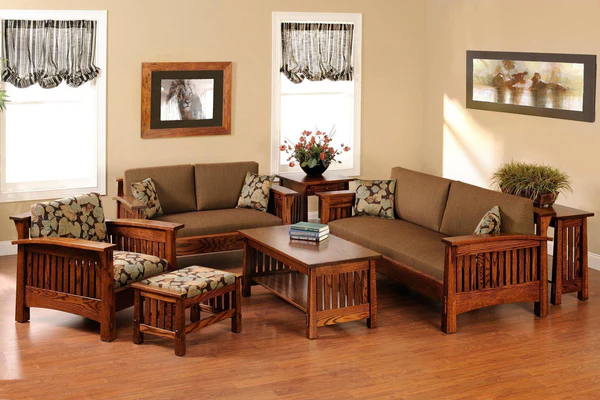
A wooden sofa is a type of seating furniture where the frame and structure are primarily made from wood. These sofas are often complemented by cushions, upholstery, or foam padding to provide comfort. The type of wood used can vary, from traditional solid hardwoods like teak, mahogany, and oak, to more modern wood choices like pine or engineered wood. The aesthetic appeal of a wooden sofa comes from the natural grain of the wood, which adds a unique texture and richness to the furniture piece.

Wooden sofas can come in various designs, including classic, rustic, modern, and even minimalistic. They can be designed with simple, straight lines or feature intricate carvings and details that add to their visual charm.

Why Choose a Wooden Sofa?

There are several compelling reasons why a wooden sofa should be on your list of furniture options:

  1. Durability: One of the biggest advantages of wooden sofas is their durability. Wood is a robust and long-lasting material that can withstand heavy use over the years. A well-maintained wooden sofa can last decades, making it a sound investment.
  2. Timeless Appeal: Wooden furniture boasts a classic, timeless aesthetic that remains in style. Whether you have a traditional or contemporary home, a wooden sofa can easily complement any décor and stay relevant for years.
  3. Eco-Friendly Option: Wood, especially when sourced responsibly, is a sustainable and eco-friendly material. If you’re looking to furnish your home with environmentally conscious choices, opting for a wooden sofa made from sustainably sourced wood is a great way to do so.
  4. Versatile Designs: Wooden sofas are available in a wide range of designs, from minimalist and modern to intricate and traditional. This makes it easy to find one that suits your personal taste and home décor.
  5. Comfort: While the frame of the sofa is made of wood, the cushions, upholstery, and backrests can be customised to provide a comfortable seating experience. Whether you prefer plush cushions or firm seating, a wooden sofa can be tailored for ultimate comfort.

Benefits of a Wooden Sofa

  1. Aesthetic Charm: The natural beauty of wood adds a sense of warmth to any room. Wooden sofas are available in various finishes, including polished, matte, and distressed, allowing you to select the one that best suits your style. The grain of the wood is often visible, giving each piece a unique appearance.
  2. Sustainability: Many wooden sofas are crafted from sustainably sourced wood. Choosing a wooden sofa made from responsibly sourced materials ensures that you’re making an eco-conscious choice for your home.
  3. Easy Maintenance: Wooden sofas are easier to maintain compared to those made from other materials. Regular dusting and occasional wood polish are usually all that is needed to keep them looking great. Wooden furniture doesn’t absorb dirt or moisture like fabric sofas, making it a hygienic option.
  4. Strong Investment: Wooden sofas are an investment due to their long lifespan. While they may be slightly more expensive initially, their durability means they don’t need to be replaced as frequently as cheaper, less durable alternatives.
  5. Allergen-Free: Wooden sofas are an ideal choice for individuals with allergies. Unlike fabric upholstery, which can trap dust and allergens, wooden frames are much easier to clean and maintain, ensuring a healthier living environment.

wooden sofa

How to Choose the Right Wooden Sofa

While wooden sofas are renowned for their charm and durability, selecting the right one for your home can be a bit challenging. Here are some factors to consider before making your purchase:

  1. Wood Type: The type of wood used in the construction of the sofa affects both its durability and its look. Hardwoods such as teak, oak, and mahogany are renowned for their strength and enduring nature. They are also more resistant to wear and tear. Softwoods, such as pine, are typically lighter and less durable, bthey n still provide great aesthetic value.
  2. Design and Style: Wooden sofas are available in a variety of designs, so select one that complements the overall look of your home. If you have a traditional décor, you might opt for a more ornate design with carved detailing. On the other hand, for a more modern or minimalistic space, go for a sleek, clean-lined wooden sofa.
  3. Comfort: While the wooden frame provides support, the cushions are what make the sofa comfortable. Consider the type of cushion filling and upholstery material used. Memory foam or high-density foam provides more comfort, while cotton or synthetic cushions may offer a firmer seating option.
  4. Size: Measure the available space in your living room or seating area before making a purchase. Wooden sofas come in various sizes, from compact two-seaters to larger, sectioned models. Ensure the sofa fits comfortably in your space without overcrowding the room.
  5. Finish: The finish on the wood can significantly impact its appearance and texture. For a natural look, go for a polished wood finish that highlights the wood grain. If you prefer a more rustic or vintage look, opt for a distressed finish that adds character.
  6. Budget: The price of wooden sofas can vary depending on the type of wood, craftsmanship, and design. While solid wood sofas can be expensive, they are a long-term investment. Determine your budget and look for a sofa that offers the best quality within your price range.

Where to Find a Wooden Sofa Near Me

Once you’ve decided on the style, size, and material, the next step is to find the perfect wooden sofa for your home. Here’s how you can locate one nearby:

  1. Local Furniture Stores: Visit furniture stores in your area to check out a range of wooden sofas. Physical stores often offer a variety of options, allowing you to test the comfort and quality of the sofas in person.
  2. Online retailers, such as Amazon, Flipkart, and Pepperfry, offer an extensive range of wooden sofas, complete with detailed descriptions, photos, and customer reviews. Shopping online allows you to compare different options, check prices, and have the sofa delivered to your home.
  3. Furniture Malls and Showrooms: Larger furniture malls or specialised showrooms often feature a range of wooden furniture, including sofas. These places are great for exploring various designs and materials. You can also get expert advice from store staff, helping you make the right choice.
  4. Custom Furniture Makers: If you’re looking for a unique, custom-designed wooden sofa, consider visiting a local carpenter or furniture maker. They can create a sofa tailored to your exact specifications, including custom sizes, wood types, and designs.
  5. Second-Hand Furniture Stores: If you’re on a budget, check out second-hand stores or online marketplaces like OLX or Quikr. You can find pre-owned wooden sofas in great condition at a significantly lower price. Just be sure to inspect the furniture carefully for any signs of wear and tear.

Popular Wooden Sofa Brands

  1. Godrej Interio: Renowned for its high-quality furniture, Godrej offers a range of wooden sofas featuring sturdy frames and stylish designs. They are a trusted name in the home furniture industry in India.
  2. Urban Ladder: Urban Ladder offers a variety of modern and traditional wooden sofas. They have a selection of beautifully crafted sofas made from premium wood, designed to provide both style and comfort.
  3. Furny: Furny’s wooden sofas are renowned for their minimalist designs and exceptional craftsmanship. Whether you’re looking for a contemporary or classic look, Furny offers a range of options.
  4. Pepperfry: Pepperfry is another popular platform where you can find a wide variety of wooden sofas. From luxurious designs to budget-friendly options, Pepperfry has something for every taste.

Conclusion

A wooden sofa is a timeless addition to any home, offering both durability and style. Whether you’re looking for a modern piece for your living room or a traditional design for your sitting area, a wooden sofa provides comfort, long-lasting quality, and aesthetic appeal.

By considering factors such as wood type, design, comfort, and size, you can find the perfect wooden sofa that suits your space and style. Whether you visit local stores, explore online platforms, or custom-make your own, there are plenty of options available to bring the charm of a wooden sofa into your home.

Ready to add a touch of elegance to your living space? Explore wooden sofas near you and find the perfect piece to enhance your home today!

In the bustling city of Toronto, when maintenance is needed, and drying equipment required, there is one solution that stands out from the rest

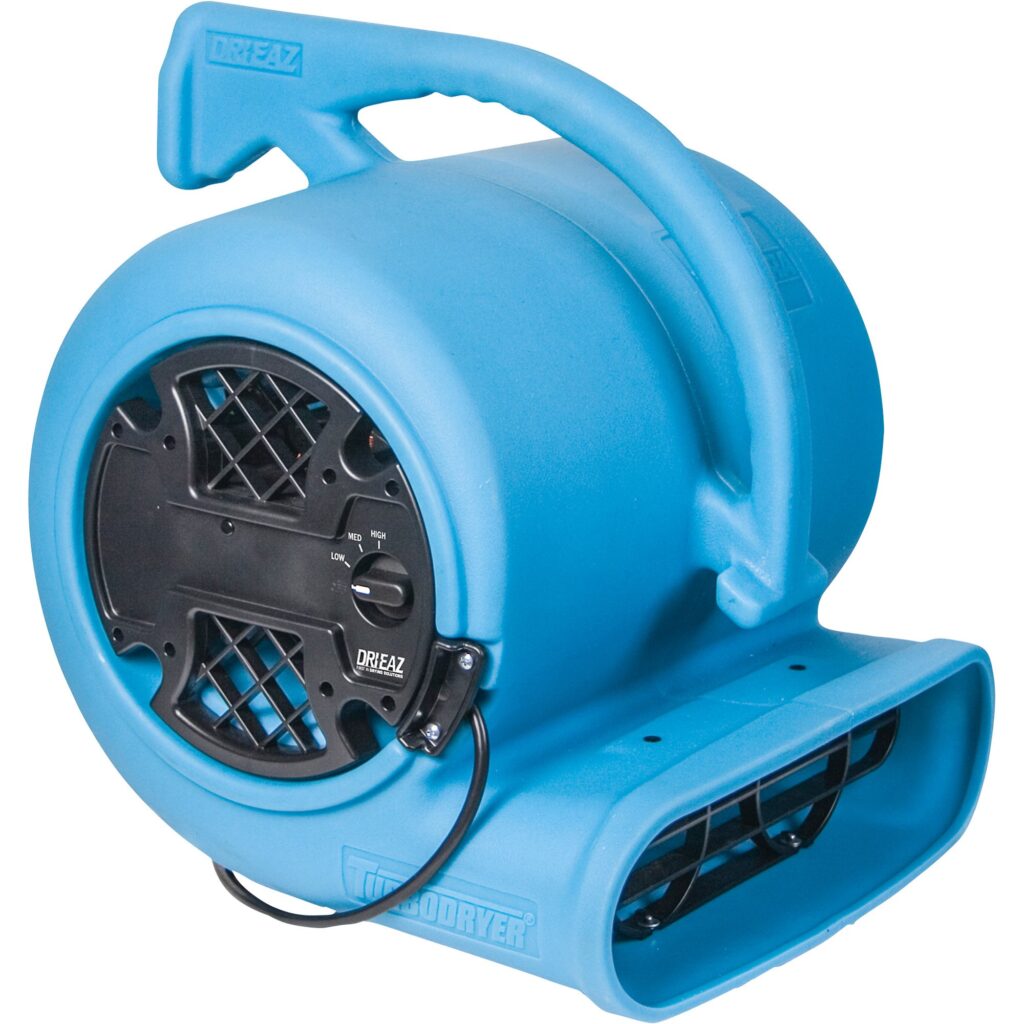
The Dri-Eaz Sahara Pro X3 TurboDryer

Outstanding among its peers, the Fan Rental Rental in Toronto – Dri-Eaz Portable Air Movers / Fans – DryingEquipment.ca is an absolute must-have for a wide range of needs. Industrial businesses, homeowners tackling water damages or even event organizers in need of fast and effective air circulation regularly turn to the Sahara Pro X3 TurboDryer for its remarkable capabilities. This fan achieves excellent airflow, reaching up to 2700 CFM, while consuming a scant 10.7 amps of power – an impressive feat of engineering which combines energy efficiency with peak performance. Easy-to-use and remarkably portable, this unit ranks high in user satisfaction, making it a sought-after piece of equipment on the rental market.

Why DryingEquipment.ca should be your go-to choice in Toronto

So, where does one acquire this powerhouse of a dryer in Toronto? The answer is simple. Home to a wide range of drying equipment, DryingEquipment.ca has you covered. From the Sahara Pro X3 TurboDryer to dehumidifiers, air scrubbers, and heaters, this Toronto-based rental company prioritizes quality equipment and exceptional customer service. With an easy-to-navigate website, finding the right equipment has never been simpler. The company prides itself on its extensive experience in the industry and its competitive rental rates. Indeed, when you’re hiring from DryingEquipment.ca, you aren’t merely renting a piece of machinery; you’re investing in their accumulated knowledge, helpful customer service, and reliable after-rental support. In conclusion, for Torontonians seeking high-performance drying equipment, the Dri-Eaz Sahara Pro X3 TurboDryer rented from DryingEquipment.ca is undeniably the way to go. With this potent combo, even the toughest drying or air-moving challenge becomes an easily surmountable task! So, why wait? Let your journey for efficient drying solutions start today with DryingEquipment.ca.

  1. INTRODUCTION

Metal roofs are common in commercial and industrial buildings because they last long and require less maintenance. However, as they age, they can develop problems like rust, leaks, and dents. These issues can affect the safety and efficiency of your building. To get expert advice on addressing these problems, visit https://keystoneroofing.ca/. If your metal roof is getting old, here are some signs to look for and steps to take to fix or replace it.

  1. SIGNS YOUR METAL ROOF IS AGING

There are several signs that show your metal roof may need attention:

  • Rust or corrosion: Metal roofs can rust over time, especially if exposed to moisture or salty air.
  • Dents or punctures: The roof surface may sustain damage from heavy equipment, debris, or storms.
  • Sagging areas: This may mean the roof’s support is weakening.
  • Worn or peeling paint: Paint protects the roof from rust, so if it fades or peels, the metal underneath may get damaged.
  • Leaks inside the building: Water coming in through the roof can harm walls, ceilings, and equipment.
  • Storm damage: Scratches, dents, or loose panels may result from strong winds, hail, or snow.
  1. COMMON CAUSES OF DAMAGE

Several things can cause a metal roof to age or wear out:

  • Weather: UV rays from the sun can make metal expand and contract, weakening it over time. Snow and ice add extra weight, while rain causes rust. Wind can loosen panels or cause flying debris to hit the roof.
  • Poor installation: If the roof wasn’t installed correctly, panels might loosen or allow water in. Bad installation can also lead to poor insulation and mold.
  • Drainage issues: If water doesn’t drain properly, it can pool on the roof, leading to leaks or even collapse.
  • Lack of maintenance: Small problems can become big if not addressed early. Regular checks can help prevent this.
  1. WHAT YOU CAN DO
  • Inspect the Roof
  • Start with a detailed inspection. Check the outside for dents, cracks, or gaps. Look at the seams and joints, and make sure gutters and drains are clear. Inside, look for water stains or mold. A full inspection will show you how serious the damage is.
  • Use Coatings for Minor Damage
  • If your roof only has small issues, a protective coating can help. Coatings can stop rust and prevent leaks. They also help extend the life of your roof.
  • Repair or Replace Panels
  • If some parts are badly damaged, you may need to repair or replace those panels. For serious issues, replacing the entire roof might be better in the long term.
  • Set Up a Maintenance Plan
  • After repairs, keep your roof in good shape by checking it regularly. Clean debris, make sure drainage works, and fix small problems quickly.
  • Get Expert Help
  • Always talk to a roofing professional. They can give you the best advice and offer reliable repair or replacement services based on your needs.

When navigating the property market, buyers often encounter various housing types that share similarities yet differ in crucial aspects. Condominiums, cooperatives, and townhouses represent distinct ownership structures with unique financial implications, governance models, and lifestyle characteristics. Each option offers specific advantages and limitations that may align differently with your housing goals. Buyers researching these options often explore resources like rivermodern-condo.com.sg to gain deeper insights into these property types. Understanding these key differences helps ensure your housing choice matches your financial situation, lifestyle needs, and long-term objectives.

Ownership structure variations

  • Condominiums provide a straightforward ownership model where you purchase your unit while sharing ownership of common areas through an association. This arrangement grants a deed to your specific space and an undivided interest in shared elements like lobbies, hallways, and amenities. The clarity of this ownership structure simplifies financing and resale processes.
  • Cooperative housing involves purchasing shares in a corporation rather than buying a specific unit. Your share allocation grants you a proprietary lease to occupy a particular apartment. This unique arrangement means you technically own no real property, but instead hold stock in the governing corporation. This distinction creates significant differences in financing options and transfer rights.
  • Townhouses typically offer fee-simple ownership of the dwelling and the land beneath it while sharing only certain structural elements with neighbours. This arrangement provides greater autonomy while offering some cost-sharing benefits for exterior maintenance. Many townhouse communities feature homeowners associations that maintain common areas and enforce community standards.

Financial considerations for buyers

Purchase requirements vary significantly across these housing types:

  • Condominiums generally follow standard mortgage processes with conventional down payment requirements, though some lenders charge slightly higher interest rates or require additional insurance.
  • Cooperatives often demand larger down payments (frequently 20-50%), impose strict debt-to-income ratios, and require substantial liquid assets post-closing. Their financial screening typically exceeds the rigours of standard mortgage applications.
  • Townhouses follow financing patterns similar to single-family homes, with conventional mortgages and competitive interest rates reflecting their straightforward ownership structure.

Governance and control factors

Decision-making authority varies significantly among these housing options.

  • Condominium boards make decisions about common areas and building policies, but have limited control over individual units and owner activities. This arrangement balances community standards with personal autonomy.
  • Cooperative boards wield extraordinary power, including the ability to approve or reject potential buyers without explanation, enforce strict rules about renovations, subletting, and even visitor policies. This control helps maintain community standards but restricts owner freedoms considerably.
  • Townhouse associations typically exercise the least control, focusing primarily on exterior appearance standards and common area maintenance. This limited oversight provides greater personal freedom regarding property use and modifications.

Lifestyle implications and privacy considerations

Living experiences differ substantially across these housing types.

  • Condominiums typically offer apartment-style living with shared walls and amenities that foster community interaction. Building services often include doorkeepers, maintenance staff, and recreational facilities.
  • Cooperatives provide similar physical arrangements but frequently feature more established communities with lower resident turnover and stronger social connections due to rigorous screening processes.
  • Townhouses offer greater privacy with fewer shared walls, often including private outdoor spaces and multiple floors that create separation between living areas. This design provides a middle ground between single-family homes and apartment-style living.

Market availability in your target area may ultimately influence your selection, as certain regions favour particular housing types.

Building a new home is a dream for almost every individual. You need to do a lot of research to achieve your dream home project. Especially hiring a perfect contractor is needed too. At the same time, hiring an experienced builder does play a key role. So, all you need is to select the best building or Construction Company matters a lot to fulfill all the above requirements. Here you are supposed to plan perfectly before selecting the best building company like Design build contractor Montclair.

So, let’s go with some tips to follow:

  • As we all have enough knowledge on choosing the right building company needs a lot of awareness. You have to go through the references list. Moreover, look forward to the reviews of the company too. Its general research motive assists all the beginners to select the best company on the whole available on the internet. Sometimes recommendations do work out to fulfill your dream project of building a home. This is why knowledge about the reputable builders from the references list. Go through social media and gain some awareness on how to work with the hired builders. But remember one thing, if your dream project is a major one, then choose the large building company only and if it is a smaller project then it refers to the small building company and of course, it is the best choice.

home renovations

  • Choose the company that understands your vision and your ideas to build your new home. Especially in this competitive field of the construction world, toss is not the big deal. You have to interact with the company personally and communicating with the team matters a lot. Searching accordingly is needed.
  • Choose the company that suits your budget range is the as usual requirement. This is why building company selection must be focussed well based on the above-discussed traits.
  • Your hired company contractor is keenly responsible for the completion of your project. Here your contractor will prepare an agreement in detail to avoid further complicated discussions, especially in payment matters. This is what you have to focus on. According to reports most of the contractors take 10 percent approximately from the budget you decided in the name of upfront cost especially in building old houses as renovated like that. But some companies offer attractive budget options too. This is why proper inquiry is needed to select a building company.