Category

Home Improvement

Category

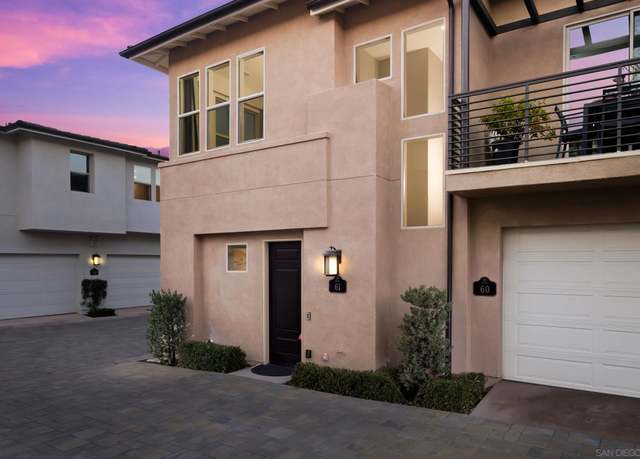
San Diego’s real estate market is sizzling hot, and if you own property in this city, you’ve likely noticed the rapid rise in home values. With its idyllic coastal weather, bustling job market, and scenic beauty, San Diego has become a magnet for buyers and investors alike. What’s even more impressive is how remodeled homes in the area are nearly doubling their value, making renovations a smart move for homeowners. From adding square footage to upgrading kitchens and bathrooms, these transformations aren’t just about aesthetics—they’re about maximizing ROI. In this article, we’ll dive into how home renovations are driving significant value in San Diego’s competitive housing market.

Remodeled Houses in San Diego Almost Doubled The Value

Over the past decade, San Diego has experienced a real estate boom that shows no signs of slowing down. Many homeowners are capitalizing on this trend by remodeling their homes, leading to dramatic increases in property value. In fact, in some cases, these renovations have almost doubled the market value of homes. This isn’t just happening in luxury markets—homes across various price ranges are seeing a significant boost in worth thanks to thoughtful upgrades.

What’s driving this surge in value? Factors such as the high demand for housing, a limited inventory, and an influx of buyers from other states have played a role. In a competitive remodeling market like San Diego, where buyers are looking for move-in-ready homes, renovations can give sellers a distinct edge. A well-remodeled home not only sells faster but often for a premium price.

The San Diego Real Estate Market Overview

San Diego’s housing market has been on a rapid incline due to its strong economy, thriving tech scene, and growing population.

As per Sheiner Construction & Remodeling in San Diego, “Despite higher-than-average prices, demand for housing remains high, pushing up home values. Renovated homes are particularly appealing to buyers who don’t want to deal with the hassle of renovations themselves, leading to a surge in sales for these properties.

What Contributes to Increased Home Value After Renovations?

The increase in home value after remodeling isn’t just about making a house look better. Factors like improved energy efficiency, updated plumbing, modernized interiors, and the addition of usable living space all contribute. Buyers are willing to pay more for homes that won’t require major repairs or updates in the near future. Upgraded homes also tend to appraise higher, which helps in securing better financing deals.“

Top Home Renovations That Add the Most Value

Not all renovations are created equal. While any improvement to your home can make it more attractive to potential buyers, certain upgrades yield a much higher return on investment (ROI). In San Diego, where market conditions are ripe for value growth, the right remodeling projects can significantly increase your home’s worth. From kitchens to bathrooms, energy-efficient upgrades, and outdoor spaces, strategic renovations can pay off handsomely.

High-ROI Renovation Projects in San Diego Homes

Among the most profitable upgrades are kitchen and bathroom remodels, as these are areas buyers tend to scrutinize. A modern kitchen with new appliances, countertops, and cabinetry can increase home value by 10-15%. Bathroom upgrades, especially those involving new fixtures, flooring, and added storage, offer a similarly high ROI. Additionally, converting an attic or basement into usable living space also adds significant value, as it increases the overall square footage of the home.

The Impact of Energy Efficiency on Home Value

In an eco-conscious city like San Diego, energy-efficient upgrades can significantly boost a home’s value. Solar panels, energy-efficient windows, and improved insulation are top choices for homeowners looking to increase value while cutting long-term utility costs. Homes with energy-saving features often sell faster and at higher prices, as buyers are increasingly looking for properties that will save them money over time.

Why Location Matters: San Diego Neighborhoods Leading the Remodeling Trend

While remodeling can boost the value of almost any home, location plays a critical role in just how much that value increases. San Diego is home to a diverse range of neighborhoods, each with its own unique appeal. Some areas are seeing more dramatic increases in home values after renovations due to their location, amenities, and overall desirability. Understanding where to invest in home improvements can make a big difference in ROI.

Neighborhoods with the Highest Property Value Growth

Coastal neighborhoods like La Jolla, Del Mar, and Pacific Beach are seeing some of the highest gains in property value post-renovation. These areas are highly sought after for their proximity to the beach, great schools, and luxurious amenities. Meanwhile, more urban neighborhoods like North Park and Hillcrest are also experiencing rapid growth, especially among younger buyers looking for remodeled homes with modern finishes and walkable access to shops and restaurants.

The Role of Local Infrastructure in Home Value

Local infrastructure, such as access to public transportation, shopping centers, and schools, plays a big role in determining how much value a remodeled home will gain. Homes located near new developments, transit lines, or parks tend to experience higher value increases. In San Diego, where traffic is often a concern, proximity to highways or public transit can add a significant premium to a remodeled property.

The Cost of Remodeling in San Diego: Is It Worth It?

San Diego isn’t the cheapest place to remodel a home, but the potential returns make it worthwhile. Remodeling costs vary depending on the scope of the project, materials used, and the contractor’s fees. However, despite these costs, many homeowners find that the increase in home value far outweighs the initial investment.

Average Costs of Popular Remodeling Projects in San Diego

The cost of remodeling in San Diego can range from a few thousand dollars for minor upgrades to six figures for major renovations. For example, a mid-range kitchen remodel can cost anywhere from $30,000 to $60,000, while bathroom renovations typically run between $10,000 and $30,000. Larger projects, such as adding a room or converting a basement, can exceed $100,000. Despite these costs, most homeowners see a substantial ROI, with some projects adding more than 50% of their cost back into the home’s value.

Calculating Return on Investment for Homeowners

To determine whether a remodeling project is worth it, homeowners should consider both the upfront costs and the potential value increase. In San Diego, many renovations can recoup 70-80% of their cost when selling, with certain projects like kitchen remodels and energy-efficient upgrades offering the highest returns. It’s important to plan renovations carefully and consult with real estate experts to ensure that upgrades align with current market demands.

Real Estate Market Trends: Why Buyers Love Remodeled Homes

In San Diego’s competitive housing market, buyers are drawn to remodeled homes for a variety of reasons. These properties often feature modern amenities, energy efficiency, and a turnkey experience that allows new owners to avoid the hassle of renovations. As a result, these homes tend to sell faster and at a premium, which benefits sellers looking to maximize their return.

Buyer Preferences: Why Remodeled Properties Sell Faster

As per Sheiner Homes, realtor in San Diego, “Today’s homebuyers, especially in fast-moving markets like San Diego, are often willing to pay more for homes that are move-in ready. Turnkey properties save buyers time, effort, and money on immediate repairs or upgrades, making them highly attractive. Additionally, remodeled homes that feature energy-efficient appliances, smart home technology, and modern layouts cater to the tastes of younger, tech-savvy buyers who want convenience and comfort.

How Renovations Affect Property Marketability

Homes that have been updated with the latest trends and technologies tend to stand out in the crowded San Diego market. In a sea of outdated listings, a remodeled home with modern finishes, open-concept layouts, and outdoor living spaces can command a higher price. Renovations that focus on boosting both functionality and style are key to making a home more marketable and desirable to potential buyers.“

CONCLUSION

San Diego’s housing market is ripe for growth, and homeowners who invest in remodeling are reaping the rewards. Whether it’s a modern kitchen, energy-efficient upgrades, or additional living space, these renovations are proving to be valuable investments that can nearly double the value of a home. As more buyers flock to the city, the demand for remodeled homes will only continue to rise. For homeowners, understanding which upgrades offer the highest returns and how location factors into value growth is essential for making smart investment decisions.

 

Choosing new flooring is a big decision that can affect how your home looks, works, and how much it costs. With so many options available, from hardwood and laminate to vinyl and carpet, finding the perfect flooring can be exciting and overwhelming at the same time.

In this article, we’ll tell you how to find the right new flooring store for your home upgrade.

Choosing The Perfect New Flooring

Here are the tips for choosing the perfect flooring:

1. Evaluate Your Needs and Preferences

Think about how your flooring will be used. For places that get a lot of traffic or homes with pets and kids, it’s important to make sure they last a long time and are easy to take care of. For low-traffic areas or spaces where aesthetics are important, you might prioritize appearance and comfort.

Flooring options vary widely in price. Establishing a budget helps narrow down your choices and prevents you from overspending. Remember to factor in costs beyond just the flooring material, such as installation, underlayment, and potential removal of old flooring.

Choose the right kind of flooring

Each type has its own advantages and disadvantages. Here are some ideas:

Hardwood floors are beautiful and can last a long time. They come in many different types, colors, and finishes. It’s ideal for adding warmth and style to your home but may need regular maintenance and can be more expensive.

Laminate Flooring: Offering a cost-effective alternative to hardwood, laminate flooring mimics the look of wood or stone but is more resistant to scratches and dents. It’s also easier to install and maintain.

Luxury Vinyl Flooring: This option combines the appearance of natural materials with superior durability and water resistance.

2. Consider Room-Specific Requirements

Different rooms have different needs. For example, hardwood or laminate may be good for living rooms and dining areas, while vinyl or tile is better for bathrooms and kitchens. When choosing flooring for a room, think about things like how well it resists water, how comfortable it is, and how easy it is to clean.

3. Quality and Guarantee

Invest in high-quality flooring that will withstand daily wear and tear. Check the details of the product and read reviews to make sure it’s strong and well-made.

How to Choose the Right Flooring Store?

Here is how to choose th right flooring store:

1. Research and Recommendations

Start by researching flooring stores with a good reputation and positive customer reviews. Online research can tell you a lot about a stores product range, customer service, and overall reliability.

2. Evaluate The Product Selection

Choose a store that has a lot of flooring materials and styles. Having many choices lets you compare them and find what you want.

3. Check How Well Customers Are Treated

Make sure the workers at the store know a lot about flooring and can help you choose, install, and take care of it. They should be able to answer your questions and guide you through the selection process.

Conclusion

Finding the right flooring and choosing the right store are important for a successful home upgrade. By looking at your needs and preferences, room-specific requirements, and product quality, you can choose flooring that makes your home look good and work well.

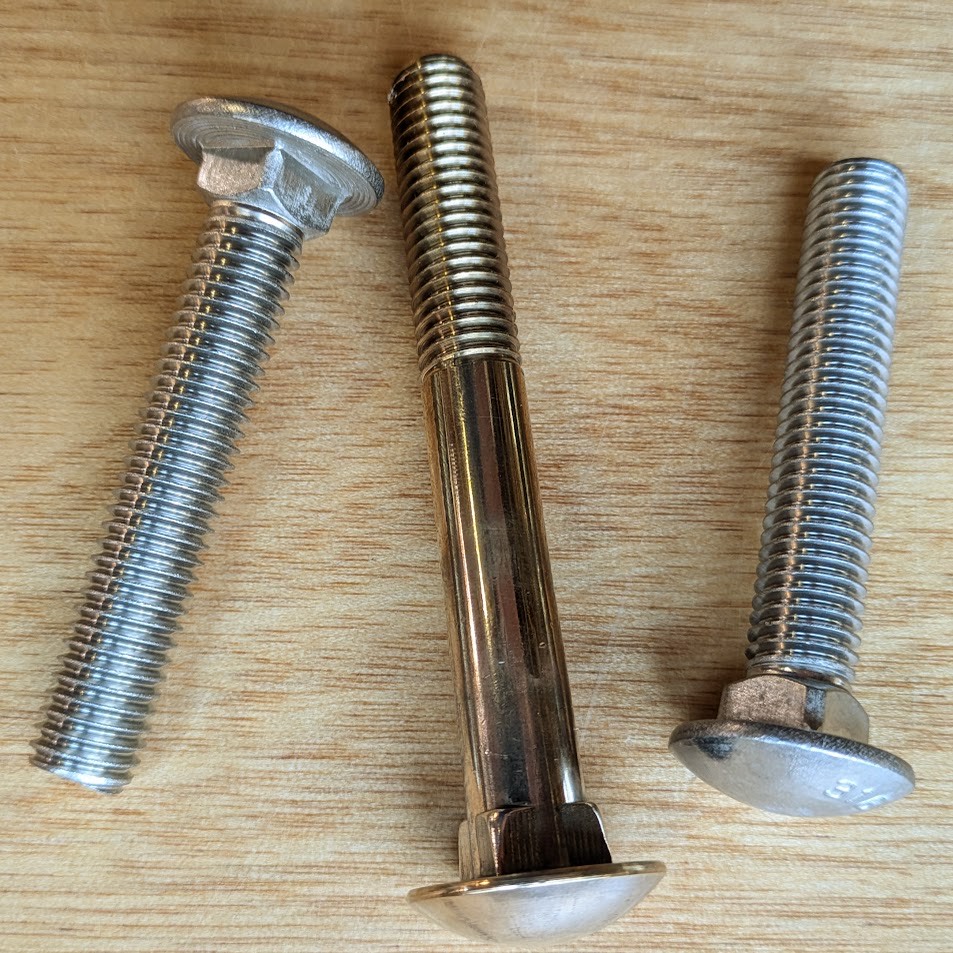
Carriage bolts, often recognized by their smooth, domed heads and square necks, are essential fasteners in many construction and woodworking projects. Though seemingly simple, these bolts have a rich history and a variety of applications that make them indispensable. Whether you’re a seasoned DIY enthusiast or a professional in the construction industry, understanding the nuances of carriage bolts can help you select the right fasteners for your projects. Here are 11 facts about carriage bolts that you should know.

1. Origins and Evolution

Carriage bolts have been used for centuries, with their origins tracing back to the early 19th century. Initially designed for use in wooden carriage and wagon construction—hence the name “carriage bolts”—these fasteners were crucial for holding together wooden components under heavy loads. The bolt’s design allowed it to be securely fastened without the need for additional tools to hold the bolt head in place. Over time, the use of carriage bolts has expanded beyond carriages and wagons to include a wide range of construction and industrial applications.

2. Unique Design Features

One of the most distinctive features of a carriage bolt is its domed, rounded head. This smooth head provides an aesthetic finish and eliminates sharp edges, making it ideal for applications where appearance matters, such as in furniture construction. Beneath the head, a square neck is designed to fit into a corresponding square hole or bite into the wood, preventing the bolt from spinning when a nut is tightened on the other end. This design feature allows for easy installation without needing a wrench or pliers to hold the bolt head in place.

3. Material Choices and Durability

Carriage bolts are manufactured from a variety of materials, each chosen for specific properties depending on the application. The most common materials include:

  • Steel: The most widely used material, steel carriage bolts are strong and versatile, suitable for many general-purpose applications.
  • Stainless Steel: For environments exposed to moisture, such as marine or outdoor settings, stainless steel carriage bolts are preferred for their corrosion resistance. Marine-grade 316 stainless steel is especially popular in coastal areas due to its superior resistance to saltwater corrosion.
  • Silicon Bronze: Often used in boat building and restoration, silicon bronze carriage bolts are valued for their resistance to seawater corrosion and their traditional, attractive appearance.

Each material offers different levels of strength, corrosion resistance, and aesthetic appeal, making it important to choose the right material for your specific application.

4. Applications in Woodworking

Carriage bolts are a staple in woodworking projects, particularly in furniture making, decking, and other structural wood applications. The square neck of the carriage bolt fits snugly into a pre-drilled hole in the wood, preventing the bolt from turning as the nut is tightened. This feature is especially useful in scenarios where only one side of the bolt is accessible during installation, such as in through-bolt applications. The rounded head of the carriage bolt also sits flush with the wood surface, reducing the risk of injury from protruding metal and giving a clean, finished appearance.

5. Common Uses in Construction

In construction, carriage bolts are frequently used in framing, fencing, and the assembly of wooden structures. Their design makes them ideal for securing wooden beams, posts, and panels together, providing a strong and stable connection. Carriage bolts are also commonly used in metal-to-wood connections, such as securing metal brackets to wooden posts. Their strength and ease of installation make them a popular choice for both professional builders and DIY enthusiasts.

6. Size and Thread Options

Carriage bolts come in a wide range of sizes to accommodate various applications. The length of the bolt is measured from the underside of the head to the tip, and diameters range from small (1/4 inch) to large (1/2 inch or more). Carriage bolts also feature coarse or fine threads, with coarse threads being more common for general-purpose use. Fine threads are typically used in applications requiring greater precision and holding power. It’s important to select the appropriate size and thread type for your specific project to ensure a secure and lasting connection.

7. Installation Tips and Tricks

Installing carriage bolts can be straightforward, but there are a few tips and tricks to ensure a smooth and secure installation:

  • Pre-drill a Pilot Hole: To avoid splitting the wood, always pre-drill a pilot hole slightly smaller than the bolt’s diameter. This also helps the square neck of the bolt to bite into the wood more effectively.
  • Use a Mallet: If the square neck doesn’t immediately engage with the wood, gently tap the head of the bolt with a mallet to seat it firmly into the wood. Avoid using a hammer, as this can damage the bolt head.
  • Tighten the Nut: Once the bolt is seated, use a wrench to tighten the nut on the opposite end. The square neck should prevent the bolt from spinning, but if you encounter resistance, check that the bolt is fully seated in the wood.

8. Corrosion Resistance

One of the primary reasons for choosing carriage bolts made from stainless steel or silicon bronze is their resistance to corrosion. In outdoor or marine environments, standard steel bolts can quickly rust, compromising the integrity of the structure they are holding together. Stainless steel, particularly marine-grade 316 stainless steel, offers excellent resistance to rust and corrosion, making it ideal for outdoor furniture, decking, and boat construction. Silicon bronze is another excellent option for maritime applications, as it not only resists corrosion but also develops a patina over time, adding to its aesthetic appeal.

9. Security Applications

Carriage bolts are often used in security applications because of their tamper-resistant design. The smooth, domed head of the bolt can only be accessed from one side, making it difficult to remove without the proper tools. This makes carriage bolts ideal for securing gates, doors, and other structures where unauthorized access is a concern. The square neck also prevents the bolt from being easily loosened from the outside, adding an extra layer of security.

10. Environmental Considerations

For environmentally conscious builders, the choice of material for carriage bolts can have a significant impact on the sustainability of a project. Stainless steel and silicon bronze are both highly durable and long-lasting, reducing the need for frequent replacements and minimizing waste. Additionally, both materials are recyclable, making them a more eco-friendly choice compared to some other materials. When selecting carriage bolts for a project, consider the environmental impact of the materials used and opt for sustainable options whenever possible.

11. Custom Manufacturing Options

While standard carriage bolts are readily available in a variety of sizes and materials, some projects require custom solutions. Custom manufacturing allows for carriage bolts to be produced in non-standard sizes, materials, or finishes to meet the specific needs of a project. For example, a historical restoration project might require silicon bronze carriage bolts with a particular patina to match existing hardware. Custom manufacturing can also produce carriage bolts with unique thread types, such as British Standard Fine (BSF) or British Standard Whitworth (BSW), which are not commonly available off the shelf.

Conclusion

Carriage bolts are more than just simple fasteners; they are versatile, durable, and essential components in a wide range of applications. Whether you’re working on a woodworking project, constructing a building, or securing a gate, understanding the unique features and benefits of carriage bolts can help you make the right choice for your needs. From their origins in carriage construction to their modern-day use in security and marine applications, carriage bolts have stood the test of time as a reliable and indispensable fastener. By considering factors such as material, size, and installation techniques, you can ensure that your carriage bolts provide a strong and lasting connection in any project.


In today’s fast-paced world, having an organized and efficient home office is essential for productivity and mental clarity. A clutter-free, well-organized space not only enhances your focus but also allows you to enjoy your work environment. Whether you’re working from home, managing personal projects, or simply need a place to pay bills and sort through mail, these simple tips can help you transform your home office into an organized and functional space.

Decluttering Your Workspace

The first step to an organized home office is to declutter your workspace. Start by sorting through your desk, drawers, and shelves. Remove anything that no longer serves a purpose or adds value to your work. Old papers, outdated documents, and unnecessary office supplies can all contribute to a chaotic environment. By eliminating these distractions, you’ll create a cleaner, more focused space.

While sorting through your belongings, you might come across old videotapes, such as VHS, MiniDV, or especially HI8 tapes. These HI8 tapes were popular for recording home videos because of their superior video quality compared to older formats. However, as technology has advanced, finding a working HI8 player has become increasingly difficult. Instead of letting these tapes take up valuable space or risk deteriorating, consider converting them to digital format. When you convert HI8 tapes to digital, you not only free up physical space but also preserve those precious memories in a modern, accessible format. This small step can significantly enhance both the organization of your home office and the preservation of your cherished moments.

Effective Storage Solutions

Once you’ve decluttered, it’s essential to have a place for everything. Invest in effective storage solutions that suit your needs. This could include filing cabinets, shelves, and storage boxes. Use labeled containers for smaller items like stationery, cables, and other office supplies. Proper storage helps keep everything organized and easily accessible, which can significantly improve your efficiency.

Creating a Functional Layout

An organized office is not just about having everything in its place; it’s also about creating a functional layout that works for you. Think about how you use your space and what items you need to access frequently. Position your desk near a window for natural light, place your filing cabinets within arm’s reach, and arrange your office equipment in a way that minimizes unnecessary movement. A well-thought-out layout can reduce distractions and enhance productivity.

Personalizing Your Space

Your home office should reflect your personality and style. Personalizing your space can make it more inviting and comfortable, which in turn can improve your mood and productivity. Add personal touches like artwork, plants, or family photos. Choose colors that inspire and motivate you. When your workspace feels like your own, you’re more likely to keep it organized and enjoyable to be in.

Maintaining an Organized Office

The key to a consistently organized home office is maintenance. Make it a habit to clean up at the end of each day. Put away items you’ve used, file papers where they belong, and keep your desk clear. Regularly review your storage solutions to ensure they are still meeting your needs. Consider using a digital video conversion service to handle any additional tapes or media you may come across in your decluttering efforts. This will help you stay ahead of the clutter and maintain an orderly space.

Conclusion

Organizing your home office doesn’t have to be a daunting task. By following these simple tips—decluttering, using effective storage solutions, creating a functional layout, personalizing your space, and maintaining order—you can transform your home office into a space that promotes productivity and well-being. Embrace the process, and enjoy the benefits of an organized, efficient, and aesthetically pleasing work environment.

Remember, taking small steps towards organization can lead to significant improvements in your productivity and peace of mind. So, start today and see how these changes can make a difference in your daily work routine.


Embrace the revolution in household cleanliness and efficiency that smart home technology offers. The era of manual cleaning is transitioning as innovative gadgets enter our homes, dramatically changing the way we manage our daily tasks. Among these advancements, robotic vacuum cleaners and mops are becoming household essentials, promising an effortlessly clean environment where technology meets tidiness. Let’s delve into how these smart devices redefine our cleaning routines and contribute to a more hygienic, convenient lifestyle.

One standout performer in this sector is bObsweep, known for their range of high-efficiency robot vacuum cleaners and mops. A notable device that exemplifies cutting-edge technology combined with user-friendly functionality is the bObsweep Dustin Self-Emptying Robot Vacuum and Mop. This advanced tool not only sweeps but also mops your floors, ensuring a comprehensive clean from corner to corner.

Autonomous Cleaning Technology at Its Peak

The chore of cleaning floors is one most would gladly relinquish. With the bObsweep Dustin Self-Emptying Robot, households can wave goodbye to constant sweeping and mopping. This device is ingeniously designed to navigate through living spaces with precision, thanks to its intelligent pathfinding technology.

It doesn’t stop at just navigating efficiently. The bObsweep Dustin model features a self-emptying system which greatly minimizes human interaction, making it an ideal companion for busy individuals or those with mobility issues. Once its task is complete, it returns to its dock to dispose of the collected dirt, dust, pet hair, and debris into a sealed bag, maintaining excellent hygiene and air quality.

Double Duty: Vacuuming and Mopping Combined

The multifunctionality of the bObsweep Self Emptying Robot Vacuum and Mop provides users with an unparalleled level of convenience by integrating both vacuuming and mopping capabilities. Its methodical cleaning cycle ensures that every square inch of your floors shines, tackling tough stains on hard floors and ensuring carpets are free of allergens and hair. The integration of these two functions in one compact unit saves time, energy, and storage space.

Interestingly, bObsweep reviews often highlight the device’s ability to handle complex environments filled with obstacles. It’s equipped with advanced sensors that detect furniture and drop-offs, steering clear of potential accidents and ensuring continued operation without tipping over or getting stuck.

User-Centric Features Backed by Positive Feedback

According to various bObsweep Dustin reviews, customers are highly satisfied with its performance across various floor types. The bObsweep Self Emptying Robot reviews often praise its suction power and battery life – the essential factors ensuring it completes its cleaning cycle without mid-job charges.

Moreover, all elements surrounding its maintenance are simple and user-friendly. Users express particular appreciation for how easy it is to set up schedules and preferred cleaning modes via intuitive controls. Even those who are not tech-savvy can quickly become acquainted with running the device to achieve optimum cleanliness.

Why Choose bObsweep?

Opting for a bObsweep robot means investing in a healthier, cleaner home environment without the need for continual personal effort. The Dustin Self Emptying Robot review mentions that it makes light work of pet hair, reducing allergen levels in homes with dogs or cats and providing residents with a sense of relief and increased overall comfort.

Bringing Future-Ready Cleaning Into Today’s Homes

As households worldwide continue to seek smarter ways to conduct their daily routines, products like the bObsweep Dustin Self-Emptying Robot make a compelling case for automating mundane tasks like floor cleaning. The evolution from traditional cleaning methods towards automated solutions allows homes to stay pristine with minimal human intervention.

Ultimately, those who integrate these advanced tools into their lives reap the benefits of enhanced free time and reduced physical strain, illustrating just how significantly smart home tools can improve everyday lives. Embracing these technologies means stepping into a future where cleanliness and technology go hand in hand – delivering peace of mind and immaculately clean spaces effortlessly.

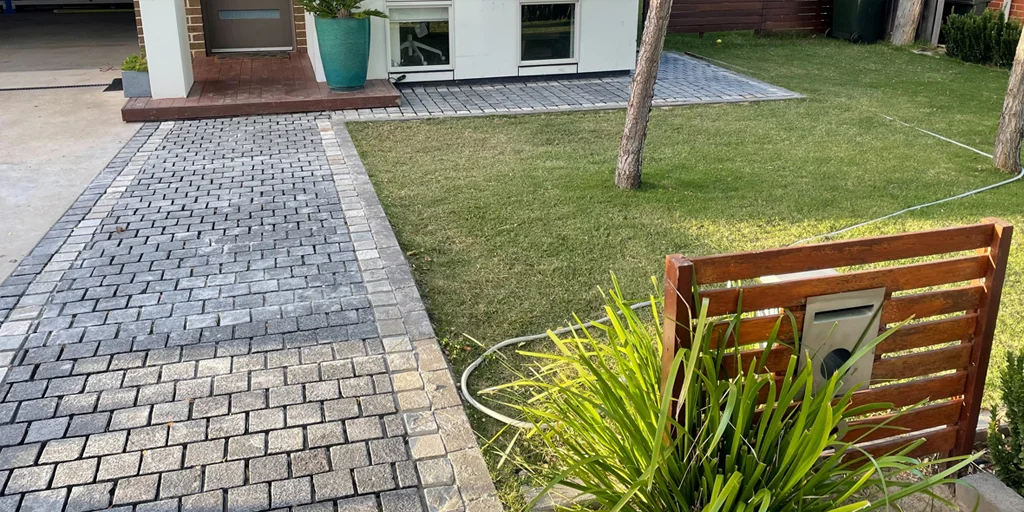
A cobblestone driveway is a stunning addition to any home, giving a timeless and elegant look. Notwithstanding, to ensure it remains in pristine condition and retains its charm, regular maintenance is essential. Legitimate care not just enhances the appearance of your cobblestone driveway yet additionally extends its lifespan, making it a durable investment in your property’s control appeal. By following a couple of simple maintenance steps, you can keep your cobblestone driveway looking beautiful into the indefinite future. How Much Cobblestone Driveway Cost 2024 | m2 cobblestone paving includes factors like location, design, and quality of the cobblestones.

Cleaning Your Cobblestone Driveway

One of the most important aspects of maintaining a cobblestone driveway is regular cleaning. Soil, debris, and stains can accumulate on the surface, dulling the natural beauty of the stones. To clean your driveway, start by sweeping away loose debris such as leaves, soil, and small stones. For more stubborn soil and stains, use a pressure washer on a low setting or a garden hose with a high-pressure nozzle. Make certain to use a gentle cleanser if necessary, and avoid harsh chemicals that can damage the stones. Regular cleaning helps preserve the variety and surface of the cobblestones, keeping your driveway looking fresh and welcoming.

What is the difference between Pavers and Cobblestones? - TFSD

Managing Weeds and Moss Development

Weeds and moss can develop between the cobblestones, detracting from the appearance of your driveway and potentially causing damage after some time. To forestall this, regularly inspect the spaces between the stones and eliminate any weeds or moss you find. You can haul them out the hard way or use a weed executioner that is safe for stone surfaces. Additionally, applying a layer of sand between the cobblestones can assist with inhibitting weed development and keep the stones securely in place. Managing weeds and moss not just improves the appearance of your driveway yet in addition prevents potential structural issues.

Repairing and Replacing Damaged Stones

After some time, some cobblestones may turn out to be loose, cracked, or chipped because of heavy use or weather conditions. It’s important to address these issues quickly to maintain the uprightness of your driveway. Replace any damaged stones with new ones that match the existing cobblestones. For loose stones, reset them in place using a combination of sand and concrete to secure them solidly. Regularly checking and repairing your cobblestone driveway prevents small issues from increasing, more costly problems.

For an accurate estimate of How Much Cobblestone Driveway Cost 2024 | m2 cobblestone paving, consult with local contractors to get detailed pricing information.

You probably already know that HDB main doors in Singapore provide security and privacy to HDB flat residents. But did you also know that beyond the practical functions, an HDB main door sets the tone for the home’s aesthetics?

For this reason, when considering transforming your HDB flat into a safe and beautiful haven, you should start with choosing the perfect HDB main door.

This article will discuss the tips and trends for choosing the perfect HDB main doorin Singapore. At the end of this article, you’ll be one step closer to choosing a main door that enhances the security and appearance of your HDB flat.

The tips for selecting the perfect HDB main door include:

Security

Security is usually the first consideration when choosing front doors for homes, including HDB flats.

After all, the primary function of a home’s entrance door is to prevent intruders from entering. Hence, your main door should be able to resist forced entry to keep you safe. So, always go for doors with features like a solid frame, strong hinges, and a reliable locking mechanism.

Some of the best HDB main doors in Singapore have multi-point locking systems (obviously to enhance security). These doors have bolts and hooks at multiple points along the door frame, which makes it harder for intruders to force the door open.

Security-consciousness is also making digital locks increasingly popular in Singapore. These keyless locks not only enhance the security of homes but also have sleek designs that add elegance to your HDB door, making it more stylish and modern.

Quality Material

HDB main doors in Singapore are made from different materials, primarily wood, metal, and fibreglass. And the material of construction affects the durability, security, and aesthetics of the doors. So, selecting the right material is an important consideration.

Always go for HDB main doors made of durable materials. In Singapore, a common choice is solid wood. It is strong enough to withstand forced entry and resistant to wear even in the face of gusty winds and the scorching sun of Singapore’s climate. Solid wood also offers a classic look. And this ensures that your main door not only provides security but is also attractive and offers an aesthetic element to the interior.

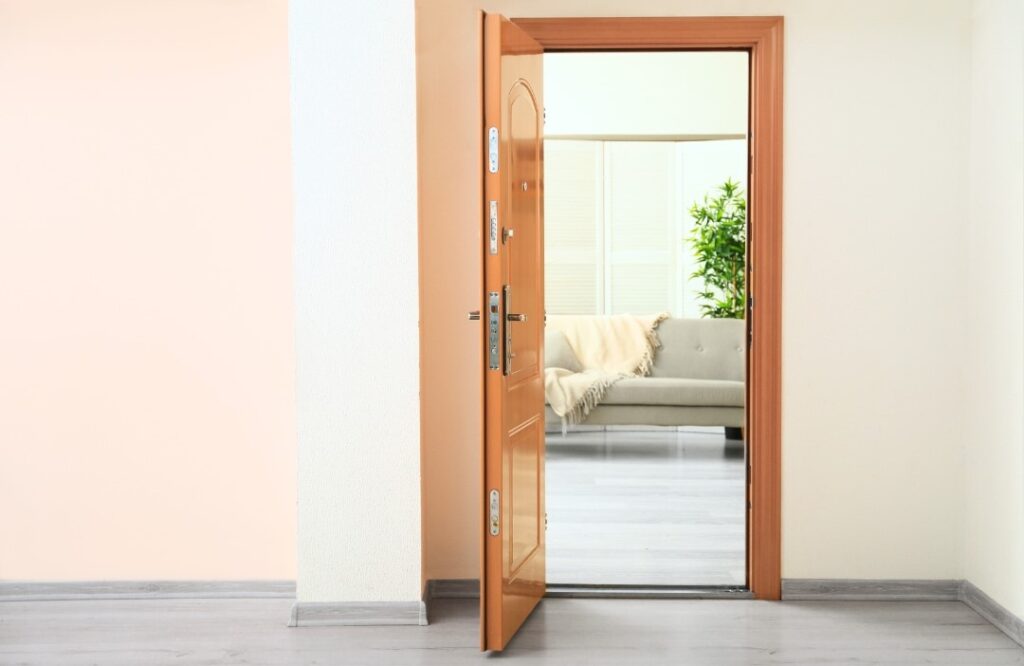
HDB Main Doors by Gate Door Window

Maintenance

Singapore’s tropical climate, with its high humidity and occasional heavy rain, can accelerate the wear and tear of wood and metal, which are commonly used for main door materials. Regular maintenance ensures your HDB door withstands these conditions.

Regular maintenance helps extend the lifespan and preserves the aesthetics of doors. So, when choosing your HDB main door, go for an option that is easy to maintain to ensure longevity.

Because of the maintenance requirement, laminate finishing is now a common trend for wooden HDB doors in Singapore. Laminate doors are resistant to scratches, stains, and moisture.

Beig moisture-resistant makes laminate doors perfect for Singapore’s tropical climate. You won’t have to worry about the high humidity causing the door to warp and swell. Laminated doors also have smooth and non-porous surfaces that make them stain-resistant and easy to clean. You only need to wipe the surface with a damp cloth and mild detergent, and your door will look new again.

Moreover, laminate doors come in a wide range of colours and patterns. So, you can be sure of finding an attractive laminate main door that will elicit a second look from passers-by.

Laminated home main door by Gate Door Window

Design and Aesthetics

We mentioned earlier that HDB main doors offer your home more than security and privacy. They also contribute to the overall aesthetics of your home. So, to choose the perfect main door, go for a door with aesthetic value.

You can find a door that complements the design of your home, no matter your interior decor. HDB main doors come in different designs and specifications. There are main doors with modern and minimalist designs (featuring clean lines and sleek finishes). There are also doors with traditional and classic designs (featuring intricate designs, panelling, and detailing). So, whatever your style preference, you’ll find a design option to enhance your home’s curb appeal.

HDB main doors that have aesthetic value, are becoming very popular in Singapore. This is because they allow homeowners to give passers-by a glimpse of their style preferences. Another reason for these doors’ popularity is that they increase a home’s value. Main doors with aesthetic value enhance the attractiveness of your home, creating a positive first impression for visitors and potential buyers. And this enhances the perceived value of your home.

Professional installation

Improper installation can undermine the security and aesthetics of HDB main doors. So engaging the services of a professional HDB door installer in Singapore is crucial to ensure proper installation and security.

Professional installation will ensure the main door is properly anchored to the door frame and that the locking mechanism functions correctly. And this enhances the security of the home. Professional installation also ensures proper fit and functionality so that it opens and closes smoothly and seals off drafts and noise from the outside.

Also, professional installers are familiar with specific regulations regarding main door installation for HDB flats in Singapore and will ensure that your main door is compliant.

To ensure professional installation, “supply and install” package deals are now common HDB main door trends in Singapore. A professional door contractor allows you to choose a door or customise one according to your preferences and then delivers it to your home and installs it for you.

Besides simplifying the purchasing process, these package deals give peace of mind regarding the quality and reliability of the installation and compliance with relevant regulations.

Takeaway: Get the Perfect HDB Main Door with GateDoorWindow

The journey to making your home a safe and cosy haven starts with picking the perfect HDB main door.

The tips for picking the perfect main door are discussed above. When it comes to choosing an HDB that ticks every box, you can’t go wrong with GateDoorWindow – the trusted one-stop solution for doors, gates, and windows that meet the unique needs of Singaporean homeowners.

GateDoorWindow delivers top-grade HDB main doors that are professionally made and installed. Ready to bless your HDB flat with a secure and attractive main door? Get in touch with GateDoorWindow today!

Relocating can be a significant source of anxiety for children and their families, particularly for those with school-age kids. Ensuring a seamless transition is vital for maintaining emotional and mental well-being, both of which are crucial to a child’s happiness. A well-executed move is essential for supporting mental health and aiding children in adjusting to their new surroundings.

Parents should take proactive measures to lessen the potential stress their children may encounter during a move. Research, including studies from the MacArthur Foundation, suggests that moving can affect a child’s sense of stability and belonging, which can, in turn, influence their emotional health and academic performance.

Moving during key developmental stages, such as elementary or middle school years, can disrupt critical social and educational routines. Planning a move during school breaks can help maintain continuity in a child’s life, thereby reducing anxiety.

Involving children in the moving process can also ease their stress. Assigning them age-appropriate responsibilities can make the experience feel less daunting and more manageable.

For families considering a move within Southern California, hiring a moving company in Irvine, CA can streamline the process. These professionals are adept at minimizing disruptions, ensuring a smoother transition for both children and parents.

Being a homeowner means understanding the challenges of maintaining a pest-free home. Rodents and insects frequently find their way inside. They find various entry points, causing infestations and damage.

Besides sealing these entry points, we’ll give you tips on using readily available materials to create a robust barrier against intruders. By taking proactive measures now, homeowners can dramatically reduce the risk of infestations in the future, making their homes safer and more comfortable. Whether you’re a DIY enthusiast or a first-time homeowner, this guide will help you protect your home from pests.

This guide will explore common pest entry points. We’ll give tips on sealing them to protect your home from unwanted intruders.

Cracks and Gaps in Exterior Walls

There are lots of ways for ants, spiders, and mice to get into buildings. Check out the exterior of your house. Examine the spaces surrounding doors, windows, and vents. Utilise weather-resistant sealant or caulk for sealing gaps and cracks. This will keep out pests. Also, install door sweeps and weather stripping. They will seal doors and windows. This will reduce pest infiltration.

To boost your crack-sealing efforts, use wire mesh to cover larger gaps before applying sealant. These materials provide added protection against pests while still allowing for adequate ventilation.

Gaps Around Pipes and Utility Lines

Pipes and utility lines entering the home often create gaps. Pests can exploit these gaps to gain access. Check areas where pipes and utility lines enter the walls or foundation. Plumbing, HVAC, and electrical conduits are all there. Steel wool or expanding foam can be used to seal off any openings around these entry points. This will block pests from entering. Regularly check and replace worn or damaged seals around pipes and utility lines. This will maintain your pest barriers.

Also, seal gaps around pipes and utility lines indoors. Don’t overlook outdoor areas like crawl spaces, vents, and roof eaves. Install wire mesh or rodent-proof screens over vents and openings. This will prevent pests from entering while allowing for proper ventilation.

Damaged Screens on Windows and Doors

Screens on windows and doors are vital pest barriers. Over time, though, they can get worn out or damaged. If you see tears, holes, or loose fittings, fix or replace them. You’ll get better pest protection and durability with heavy-duty or pest-resistant screens. Make sure screens fit in window and door frames. This will prevent pests from squeezing through any gaps.

To boost pest protection, install door sweeps on exterior doors. They seal gaps at the bottom. This simple, effective measure can keep pests out and cut drafts. It will also improve energy efficiency.

Unsealed Cracks and Gaps in Interior Walls

Even small cracks in walls can let pests move between rooms. In particular, look for internal wall damage near baseboards, outlets, and plumbing. Look for any cracks or gaps and seal them with caulk or spackling compound if discovered. Make sure to pay attention to the intersection of the walls and ceiling. Seal your home well. Pests can enter through the smallest openings.

Also, seal cracks in interior walls. Then, install door sweeps on interior doors. This will stop pests from moving between rooms. This barrier can help contain pests and slow their spread in your home.

Defend Your Attic Vents and Chimney

Chimneys and attic vents let in pests like birds and bats. They are often over looked as entry points. Check that chimney caps and attic vents are secure and undamaged. There should be no gaps that pests could use to enter. Consider installing mesh screens or wire mesh over vents. This will prevent pests from accessing these areas while allowing ventilation. Regularly check and maintain chimneys and attic vents. They must be secure and pest-proof.

Garage and Basement Entry Points

Multiple entry points in the basement and garage can let pests in. Look for any signs of damage or openings on windows, doors, and garage doors. Pests could be allowed in. Apply weatherproof sealant to any cracks or openings to caulk or seal them. Install door sweeps or weather stripping on your garage doors to ensure they are secure. Search for pipes, electrical wiring, and air vents in basement areas. Fill in any gaps to prevent pests. A well-maintained and sealed house won’t let pests in.

Do Pest Control Block Entry Points?

Yes, mice control professionals block entry points. To find potential entry points, pest control professionals look for cracks, gaps, and openings in windows and doors. Sealants such as caulk, expanding foam, or other sealants are used to repair cracks and gaps in the house. This method stops pests from getting in. If there are more significant issues, such as damaged siding or roof tiles, they might recommend repairs or coordinate with other professionals to fix these areas. Pest control companies often provide advice on maintaining your property to prevent future infestations, including landscaping tips and regular inspections. By addressing entry points, pest control professionals help to create a barrier against various pests, making your home less inviting to them.

In Conclusion

Dealing with pests in the summer is a usual occurrence for homeowners. Various insects, such as ants and spiders, invade our homes seeking food, shelter, and warmth. To ensure your home remains free of pests, it’s important to know how they enter. A tiny gap can let animals and insects get through, so identifying and sealing those holes is important. 

You can reduce the likelihood of infestations by caulking frequent places of entrance for pests. This will keep pest trespassers out of your house. Proactive sealing and routine upkeep of both internal and external surfaces are essential for creating efficient insect barriers. With these ideas, you can maintain a pest-free house. Knowing that uninvited pests are out of your space will give you peace of mind.


In the evolving world of architecture and construction, sustainability has become more than just a trend—it’s a necessity. As the industry moves towards greener practices, the demand for sustainably sourced materials has surged, with timber being at the forefront of this movement. Timber, especially hardwood, has long been a preferred material for its versatility, durability, and aesthetic appeal. However, in today’s eco-conscious market, the focus has shifted towards not just using timber, but ensuring that it is sourced sustainably. In this blog, we’ll explore why sustainably sourced timber matters in modern construction and how it benefits not only the environment but also builders, architects, and end-users.

The Importance of Sustainable Construction

Sustainable construction refers to the use of environmentally responsible and resource-efficient processes throughout the life cycle of a building—from design and construction to operation, maintenance, and deconstruction. The goal is to reduce the overall impact on the environment and human health by making informed choices about materials, energy use, water consumption, and waste management.

One of the critical aspects of sustainable construction is the choice of building materials. Timber, being a natural and renewable resource, plays a significant role in this. However, not all timber is created equal. The key to truly sustainable construction lies in sourcing timber that is harvested responsibly, with minimal environmental impact.

What is Sustainably Sourced Timber?

Sustainably sourced timber comes from forests that are managed in a way that maintains the biodiversity, productivity, and ecological processes of the environment. These forests are harvested in a manner that ensures they can regenerate naturally or through controlled replanting, maintaining the forest’s health and longevity for future generations.

Certifications such as FSC (Forest Stewardship Council) and PEFC (Programme for the Endorsement of Forest Certification) are globally recognized standards that ensure timber is sourced sustainably. These certifications guarantee that the timber has been harvested in compliance with strict environmental, social, and economic standards.

The Benefits of Using Sustainably Sourced Timber in Construction

1. Environmental Preservation

The most apparent benefit of using sustainably sourced timber is its positive impact on the environment. Unsustainable logging practices lead to deforestation, loss of biodiversity, and disruption of ecosystems. By choosing sustainably sourced timber, builders and architects contribute to the preservation of forests, which play a crucial role in carbon sequestration, oxygen production, and maintaining the earth’s climate balance.

Forests act as carbon sinks, absorbing CO2 from the atmosphere and storing it within the trees. When timber is sustainably harvested and used in construction, the carbon remains stored in the wood, reducing the overall carbon footprint of the building. This makes sustainably sourced timber a key player in the fight against climate change.

2. Supporting Responsible Timber Suppliers

By opting for sustainably sourced timber, you support responsible timber suppliers who are committed to ethical practices. These suppliers invest in the long-term health of forests, ensuring that they can continue to provide timber for generations to come. Supporting such suppliers also helps to reduce the market for illegally logged or unethically sourced timber, which can have devastating effects on the environment and local communities.

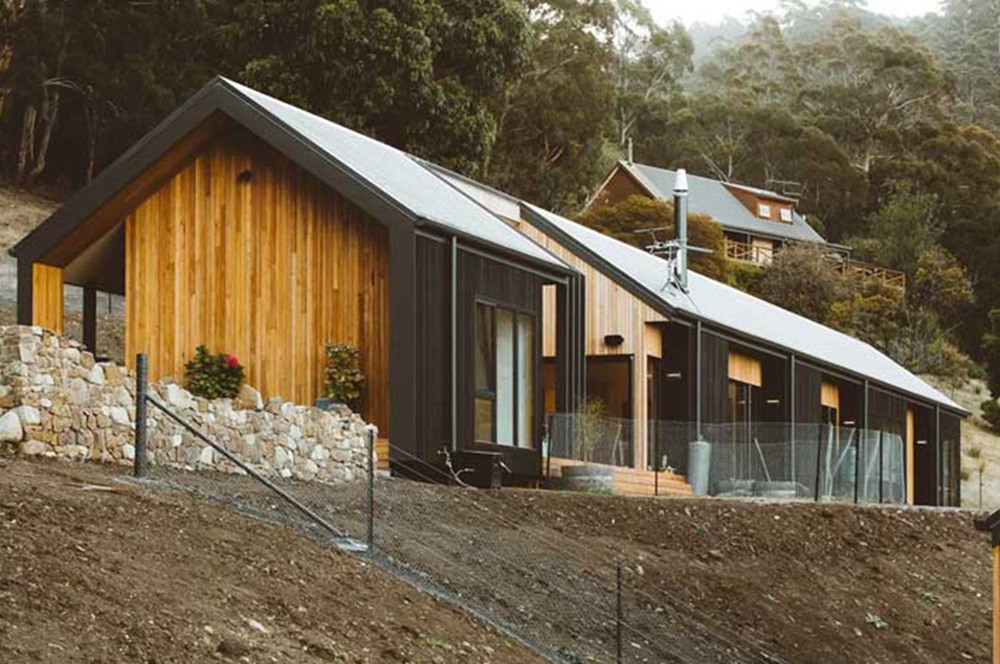
At Mortlock Timber, we are proud to be part of this movement. Our commitment to sustainability is reflected in our range of products, including Mortlock timber cladding, which is sourced from certified, responsibly managed forests. By choosing our products, you are not only enhancing the beauty and durability of your construction projects but also contributing to a sustainable future.

3. Enhanced Building Performance

Sustainably sourced timber is not only environmentally friendly but also of high quality. Trees that are harvested responsibly are often healthier and produce stronger, more durable wood. This is particularly important for hardwood, which is known for its longevity and resistance to wear and tear.

When used in construction, sustainably sourced timber offers excellent thermal and acoustic insulation properties, contributing to the energy efficiency and comfort of a building. Timber’s natural ability to regulate humidity also helps to create healthier indoor environments, reducing the need for artificial climate control systems.

4. Economic Advantages

In addition to its environmental and performance benefits, sustainably sourced timber can also offer economic advantages. As awareness of environmental issues grows, buildings that incorporate sustainable materials are becoming more desirable. This can enhance the market value of properties and attract eco-conscious buyers or tenants.

Moreover, many governments and regulatory bodies are introducing incentives and certifications for sustainable construction practices. Buildings that meet these standards may qualify for tax breaks, grants, or other financial benefits, making sustainably sourced timber a cost-effective choice in the long run.

5. Promoting Sustainable Development

The use of sustainably sourced timber aligns with the broader goals of sustainable development, which seeks to balance economic growth with environmental protection and social equity. By choosing sustainable materials, the construction industry can contribute to the development of communities that are resilient, inclusive, and capable of meeting the needs of both present and future generations.

Timber suppliers who prioritize sustainability often engage in practices that benefit local communities, such as providing fair wages, supporting education and healthcare, and protecting indigenous rights. When you choose sustainably sourced timber, you are supporting these initiatives and promoting a more equitable and sustainable global economy.

The Role of Hardwood in Sustainable Construction

Hardwood is a popular choice in construction due to its durability, aesthetic appeal, and strength. Species such as oak, maple, and teak are known for their resilience and beauty, making them ideal for high-traffic areas, structural components, and finishes.

When sourced sustainably, hardwood becomes even more valuable. Sustainably harvested hardwood ensures that forests are not depleted and that the natural balance of the ecosystem is maintained. Additionally, hardwood’s longevity means that it does not need to be replaced as often as other materials, reducing the overall environmental impact of a building over its lifetime.

Making the Right Choice: Working with Sustainable Timber Suppliers

As the demand for sustainable construction materials grows, it is crucial to work with timber suppliers who are committed to ethical sourcing and environmental stewardship. Choosing a reputable supplier ensures that the timber you use in your projects meets the highest standards of sustainability.

When selecting a timber supplier, look for certifications like FSC or PEFC, and ask about their sourcing practices. A reliable supplier will be transparent about where their timber comes from and how it is harvested. By making informed choices, you can ensure that your construction projects are both beautiful and sustainable.

At Mortlock Timber, we are dedicated to providing high-quality, sustainably sourced timber products. Whether you are looking for Mortlock timber cladding or other timber solutions, we offer a range of products that meet the rigorous standards of sustainable construction. Our commitment to sustainability ensures that you can build with confidence, knowing that you are making a positive impact on the environment and supporting ethical practices in the timber industry.

Conclusion

Sustainably sourced timber is more than just a material—it’s a commitment to responsible construction and environmental stewardship. As the construction industry continues to evolve, the importance of choosing sustainable materials like timber cannot be overstated. By prioritizing sustainability in your projects, you are contributing to a healthier planet, supporting responsible practices, and creating buildings that stand the test of time.

Incorporate sustainably sourced timber into your next project and experience the difference it makes. Whether you are an architect, builder, or homeowner, the choice to use sustainable timber is a step towards a better future for all.