Category

Home Improvement

Category

Building a house is incredibly expensive. People often find budget-busters too late. A forgotten detail on Tuesday becomes a ten-thousand-dollar problem by Friday. But here’s what seasoned homeowners know—these financial disasters follow patterns. Spot them early and your dream home won’t turn into a bankruptcy filing.

Paper Changes Beat Concrete Regrets

Fixing plans costs nothing. Fixing walls costs everything. Yet people rush through planning because they’re dying to see actual progress. The experts at custom home builder Jamestown Estate Homes recommends that you slow down. Obsess over those blueprints until your family begs you to stop. Walk through your imaginary house fifty times. Bad layouts announce themselves daily once you move in. By then, fixing them means sledgehammers and second mortgages.

People rarely consider future needs. Considering a bathroom rough-in while the basement floor is open? Maybe $500. Adding it after the concrete sets? Try $5,000. Electric car charger prep, backup generator hookups, speaker wiring; these cost almost nothing during construction. Later? You’re ripping into finished walls and crying over the bills.

Money Pits You Never See Coming

The bank approved your construction loan, so you’re covered, right? Wrong. That loan probably skips the driveway. And landscaping. And blinds for those forty windows you insisted on. Plus, every light fixture, doorknob, and towel bar throughout the house.

Allowances can be deceptive. Your contract includes a $5,000 appliance allowance; sounds generous until you’re standing in the showroom. A basic refrigerator eats half that budget. Want an induction cooktop? There goes the rest. Suddenly you’re paying cash for the dishwasher, microwave, and range hood. Those allowances cover builder-grade everything, but you’ll hate looking at cheap finishes for the next twenty years.

Then come the change orders, those budget assassins that strike during construction. You walk through and realize the powder room feels cramped. Moving that wall six inches shouldn’t cost much, should it? Except now the plumber, electrician, and HVAC guy all need to shift their work. The drywall order changes. The tile pattern needs adjusting. Your builder presents a change order for $3,000, and that’s just for moving one small wall.

When Poor Communication Empties Your Wallet

Nobody means to mis-communicate, yet it happens constantly. You say “granite countertops,” picturing thick slabs with fancy edges. The builder hears “granite” and prices basic tiles. Fight about it later, but either way, you’re paying the difference or living with disappointment.

Visit the site weekly. No, daily if possible. That medicine cabinet hung at the perfect height for your builder’s six-foot-tall foreman looks ridiculous when you’re five-foot-three. The ceiling fan hangs exactly where it’ll smack tall guests in the head. Problems you catch on Tuesday cost fifty bucks to fix. Problems you catch after move-in cost fifty times that, if they’re fixable at all.

Pick materials on schedule or watch money evaporate. Your tile selection delays the bathroom, which delays the plumber, which pushes everything back two weeks. Contractors juggle multiple jobs. Miss your slot and they move to another site. Getting them back means overtime charges, rush fees, and weekend rates. That gorgeous marble you spent three weeks choosing just cost an extra $5,000 in scheduling chaos.

Conclusion

Financial disasters during home construction rarely explode from nowhere. They creep in through rushed planning, unrealistic budgets, and foggy communication. Spend months perfecting plans before anyone picks up a hammer. Calculate real costs, not wishful numbers. Show up, speak up, and decide quickly when decisions come due. Your diligence now prevents those stomach-dropping moments when contractors present massive, unexpected bills. Build smart from day one. You’ll move into your new home with money still in the bank and your sanity intact.

In today’s world, luxury living and sustainability are no longer mutually exclusive. Homeowners are increasingly seeking ways to combine opulence with eco-conscious decisions in their home renovations. Sustainable luxury home renovation focuses on integrating environmentally responsible choices while maintaining the elegance and comfort that define high-end living. From material selection to energy-efficient systems, there are numerous strategies for achieving a greener, more sustainable luxury home.

Choosing Eco-Friendly Materials

One of the most impactful ways to incorporate sustainability in luxury renovations is through the choice of materials. High-end homeowners are turning to reclaimed wood, bamboo, and responsibly sourced stone for flooring, cabinetry, and furniture. These materials not only reduce environmental impact but also add unique aesthetic value to the home. Reclaimed wood, for instance, brings a sense of history and character that new materials simply cannot replicate.

Additionally, low-VOC paints and finishes are essential for maintaining indoor air quality while providing the high-end look expected in luxury spaces. By opting for non-toxic paints, stains, and adhesives, homeowners protect both the environment and their family’s health.

Energy-Efficient Systems

Sustainable luxury renovations emphasize energy efficiency without compromising comfort. Modern high-end HVAC systems, smart thermostats, and energy-efficient lighting can drastically reduce energy consumption. Luxury homes are increasingly incorporating renewable energy sources like solar panels or geothermal systems. While these systems may require a higher upfront investment, they significantly reduce long-term utility costs and carbon footprint.

Smart home automation also plays a crucial role. By integrating energy management systems, homeowners can monitor and optimize electricity use, ensuring that energy is used efficiently throughout the house. Automated lighting, temperature controls, and even irrigation systems can all contribute to a sustainable lifestyle without sacrificing convenience or luxury.

Water Conservation and Green Landscaping

Water conservation is another cornerstone of sustainable high-end renovations. Installing low-flow faucets, dual-flush toilets, and energy-efficient water heaters can substantially reduce water usage. Luxury renovations often extend sustainability principles to landscaping as well. Native plants, drought-tolerant gardens, and rainwater harvesting systems not only lower water demand but also enhance the property’s natural beauty.

Green roofs and living walls are increasingly popular in luxury renovations. They provide insulation, improve air quality, and contribute to biodiversity, all while creating stunning architectural features. These design choices allow homeowners to enjoy lush greenery without excessive water consumption.

Sustainable Interior Design Choices

Sustainability extends beyond construction materials and systems into interior design. Furniture crafted from sustainable sources, energy-efficient appliances, and even recycled fabrics for upholstery are excellent ways to maintain a luxurious feel while being eco-conscious. High-end kitchens and bathrooms now feature appliances and fixtures designed to minimize water and energy usage, combining efficiency with style.

Moreover, incorporating natural light through expansive windows or skylights not only reduces energy costs but also creates a warm, inviting atmosphere. Daylight-enhancing designs are both environmentally friendly and aesthetically pleasing, making them a staple in luxury sustainable renovations.

Conclusion

Sustainable luxury home renovation is about making thoughtful choices that benefit both the homeowner and the planet. By selecting eco-friendly materials, installing energy-efficient systems, conserving water, and designing interiors responsibly, homeowners can achieve a high-end aesthetic without compromising sustainability. The trend of green luxury is not just a fad—it represents a meaningful shift toward a more responsible and sophisticated approach to home design.

For homeowners looking to embark on a sustainable renovation, consulting with experts in eco-friendly luxury design ensures that each decision aligns with both environmental goals and high-end living standards. By embracing green choices, luxury homes can become symbols of elegance, innovation, and environmental stewardship.

This post was written by a professional at A/T Home Renovation. With 15+ years of experience, A/T Home Renovation specializes in custom new construction, interior design, garages, additions, basement finishes, and real estate services. Recognized for luxury home remodeling in St. Pete, FL, we create elegant, tailored spaces that reflect your unique style. Whether you’re searching for luxury home remodeling near you or the best home renovation contractors near you, our expert team ensures comfort, sophistication, and long-term value in every project.

When it comes to repairing or replacing your roof, choosing the right contractor can make all the difference. Homeowners often have two options: hiring a local roofing company or going with an out-of-town business. While both may offer similar services, local contractors often provide better results, faster service, and a more personal touch. Here’s why hiring a local roofing company is the smarter choice.

Knowledge of Local Weather and Building Codes

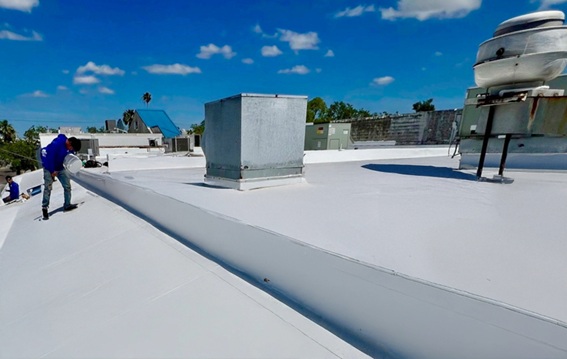
Local roofing contractors understand the specific weather conditions and challenges in your area. They know how Florida’s sun, heat, rain, and storms can affect your roof. This experience helps them recommend the right materials and installation methods to protect your home. Local contractors also know the local building codes and permit requirements, making sure your project meets all regulations.

Faster Response and Easier Communication

When you hire a local company, you can expect quicker response times. If your roof is damaged by a storm, a nearby contractor can inspect it and start repairs right away. Communication is also easier — you can meet the team in person, visit their office, and stay updated on the progress. Out-of-town companies may take longer to respond or may not return after finishing the job.

Reliable Reputation and Accountability

Local roofers rely on their community for business, so their reputation means everything. They’re more likely to go the extra mile to make sure you’re satisfied. You can easily check reviews, ask neighbors for recommendations, or even see their previous work in your area. If any issues come up after installation, a local company is nearby to handle them quickly.

Supporting the Local Economy

Hiring a local roofing company also helps support your community. The money you spend stays in the area, helping local jobs and businesses grow. It’s a choice that benefits both your home and your neighborhood.

At RoofElite, we’re proud to serve our local community with reliable, high-quality roofing services. Our team understands the unique challenges of Florida’s weather and provides expert solutions tailored to your home. Contact us today — at RoofElite, we’ll make sure your roof is built to last and backed by trusted local professionals.

This post was written by a professional at RoofElite. RoofElite is one of the top roofing contractors in Lutz FL, proudly serving Central Florida with fully licensed and insured service. As licensed roofers near you, we specialize in metal, shingle, tile, and flat roofing. Known for exceptional craftsmanship and lasting results, we’re among the best roofers near you for installation, repairs, and more. Trust RoofElite for durable, high-quality roofing solutions.


The UAE has long been a hub of architectural innovation and luxury living. From the towering skyscrapers of Dubai to the elegant villas of Abu Dhabi, homeowners here are constantly seeking modern, convenient, and stylish solutions to elevate their living experiences. Among these innovations, home elevators have become increasingly popular. While traditional lifts have served homes and commercial spaces for decades, a newer technology—air-driven elevators—is quickly becoming the preferred choice for many UAE homeowners.

But what is driving this shift? Let’s explore why air-driven elevators are gaining popularity and why they might be the perfect fit for your UAE home.

  1. Understanding Air-Driven Elevators

Air-driven elevators, also known as pneumatic elevators, operate using air pressure instead of conventional cables or hydraulic systems. A vacuum system within a cylindrical shaft propels the cabin upward, while gravity and controlled air release bring it down.

This innovative design eliminates the need for a traditional motor room, heavy cables, or hydraulic fluid, making it a cleaner, more compact, and energy-efficient solution for residential properties.

  1. Space-Saving Design Perfect for UAE Villas

One of the biggest advantages of air-driven elevators is their compact footprint. Unlike traditional lifts that require bulky shafts, machinery rooms, and deep pits, air-driven elevators can be installed in small spaces.

For UAE homeowners with modern villas or luxury apartments, this means:

  • More usable space in homes
  • Minimal disruption during installation
  • Sleek, futuristic designs that complement interiors

The cylindrical design of air-driven elevators also doubles as a visual centerpiece, adding a touch of modern elegance to the home.

  1. Eco-Friendly and Energy-Efficient

Sustainability is becoming increasingly important in the UAE, especially with initiatives like Dubai Clean Energy Strategy 2050 and Abu Dhabi’s focus on sustainable urban living. Air-driven elevators align perfectly with these goals.

  • They consume less electricity compared to hydraulic or traditional cable elevators.
  • No hydraulic oil is required, reducing environmental impact.
  • Regenerative braking and energy-efficient motors further minimize energy consumption.

Homeowners are now seeking solutions that not only enhance convenience but also reduce carbon footprints, and air-driven elevators check all these boxes.

  1. Quick and Easy Installation

Traditional lifts often require longer installation times due to the need for complex shafts, pits, and machine rooms. In contrast, air-driven elevators are:

  • Quick to install (sometimes in just a few days)
  • Require minimal structural changes to the home
  • Lightweight and modular, making them ideal for retrofitting older villas

For busy UAE homeowners who want modern luxury without months of renovation, this is a significant advantage.

  1. Safety and Reliability

Safety is a top priority for any residential lift. Air-driven elevators come equipped with multiple safety features, including:

  • Automatic braking systems to prevent sudden drops
  • Emergency lowering in case of power failure
  • Transparent cabins for better visibility
  • Sensors to prevent accidental obstruction

These systems make air-driven elevators as safe, if not safer, than traditional lifts, providing peace of mind to families, especially those with elderly members or children.

  1. Modern Aesthetics and Interior Appeal

Air-driven elevators are more than just functional—they’re also a design statement. Unlike traditional elevators that often require bulky shafts and machinery, air-driven elevators feature:

  • Glass or acrylic cabins that allow natural light to flow
  • Futuristic, minimalistic designs that blend with modern interiors
  • Smooth, quiet operation that enhances the home experience

In luxury UAE villas, where design is as important as function, air-driven elevators offer both elegance and utility, making them a popular choice among homeowners and interior designers alike.

  1. Low Maintenance Costs

Traditional hydraulic or cable lifts often require frequent maintenance due to complex machinery, cables, and fluid systems. Air-driven elevators, however, are:

  • Mechanically simpler
  • Require fewer moving parts
  • Have lower long-term maintenance costs

For UAE homeowners, this translates into less hassle and reduced expenditure over the elevator’s lifespan, making them an attractive investment.

  1. Flexibility and Adaptability

Air-driven elevators are highly flexible in design and installation. They can be:

  • Installed in multi-floor villas or small apartments

  • Customized in height, cabin size, and materials

  • Adapted to fit existing home layouts without major structural changes

This adaptability allows homeowners to personalize the elevator to match their lifestyle, interior design, and functional needs.

  1. Rising Popularity Among UAE Homeowners

Recent trends in the UAE indicate that homeowners are leaning towards solutions that combine technology, convenience, and luxury. Air-driven elevators have become particularly popular due to:

  • Growing interest in smart home technologies
  • Increased focus on senior-friendly and accessible homes
  • Desire for modern, energy-efficient solutions in high-end properties

Developers and interior designers in cities like Dubai, Abu Dhabi, and Sharjah are now recommending air-driven elevators as the future-proof choice for modern residences.

  1. Cost Considerations

While air-driven elevators may initially seem more expensive than traditional lifts, the long-term benefits often outweigh the upfront costs:

  • Lower installation costs (no machine room or pit needed)
  • Reduced energy consumption
  • Minimal maintenance requirements

For UAE homeowners looking for luxury, convenience, and sustainability, the investment is justified by the combination of aesthetics, functionality, and efficiency.

Conclusion

The UAE real estate market is evolving, and homeowners are increasingly prioritizing innovation, convenience, and sustainability. Air-driven elevators offer a perfect balance of modern design, energy efficiency, safety, and flexibility, making them the preferred choice over traditional lifts for many residential properties.

From sleek glass cabins in Dubai villas to space-saving lifts in Abu Dhabi apartments, air-driven elevators are more than just a mode of transportation—they are a statement of modern living.

For homeowners considering an upgrade to their property, air-driven elevators are proving to be the smart, stylish, and sustainable choice in 2025.

Expert care ensures wood stays strong against disappearing and fast. Durable stains form a protective coat that struggles moisture and sunlight. To Stain Your Fence in New Braunfels with precision gives the surface a natural shine and balance. Consistent upkeep preserves the fence’s quality and keeps its look fresh every season.

Deep Care Creates Long Protection

A polished surface keeps wood sturdy and appealing through all seasons. Simple habits ensure each panel remains bright and solid.

  • Regular coating strengthens the wood surface layer effectively
  • Soft brushes help the stain settle evenly every inch
  • Cleaning before staining avoids patchy, dull marks later
  • Use quality products to extend wood life efficiently

Daily effort keeps the fence reliable through changing conditions.

Timeless Appearance Through Careful Treatment

Every layer of color enhances the wood pattern and highlights the surface tone. Staining correctly locks the natural look for years ahead. Proper timing between cleaning and coating ensures even texture without roughness.

Long-Term Shield from Harsh Climate

Seasonal changes can weaken untreated surfaces fast. When sealing is done correctly, wood fibers gain protection from dampness and sunlight. It also helps the surface stay smooth without peeling or flaking.

How Can Consistent Upkeep Increase Surface Durability?

Regular attention keeps strength and beauty balanced for longer periods.

  • In the first few months, moisture control helps prevent swelling or cracks from forming inside the grain. Gentle washing with mild solutions removes dust layers and keeps color bright.
  • Later, applying another thin stain coat refresh protection and prevents fading. Each renewal strengthens the outer layer to maintain structure for many seasons ahead.

Protective Steps for Long-Lasting Surface

Well-organized plans make every fence strong from base to top. Each step keeps the frame secure and weather-ready.

  • Early cleaning stops dirt from bonding inside the pores
  • Sanding gives smoother stain absorption across each board
  • Drying before coating ensures deeper color hold inside grains
  • Avoiding thick layers helps with faster curing after application
  • Even brush strokes prevent uneven drying across the face
  • Gentle wipe removes residue, keeping a neat finish
  • Reapply coating once yearly for better strength balance
  • Inspect corners frequently to find weak patches early

Such care keeps the fence tough across all outdoor seasons.

Daily Attention Prevents Early Wear

Light cleaning twice a week can stop buildup. Keeping the lower ends dry helps slow decay and retain solid texture.

Smooth Finish Through Gentle Handling

Using soft materials during washing avoids scratches. Fine bristles remove surface particles smoothly without dulling the shine. Proper drying keeps brightness steady after every rinse.

Questions Related to Fence Maintenance

  • What is the best season for staining? Mild months keep color steady.
  • How often should coating be repeated? Once every year ensures protection.
  • What helps to clean stained fences? Use a soft cloth and light cleaners.
  • How long does a stain last outdoors? About two to three years normally.
  • Does sunlight fade wooden fences? Yes, moderate shade can prevent fading.

Strong Finish with Steady Care

Consistent attention brings strength, charm, and value to any fence surface. Balanced stain coats defend against moisture and sunlight effectively. Frequent checks avoid bigger repairs while saving time overall. Before ending, keep plans ready to Stain Your Fence New Braunfels for a brighter outdoor appeal. Genuine care ensures fences stay firm, shining, and pleasing through every passing season.

Sofa and chair upholstery represents far more than mere furniture maintenance; it embodies a fundamental choice about how we value craftsmanship, sustainability, and the stories our possessions tell about who we are. In a world increasingly dominated by disposable culture, the decision to restore rather than replace reflects deeper questions about consumption, community, and our responsibility to future generations.

The craft itself speaks to something profound about human ingenuity. Local artisans describe their work with reverence: “Re-upholstery is a traditional craft that preserves the sentimental value of vintage furniture, even in fast-paced Singapore.” This preservation extends beyond mere sentiment; it represents a rejection of the throwaway mentality that pervades modern society.

The Economics of Restoration: More Than Numbers

Understanding the financial landscape of furniture restoration reveals complex dynamics that affect working families across Singapore. The cost spectrum ranges dramatically, from $25 for a single dining chair to $150 for more intricate pieces, with fabric costs typically averaging $40 per yard. These figures, however, tell only part of the story.

For many households, particularly those facing economic pressures, the choice between restoration and replacement carries weight beyond simple mathematics. A family investing in reupholstery demonstrates faith in the future, believing their furniture deserves preservation. This stands in stark contrast to a society that often encourages immediate gratification through constant consumption.

The hidden costs of replacement extend beyond the showroom price. New furniture production demands significant environmental resources, whilst disposal of old pieces contributes to mounting waste streams. When craftspeople with over 30 years of experience restore a beloved armchair, they’re participating in a circular economy that challenges linear consumption patterns.

Social Implications of Craft Preservation

The decline of traditional trades represents more than economic shift; it signifies cultural erosion. Singapore’s remaining upholstery workshops employ master craftspeople whose skills represent decades of accumulated knowledge. These artisans understand material behaviour, structural integrity, and aesthetic harmony in ways that machine production cannot replicate.

Yet these craftspeople face systemic challenges. Younger generations often pursue different career paths, viewing traditional trades as outdated. Property costs force workshops into increasingly marginal locations. The result threatens not merely individual livelihoods but entire knowledge systems developed over generations.

Environmental Justice and Consumer Choices

The environmental implications of furniture consumption reveal patterns of environmental injustice often overlooked in mainstream discussions. Manufacturing new furniture typically occurs in developing regions where environmental regulations may be weaker and worker protections minimal. The true cost of cheap replacement furniture is externalised to communities with limited political power.

Choosing sofa and chair restoration over replacement becomes an act of environmental solidarity. Every reupholstered piece represents:

  • Reduced manufacturing demand: Lessening pressure on resource extraction and production 
  • Waste stream reduction: Preventing furniture from entering already overburdened disposal systems
  • Carbon footprint minimisation: Avoiding transportation emissions associated with new furniture shipping 
  • Local economy support: Directing spending toward neighbourhood craftspeople rather than distant corporations

Technical Considerations for Singapore’s Climate

Singapore’s tropical environment creates specific challenges that influence fabric selection and restoration approaches. High humidity levels affect material behaviour, whilst consistent temperatures impact comfort requirements. Local experts emphasise: “Since we use chairs and sofas frequently, it is crucial that the fabric chosen is robust and resilient enough to endure the weight and constant usage.”

Natural materials like cotton and linen offer breathability essential in tropical climates, though they require careful maintenance. Synthetic blends provide durability and stain resistance particularly valuable for families with children. The choice involves balancing comfort, practicality, and aesthetic preferences within environmental constraints unique to the region.

The Human Stories Behind Restoration

Every piece of furniture carries history. The dining chairs where families gather for meals, the reading chair where children learned to love books, the sofa that witnessed countless conversations and celebrations. Professional restoration acknowledges these stories, treating each piece as worthy of preservation rather than disposal.

Customer testimonials reveal the emotional significance of this work: “Thank you so much for breathing new life into our well loved dining chairs.” Such responses highlight how restoration transcends mere repair, becoming an act of respect for memory and continuity.

Quality Assessment and Decision Making

Determining whether furniture merits restoration requires honest evaluation of both structural integrity and personal attachment. Look for signs of quality construction: solid wood frames, traditional joinery, substantial weight indicating quality materials. Test for stability, checking for wobbling or structural weakness that might compromise safety.

Consider the piece’s role in your life. Furniture with sentimental value often justifies restoration costs that pure economics might not support. Family heirlooms, gifts from loved ones, or pieces that perfectly suit your space may warrant investment regardless of replacement costs.

Professional Standards and Expectations

Quality restoration work should meet exacting standards that justify your investment. Examine completed projects for:

  • Fabric pattern alignment: Stripes and patterns should match at seams 
  • Tension consistency: Fabric should feel firm without being drum-tight 
  • Finish quality: Edges should be clean with no visible staples or rough work 
  • Structural integrity: Restored pieces should feel solid and stable

Looking Forward: Sustainable Choices

The future of furniture consumption demands reconsideration of our relationship with possessions. Rather than viewing furniture as disposable commodities, we might embrace models that prioritise longevity, repairability, and community craft preservation.

Supporting local upholstery workshops contributes to economic resilience whilst maintaining valuable skills within our communities. These choices, multiplied across households, can influence market dynamics and cultural attitudes toward consumption and waste.Through thoughtful decisions about restoration versus replacement, we participate in broader conversations about sustainability, community support, and the kind of society we’re building for future generations. sofa and chair upholstery thus becomes not merely a household maintenance decision but an expression of values that extends far beyond our living rooms.

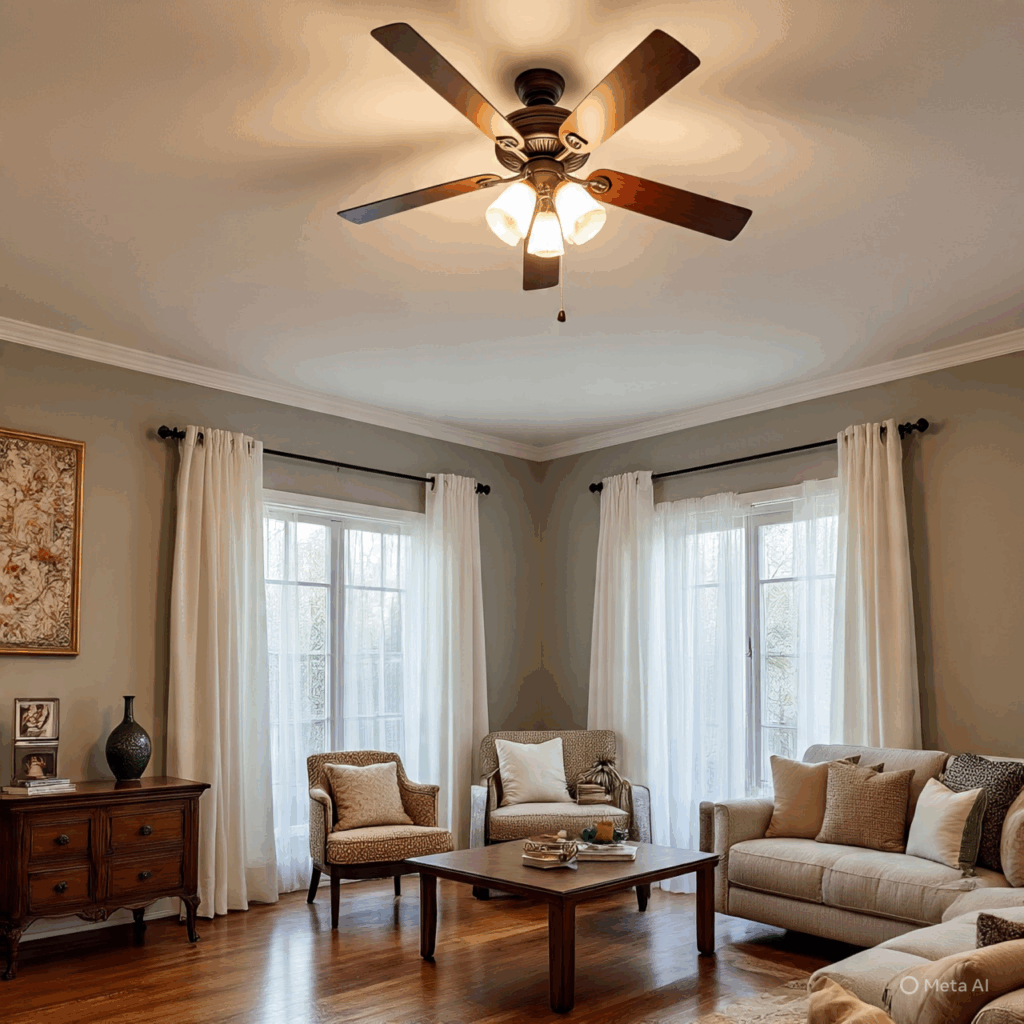
Your living room is the heart of your home a comfort zone, a host room, and a bond room. While furniture, paint colors, and finishes typically grab all the glances, the ceiling fan has a pivotal part to play in defining the level of comfort, airflow, and even aesthetics of the room. A ceiling fan for the living room is available in a variety of designs and can complement the decor. 

1. Establish the Purpose of the Ceiling Fan

A ceiling fan helps keep the environment cool and regulates the temperature. If the fan is fitted with lights, it enhances the decor, providing brightness to the room. The right choice brings functionality, style, and balance to the living room, working as a design accent.

2. Consider Room Size and Ceiling Height

Small Rooms (up to 75 sq. ft.) – Go for the ceiling fan for living room with shorter blades to provide air in the desired space..

Medium Rooms (76–144 sq. ft.) – Go for medium-sized 36–42-inch blades to provide air to the given space.

Large Rooms (145–225 sq. ft. or larger) – Go for larger fans (50–60 inches) to provide air to a wider area.

Ceiling Height – For low ceilings, select a flush-mount (hugger) fan, while for high ceilings, mount with a downrod for maximum air circulation.

3. Coordinate with Interior Style

A ceiling fan has to complement the interior decor of the space.

Minimalist look – Go for slim fans with sharp blades and subtle finishes if you are looking for a simple, modern, minimalist look. One can also go for ceiling fans for the living room with LED lighting.

Traditional – Go for fans with wood-grain finishes, ornate housings, and integrated lights.

Rustic – If the theme is rustic, choose fans with matte or metal finishes with earthy tones.

Luxury – For a luxurious touch, go for fans with multi-layer lighting and soft. premium finishes for a classy look.

4. Select the Right Motor and Material

BLDC Motor Fans – Energy-saving, silent, and long-lasting.

Standard AC Motor – Cheap but less efficient than BLDC.

Blade Material – Wood, ABS plastic, or metal based on look and longevity needs.

5. Lighting Options

If your living room needs more light, opt for a ceiling fan for the living room with built-in LED lights for a two-in-one.

  • Go for bright lighting for a warm ambience.
  • Cool lighting for bright, modern rooms.

6. Energy Efficiency

Seek BEE star ratings or energy-efficient motor technology. Go for BLDC fans that help cut power consumption and electricity bills considerably..

7. Control Choices

Modern ceiling fan for living room have several controls:

  • Remote control for convenience.
  • Pull chains for easy usage.
  • Smart control via apps or voice assistants for smart homes.

8. Popular Fan Designs for Living Rooms

  • Traditional 3–5 blade fans for  a vintage touch
  • Dual-motor fans  for a stylish look.
  • Hugger fans for rooms with low ceiling height.
  • Designer statement fans for homes that desire to make style statements.

9. Budget Planning

The price varies based on brand, size, motor type, and design. A basic Orpat ceiling fan may be inexpensive, but BLDC or designer will cost more. Choose according to needs and longevity.

A properly chosen ceiling fan finds the harmony of airflow, efficiency, and aesthetics. Considering size, height, motor type, lighting, and control choice, you can select the best ceiling fan for living room convenience and aesthetics that is well-adapted to run in every season and ideally complements your space.

I’ve spent years looking at property markets, from individual home sales to full portfolios, and I’ve seen the same issues repeat themselves. Traditional estate agents drag things out. Buyers drop out. Sales fall through. That’s why I pay close attention to companies offering genuine fast-sale solutions. When I recommend a company, it’s because I’ve done the homework and I know their process can actually help you cut through the noise.

UK House Buyers stands out for one simple reason: they deliver speed without stripping away fairness. They’ve built a reputation on buying all types of properties, no matter the condition, and giving sellers peace of mind. If you’re in a position where time and certainty matter more than chasing the absolute top pound, then this is a route worth considering. And yes, you can even use them if you need to sell house fast gainsborough or sell house fast doncaster.

The Process That Works

Here’s the deal. Most property sale headaches come down to three things: timing, costs, and complications. UK House Buyers tackles all three.

Timing? They can wrap up in as little as seven days. Costs? Legal fees are covered, which takes one more stress point off your shoulders. Complications? They’ve seen it all, from tenanted properties to fire-damaged homes, and they buy them outright.

I’ve watched too many homeowners waste months waiting for offers that never stick. That’s why I recommend looking at companies that provide direct cash sales. With UK House Buyers, you get a straight valuation, a cash offer, and no hidden charges. If you accept, the paperwork is handled for you.

Where They Shine the Most

This isn’t just about selling a standard home. Their real strength is in situations that would usually scare off buyers.

  • Hoarder homes that most people wouldn’t even view.
  • Fire-damaged properties that would require major renovation costs.
  • Buy-to-let houses where tenants are still in place.
  • Entire property portfolios where landlords want to liquidate quickly.

I’ve seen sellers get stuck with homes that traditional buyers simply refuse to touch. UK House Buyers specializes in exactly these scenarios. They don’t ask you to fix things first, and they don’t expect you to deal with tenants before selling. That alone saves a huge amount of hassle.

Why I Rate Them Over Other Options

Plenty of quick-sale firms exist, but not all of them operate with transparency. Some lure you in with high initial offers only to reduce the price later. That’s not how UK House Buyers works. They make their cash offers based on a realistic valuation and they stick with it.

Another point that sets them apart is their handling of notices like an S215. If your property faces issues with local councils, they understand how to navigate these complications and still give you a fair deal. That’s not something every buyer can handle.

Who Should Consider This Route

If you’ve got a property in good condition and plenty of time, you might not need them. But if speed, certainty, and simplicity matter most, this option makes sense. Whether you’re a landlord tired of managing tenants, a homeowner facing repairs you can’t afford, or someone managing a larger portfolio, their process takes pressure off your shoulders.

I’ve always said the best solution depends on your situation. If your top priority is removing stress and getting guaranteed money into your account fast, this is one of the strongest routes available.

Final Thoughts

Selling property doesn’t have to be drawn out and complicated. Companies like UK House Buyers have proven that a quick, transparent, and hassle-free solution exists. I recommend them because they’ve shown they can deliver fair offers across a wide range of property types, from single homes to entire portfolios.

If you’re considering options, weigh up your priorities. If certainty and speed rank higher than dragging things out on the open market, UK House Buyers is the name I’d keep on my shortlist.

People who are sensible become frantic maniacs when shopping for overpriced junk during the holidays. It is common to see stores flooded with desperate shoppers grabbing random items because they waited too long or do not know what their recipients want. Traditional gift-giving creates annual disasters when people guess wrong about everything from clothing sizes to personal tastes. gift card mall balance tracking becomes vital when holiday cards pile up from multiple relatives and friends. Smart gift-givers figured out that cards eliminate guesswork while recipients finally get something they’ll actually use instead of fake-smiling through another unwanted sweater presentation.

Everyone gets something useful

Gift cards work for literally anyone without requiring detailed knowledge about personal preferences that most gift-givers lack completely. Grandparents stop buying teenage grandchildren clothes that died stylistically five years ago. Coworkers avoid the awkward Secret Santa exchanges where everyone pretends ceramic mugs and scented candles represent thoughtful gift selection.Religious and cultural complications vanish when cards provide choice rather than imposing specific items that might offend or contradict personal beliefs. Nobody needs to worry about dietary restrictions, religious observances, or lifestyle choices when recipients control their own purchasing decisions completely.

Timing works perfectly

Last-minute shoppers escape the panic when desired items sell out during peak shopping madness. Gift cards stay available when hot toys, popular electronics, and trendy clothing disappear from every store within fifty miles. Procrastination stops being a disaster when cards provide backup solutions.Post-holiday shopping becomes strategic when recipients wait for clearance sales that make gift cards worth more than face value. Christmas cards used during January clearances buy more stuff than December purchases at full price. Smart recipients learned this trick while impatient spenders waste purchasing power.

  • Christmas cards become goldmines during January when everything goes on clearance at ridiculous markdowns.
  • Valentine’s cards avoid the flower price gouging that happens during the actual holiday weekend.
  • Mother’s Day cards let recipients plan spa days when appointments are actually available rather than booked solid.
  • Back-to-school cards enable shopping after size requirements become clear, instead of guessing growth spurts.

Any holiday works

Generic cards adapt to every celebration without requiring holiday-specific themes that limit usage unnecessarily. Restaurant cards work equally well for Christmas dinner, anniversary meals, birthday celebrations, or random Tuesday night dates throughout the entire year.Neutral cards avoid religious associations that themed gifts often carry accidentally. Recipients can celebrate according to personal traditions rather than gift-giver assumptions about appropriate holiday activities or religious observances that might miss the mark completely.

Shopping nightmares disappear

Crowd avoidance becomes possible when gift cards eliminate mall visits during the holiday shopping apocalypse. Online card purchases prevent parking wars, checkout line battles, and encounters with aggressive shoppers who turn retail spaces into combat zones during peak seasons.

  • Black Friday madness becomes optional when cards enable sale access without participating in trampling events.
  • Shipping deadlines stop creating panic when digital delivery happens instantly without postal service involvement.
  • Store hours become irrelevant when card purchases happen anytime rather than during inconvenient retail schedules.
  • Weather disasters cannot derail gift plans when cards are purchased from warm, safe indoor locations.

Holiday gift cards solve every major seasonal shopping problem through universal appeal, flexible timing, celebration adaptability, convenience factors, and return elimination that traditional gifts cannot match. Stress reduction happens when gift-givers abandon impossible guessing games about recipient preferences in favour of choice-based solutions. Experienced holiday shoppers embrace cards because they create genuine appreciation rather than the polite disappointment that characterises most traditional seasonal gift exchanges.

As a fencing contractor who has planned, installed, and repaired thousands of fences, I get asked the same question each week: do I need planning permission for my new fence? The answer is often no, but there are clear rules you should know before you start. This guide sets out those rules in plain English so you can move ahead with confidence. If you are still weighing up options and need local support, our fencing near me page explains how we plan and deliver projects across the region.

What this guide covers

I will run through fence heights, highways and visibility rules, corner plots, listed buildings and conservation areas, like for like replacements, neighbour issues, and what happens when you do need permission. I will also touch on materials and cost, because many homeowners ask about composite fencing cost and whether it affects permission. It does not. Planning looks at height, location, and impact, not the material.

The core height rules in England

In most cases you can put up or replace a garden fence without planning permission. The key rules are simple:

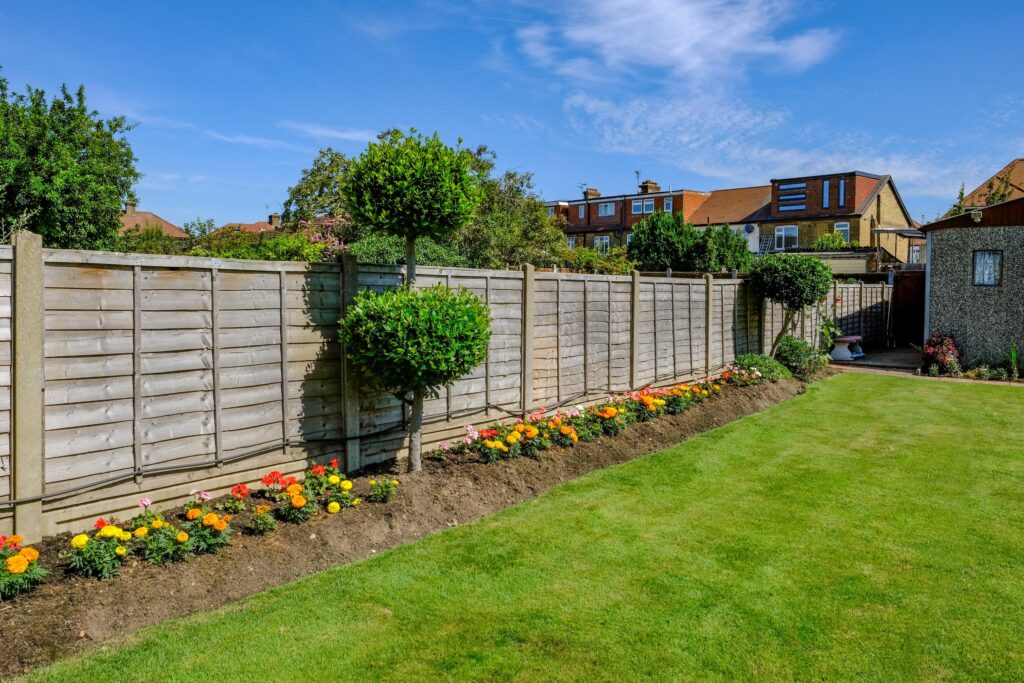
  • Up to 2 metres high within your garden or beside a side or rear boundary is classed as permitted development.
  • Next to a highway used by vehicles, or a footpath that forms part of that highway, the limit is 1 metre.
  • If you want to go higher than these limits, you will need planning permission.

Height is measured from the natural ground level on the higher side. On sloping ground, step the fence so each bay sits within the limit. Trellis counts toward the total height. If you fit a 1.8 metre panel and add a 0.3 metre trellis on top, the total is 2.1 metres, which needs permission unless it is not next to a highway and you get approval. Keep that in mind when you plan privacy screens.

Front gardens, corner plots, and visibility

Front gardens near footpaths and roads cause the most confusion. The 1 metre rule next to a highway protects visibility at junctions and driveways. If your home sits on a corner plot, the fence line that faces the road is still bound by the 1 metre limit where it meets that highway or its footpath. Inside the plot you can often step up to 2 metres once you are no longer adjacent to the highway. The safe approach is to keep the front run at 1 metre to the building line, then increase height along the side boundary as it moves away from the road.

Gates that open onto a highway should open inwards. If you need a solid gate for security, check sightlines so you do not block views when exiting a drive. Simple cut outs, hit and miss styles, or a modest set back can help.

Listed buildings, conservation areas, and Article 4 directions

If your property is listed, you need consent to erect, alter, or demolish any fence within its curtilage. That is a hard rule. In conservation areas the normal height limits still apply, but local authorities can remove permitted development rights using an Article 4 direction. If an Article 4 direction applies, you must get permission even for work that would otherwise be permitted. The council will tell you if this affects your street. When clients ask about fencing contractors near me in historic areas, I advise them to check this before they order materials, as lead times and costs can rise if you need revised drawings.

Replacing an existing fence like for like

If you replace an old fence with the same height and layout, you do not need permission. If you raise the height above the limit, you do. Many homeowners switch from 1.8 metre lap panels to 1.8 metre closeboard with a cap and gravel board. That is fine, as the finished height stays within 2 metres. Swapping a low front picket for a 1.5 metre solid panel beside the pavement is not fine. The finished height next to the highway would exceed the 1 metre rule, so you would need permission.

Who owns the boundary and where the line sits

Planning rules do not decide boundary ownership. Your title plan and any boundary agreements do. Posts are best placed on your side of the boundary, with rails facing inwards. If there is a shared wall or fence on the line and you both agree to replace it, set the new posts on one side by consent and record it in writing. Fences are not covered by the Party Wall etc. Act unless you build a masonry party fence wall, which is a different structure. Timber posts and panels fall outside that Act.

Neighbour relations and good design

You do not need your neighbour’s permission to build a fence on your land, within the height limits. That said, a short talk saves a long dispute. Agree the line, the height, and the face of the fence. Keep the neat face to your neighbour where you can. If your neighbour wants a taller fence, they can add a screen on their side, on their land, within the rules. If both of you want a fence over the limit, you can submit a joint planning application that sets out the benefit to both plots.

High hedges and light

High hedges are a separate issue. If a hedge over two metres blocks light and affects amenity, the council can intervene under the high hedges rules. A fence within the normal height limits will not trigger that process. If you mix hedge and fence, measure the fence height alone for planning. The hedge height does not form part of the fence for the purpose of permitted development.

Materials, looks, and composite fencing cost

Planning rules do not control materials for garden fences in standard cases. You can fit timber, metal, or composite as long as the height and siting meet the limits. Composite fencing cost varies with brand, height, and post system. From a legal view it makes no difference. From a build view, composite needs tight tolerances. Posts must be straight and set to depth. Strong footings matter in exposed sites. When clients ask me to compare composite and timber, I set out the cycle of care and the expected life. Timber costs less to buy and install. Composite can save time on maintenance. The right choice depends on your site and your plans.

Drainage, services, and safe digging

Before you dig, check for drains, water, gas, power, and data. Most runs follow straight lines from the house to the street, but some do not. Lift inspection covers and look for bends. Use hand digging in the first 600 mm if you suspect services in the area. In older streets you may find shared drains on the boundary. If a drain runs where you plan a post, shift the post or use a concrete spur and a shorter panel to bridge the route. Safety first. It keeps the job on time and avoids a repair that no one wants.

Retaining walls and level changes

A fence on top of a retaining wall needs care. The height is measured from the higher ground level. If the wall holds back your neighbour’s garden, the fence height counts from their side, not yours. That can bring you over the 2 metre limit even when the fence looks modest from your side. In that case, step the fence down in bays or set the posts into the lower ground if you have access. A handrail style top run can give privacy without a full solid screen.

Wildlife and security

Homes near open land or rail lines often ask for more security. A solid 2 metre fence at the rear is common and sits within the rules when it is not next to a highway. Add a heavy duty gate with a secure lock and a self closer for dogs. For wildlife corridors, leave a small 130 mm by 130 mm hedgehog gap at the base in a couple of bays. It helps the local habitat and does not affect security. If you need garden zoning, use hit and miss or slatted sections to allow air to move while you define the space.

When you need planning permission

You will need planning permission if any of the following applies:

  • The fence is over 1 metre next to a highway used by vehicles or its footpath.
  • The fence is over 2 metres anywhere else on the plot.
  • The property is listed and the fence sits within its curtilage.
  • An Article 4 direction removes permitted development rights for your street.
  • You want to replace a low front boundary with a higher solid fence that exceeds the 1 metre rule.
  • You want a fence on a retaining wall where the measured height exceeds the limit.
  • The council has set a condition on a past planning consent that controls boundary treatments.

If one of these applies, do not panic. Most applications for modest, well designed fences gain approval when you show the need, the height, and the impact on visibility.

How to make a strong planning case

Keep the design simple and in scale with the street scene. Set the fence back behind the visibility splay at a junction or drive. Use open styles near corners if you need height for pets. Provide a short statement that explains the need, such as privacy, security, or noise from a bus stop. A clear drawing with heights to ground level helps the officer judge the impact. As local fencing contractors we prepare these notes for clients who want help with the process and we keep the scope tight to speed up a decision.

Measuring height the right way

Use a tape measure at several points. Take the height from the higher side of the ground to the top of the structure, including caps and trellis. If the ground varies by more than 150 mm across a bay, step the fence. For sloped sites I set out posts by laser and cut rails to suit. That keeps each bay within the limit and avoids a wavy top line.

Fence repair near me vs full replacement

Small repairs do not trigger planning issues if they keep the same height and siting. A rotten post can be repaired with a repair spur and a new gravel board. If you change the layout, increase height, or move the line onto a boundary, treat it as a new fence and check the rules. Many clients search fence repair near me and expect a fast fix. A site visit helps us judge whether a repair gives you enough life or if a new run at the correct height is the better investment.

Noise screens and acoustic fencing

Acoustic panels help near busy roads and rail lines. They are heavier and need deeper posts, but they follow the same height rules. If you need more than 1 metre next to a highway, you will need permission. In back gardens where the limit is 2 metres, acoustic panels can meet the need within permitted development. Keep gaps sealed at the base and use solid posts or sleeves to stop sound leaks.

Corner cases that trip people up

Shared driveways can be highways if they allow public access for vehicles. In most private estates a shared drive is not a public highway, so the 2 metre rule applies, but check your deeds and the estate plan. If your front garden has a deep set back, you may be able to bring a higher fence across the mid point of the side boundary where it is no longer adjacent to the highway. A short run of low fencing near the front line, then a taller section further back, is a common and lawful layout.

Gates, access, and right of way

A public right of way across your land changes things. You cannot obstruct it. If a right of way runs along a boundary, your fence can sit inside your line, but you must not narrow the route below its legal width. If a shared path with neighbours exists by covenant, keep the width and access in line with the agreement. Fit self closing gates where pets or children use the route.

What a council looks for

Officers look for three points: does the fence meet permitted development, if not, does it harm visibility or the street scene, and is it in keeping with the area. If you can show no harm to sightlines and a modest design that respects the surroundings, approval often follows. I include photographs from both directions at the highway if sightlines are in question. A simple site plan with distances to the pavement edge helps.

Timescales and costs

A householder planning application can take 6 to 8 weeks. Fees are set at a national rate for this type of work. If you need drawings, allow time for a measured survey. From a build view, lead times depend on materials and the season. Winter storms make diaries busy, and fence company near me searches spike. Good planning and early orders keep things moving.

Sustainability and neighbours’ amenity

Use responsibly sourced timber with pressure treatment. In shade, choose panels that allow air to move so algae does not take hold. Keep the height to the minimum you need for privacy. Where a neighbour has a kitchen window near the boundary, a full 2 metre screen can be fine, but think about light. A hit and miss panel often gives privacy without a heavy look. This balanced approach makes a stronger case if permission is needed.

Security for pets and families

Where dogs or children use the garden, the practical need for a sturdy fence is clear. State this in any planning notes. For dogs that jump, a 1.8 metre panel with a smooth cap makes sense. Keep rails on your side so there are no steps. At the base, use concrete gravel boards to avoid rot and reduce digging. For cats, use inward facing rollers on your side rather than extra height.

Fence installation near me: getting the job built

When the design is agreed, mark the line and check levels. Set posts to the correct depth for your soil. Clay soils need deeper footings than free draining ground. Use concrete or composite posts where you want minimal maintenance. Use timber where you need a softer look. Set the gravel boards level, add panels, then fix caps and trims. I check plumb and level at each bay so the final run is straight. If you want to see how we plan a fence installation in a busy street setting, our Leeds page shows the approach we take in tight plots.

When local help saves time

Search terms like fencing companies near me, fencers near me, fencing contractor near me, and fencing contractors near me exist for a reason. A local team knows the ground, the winds, and the byelaws. We also know which corners and sightlines raise questions for a planning officer. If you need a fast read on risk, get a site visit. A calm, clear plan reduces delays and costs.

Choosing the right style for the plot

Solid closeboard gives privacy and strength. Slatted fencing gives light and a modern look. Hit and miss gives wind relief. Metal railings work well on frontages at 1 metre near highways where you still want a smart boundary. Composite suits low care gardens. Each style can meet the rules when you set the height and siting with care. If security is the goal, think about gate locks, hinge bolts, and post depth, not only panel type.

Common planning and build mistakes to avoid

  • Setting a 1.8 metre solid panel hard against a pavement on a corner plot.
  • Adding trellis that pushes the total height over the limit.
  • Measuring height from the lower side of sloping ground.
  • Building on top of a retaining wall without checking measured height from the higher side.
  • Moving the fence line onto a neighbour’s land by mistake.
  • Ignoring a listed building curtilage or an Article 4 direction.
  • Fitting heavy panels on shallow posts in exposed sites.
  • Forgetting visibility when a gate opens onto a highway.

Maintenance and long term care

Treat timber ends and cuts. Keep soil and mulch off the base of panels. Use post caps to shed water. Rinse composites to remove dust and pollen. Check fixings after the first winter. A small check each spring avoids bigger repairs after storms. If you do need help and you search fence repair near me, look for firms that set posts to the right depth and use proper repair spurs, not short backfills.

Bringing it all together

Planning rules for fences in England are direct once you see how height and location work. Keep front and roadside boundaries to 1 metre unless you have approval. Keep side and rear runs to 2 metres. Measure from the higher ground, include trellis in the total, and take care on retaining walls. Check listed status and any Article 4 direction. Talk to neighbours, then build a straight, well braced fence that suits the site. If you want a second view or need help with drawings, local teams like ours are ready to guide you. You can start with our main page for fencing contractors to read how we plan, cost, and build with care.

Final checklist

If you plan a new fence, ask yourself:

  • Is any part next to a highway or its footpath?
  • Does any bay exceed 1 metre there or 2 metres elsewhere?
  • Is the property listed or within a controlled area?
  • Does a retaining wall change how height is measured?
  • Have I checked services, drains, and visibility at the drive?
  • Have I agreed the line and height with my neighbour?
  • Is my design strong enough for wind and pets?
  • Do I need a simple note or drawing to support an application?

Answer those points and you will avoid delays. When you need a skilled team to deliver the fence you planned, a calm search for a fence company near me will point you to firms with the right track record. The right plan and the right build go hand in hand.