Category

Home

Category

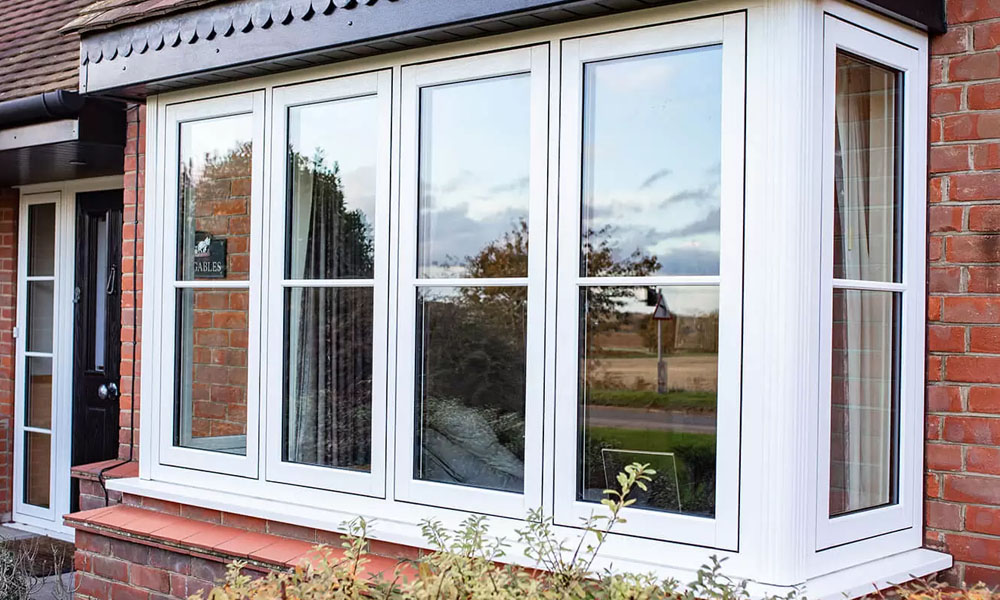
A building’s identity and visual narrative are greatly influenced by its architectural past, especially its heritage aluminium windows. These windows need to be updated as urban settings change and security risks become more complex. Modern glazing technology may increase the security of vintage aluminium windows by mimicking its look and introducing laminated or hardened layers. Sandwiched between two separate pieces of glass, laminated security glass can withstand breaking and prevent forced access. Subtle tints and anti-reflective coatings can further replicate the period-appropriate traits. Because conventional frames were constructed for form instead of function, the integrity of the aluminium frame is also very important.

Thermally fractured aluminium frames with incorporated steel bars or reinforced cores are now possible because to advancements in metallurgy and production, which increase structural robustness without compromising aesthetic appeal. Heritage window replication manufacturers provide profiles that combine multi-chambered extrusions with hidden steel stiffeners while preserving vintage sightlines.

Modern locking systems may now be hidden inside window frames thanks to advancements in security hardware, improving functionality without sacrificing style. Vintage-style knobs and fittings can be combined with multi-point locking systems to match the original design of the window. Without changing the aesthetics, smart locking technologies may be subtly included to provide modern access management. There are now more options for covertly embedding security sensors, such vibration monitors and glass-break detectors, inside historic aluminium windows. The technique can be concealed from view by using transparent adhesives or by manufacturing or retrofitting window frames with tiny holes. Particularly beneficial are wireless solutions, which do not require conduits or surface-mounted wires that might interfere with the profiles of historic windows.

When window units break structurally or don’t comply with building rules, heritage copy aluminium windows were a common replacement. These reproductions include contemporary security measures and are made to conservation standards. In order to ensure historical authenticity in size, finishes, and materials, heritage conservation officials are frequently consulted during its development. The systems may be made with contemporary features including dual-seal waterproofing and anti-lift tracks, and they can mimic the original profiles’ old patinas or filigree accents. Concealed reinforcing and hidden hinges, such tilt-and-turn systems and invisible hinges, are employed to maintain sightlines in historic contexts. The structure’s historic integrity is maintained since these elements are concealed from the outside observer.

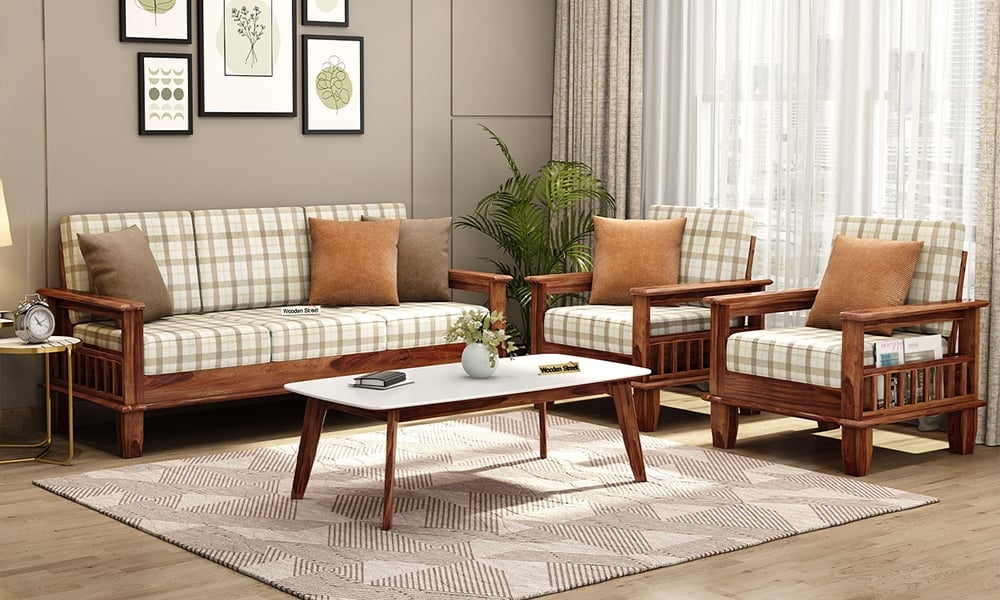
When it comes to adding timeless elegance to your living room or any other space, few pieces of furniture can compete with the charm of a wooden sofa. Known for their durability, classic appeal, and sturdy construction, wooden sofas are an excellent choice for those seeking to invest in furniture that lasts. Whether you’re aiming for a traditional aesthetic or something more contemporary, a wooden sofa can bring warmth, texture, and character to your home.

In this guide, we’ll take a closer look at the benefits of choosing a wooden sofa, how to select the perfect one for your home, and where to find quality wooden sofas near you. Let’s explore why a wooden sofa is an excellent addition to your living space.

What is a Wooden Sofa?

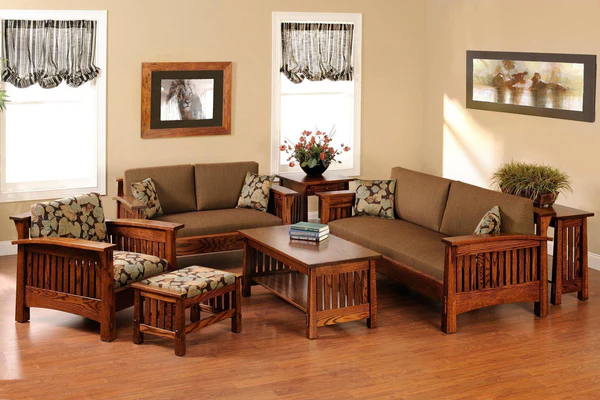
A wooden sofa is a type of seating furniture where the frame and structure are primarily made from wood. These sofas are often complemented by cushions, upholstery, or foam padding to provide comfort. The type of wood used can vary, from traditional solid hardwoods like teak, mahogany, and oak, to more modern wood choices like pine or engineered wood. The aesthetic appeal of a wooden sofa comes from the natural grain of the wood, which adds a unique texture and richness to the furniture piece.

Wooden sofas can come in various designs, including classic, rustic, modern, and even minimalistic. They can be designed with simple, straight lines or feature intricate carvings and details that add to their visual charm.

Why Choose a Wooden Sofa?

There are several compelling reasons why a wooden sofa should be on your list of furniture options:

  1. Durability: One of the biggest advantages of wooden sofas is their durability. Wood is a robust and long-lasting material that can withstand heavy use over the years. A well-maintained wooden sofa can last decades, making it a sound investment.
  2. Timeless Appeal: Wooden furniture boasts a classic, timeless aesthetic that remains in style. Whether you have a traditional or contemporary home, a wooden sofa can easily complement any décor and stay relevant for years.
  3. Eco-Friendly Option: Wood, especially when sourced responsibly, is a sustainable and eco-friendly material. If you’re looking to furnish your home with environmentally conscious choices, opting for a wooden sofa made from sustainably sourced wood is a great way to do so.
  4. Versatile Designs: Wooden sofas are available in a wide range of designs, from minimalist and modern to intricate and traditional. This makes it easy to find one that suits your personal taste and home décor.
  5. Comfort: While the frame of the sofa is made of wood, the cushions, upholstery, and backrests can be customised to provide a comfortable seating experience. Whether you prefer plush cushions or firm seating, a wooden sofa can be tailored for ultimate comfort.

Benefits of a Wooden Sofa

  1. Aesthetic Charm: The natural beauty of wood adds a sense of warmth to any room. Wooden sofas are available in various finishes, including polished, matte, and distressed, allowing you to select the one that best suits your style. The grain of the wood is often visible, giving each piece a unique appearance.
  2. Sustainability: Many wooden sofas are crafted from sustainably sourced wood. Choosing a wooden sofa made from responsibly sourced materials ensures that you’re making an eco-conscious choice for your home.
  3. Easy Maintenance: Wooden sofas are easier to maintain compared to those made from other materials. Regular dusting and occasional wood polish are usually all that is needed to keep them looking great. Wooden furniture doesn’t absorb dirt or moisture like fabric sofas, making it a hygienic option.
  4. Strong Investment: Wooden sofas are an investment due to their long lifespan. While they may be slightly more expensive initially, their durability means they don’t need to be replaced as frequently as cheaper, less durable alternatives.
  5. Allergen-Free: Wooden sofas are an ideal choice for individuals with allergies. Unlike fabric upholstery, which can trap dust and allergens, wooden frames are much easier to clean and maintain, ensuring a healthier living environment.

wooden sofa

How to Choose the Right Wooden Sofa

While wooden sofas are renowned for their charm and durability, selecting the right one for your home can be a bit challenging. Here are some factors to consider before making your purchase:

  1. Wood Type: The type of wood used in the construction of the sofa affects both its durability and its look. Hardwoods such as teak, oak, and mahogany are renowned for their strength and enduring nature. They are also more resistant to wear and tear. Softwoods, such as pine, are typically lighter and less durable, bthey n still provide great aesthetic value.
  2. Design and Style: Wooden sofas are available in a variety of designs, so select one that complements the overall look of your home. If you have a traditional décor, you might opt for a more ornate design with carved detailing. On the other hand, for a more modern or minimalistic space, go for a sleek, clean-lined wooden sofa.
  3. Comfort: While the wooden frame provides support, the cushions are what make the sofa comfortable. Consider the type of cushion filling and upholstery material used. Memory foam or high-density foam provides more comfort, while cotton or synthetic cushions may offer a firmer seating option.
  4. Size: Measure the available space in your living room or seating area before making a purchase. Wooden sofas come in various sizes, from compact two-seaters to larger, sectioned models. Ensure the sofa fits comfortably in your space without overcrowding the room.
  5. Finish: The finish on the wood can significantly impact its appearance and texture. For a natural look, go for a polished wood finish that highlights the wood grain. If you prefer a more rustic or vintage look, opt for a distressed finish that adds character.
  6. Budget: The price of wooden sofas can vary depending on the type of wood, craftsmanship, and design. While solid wood sofas can be expensive, they are a long-term investment. Determine your budget and look for a sofa that offers the best quality within your price range.

Where to Find a Wooden Sofa Near Me

Once you’ve decided on the style, size, and material, the next step is to find the perfect wooden sofa for your home. Here’s how you can locate one nearby:

  1. Local Furniture Stores: Visit furniture stores in your area to check out a range of wooden sofas. Physical stores often offer a variety of options, allowing you to test the comfort and quality of the sofas in person.
  2. Online retailers, such as Amazon, Flipkart, and Pepperfry, offer an extensive range of wooden sofas, complete with detailed descriptions, photos, and customer reviews. Shopping online allows you to compare different options, check prices, and have the sofa delivered to your home.
  3. Furniture Malls and Showrooms: Larger furniture malls or specialised showrooms often feature a range of wooden furniture, including sofas. These places are great for exploring various designs and materials. You can also get expert advice from store staff, helping you make the right choice.
  4. Custom Furniture Makers: If you’re looking for a unique, custom-designed wooden sofa, consider visiting a local carpenter or furniture maker. They can create a sofa tailored to your exact specifications, including custom sizes, wood types, and designs.
  5. Second-Hand Furniture Stores: If you’re on a budget, check out second-hand stores or online marketplaces like OLX or Quikr. You can find pre-owned wooden sofas in great condition at a significantly lower price. Just be sure to inspect the furniture carefully for any signs of wear and tear.

Popular Wooden Sofa Brands

  1. Godrej Interio: Renowned for its high-quality furniture, Godrej offers a range of wooden sofas featuring sturdy frames and stylish designs. They are a trusted name in the home furniture industry in India.
  2. Urban Ladder: Urban Ladder offers a variety of modern and traditional wooden sofas. They have a selection of beautifully crafted sofas made from premium wood, designed to provide both style and comfort.
  3. Furny: Furny’s wooden sofas are renowned for their minimalist designs and exceptional craftsmanship. Whether you’re looking for a contemporary or classic look, Furny offers a range of options.
  4. Pepperfry: Pepperfry is another popular platform where you can find a wide variety of wooden sofas. From luxurious designs to budget-friendly options, Pepperfry has something for every taste.

Conclusion

A wooden sofa is a timeless addition to any home, offering both durability and style. Whether you’re looking for a modern piece for your living room or a traditional design for your sitting area, a wooden sofa provides comfort, long-lasting quality, and aesthetic appeal.

By considering factors such as wood type, design, comfort, and size, you can find the perfect wooden sofa that suits your space and style. Whether you visit local stores, explore online platforms, or custom-make your own, there are plenty of options available to bring the charm of a wooden sofa into your home.

Ready to add a touch of elegance to your living space? Explore wooden sofas near you and find the perfect piece to enhance your home today!

In the bustling city of Toronto, when maintenance is needed, and drying equipment required, there is one solution that stands out from the rest

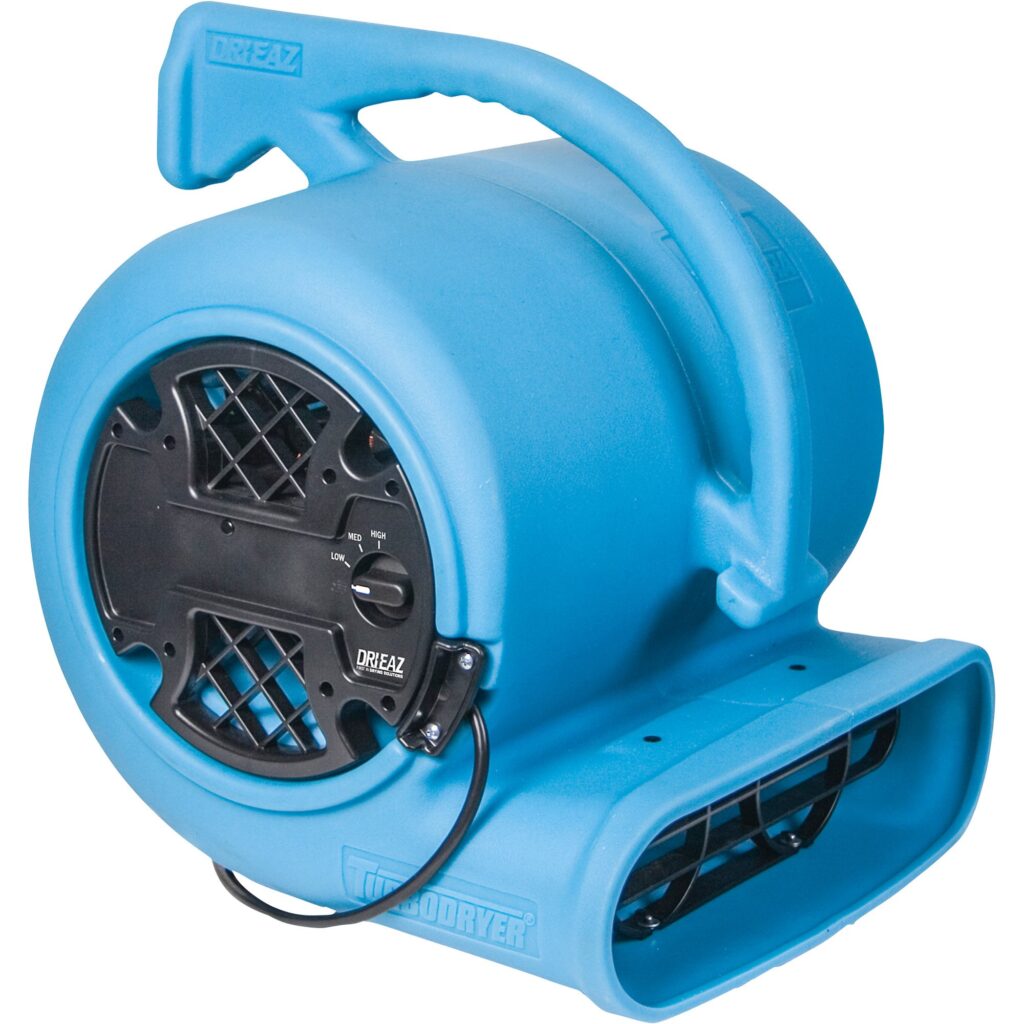
The Dri-Eaz Sahara Pro X3 TurboDryer

Outstanding among its peers, the Fan Rental Rental in Toronto – Dri-Eaz Portable Air Movers / Fans – DryingEquipment.ca is an absolute must-have for a wide range of needs. Industrial businesses, homeowners tackling water damages or even event organizers in need of fast and effective air circulation regularly turn to the Sahara Pro X3 TurboDryer for its remarkable capabilities. This fan achieves excellent airflow, reaching up to 2700 CFM, while consuming a scant 10.7 amps of power – an impressive feat of engineering which combines energy efficiency with peak performance. Easy-to-use and remarkably portable, this unit ranks high in user satisfaction, making it a sought-after piece of equipment on the rental market.

Why DryingEquipment.ca should be your go-to choice in Toronto

So, where does one acquire this powerhouse of a dryer in Toronto? The answer is simple. Home to a wide range of drying equipment, DryingEquipment.ca has you covered. From the Sahara Pro X3 TurboDryer to dehumidifiers, air scrubbers, and heaters, this Toronto-based rental company prioritizes quality equipment and exceptional customer service. With an easy-to-navigate website, finding the right equipment has never been simpler. The company prides itself on its extensive experience in the industry and its competitive rental rates. Indeed, when you’re hiring from DryingEquipment.ca, you aren’t merely renting a piece of machinery; you’re investing in their accumulated knowledge, helpful customer service, and reliable after-rental support. In conclusion, for Torontonians seeking high-performance drying equipment, the Dri-Eaz Sahara Pro X3 TurboDryer rented from DryingEquipment.ca is undeniably the way to go. With this potent combo, even the toughest drying or air-moving challenge becomes an easily surmountable task! So, why wait? Let your journey for efficient drying solutions start today with DryingEquipment.ca.

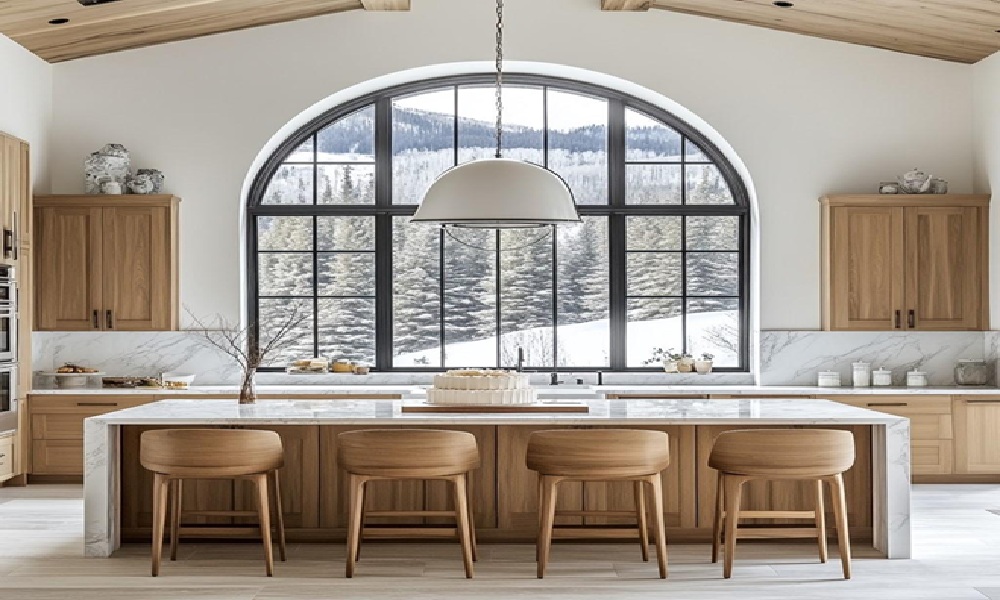
Brown kitchen cabinets have been a favorite in homes for generations. They’re warm, timeless, and incredibly versatile. Whether you’re decorating a charming country kitchen or updating a modern loft, brown cabinets can fit right in. 

The key is how you style everything around them. From lighting and countertops to wall colors and decor, each choice helps shape your space. 

In this guide, we’ll show you how to take your kitchen from classic to modern using brown kitchen cabinets as your foundation.

Classic Charm: Embrace the Warmth of Tradition

For many homeowners, classic kitchens feel like the heart of the home. They’re cozy, inviting, and full of personality. Brown cabinets are perfect for this style because they naturally bring in warmth and a sense of tradition.

Soft Lighting Sets the Mood

In a traditional kitchen, lighting is everything. Go for warm, yellow-toned bulbs to bring out the rich tones of the wood. Soft pendant lights over the island, under-cabinet lights, and even a chandelier can make the kitchen feel cozy and welcoming. Avoid harsh white or blue lights—they can make the space feel cold and lifeless.

Natural Stone Countertops

To match the classic look, use countertops made from natural materials like granite, marble, or butcher block. These surfaces complement the warmth of brown cabinets and add texture to your space. If you prefer lighter tones, beige or cream countertops offer a nice contrast without feeling too modern.

Traditional Hardware Choices

Cabinet hardware plays a big role in the overall look. For a classic feel, choose bronze, brass, or antique-style knobs and pulls. These metals add character and blend well with the natural wood tones. Skip anything too shiny or chrome-colored, which feels more modern than traditional.

Decor That Tells a Story

What makes classic kitchens feel so special? It’s the little things. Display your favorite teapots, old cookbooks, and vintage-style jars. Add open shelving with woven baskets or pottery pieces. These items add personality and make the kitchen feel lived-in and loved.

Transitional Style: Where Old Meets New

Transitional kitchens combine the best parts of classic and modern design. If you’re drawn to both cozy warmth and clean simplicity, this style is for you. Brown cabinets can work beautifully in this setting, offering a solid base to build your design on.

Neutral Walls for a Balanced Look

To keep things feeling fresh, use light wall colors like soft white, pale gray, or gentle blue. These shades help your cabinets pop without making the room feel dark. They also provide a clean backdrop for other elements like art, lighting, and backsplash materials.

Textures That Play Together

Transitional design is all about mixing textures. Try pairing your wood cabinets with a glossy subway tile backsplash, a smooth quartz countertop, or even a polished concrete floor. The goal is to create contrast that’s still cohesive—not clashing, but definitely not boring.

A Mix of Fixtures

In a transitional kitchen, you don’t have to commit to one era. Combine modern and classic elements thoughtfully. You might have sleek pendant lights over a classic wood island. Or a farmhouse sink paired with a minimalist faucet. This style gives you freedom to personalize without looking mismatched.

Function and Flow

This style is also very practical. Think about how your kitchen works—not just how it looks. Create a layout that supports cooking, entertaining, and storage. Add soft-close drawers, hidden trash pull-outs, and other useful features to make your kitchen feel as smart as it is stylish.

Contemporary and Clean: A Modern Makeover

Many people think modern design means white cabinets and shiny surfaces. But brown cabinets can absolutely fit into a sleek, contemporary kitchen—if you style them right.

Bold Countertop Choices

Modern kitchens love contrast. Try pairing your brown cabinets with countertops in bright white, charcoal black, or even dramatic veined quartz. The crisp contrast between dark cabinets and light counters gives the space a bold, high-end look.

Flat Fronts and Long Handles

For a modern look, simplicity is key. Choose flat-front cabinet doors with no fancy trim or grooves. Add long, horizontal handles in matte black, brushed steel, or even gold for a clean, linear appearance. These simple touches make your kitchen feel streamlined and updated.

Open Shelving and Clean Lines

Open shelves break up the heaviness of full cabinetry and add visual interest. Use them to display minimalist dishware, plants, or even modern artwork. Stick to clean lines throughout your design—from the layout of your backsplash to the shape of your island.

High-Contrast Design

One hallmark of modern style is contrast. Try dark brown lower cabinets with bright white uppers. Or go for a black tile backsplash with pale flooring. These choices highlight the cabinetry without making the room feel too heavy.

Small Kitchens: Big on Style

Worried that brown cabinets might make a small kitchen feel even smaller? Don’t be. With smart styling, they can actually add depth and richness without taking up visual space.

Light Walls, Light Floors

Lighten up everything around your brown cabinets. Paint the walls in soft white, cream, or pale gray. Choose flooring in natural oak, light tile, or neutral-toned vinyl. These choices reflect light and make the room feel larger and airier.

Reflective Surfaces

Use shiny or glossy materials to bounce light around. Glass tile backsplashes, stainless steel appliances, or even mirrored cabinet inserts can help open up the space. Keep your cabinet finishes matte to create balance.

Keep it Simple

In smaller kitchens, less is more. Avoid cluttered countertops and bulky decor. Stick to one or two statement pieces—like a colorful rug or modern bar stools—and let the rest of the design stay clean and minimal.

Design Details That Pull Everything Together

Your kitchen isn’t just about cabinets. The materials, colors, and details you choose around them play a huge role in the overall style.

Choosing the Right Backsplash

The backsplash is a great place to make a statement. In classic kitchens, try mosaic tile, beadboard, or even tin tiles. For modern kitchens, go with geometric patterns, sleek glass, or matte ceramic tile. A good backsplash bridges the gap between your counters and cabinets and ties everything together.

Flooring That Works

Brown cabinets go well with many flooring types. In traditional kitchens, opt for warm hardwood or classic tile. In modern spaces, concrete, light gray tile, or even black-and-white patterned floors can look amazing. Just make sure the floor contrasts enough with the cabinets to avoid a “too dark” look.

Windows and Treatments

Don’t forget about natural light. A bright kitchen always feels more welcoming. If you have windows, use light window treatments like linen curtains or bamboo shades. Avoid heavy fabrics or dark colors that can make the space feel closed in.

Personalize with Purpose

Finally, your kitchen should feel like you. It’s a space you use every day, so it should be filled with things that make you happy.

Display What You Love

Use open shelves or glass cabinets to showcase your favorite dishware, mugs, or even cookbooks. Don’t be afraid to mix old and new—your grandmother’s teapot can look great next to a modern coffee maker.

Add Greenery

A few small plants can breathe life into your kitchen. Herbs in windowsills, a hanging pothos, or even a tiny cactus on the counter add freshness and balance to all the wood and stone.

Include a Pop of Color

If your space feels too neutral, add a bold color in small doses. A navy blue rug, a red kettle, or teal bar stools can give your kitchen energy without taking away from the style.

Wrap-Up

Styling your kitchen with brown cabinets doesn’t mean you’re locked into a traditional look. 

From farmhouse charm to sleek modern style, brown cabinets can be adapted to suit your personal taste. It all comes down to thoughtful choices in lighting, colors, hardware, and decor. 

Whether you’re keeping it classic or going contemporary, your kitchen can be both stylish and welcoming—with brown cabinets leading the way.

Idaho’s reputation as an affordable state attracts thousands of potential residents yearly. However, determining whether the Idaho cost of living justifies relocation requires examining specific financial trade-offs and personal circumstances. Recent data shows Idaho’s cost index has risen to 102.9, challenging the perception of it being a budget-friendly destination.

Actual savings depend on the origin location

Moving to Idaho from high-cost states like California or New York can yield substantial savings, while relocating from Midwest states may offer minimal financial benefit. Housing costs in Boise now match cities like Denver and Salt Lake City at a $455,000 median home price. Rural Idaho properties average $275,000, providing more significant savings potential for those willing to live outside urban centres. Utility costs remain approximately 10% below national averages, with electricity rates at 8.5 cents per kWh compared to the national average of 10.5 cents. Property taxes average 0.75% of home value, ranking among the lowest nationally and offering long-term savings for homeowners.

Income adjustments offset living cost benefits

Idaho salaries typically run 15-20% below national averages across most industries:

  1. Technology professionals earn $75,000 versus $95,000 nationally
  2. Healthcare workers make $65,000 compared to $78,000 elsewhere
  3. Teachers receive $48,000 against the $58,000 national average
  4. Skilled trades maintain closer parity at $55,000 versus $60,000

Remote workers keeping out-of-state salaries gain the most financially, while those seeking local employment often find wage reductions consuming potential savings.

Hidden expenses impact overall affordability

Several costs surprise newcomers to Idaho:

  • Vehicle requirements in snow-prone areas add $3,000-$5,000 initially
  • Limited public transportation increases annual fuel costs by $1,200-$2,000
  • Healthcare travel to larger cities costs $500-$1,500 yearly for specialised care
  • Online shopping with shipping adds $300-$600 annually due to limited local retail

These expenses can reduce anticipated savings by 20-30% for unprepared residents.

Long-term financial outlook

Idaho’s 2.5% annual population growth suggests continued cost increases:

  • Housing appreciation averages 8-12% annually in urban areas
  • Property tax rates may rise with infrastructure demands
  • Utility costs face upward pressure from population growth
  • Insurance premiums increase with climate-related risks

Smart investors find opportunities in emerging areas before prices match established markets.

Family considerations affect cost calculations

Families must factor in education and childcare expenses:

  • Public school quality varies significantly by district
  • Private school tuition ranges $6,000-$15,000 annually
  • Childcare costs average $800 monthly, 25% below national rates
  • College options remain limited, potentially requiring out-of-state tuition

These factors can substantially impact family budgets in the long term.

Required lifestyle adaptations

Maximising Idaho’s cost advantages often demands changes:

  1. Embracing outdoor recreation over costly entertainment saves $1,000-$2,000 yearly
  2. Learning home maintenance skills reduces service costs by $500-$1,500 annually
  3. Adjusting to limited dining options saves $2,000-$3,000 per year
  4. Growing personal food reduces grocery bills by 10-15%

These adaptations prove challenging for those accustomed to urban conveniences.

Professional opportunities shape outcomes

Remote workers benefit most from Idaho relocation, saving 20-30% on living expenses while maintaining income. Local job seekers face limited options and lower wages in many fields. Entrepreneurs find growing markets with less competition. Retirees stretch fixed incomes further with lower costs.

Moving to Idaho proves worthwhile for remote workers, retirees, and those seeking specific lifestyle changes. The transition offers fewer advantages for professionals requiring high salaries or urban amenities. Success depends on matching personal priorities with Idaho’s unique combination of moderate costs, outdoor opportunities, and community-focused living.

Good and sustainable outdoor lighting is really important nowadays. For their performance, cost, and environmental friendliness, solar spotlights are a first option. Though many retail shops and online markets carry these lights, smart consumers are buying straight from solar light factory  manufacturers more and more. Not just cost savings, but this approach opens more lighting, better quality, and specialized solutions not available from traditional retail venues. Skipping distributors and stores yields the newest, brightest, most durable solar lighting technology. This direct factory floor connectivity changes the way you light your surroundings by providing unparalleled value and control.

Show Your Savings:  Direct Pricing from Manufacturers

One of the key benefits of purchasing solar spotlights from a production is cost savings. Conventional retail outlets charge for a network of intermediaries who apply their markup. Retailers, distributors, and manufacturers have to pay running costs and turn a profit, therefore affecting consumer pricing. Eliminating these layers allows direct-from— source purchasing to provide factory-direct rates. This saves a great deal and takes you closer to the production cost. Purchasing many spotlights for larger residences or business usage might result in really large savings. Better budgeting comes from direct manufacturer pricing. Investing in better-quality components and complex features will help you to acquire the brightest solar spotlight solution that works better and lasts longer while maintaining within budget instead of paying markups. More light for your money promises better spending; so, your solar lighting investment is lucrative and best uses light and value.

Customizable and creatively innovative from the source

Further benefits of buying from a solar light manufacturer include customizing and innovative ideas. Retailers save basic products for the biggest demand. Your lighting needs might be special, like a certain beam angle, ambiance color temperature, or durability to withstand coastal conditions. Retail cannot equal the personalizing of direct manufacturer relationships. You might talk to the manufacturer about your needs and ask for special lighting or design tweaks. Furthermore encouraging creativity are solar light manufacturers. Their products constantly become better using fresh solar, LED, and battery storage technology. Ordering directly allows you to acquire these innovative ideas sooner than usual retail outlets. You are using creativity, making investments in the most contemporary and effective lighting technologies, and maybe finding the brightest solar spotlight alternatives with features not yet available in retail environments. Direct access to innovation and customizing allows you to create unique lighting solutions fit for your functional and aesthetic requirements.

Better Idea: Get Factory-Direct Solar Spotlights

At last, discerning consumers are choosing purchasing solar lights directly from a manufacturer because it is smart. Attractive are major cost savings by removing intermediaries, improved product quality and reliability resulting from direct production control, and incomparable customizing options and access to the newest solar lighting technologies. Eliminating the middle allows you to obtain direct access to manufacturers most concerned about product quality and performance as well as factory-direct costs. The strongest, longest-lasting, most personalized solar lighting systems are assured by this direct link. Purchasing directly from a solar light manufacturer guarantees the best value and performance for your outdoor lighting investment, thereby enabling you to illuminate your regions effectively, sustainably, and affordably.

Creating a dedicated workspace at home has become essential for many professionals. When designing a home office in Springleaf Residence, consider elements like natural light, ergonomic furniture, and proper organization to transform even a small corner into a productive work environment. The appropriate setup boosts efficiency and maintains a healthy work-life balance while enjoying the comfort of your residence. Establishing a well-designed home office space requires thoughtful planning. Every detail matters, from selecting the ideal location to incorporating functional storage solutions. For those living in springleafresidences.com.sg properties, the opportunity to craft a personalized workspace that complements your living environment is particularly valuable. These residences provide an excellent foundation for creating your ideal home office.

Smart space utilization

Making the most available space becomes crucial when square footage is premium. Consider multi-functional furniture pieces that serve dual purposes, such as a desk with built-in shelving or a cabinet that can be closed to conceal work materials when not in use. Corner desks can maximize awkward spaces, while wall-mounted organizers free up valuable desktop real estate. Your home office layout should promote efficient movement and access to frequently used items. Arrange your workspace so that essential tools and resources are within arm’s reach, reducing the need to get up and search for materials constantly. This thoughtful organization creates a more streamlined workflow and minimizes distractions.

Lighting that energizes

Proper lighting is vital in maintaining focus and reducing eye strain during long work hours. Position your desk near a window to capitalize on natural light, which has been shown to improve mood and productivity. However, be mindful of potential glare on computer screens and adjust blinds or curtains accordingly.

Natural light with layered artificial lighting:

  • Task lighting focused directly on work areas for detailed tasks
  • Ambient lighting that provides overall illumination for the room
  • Accent lighting to highlight specific areas or decorative elements

Consider the colour temperature of your light bulbs as well. Cooler, bluish lights promote alertness and are ideal for working hours, while warmer tones create a more relaxed atmosphere that might be preferable during evening hours.

Ergonomics for comfort

A comfortable workspace is essential for maintaining both productivity and physical well-being. The height of your chair should allow your feet to rest flat on the floor with your knees at a 90-degree angle.

Your desk should be at a height that permits your elbows to rest comfortably at your sides with forearms parallel to the floor when typing. Consider these additional ergonomic elements:

  • Monitor positioned at eye level to prevent neck strain
  • Keyboard and mouse placed to keep wrists in a neutral position
  • Footrest if needed to maintain proper leg positioning
  • Document holder aligned with your screen to reduce head movement

Taking short breaks to stretch and move around every hour can also help prevent the physical discomfort from prolonged sitting. The perfect home office balances practical needs with personal preferences, creating a space to work efficiently while feeling comfortable and motivated. With thoughtful design choices, your Springleaf Residence home office can become a productive retreat that supports your professional goals while complementing your living space.

The New Heart of the Home Is Outside

It’s no longer just about a backyard grill and a folding chair — today’s homeowners are building full culinary sanctuaries outdoors. Whether it’s a space for Sunday brunch with the family or Friday night get-togethers with friends, an outdoor kitchen gives your home a heartbeat that beats under the sky.

As lifestyles shift toward wellness, fresh air, and shared experiences, outdoor kitchens have emerged as a key feature in high-end home design. They offer more than a place to cook — they create an atmosphere that combines the joy of entertaining with the tranquility of the outdoors. The sound of sizzling food, the smell of wood-fired pizzas, and the laughter of guests blend into an experience that feels nothing short of luxurious.

This isn’t just a summer project. With proper planning and the right materials, your outdoor kitchen can be a year-round destination — the crown jewel of your backyard retreat.

Layouts That Blend Functionality and Flow

Designing your backyard oasis starts with the layout. The best outdoor kitchens are planned like indoor ones — with zones for prepping, cooking, serving, and cleaning. But they also offer flexibility to merge with your landscape, patio, or deck design.

For smaller backyards, a straight-line setup keeps things simple and efficient. If you’ve got more space to work with, consider L-shaped or U-shaped configurations that provide more countertop room, storage, and seating. You might even go for an island-style kitchen at the center of your entertainment zone, where the cook becomes part of the party.

Keep in mind how you want to move around the space. The flow from grill to sink to fridge should be seamless. And don’t forget seating — bar stools, benches, or a built-in dining table can turn your cooking space into the most social spot in the house.

Design it once, and enjoy it every day.

Weather-Proofing for Year-Round Use

One of the biggest misconceptions about outdoor kitchens is that they’re seasonal. But with the right materials and features, you can use them rain or shine. In fact, some of the most enjoyable cookouts happen on cool autumn nights or under a snowy winter sky.

To start, use weatherproof materials: porcelain countertops, stainless steel appliances, and high-quality aluminum framing are your friends. Avoid anything that could warp, rust, or deteriorate in the sun or rain.

A roof or pergola adds protection from the elements while giving your space architectural character. You can also include built-in heating, fire pits, or outdoor fireplaces to stay cozy in colder months. With proper drainage and covered zones, your kitchen will be functional in every season — and always ready when you are.

outdoor kitchen

Add the Finishing Touches

The real difference between a good outdoor kitchen and a great one lies in the finishing touches. This is where your personality, creativity, and attention to detail come into play.

Consider ambient lighting, like Edison bulbs or hidden LED strips, to create warmth and depth. Add music with built-in speakers or Bluetooth soundbars. Include greenery — herb planters, climbing vines, or even vertical gardens — to bring a calming, natural element into your cooking space.

You can even add a pizza oven, beverage fridge, or smoker to level up your culinary game. And don’t forget storage — drawers, shelves, and custom cabinetry help keep your space clean and organized, even outdoors.

When your outdoor kitchen reflects your style and supports your lifestyle, it quickly becomes a favorite gathering space for everyone.

The Elegance of Modular Design

If you’re looking for a sleek, minimal, yet highly functional setup, Grillo Outdoor Kitchens delivers with ease. Grillo’s modular kitchen systems are the epitome of balance — durable enough to handle the outdoors, yet stylish enough to elevate your entire backyard.

Grillo’s signature black frame combined with beautiful Iroko hardwood gives each kitchen a refined modern look. Every unit is designed for efficiency, built using long-lasting, corrosion-resistant materials. These aren’t temporary fixes or weekend projects — they’re permanent outdoor solutions that require virtually no maintenance.

Because the system is modular, you can customize it to your space and expand it over time. Want to start with just a grill and fridge? Easy. Want to add a bar counter and wood-fired oven later? No problem. Grillo’s designs grow with you — and they never go out of style.

Their clean lines and elegant finishes make them ideal for urban rooftops, suburban patios, or countryside estates alike. When sophistication meets strength, your outdoor kitchen becomes timeless.

Why Outdoor Kitchens Are a Worthwhile Investment

Besides being beautiful and functional, outdoor kitchens add serious value to your home. In today’s market, buyers are prioritizing outdoor living spaces more than ever. A home with a fully equipped, built-in outdoor kitchen stands out and commands more attention — and a higher resale value.

But beyond the numbers, the biggest return on investment comes in the form of memories. Evening dinners under the stars. Saturday brunches with friends. Movie nights with grilled snacks. These experiences become priceless chapters in your life story.

And let’s be honest — cooking outdoors just feels good. The sizzle of the grill, the scent of herbs, the laughter of guests — it all hits differently when you’re not confined by four walls.

So if you’re dreaming about transforming your backyard into something truly extraordinary, there’s never been a better time to take the leap. With the right layout, materials, and design partner, you can build a space that’s as welcoming in January as it is in July.

Ecosystems function as intricate networks where every organism plays a specific role in maintaining balance. When large pest populations exceed the natural limits of these ecosystems, they can cause cascading effects through these intricate systems. From decimating greenery to crowding out Indigenous species, pests pose an ecological threat.

Research shows that invasive pests alone cause approximately $70 billion in damages annually in the United States, affecting agriculture, forestry, and natural habitats. Understanding these disruptions is critical to know how to get rid of pests in Lynnwood. Moreover, it is important for anyone concerned with environmental conservation and the preservation of biodiversity in our increasingly interconnected world.

Can Pests Disrupt The Ecosystem Entirely?

Yes, certain pest species can completely transform or collapse ecosystems when their populations grow unchecked or when they invade new territories.

The Emerald ash borer is a perfect example of ecosystem-wide disruption. Since arriving in North America in the early 2000s, this beetle has wiped out hundreds of millions of ash trees in 30 states. In areas of heavy ash mortality, 95 percent of the canopy was lost, leading to changes in soil chemistry, increased water runoff, and the loss of nearly 100 native insect species that relied on ash trees. 

Rodent populations can also alter entire ecosystems. On Hawadax Island (previously called Rat Island) in Alaska, for instance, an accidental introduction of rats led to the rapid establishment of rats and the extinction of nearly all ground-nesting birds via egg and chick predation. The loss of seabirds that followed resulted in diminished nutrient transfer from sea to land — dramatically changing soil chemistry and plant communities island-wide.

These examples show us how pests can trigger ecological chain reactions that eventually transform entire ecosystems beyond recognition or recovery without intervention.

How Can They Do So?

Pests can contribute in different ways to disrupting the ecosystem. Here are a few ways: 

Direct Habitat Destruction

Bark beetles and termites, for example, can decimate key habitat components in spectacularly quick order. Huge swathes of western North America have been devastated by pine bark beetles — an estimated 27 million hectares — with landscape-scale changes observable from space.

Disruption of Food Webs

When pests overeat particular plants or eat particular animals in excess, they can sever key connections in food chains. When gypsy moths eat trees bare, for instance, they lower food availability to native caterpillars, which in turn reduces birds who rely on those caterpillars.

Native Species Interference

Invasive fire ants displace native ant species from sites, leading to reduced levels of biodiversity and changing the soil ecosystems in invaded habitats in areas of the southern United States.

What That Means for Us?

Impact on the ecosystem means a lot of things to us, such as: 

Economic Impacts

Disruption of ecosystems caused by pests leads to considerable economic costs. Agricultural damage from invasive insects costs the United States about $13 billion a year. Japanese beetles, when they invaded eastern states, fed on more than 300 plant species, and the costs of control measures ran into the millions of dollars, reducing crop yields.

Public Health Concerns

Changes in the ecosystem can heighten risks of human disease. When ecosystem simplification wipes out tick predators, Lyme disease-carrying ticks proliferate, studies have shown, and human infections spike. 

Resource Availability

When ecosystems are threatened by pests, human livelihoods are threatened. Meanwhile, in New York City, the Asian longhorned beetle poses a threat to 30% of urban trees in eastern cities, which could lead to the loss of billions in ecosystem services, from air purification to stormwater management to temperature regulation. These losses could increase urban infrastructure costs by $4 billion in at-risk metropolitan areas.

Cultural Losses

Many communities have a strong tie to specific ecosystems. When hemlock woolly adelgid killed or starved expansive hemlock groves in Appalachia, it robbed culturally important landscapes that supported traditional practices of indigenous communities as well as recreational activities enjoyed by tens of millions of visitors each year.

Making electrical installations safe for children is an important step for their safety. Hiring a licensed Electrician In Austin, Texas to install tamper-resistant outlets, outlet covers, and power strip covers can help prevent electrical accidents. Unattended outlets can be particularly dangerous for young kids, who might be tempted to insert objects, leading to serious risks like electrocution or burns. Unfortunately, electrical accidents among toddlers are common, which stresses the importance of implementing safety measures.

For your home and business in Austin, Texas, here are some childproof electrical installations to enhance safety:

For Your Home:

  1. Tamper-Resistant Outlets (TRRs):These have built-in shutters that prevent children from inserting objects.
  2. Outlet Covers & Safety Plugs:Use sliding or box-style covers for extra protection.
  3. Cord Shorteners & Concealers:Keep excess wiring out of reach.
  4. GFCI Outlets:Install these in wet areas (bathrooms, kitchen) to prevent electrical shocks.
  5. Smart Light Switches & Dimmers:Reduce the need for extension cords and plugs.
  6. Wall-Mounted TV & Cable Management:Prevent kids from pulling on cords.
  7. Childproof Power Strips:Use models with covers to block unused outlets.
  8. Secure Electrical Panels:Keep the breaker box locked or in a restricted area.
  9. Low-Voltage Night Lights:Reduce the need for exposed lamp cords in children’s rooms.

For Your Business:

  1. Tamper-Resistant Outlets in Public Areas:Ensures safety for visiting children.
  2. Cord Covers & Floor Cable Management:Prevents tripping hazards and access to wires.
  3. Locked Electrical Panels & Outlets:Especially important in waiting areas or play zones.
  4. Smart Outlets & Switches:Can be remotely controlled to reduce risk.
  5. GFCI & AFCI Protection:Helps prevent shocks and electrical fires.
  6. Wall-Mounted Equipment:Keep power strips, chargers, and electrical devices off the ground.
  7. Surge Protectors with Childproof Covers:Prevents accidental access.
  8. Motion Sensor Lighting:Reduces the need for accessible switches.
  9. Security System Wiring Protection:Keep exposed security camera wires enclosed in conduits.

Would you like specific product recommendations or installation guidance? You can also speak with a commercial electrician for the best solutions.

Whether you can install childproof electrical solutions yourself or need a licensed electrician in Austin, Texas depends on the complexity of the installation:

DIY Installations:

You can safely install the following without an electrician:
✅ Tamper-resistant outlet covers – Simple plug-in or slide-style covers.
✅ Cord concealers & shorteners – Adhesive-backed raceways or cable sleeves.
✅ Power strip covers – Enclosures that block access to outlets.
✅ Wall-mounted TV & cable management kits – Secure cables to prevent tampering.
✅ Smart outlets & switches (plug-in models) – No hardwiring required.

Electrician-Recommended Installations:

For these, hiring a licensed electrician in Austin is recommended due to safety and electrical code compliance:
🔧 Tamper-resistant outlets (TRRs) – Requires replacing existing outlets.
🔧 GFCI and AFCI outlets & breakers – Essential for shock and fire protection.
🔧 Hardwired smart switches & outlets – Requires electrical wiring expertise.
🔧 Panel locking devices or relocations – If securing your breaker box.
🔧 Low-voltage or recessed wiring solutions – Ideal for businesses or high-traffic areas.

Why Hire an Electrician?

  • Ensures compliance with Texas electrical codesand Austin permitting (if required).
  • Reduces risk of improper wiring that could lead to shocks or fire hazards.
  • Professional installation ensures long-term reliability and child safety.

Ensuring electrical installations are child-proof gives parents reassurance that their little ones are safer at home. Since 2008, the NEC has acknowledged the benefits of tamper-resistant outlets, requiring their installation in new homes and during renovations. If you want to tackle simple solutions yourself but need an electrician for the bigger jobs, I can help you find a licensed electrician in Austin. Let me know how you’d like to proceed!