Category

Home

Category

The Growing Crisis in Singapore Homes

The aircon dripping water from your ceiling might seem like a minor nuisance, but behind that innocent droplet lies a potential catastrophe waiting to unfold. On a sweltering afternoon in Tampines last July, 62-year-old retired banker Michael Tan watched in disbelief as his living room ceiling collapsed, sending chunks of sodden plaster crashing onto his furniture. The culprit? A slow leak from his air conditioning unit that had silently eroded the structural integrity of his ceiling for months. “I ignored those drops,” he told me, his voice carrying the weight of a costly lesson. “Just a few drops, I thought. Nothing serious.”

The Anatomy of a Hidden Threat

To understand how something as innocuous as water droplets can transform into structural devastation requires examining the mechanisms at work inside and around your air conditioning system:

  • Condensation forms naturally on the cooling coils as warm air passes over them
  • This water normally collects in a drain pan and exits through a condensate drain line
  • When this drainage system fails, water escapes—often in places not immediately visible
  • In Singapore’s construction, this water can seep into concrete, plasterboard, and wooden structures

“Singapore’s unique combination of 85% average humidity and nearly year-round cooling demands creates perfect conditions for condensation. Our studies show that a typical 9,000 BTU unit can produce up to 20 litres of condensate daily—equivalent to emptying two medium-sized buckets of water into your ceiling space.” – Singapore Building Research Institute

This invisible flow creates damages that often remain concealed until catastrophic failure occurs.

The Financial Aftershock

The economic impact of ignoring an aircon dripping water extends far beyond the repair of the unit itself:

  • Basic air conditioning repair: S$150-300
  • Ceiling and paintwork restoration: S$800-1,500
  • Electrical rewiring due to water damage: S$1,200-2,800
  • Furniture and electronics replacement: Variable, often exceeding S$3,000
  • Mould remediation in severe cases: S$2,000-5,000

Then there are the intangible costs—displacement from affected rooms, lost workdays managing repairs, and the psychological burden of watching your home deteriorate.

“Insurance claims related to air conditioning water damage in Singapore residential properties have increased by 34% over the past three years. The average claim now stands at S$4,350, with approximately 28% of cases involving secondary electrical damage.” – Singapore Insurance Association Report, 2023

The Warning Signs: Reading the Drops

Like intelligence analysts piecing together fragments of information, homeowners must learn to recognize the subtle indicators of developing problems:

  • Visible water droplets or staining on or around your air conditioning unit
  • Wall discolouration, often appearing as yellowish patches
  • Musty odours emanating from vents or near AC installations
  • Unexpected increases in electricity bills (indicating strain on the system)
  • Unusual sounds, particularly gurgling in pipes or walls

“The most dangerous leaks are often the ones you can’t see,” explained veteran air conditioning technician Wei Liang, who has handled over 3,000 water damage cases across Singapore. “By the time water becomes visible, there’s usually already considerable hidden damage.”

The Root Causes: Beyond the Droplets

My investigation into dozens of cases across Singapore revealed several recurring culprits behind these household disasters:

  • Clogged drainage systems (accounting for approximately 42% of cases)
  • Improper installation, particularly insufficient drain slope (23%)
  • Frozen evaporator coils due to restricted airflow (18%)
  • Cracked or damaged drain pans (12%)
  • Disconnected drain lines (5%)

The remainder stem from various mechanical failures or unusual installation circumstances. Each carries its own signature pattern of failure and requires specific remediation approaches.

The Perfect Storm: Singapore’s Climatic Challenge

Singapore’s environmental conditions create what one expert described to me as “the perfect storm for condensation problems”:

  • Year-round high humidity (averaging 80-85%)
  • Consistent high temperatures
  • Rapid indoor-outdoor temperature differentials
  • Extended daily usage patterns
  • Urban heat island effect intensifying cooling demands

“No other major developed urban centre experiences Singapore’s combination of near-constant high humidity and temperature. This places extraordinary demands on air conditioning systems and creates condensation rates approximately 30% higher than global averages.” – National Environment Agency Climate Report

The Solution Protocol: A Systematic Approach

Drawing from best practices across hundreds of successful remediations, experts recommend this approach:

  • Immediate response: Contain visible water and disconnect electrical components if safe
  • Professional diagnosis: Identify the specific failure point rather than attempting DIY fixes
  • Comprehensive repair: Address both the immediate cause and any contributing factors
  • Preventative upgrades: Implement systems to prevent recurrence
  • Regular maintenance: Schedule quarterly professional inspections of drainage components

Prevention: The Ultimate Defence

The most cost-effective approach remains prevention. Consider implementing:

  • Quarterly professional servicing focussed specifically on drainage systems
  • Installation of secondary drainage pans and overflow switches
  • Application of algaecide tablets in drain pans to prevent biological blockages
  • Clear documentation of drain line locations within walls (often forgotten during renovations)
  • Smart sensors that detect unusual moisture levels and alert homeowners

Conclusion: When Drops Become Disasters

What begins as a seemingly insignificant annoyance—a few drops of water, a small puddle—can quickly escalate into major structural damage, significant financial strain, and disruption to daily life. Understanding the mechanisms, recognizing early warning signs, and implementing proper maintenance represent your best defences against these cascading failures. As Singapore’s climate continues to challenge our built environments, vigilance and proactive management become increasingly critical in protecting your home and finances from the silent threat of an aircon dripping water.

When it comes to construction, maintenance, or exterior renovation, safety and accessibility are non-negotiable. Whether you’re managing a new build, refurbishing a property, or conducting structural repairs, professionally installed scaffolding is essential. With reliable scaffolding Surrey services, contractors and homeowners can ensure work is carried out efficiently and in full compliance with safety standards.

GT Scaffolding is a leading name in the Surrey region, known for delivering dependable scaffolding solutions across a variety of sectors. With extensive experience and a commitment to excellence, the company provides secure, adaptable, and cost-effective access systems tailored to every project’s unique requirements.

Why Choose Professional Scaffolding Services?

Scaffolding isn’t just about creating access—it’s about ensuring stability, safety, and compliance with legal regulations. Poorly erected or substandard scaffolding can put workers and passersby at serious risk, leading to project delays, legal issues, and increased costs. By choosing a reputable scaffolding company, you’re investing in the long-term success and safety of your build.

GT Scaffolding ensures that every project—whether large-scale commercial construction or a small residential extension—receives the same high level of care and professional attention. Their skilled team follows industry regulations and works with clients to meet site-specific requirements, ensuring smooth progress and minimal disruption.

Scaffolding Services Offered in Surrey

GT Scaffolding offers a full range of services for clients across Surrey and surrounding areas. Their offerings include:

  • Residential Scaffolding: Ideal for homeowners planning renovations, roofing, painting, or extensions. Systems are designed to suit different property types while maintaining access and safety.
  • Commercial Scaffolding: Tailored scaffolding for office buildings, retail outlets, and multi-storey developments. These installations provide secure access for tradespeople and contractors during complex projects.
  • Industrial Scaffolding: Heavy-duty scaffolding designed for factories, warehouses, and infrastructure works. Built to accommodate larger loads and more challenging environments.
  • Temporary Roofs and Edge Protection: Weatherproof solutions to keep work on schedule and protective barriers to prevent falls on elevated platforms.

Each structure is custom-built for your project and installed by trained professionals, ensuring compliance with all safety standards, including TG20:21 and SG4:22 industry guidance.

Benefits of Working with GT Scaffolding

Choosing GT Scaffolding for your scaffolding Surrey needs comes with a range of benefits:

  • Safety First: Their scaffolding systems are designed and installed with the highest safety standards in mind, minimising risk on site.
  • Fully Insured & Certified: The company holds full insurance and all staff are qualified to current health and safety regulations.
  • Flexible Hire Options: Whether you need scaffolding for a few days or several months, hire durations can be tailored to suit your timeline.
  • Prompt Service: GT Scaffolding is known for punctual installations and dismantling, helping to keep projects on schedule.
  • Local Knowledge: As a Surrey-based company, they understand local regulations and site challenges, offering informed advice and efficient service.

Conclusion

No matter the size or complexity of your project, working with an experienced scaffolding provider is essential. With a reputation for safety, professionalism, and client-focused service, GT Scaffolding is the go-to choice for scaffolding Surrey. Their team is ready to deliver custom access solutions that keep your site secure and your build on track.

Contact GT Scaffolding today to discuss your project and receive a no-obligation quote for reliable, efficient scaffolding services in Surrey.

New Orleans. The name alone brings to mind colorful music, delicious food, old buildings, and a vibe that can’t be found anyplace else. But what is it really like to live in the Crescent City, beyond the draw of its well-known festivals and tourist attractions? A rental property in New Orleans isn’t simply a place to stay; it’s a portal to an experience like no other for people who want a genuine, vibrant, and flexible city life. The many reasons why renting is the best way to really see New Orleans, from its different districts to its amazing cultural tapestry.

Your NOLA Traveler Life: Freedom and Flexibility

One of the best things about renting a home in New Orleans is that it gives you a lot of freedom. Renting lets you explore other parts of the city without being tied down, unlike owning a house, which requires a long-term commitment and costs a lot of money. Renting makes this easy. This independence is especially tempting to those who are new to the area, going through a change in their lives, or just want to try out other neighborhoods before settling on a favorite. The relocation to this interesting city is also easier because the upfront fees are smaller, usually only a security deposit and the first month’s rent.

Explore different neighborhoods in depth.

New Orleans is not just one big metropolis; it is made up of several neighborhoods, each with its own flavor and charm. When you rent a place in New Orleans, you can really live like a local in these one-of-a-kind neighborhoods. Picture yourself taking a leisurely walk through the oak-lined streets of Uptown in the morning, spending a relaxed evening soaking in the creative vibe of the Bywater, or having easy access to the live music venues of the Marigny.

A Way of Life That Is Easy and Cultural

The rental property New Orleans typically has practical benefits in addition to being able to move around. Many rental homes, especially those in apartment complexes, come with extras like pools, gyms, and security. This saves you the trouble and cost of having to take care of these things yourself. Also, the landlord is usually in charge of keeping the property in good shape and making repairs.

New Orleans has a never-ending list of cultural things to do, from the steady buzz of live jazz coming from bars to the year-round calendar of festivals and concerts. When you rent, you’re right in the middle of it all. You can stroll to parades, go to local markets, and see pop-up art exhibits. It’s a city that invites people to explore and become involved on their own. Renting a place is the best way to do all of this. As a renter, you don’t simply watch the culture you live it, breathe it, and become a part of its continuing tale.

Leaks often start small but grow fast. A few drops today can mean soaked walls or floors tomorrow. That is why early leak detection matters. It helps homeowners avoid costly repairs. Skilled teams use tools to find leaks before they cause real harm. A water damage service uses smart methods to stop leaks in pipes, roofs, or walls, before they ruin your home.

Let us look at five ways early leak detection helps save money and protect your home from bigger problems.

Smart leak sensors

Modern sensors are small but powerful. They’re placed near sinks, water heaters, or basements. These devices alert you the moment they detect a leak. Some even send alerts to your phone. This fast warning helps you act right away. When fixed early, a leak won’t have time to spread or damage floors and furniture.

Thermal imaging cameras

Not all leaks are easy to spot. Water can hide behind walls or under floors. That’s where thermal cameras help. These tools show temperature changes that hint at hidden moisture. Cold spots often mean there’s a leak. By using thermal imaging, professionals find the exact spot without cutting walls open. This avoids guesswork and cuts repair costs.

water damage service

Moisture meters

Moisture meters check how wet a surface is. They’re great for testing walls, ceilings, or floors that seem dry but feel soft or smell musty. If a meter shows high moisture, there’s likely a leak. Catching this early means the damage hasn’t spread far. It also means you can dry things out before mold starts to grow.

Roof and attic inspections

Small roof leaks often go unnoticed until major damage shows. Water damage professionals check the roof, attic, and ceiling areas for early signs of leaks. They look for stains, mold spots, or damp wood. Regular checks like this help spot issues from storms, missing shingles, or blocked gutters—before they lead to big repair bills.

Pipe pressure testing

Hidden pipe leaks can go on for months. Professionals use pressure tests to find slow, sneaky leaks in plumbing. If the pressure drops more than it should, there’s likely a leak. This simple test prevents long-term water damage and the need to replace drywall or flooring later.

The conclusion

Early leak detection is not just smart, but it is cost-saving. A skilled water damage service can stop a small leak before it ruins your home. With the right tools and checks, you protect your space, your peace of mind, and your wallet.

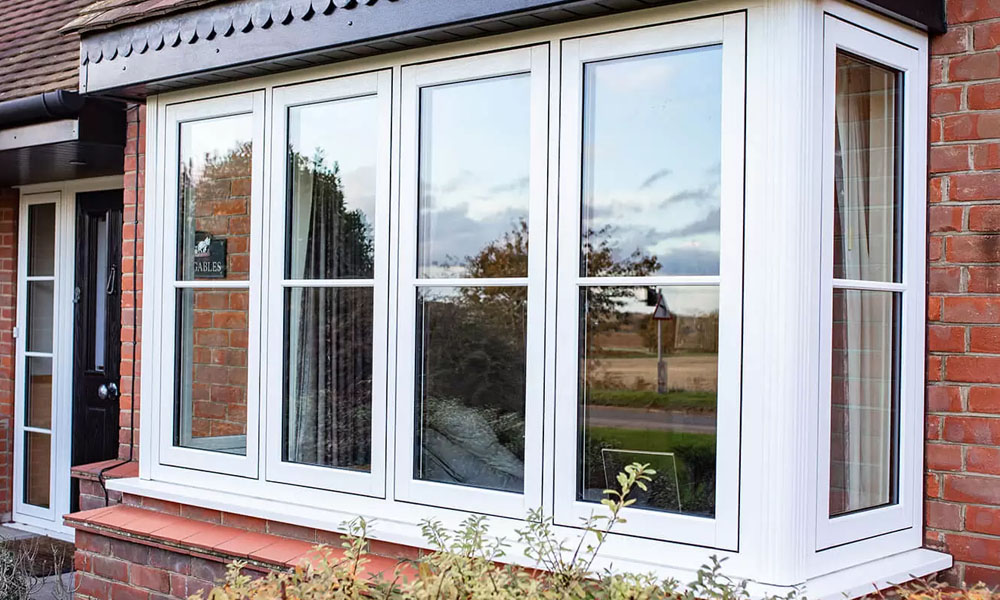
A building’s identity and visual narrative are greatly influenced by its architectural past, especially its heritage aluminium windows. These windows need to be updated as urban settings change and security risks become more complex. Modern glazing technology may increase the security of vintage aluminium windows by mimicking its look and introducing laminated or hardened layers. Sandwiched between two separate pieces of glass, laminated security glass can withstand breaking and prevent forced access. Subtle tints and anti-reflective coatings can further replicate the period-appropriate traits. Because conventional frames were constructed for form instead of function, the integrity of the aluminium frame is also very important.

Thermally fractured aluminium frames with incorporated steel bars or reinforced cores are now possible because to advancements in metallurgy and production, which increase structural robustness without compromising aesthetic appeal. Heritage window replication manufacturers provide profiles that combine multi-chambered extrusions with hidden steel stiffeners while preserving vintage sightlines.

Modern locking systems may now be hidden inside window frames thanks to advancements in security hardware, improving functionality without sacrificing style. Vintage-style knobs and fittings can be combined with multi-point locking systems to match the original design of the window. Without changing the aesthetics, smart locking technologies may be subtly included to provide modern access management. There are now more options for covertly embedding security sensors, such vibration monitors and glass-break detectors, inside historic aluminium windows. The technique can be concealed from view by using transparent adhesives or by manufacturing or retrofitting window frames with tiny holes. Particularly beneficial are wireless solutions, which do not require conduits or surface-mounted wires that might interfere with the profiles of historic windows.

When window units break structurally or don’t comply with building rules, heritage copy aluminium windows were a common replacement. These reproductions include contemporary security measures and are made to conservation standards. In order to ensure historical authenticity in size, finishes, and materials, heritage conservation officials are frequently consulted during its development. The systems may be made with contemporary features including dual-seal waterproofing and anti-lift tracks, and they can mimic the original profiles’ old patinas or filigree accents. Concealed reinforcing and hidden hinges, such tilt-and-turn systems and invisible hinges, are employed to maintain sightlines in historic contexts. The structure’s historic integrity is maintained since these elements are concealed from the outside observer.

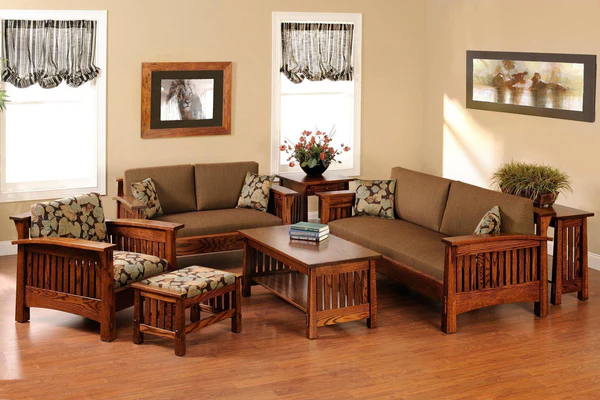
When it comes to adding timeless elegance to your living room or any other space, few pieces of furniture can compete with the charm of a wooden sofa. Known for their durability, classic appeal, and sturdy construction, wooden sofas are an excellent choice for those seeking to invest in furniture that lasts. Whether you’re aiming for a traditional aesthetic or something more contemporary, a wooden sofa can bring warmth, texture, and character to your home.

In this guide, we’ll take a closer look at the benefits of choosing a wooden sofa, how to select the perfect one for your home, and where to find quality wooden sofas near you. Let’s explore why a wooden sofa is an excellent addition to your living space.

What is a Wooden Sofa?

A wooden sofa is a type of seating furniture where the frame and structure are primarily made from wood. These sofas are often complemented by cushions, upholstery, or foam padding to provide comfort. The type of wood used can vary, from traditional solid hardwoods like teak, mahogany, and oak, to more modern wood choices like pine or engineered wood. The aesthetic appeal of a wooden sofa comes from the natural grain of the wood, which adds a unique texture and richness to the furniture piece.

Wooden sofas can come in various designs, including classic, rustic, modern, and even minimalistic. They can be designed with simple, straight lines or feature intricate carvings and details that add to their visual charm.

Why Choose a Wooden Sofa?

There are several compelling reasons why a wooden sofa should be on your list of furniture options:

  1. Durability: One of the biggest advantages of wooden sofas is their durability. Wood is a robust and long-lasting material that can withstand heavy use over the years. A well-maintained wooden sofa can last decades, making it a sound investment.
  2. Timeless Appeal: Wooden furniture boasts a classic, timeless aesthetic that remains in style. Whether you have a traditional or contemporary home, a wooden sofa can easily complement any décor and stay relevant for years.
  3. Eco-Friendly Option: Wood, especially when sourced responsibly, is a sustainable and eco-friendly material. If you’re looking to furnish your home with environmentally conscious choices, opting for a wooden sofa made from sustainably sourced wood is a great way to do so.
  4. Versatile Designs: Wooden sofas are available in a wide range of designs, from minimalist and modern to intricate and traditional. This makes it easy to find one that suits your personal taste and home décor.
  5. Comfort: While the frame of the sofa is made of wood, the cushions, upholstery, and backrests can be customised to provide a comfortable seating experience. Whether you prefer plush cushions or firm seating, a wooden sofa can be tailored for ultimate comfort.

Benefits of a Wooden Sofa

  1. Aesthetic Charm: The natural beauty of wood adds a sense of warmth to any room. Wooden sofas are available in various finishes, including polished, matte, and distressed, allowing you to select the one that best suits your style. The grain of the wood is often visible, giving each piece a unique appearance.
  2. Sustainability: Many wooden sofas are crafted from sustainably sourced wood. Choosing a wooden sofa made from responsibly sourced materials ensures that you’re making an eco-conscious choice for your home.
  3. Easy Maintenance: Wooden sofas are easier to maintain compared to those made from other materials. Regular dusting and occasional wood polish are usually all that is needed to keep them looking great. Wooden furniture doesn’t absorb dirt or moisture like fabric sofas, making it a hygienic option.
  4. Strong Investment: Wooden sofas are an investment due to their long lifespan. While they may be slightly more expensive initially, their durability means they don’t need to be replaced as frequently as cheaper, less durable alternatives.
  5. Allergen-Free: Wooden sofas are an ideal choice for individuals with allergies. Unlike fabric upholstery, which can trap dust and allergens, wooden frames are much easier to clean and maintain, ensuring a healthier living environment.

wooden sofa

How to Choose the Right Wooden Sofa

While wooden sofas are renowned for their charm and durability, selecting the right one for your home can be a bit challenging. Here are some factors to consider before making your purchase:

  1. Wood Type: The type of wood used in the construction of the sofa affects both its durability and its look. Hardwoods such as teak, oak, and mahogany are renowned for their strength and enduring nature. They are also more resistant to wear and tear. Softwoods, such as pine, are typically lighter and less durable, bthey n still provide great aesthetic value.
  2. Design and Style: Wooden sofas are available in a variety of designs, so select one that complements the overall look of your home. If you have a traditional décor, you might opt for a more ornate design with carved detailing. On the other hand, for a more modern or minimalistic space, go for a sleek, clean-lined wooden sofa.
  3. Comfort: While the wooden frame provides support, the cushions are what make the sofa comfortable. Consider the type of cushion filling and upholstery material used. Memory foam or high-density foam provides more comfort, while cotton or synthetic cushions may offer a firmer seating option.
  4. Size: Measure the available space in your living room or seating area before making a purchase. Wooden sofas come in various sizes, from compact two-seaters to larger, sectioned models. Ensure the sofa fits comfortably in your space without overcrowding the room.
  5. Finish: The finish on the wood can significantly impact its appearance and texture. For a natural look, go for a polished wood finish that highlights the wood grain. If you prefer a more rustic or vintage look, opt for a distressed finish that adds character.
  6. Budget: The price of wooden sofas can vary depending on the type of wood, craftsmanship, and design. While solid wood sofas can be expensive, they are a long-term investment. Determine your budget and look for a sofa that offers the best quality within your price range.

Where to Find a Wooden Sofa Near Me

Once you’ve decided on the style, size, and material, the next step is to find the perfect wooden sofa for your home. Here’s how you can locate one nearby:

  1. Local Furniture Stores: Visit furniture stores in your area to check out a range of wooden sofas. Physical stores often offer a variety of options, allowing you to test the comfort and quality of the sofas in person.
  2. Online retailers, such as Amazon, Flipkart, and Pepperfry, offer an extensive range of wooden sofas, complete with detailed descriptions, photos, and customer reviews. Shopping online allows you to compare different options, check prices, and have the sofa delivered to your home.
  3. Furniture Malls and Showrooms: Larger furniture malls or specialised showrooms often feature a range of wooden furniture, including sofas. These places are great for exploring various designs and materials. You can also get expert advice from store staff, helping you make the right choice.
  4. Custom Furniture Makers: If you’re looking for a unique, custom-designed wooden sofa, consider visiting a local carpenter or furniture maker. They can create a sofa tailored to your exact specifications, including custom sizes, wood types, and designs.
  5. Second-Hand Furniture Stores: If you’re on a budget, check out second-hand stores or online marketplaces like OLX or Quikr. You can find pre-owned wooden sofas in great condition at a significantly lower price. Just be sure to inspect the furniture carefully for any signs of wear and tear.

Popular Wooden Sofa Brands

  1. Godrej Interio: Renowned for its high-quality furniture, Godrej offers a range of wooden sofas featuring sturdy frames and stylish designs. They are a trusted name in the home furniture industry in India.
  2. Urban Ladder: Urban Ladder offers a variety of modern and traditional wooden sofas. They have a selection of beautifully crafted sofas made from premium wood, designed to provide both style and comfort.
  3. Furny: Furny’s wooden sofas are renowned for their minimalist designs and exceptional craftsmanship. Whether you’re looking for a contemporary or classic look, Furny offers a range of options.
  4. Pepperfry: Pepperfry is another popular platform where you can find a wide variety of wooden sofas. From luxurious designs to budget-friendly options, Pepperfry has something for every taste.

Conclusion

A wooden sofa is a timeless addition to any home, offering both durability and style. Whether you’re looking for a modern piece for your living room or a traditional design for your sitting area, a wooden sofa provides comfort, long-lasting quality, and aesthetic appeal.

By considering factors such as wood type, design, comfort, and size, you can find the perfect wooden sofa that suits your space and style. Whether you visit local stores, explore online platforms, or custom-make your own, there are plenty of options available to bring the charm of a wooden sofa into your home.

Ready to add a touch of elegance to your living space? Explore wooden sofas near you and find the perfect piece to enhance your home today!

In the bustling city of Toronto, when maintenance is needed, and drying equipment required, there is one solution that stands out from the rest

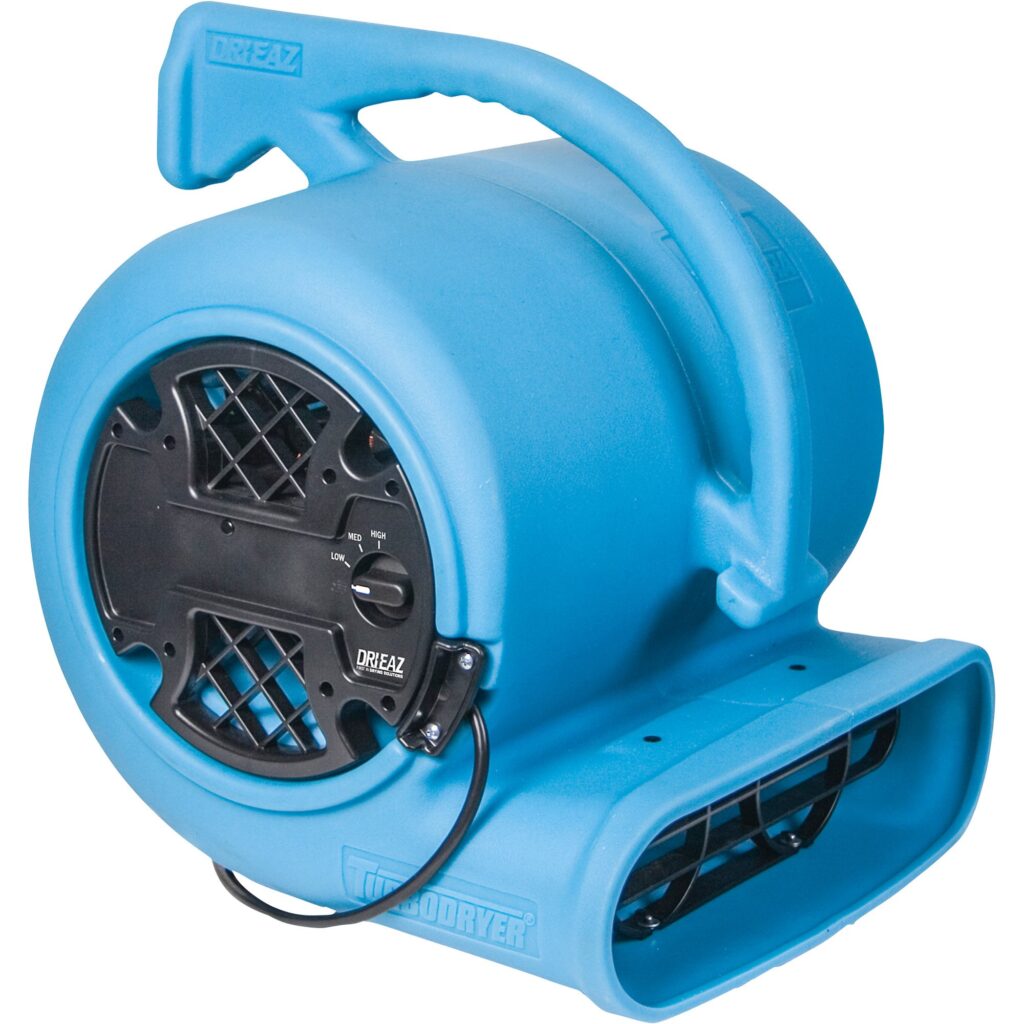
The Dri-Eaz Sahara Pro X3 TurboDryer

Outstanding among its peers, the Fan Rental Rental in Toronto – Dri-Eaz Portable Air Movers / Fans – DryingEquipment.ca is an absolute must-have for a wide range of needs. Industrial businesses, homeowners tackling water damages or even event organizers in need of fast and effective air circulation regularly turn to the Sahara Pro X3 TurboDryer for its remarkable capabilities. This fan achieves excellent airflow, reaching up to 2700 CFM, while consuming a scant 10.7 amps of power – an impressive feat of engineering which combines energy efficiency with peak performance. Easy-to-use and remarkably portable, this unit ranks high in user satisfaction, making it a sought-after piece of equipment on the rental market.

Why DryingEquipment.ca should be your go-to choice in Toronto

So, where does one acquire this powerhouse of a dryer in Toronto? The answer is simple. Home to a wide range of drying equipment, DryingEquipment.ca has you covered. From the Sahara Pro X3 TurboDryer to dehumidifiers, air scrubbers, and heaters, this Toronto-based rental company prioritizes quality equipment and exceptional customer service. With an easy-to-navigate website, finding the right equipment has never been simpler. The company prides itself on its extensive experience in the industry and its competitive rental rates. Indeed, when you’re hiring from DryingEquipment.ca, you aren’t merely renting a piece of machinery; you’re investing in their accumulated knowledge, helpful customer service, and reliable after-rental support. In conclusion, for Torontonians seeking high-performance drying equipment, the Dri-Eaz Sahara Pro X3 TurboDryer rented from DryingEquipment.ca is undeniably the way to go. With this potent combo, even the toughest drying or air-moving challenge becomes an easily surmountable task! So, why wait? Let your journey for efficient drying solutions start today with DryingEquipment.ca.

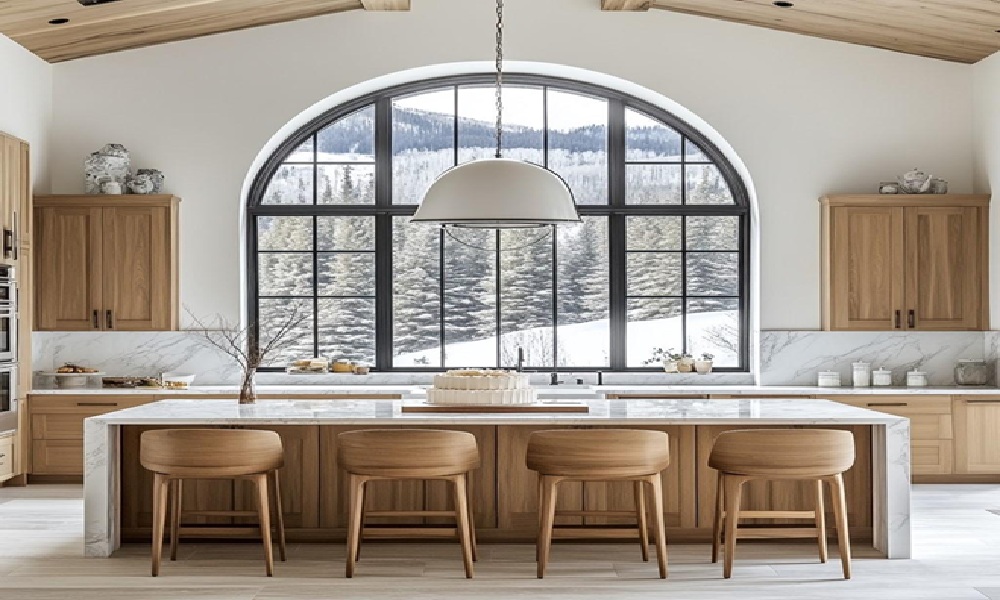
Brown kitchen cabinets have been a favorite in homes for generations. They’re warm, timeless, and incredibly versatile. Whether you’re decorating a charming country kitchen or updating a modern loft, brown cabinets can fit right in. 

The key is how you style everything around them. From lighting and countertops to wall colors and decor, each choice helps shape your space. 

In this guide, we’ll show you how to take your kitchen from classic to modern using brown kitchen cabinets as your foundation.

Classic Charm: Embrace the Warmth of Tradition

For many homeowners, classic kitchens feel like the heart of the home. They’re cozy, inviting, and full of personality. Brown cabinets are perfect for this style because they naturally bring in warmth and a sense of tradition.

Soft Lighting Sets the Mood

In a traditional kitchen, lighting is everything. Go for warm, yellow-toned bulbs to bring out the rich tones of the wood. Soft pendant lights over the island, under-cabinet lights, and even a chandelier can make the kitchen feel cozy and welcoming. Avoid harsh white or blue lights—they can make the space feel cold and lifeless.

Natural Stone Countertops

To match the classic look, use countertops made from natural materials like granite, marble, or butcher block. These surfaces complement the warmth of brown cabinets and add texture to your space. If you prefer lighter tones, beige or cream countertops offer a nice contrast without feeling too modern.

Traditional Hardware Choices

Cabinet hardware plays a big role in the overall look. For a classic feel, choose bronze, brass, or antique-style knobs and pulls. These metals add character and blend well with the natural wood tones. Skip anything too shiny or chrome-colored, which feels more modern than traditional.

Decor That Tells a Story

What makes classic kitchens feel so special? It’s the little things. Display your favorite teapots, old cookbooks, and vintage-style jars. Add open shelving with woven baskets or pottery pieces. These items add personality and make the kitchen feel lived-in and loved.

Transitional Style: Where Old Meets New

Transitional kitchens combine the best parts of classic and modern design. If you’re drawn to both cozy warmth and clean simplicity, this style is for you. Brown cabinets can work beautifully in this setting, offering a solid base to build your design on.

Neutral Walls for a Balanced Look

To keep things feeling fresh, use light wall colors like soft white, pale gray, or gentle blue. These shades help your cabinets pop without making the room feel dark. They also provide a clean backdrop for other elements like art, lighting, and backsplash materials.

Textures That Play Together

Transitional design is all about mixing textures. Try pairing your wood cabinets with a glossy subway tile backsplash, a smooth quartz countertop, or even a polished concrete floor. The goal is to create contrast that’s still cohesive—not clashing, but definitely not boring.

A Mix of Fixtures

In a transitional kitchen, you don’t have to commit to one era. Combine modern and classic elements thoughtfully. You might have sleek pendant lights over a classic wood island. Or a farmhouse sink paired with a minimalist faucet. This style gives you freedom to personalize without looking mismatched.

Function and Flow

This style is also very practical. Think about how your kitchen works—not just how it looks. Create a layout that supports cooking, entertaining, and storage. Add soft-close drawers, hidden trash pull-outs, and other useful features to make your kitchen feel as smart as it is stylish.

Contemporary and Clean: A Modern Makeover

Many people think modern design means white cabinets and shiny surfaces. But brown cabinets can absolutely fit into a sleek, contemporary kitchen—if you style them right.

Bold Countertop Choices

Modern kitchens love contrast. Try pairing your brown cabinets with countertops in bright white, charcoal black, or even dramatic veined quartz. The crisp contrast between dark cabinets and light counters gives the space a bold, high-end look.

Flat Fronts and Long Handles

For a modern look, simplicity is key. Choose flat-front cabinet doors with no fancy trim or grooves. Add long, horizontal handles in matte black, brushed steel, or even gold for a clean, linear appearance. These simple touches make your kitchen feel streamlined and updated.

Open Shelving and Clean Lines

Open shelves break up the heaviness of full cabinetry and add visual interest. Use them to display minimalist dishware, plants, or even modern artwork. Stick to clean lines throughout your design—from the layout of your backsplash to the shape of your island.

High-Contrast Design

One hallmark of modern style is contrast. Try dark brown lower cabinets with bright white uppers. Or go for a black tile backsplash with pale flooring. These choices highlight the cabinetry without making the room feel too heavy.

Small Kitchens: Big on Style

Worried that brown cabinets might make a small kitchen feel even smaller? Don’t be. With smart styling, they can actually add depth and richness without taking up visual space.

Light Walls, Light Floors

Lighten up everything around your brown cabinets. Paint the walls in soft white, cream, or pale gray. Choose flooring in natural oak, light tile, or neutral-toned vinyl. These choices reflect light and make the room feel larger and airier.

Reflective Surfaces

Use shiny or glossy materials to bounce light around. Glass tile backsplashes, stainless steel appliances, or even mirrored cabinet inserts can help open up the space. Keep your cabinet finishes matte to create balance.

Keep it Simple

In smaller kitchens, less is more. Avoid cluttered countertops and bulky decor. Stick to one or two statement pieces—like a colorful rug or modern bar stools—and let the rest of the design stay clean and minimal.

Design Details That Pull Everything Together

Your kitchen isn’t just about cabinets. The materials, colors, and details you choose around them play a huge role in the overall style.

Choosing the Right Backsplash

The backsplash is a great place to make a statement. In classic kitchens, try mosaic tile, beadboard, or even tin tiles. For modern kitchens, go with geometric patterns, sleek glass, or matte ceramic tile. A good backsplash bridges the gap between your counters and cabinets and ties everything together.

Flooring That Works

Brown cabinets go well with many flooring types. In traditional kitchens, opt for warm hardwood or classic tile. In modern spaces, concrete, light gray tile, or even black-and-white patterned floors can look amazing. Just make sure the floor contrasts enough with the cabinets to avoid a “too dark” look.

Windows and Treatments

Don’t forget about natural light. A bright kitchen always feels more welcoming. If you have windows, use light window treatments like linen curtains or bamboo shades. Avoid heavy fabrics or dark colors that can make the space feel closed in.

Personalize with Purpose

Finally, your kitchen should feel like you. It’s a space you use every day, so it should be filled with things that make you happy.

Display What You Love

Use open shelves or glass cabinets to showcase your favorite dishware, mugs, or even cookbooks. Don’t be afraid to mix old and new—your grandmother’s teapot can look great next to a modern coffee maker.

Add Greenery

A few small plants can breathe life into your kitchen. Herbs in windowsills, a hanging pothos, or even a tiny cactus on the counter add freshness and balance to all the wood and stone.

Include a Pop of Color

If your space feels too neutral, add a bold color in small doses. A navy blue rug, a red kettle, or teal bar stools can give your kitchen energy without taking away from the style.

Wrap-Up

Styling your kitchen with brown cabinets doesn’t mean you’re locked into a traditional look. 

From farmhouse charm to sleek modern style, brown cabinets can be adapted to suit your personal taste. It all comes down to thoughtful choices in lighting, colors, hardware, and decor. 

Whether you’re keeping it classic or going contemporary, your kitchen can be both stylish and welcoming—with brown cabinets leading the way.


Idaho’s reputation as an affordable state attracts thousands of potential residents yearly. However, determining whether the Idaho cost of living justifies relocation requires examining specific financial trade-offs and personal circumstances. Recent data shows Idaho’s cost index has risen to 102.9, challenging the perception of it being a budget-friendly destination.

Actual savings depend on the origin location

Moving to Idaho from high-cost states like California or New York can yield substantial savings, while relocating from Midwest states may offer minimal financial benefit. Housing costs in Boise now match cities like Denver and Salt Lake City at a $455,000 median home price. Rural Idaho properties average $275,000, providing more significant savings potential for those willing to live outside urban centres. Utility costs remain approximately 10% below national averages, with electricity rates at 8.5 cents per kWh compared to the national average of 10.5 cents. Property taxes average 0.75% of home value, ranking among the lowest nationally and offering long-term savings for homeowners.

Income adjustments offset living cost benefits

Idaho salaries typically run 15-20% below national averages across most industries:

  1. Technology professionals earn $75,000 versus $95,000 nationally
  2. Healthcare workers make $65,000 compared to $78,000 elsewhere
  3. Teachers receive $48,000 against the $58,000 national average
  4. Skilled trades maintain closer parity at $55,000 versus $60,000

Remote workers keeping out-of-state salaries gain the most financially, while those seeking local employment often find wage reductions consuming potential savings.

Hidden expenses impact overall affordability

Several costs surprise newcomers to Idaho:

  • Vehicle requirements in snow-prone areas add $3,000-$5,000 initially
  • Limited public transportation increases annual fuel costs by $1,200-$2,000
  • Healthcare travel to larger cities costs $500-$1,500 yearly for specialised care
  • Online shopping with shipping adds $300-$600 annually due to limited local retail

These expenses can reduce anticipated savings by 20-30% for unprepared residents.

Long-term financial outlook

Idaho’s 2.5% annual population growth suggests continued cost increases:

  • Housing appreciation averages 8-12% annually in urban areas
  • Property tax rates may rise with infrastructure demands
  • Utility costs face upward pressure from population growth
  • Insurance premiums increase with climate-related risks

Smart investors find opportunities in emerging areas before prices match established markets.

Family considerations affect cost calculations

Families must factor in education and childcare expenses:

  • Public school quality varies significantly by district
  • Private school tuition ranges $6,000-$15,000 annually
  • Childcare costs average $800 monthly, 25% below national rates
  • College options remain limited, potentially requiring out-of-state tuition

These factors can substantially impact family budgets in the long term.

Required lifestyle adaptations

Maximising Idaho’s cost advantages often demands changes:

  1. Embracing outdoor recreation over costly entertainment saves $1,000-$2,000 yearly
  2. Learning home maintenance skills reduces service costs by $500-$1,500 annually
  3. Adjusting to limited dining options saves $2,000-$3,000 per year
  4. Growing personal food reduces grocery bills by 10-15%

These adaptations prove challenging for those accustomed to urban conveniences.

Professional opportunities shape outcomes

Remote workers benefit most from Idaho relocation, saving 20-30% on living expenses while maintaining income. Local job seekers face limited options and lower wages in many fields. Entrepreneurs find growing markets with less competition. Retirees stretch fixed incomes further with lower costs.

Moving to Idaho proves worthwhile for remote workers, retirees, and those seeking specific lifestyle changes. The transition offers fewer advantages for professionals requiring high salaries or urban amenities. Success depends on matching personal priorities with Idaho’s unique combination of moderate costs, outdoor opportunities, and community-focused living.

Good and sustainable outdoor lighting is really important nowadays. For their performance, cost, and environmental friendliness, solar spotlights are a first option. Though many retail shops and online markets carry these lights, smart consumers are buying straight from solar light factory  manufacturers more and more. Not just cost savings, but this approach opens more lighting, better quality, and specialized solutions not available from traditional retail venues. Skipping distributors and stores yields the newest, brightest, most durable solar lighting technology. This direct factory floor connectivity changes the way you light your surroundings by providing unparalleled value and control.

Show Your Savings:  Direct Pricing from Manufacturers

One of the key benefits of purchasing solar spotlights from a production is cost savings. Conventional retail outlets charge for a network of intermediaries who apply their markup. Retailers, distributors, and manufacturers have to pay running costs and turn a profit, therefore affecting consumer pricing. Eliminating these layers allows direct-from— source purchasing to provide factory-direct rates. This saves a great deal and takes you closer to the production cost. Purchasing many spotlights for larger residences or business usage might result in really large savings. Better budgeting comes from direct manufacturer pricing. Investing in better-quality components and complex features will help you to acquire the brightest solar spotlight solution that works better and lasts longer while maintaining within budget instead of paying markups. More light for your money promises better spending; so, your solar lighting investment is lucrative and best uses light and value.

Customizable and creatively innovative from the source

Further benefits of buying from a solar light manufacturer include customizing and innovative ideas. Retailers save basic products for the biggest demand. Your lighting needs might be special, like a certain beam angle, ambiance color temperature, or durability to withstand coastal conditions. Retail cannot equal the personalizing of direct manufacturer relationships. You might talk to the manufacturer about your needs and ask for special lighting or design tweaks. Furthermore encouraging creativity are solar light manufacturers. Their products constantly become better using fresh solar, LED, and battery storage technology. Ordering directly allows you to acquire these innovative ideas sooner than usual retail outlets. You are using creativity, making investments in the most contemporary and effective lighting technologies, and maybe finding the brightest solar spotlight alternatives with features not yet available in retail environments. Direct access to innovation and customizing allows you to create unique lighting solutions fit for your functional and aesthetic requirements.

Better Idea: Get Factory-Direct Solar Spotlights

At last, discerning consumers are choosing purchasing solar lights directly from a manufacturer because it is smart. Attractive are major cost savings by removing intermediaries, improved product quality and reliability resulting from direct production control, and incomparable customizing options and access to the newest solar lighting technologies. Eliminating the middle allows you to obtain direct access to manufacturers most concerned about product quality and performance as well as factory-direct costs. The strongest, longest-lasting, most personalized solar lighting systems are assured by this direct link. Purchasing directly from a solar light manufacturer guarantees the best value and performance for your outdoor lighting investment, thereby enabling you to illuminate your regions effectively, sustainably, and affordably.