Category

Remodeling

Category

Successful family kitchen remodels create separate zones for cooking, gathering and serving food. But the layout is more than picking an island shape or deciding whether or not to open a wall.

The best family kitchen layout starts with understanding how your family uses and moves through the space. Then it’s about finding ways to streamline those patterns and make the kitchen work better for your family.

Plan Around Household Movement

Think about how you and your family members use the kitchen every day. Consider:

Where does traffic flow in the kitchen? Where does the family enter the kitchen from the garage or other parts of the house? Where do bags and totes get set down? How frequently do people walk through the kitchen to get a drink or enter/exit the garage? Do guests gravitate to a certain area of the kitchen, like near the refrigerator?

Keep pathways for entering/exiting the kitchen, setting down belongings and coming and going from other parts of the house separate from the cooking zone. This will help prevent bottlenecks when one person is trying to cross the kitchen and another is cooking. Otherwise, your large kitchen could still feel cramped.

Other things to consider:

  • Make sure there’s an easy-to-access place near the entry for backpacks, groceries, etc.
  • Keep the food preparation zone near the sink, refrigerator and range/stove.
  • Create a separate area for snacks or serving food.
  • Be mindful of where you put kitchen seating – make sure it’s not blocking traffic flow or access to cabinets and appliances.

Zoning your family kitchen in this way will make it easier for multiple people to be in the kitchen at the same time – whether that’s cooking dinner together, doing homework at the island or hosting a holiday dinner party.

What Should the Island and Work Zones Do?

Don’t Use the Island Just for Counter Space

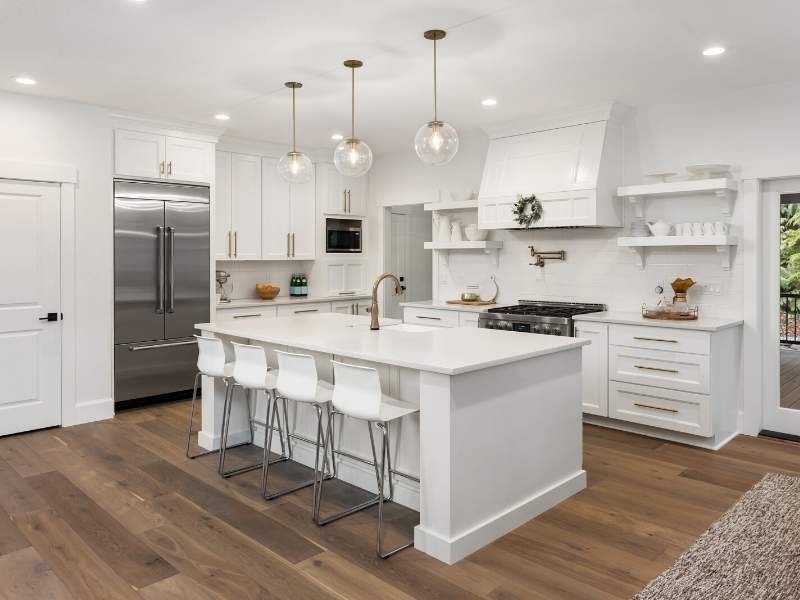
In a family kitchen, the island shouldn’t just offer more counter space – it should help separate the different zones in the kitchen and provide storage where needed.

Use one side of the island for food preparation, with drawers for utensils, mixing bowls and other items used frequently for mealtime. The other side can include kitchen seating for family members, additional counter space for packing lunches, a secondary sink or beverage center. Simon Joseph Custom Homes outlines how its remodeling services address kitchen layouts and features at https://simonjosephcustom.com/kitchen-remodeling/.

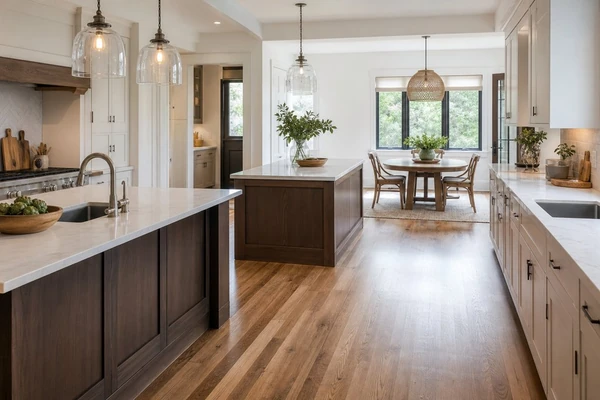
Give the island plenty of breathing room – at least 42 inches around any active side of the island where there’s seating or you regularly open drawers and cabinet doors. Otherwise, you risk people and cabinet/chair legs colliding more than once or twice!
Article image

An alternative to a large island could be two smaller islands to maintain good traffic flow in a very wide kitchen, or an island and separate kitchen table.

Group Related Functions Together

Instead of spreading your kitchen’s features and appliances around the kitchen, it’s better to group them according to how they’re used.

The Main Cooking Zone

This is where you’ll cluster the sink, stove/range and oven, along with storage for food preparation. Make sure there’s plenty of counter space in this area and add extra task lighting. Where possible, keep this area separate from foot traffic to avoid bottlenecks.

Storage and Long-Term Flexibility

Think About What You Need to Store

Beyond just looks, think about what you need to store, especially if you have a large family. Where will you put serving dishes, small appliances, bulk groceries, lunch boxes, etc.?

Kitchen islands can be a great place to add storage for pots and pans in deep drawers, but make sure they’re within easy reach of the cooktop/stove. Locate a pantry where you enter groceries into your home so it’s easy to unload groceries and put them away. Think about other storage opportunities, like tall cabinets for less frequently used items (platters, etc.), pullouts for the trash/recycling, a dedicated spice rack, etc.

Depending on who uses the kitchen, place frequently used items in easy-to-reach spots for independent access, consistent with Cleveland Clinic’s fall-prevention guidance at health.clevelandclinic.org/fall-prevention. Save upper cabinets for infrequently used/seasonal items.

To determine how to best utilize your storage space, start with an inventory of what you’re storing, especially anything that’s overflowing.

Utilize the Perimeter

It’s easy to focus on filling the center of a large kitchen, but don’t overlook opportunities to use the perimeter of the space to improve its functionality for your family. Ideas include:

  • a built-in desk or charging cabinet for homework, projects, paperwork
  • a seating nook
  • a counter near the entrance to your kitchen to corral takeout bags, groceries, packages, etc.

These can be incorporated into your family kitchen in a way that feels cohesive without distracting from the primary focus of the space.

Design With Your Family’s Needs in Mind – Now and in the Future

Think about your family’s daily rituals, and incorporate as many as possible into your kitchen design. Keep in mind that as your family changes and grows, so will your needs and rituals. Invest in flexible storage, seating and traffic flow over trendy elements to make sure your kitchen will stand the test of time.

Before finalizing your family kitchen design, walk through your typical morning routine, cooking dinner, unloading groceries, cleanup, etc. with your remodeler to identify any choke points or trouble spots.
You want a kitchen and bathroom that work hard, look clean, and pass strata checks the first time. I spend my time guiding owners through tight layouts, strict rules, and the choices that move the needle.

If you are planning apartment renovations in Sydney, you need a plan that respects your building, protects your budget, and delivers a neat finish. The ideas below come from what I see succeed in real apartments across the city. I focus on layouts that save space, storage that adds daily value, and selections that hold up to Sydney’s climate and strata standards.

You will leave with a clear plan for design, approvals, timing, and build steps you can follow.

Start With Strata and Services

Before you sketch a layout, map the rules and the risks.

  • Read your by-laws. Note noise windows, lift bookings, waste removal, and working hours.
  • Confirm where you can vent a rangehood or exhaust fan. Check if ducting to outside is allowed.
  • Get clarity on waterproofing, certificates, and what your strata wants at sign-off.
  • Photograph existing conditions. Note service points. A small move in plumbing can ripple through time and cost.

If you want one team to steer this, Fine Touch Group is worth a look. They are a family-owned Sydney company with more than 30 years in apartments. They plan projects around strata limits, prepare by-laws, handle approvals, and supply certificates. Their fixed-price approach, 3D models with quotes, and single project manager help you set expectations before work starts. Bathroom waterproofing comes with a six-year warranty, which gives peace of mind in a wet area.

Kitchen Strategies That Fit Sydney Apartments

Think in zones first. Cooking, prep, clean, and store. Then fit those zones into the layout your space allows.

  • Pick a layout that suits your shell. Galley for long rooms. L-shape for open corners. A small peninsula if you need casual seating.
  • Swap base cupboards for full-extension drawers. Drawers store more and keep items in reach.
  • Run wall cabinets to the ceiling. Use a small shadow line for a clean finish and to avoid dust ledges.
  • Use a slim pantry with pull-out hardware. Shallow shelves avoid dead zones.
  • Choose compact appliances. A 60 cm oven, 60 cm cooktop, and an integrated dishdrawer free space for storage.
  • Pick induction for safety and an easy clean surface.
  • Plan lighting in layers. LED strips under wall cabinets for task light. A simple ceiling light for general light.
  • Go for durable finishes. Porcelain benchtops or quality engineered stone hold up well. Large-format splashback tiles reduce grout lines.
  • Add power where you need it. Place outlets for bench appliances and a vacuum point near the floor.
  • Vent well. If you can duct outside, do it. If not, select a rangehood with good filters and a service plan.

Bathroom Strategies That Pass and Last

Small bathrooms need clear lines and a dry floor. Keep it simple and solid.

  • Use a walk-in shower with a fixed glass panel and a linear drain. It feels open and keeps water in the shower zone.
  • Choose a wall-hung vanity to free up floor space and make cleaning easier.
  • Recess a niche in the shower and a mirrored shaving cabinet above the vanity. You gain storage without clutter.
  • Tile floor to ceiling with large-format porcelain. Pick a slip-rated tile for the floor. Use matching grout for a calm look.
  • Install quality mixers and a rail shower. Thermostatic options keep the temperature steady.
  • Vent with a proper exhaust fan. Duct outside if your building allows it.
  • Add a heated towel rail. It helps towels dry and keeps the room tidy.
  • Ask for certified waterproofing with a clear warranty. This is the line between success and leaks.

Fine Touch Group’s bathroom service includes certified waterproofing and the paperwork strata wants. They advertise 14-day completion for qualifying bathroom projects, which suits owners who need a tight program.

Finishes That Suit Sydney Light and Climate

Sydney apartments face salt air, humidity, and strong light. Choose finishes that handle all three.

  • Use matte or satin cabinet fronts in light tones. Pair with warm timber accents for balance.
  • Pick brushed nickel or gunmetal tapware. Both hide marks better than polished chrome.
  • Avoid porous stones in wet zones. Go with porcelain or quality engineered stone.
  • Use solid-core doors in bathrooms and laundries to resist moisture.

Timelines, Budgets, and Staging

Set your plan around lead times and access.

  • Lock your layout before you order. Changes on site burn time and money.
  • Order fixtures, tiles, and appliances before demolition. Store them off site if your building has tight access.
  • Book the lift and notify neighbours. Protect common areas with covers and corner guards.
  • Build in the right order. Services rough-in, waterproofing, tiling, joinery, benchtops, then final fit-off.

If you want support with timing and price clarity, Fine Touch Group uses fixed-price contracts and provides a project manager. They advertise 18-day kitchen renovations for qualifying projects and zero deposit terms. For full apartments, they quote from $85,000 for one bedroom, $110,000 for two, and $140,000 for three, with strata tasks handled as part of the job. They also give access to a Harvey Norman commercial account for appliance savings, which can ease budget pressure.

A Simple Plan You Can Follow

1. List your must-haves and nice-to-haves for both rooms.

2. Measure the space and draw a scale plan.

3. Mark all services and consider what can move within reason.

4. Select tiles, benchtops, cabinetry finishes, and fixtures early.

5. Prepare a fixtures list with model numbers and lead times.

6. Draft your by-law request and get strata feedback.

7. Secure quotes with clear scope, timeline, and warranties.

8. Book lift times, protect common areas, and set waste removal.

9. Run a final check of waterproofing, falls, and ventilation before tiling.

10. Keep a defects list during fit-off and close it out at handover with certificates.

Why I Recommend Fine Touch Group for Apartments

They focus on apartment work across Sydney and understand strata rules, building access, and the paperwork that can stall a job. They bring a fixed-price process, free 3D design with quotes, and clear timelines for kitchens and bathrooms. A licensed and insured team with a long track record gives you fewer surprises and cleaner handovers. If you want one point of contact who can steer approvals, trades, and sign-off, they fit that brief.

Mistakes To Avoid

  • Oversizing appliances that choke storage.
  • Moving plumbing stacks without a plan or approval.
  • Skipping ducted ventilation where allowed.
  • Choosing porous or high-maintenance finishes for wet areas.
  • Rushing waterproofing or tiling before cures and checks.
  • Forgetting power points and task lighting at prep zones.

Your kitchen and bathroom can be compact, sharp, and easy to live with. Set your rules first, design to the room you have, and pick a builder who knows strata. With a smart plan and the right team, you can deliver a clean result that holds value and makes daily life simpler.

If your family is bursting at the seams of your Miami Gardens home, remodeling can help you make better use of the space you already have. However, adding an entire second story may not be necessary. Even if your home feels small for a growing family, it may have plenty of potential if the rooms are redesigned to better suit your needs.

Remodeling Miami Gardens homes isn’t always about knocking down walls and “opening everything up.” While certain modifications to your floor plan can make cramped rooms feel more spacious and improve how they connect to one another, a well-planned remodel can make the most of your home’s existing square footage on a single level.

Here are some of the most common challenges homeowners face with older homes and ideas for addressing them during a remodel. If you’re considering remodeling in Miami Gardens, these strategies can help you determine which changes will have the greatest impact.

Household Pressure Points

Many older homes have kitchens that are closed off to the rest of the house; formal living rooms that get little use; bathrooms located in the hallway that can’t accommodate a whole family in the morning, especially homes that have only one bathroom; Florida rooms that get used as storage. Remodeling can open up cramped kitchens; carve out storage space that didn’t exist before; convert under-used living rooms into multipurpose rooms for homework and play; convert a closet into a compact shower; reclaim Florida rooms and make them into playrooms.

Before you plan the kitchen’s new color scheme or the family room’s carpeting, sit down as a family and make a list of the most annoying shortcomings in the way your house works on a daily basis. Start there.

Layout and Sightlines

Removing all of the walls between the kitchen and family room may not always be the best idea. Walls provide surfaces for pantries and other cabinets, refrigerators, etc. Removing one could lead to reconfiguring the kitchen, which can become expensive.

Consider removing only part of a non-structural wall. If there’s a load-bearing wall between the kitchen and family room – if you want the source, it’s https://washingtonpost.com/news/where-we-live/wp/2017/01/31/before-you-remove-a-wall-determine-if-it-is-load-bearing, talk with your contractor about leaving part of it in place. A partial wall can make it possible to add a peninsula, which gives you additional countertop space that’s convenient for seating and a place to unload groceries. Make sure there’s enough room around the peninsula for traffic. Aim for roughly 36″ clearance at a minimum, but wider aisles may be practical, especially if there are places where two people might pass behind someone who’s seated.

A formal living room might make a great space for a homework and playroom if it’s connected to the kitchen. Kids may be happier with a place to do projects within earshot of Mom, especially if it’s away from the TV and their bedrooms. Built-in shelving or cabinets and a long countertop for projects would make the room functional and convenient. Flooring should be durable and easy to keep clean. Partial walls, pocket or swinging doors and other space-saving methods of dividing the room could be helpful if the family likes having a clearly-defined room for projects and homework.

Florida Room Uses

Article image

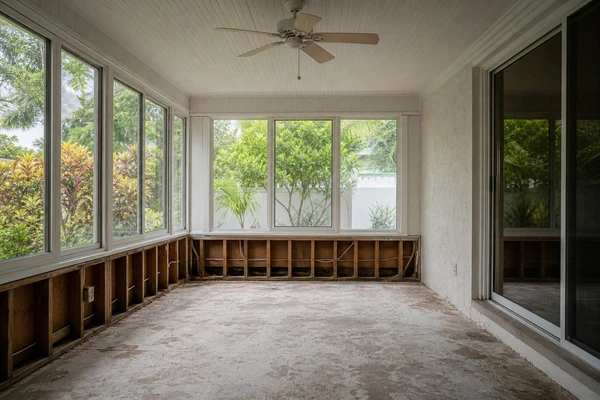
A Florida room that gets little use could become a casual eating area, family room, a study, playroom or some combination of uses if it’s enclosed and permitted. If the room has been poorly maintained, has been converted from a screened-in to an enclosed space without permits and/or suffers from moisture problems, have those fixed before you get carried away with decorating. Check with your contractor that the roof is insulated, install ceiling fans, window shades or other types of glass and window treatments to help with energy efficiency. Have your contractor determine whether your A/C will be adequate. Especially in a room that has a west-facing wall of windows.

Storage and Systems

Look for ways to incorporate more storage during a remodel. A small, compact shower might be feasible by converting a linen closet that’s close to the hall bath in a house that only has one bathroom. Check with your contractor whether it will work for your floor plan and the closet’s dimensions, plumbing, building codes and ventilation. Other storage to consider:

  • A tall pantry or other type of cabinet in or near the kitchen
  • Cubbies, shelving, etc. to corral shoes, purses, homework, etc. in the foyer. A place to “dump” things when the family enters the house makes life easier
  • A few cabinets with doors for homework, craft and other supplies in a former living room that’s becoming a multipurpose family/homework/playroom
  • Storage within seating in the form of bench-type furniture in Florida rooms
  • A utility/storage area for brooms, vacuums, etc.

Cooling and Comfort

Open up an enclosed kitchen for better sightlines into the family room, reclaiming the Florida room for year-round use and turning a seldom-used living room into a multipurpose family room all mean that areas of your house will be joined that were separate before. Air circulation will be different. Noise levels may be too.

Natural light may pour into areas of the house that didn’t get it before. Make sure the amount and direction of sunlight will be comfortable, especially during hot, humid summers in South Florida. Nobody wants glare on a homework table, a couch that’s too sunny or a TV that will be difficult to see during the day.

In terms of air conditioning, it’s not necessarily a matter of your unit’s capacity. The placement of supply and return-air vents and ductwork design, insulation, etc. all come into play when it comes to adequate and efficient cooling. Have your contractor review the situation and propose solutions.

As you plan a remodel with an eye toward rearranging your home’s floor plan, jot down how you use different rooms during the day, measure your hall bath for morning congestion, take pictures of your closets’ innards and do an inventory of everything that gets stored in the Florida room.

Maximizing space in your tiny house while maintaining its cozy charm can be achieved through strategic room expansions. Companies like My Home Builders, Inc. offer premier destination services for top-notch room additions in Los Angeles and high-quality room expansions in Van Nuys, CA. These professionals specialize in seamlessly integrating additional rooms into compact homes, ensuring a seamless blend of functionality and aesthetic appeal.

Considering the limited square footage of a tiny house, strategic planning is key when contemplating room additions. My Home Builders, Inc. provides top-tier room additions in North Hollywood, CA, and high-quality room additions in Glendale, CA. Their expertise lies in crafting innovative and space-efficient solutions, allowing homeowners to optimize their living spaces without compromising comfort or style.

In this blog post, we will explore the benefits of room additions in tiny houses, considerations to keep in mind before embarking on a project, popular room addition ideas, tips for maximizing space, and design tips to create a comfortable and visually appealing living environment. 

Benefits of Room Additions in Tiny Houses

Increased living space

One of the most significant advantages of room additions in tiny houses is the increased living space they provide. By adding an extra room or expanding an existing one, you can create separate areas for different activities, such as a home office, a guest room, or a dedicated space for hobbies and crafts.

Enhanced functionality

Room additions also enhance the functionality of a tiny house. With additional space, you can incorporate amenities that may have been difficult to include before, such as a larger kitchen or a bathroom with more storage. This allows for a more efficient use of the available space and improves the overall functionality of the home.

Improved comfort and convenience

Adding rooms to a tiny house can greatly enhance comfort and convenience. For example, having a separate bedroom can provide privacy and a better night’s sleep, while a dedicated dining area can make meal times more enjoyable. Room additions can make everyday living more comfortable and convenient, improving the overall quality of life.

Higher resale value

Investing in room additions can also increase the resale value of your tiny house. By adding functional and well-designed spaces, you make your home more attractive to potential buyers. This can result in a higher selling price and a quicker sale when the time comes to move on.

Considerations for Room Additions in Tiny Houses

Building regulations and permits

Before undertaking any room addition project, it’s essential to familiarize yourself with local building regulations and obtain the necessary permits. Regulations vary depending on the location, and it’s crucial to ensure compliance to avoid legal issues and complications down the line.

Budget and cost considerations

Room additions can vary significantly in cost, depending on the complexity of the project and the materials used. It’s important to set a realistic budget and consider various cost factors such as materials, labor, and any additional expenses like permits or architectural plans. Planning ahead and obtaining multiple quotes can help ensure that the project stays within budget.

Utility connections and infrastructure

When adding a room to a tiny house, it’s crucial to consider utility connections and infrastructure. Will the new room require plumbing, electrical, or HVAC services? Ensuring that the necessary connections and infrastructure are in place or can be added without significant cost will contribute to the success of the project.

Long-term maintenance and durability

When planning a room addition, it’s important to think about long-term maintenance and durability. Choosing high-quality materials and construction methods can help ensure that the new space remains functional and in good condition for years to come. Additionally, considering maintenance requirements and ease of upkeep will minimize future headaches.

Utilizing Multi-functional Furniture in Tiny House Room Additions

In tiny house room additions, making efficient use of limited space is essential. One way to maximize functionality is by utilizing multi-functional furniture. For example, a sofa bed can serve as both seating during the day and a bed at night, while a dining table with built-in storage can provide a place to eat and store items. Look for furniture that can serve multiple purposes to make the most of your room additions.

Popular Room Addition Ideas for Tiny Houses

When it comes to room additions in tiny houses, there are many creative ideas to consider. Some popular options include:

  • Loft bedrooms: Utilize vertical space by adding a loft bedroom above the main living area.
  • Home offices: Create a dedicated workspace with a desk, storage, and ample lighting.
  • Bathroom expansions: Increase the size of your bathroom to incorporate additional features like a larger vanity or a bathtub.
  • Outdoor living areas: Extend your living space outdoors with a deck or patio for entertaining and relaxation.

Maximizing Space in Tiny House Room Additions

When working with limited space in tiny house room additions, maximizing every square foot is essential. Here are some tips to help you make the most of your room additions:

  • Use built-in storage solutions to keep belongings organized and minimize clutter.
  • Utilize wall space for shelving and hanging storage.
  • Choose furniture with hidden storage compartments.
  • Opt for foldable or collapsible furniture that can be easily stored when not in use.
  • Consider utilizing the space under stairs or in alcoves for additional storage or functional purposes.

Design Tips for Tiny House Room Additions

Utilize vertical space effectively

In tiny house room additions, vertical space is valuable. Make use of tall shelves, bunk beds, or loft areas to maximize storage and create a sense of height in the room.

Opt for light colors and natural light

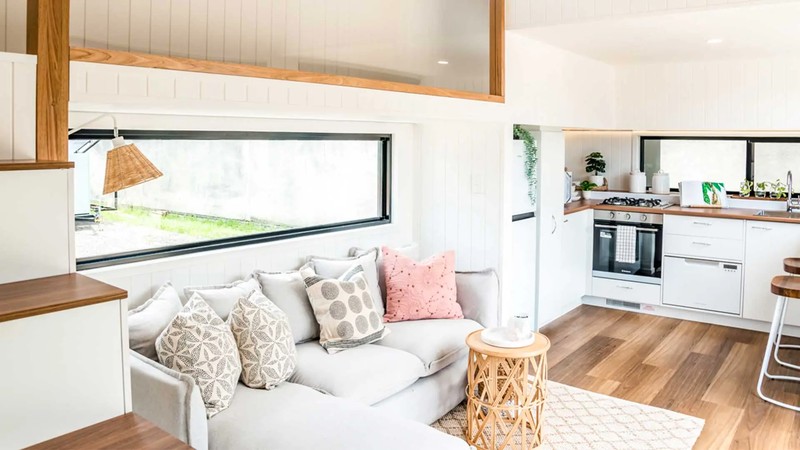
Light colors can make a small space feel larger and brighter. Choose neutral tones or pastel shades for walls and furniture. Additionally, maximize natural light by incorporating large windows or skylights into your room additions.

Choose compact and multifunctional furniture

When selecting furniture for your room additions, opt for compact pieces that can serve multiple purposes. Look for pieces with built-in storage or folding capabilities to make the most of the available space.

Use mirrors to create an illusion of space

Strategically placing mirrors can make a room appear larger and more open. Reflecting light and extending the visual boundaries, mirrors are an excellent tool for maximizing the perceived space in a tiny house.

Consider open floor plans and flexible layouts

Open floor plans and flexible layouts can create a more spacious and versatile feel in your room additions. By eliminating unnecessary walls and barriers, you can optimize the flow of the space and adapt it to different needs and activities.

Conclusion

Room additions can be a game-changer for tiny house living, providing increased space, enhanced functionality, improved comfort, and potentially higher resale value. However, it’s important to consider building regulations, budget, utility connections, and long-term maintenance when planning room additions. Utilizing multi-functional furniture, incorporating popular room addition ideas, and employing design tips can help maximize space and create a visually appealing living environment. With careful consideration and creativity, you can transform your compact house into a comfortable and functional home.


In only the past three years, remote work has exploded in popularity. This is due in part to the lockdown but also to the fact that workers have discovered how much time they save each day without having to commute. Many companies now see the advantages of this setup and permit their workers to work remotely and from home.

That’s why it’s crucial to set up a home office in a way that encourages maximum efficiency (and inspiration). For this reason, we have compiled this manual to assist you in setting up the perfect home office.

The Groundwork Must Come First: Flooring for Your Home Office

It’s important to get the base built properly before proceeding with the remainder of the interior design. Selecting the appropriate flooring for your home office is crucial to your comfort and productivity in the area because it will have a major impact on how the room looks, feels, and works.

Flooring for a home office should be chosen with durability in mind.

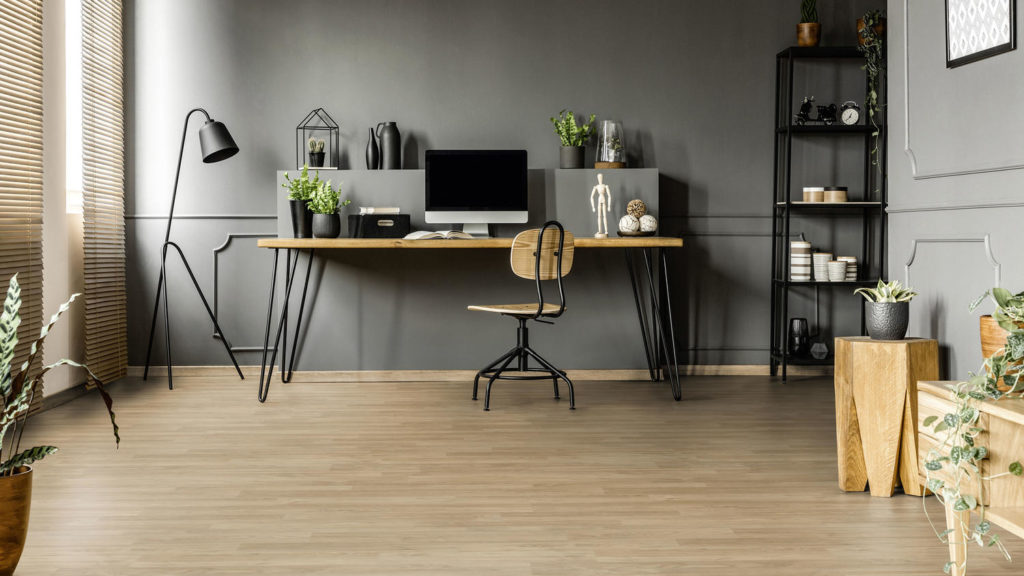
The flooring you choose for your home office should be durable because it will be used frequently. Because of the frequent movement it will undergo, office chairs do not benefit from having floor protectors affixed to their legs in the same way that other pieces of furniture do. Because of this, your home office would benefit from scratch-resistant floorings, such as hybrid floors.

Simple Maintenance

It’s not uncommon for people to spill their morning coffee on the office floor first thing in the morning. Visitors to your home office might not always remember to clean their feet or remove their shoes, and pens have a nasty habit of bursting just when you need them the most. Because of these concerns, you should choose a flooring material that is stain resistant and simple to clean.

Audible Levels

The right flooring might make all the difference if you spend a lot of time on the phone or in video conferences. This is helpful in general, but it’s especially helpful for people who need to have private conversations with their bosses or clients without being interrupted by echoes or loud footfalls.

Vinyl plank flooring is an excellent choice if you need to minimise the noise in a busy room or simply prefer a quieter environment. These floorboards are great for office spaces because of the sound they absorb due to their softer structure.

To protect your genuine timber floors from being scratched by rolling chair wheels and furniture feet, consider placing rugs on these areas.

General Trend

The flooring of your home office may not seem like it would have any bearing on your productivity, but it is actually the most important consideration in this part.

It’s vital to get the foundation of your design just right so you can create the ideal place, since while loud floors are bothersome, a room that doesn’t have the proper vibe may straight out ruin productivity.

If your home office is on the smaller side, opting for carpeting with a lighter tone might make the room feel more open and airy. Darker-hued flooring, on the other hand, is cosier but can make a room feel cramped, so it’s best saved for larger areas. Floors in a medium shade can be used to create the impression of greater space or to make the room feel cosier, depending on the rest of your design.

Colour Schemes for the Home Office

Did you know that the paint on your walls can have a major effect on how much work you get done? For instance, walls painted a pale colour like green or blue have been shown to increase productivity and contribute to a sense of well-being. Warm, pale yellows, on the other hand, are more conducive to invention and can help keep the creative juices flowing if you work in a creative or inventive field.

Your level of comfort and ability to get work done in your home office will also be greatly influenced by the furniture you choose for the room. We advise picking out storage-heavy, ergonomic furniture for maximum comfort and a clutter-free workspace.

Furniture

To maintain harmony while leaving room for the expression of individuality through furnishings and accents, we advise going with black, white, or natural wood tones as the primary colour scheme. Another option is to choose colours that either match or contrast with your floors, depending on the overall aesthetic you’re going for.  

Lighting

It’s vital to get the lighting in your home office just right, as it may have a significant impact on your well-being, as well as your mood and productivity. You should allow plenty of natural light to enter the room and complement it with well-placed artificial lighting. Light up any dark spaces with lamps and replace any existing down or ceiling lights with LED ones that emit cool light that simulates natural brightness.

You should also check that the brightness of your computer’s or laptop’s screen is set properly and that any appropriate eye protection settings are activated.

Controlling Temperatures

It’s important to keep your home office at a temperature that allows you to work comfortably, as extremes of hot and cold might make it difficult to focus on the tasks at hand. However, this is more complicated than putting in a split system.

A room’s perceived warmth or coolness can be affected by factors other than its actual temperature. For instance, the natural hardwood finish of timber flooring is a terrific way to give cosiness to an otherwise cold room. As an analogy, a room that is generally too hot and stuffy can be made more bearable by installing floors in a cool colour scheme.

The sound of running water, such as that produced by a fish tank’s filtration system, can also help to make a room feel cooler, while the presence of soft furnishings, such as a couch or armchair in which to sink while working on a laptop, can make the space feel cosier.

Accessories

After you’ve settled on the more substantial aspects of your home office, it’s time to add the finishing touches.

Indoor plants are a favourite of ours since they assist in purifying  the air and bring a touch of nature into the home, both of which are great for our mental health.

To further alleviate pressure on your back and neck, you may want to consider installing a stand for your desk to hold your computer monitor at eye level. Putting a laptop on the stand and using a separate keyboard is another option for accomplishing this.

The aesthetic design of a home office, beyond the inclusion of necessary accessories, is open to personal expression so long as the area is conducive to efficient work. You can easily change out tiny accessories and finishings to experiment with new colour palettes and textures without worrying about breaking any rules.

The information presented here should help you get started planning out the specifics of your ideal home office. Before committing to a design, think carefully about how each proposed change would affect the functionality, comfort, and aesthetics of the room.

Contact a local hybrid flooring expert for advice on finding the ideal flooring for your home office, which should serve both practical and aesthetic needs. When you’re finally working in your dream office, you’ll be thankful you took the time to talk to your professional about your options.

Infographic Provided By Container Alliance, a top company to get a shipping container rental

Did you know that you can invest in matte kitchen cabinets and create a dreamland in your kitchen space? You will be surprised at how lovely this kitchen remodeling idea is for your home. 

Check out these unique benefits of installing matte cabinetry in your kitchen. 

  • Creates a minimalistic look 

Many homeowners are now struggling to make their kitchen spaces minimalist. It is a trend that you cannot avoid, thus, the need to invest in a set of cabinets that can help you achieve this. Matte kitchen cabinets are minimalistic and create an airy ambiance in the kitchen. For them to work well, you will need to declutter your kitchen space so that the overall minimalistic idea is emphasized. 

  • Hides fingerprints and smudges 

Homeowners with busy kitchen spaces are bound to leave fingerprints on their surfaces. However, this won’t be your worry if you are investing in matte cabinets. They are excellent at hiding fingerprints and smudges. You will still need to wipe them once in a while to avoid stubborn stains. 

  • Easy to clean 

You don’t need a special cleaning solution to clean your matte kitchen cabinets. They are super easy to clean. They can with the use of a soft cloth soaked in warm water and soap. 

  • Durable 

This type of kitchen cabinet is durable because it can withstand peeling, fading, and scratches. These are some of the things that make you want to replace your kitchen cabinets. Therefore, if you can find a way of dealing with them, you will have a set of durable cabinets in your kitchen. 

  • Elegant look 

Dark colors always have an elegant appearance. It won’t be any different in your home if you install matte kitchen cabinets. They can create a sense of elegance that is associated with wealth. 

  • Works with other styles 

Another reason why you need matte cabinets in your kitchen is that they can work well with all decorations and styles in the kitchen space. They are versatile and accommodate a variety of external additions. 

  • Timeless 

This is a cabinetry option that is timeless. You will never find it out of fashion. This means that you don’t have to worry about keeping up with the trends in real estate. 

Conclusion 

There is enough persuasion for you to consider installing matte kitchen cabinets in your home. 

Bathrooms are one of the most important rooms in our homes. Not only are they essential for our daily hygiene routines, but they also serve as a place of relaxation and rejuvenation. Therefore, it is crucial to create a space that is both functional and aesthetically pleasing. One of the most critical elements of any bathroom is the vanity. It is a focal point and provides storage space for all your bathroom essentials. If you want to upgrade your bathroom, a 48″ vanity is an excellent choice. In this article. We’ll highlight our top picks for 48″ vanities in Canada that will elevate your bathroom to the next level.

The Simple Home Chelsea 48″ Bath Vanity

The Simpli Home Chelsea 48″ Bath Vanity is a beautiful and functional option for any bathroom. It features a white quartz marble top, an under-mounted oval sink, and plenty of storage space with two doors and three drawers. The frame is made from solid wood, which ensures durability and longevity. This vanity is also easy to install, making it an excellent option for DIY enthusiasts.

The Wyndham Collection Andover 48″ Vanity

The Wyndham Collection Andover 48″ Vanity is another excellent option that is sure to impress. It features a beautiful ivory marble countertop with a matching backsplash, two oval under-mounted sinks, and plenty of storage space with four doors and three drawers. The frame is made from solid oak and is finished in a rich dark cherry color, which gives it a timeless and elegant look. This vanity also has a matching mirror, which completes the look and provides added functionality.

The CCSUPPLY 48″ Vanity

The CCSUPPLY 48″ Vanity is a sleek, modern option for contemporary bathrooms. It features a stunning white Carrera marble top, an under-mounted rectangular sink, and plenty of storage space with four doors and two drawers. The frame is made from solid poplar wood and is finished in a beautiful espresso color, which gives it a unique and sophisticated look. This vanity also comes with brushed nickel hardware, which adds a touch of elegance and style.

The Foremost Naples 48″ Vanity

The Foremost Naples 48″ Vanity is a classic and elegant option for traditional bathrooms. It features a beautiful white Carrera marble top, an under-mounted rectangular sink, and plenty of storage space with four doors and three drawers. The frame is made from solid wood and is finished in a warm and inviting warm cinnamon color, which gives it a timeless and sophisticated look. This vanity also comes with brushed nickel hardware, which adds a touch of elegance and style.

The Virtu USA Caroline 48″ Vanity

The Virtu USA Caroline 48″ Vanity is a luxurious, high-end option that will impress you. It features a beautiful Italian Carrara white marble countertop with a matching backsplash, an under-mounted square sink, and plenty of storage space with four doors and six drawers. The frame is made from solid oak wood and is finished in a rich espresso color, which gives it a sleek and modern look. This vanity also comes with chrome hardware, which adds a touch of luxury and sophistication.

Upgrading your bathroom with a stunning 48″ vanity is a great way to create a functional and stylish space. With so many great options available in Canada, it can take time to choose the right one. However, by considering factors such as your style, the size of your bathroom, and your budget, you can find the perfect vanity that will meet your needs. By investing in a high-quality vanity, you can create a bathroom that is sure to impress your guests and provide you with.

Many homeowners always fail to remodel their kitchen spaces even when they are expected to do so. It could be that they don’t know when they should remodel their kitchen space.

So, when is the right time to change your old cabinets and install new black kitchen cabinets? Several suggestions could help you know if you need to remodel your kitchen.

Signs that you need kitchen remodeling

Inadequate storage

How adequate is your storage? This is a key question that you need to answer objectively to know if you are in need of extra storage space. Analyze your storage needs to see if you have sufficient storage.

If you find that you don’t have enough storage, you should think about creative ways of enhancing your storage. Some of the reasons why your storage space could be inadequate include growing needs and the expansion of the family.

Outdated cabinetry 

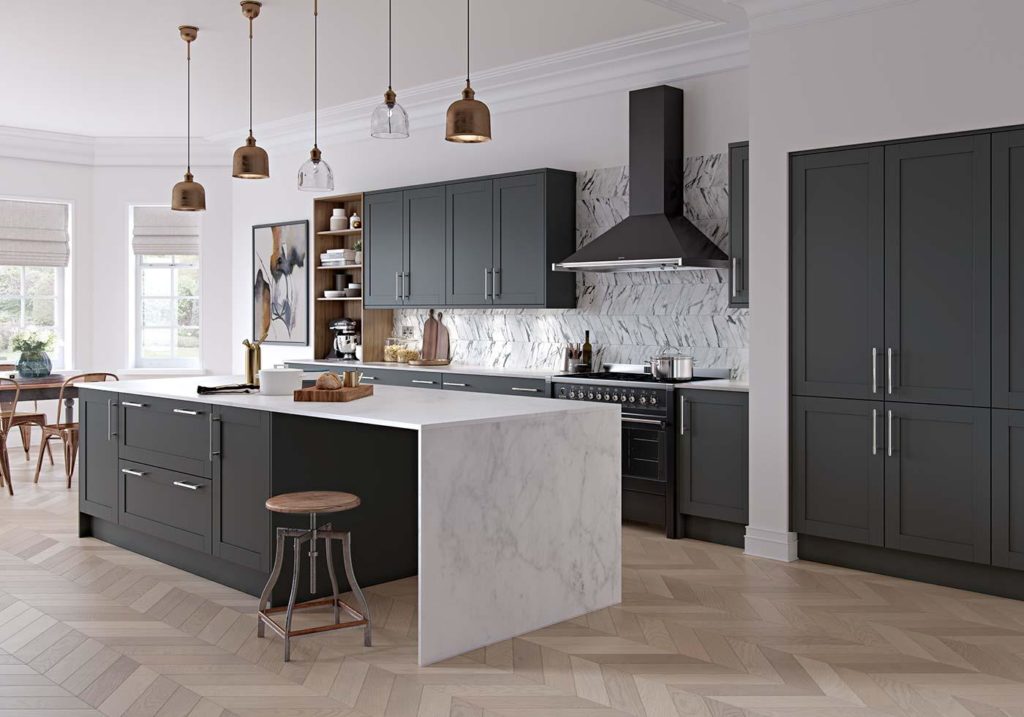
Many homeowners have outdated cabinets that do not have any aesthetic appeal. You should replace such cabinets with new black kitchen cabinets. Such enhancements bring a fresh look to the kitchen and create a wonderful atmosphere in the kitchen space.

You can also decide to add new kitchen cabinets that will also absolve the need for more storage in your kitchen.

Outdated appliances 

You should also check your appliances and evaluate their effectiveness in your kitchen space. Are they meeting your current demand in terms of efficiency? If they are not, then buy new appliances that will keep up with the pace of your kitchen needs.

When buying new kitchen appliances, keep in mind modern needs and opt for energy-friendly appliances.  

Poor lighting 

The importance of lighting cannot be emphasized enough. You need sufficient lighting in your kitchen, especially if you have black kitchen cabinets installed. Think about ways of adding more light into the kitchen space if you feel your lighting needs are not met.

Ideally, natural light is preferred but you can also add light fixtures if you are operating on a limited budget.

Poor layout 

The layout of your kitchen needs to be effective enough for you to move around freely. If by any chance you are unable to be effective in your kitchen, you need to redesign the working space. You can work closely with an interior designer to give you all the options for a working kitchen space.

Summarily, 

Your kitchen space needs to be perfect because you use it often. You can start your remodeling ideas with a quick installation of black kitchen cabinets that fit the demands of your kitchen space.


Remodelling a home can be a great way to improve your living space, but it’s not something that should be taken lightly. There are many things to consider before you start looking for a contractor to help with the project. This guide will look at the list of tips for finding home renovation specialists that will help you narrow down your options so that you end up with an excellent contractor that fits your budget and meets all your needs.

Here is the list of suggestions for you:

Be specific about the type of project you want to take on:

The first step in the process is to be specific about the type of project you want to take on. Do you have a budget in mind? Are there any specific features you want to add to your home, such as an outdoor kitchen or media room? Do you want to keep the original style of your home or do you prefer more modern designs?

Once you’ve answered these questions and identified what it is exactly that appeals most closely to what suits your needs and lifestyle, then it’s time to start searching for professionals who can help bring those ideas into reality!

Make sure they are licensed, bonded, and insured:

Before you hire a home renovation specialist, make sure they are licensed in your state. It means that they have met all the requirements set by their state’s licensing board and can legally perform work on homes and buildings in that area. You should also ask for proof of insurance before signing any contracts with them–this ensures that if something goes wrong during or after the renovation process, your investment will be protected from financial loss due to damages caused by others’ negligence or error.

Make sure they can provide references or past clients to talk to:

The next step is to ask for references. Ask if they can provide you with names and contact information for previous clients so that you can speak with them directly and get their perspective on the company’s services. You should also try to speak with some of these past clients yourself–they’ll be able to provide valuable insight into how the renovation process went, as well as whether or not they would hire the contractor again.

Talk with a lot of different companies before making a decision:

One of the best ways to find a home renovation specialist is by talking with as many different companies as you can. Talk to your friends and family, ask around on social media and search online for reviews from previous clients. You’ll want to get their feedback on each company you’re considering hiring so that you can determine which one will be best for your project.

Check out their work online and be sure they have the style you want:

After you’ve narrowed your search down to a few candidates, it’s time to check out their work online. Look for examples of work they have done in your neighbourhood or area. It will help you determine whether the style matches what you’re looking for. If possible, ask for references from other customers and ask them about their experience working with the contractor.

Talk about what materials they will use for your project:

When you’re talking to a contractor, it’s important to ask about the materials they will use for your project and why those materials are better than others. What makes it so great? If a contractor tells you that he uses steel beams in his projects because they’re stronger than wood, ask him why that is true.

Ask about some drawbacks of each material so that you can weigh them against each other when making decisions about what kind of renovations should be done on your home.

Get an estimate in writing:

As the old saying goes, “A verbal contract is worth the paper it’s written on.” It is especially true when dealing with home renovation specialists. Get an estimate in writing and make sure it’s detailed enough to include all costs associated with your project. Make sure that you understand exactly what is included in each price point and ask for a breakdown of costs if necessary.

Conclusion

If you’re looking for a home renovation specialist, you must find one that fits your needs and budget. First, you must be specific about the type of project you want to take on and what you want to achieve. Then, it’s important to interview different professionals and ask them about their credentials, experience, and past projects. If possible, look at some of the work they’ve done before deciding who will be your go-to guy for future projects.

Last year, the Ecological Protection Agency completed implementation within the Renovation, Repair, and Painting (RRP) Rule, which requires builders and remodeling contractors to evolve with strict lead containment needs. Remodelers must test for lead paint if they’re disturbing an area more than six sq . ft . in your house, school, or daycare facility built before 1978. If lead paint is detected, builders must stay with stringent health safety needs and file plenty of documents and documentation that has got to easily be stored for quite some time. Enforcement within the RRP Rule started on October first 2010 after being delayed because of pressure inside the construction industry. Builders that do not meet or ignore the safety needs might be uncovered to fines as much as $37,500 every single day per breach. Small remodeling companies cannot risk incurring this sort of devastating cost. Unsurprisingly, there’s still lots of confusion among construction professionals with what supplies and procedures are needed to conform and become it well worth the additional cost.

Interior Remodeling Photos - Windom Construction

Many builders and remodeling contractors are simply ignoring the RRP Rule and presuming that they’re going to Not caught. This really is frequently an error that may cost thousands or even lots of money. Environmental protection agency enforcement officials can fine builders for violations that happened three years prior – and so if builders are ignoring the rule today, they could be dealing with cover mtss is a lengthy time from now. Consider to think about is human health – lead could be a neurotoxin that produces brain damage in adults and children alike. Allowing your workers to obtain uncovered to high amounts of lead over long periods is unhealthy for his or her. Occupants of the house being renovated suffer health issues from lead dust inhalation. Children and expecting moms are particularly in danger.

The status of your enterprise is in addition a problem to think about. Obeying rules and stressing to customers that you just love public safety will assure customers trust business and could increase referrals. Trying to avoid or ignore health safety regulation is unquestionably an irresponsible business tactic and reduces your business’ credibility.

An Essential 5 Step Guide to Home Kitchen Remodeling - Dig This Design

If you’re a builder or remodeling contractor who’s confused or distressed regarding the RRP Rule, you are in good company. There are many online sources that may help you have the glut of understanding to obtain the straight details. Online forums have sprang up particularly to handle questions about RRP compliance. Furthermore, there are many companies that will help builders and remodeling contractors uncover which provides they have to fully stick to the RRP Rule. Builders Site Protection, the RRP Compliance Shop, Nikro Industries, and LeadPro Tools are suffering from lead containment kits including necessary products. Builders Site Protection includes a cost reduction on related supplies including plastic sheeting and protection when builders buy a lead containment package.