Tag

appliance

Browsing

Home appliances are essential for daily convenience, helping with cooking, cleaning, and food preservation. However, even the most reliable appliances can develop issues over time. Ignoring early signs of malfunction can lead to bigger, more costly repairs—or even complete replacements. Knowing when to call a professional can help prevent further damage and ensure your appliances continue functioning efficiently.

1. Unusual Noises Coming from Your Appliance

Most appliances operate with a certain level of noise, but loud, unfamiliar sounds are usually a red flag.

  • Refrigerators: Buzzing, clicking, or grinding noises may indicate compressor failure or a faulty fan.
  • Washing Machines: Loud banging or thumping can be a sign of an unbalanced drum or worn-out bearings.
  • Dishwashers: High-pitched whining or grinding noises may mean there’s an issue with the motor or pump.

If you notice these noises, it’s best to call a professional to diagnose and fix the issue before it worsens.

2. Your Appliance Isn’t Performing as It Should

If your appliances are not working as efficiently as before, it could be a sign of an underlying problem.

  • Refrigerators and Freezers: If food isn’t staying cold enough, there may be an issue with the thermostat or compressor.
  • Ovens and Stoves: Uneven cooking or burners that take too long to heat up indicate malfunctioning heating elements.
  • Dishwashers: If dishes come out dirty even after a full cycle, the spray arms or detergent dispenser may need attention.

A decrease in performance is often a warning that something is failing internally. Seeking repair services early can prevent further breakdowns.

3. Frequent Power Issues

Appliances that frequently turn off, trip circuit breakers, or fail to power on could have electrical issues.

  • Washing Machines and Dryers: If they stop mid-cycle or refuse to start, the issue may be with the motor or control board.
  • Microwaves and Ovens: Unstable power can be caused by wiring problems or overheating components.
  • Refrigerators: Constantly cycling on and off may indicate thermostat malfunctions or compressor issues.

Electrical problems can pose serious fire hazards, so it’s crucial to have a professional inspect and repair faulty appliances promptly.

4. Water Leaks or Excess Moisture

Any sign of water where it shouldn’t be is a cause for concern. Leaks can lead to mold growth, floor damage, and electrical hazards.

  • Washing Machines: A leaking washer may have a damaged door seal, clogged drain, or a faulty water inlet valve.
  • Refrigerators: If you find water pooling inside or beneath your fridge, a blocked defrost drain or broken water line may be the cause.
  • Dishwashers: Leaks may result from a worn-out gasket, a cracked hose, or an issue with the float switch.

Ignoring water leaks can lead to bigger appliance problems and costly home repairs.

5. Burning Smell or Smoke

If an appliance emits a burning odor or smoke, unplug it immediately and avoid using it until a professional inspects it.

  • Electrical Appliances: Burning smells can indicate overheating wires, a motor failure, or electrical short circuits.
  • Ovens and Stoves: A persistent burning odor could be due to faulty wiring or a malfunctioning heating element.
  • Dryers: Lint buildup in the vent can overheat and cause a fire hazard.

Any sign of burning or smoke should be taken seriously, as it can pose significant safety risks.

6. High Energy Bills Without Explanation

A sudden spike in energy bills may indicate an inefficient appliance consuming more electricity than usual.

  • Refrigerators and Freezers: A failing compressor or dirty condenser coils can make them work harder, leading to higher energy use.
  • Water Heaters: Sediment buildup in the tank can reduce heating efficiency, increasing energy costs.
  • HVAC Systems: Dirty filters, worn-out components, or thermostat issues can cause your heating and cooling system to work overtime.

An inefficient appliance not only costs more in energy consumption but also risks complete failure if not repaired on time.

7. Buttons, Knobs, or Displays Are Malfunctioning

If the control panel, knobs, or buttons on your appliances stop responding or display error codes, it may signal an internal issue.

  • Microwaves: A faulty control board or keypad may prevent you from using certain functions.
  • Washing Machines: A flashing error code might indicate a drainage or motor issue.
  • Ovens: If temperature settings are not adjusting properly, the thermostat or control panel might need repair.

Professional repair services can diagnose whether the issue is a minor fix or if a component needs replacement.

When to Call a Professional Repair Service

Some minor issues, such as cleaning filters or checking power connections, can be resolved at home. However, professional repairs are necessary if:

  • The problem persists despite troubleshooting.
  • There are electrical or gas-related concerns.
  • The appliance has major mechanical or performance failures.
  • It’s still under warranty, and unauthorized repairs could void it.

For expert assistance, Honest Guys appliance repair provides reliable diagnostics and solutions to keep your appliances running smoothly. Addressing issues early can save you time, money, and the hassle of a full replacement.

Final Thoughts

Recognizing early warning signs of appliance failure can help prevent major breakdowns and expensive repairs. Unusual noises, inconsistent performance, frequent power issues, leaks, burning smells, rising energy costs, and unresponsive controls all indicate the need for professional attention. By acting quickly and seeking expert repair services, you can extend the lifespan of your appliances and ensure they continue functioning efficiently for years to come.
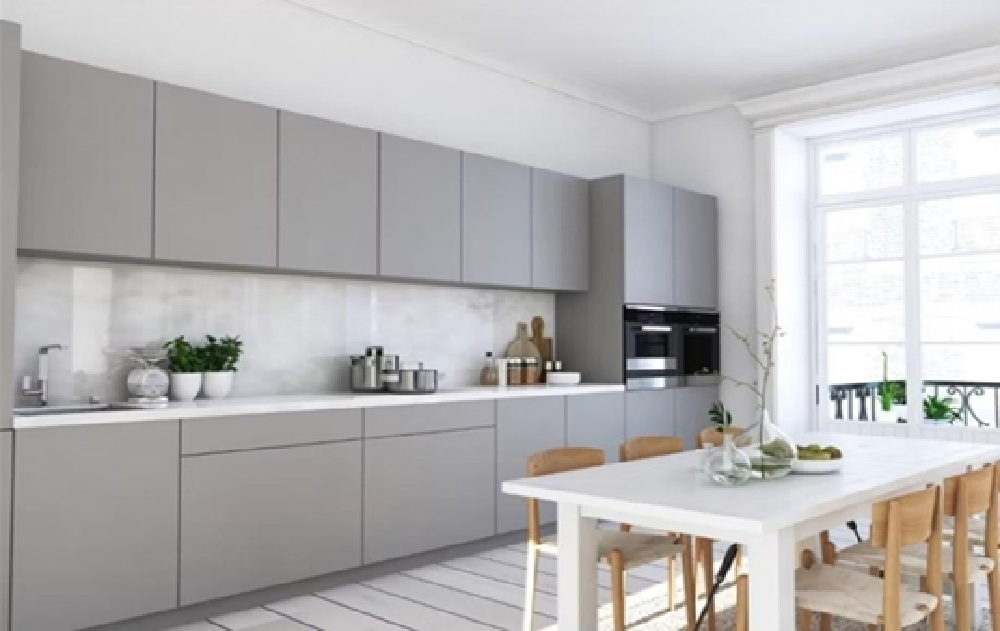
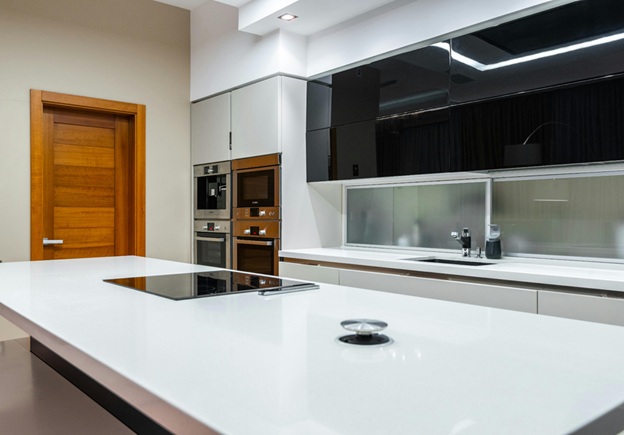
Luxury is no longer about excessive details and ornate designs. Modern kitchens are moving toward clean lines, open spaces, and clutter-free aesthetics. This shift has made minimalist kitchens the ultimate symbol of elegance and sophistication.

But a minimalist kitchen isn’t just about looks. It improves functionality, creates a calming atmosphere, and makes cooking more efficient. If you want a space that balances beauty with practicality, this guide will help you achieve it.

Why Minimalism Is the New Luxury

Luxury used to mean grand chandeliers, ornate cabinets, and intricate designs. Today, high-end interiors focus on simplicity, quality, and functionality. A minimalist kitchen reflects this shift by blending refined aesthetics with practical design.

Minimalism creates a clutter-free, elegant space where every detail serves a purpose. Instead of overwhelming decor, it highlights premium materials, clean lines, and open layouts. This approach results in a kitchen that feels both sophisticated and calming.

The appeal of minimalist kitchens comes from their timeless beauty. Unlike trendy, elaborate designs, they never go out of style. Their functional layouts and durable materials make them both practical and long-lasting.

Minimalist kitchens also enhance efficiency and comfort. With fewer distractions, cooking and cleaning become easier. Every element has its place, ensuring a seamless flow.

Luxury is no longer about excess. A minimalist kitchen proves true elegance lies in simplicity, quality, and intentional design.

Here’s why minimalism has taken over high-end kitchens:

  • Effortless Elegance – Simplicity never goes out of style.
  • Less Clutter, More Functionality – Every element serves a purpose.
  • Premium Materials – Fewer items allow for better quality choices.
  • A Timeless Look – A minimalist design won’t feel outdated.

Decluttering – The First Step to a Minimalist Kitchen

Minimalist kitchens feel spacious because they avoid unnecessary clutter. Before redesigning your kitchen, start by removing excess items.

How to declutter effectively:

  • Sort your kitchen tools – Keep only what you use regularly.
  • Use hidden storage – Store infrequently used appliances out of sight.
  • Follow the ‘One In, One Out’ Rule – Remove an item when adding something new.

Decluttering isn’t just about getting rid of things; it’s about creating a calm and purposeful space.

Choosing the Right Color Palette

Minimalist kitchens rely on neutral tones to create a serene environment. The most common choices are white, beige, grey, and black, but contrast is key.

How to add character without losing simplicity:

  • Matte black fixtures – Add a bold, modern edge.
  • Wood accents – Warm up the space with natural tones.
  • Metallic elements – Brushed brass or stainless steel keeps things refined.

Stick to two or three colors to avoid visual clutter. A neutral base with subtle accents works best.

Invest in High-Quality Materials

Since minimalist kitchens focus on fewer elements, each material must be carefully chosen.

Premium materials that elevate a minimalist kitchen:

  • Quartz or marble countertops – Sleek, durable, and luxurious.
  • Flat-panel cabinets – Handleless options create a seamless, clean look.
  • Polished concrete or hardwood floors – Timeless and easy to maintain.
  • Matte finishes – Provide a soft, sophisticated appearance.

Focusing on quality ensures your kitchen feels high-end without unnecessary decoration.

Functionality Over Decoration

A minimalist kitchen isn’t just about style—it must work efficiently. Every element should enhance usability while maintaining a sleek design.

Prioritize Built-In Appliances

  • Integrated ovens, refrigerators, and dishwashers create a seamless look.
  • Hidden microwaves and induction cooktops keep surfaces uncluttered.

Choose Smart Storage Solutions

  • Deep drawers are better than traditional cabinets for easy access.
  • Pull-out pantry systems maximize storage while keeping items organized.
  • Corner storage solutions utilize every inch of space.

Keep Countertops Clear

  • Store small appliances in dedicated cabinets.
  • Use wall-mounted racks or magnetic strips for utensils.

Opt for Multipurpose Furniture

  • A kitchen island with storage adds function without extra bulk.
  • Foldable or stackable chairs maintain flexibility in small spaces.

Lighting for Functionality

  • Under-cabinet lighting improves visibility for cooking.
  • Recessed ceiling lights keep the space bright without adding visual clutter.

A minimalist kitchen should make cooking, cleaning, and organizing effortless while maintaining its refined aesthetic.

Smart Storage to Maintain a Clean Look

The secret to a minimalist kitchen is efficient storage. Keeping surfaces clear ensures a clutter-free space.

Best storage solutions:

  • Hidden cabinets – Store small appliances out of sight.
  • Vertical storage – Make use of walls with shelves or hanging racks.
  • Pull-out pantry systems – Maximize storage without taking up more space.
  • Drawer organizers – Keep cutlery and utensils neatly arranged.

A well-organized kitchen looks better and functions more efficiently.

The Role of Lighting in Minimalist Design

Lighting plays a crucial role in a minimalist kitchen. Since there are fewer decorative elements, lighting helps define the space.

Best lighting choices:

  • Recessed ceiling lights – Maintain a clean, open look.
  • Pendant lights – Add a modern touch above islands or dining areas.
  • Under-cabinet lighting – Improves functionality while adding warmth.
  • Natural light – Large windows make the kitchen feel airy.

Layered lighting ensures the kitchen is both inviting and practical.

Adding Texture for Depth and Warmth

Minimalism doesn’t mean cold or boring. Texture adds depth and prevents a space from feeling flat.

How to introduce texture:

  • Wood elements – A butcher block countertop or wooden barstools.
  • Textured tiles – A subtle backsplash with dimension.
  • Fabric accents – Linen curtains or woven baskets soften the space.

A mix of materials creates visual interest without compromising simplicity.

Keeping the Space Open and Uncluttered

Minimalist kitchens prioritize open space. This makes the kitchen feel larger and more inviting.

How to maintain openness:

  • Choose sleek, modern furniture – Avoid bulky, oversized pieces.
  • Use floating shelves sparingly – Avoid overloading them with items.
  • Keep counters clear – Only display what’s essential.

An open layout contributes to the sense of calm that defines minimalist design.

Hidden Technology for a Seamless Look

Modern kitchens integrate technology while keeping it discreet.

Best hidden tech options:

  • Touchless faucets – Maintain cleanliness while adding convenience.
  • Smart lighting systems – Adjust brightness with a smartphone or voice command.
  • Built-in charging stations – Keep cords hidden for a neater space.
  • Integrated appliances – Ensure the fridge and oven blend with cabinetry.

Minimalist kitchens embrace technology but don’t let it dominate the space.

Minimalist Decor for a Refined Look

Decor in a minimalist kitchen should be intentional, not overwhelming.

Best minimalist decor ideas:

  • A single statement piece – A sculptural vase or ceramic bowl.
  • Fresh greenery – A single potted plant adds life without clutter.
  • Simple wall art – Abstract designs in neutral tones.

Minimalist decor enhances the space without taking attention away from its design.

How to Maintain a Minimalist Kitchen

A minimalist kitchen stays beautiful through consistent upkeep. Simple habits help preserve its clean, uncluttered look.

Declutter Regularly

  • Remove unused appliances, tools, and decor.
  • Follow the “one in, one out” rule when adding new items.
  • Keep countertops clear—store items after use.

Adopt Smart Storage Solutions

  • Use drawer dividers to keep utensils and tools neatly arranged.
  • Store bulkier items in pull-out cabinets for easy access.
  • Maximize vertical storage with sleek, open shelving.

Clean as You Go

  • Wipe down surfaces immediately after cooking.
  • Empty and organize the fridge weekly to prevent clutter.
  • Sweep and mop regularly to keep floors spotless.

Stick to a Simple Color Palette

  • Maintain a neutral or monochromatic scheme for consistency.
  • Limit decor to a few functional or meaningful pieces.

Maintaining organization, cleanliness, and simplicity ensures that your minimalist kitchen will remain elegant and efficient for years.

Final Thoughts

Minimalist kitchens prove that luxury doesn’t come from excess but from intention. Clean lines, quality materials, and smart storage create an elegant and functional space.

If you’re redesigning your kitchen, start by simplifying. Remove what you don’t need, focus on neutral colors, and invest in durable materials. By prioritizing functionality and aesthetics, you’ll create a kitchen that blends beauty with purpose—the essence of modern luxury.

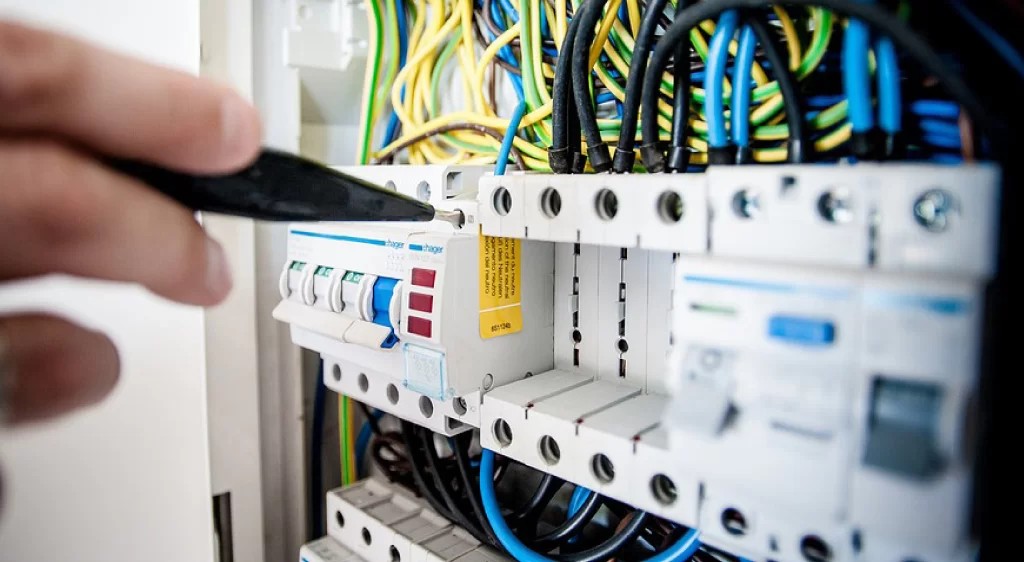
The electrical panel is vital to home performance and safety. Your electrical system’s heart, the panel, runs every circuit flawlessly. Many homeowners ignore their electrical panel until it breaks. Turlock homes need power for safety, efficiency, and convenience.

Understanding the Role of an Electrical Panel

Your home’s power hub is an electrical panel, sometimes called a breaker box, circuit box, or breaker board. It links your home’s power to the utility’s main line. The panel’s circuit breakers control residential electricity. Circuit overload from a defective electrical panel can damage appliances and be dangerous. By changing your electrical panel, you can protect your equipment from power surges, improve system efficiency, and ensure your house has enough electricity.

Considerations for Electrical Panel Upgrade

New appliances increase demand, therefore households improve their electrical panels. The average household had less tech 30 years ago. Modern appliances like fridges and smart home devices drain your power. Older homes may need new panels to handle this load.

Planning a home extension is another upgrade motivation. Any significant housing or electrical equipment increase requires more circuits. New, more modern equipment may require a power upgrade. Another motivation to update is energy efficiency. Modern electrical panels cut power costs and environmental effect thanks to energy efficiency. Cosmic Comfort does thorough inspections to evaluate if an update can improve house efficiency. A Turlock electrician can assess your current electrical system and recommend necessary upgrades for safety and efficiency.

Should Each Appliance Have Its Own Circuit Breaker?

Size and power usage determine whether an appliance needs a circuit breaker. Kitchen lighting shares a breaker with microwaves and coffeemakers. Freezers, dishwashers, stoves, dryers, and refrigerators need special breakers. In addition to delivering enough electricity, this isolation protects these appliances from damaging electrical surges. However, equipment setup requires professional assistance. Cosmic Comfort professionals may evaluate your system and offer the safest and most effective setup for your Turlock home.

Signs Your Electrical Panel Needs Upgrade

Your older home may need an electrical panel upgrade for modern energy needs. Not all ages matter. Flickering lights, odd noises, frequent circuit breaker trips, and burning scents signal panel replacement. Keep utilizing extension cords and your home’s electrical system may overload. Modernizing your home reduces electrical fire danger and meets your family’s rising needs.

The Process of Upgrading Your Electrical Panel

Professionals should upgrade electrical panels. Steps include electrical configuration evaluation, household electricity demands computation, and panel selection. Inserting the new panel and gently removing the old one follows preparation. Testing is repeated to ensure all connections are safe and working. Cosmic Comfort’s professional crew oversees the entire procedure to ensure speed and safety.

Choosing Cosmic Comfort for Your Electrical Needs

Cosmic Comfort proudly provides electrical services, including panel modifications, to Turlock, Atwater, and adjacent areas. We excel in customer satisfaction and safety. For the best outcomes, we customize our services for each home. Our skilled specialists have worked on many electrical systems, ensuring your home’s electrical panel is safe and efficient. Customized solutions from Cosmic Comfort can boost energy efficiency or add equipment.

Conclusion

Your home needs a modern electrical panel to safely and efficiently handle energy needs. Only Cosmic Comfort is needed for Turlock house remodelling. Our expertise, dedication, and personalized service make us the best for all your electrical needs. Contact us today to power your home safely and efficiently for years.

A red kitchen is bold, vibrant, and full of personality. It exudes warmth and energy, making it an ideal choice for homeowners who want their kitchen to make a statement. However, incorporating such a striking color requires careful planning to ensure balance and harmony. In this article, we’ll explore how to create a stunning red kitchen by choosing the right shade, balancing it with complementary colors, using materials and textures effectively, and achieving a cohesive design.

Choosing the Right Shade of Red

Understanding Shades of Red

Red comes in a wide variety of shades, each evoking a different mood and style. Bright reds, like cherry or fire engine red, create a bold, modern aesthetic that feels fresh and exciting. For a more classic or sophisticated look, consider deep crimson or burgundy tones. If you’re aiming for a playful or eclectic vibe, coral or reddish-orange hues work beautifully.

How to Match Your Style

The shade you choose should align with the overall style of your kitchen. For example, bold and bright reds pair well with contemporary designs featuring sleek lines and minimalist finishes. On the other hand, darker reds like maroon or brick red complement rustic or traditional kitchens, creating a warm, inviting atmosphere.

Impact of Lighting

Lighting plays a crucial role in how red appears in your kitchen. Natural light can make reds look more vibrant, while artificial lighting might soften or darken the tone. Test paint samples or cabinet finishes in various lighting conditions to ensure the shade matches your vision.

Balancing Red with Complementary Colors

Neutral Pairings

Neutral tones are perfect for balancing the boldness of red. Pairing red with white or gray can tone down its intensity while maintaining a clean and modern look. Beige or cream adds warmth, creating a softer and more inviting atmosphere.

Contrasting Colors

If you want a dramatic effect, pair red with black for a sleek, contemporary contrast. For a touch of luxury, add gold or brass accents to elevate the overall design.

Pop of Color

Incorporate small accents of contrasting colors like blue, green, or yellow to add a playful and vibrant touch. For example, red cabinets paired with a subtle blue backsplash can create an eye-catching yet harmonious look.

Proportion Matters

The key to a balanced red kitchen is proportion. Use red as the dominant color for cabinets or walls, while balancing it with neutral countertops and backsplashes. Alternatively, use red as an accent color in smaller doses, such as on the island or in decorative elements.

Incorporating Materials and Textures

Cabinetry and Countertops

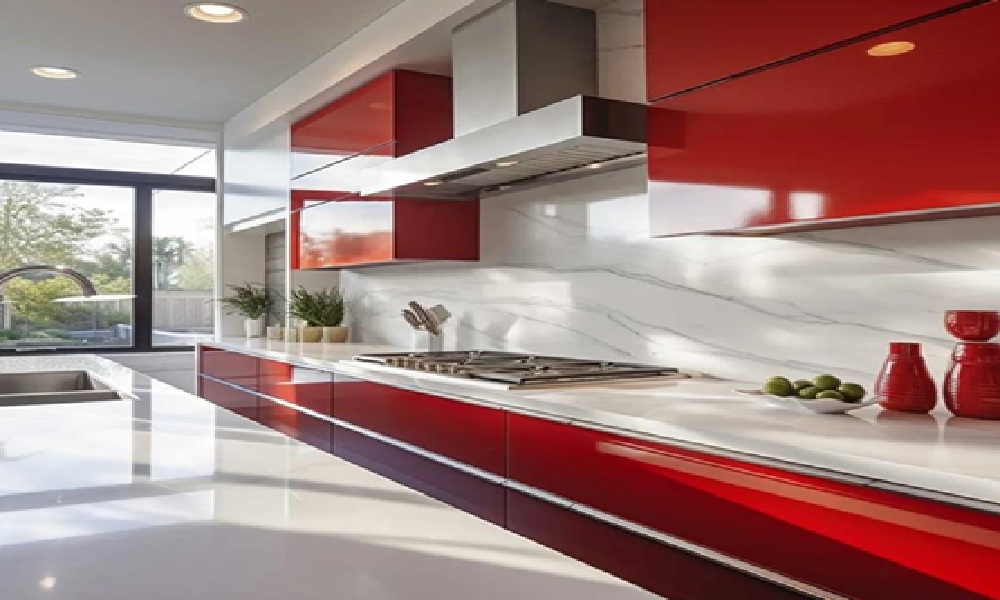
Cabinets are often the focal point of a red kitchen. Glossy red cabinets work well in modern spaces, reflecting light and creating a sleek aesthetic. Matte finishes, on the other hand, lend an understated elegance that fits traditional or rustic styles. Pair red cabinets with white quartz or dark granite countertops for a balanced and cohesive look.

Backsplashes and Walls

A neutral or lightly patterned backsplash can tone down the boldness of red and add visual interest. Subway tiles in white or cream are classic options, while bold patterns with hints of red can tie the design together seamlessly.

Flooring Choices

To ground the vibrant red tones, opt for flooring materials like natural wood or neutral tiles. Light-colored flooring, such as pale wood or beige tiles, can brighten the space and prevent it from feeling too heavy.

Adding Texture

Incorporating textures adds depth to a red kitchen. Use natural materials like stone, wood, or woven textiles to create a layered, multidimensional look. A textured rug or fabric accents can soften the overall aesthetic and make the kitchen feel cozier.

Creating a Cohesive Design

Focal Points

In a red kitchen, less is often more. Make one element the focal point, such as red cabinets, an accent wall, or a striking red kitchen island. This prevents the space from feeling overwhelming and ensures the color remains impactful.

Accents and Accessories

Add subtle red accents throughout the kitchen to tie the look together. Consider red bar stools, dishware, or pendant lights for a cohesive yet understated effect. Metallic finishes, such as chrome, brass, or copper, can complement red tones beautifully and add a touch of elegance.

Consistency in Style

To ensure harmony, align your red kitchen with a specific design theme. For example, pair glossy red cabinets with stainless steel appliances and minimalistic hardware for a modern look, or combine matte red tones with wooden accents for a rustic vibe.

Tips for Adding Red to an Existing Kitchen

Small-Scale Updates

If you’re not ready for a full kitchen remodel, start small. Paint one wall red as an accent or add red accessories like dish towels, utensil holders, or art pieces to inject a splash of color.

Affordable Makeovers

For budget-friendly updates, consider peel-and-stick backsplashes or temporary cabinet wraps in red tones. These options are easy to install and remove, allowing you to experiment without a major commitment.

Layering for Impact

Combine different shades of red in your accessories or décor to create a layered, sophisticated look. For example, pair deep red placemats with lighter red dishware for subtle variation.

Conclusion

A red kitchen is a bold and striking choice that can transform your home into a vibrant, energetic space. By carefully selecting the right shade of red, balancing it with complementary colors, incorporating textures and materials, and creating a cohesive design, you can achieve a kitchen that is both functional and visually stunning. Whether you’re planning a complete remodel or simply adding red accents, these tips will help you create a balanced and stylish red kitchen that reflects your personality.

Ready to embrace the power of red? Start designing your dream kitchen today, and enjoy the warmth, energy, and sophistication this bold color brings to your home.

Choosing the right color for your kitchen cabinets can transform the entire look and feel of the space. Light green kitchen cabinets have gained popularity for their ability to add a fresh, calming ambiance without sacrificing style. Whether you’re aiming for a minimalist, modern look or a rustic, farmhouse vibe, light green cabinets can bring your vision to life.

In this article, we’ll dive into the unique appeal of light green kitchen cabinets, explore inspiring design ideas, and provide expert tips for styling your kitchen to perfection.

1. The Appeal of Light Green Kitchen Cabinets

a. A Refreshing and Cheerful Touch

Light green tones introduce a sense of renewal and freshness to your kitchen, evoking the tranquility of nature. Whether you’re starting your morning with a cup of coffee or hosting friends, a kitchen with light green cabinets feels open, inviting, and vibrant.

b. Soft Yet Distinctive

Unlike bold hues, light green offers subtle charm while still standing out. It adds personality to the kitchen without overpowering the space, making it an excellent alternative to neutral shades like white or beige.

c. Versatility with Different Aesthetics

From sleek and modern to warm and rustic, light green kitchen cabinets can be styled to suit a variety of aesthetics. Their adaptable nature makes them a timeless choice for both traditional and contemporary designs.

2. Design Ideas for Light Green Kitchen Cabinets

a. Modern Minimalist Kitchen

For a sleek and modern kitchen, pair light green cabinets with clean lines and minimal décor.

  • Key Elements: Flat-panel cabinets, white quartz countertops, and stainless steel or matte black appliances.
  • Pro Tip: Add a light gray or white backsplash to keep the space feeling bright and airy.

b. Rustic Farmhouse Charm

Incorporating rustic elements can create a cozy, farmhouse-inspired kitchen with a natural, homey vibe.

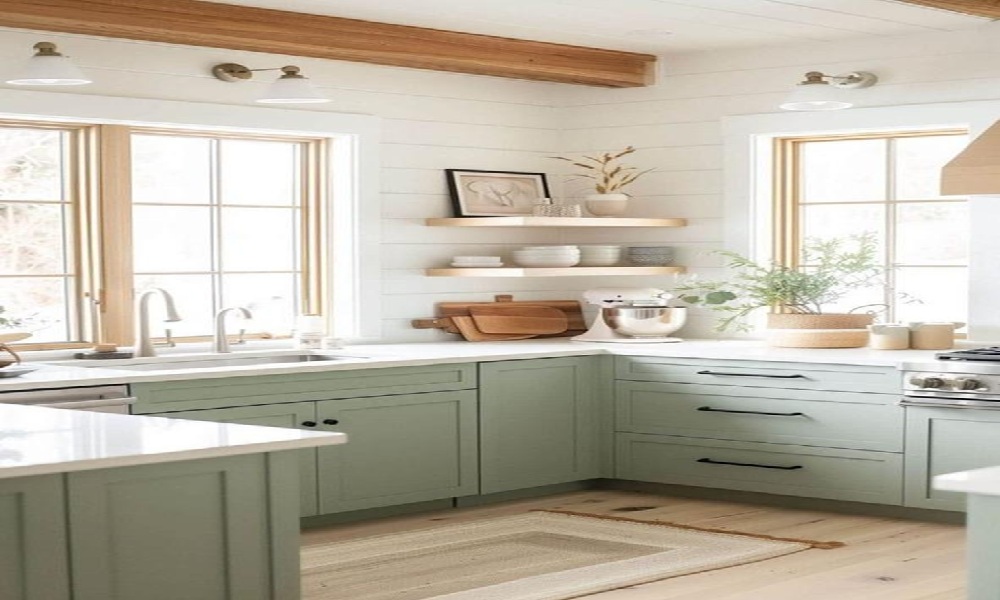
  • Key Elements: Shaker-style light green cabinets, a farmhouse sink, and open shelving with natural wood accents.
  • Pro Tip: Use butcher block countertops to enhance the rustic appeal and tie in the warmth of natural materials.

c. Vintage-Inspired Kitchen

Light green cabinets can also be a nod to retro style, reminiscent of kitchens from the 1950s and 1960s.

  • Key Elements: Patterned tile backsplashes, brass hardware, and vintage-inspired lighting fixtures.
  • Pro Tip: Add a pop of color with pastel accents or retro kitchen accessories to complete the look.

3. Pairing Colors with Light Green Cabinets

a. Neutral Tones

Neutral colors like white, cream, and beige create a clean, balanced look that enhances the softness of light green.

  • Suggestions:
    • White subway tiles for the backsplash.
    • Beige or light gray walls to complement the cabinets.
    • Creamy white countertops for a seamless, bright finish.

b. Warm Wood Tones

Wood accents add warmth and texture, creating a cozy and inviting kitchen.

  • Suggestions:
    • Install open wooden shelves for a natural touch.
    • Use oak or walnut flooring to ground the space.
    • Incorporate a wooden kitchen island for contrast.

c. Bold Contrasts

For a modern and bold design, pair light green with contrasting hues like charcoal, navy blue, or black.

  • Suggestions:
    • A black or dark gray kitchen island for a dramatic focal point.
    • Matte black hardware for a sleek, contemporary finish.
    • Navy blue accents, such as pendant lights or bar stools, for a playful yet sophisticated touch.

4. Material Choices for Light Green Kitchens

a. Countertops

  • White Quartz: A low-maintenance option that brightens the space and adds a polished touch.
  • Marble: Adds an elegant, timeless appeal with subtle veining that complements the softness of light green.
  • Butcher Block: Brings warmth and rustic charm, perfect for farmhouse-style kitchens.

b. Backsplashes

  • Subway Tiles: A classic choice that keeps the design simple and elegant.
  • Geometric Patterns: Add visual interest with hexagonal or herringbone patterns in neutral tones.
  • Textured Stone: Natural stone backsplashes, such as travertine or limestone, enhance the organic feel of light green cabinets.

c. Flooring

  • Hardwood Flooring: Warm wood tones complement light green cabinets beautifully, creating a natural, earthy palette.
  • Porcelain Tiles: Durable and available in a variety of styles, including wood-look finishes and textured patterns.
  • Patterned Vinyl: For a budget-friendly option, consider vinyl flooring with stylish patterns that add personality to the space.

5. Styling Tips for Light Green Kitchen Cabinets

a. Incorporate Metallic Accents

Metallic finishes, such as brass, gold, or copper, can add a touch of glamour to your kitchen.

  • Brass or gold cabinet handles can bring warmth and elegance.
  • A copper or gold faucet can act as a stunning focal point.

b. Add Greenery

Complement the soft, natural tones of your light green cabinets by adding plants or herbs.

  • Consider hanging planters or potted herbs on your windowsill for a fresh and lively look.
  • Drape a trailing plant like a pothos or philodendron from an open shelf for added texture.

c. Focus on Lighting

The right lighting enhances the soft hues of light green and keeps your kitchen feeling bright and welcoming.

  • Pendant Lights: Hang pendant lights above your kitchen island for focused task lighting and a decorative touch.
  • Under-Cabinet Lighting: Install LED strip lighting under the cabinets to brighten your workspace and highlight the cabinetry color.
  • Warm Bulbs: Opt for warm white light bulbs to complement the softness of the green hue.

6. Maintenance Tips for Light Green Cabinets

To keep your light green cabinets looking pristine:

  • Regular Cleaning: Wipe down cabinets with a microfiber cloth and mild soap to remove grease and fingerprints.
  • Avoid Abrasive Cleaners: Use gentle, non-abrasive cleaners to protect the finish.
  • Seal Wooden Cabinets: If your cabinets are made of wood, consider sealing them to prevent stains and moisture damage.

Conclusion

Light green kitchen cabinets offer a unique combination of tranquility and style, making them an ideal choice for anyone seeking to refresh their kitchen design. Whether you prefer a modern, rustic, or vintage look, light green cabinets can adapt to your vision and elevate the heart of your home.

By pairing them with complementary colors, natural materials, and thoughtful accents, you can create a kitchen that feels both beautiful and functional. Embrace the calming charm of light green and transform your kitchen into a space that inspires joy, creativity, and connection.

Dealing with water or fire damage is overwhelming, especially when it comes to salvaging personal belongings. The aftermath often leaves homeowners in Arlington wondering how much can be saved and what must be discarded. Whether caused by flooding or a house fire, taking the right steps can make a significant difference in preserving your most valued possessions. For those searching for help, a water and fire damage restoration company can provide essential expertise and resources. Here’s a guide to help you protect and restore your belongings after a disaster.

1. Prioritize Safety Before Salvaging Items

Safety should always come first when entering a water- or fire-damaged property. Structural damage, soot, smoke, and standing water can all pose risks to your health and safety. Before attempting to recover belongings, ensure the property has been inspected and deemed safe by professionals. If the damage involves hazardous materials, wait for proper cleanup to begin.

Pro Tip: Wear protective gear like gloves, masks, and sturdy boots to minimize exposure to contaminants while salvaging belongings.

2. Act Quickly to Prevent Further Damage

The faster you act, the better your chances of saving your belongings. Water damage can lead to mold growth within 24-48 hours, while soot and smoke residues can permanently stain or corrode materials if left untreated. Begin by identifying items that need immediate attention, such as electronics, documents, or sentimental valuables.

Fact: Fire-damaged items exposed to soot should be cleaned within hours, as the acidic residue can cause irreversible damage.

3. Separate Belongings by Type and Condition

Sorting your items into categories will make the restoration process more efficient. Divide belongings into salvageable and non-salvageable groups, considering factors like the material, extent of damage, and sentimental or monetary value. Items made of glass, metal, or non-porous materials are often easier to clean, while porous items like fabrics or paper may require specialized restoration.

Actionable Tip: Label boxes for items that need professional cleaning to streamline the process when working with a restoration company.

4. Clean and Dry Water-Damaged Items Immediately

For water-damaged belongings, focus on drying them as quickly as possible. Use fans, dehumidifiers, or air-drying techniques to remove moisture. Hard surfaces like furniture or appliances can often be wiped down with disinfectants. Delicate items, such as photographs, should be air-dried carefully to prevent warping or fading.

Quick Tip: Place water-damaged books or documents between layers of absorbent paper towels and press them gently under a heavy object to reduce distortion as they dry.

5. Address Smoke and Soot Residue Carefully

Fire damage often leaves belongings coated in smoke and soot. These residues require special cleaning techniques to prevent further damage. Avoid using water or DIY cleaning solutions, as these can smear soot or set stains. Instead, consult a professional restoration service for items like electronics, artwork, and textiles.

Did You Know? Smoke particles can settle into tiny crevices, making it difficult to remove odors and stains without specialized equipment.

6. Call a Professional Restoration Company for Help

While some belongings can be salvaged with basic cleaning techniques, others require the expertise of a restoration professional. Specialists can assess the damage, use advanced cleaning methods, and provide storage solutions for items during the restoration process.

Arlington Insight: Restoration companies often use ozone treatments, ultrasonic cleaning, and HEPA vacuuming to restore smoke- and water-damaged items effectively.

Additional Tips for Saving Belongings

  • Photograph Everything: Take photos of damaged belongings for records and future reference.
  • Prioritize Sentimental Items: Focus on saving irreplaceable items like heirlooms, photographs, and personal mementos.
  • Discard Unsalvageable Items Safely: Some damaged items, like those exposed to mold or chemicals, may need to be disposed of according to local regulations.

Final Thoughts

Recovering belongings after water or fire damage can feel like an uphill battle, but with the right approach, much can be saved. By acting quickly, using appropriate cleaning techniques, and enlisting the help of professionals, Arlington homeowners can restore their possessions and rebuild with confidence.

As a business consultant who’s always on the lookout for innovative products that can improve efficiency and comfort in the workplace, I was intrigued when I first heard about the Pyrex Heater. After using it in my home office for the past month, I’m excited to share my experience with this compact and efficient heating solution.

From the moment I plugged in the Pyrex Heater, I was impressed by its rapid heating capabilities and user-friendly design. As someone who values both functionality and aesthetics in office equipment, I found that this sleek device not only delivered on its promise of quick, focused warmth but also complemented my modern workspace perfectly.

In this review, I’ll dive into the features that stood out to me, discuss how the Pyrex Heater has impacted my daily work routine, and explain why I believe it could be a valuable addition to any home or small office setting. Whether you’re looking to cut down on energy costs or simply want a more comfortable working environment during the colder months, you’ll want to pay attention to what this innovative heater has to offer.

What is Pyrex Heater?

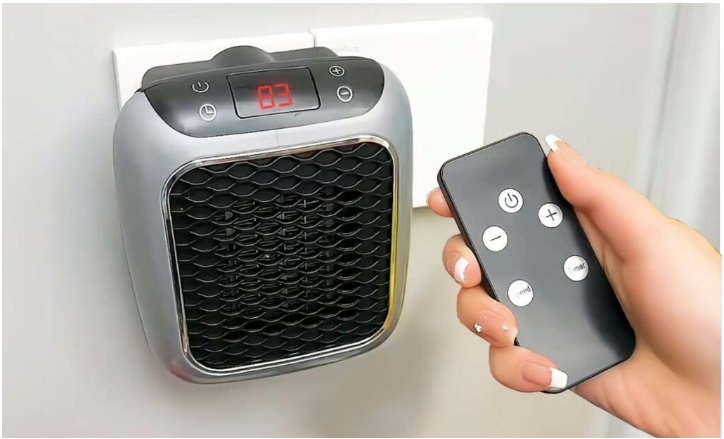
As I discovered, the Pyrex Heater is more than just your average space heater. It’s a compact, portable electric heating device that’s designed to warm up small to medium-sized spaces quickly and efficiently. In my experience, it’s been perfect for my home office, which is about 200 square feet.

What sets it apart, in my opinion, is its sleek design and advanced features. It doesn’t look like a traditional bulky heater; instead, it has a modern aesthetic that blends well with my office decor. I’ve found it to be a versatile solution for those chilly days when I need a little extra warmth without cranking up the central heating.

How Does It Work

From what I’ve observed, the Pyrex Heater uses ceramic heating technology, which I’ve found to be both efficient and effective. Here’s how it works:

  1. Rapid Heating: When I turn it on, the ceramic elements heat up almost instantly. I’ve noticed warm air circulating within minutes.
  2. Even Distribution: The heater uses a combination of convection and radiant heating. This means it not only warms the air but also objects in the room, creating a cozy atmosphere.
  3. Temperature Control: One feature I particularly appreciate is the precise temperature control. I can set it anywhere between 60°F and 90°F, and it maintains that temperature consistently.
  4. Energy Efficiency: Despite its powerful heating capability, I’ve been pleasantly surprised by its energy consumption. It seems to use less power than my old space heater while providing more warmth.

How to Use Pyrex Heater

Using the Pyrex Heater has been straightforward and hassle-free. Here’s my typical routine:

  1. Placement: I usually place it on a flat surface, ensuring there’s nothing within 3 feet of it for safety.
  2. Powering On: I simply plug it in and press the power button. The digital display lights up, showing the current room temperature.
  3. Setting Temperature: Using the intuitive controls, I set my desired temperature. For my office, I find 72°F to be perfect.
  4. Timer Function: On days when I know I’ll be working late, I use the built-in timer. This ensures the heater turns off automatically, even if I forget.
  5. Adjusting as Needed: If I feel too warm or cool, it’s easy to adjust the temperature or fan speed with just a few button presses.
  6. Portability: When I need warmth in another room, I simply unplug it and move it. Its lightweight design makes this effortless.

I’ve found the Pyrex Heater to be an excellent addition to my home office setup. It provides consistent, comfortable warmth without the noise and bulk of traditional space heaters. The energy efficiency and safety features give me peace of mind, while its sleek design adds a touch of modernity to my workspace. For anyone looking to enhance their comfort during colder months without significantly increasing their energy bills, I’d definitely recommend giving the Pyrex Heater a try.

What I Like About Pyrex Heater

In my experience with the Pyrex Heater, several features have stood out as particularly beneficial:

  • Rapid Heating: It warms up my office in just a few minutes, allowing me to get comfortable quickly.
  • Compact and Portable: Its lightweight design makes it easy to move from room to room without hassle.
  • User-Friendly Controls: The digital display and intuitive buttons make it simple to adjust the temperature and settings.
  • Energy Efficiency: I’ve noticed a decrease in my energy bills since using it, which is a huge plus.
  • Quiet Operation: Unlike some heaters that can be noisy, the Pyrex Heater operates quietly, allowing me to focus on my work without distractions.
  • Safety Features: The anti-tip sensor and automatic shut-off give me peace of mind, especially when I leave the room.

What I Don’t Like About Pyrex Heater

While my overall experience has been positive, there are a few drawbacks that I’ve encountered:

  • Limited Heating Area: It’s most effective in small to medium spaces; larger areas may not heat up as efficiently.
  • No Remote Control: I wish it had a remote control feature for added convenience, especially when I’m cozy on the couch.
  • Initial Cost: Although it’s energy-efficient, the upfront cost is higher than some basic space heaters.

Is Pyrex Heater Legit?

Yes, I firmly believe that the Pyrex Heater is a legitimate product based on my personal experience and the research I’ve conducted. First and foremost, its performance has consistently met my expectations. The rapid heating capabilities and energy efficiency are not just marketing claims; they translate into real-world benefits that I’ve observed in my daily routine.

Additionally, the safety features provide an extra layer of assurance that many other heaters lack. As someone who values safety in any appliance I use, knowing that the Pyrex Heater has built-in protections against overheating and tipping over is crucial.

Moreover, I appreciate the thoughtful design that prioritizes both aesthetics and functionality. It’s clear that the creators of this heater understand modern consumer needs, combining efficiency with style.

Finally, I’ve found numerous positive reviews from other users who share similar sentiments about their experiences. This collective feedback reinforces my belief in its legitimacy. Overall, I feel confident recommending the Pyrex Heater to anyone seeking an effective and stylish heating solution for their home or office.

Where to Buy Pyrex Heater

After researching and purchasing my Pyrex Heater, I strongly recommend buying it directly from the official retail store. This ensures you’re getting an authentic product with all the promised features and safety standards. The official store often offers exclusive discounts, warranties, and reliable customer support, which adds extra value to your purchase. Avoid third-party sellers to prevent counterfeit products or issues with returns. Trusting the official source is always the safest option!

If you’re considering a home or commercial renovation project in Miami, choosing a contractor who delivers quality and reliability is crucial. MiamiCrete has built a strong reputation for precision and craftsmanship, making them a trusted name in the industry. With over 20 years of experience, they specialize in a range of services, including kitchen remodeling, driveway installations, and outdoor construction. Their commitment to meeting client needs sets them apart from others in the field.

For home renovation Miami, MiamiCrete offers services that cover every aspect of your project, from design to execution. They’ve proven their ability to create functional and aesthetically pleasing spaces that homeowners can take pride in. Whether it’s updating an entire home or focusing on one specific area, their tailored approach ensures that every detail aligns with your vision.

Transform Your Kitchen with Expertise

A modern, functional kitchen can completely change the way your home feels. MiamiCrete excels as a kitchen remodeling contractor in Miami, offering custom cabinetry, premium countertops, and state-of-the-art appliance integration. They design kitchens that are as practical as they are stylish, transforming outdated spaces into hubs of activity and enjoyment. Their attention to detail ensures that every kitchen is built to fit the unique needs and tastes of the homeowner.

High-Quality Bathroom Remodeling

Bathroom renovations with MiamiCrete go beyond simply updating fixtures. They create luxurious, spa-like environments tailored to your preferences. Whether it’s installing walk-in showers, custom vanities, or energy-efficient lighting, their projects elevate the quality and comfort of your home. These thoughtful upgrades also increase property value, making them a wise investment for homeowners looking to improve functionality and style.

Custom Driveway Installation

For outdoor enhancements, MiamiCrete’s driveway installation services are unparalleled. They provide durable and visually appealing options like custom concrete and pavers designed to withstand Miami’s demanding climate. Beyond aesthetics, their eco-friendly designs, including options for improved drainage, make their driveways both practical and sustainable. Whether you’re looking for driveway installation in Coral Gables or broader Broward County, MiamiCrete delivers consistently excellent results.

Outdoor Living Spaces Built to Last

MiamiCrete extends their expertise to outdoor spaces, creating patios, decks, pergolas, and even custom pools. These spaces are designed for durability and function, combining weatherproof materials with features like integrated lighting and fire pits. Their outdoor kitchens and patios are perfect for entertaining, giving homeowners a reason to enjoy Miami’s beautiful weather year-round.

Commercial Build-Outs with Modern Designs

MiamiCrete’s services also cater to commercial clients. Their ability to deliver on high-profile projects like Hell’s Kitchen and Jackson Memorial demonstrates their flexibility and attention to detail. By focusing on efficiency and modern aesthetics, they ensure each space meets the specific needs of the business. Their transparent pricing model and close communication with local inspectors simplify the process, making them a reliable choice for commercial projects.

Why Choose MiamiCrete?

MiamiCrete’s long-standing commitment to quality sets them apart. Their team of senior engineers and skilled professionals brings a wealth of local expertise to every project, ensuring all work is suited to Miami’s heat and humidity. As a licensed and insured contractor, they prioritize safety and compliance, giving clients peace of mind. Recognition as the Best Paving Contractor in Coral Gables for 2024 underscores their ability to consistently deliver excellence.

From the initial consultation to project completion, MiamiCrete emphasizes clear communication and collaboration. Their fixed pricing model eliminates surprises, and their dedication to customer satisfaction ensures that every project meets or exceeds expectations. Whether you’re planning a large-scale renovation or a small upgrade, MiamiCrete’s innovative approach and attention to detail make them a trusted choice.

Conclusion

With their comprehensive range of services and dedication to quality, MiamiCrete has established itself as a leader in the Miami construction and remodeling industry. By combining expert craftsmanship, durable materials, and a customer-focused approach, they create spaces that enhance both form and function. Whether you’re updating your kitchen, renovating your home, or improving outdoor areas, MiamiCrete offers reliable solutions tailored to your needs.

Natural disasters like hurricanes and floods can leave behind extensive damage, including problems with your plumbing system. Read more about https://galaxyplumbingservices.com/24-7-emergency-plumbing/

These events can disrupt your plumbing, requiring you to fix pipes and restore your home’s functionality. Here are some essential tips for repairing plumbing issues after a hurricane or flood:

1. Clogged Drains

Drain clogs are a frequent plumbing issue after flooding. Clogs can form in pipes or sewer lines, often due to tree roots, debris, or even small animals. Floodwaters can block drains, leaving water stagnant in pipes and causing clogs.

To clear a clogged drain, start by removing the blockage and adding water to the pipe. Use a plunger or snake to push debris out of the pipe, repeating if necessary. If clogs persist, contact a plumber for professional help.

2. Dirty and Damaged Fixtures

After severe flooding, fixtures and appliances may be damaged. Water can corrode or break fixtures, leading to leaks and the need for repairs or replacements.

To prevent leaks and further damage, clean any affected parts immediately. Ideally, this should be done before the floodwater fully recedes. Each case of water damage is unique, so inspect and clean your fixtures and appliances carefully to prevent more issues.

If foundation issues affect plumbing, consulting a structural engineer is recommended to assess what repairs are needed.

3. Broken Pipes in the Home

Damaged pipes are a frequent issue following a hurricane. When a pipe breaks, water continues flowing until it reaches the break, potentially causing further damage.

To stop a broken pipe, locate and turn off the main shut-off valve. If you don’t have one, contact your utility company to halt the water flow. Once the water is off, call a plumber to repair the break and restore your water system.

4. Foundation Damage

Floods and hurricanes can severely damage your home’s foundation, which may also lead to plumbing issues like pipe breaks and leaks.

If you suspect foundation damage, consult a structural engineer to determine the necessary repairs. Plumbing problems caused by foundation issues often require immediate attention to prevent leaks and further structural harm.

5. Checking for Contaminated Water

After a flood, it’s essential to check if your water supply has been contaminated. Floodwaters often carry harmful bacteria, chemicals, and other pollutants that can seep into your plumbing system, potentially contaminating your drinking and household water. Avoid using any water from your taps until you have confirmed its safety. It’s best to have a professional test your water for contaminants or consult your local water utility for testing options. If contamination is detected, you may need to flush and disinfect your pipes to ensure safe, clean water throughout your home.

Conclusion

Plumbing systems are vulnerable to various types of damage after a flood. Repairing your plumbing system promptly ensures your home is safe to use. For complex or extensive repairs, contact a professional plumber to restore your system safely and effectively.

;

Galaxy Plumbing & Heating

Email: service@galaxyplumbingservices.com

Phone: 604-802-1518

Url: https://galaxyplumbingservices.com/

;

5307 Victoria Dr #1180

Vancouver, BC V5P3V6

https://maps.google.com/maps?q=galaxy%20plumbing&t=&z=13&ie=UTF8&iwloc=&output=embed

Keeping your home clean is not just about making it look nice—it’s an essential aspect of maintaining a healthy, organized, and comfortable living environment. While it can be tempting to leave the cleaning for the weekends or when you feel like it, there are numerous benefits to establishing a regular cleaning routine. Here’s why cleaning your house with the help of cleaners in Airdrie on a regular basis is so important.

1. Promotes a Healthier Environment

One of the most important reasons to clean your house regularly is to promote better health. Dust, dirt, and allergens such as pet dander can build up quickly in any home. If left unchecked, they can contribute to respiratory issues, allergies, and skin irritations. Regular cleaning helps reduce the accumulation of these irritants, keeping the air in your home fresh and reducing the risk of illnesses.

High-traffic areas, like floors, countertops, and bathroom surfaces, are prime spots for bacteria and germs to collect. By cleaning them regularly, you reduce the chances of spreading germs, helping to prevent colds and flu from taking hold in your household.

2. Improves Mental Well-Being

A clean home can have a profound impact on your mental health. Studies have shown that cluttered or dirty environments can lead to increased stress and anxiety. When you have a clean and organized space, you are more likely to feel calm and in control. Regular cleaning gives you the opportunity to keep your surroundings in order, creating an environment that fosters relaxation, productivity, and overall peace of mind.

Additionally, spending time in a well-maintained home can improve your mood and reduce feelings of being overwhelmed. It’s easy to feel stressed when surrounded by mess, but a clean home can help clear your mind and restore a sense of balance.

3. Prevents Damage and Wear and Tear

Another advantage of cleaning regularly is the prevention of long-term damage. Dirt, grime, and dust can wear down surfaces and materials, leading to costly repairs or replacements. For example, not cleaning your carpets or floors regularly can cause them to deteriorate faster. Kitchen appliances, when cleaned regularly, will run more efficiently and last longer. Bathrooms that are kept clean will not only look better but will avoid the build-up of mold or mildew that could require expensive remediation.

Additionally, regular cleaning extends the lifespan of your furniture, countertops, and even your home’s paint job. By keeping surfaces clean, you reduce the risk of permanent stains or discoloration, helping your home maintain its value over time.

4. Increases Productivity and Focus

When your living space is clean and organized, it becomes easier to focus on tasks, whether it’s work, school, or relaxation. A clutter-free environment encourages productivity, as there are fewer distractions around you. When everything is in its place, you won’t waste time searching for items or feeling overwhelmed by clutter.

5. Fosters a Welcoming Home

Finally, a clean home is a welcoming home. Regular cleaning ensures that your space is always ready for guests, whether it’s a casual visit from friends or a family gathering. A tidy home reflects your care for your environment and makes others feel comfortable and at ease when they enter.