Tag

damage

Browsing

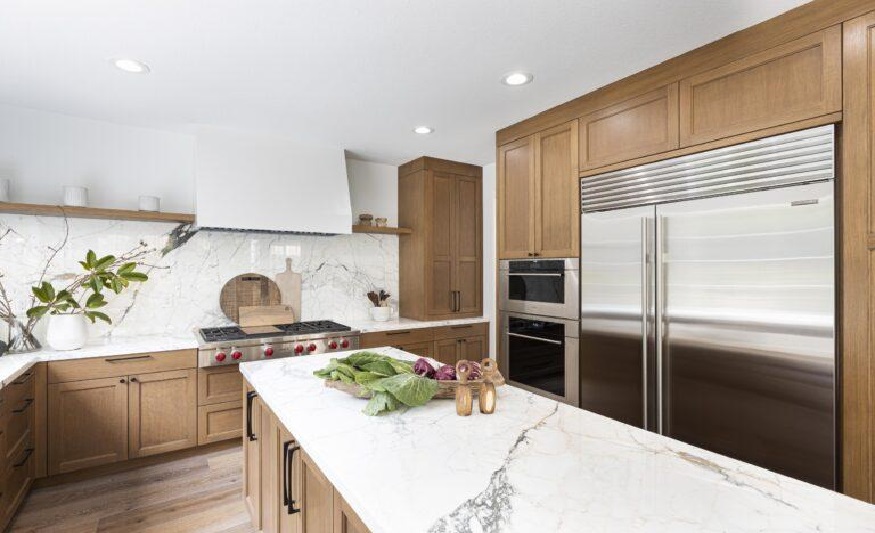
Oak kitchen cabinets are a timeless and durable choice, known for their natural beauty and versatility. Whether you prefer the warmth of natural wood or the charm of a stained finish, oak cabinets bring character to your kitchen. However, to maintain their elegance and functionality over time, proper care and maintenance are essential. Neglecting upkeep can lead to dull finishes, scratches, and even structural issues.

In this article, we’ll explore practical cleaning, protection, and restoration tips to help your oak kitchen cabinets stand the test of time, ensuring they remain a beautiful centerpiece in your home.

Why Proper Maintenance is Essential for Oak Kitchen Cabinets

Durability of Oak Cabinets

Oak is renowned for its strength, making it a popular material for high-traffic areas like kitchens. Its dense grain resists wear and tear, but regular maintenance helps prevent surface damage and keeps the wood looking pristine.

The Role of Maintenance

Proper care preserves the natural beauty of oak cabinets. Routine cleaning, moisture control, and occasional refinishing ensure they maintain their charm and functionality for decades.

Protecting the Investment

Oak kitchen cabinets are a significant investment. Regular upkeep prevents costly repairs or replacements, saving you money in the long run. A little effort goes a long way in preserving their value and appeal.

Cleaning Oak Kitchen Cabinets the Right Way

Daily Cleaning Tips

To keep your cabinets looking fresh, clean them daily with a soft microfiber cloth. Wipe away dust, crumbs, and spills to prevent buildup. Avoid abrasive sponges or brushes, as they can scratch the finish.

Deep Cleaning Techniques

For a more thorough clean:

  1. Mix warm water with a few drops of mild dish soap.
  2. Use a soft cloth or sponge to gently scrub the cabinets.
  3. Rinse with a damp cloth to remove soap residue.
  4. Dry immediately with a clean towel to prevent water damage.

This simple process keeps your oak cabinets free from grease and grime without harming the finish.

Removing Grease and Stains

Kitchen cabinets often attract grease, especially near cooking areas. For stubborn stains:

  • Vinegar Solution: Mix equal parts of vinegar and water, then wipe the affected area.
  • Baking Soda Paste: Combine baking soda with water to create a paste. Apply it gently, then rinse and dry.
    Always test cleaning solutions on an inconspicuous area first to ensure they don’t damage the finish.

What to Avoid When Cleaning Oak Cabinets

  • Harsh Chemicals: Avoid bleach, ammonia, or other abrasive cleaners that strip the finish and damage the wood.
  • Excess Water: Prolonged exposure to water can cause swelling, warping, or discoloration.

Protecting Oak Cabinets from Damage

Preventing Scratches and Dents

  • Attach felt pads or rubber bumpers to cabinet doors and drawers to minimize wear.
  • Avoid slamming doors or placing heavy items on cabinet surfaces, as this can lead to dents or cracks.

Guarding Against Moisture and Humidity

Kitchens are prone to moisture, which can harm wooden cabinets:

  • Use a range hood or exhaust fan when cooking to reduce steam and humidity.
  • Promptly clean up any spills to prevent water from seeping into the wood.
  • Consider using a dehumidifier if your kitchen tends to be excessively humid.

Shielding from Sunlight

Direct sunlight can fade the natural color of oak cabinets over time.

  • Install window treatments like curtains or blinds to reduce UV exposure.
  • Use UV-blocking window films for added protection.

Restoring and Refinishing Oak Kitchen Cabinets

When to Refinish Your Cabinets

Over time, oak cabinets may show signs of wear, such as fading, scratches, or peeling finishes. Refinishing can restore their original luster and extend their life. If you notice dullness or discoloration, it’s time to consider refinishing.

Steps to Refinish Oak Cabinets

  1. Remove Doors and Hardware: Take off cabinet doors and remove handles or knobs.
  2. Sand the Surface: Lightly sand the wood to remove the old finish and smooth imperfections.
  3. Apply Stain or Paint: Choose a stain or paint that enhances the natural beauty of oak.
  4. Seal with Topcoat: Protect the surface with a clear polyurethane or varnish.
  5. Reassemble: Reattach the hardware and reinstall the doors once the finish is dry.

Polishing for a Like-New Shine

Wood polish or furniture wax can bring back the shine to oak cabinets. Apply the polish sparingly with a soft cloth, following the wood grain. Polishing not only enhances the appearance but also adds a layer of protection.

Additional Maintenance Tips for Oak Cabinets

Keep Cabinets Organized

  • Avoid overloading shelves, as this can strain the cabinet structure.
  • Use organizers or dividers to keep items tidy and evenly distributed.

Regular Inspections

  • Check for loose hinges, screws, or handles, and fix them promptly to prevent further damage.
  • Inspect for pests or signs of mold, especially in damp areas like under the sink.

Seasonal Maintenance Checks

  • Clean and inspect your cabinets thoroughly at least twice a year.
  • Reapply protective finishes as needed to keep the wood sealed and safe from damage.

Common Mistakes to Avoid When Maintaining Oak Cabinets

  1. Neglecting Routine Cleaning: Allowing dirt and grease to accumulate can damage the wood and finish over time.
  2. Using Incorrect Cleaning Products: Harsh chemicals can strip the finish and harm the wood. Always choose gentle, cabinet-specific cleaners.
  3. Ignoring Minor Damage: Small scratches or loose hinges can worsen if not addressed promptly.
  4. Skipping Refinishing: Delaying refinishing can lead to permanent discoloration or surface damage, making restoration more challenging.

Conclusion

Oak kitchen cabinets are more than just a functional feature—they’re a statement of style and durability. With the right care, cleaning, and maintenance, you can keep them looking stunning for decades. From daily cleaning routines to refinishing tips, these strategies ensure your cabinets remain the highlight of your kitchen.

Investing time in maintaining your oak cabinets not only preserves their beauty but also protects your financial investment. Start implementing these tips today, and enjoy the timeless elegance of oak kitchen cabinets for years to come.
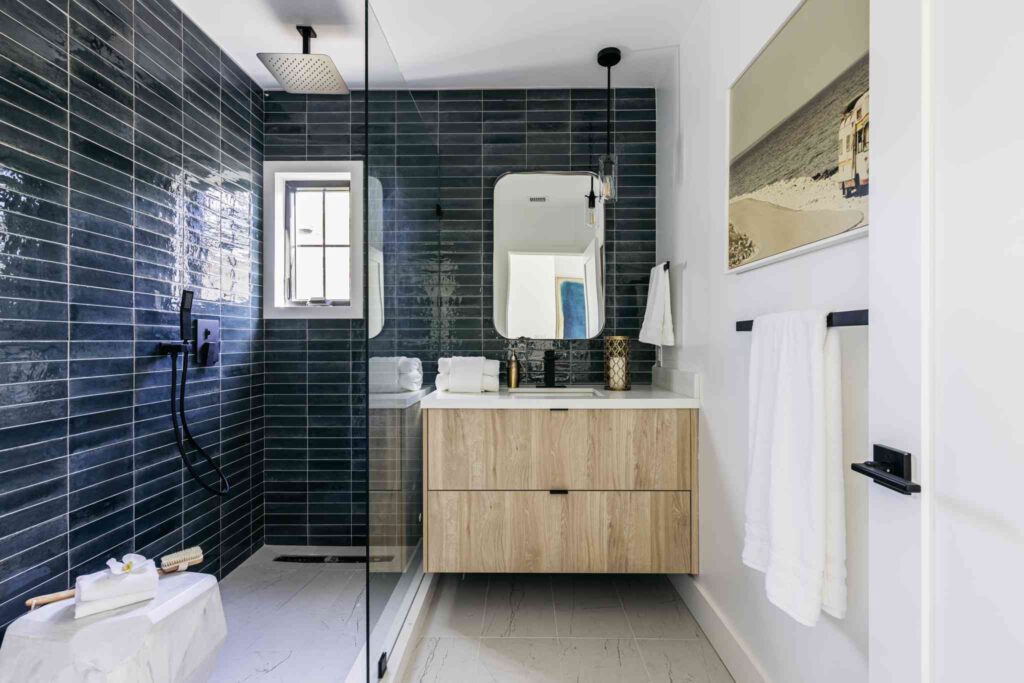
When it comes to creating a bathroom that seamlessly blends style, functionality, and durability, the choice of shower doors can make a significant difference. A well-designed shower door not only enhances the aesthetic appeal of your space but also contributes to its practicality and longevity. Modern homeowners and designers are increasingly turning to innovative shower door designs that provide a perfect balance of form and function. But what exactly makes a shower door stand out in bathroom design? Let’s dive into the features that make them a focal point in modern bathrooms.

Sleek and Minimalist Aesthetic

One of the most noticeable characteristics of high-quality shower doors is their sleek and minimalist design. In recent years, frameless shower doors have gained popularity for their ability to create a clean and open look in bathrooms. These doors eliminate the need for bulky frames, allowing the beauty of the glass to shine through. The transparency of frameless designs can make even small bathrooms feel larger and more inviting.

For those who prefer a touch of structure, semi-frameless options offer the perfect compromise. They provide subtle framing for enhanced stability while still maintaining a minimalist aesthetic. Both frameless and semi-frameless designs ensure that the focus remains on the overall bathroom design rather than the shower enclosure itself.

High-Quality Materials

The choice of materials plays a vital role in the performance and longevity of a shower door. Premium options typically feature tempered glass, which is known for its strength and durability. This type of glass is resistant to shattering, making it a safe choice for households. Additionally, many modern shower doors come with coatings that repel water and minimize soap scum and hard water stains, making maintenance a breeze.

The hardware used in these doors is equally important. Stainless steel and brass are commonly used for hinges, handles, and other components, ensuring resistance to corrosion and wear. High-quality materials not only enhance the functionality of the doors but also contribute to their aesthetic appeal, with finishes like chrome, brushed nickel, and matte black adding a touch of elegance.

Customization Options

Every bathroom is unique, and the best shower doors offer a range of customization options to suit different spaces and preferences. From sliding doors to pivot and bi-fold designs, there are styles to fit any layout. Homeowners can choose from clear, frosted, or textured glass to achieve their desired level of privacy and visual appeal.

Customization extends beyond the glass and hardware. Many manufacturers provide tailored solutions, allowing homeowners to specify dimensions, glass thickness, and even decorative accents. This level of flexibility ensures that the shower door complements the overall design scheme of the bathroom.

Functionality Meets Style

Vasca shower doors that stand out in bathroom design effortlessly combine functionality with style. They provide a secure and watertight seal to keep water contained within the shower area, preventing leaks and water damage to the rest of the bathroom. Sliding doors are particularly useful in tight spaces, as they don’t require additional clearance for opening. On the other hand, hinged or pivot doors offer a more traditional look and are ideal for larger bathrooms with ample space.

In terms of style, modern shower doors are designed to blend seamlessly with contemporary, transitional, and even traditional bathroom themes. Whether you’re looking for a door that complements sleek, modern fixtures or one that adds a touch of sophistication to a classic design, the versatility of shower doors ensures they meet your needs.

Enhancing the Overall Bathroom Experience

A well-chosen shower door doesn’t just improve the appearance of a bathroom; it also enhances the overall experience of using the space. The clarity and elegance of the glass create a sense of openness, while the quality construction ensures a smooth and reliable operation. Whether it’s the ease of cleaning, the durability of materials, or the design’s aesthetic appeal, these features combine to elevate the bathroom from a functional space to a personal retreat.

In conclusion, shower doors have become an essential element of modern bathroom design due to their ability to merge style, durability, and functionality. With options ranging from frameless designs to customizable glass and hardware choices, they cater to a wide array of preferences and needs. By investing in a thoughtfully designed shower door, homeowners can transform their bathroom into a space that exudes both luxury and practicality. Whether renovating an existing bathroom or designing one from scratch, choosing the right shower door can make all the difference.

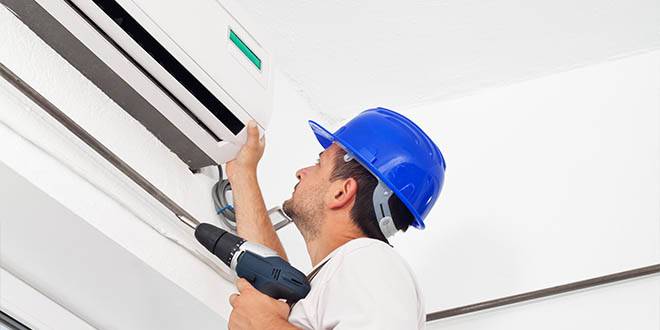
We have all been there on a hot summer day when your AC decides to stop working. While some issues can wait a day or two, others demand immediate attention to avoid costly damage or safety hazards. 

Let’s check out four critical AC problems that you should never ignore.

1. Refrigerant Leaks

Notice your AC isn’t cooling as well as it used to? A refrigerant leak might be to blame. Refrigerant is essential for cooling your home, and leaks can cause more than just discomfort.

  • Why It’s Serious –
    Refrigerant leaks aren’t just bad for your wallet they can harm your health and the environment. You might notice a sweet, chemical smell around your AC, a clear sign to call a professional. Left untreated, leaks can increase your energy bills and damage your system further.
  • The Fix –
    Only licensed technicians can safely detect and repair refrigerant leaks. They will also refill your system to keep it running efficiently.

2. Compressor Issues

The compressor is the heart of your AC system. It’s responsible for circulating refrigerant to cool your home. When it fails, you will notice your AC struggling or stopping altogether.

  • Warning Signs –
    Is your AC making odd noises like squealing or grinding? Or is it running without effectively cooling your space? These are common symptoms of compressor trouble.
  • Why Act Fast?
    Ignoring compressor problems can lead to system-wide damage, costly repairs, or even the need for a complete replacement.

3. Clogged Drain Lines

Your AC removes moisture from the air as it cools, and this water exits through a drain line. But over time, dirt and debris can clog the line, causing water to back up into your system.

  • The Risks –
    A clogged drain line can lead to water damage to your home and create a breeding ground for mold and bacteria.
  • What to Watch For –
    If you see water pooling near your unit, notice musty odors, or find that your AC shuts off unexpectedly, it’s time to check the drain line.

4. Electrical Issues

Electrical problems in your AC can be both dangerous and damaging. Whether it’s a tripped breaker, blown fuse, or burnt-out motor, these issues require urgent attention.

  • Why It’s Serious –
    Electrical problems can cause fires or electrical shocks. If you notice flickering lights, burning smells, or your unit refusing to turn on, don’t attempt a DIY fix.
  • The Solution –
    Only trained technicians should handle electrical repairs. Regular maintenance can help catch these issues early.

Don’t Let a Small Problem Become a Big One

When it comes to your AC, it’s better to be safe than sorry. If you notice any of these AC problems, don’t wait to call a professional right away.

Contact Scottsdale Air Heating & Cooling now for fast, reliable service to keep your home cool and comfortable!

In today’s fast-paced world, the need for extra space has become more crucial than ever. Whether you’re downsizing, moving homes, or simply need to clear up space in your garage, self-storage solutions offer an ideal answer. These services provide safe, secure, and flexible storage options for both personal and business needs. But what exactly are self-storage solutions, and how can they benefit you?

What is Self Storage?

Self-storage refers to a service where individuals or businesses rent storage units to store their items. These units are typically housed in a secure, access-controlled facility, offering a variety of sizes to accommodate different types of storage needs. Self-storage solutions are particularly useful for those who need temporary or long-term storage but lack the space at home or work to store their belongings.

Why Do You Need Self Storage?

There are numerous reasons why people seek out self storage solutions. Here are a few common scenarios:

1. Moving or Renovating

Moving to a new home can be overwhelming. With a self-storage unit, you can temporarily store your belongings until you’re ready to unpack or finish the renovations. It allows you to keep your items safe and organized while reducing the stress of managing everything at once.

2. Decluttering and Downsizing

Many individuals find themselves needing to downsize or declutter their homes. A self-storage unit provides an affordable and convenient way to keep your items without crowding your living space. Whether it’s seasonal decorations, old furniture, or keepsakes, you can store these items without feeling like you’re letting go of precious memories.

3. Business Storage

For small businesses, inventory, documents, and equipment can quickly take up valuable office space. Self-storage units allow businesses to store these items safely, ensuring that they aren’t cluttering up the workplace. This is particularly beneficial for seasonal businesses that experience fluctuations in demand.

4. Vehicle Storage

Whether it’s a boat, RV, or classic car, storing large vehicles at home can be impractical. Self-storage facilities often offer vehicle storage options that protect your vehicles from the elements and free up your driveway or garage.

5. Temporary Storage during Life Transitions

Life events such as a divorce, death in the family, or a new job may require temporary storage of belongings. A self-storage solution offers a secure place to store items during transitions, allowing for peace of mind during stressful times.

Types of Self Storage Units

Self-storage solutions come in various types to suit different needs. Here’s a breakdown of the most common types of storage units:

1. Standard Storage Units

These are the most common type of storage units. They are available in a wide range of sizes, from small 5×5 units to larger 10×20 units. They’re ideal for household items, furniture, and personal belongings.

2. Climate-Controlled Units

For sensitive items such as electronics, antiques, or artwork, climate-controlled units are a must. These units maintain a stable temperature and humidity level to protect your valuables from extreme weather conditions.

3. Drive-Up Units

Drive-up storage units offer direct access from your vehicle to the storage unit, making it easy to load and unload heavy or bulky items. These units are particularly popular for storing tools, equipment, or vehicles.

4. Business Storage Units

Business storage units are designed to accommodate bulk items, including inventory, documents, and office supplies. Many facilities offer additional services for businesses, such as package acceptance and extended access hours.

5. Vehicle Storage

If you need to store a car, boat, or RV, many self-storage facilities offer designated parking spaces or covered storage options. These spaces help protect vehicles from damage caused by weather conditions and theft.

Benefits of Self Storage Solutions

1. Convenience

Self-storage units offer 24/7 access to your items, giving you the freedom to retrieve or store items whenever you need. Many facilities even offer online payment systems, making it easy to manage your account. Self storage Lynchburg with the amenities to ensure safety & convenience for you & your belongings

2. Security

Self-storage facilities are designed with security in mind. They typically feature advanced security measures such as video surveillance, gated access, and individual unit alarms to ensure that your belongings are safe.

3. Flexibility

Self-storage solutions are incredibly flexible. You can rent a unit for as long as you need, whether it’s for a few months or several years. This flexibility allows you to adjust your storage needs as circumstances change.

4. Affordable

When compared to the cost of renting a larger home or office to accommodate extra items, self-storage is a much more affordable solution. With various unit sizes and payment plans available, you can choose an option that fits your budget.

5. Space Efficiency

By utilizing self-storage, you can free up valuable space in your home, office, or garage. This allows you to create a more organized, functional living or working environment.

How to Choose the Right Self Storage Solution

When choosing a self-storage unit, consider the following factors:

1. Location

Choose a storage facility that is conveniently located, whether it’s close to your home or business. Easy access can save you time and effort when you need to retrieve or store items.

2. Size of Unit

Assess the amount of space you need. Storage units come in a variety of sizes, and choosing the right one will ensure that you don’t overpay for extra space you don’t need or end up cramped with not enough room.

3. Security Features

Ensure the facility has proper security measures in place, such as surveillance cameras, secure access, and on-site management. This will provide you with peace of mind knowing your belongings are safe.

4. Climate Control

If you have sensitive items, such as electronics or artwork, opt for a climate-controlled unit. These units help maintain optimal conditions to protect your valuables.

5. Cost and Payment Plans

Compare prices and payment plans between facilities. Many offer month-to-month rentals, which can provide flexibility for short-term storage needs.

Conclusion

Self-storage solutions provide a simple, flexible, and secure way to store your belongings when you need extra space. Whether for personal, business, or vehicle storage, the range of options available makes it easy to find a unit that meets your specific needs. By selecting a reliable facility that offers convenience, security, and affordability, you can enjoy peace of mind knowing your items are stored safely and easily accessible when needed.

Plumbing issues always seem to strike at the worst times, don’t they? 

Whether it’s a dripping faucet that keeps you awake or a clogged drain that slows down your morning, these problems can disrupt your day. 

But the good news is that some common plumbing issues can be tackled quickly and easily without needing a plumber. Today we will talk about some practical plumbing repairs for everyday plumbing headaches!

Dripping Faucets

A faucet that drips relentlessly can waste gallons of water and inflate your water bill. Often, the culprit is a worn-out washer or O-ring.

The Fix – 

  1. Find out the valve under your sink and shut off the water supply.
  2. Remove the handle and locate the worn washer or O-ring.
  3. Swap out the old part for a new one, put the faucet back together, and turn the water back on.

Pro Tip – Regularly check your faucets for wear and tear to catch issues early.

Clogged Drains

Whether it’s a bathroom sink filled with hair or a kitchen drain clogged with grease, blockages are a common frustration.

The Fix –

  1. Use a plunger to dislodge clogs.
  2. Pour a mixture of baking soda and vinegar down the drain, let it fizz for 15 minutes, and flush with hot water.
  3. Use a plumber’s snake to remove deeper blockages.

Pro Tip – Avoid chemical drain cleaners they can damage your pipes over time.

Running Toilets

A running toilet can waste gallons of water every day. This issue is often caused by a faulty flapper valve or a misaligned float.

The Fix –

  1. Open the tank and inspect the flapper valve. Replace it if it’s worn or not sealing properly.
  2. Adjust the float to ensure water fills to the correct level and stops.

Pro Tip – Add a few drops of food coloring to the tank. If the color appears in the bowl without flushing, there’s a leak.

Low Water Pressure

Struggling with weak water flow? The issue is often due to clogged aerators or mineral build-up in pipes.

The Fix –

  1. Unscrew the aerator from your faucet or showerhead.
  2. Soak it in vinegar for an hour to dissolve debris.
  3. Rinse and reattach for better water flow.

Pro Tip – If the problem persists throughout your home, call a professional to check your main water line.

When to Call a Professional

While these quick fixes can save you time and money, some plumbing repairs need to be checked out by a professional plumber. 

If you need help with a stubborn plumbing problem Prodigy Plumbing, Sewer, Heating, & Air is here to tackle any issue, big or small. Call us today, and let’s get your plumbing back on track!

When Sarah and Mark purchased their 1970s ranch-style home in Orlando, Florida, they fell in love with its charm—but not its weathered exterior. The paint was peeling, the siding was warped, and the old windows let in drafts that turned their cozy living room into an icebox in winter. They knew it was time for a change, but like many homeowners, they felt overwhelmed. With a deep breath and a call to a trusted siding contractor in Orlando, Florida, their home improvement adventure began, transforming their aging house into a warm, inviting space they could proudly call home.

Why Siding Matters More Than You Think

Siding isn’t just about curb appeal, though that’s often the first thing that comes to mind. Think of your home’s siding as its armor, protecting it from Florida’s sun, humidity, and stormy weather. Quality siding acts as a barrier, keeping moisture out, regulating indoor temperatures, and even boosting your home’s energy efficiency. For a homeowner, investing in durable siding is like putting a strong lock on your door—it keeps the good in and the bad out.

But here’s the kicker: not all siding materials are created equal. Vinyl siding is popular because it’s affordable, low-maintenance, and available in a variety of styles. Fiber cement siding, on the other hand, offers durability and a wood-like appearance that appeals to many homeowners. Choosing the right material depends on your aesthetic preferences, budget, and how much time you’re willing to spend on maintenance.

Signs It’s Time to Replace Your Siding

If your siding could talk, it might already be crying out for help. Watch for these telltale signs:

  1. Warping or Cracking: These are red flags that your siding isn’t holding up against the elements.
  2. Peeling Paint or Bubbling: This could indicate moisture trapped under the surface—a recipe for mold and mildew.
  3. Higher Energy Bills: Poor siding lets air escape, forcing your HVAC system to work harder.
  4. Fading or Discoloration: While not always a structural issue, faded siding can make your home look tired.

If you notice any of these issues, calling a professional siding contractor in Orlando, Florida, can help you assess the damage and plan the next steps.

Benefits of Upgrading Your Siding

Upgrading your siding is like giving your home a facelift—and the perks go far beyond appearances. First, new siding can significantly increase your home’s resale value, making it a smart investment if you’re planning to sell in the future. Second, it improves insulation, saving you money on energy bills. And let’s not forget peace of mind; knowing your home is protected from Florida’s unpredictable weather is priceless.

Many siding options also come with warranties that last decades, so you won’t need to worry about replacements any time soon. It’s the kind of investment that pays dividends in comfort, style, and security.

Why Professional Installation Matters

Sure, YouTube DIY tutorials make installing siding look like a breeze, but the truth is, this is one job best left to the pros. A professional siding contractor has the tools, experience, and knowledge to install siding properly. Incorrect installation can lead to water damage, inefficient energy use, and even structural issues down the line.

When selecting a siding installer in Orlando, Florida, look for someone with a solid reputation and experience working with different siding materials. They should also be upfront about costs and timelines, so you’re not left guessing.

Other Home Improvement Projects to Consider

Siding might steal the spotlight, but it’s rarely a solo act. Pairing new siding with window replacements can amplify your home’s transformation. Modern, energy-efficient windows not only look sleek but also enhance indoor comfort by keeping the Florida heat outside where it belongs.

You might also consider adding a fresh coat of paint to doors or upgrading outdoor lighting. Small touches like these can create a cohesive look that makes your home feel brand new.

Conclusion

Sarah and Mark’s home is now the talk of the neighborhood—a perfect example of how siding and thoughtful home improvements can breathe new life into a property. They no longer dread coming home to a place that felt outdated. Instead, their home reflects the warmth and care they’ve poured into it, standing strong against Orlando’s weather while turning heads with its polished look.

If you are looking to make siding and window improvements to your home, Creative Remodeling of Orlando is your best bet!

So, what’s the next step in your home improvement journey? Is it time to explore siding options and unlock your home’s potential?

Waterproofing is a critical step in home construction, preventing costly repairs and preserving structural integrity. By protecting walls, floors, and foundations, waterproofing safeguards against moisture-related issues like mold, cracks, and leaks. Here’s why waterproofing matters and how to effectively protect your home. Also check superioryardworks.ca

Why Waterproofing Matters

Without waterproofing, homes are suscepntible to moisture infiltration, leading to long-term structural issues. Water can seep into walls, basements, and foundations, weakening the structure and causing materials like wood and concrete to deteriorate. Moisture also promotes mold growth, which affects indoor air quality and poses health risks. Waterproofing ensures a dry, healthy environment, reducing the need for future repairs and adding to the home’s value.

Key Areas to Waterproof

1. Foundation and Basement

The foundation and basement are particularly vulnerable to water infiltration, especially in areas with high groundwater levels. Waterproofing these areas is essential to prevent seepage that can damage the foundation over time. Techniques such as cementitious coatings, liquid membranes, and bituminous coatings create effective waterproof barriers, helping to prevent mold, structural damage, and even basement flooding.

2. Roof

The roof is constantly exposed to elements like rain, sun, and wind, making waterproofing a priority. Methods like liquid and bituminous membranes provide strong, durable seals against moisture. Proper roof waterproofing extends its lifespan, prevents leaks, and protects the interior from potential water damage, which can affect ceilings, insulation, and walls. Quality roof waterproofing reduces the risk of costly repairs and keeps water out of your home.

3. Exterior Walls

Exterior walls face continuous exposure to changing weather, which increases their vulnerability to moisture intrusion. Applying waterproof coatings like cementitious or liquid-applied membranes helps prevent water from entering the home. Waterproofing exterior walls keeps the indoor environment comfortable and reduces mold risk, ensuring a longer lifespan for your home’s walls.

4. Bathrooms and Kitchens

Bathrooms and kitchens experience high humidity and frequent water use, increasing the risk of leaks and moisture buildup. Waterproofing in these areas prevents water damage to floors, walls, and cabinetry. Cementitious coatings or liquid membranes create effective moisture barriers, maintaining cleanliness and preventing long-term issues in these high-moisture zones.

Choosing the Right Materials

The choice of waterproofing materials depends on the area and specific structural needs. Cementitious coatings are durable for basements and foundations, while liquid membranes offer flexibility, ideal for roofs and exterior walls. Bituminous coatings provide water resistance in basements and low-slope roofs. Polyurethane is a flexible option suitable for flat surfaces and high-humidity areas, known for its UV resistance.

Conclusion

Waterproofing is a proactive approach to protect your home and maintain its value over time. From the foundation and roof to walls and high-moisture areas, ensuring a comprehensive waterproofing strategy shields your home from moisture damage. Investing in the right waterproofing techniques and materials helps safeguard your dream home, preserving its beauty, durability, and comfort for years to come. By waterproofing now, homeowners can avoid costly repairs and enjoy a dry, safe, and structurally sound living space.

;
Superior Yard Works
Email: superioryardworks@outlook.com
Phone: 807-355-4954
Url:
;
135 Windemere Ave S
Thunder Bay, ON P7B4M5

Natural disasters like hurricanes and floods can leave behind extensive damage, including problems with your plumbing system. Read more about https://galaxyplumbingservices.com/24-7-emergency-plumbing/

These events can disrupt your plumbing, requiring you to fix pipes and restore your home’s functionality. Here are some essential tips for repairing plumbing issues after a hurricane or flood:

1. Clogged Drains

Drain clogs are a frequent plumbing issue after flooding. Clogs can form in pipes or sewer lines, often due to tree roots, debris, or even small animals. Floodwaters can block drains, leaving water stagnant in pipes and causing clogs.

To clear a clogged drain, start by removing the blockage and adding water to the pipe. Use a plunger or snake to push debris out of the pipe, repeating if necessary. If clogs persist, contact a plumber for professional help.

2. Dirty and Damaged Fixtures

After severe flooding, fixtures and appliances may be damaged. Water can corrode or break fixtures, leading to leaks and the need for repairs or replacements.

To prevent leaks and further damage, clean any affected parts immediately. Ideally, this should be done before the floodwater fully recedes. Each case of water damage is unique, so inspect and clean your fixtures and appliances carefully to prevent more issues.

If foundation issues affect plumbing, consulting a structural engineer is recommended to assess what repairs are needed.

3. Broken Pipes in the Home

Damaged pipes are a frequent issue following a hurricane. When a pipe breaks, water continues flowing until it reaches the break, potentially causing further damage.

To stop a broken pipe, locate and turn off the main shut-off valve. If you don’t have one, contact your utility company to halt the water flow. Once the water is off, call a plumber to repair the break and restore your water system.

4. Foundation Damage

Floods and hurricanes can severely damage your home’s foundation, which may also lead to plumbing issues like pipe breaks and leaks.

If you suspect foundation damage, consult a structural engineer to determine the necessary repairs. Plumbing problems caused by foundation issues often require immediate attention to prevent leaks and further structural harm.

5. Checking for Contaminated Water

After a flood, it’s essential to check if your water supply has been contaminated. Floodwaters often carry harmful bacteria, chemicals, and other pollutants that can seep into your plumbing system, potentially contaminating your drinking and household water. Avoid using any water from your taps until you have confirmed its safety. It’s best to have a professional test your water for contaminants or consult your local water utility for testing options. If contamination is detected, you may need to flush and disinfect your pipes to ensure safe, clean water throughout your home.

Conclusion

Plumbing systems are vulnerable to various types of damage after a flood. Repairing your plumbing system promptly ensures your home is safe to use. For complex or extensive repairs, contact a professional plumber to restore your system safely and effectively.

;

Galaxy Plumbing & Heating

Email: service@galaxyplumbingservices.com

Phone: 604-802-1518

Url: https://galaxyplumbingservices.com/

;

5307 Victoria Dr #1180

Vancouver, BC V5P3V6

https://maps.google.com/maps?q=galaxy%20plumbing&t=&z=13&ie=UTF8&iwloc=&output=embed

Keeping your home clean is not just about making it look nice—it’s an essential aspect of maintaining a healthy, organized, and comfortable living environment. While it can be tempting to leave the cleaning for the weekends or when you feel like it, there are numerous benefits to establishing a regular cleaning routine. Here’s why cleaning your house with the help of cleaners in Airdrie on a regular basis is so important.

1. Promotes a Healthier Environment

One of the most important reasons to clean your house regularly is to promote better health. Dust, dirt, and allergens such as pet dander can build up quickly in any home. If left unchecked, they can contribute to respiratory issues, allergies, and skin irritations. Regular cleaning helps reduce the accumulation of these irritants, keeping the air in your home fresh and reducing the risk of illnesses.

High-traffic areas, like floors, countertops, and bathroom surfaces, are prime spots for bacteria and germs to collect. By cleaning them regularly, you reduce the chances of spreading germs, helping to prevent colds and flu from taking hold in your household.

2. Improves Mental Well-Being

A clean home can have a profound impact on your mental health. Studies have shown that cluttered or dirty environments can lead to increased stress and anxiety. When you have a clean and organized space, you are more likely to feel calm and in control. Regular cleaning gives you the opportunity to keep your surroundings in order, creating an environment that fosters relaxation, productivity, and overall peace of mind.

Additionally, spending time in a well-maintained home can improve your mood and reduce feelings of being overwhelmed. It’s easy to feel stressed when surrounded by mess, but a clean home can help clear your mind and restore a sense of balance.

3. Prevents Damage and Wear and Tear

Another advantage of cleaning regularly is the prevention of long-term damage. Dirt, grime, and dust can wear down surfaces and materials, leading to costly repairs or replacements. For example, not cleaning your carpets or floors regularly can cause them to deteriorate faster. Kitchen appliances, when cleaned regularly, will run more efficiently and last longer. Bathrooms that are kept clean will not only look better but will avoid the build-up of mold or mildew that could require expensive remediation.

Additionally, regular cleaning extends the lifespan of your furniture, countertops, and even your home’s paint job. By keeping surfaces clean, you reduce the risk of permanent stains or discoloration, helping your home maintain its value over time.

4. Increases Productivity and Focus

When your living space is clean and organized, it becomes easier to focus on tasks, whether it’s work, school, or relaxation. A clutter-free environment encourages productivity, as there are fewer distractions around you. When everything is in its place, you won’t waste time searching for items or feeling overwhelmed by clutter.

5. Fosters a Welcoming Home

Finally, a clean home is a welcoming home. Regular cleaning ensures that your space is always ready for guests, whether it’s a casual visit from friends or a family gathering. A tidy home reflects your care for your environment and makes others feel comfortable and at ease when they enter.

Have you noticed your water bill creeping up or spotted mysterious water stains around the house? 

Plumbing leaks can range from minor annoyances to major problems, and they often sneak up on homeowners. 

Let’s take a look at some common plumbing leaks and explore ways to prevent them from causing costly damage.

1. Dripping Faucets

The steady drip of a leaky faucet is more than just an annoyance it’s a waste of water and can lead to higher bills. 

A faucet might leak due to worn-out washers, seals, or even corrosion in the fixture. Regularly checking your faucets and replacing any worn parts can keep them in good shape. 

And remember, if a leak seems to persist, calling in a plumber can often be cheaper than letting water waste pile up on your utility bill.

2. Leaky Pipes

Leaky pipes are common and can cause significant damage if left unchecked. They often occur where pipes connect or at weak spots, and they can stem from corrosion, high water pressure, or even a poor installation job. 

Check under sinks, in basements, and around appliances for any signs of wet spots or drips. Catching a leaky pipe early and repairing or replacing it can help prevent bigger issues like mold growth and structural damage.

Prevention Tip – Insulating pipes, especially those in colder areas, can help prevent leaks by reducing the risk of freezing and bursting.

3. Toilet Leaks

Is your toilet running long after you flush it? This could mean there’s a leak. 

Toilets can leak from multiple places, such as around the tank seal, or due to a worn-out flapper inside the tank. 

These leaks not only waste water but can also damage your flooring if left unaddressed. To check for a leak, add a few drops of food coloring to your toilet tank. 

If the color seeps into the bowl without flushing, you likely have a leak.

Prevention Tip – Inspect your toilet parts every six months to ensure everything is intact. Replacing inexpensive parts like flappers can often stop leaks before they start.

4. Water Heater Leaks

A leaky water heater is a problem no homeowner wants, especially during colder months. These leaks usually result from corrosion in the tank, high water pressure, or a faulty pressure relief valve. 

A leaking water heater can damage surrounding walls and floors, so it’s best to address it as soon as you spot an issue.

Prevention Tip: Schedule annual maintenance for your water heater to check for any signs of corrosion or pressure issues. Flushing the tank once a year can also help clear out sediment and extend the heater’s life.

For reliable plumbing leak solutions, contact Adeedo Drains, Plumbing, Heating, & Air today. We will keep your home leak-free and help protect your property from costly water damage.