Tag

factor

Browsing

When planning a kitchen renovation or new build, few decisions are as impactful as your choice of countertop. It’s the surface you’ll cook on, clean, and admire every day—so it needs to be both durable and visually appealing. Among the many options available, Vicostone quartz countertops have become a top choice for homeowners who want the look of natural stone combined with the strength of engineered quartz.

In particular, Casa Granite Vicostone countertops offer a variety of styles and finishes that blend high-end aesthetics with everyday functionality. This guide will walk you through the key factors to consider when selecting Vicostone for your kitchen, helping you make a choice that balances beauty, performance, and long-term value.

1. Understand What Makes Vicostone Unique

Vicostone countertops are made from high-quality quartz combined with advanced polymer resins. This creates a non-porous, scratch-resistant, and highly durable surface that requires little maintenance compared to natural stone like granite or marble.

Key benefits include:

  • High resistance to stains, heat, and impact

  • Non-porous surface that doesn’t harbor bacteria

  • Low maintenance (no sealing required)

  • Wide range of colors and patterns

If you want a countertop that stands up to the demands of daily cooking without sacrificing elegance, Vicostone is a solid contender.

2. Explore Color and Pattern Options

One of Vicostone’s biggest strengths is its variety. Whether you’re drawn to the look of natural marble, industrial concrete, or solid modern hues, there’s likely a Vicostone design that fits your aesthetic. Popular styles include:

  • Marble-inspired designs with veining

  • Granite-style speckled finishes

  • Bold, dramatic surfaces for statement kitchens

  • Subtle neutrals for minimalist designs

Working with experienced suppliers like those offering Casa Granite Vicostone countertops ensures you get access to the full product line, with professional guidance on matching tones and finishes to your cabinetry, backsplash, and flooring.

3. Consider Thickness and Edge Profiles

Vicostone slabs are available in different thicknesses—typically 1.2 cm, 2 cm, and 3 cm. Your choice will depend on the style you’re aiming for and your cabinetry’s structural requirements.

Don’t forget about the edge profile, which can subtly affect the overall look. Common options include:

  • Eased/Flat Edge – Clean and contemporary

  • Beveled Edge – A touch of elegance

  • Ogee Edge – Traditional and detailed

  • Bullnose – Smooth and rounded

Selecting the right combination of thickness and edge profile adds polish to your overall kitchen design.

4. Think About Functionality

Beyond looks, your countertop needs to work for how you live. Think about:

  • How often you cook – More usage requires a harder, more resilient surface.

  • Cleaning habits – Vicostone’s non-porous nature makes it ideal for quick wipe-downs.

  • Kids or pets – Scratch and stain resistance becomes more important.

Vicostone excels in busy family homes because it offers both strength and simplicity.

5. Budget and Long-Term Value

While Vicostone quartz is generally more affordable than high-end marble, it still offers a luxurious appearance and long-term value. The upfront investment pays off in:

  • Reduced maintenance costs

  • Fewer repairs or replacements

  • Enhanced resale appeal

Suppliers such as Casa Granite provide detailed quotes and installation services that help you stay on budget while getting premium quality.

6. Professional Installation Matters

Proper installation ensures your countertops perform at their best. Look for suppliers who offer:

  • On-site measurements

  • Precision cutting

  • Seamless fitting and finishing

  • Warranty-backed service

Experienced installers will handle everything from slab transportation to edge polishing, giving you peace of mind.

Conclusion

Choosing the right countertop is about more than just appearance—it’s about durability, practicality, and how it supports your daily routine. Casa Granite Vicostone countertops deliver on all fronts, offering a wide array of stylish, high-performance surfaces that make your kitchen both functional and beautiful.

Whether you’re renovating a modern space or designing a timeless classic, Vicostone’s versatility and reliability make it an excellent choice. With the right guidance and installation, your new countertops can transform your kitchen into a space you’ll love for years to come.

Achieving a Smooth and Flawless Finish

When it comes to achieving flawless and long-lasting wall finishes, architects and interior designers rely on high-quality materials that enhance both durability and aesthetics. One such essential product is NCL Alltek Wall Putty, known for its superior adhesion, smooth finish, and protective properties. Whether it’s Acrylic Putty or White Cement Putty, NCL Buildtek offers premium solutions for residential, commercial, and luxury projects, ensuring walls remain structurally sound while enhancing the overall aesthetic appeal.

A key reason why professionals prefer NCL Wall Putty is its ability to create an ultra-smooth surface that enhances paint application. Uneven walls can compromise the look of even the best-quality paints, but this putty provides a seamless base that allows colors to appear richer and more vibrant. Whether it’s for high-end interiors with sophisticated finishes or exterior walls exposed to harsh weather conditions, this putty ensures a perfect foundation that improves paint longevity and reduces the need for frequent touch-ups.

Durability, Moisture Resistance, and Sustainability

Durability is another factor that makes NCL Buildtek Wall Putty a preferred choice. Unlike conventional putties, which may crack or peel over time, this advanced formulation offers strong adhesion to concrete, plastered walls, and ceilings. The White Cement Putty is particularly popular for its strength and long-lasting performance, ensuring that walls remain crack-free and smooth for years. Similarly, Acrylic Putty provides excellent flexibility and resistance to weather changes, making it a perfect choice for both interior and exterior applications.

Moisture resistance is another standout feature of NCL Buildtek Wall Putty, protecting walls from dampness, mold, and fungal growth. This makes it an ideal solution for areas prone to humidity, such as bathrooms, kitchens, and coastal properties, where maintaining pristine walls can be challenging. Additionally, the superior water-resistant properties of Acrylic Putty make it a reliable option for buildings exposed to extreme weather conditions.

For architects and designers working on sustainable projects, NCL Buildtek Wall Putty aligns with eco-friendly construction practices. It is formulated with low VOC (volatile organic compound) levels, ensuring better indoor air quality and a safer environment. With increasing demand for green buildings and healthier living spaces, the use of non-toxic, high-performance materials like White Cement Putty and Acrylic Putty has become essential. These putties not only meet sustainability standards but also contribute to long-term cost savings by reducing maintenance and repainting needs.

The versatility of NCL Alltek Wall Putty makes it suitable for a wide range of applications, from modern homes to commercial buildings, offices, hotels, and retail spaces. It ensures uniformity in finish and enhances the overall aesthetic appeal of interiors and exteriors alike. For professionals looking to deliver top-notch projects that stand the test of time, Acrylic Putty and White Cement Putty are crucial components in achieving walls that are not only visually appealing but also structurally resilient. With their proven quality and trusted performance, it’s no surprise that architects and interior designers consistently recommend NCL Buildtek Wall Putty for all types of construction and renovation projects.

In recent years, the focus on sustainable living has significantly influenced home improvement choices, including flooring. Vinyl floor tiles, a popular choice due to their durability and cost-effectiveness, are also making strides in the eco-friendly arena. This shift is crucial for those looking to make environmentally conscious decisions without sacrificing style or functionality. Let’s explore how modern vinyl floor tiles are becoming a greener option and why they might be the right choice for your eco-friendly home.

Advancements in Vinyl Flooring Technology

Sustainable Manufacturing

The production of vinyl flooring has evolved, with manufacturers increasingly committing to reducing environmental impacts. Modern vinyl tiles often include recycled materials, which help decrease waste in landfills. The manufacturing processes have also improved, aiming to reduce the emission of volatile organic compounds (VOCs) and using energy more efficiently.

Recyclability and Reusability

Closing the Loop

Unlike some flooring options that end up in the landfill at the end of their lifecycle, certain types of vinyl flooring are recyclable. This ability to recycle helps lessen the environmental impact by reducing the demand for new raw materials and lowering the amount of waste. Moreover, some companies offer take-back programs where used vinyl flooring can be returned and repurposed into new products, further promoting a circular economy.

Low Impact on Indoor Air Quality

Healthier Living Spaces

One critical aspect of sustainable living is maintaining healthy indoor air quality. Modern vinyl floor tiles are being designed to meet strict indoor air quality standards. These products are less likely to emit harmful chemicals, thanks to better manufacturing practices and stringent regulations, which ensures a healthier environment for families.

Longevity and Efficiency

Durable Choices Reduce Waste

The inherent durability of vinyl floor tiles makes them a sustainable option in the long run. Floors that need to be replaced frequently contribute to environmental degradation through increased raw material extraction and waste creation. Vinyl’s resistance to damage and easy maintenance can prolong its lifespan, reducing the frequency of replacements and, consequently, its environmental footprint.

Influence on Energy Consumption

Thermal Efficiency

Vinyl tiles can also contribute indirectly to reducing energy consumption. These tiles retain warmth, providing better insulation than some other flooring types. This can be particularly beneficial in colder climates where maintaining indoor temperature can lead to significant energy use.

A Conscious Choice

Choosing eco-friendly vinyl floor tiles means making an informed decision that aligns with both your design preferences and environmental responsibilities. It represents a holistic approach to home improvement, considering the impacts on the planet alongside the benefits to the homeowner.

As the flooring industry continues to innovate, the potential for sustainable practices increases. By opting for eco-friendly vinyl floor tiles, homeowners play a part in this positive change, paving the way for a greener, more sustainable future. Taking these factors into account will ensure that your home is not only beautiful and functional but also kinder to the environment.

What to Consider Before Installing an Air Conditioner

Installing an air conditioner in your home is a game-changer, especially during the hot weather in Melbourne. But before you jump in, there are some important elements to consider. The size of the unit, the placement, and even the type of aircon system all play a role in how effective your cooling will be.

Choosing the Right Type of Air Conditioner

Not all air conditioners are created equal. Some are designed for small rooms, while others can cool an entire home. Here are the most common types:

  • Split System Air Conditioners: These are perfect for single rooms or small areas. They consist of an indoor and outdoor unit, making them one of the most energy-efficient options.
  • Ducted Air Conditioning: If you want whole-home cooling, ducted aircon is the way to go. This system distributes cool air through ducts hidden in the ceiling or walls.
  • Window Air Conditioners: Ideal for apartments or smaller spaces, these units are installed directly into a window or a wall opening.
  • Portable Air Conditioners: These are the easiest to install since they require no permanent setup. However, they aren’t as powerful as split or ducted systems.

Finding the Best Location for Your Air Conditioner

The placement of your aircon unit affects its efficiency. For the indoor unit, choose a spot that allows for even airflow without obstructions like furniture or curtains. For outdoor units, make sure they have proper ventilation and are not exposed to direct sunlight.

Essential Tools and Equipment for Installation

Installing an air conditioner requires specific tools to ensure a safe and professional setup. Here’s what you need:

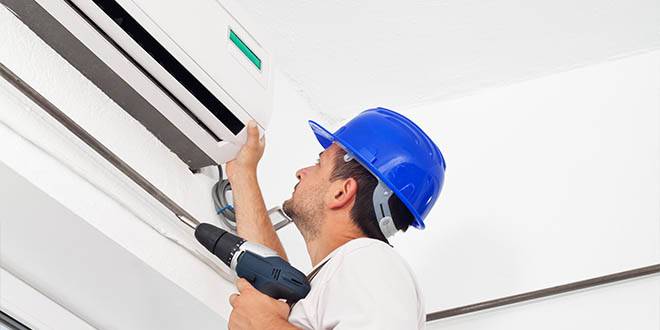
  • Drill and drill bits for mounting the indoor unit
  • Measuring tape for precise positioning
  • Level to ensure proper alignment
  • Vacuum pump to remove moisture from refrigerant lines
  • Refrigerant gauges to check pressure levels
  • Electrical wiring tools for power connections

Step-by-Step Guide to Installing an Air Conditioner

Now that you have everything ready, let’s go through the installation process step by step.

Step 1: Mounting the Indoor Unit

Start by choosing a sturdy wall to support the indoor unit. Drill holes for the mounting bracket and secure it properly. Once the bracket is in place, carefully attach the indoor unit, making sure it sits level to avoid water leaks.

Step 2: Drilling the Hole for the Piping

The indoor and outdoor units need to be connected by refrigerant piping. Drill a hole through the wall for these pipes, ensuring it’s angled slightly downward to allow proper drainage.

Step 3: Installing the Outdoor Unit

The outdoor unit should be placed on a stable surface with at least half a metre of clearance around it. This ensures proper airflow and prevents overheating. Secure it with brackets if mounting it on a wall.

Step 4: Connecting the Piping and Wiring

Carefully connect the refrigerant piping between the indoor and outdoor units. Use a vacuum pump to remove air and moisture from the system before releasing the refrigerant. Connect the electrical wiring according to the manufacturer’s instructions.

Step 5: Sealing the Installation

To prevent leaks and insulation issues, seal the hole where the pipes pass through the wall. This step is crucial in keeping your home energy-efficient.

Step 6: Testing the Air Conditioner

Once everything is connected, it’s time to test the system. Turn on the aircon and check for any unusual noises, weak airflow, or error messages. If everything looks good, you’re all set to enjoy cool air.

Common Mistakes to Avoid During Installation

Even with careful planning, mistakes can happen. Here are a few common installation errors and how to avoid them:

  • Poor Placement: Avoid installing the indoor unit near heat sources like ovens or direct sunlight.
  • Incorrect Pipe Insulation: Poor insulation can lead to refrigerant leaks and reduced cooling efficiency.
  • Skipping the Vacuum Process: Failing to vacuum the system before releasing refrigerant can cause long-term damage.
  • Wrongly Sized Unit: If your aircon is too small, it will struggle to cool your space. Too large, and it will cycle on and off too frequently.

How to Maintain Your Air Conditioner After Installation

After spending a lot of time and effort installing your aircon, keeping it in top shape is essential. Here’s what you can do:

  • Clean or replace filters every two weeks for better airflow
  • Check the refrigerant levels annually to prevent cooling issues
  • Keep the outdoor unit clear of leaves, dust, and debris
  • Schedule professional servicing every year to extend the unit’s lifespan

Can You Install an Air Conditioner Yourself?

Technically, yes, but in Australia, refrigerant handling requires a licensed professional. While you can mount the unit and prepare the installation, a licensed technician must complete the refrigerant connection. Doing it yourself without proper licensing can lead to fines or void your warranty.

How Much Does Air Conditioner Installation Cost in Melbourne?

The cost of installing an air conditioner depends on the type of system and complexity of the installation. On average:

  • Split system installations cost between $600 and $1,500
  • Ducted systems can range from $5,000 to $12,000, including ductwork
  • Window units cost between $200 and $500 for installation

It’s always best to get a professional quote to understand the full cost based on your home’s layout.

What Size Air Conditioner Do You Need?

Choosing the right size AC unit is crucial for efficiency. If you’re unsure what capacity air conditioner size do i need, you should consider factors like room size, insulation, and ceiling height.

Is It Worth Installing an Air Conditioner During Home Renovations?

If you’re renovating your home, it’s the perfect time to install an air conditioner. Planning AC installation during renovations allows you to hide ductwork, position units for maximum efficiency, and integrate smart home features. Plus, it saves money on post-renovation retrofitting.

Final Thoughts

Installing an air conditioner in your home is one of the best investments for comfort and energy efficiency. Whether you choose a split system, ducted, or window unit, proper installation ensures long-term performance. If you’re in Melbourne, always hire a licensed technician to handle refrigerant-related tasks. With the right setup, you’ll enjoy a cool and comfortable home no matter how extreme the temperatures get.

There’s no denying how modern area rugs have grown in popularity throughout recent years as more homeowners have incorporated modern aesthetics and décor.

This has led to a huge increase in purchases of modern rugs; however, a lot of rug shoppers are surprised to find out that shopping for modern rugs is often difficult.

It’s normal if you have questions while browsing the Web for new modern area rugs, which is why we’ve developed this article to answer some of the frequently asked questions (FAQs) that people tend to have during these décor shopping processes.

So, check out the below sections to see if your questions regarding modern rugs are answered here!

What Types Of Modern Area Rugs Match My Personal Lifestyle?

Although it’s sort of impossible for us to know the intricate details of your personal lifestyle, the good news is that there are modern area rugs for everyone.

One thing that’s important to keep in mind while shopping is that area rug performance and appearance is largely determined by how the rug was originally constructed. If you’re living on a tight household budget, you’ll likely want to choose a more affordable modern rug that’s made by machines—as opposed to a handmade rug.

And if you have pets and children, you’ll likely want a machine-washable area rug. Pet owners and parents can also benefit from the added investment of a wool rug, because wool is very stain-resistant and easy to clean.

Are Rug Pads Important For My New Modern Rugs?

It’s typically recommended for rug shoppers to purchase a rug pad alongside their new area rug, because rug pads give rugs added cushioning and they protect your floors from unwanted wearing.

Rug pads will also minimize your chances of slipping due to the added traction they provide, which makes your rug purchase much safer.

How Do I Clean Modern Area Rugs?

It’s recommended to get your modern area rugs professionally cleaned at least every two years, because this will go a long way to keep your rugs feeling and looking awesome throughout the long-term future.

In terms of your own daily upkeep, you should be vacuuming your rugs on at least a weekly basis, and likely even more frequently if you have pets and kids. And when spills occur, you’ll likely need to take extra precautions and specific steps based upon the type of spill you’re experiencing.

Where Should I Put My New Modern Rugs?

There’s no telling where exactly the best place for your new modern area rugs would be, and this is generally because modern rugs can be placed just about anywhere within a property.

This includes common residential spaces like:

  • Living rooms
  • Dining rooms
  • Bedrooms
  • Bathrooms
  • Kitchens
  • Decks/Patios
  • Porches
  • Foyers
  • Hallways
  • Staircases
  • And much more!

How Do I Fix Rug Snags?

Rug snags can be a particularly tricky issue to fix, because pulling on a snagged rug fiber can often lead to much worse issues. That’s why it’s important to remember that you should never pull a snagged rug fiber!

What you should do instead is lift the snagged fiber and clip it directly to the source of the snag. If you’re not exactly sure what to do about a rug snag, your best bet is to reach out to industry professionals for further assistance.

What Exactly Is A Rug Pile?

Rug pile refers to the surface area depth of a rug, so we’re specifically talking about the fibers that make up the rug’s visible face.

Another way to think about pile is as a rug’s general thickness. The higher a rug’s pile, the thicker it is—and vice versa.

What’s The Best Modern Rug Size For My Room?

There isn’t one specific rule that dictates the proper rug size for your desired space; however, you should generally allow for space between your rug edges and your room’s walls.

You should also try to ensure that your main living room furniture pieces are at least halfway underneath your area rug. When it comes to dining room rugs, you’ll want the rug to be big enough so your dining room table’s chairs will still be on top of the rug when the chairs are fully pulled out.

How Long Do Modern Area Rugs Last?

The durability of a modern area rug will largely depend upon the rug’s materials and construction methods, as well as your personal lifestyle.

Wool, cotton, silk and other natural fibers tend to last much longer in comparison to synthetic fibers like polypropylene and nylon. There are many factors that shoppers should keep in mind regarding area rug longevity, and proper upkeep and cleaning will always go a long way to ensure that your rug lasts as long as possible!

What Are The Differences Between Modern Rug Fibers?

Wool area rugs tend to be incredibly popular, and this is partly because they’re durable and can withstand years of heavy foot traffic.

Nylon is a popular synthetic fiber that’s also known for its easy maintenance and significant durability, which makes nylon rugs a good option for homes with pets and children.

Polypropylene rugs are resistant to common rug issues like mold, static, staining and fading.

What Are Hand-Tufted Modern Rugs?

Hand-tufted rugs are very popular, and this term refers to how the rugs are constructed.

Instead of being 100% handmade, hand-tufted rugs are produced with a tufting gun. This creates a construction that’s very similar to handcrafted rugs, except the manufacturing process is much more efficient and quicker.

But because hand-tufted rugs aren’t as durable and handmade rugs, they’re usually better suited for low-traffic areas. However, they’re a wonderful option for rug shoppers that want a high-quality rug at an affordable price!

Reach Out To Rug Source To Check Out Their Selection Of Modern Area Rugs!

There’s a lot to love about modern rugs, and we hope that some of your questions have been answered within this article.

But if you still have questions on your mind while shopping online, we still got your back with easy and direct access to some of the brightest minds in the entire rug industry.

Check out the link at the top of this page that goes to the Rug Source website and speak with their specialists today about what’s on your mind regarding modern area rugs!

Quality industrial flooring is crucial for factories, warehouses, and other commercial spaces. Be it cement flooring, or epoxy flooring, you need a contractor who ensures your floors are durable and can withstand heavy machinery, foot traffic, and daily wear and tear. 

With various industrial flooring systems in Toronto, finding the right contractor can be challenging. To help you out, we have provided a few tips in the post below.

  • Understand Your Flooring Needs

Before you start searching for a contractor, it’s essential to understand the type of industrial flooring you need. Industrial flooring comes in various materials like concrete, epoxy, vinyl, and more. Each flooring type is unique and suitable for different environments. Think about the environment of the space, so you can pick the right flooring to go with. By identifying your needs, you can find the contractor for the job.

  • Look for Experienced Contractors

Experience is one of the most important factors when it comes to choosing an industrial flooring contractor. Compared to other types of flooring, industrial flooring is different. Therefore, look for contractors who are experienced particularly in industrial flooring. Also, make sure they have enough experience to handle the task. If needed, check the portfolio of their previous projects. This will give you an idea of the quality of their services.

  • Check Licensing

A reputable industrial flooring contractor will have the necessary licenses and insurance. Make sure the contractor is fully insured in case of accidents or damage during installation. Also, ask them for their licensing details, so you can confirm if they are legit or not. By checking these credentials, you know you are hiring the right contractor. 

  • Read Reviews

It’s crucial to choose a contractor with a solid reputation. Check online reviews to find out how past clients talk about the contractor. A reputable contractor will have more positive reviews and satisfied customers. Also, don’t hesitate to ask the contractor about their process and the materials they use.

Hiring an industrial flooring contractor is a big investment. So, you should take your time and choose the right one. By following these tips, you can ensure that you hire the right contractor.

Selecting the right office chair is crucial for maintaining productivity and ensuring comfort throughout the workday. A well-designed office chair not only supports good posture but also reduces the risk of musculoskeletal issues. Avant-Scène office chairs offer a blend of ergonomic design and aesthetic appeal, making them an excellent choice for modern workspaces.

Key Features to Look for in an Office Chair

When choosing an office chair, several factors should be taken into consideration to maximize comfort and efficiency. Here are the essential features to look for:

  1. Ergonomic Support:
    • Proper lumbar support to maintain the natural curve of the spine.
    • Adjustable backrests and armrests for personalized comfort.
  2. Material and Padding:
    • Breathable mesh backrests for ventilation and temperature regulation.
    • High-density foam cushions for prolonged seating comfort.
  3. Adjustability:
    • Height-adjustable seats to accommodate different desk heights.
    • Reclining functions that allow flexibility for various tasks.
  4. Mobility and Stability:
    • Smooth-rolling casters for easy movement across different floor surfaces.
    • A sturdy base that ensures stability and durability.

Benefits of Avant-Scène Office Chairs

Avant-Scène office chairs are designed with a focus on ergonomics, functionality, and style. They provide numerous benefits, including:

  • Enhanced Posture: Avant-Scène office chairs help maintain a healthy posture by offering ample support for the lower back and neck.
  • Increased Productivity: Comfortable seating contributes to longer focus periods and reduces fatigue.
  • Stylish Aesthetic: With sleek designs and premium materials, Avant-Scène office chairs enhance the visual appeal of any workspace.

Choosing the Right Chair for Your Needs

When selecting an office chair, consider your daily tasks and work environment to ensure the best fit:

  • For Long Hours of Desk Work: Opt for chairs with comprehensive lumbar support and cushioned seating.
  • For Collaborative Spaces: Lightweight and mobile options provide flexibility and ease of movement.
  • For Executive Offices: High-back chairs with plush upholstery offer both comfort and sophistication.

Tips for Maintaining Your Office Chair

To extend the lifespan of your Avant-Scène office chair and maintain its performance, follow these maintenance tips:

  • Regularly clean the upholstery with appropriate fabric or leather cleaners.
  • Check and tighten any loose screws or bolts to ensure stability.
  • Avoid placing excessive weight or pressure on the armrests.
  • Use chair mats to protect flooring and facilitate smooth movement.

Conclusion

Choosing the right office chair is an investment in both health and productivity. Avant-Scène office chairs provide the perfect balance of comfort, support, and style, making them a valuable addition to any workspace. By considering essential features such as ergonomic support, adjustability, and material quality, you can select a chair that meets your specific needs and enhances your work experience.

What Is an Asbestos Removal Claim?

An asbestos removal claim is a formal request made to an insurance company or liable party to cover costs associated with the safe removal and disposal of asbestos-containing materials (ACMs). These claims often arise when asbestos is discovered in a property during renovations, inspections, or after damage caused by natural disasters. Asbestos removal is not just a maintenance task—it’s a health and safety issue. Exposure to asbestos fibers can lead to serious illnesses, making professional removal both necessary and costly. Filing a claim ensures that property owners are not solely burdened with these expenses.

Why Filing a Claim Is Important

Filing an asbestos removal claim is vital for several reasons:

  • Health Protection: Asbestos exposure poses significant health risks, including respiratory diseases and cancer.
  • Financial Relief: Removal and disposal can be expensive, and a claim can help offset these costs.
  • Legal Compliance: In many areas, asbestos must be handled according to strict regulations. Filing a claim ensures you can afford to meet these requirements.

Without filing a claim, property owners may face out-of-pocket expenses that could have been covered under their insurance or by a responsible third party. Additionally, failure to address asbestos issues promptly can lead to legal penalties or further property damage.

Common Scenarios for Filing a Claim

There are various situations where filing an asbestos removal claim becomes necessary. These include:

  1. Renovation Projects: Asbestos is often uncovered during remodeling or demolition work, requiring immediate attention.
  2. Natural Disasters: Events like floods, fires, or earthquakes can disturb asbestos materials, making removal urgent.
  3. Property Sales: Buyers or inspectors may discover asbestos during pre-sale inspections, prompting a need for removal before the transaction proceeds.

In each of these scenarios, filing a claim can help manage the costs and ensure the issue is addressed professionally. For example, asbestos liability may come into play when determining who is responsible for covering the removal expenses. Understanding these circumstances can make the claim process smoother and more effective.

Preparing to File an Asbestos Removal Claim

Reviewing Your Insurance Policy

Before you even think about filing a claim, take the time to closely review your insurance policy. Understanding what your policy covers and excludes can save you from unnecessary surprises. Look for specific mentions of asbestos-related issues and any conditions or exclusions that might apply. If something isn’t clear, don’t hesitate to contact your insurer for clarification. Knowing your rights and the limits of your policy will help you stay prepared if disputes arise.

Documenting the Asbestos Condition

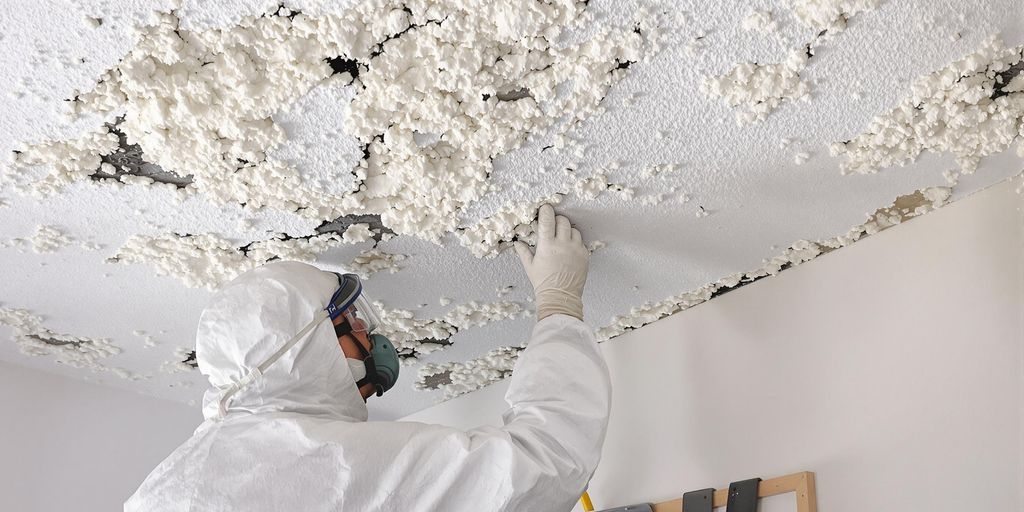
Accurate documentation is a key step in building a strong claim. Start by taking photographs of the asbestos-containing materials (ACMs) in their current state. Make detailed notes about their location, condition, and any potential risks they pose. However, avoid touching or disturbing the materials, as this can increase exposure risks. If possible, include a report from a licensed asbestos inspector. Their expertise can provide a professional assessment, which may strengthen your claim.

Hiring a Licensed Asbestos Inspector

A licensed asbestos inspector plays a crucial role in the process. They can conduct a thorough evaluation of the affected area, identify the type and extent of asbestos present, and provide detailed findings. This report not only helps you understand the scope of the issue but also serves as valuable evidence for your claim. When choosing an inspector, ensure they have the proper certifications and experience in handling asbestos-related cases. Their assessment can also guide you in estimating removal costs and planning the next steps.

Steps to File an Asbestos Removal Claim

Gathering Necessary Documentation

Before filing a claim, it’s important to gather all the evidence related to the asbestos issue. This includes photographs of the affected areas, inspection reports from a licensed asbestos professional, and any written estimates for removal and disposal. Detailed documentation is critical to support your claim and reduce the chances of delays or disputes.

Submitting the Claim to Your Insurer

Once you have all the necessary documentation, submit your claim to your insurance company. Be sure to include every piece of evidence and fill out forms accurately. Timeliness is key—submit your claim as soon as possible to avoid complications. If your policy has specific requirements for asbestos-related claims, make sure to follow them closely.

Following Up on Your Claim

After submission, don’t assume that your claim will process itself. Follow up regularly with your insurer to check on the status. This helps you address any issues early and ensures your claim stays on track. If there are delays, persistent communication can make a big difference in speeding up the process.

Working with Insurance Adjusters

Role of the Claims Adjuster

When filing an asbestos removal claim, the claims adjuster plays a central role in evaluating your case. They assess the extent of the asbestos issue and compare it against your insurance policy to determine coverage. Their main goal is to ensure the claim aligns with the terms of your policy. Adjusters may also coordinate with licensed professionals to evaluate the asbestos condition and recommend remediation steps. In some cases, claims adjusters may also consider worker safety and the type of asbestos present, such as white asbestos, to provide an accurate assessment.

Providing Additional Documentation

To keep the claim process moving smoothly, you’ll likely need to provide extra documentation. This could include inspection reports, receipts for prior asbestos-related expenses, or even lab test results. Adjusters often request this information to validate the claim and determine the scope of coverage. Public adjusters, for instance, may also use material lab tests and expert testimony to strengthen your case. Keeping these documents organized and accessible can save time and reduce back-and-forth communication.

Understanding the Adjuster’s Decision

After reviewing all the evidence, the adjuster will make a decision on your claim. This decision will depend on your policy’s coverage, any exclusions, and the overall findings from their investigation. If the claim is approved, the insurer will outline the next steps, such as payment or remediation plans. However, if your claim is denied, you may need to explore appeals or consult legal experts to challenge the decision. Understanding their rationale can help you determine the best course of action moving forward.

Challenges in Asbestos Removal Claims

Delays in Claim Processing

Filing a claim for asbestos removal often comes with significant delays. This is largely because asbestos-related claims require specialized inspections, detailed documentation, and sometimes even third-party verification. These extra steps can slow down the process considerably. For homeowners, this waiting period can be frustrating, especially if the asbestos poses a health risk. Staying organized and maintaining communication with your insurer can help, but patience is key.

Disputes Over Coverage

Disagreements between policyholders and insurers are common in asbestos claims. Some insurance companies might argue that asbestos-related costs are not covered under the policy, or they may point to exclusions in the fine print. It’s important to review your policy thoroughly and be prepared to advocate for your claim. If disputes arise, consulting a legal expert can provide clarity and support.

Appealing a Denied Claim

A denied claim doesn’t necessarily mean the end of the road. If your insurer rejects your asbestos removal claim, you have the right to file an appeal. Start by understanding the reasons for the denial—whether it’s a lack of documentation, a policy exclusion, or another issue. From there, gather additional evidence, such as inspection reports or expert opinions, to strengthen your case. Persistence can make a big difference when appealing a denial.

Legal Considerations for Asbestos Claims

When to Consult a Legal Expert

Filing an asbestos removal claim can be a daunting process, especially when disputes arise over coverage or liability. Seeking legal advice early can make a significant difference. A legal expert can help you interpret the fine print in your insurance policy, ensuring you understand what is covered and what isn’t. For instance, they can clarify how federal laws like the Toxic Substances Control Act might influence your claim. If your insurer denies coverage, a lawyer can also provide guidance on how to challenge the decision effectively.

Understanding Your Legal Rights

It’s essential to know your rights when dealing with asbestos-related claims. Federal laws, such as those enforced by the EPA, set strict guidelines for asbestos handling and removal. These laws aim to protect public health and provide a basis for legal action if safety standards are violated. If you believe your insurer is acting in bad faith—like delaying your claim without valid reasons or undervaluing the costs—you have the right to take legal action. Understanding asbestos regulations can empower you to stand firm during disputes.

Filing an Appeal Against Denial

If your asbestos claim is denied, don’t lose hope. Many claims are initially rejected due to insufficient documentation or misinterpretation of policy terms. Start by requesting a detailed explanation for the denial. Then, gather additional evidence to support your case, such as expert reports or cost estimates for asbestos removal. Filing an appeal involves submitting this new information to your insurer along with a formal request for reconsideration. If the appeal fails, you may need to escalate the matter through legal avenues. A lawyer experienced in asbestos-related lung cancer claims can guide you through this process, ensuring your case is presented effectively.

Costs Associated with Asbestos Removal

Estimating Removal Costs

The cost of asbestos removal can vary widely depending on the size of the property, the extent of contamination, and the method used. On average, homeowners spend around $2,212 for asbestos removal, with most projects ranging between $1,191 and $3,256. Larger or more complex jobs, such as those in commercial buildings, can escalate costs to tens of thousands of dollars. For example, encapsulating asbestos—a process where materials are sealed with a protective barrier—can sometimes be a more affordable alternative to full removal. However, this option may not always be viable depending on the condition of the asbestos.

Insurance Coverage for Removal

Many homeowners’ insurance policies provide some level of coverage for asbestos removal, but it’s often limited to specific circumstances, such as damage caused by covered perils like fire or water. Understanding your policy’s terms is crucial. Policies may exclude asbestos abatement unless it’s directly tied to an insured event. It’s recommended to consult your insurer to clarify what is covered and whether additional riders or endorsements are necessary to extend coverage.

Out-of-Pocket Expenses

Even with insurance, homeowners should expect to cover some costs themselves. These might include:

  • Initial inspections and testing, which can cost several hundred dollars.
  • Hiring licensed asbestos abatement professionals, as DIY removal is not only unsafe but also illegal in many areas.
  • Disposal fees for hazardous materials, which vary depending on local regulations.

Planning ahead and obtaining multiple quotes from certified contractors can help manage these expenses effectively. For an overview of typical costs, asbestos removal costs highlight average ranges and factors influencing the total price.

Tips for a Successful Asbestos Removal Claim

Keeping Detailed Records

One of the most important steps in filing a successful asbestos removal claim is maintaining thorough documentation. Every interaction and piece of evidence matters. Keep a log of all communications with your insurance provider, including phone calls, emails, and any written correspondence. Save receipts, photographs, and reports related to asbestos inspections and removal. This level of detail can be invaluable if disputes arise or if your claim needs further review.

Communicating Effectively with Insurers

Clear and timely communication with your insurance company can make a significant difference in how your claim progresses. When submitting your claim, ensure all required forms are fully completed and supported by accurate documentation, such as inspection reports and cost estimates. If you don’t hear back within a reasonable time, don’t hesitate to follow up. Staying proactive helps address potential issues quickly and keeps your claim moving forward.

Avoiding Common Mistakes

Mistakes during the claims process can lead to delays or even denials. Avoid these pitfalls by:

  • Never attempting asbestos removal yourself; always rely on licensed professionals.
  • Thoroughly reviewing your insurance policy to understand what is covered and any exclusions.
  • Ensuring all forms and documentation are complete and accurate before submission.

By following these tips, you can improve your chances of a smooth and successful asbestos removal claim process.

Post-Claim Steps and Responsibilities

Reviewing the Settlement Offer

Once your insurance company has processed your asbestos removal claim, they will present a settlement offer. It’s important to take your time and carefully evaluate this offer. Ensure that it not only covers the removal costs but also includes safe disposal and any additional expenses incurred. Don’t rush into accepting the first proposal—if something seems off or incomplete, you have the right to question it.

Ensuring Proper Asbestos Disposal

Even after the claim has been settled, the work isn’t over. Proper asbestos disposal is a critical responsibility. Make sure the removal team follows all local regulations for handling and disposing of asbestos. This step is not just about compliance; it’s about protecting your health and the environment. Keep any documentation related to disposal for your records—it could be useful in case of future disputes.

Closing the Claim Process

After all the work is completed and payments are settled, your claim will be officially closed. This is a good time to double-check that all aspects of the claim were addressed and that you’ve received the compensation agreed upon. If you notice any discrepancies or unresolved issues, bring them up immediately before the claim is finalized. A closed claim means the insurance company considers the matter resolved, so make sure everything is in order before this happens.

The Role of Licensed Asbestos Professionals

Why Professional Assessment Is Crucial

When it comes to asbestos, guessing is not an option. Licensed asbestos professionals are trained to assess and manage asbestos risks effectively. They conduct thorough inspections, identify asbestos-containing materials, and determine the safest course of action. Their expertise ensures that asbestos is handled without jeopardizing anyone’s health.

How to Choose a Qualified Expert

Selecting the right asbestos professional can feel overwhelming, but it doesn’t have to be. Start by verifying their certifications and checking for compliance with local and federal regulations, such as those outlined by OSHA or the EPA asbestos site. Here are some tips to guide your choice:

  • Confirm they hold valid licenses for asbestos abatement.
  • Ask about their experience with similar projects.
  • Ensure they follow strict safety protocols, including containment and disposal methods.

Understanding Their Role in the Claim

Licensed asbestos professionals play a key role in insurance claims. From providing detailed inspection reports to assisting with documentation, they help streamline the claim process. Their involvement can:

  • Strengthen your claim by offering credible evidence of asbestos hazards.
  • Ensure that removal procedures meet insurance requirements.
  • Support you in meeting legal and safety standards during abatement.

By involving licensed professionals, you not only safeguard health but also improve your chances of a successful claim.

Understanding Insurance Policy Exclusions

Common Exclusions in Asbestos Claims

Insurance policies often have specific exclusions, and asbestos removal is no exception. Most home insurance policies exclude coverage for pollution or contamination unless it results from a covered event. For example, if a flood damages asbestos-containing materials (ACMs), the removal might be covered because it’s tied to the flood damage. However, routine wear and tear or accidental damage caused by contractors is typically not included. Understanding these exclusions is critical to avoid unexpected expenses.

Here are some common reasons why asbestos-related claims might be denied:

  • Aging-related wear and tear.
  • Damage caused by pets or pests.
  • Intentional or negligent damage.
  • Events like earthquakes or nuclear incidents.

Always review your policy carefully to know what’s covered and what isn’t.

How Exclusions Impact Your Claim

Exclusions can significantly affect whether your insurer will pay for asbestos removal. If asbestos damage occurs due to an event not listed in your policy, you may have to cover the costs out of pocket. For instance, if a contractor accidentally disturbs asbestos while renovating, your insurance likely won’t help. On the other hand, if the damage stems from a covered event like a fire, the insurer may approve the claim.

To better understand your coverage, consider these steps:

  1. Check your policy for specific asbestos-related terms.
  2. Speak directly with your insurer to clarify coverage.
  3. Document any damage thoroughly, especially if it relates to a covered event.

Negotiating Policy Terms

When exclusions seem too restrictive, it may be worth discussing your policy with your insurance provider. Some insurers offer additional endorsements or riders to cover asbestos removal under certain conditions. While this might increase your premium, it provides extra assurance in case of unforeseen damage.

If you’re currently reviewing your home insurance, keep in mind that policy exclusions for asbestos removal are common. Knowing these limitations upfront can help you make informed decisions about supplemental coverage or alternative solutions.

References

Mesothelioma Fund

Dolman Law

Gori Law

Tor Hoerman Law

Lung Cancer Group

Robert King Mesothelioma Law Services

Simmons Hanly Conroy

Mesothelioma Help

Weitz and Luxenberg

Mesothelioma.Net

Mesothelioma Guide

Mesothelioma Hope

Mesothelioma Hub

Mesothelioma Lawyer Center

Lanier Law Firm

Malta, with its Mediterranean charm and strategic location, offers a diverse range of rental options to suit various needs and lifestyles. From modern apartments in bustling cities to traditional townhouses in quieter neighborhoods, the island provides choices for short-term visitors, expatriates, and locals alike. Understanding the rental market in Malta can help you find the perfect home that matches your requirements. 

Types of Rental Properties in Malta 

The rental market in Malta is characterized by its variety, catering to different budgets and preferences. For those seeking convenience and a cosmopolitan lifestyle, urban centers like Sliema, St. Julian’s, and Valletta are popular choices. These areas boast a wide selection of apartments for rent in Malta, often equipped with modern amenities and located close to restaurants, shopping hubs, and nightlife. 

On the other hand, if you prefer a more tranquil environment, consider exploring options in the southern or central parts of Malta. Townhouses and maisonettes in these regions offer a more traditional Maltese living experience, often accompanied by spacious interiors and outdoor areas. For nature enthusiasts, the island of Gozo is an excellent option, providing a slower pace of life and stunning rural landscapes. 

Luxury rentals are also available for those seeking high-end properties. These include villas and penthouses with panoramic sea views, private pools, and premium facilities. Whatever your preference, Malta’s rental market ensures there’s something for everyone. 

Short-Term vs. Long-Term Rentals 

When renting in Malta, deciding between short-term and long-term options is essential. Short-term rentals are ideal for tourists, digital nomads, or those visiting for business. These properties are typically fully furnished and include utilities, making them convenient for temporary stays. Popular platforms like Airbnb and local agencies can help you find short-term rentals in prime locations. 

For those planning to stay for an extended period, long-term rentals offer more affordability and flexibility. Long-term agreements usually span six months to a year, with prices often negotiable depending on the location and type of property. Whether you’re searching for apartments for rent in Malta or larger family homes, long-term rentals provide stability and a chance to immerse yourself in Maltese life. 

It’s worth noting that rental costs can vary significantly based on location, property size, and amenities. Conducting thorough research and consulting local agents can help you secure the best deal. 

Tips for finding the right Rental Property 

Finding the perfect rental property in Malta involves careful consideration of your lifestyle, budget, and preferences. Start by determining your priorities: do you value proximity to the sea, access to public transport, or a quiet residential neighborhood? Once you have a clear idea of what you need, begin your search through reputable real estate websites and agencies. 

When viewing properties, pay attention to factors such as condition, included utilities, and additional costs like maintenance fees. For those seeking apartments for rent in Malta, consider the building’s age, available parking, and communal facilities. Always review the lease agreement carefully, ensuring it outlines all terms, including deposit requirements, notice periods, and repair responsibilities. 

Lastly, building a good relationship with your landlord or property manager can go a long way in ensuring a smooth rental experience. Open communication helps address any issues promptly and fosters a sense of mutual respect. 

Why Malta’s Rental Market is thriving 

Malta’s rental market continues to thrive due to the island’s growing popularity as a global hub for tourism, finance, and technology. Expats relocating for work, students attending international universities, and retirees seeking a Mediterranean lifestyle contribute to the steady demand for rental properties. 

The island’s excellent connectivity, warm climate, and English-speaking environment make it particularly appealing. Whether you’re drawn to Malta for its culture, business opportunities, or scenic beauty, the rental market offers diverse options to accommodate your stay. 

From modern apartments to charming countryside homes, the choices are endless. Take your time exploring the options, and you’ll soon find a property that feels like home in this beautiful Mediterranean paradise. 

Live receptionists play a vital role in the career of roofers. Imagine the number of calls a roofing company receives for the house repair, cleaning, installation, and maintenance. Even a little idea about roofing business can get you closer to learn the role of a live receptionist in their profession. These modern systems and options help segregate the work between the employees professionally and efficiently.

Our article is dedicated to all those professional roofers that find it challenging to take calls, especially on field work. Starting a company and handling clients for a long term both can be challenging in the initial stage. As the business grows, you need someone that can professionally handle inquiries, queries, and calls on your behalf. Someone like a live receptionist for roofers is the best solution.

10 Benefits of a live receptionist in the roofing business:

  1. One of the major reasons to hire a live receptionist in roofing business is the accuracy, confidence, and promptness they bring along. Homeowners may need support from an expert that can handle their queries and give them satisfactory answers. Home roofing is no joke and it needs someone experienced or trained to handle calls from these property owners efficiently.
  2. Roofing specialists are mostly found in the field performing the deadlines. Other than roofing systems these experts also excel at other roles such as property evaluation for damages or repair, scaling buildings, and securing the roofing systems. A virtual receptionist handles queries, requests, and calls on their behalf while they are at the field.
  3. Similar to other businesses roofing services also experience a great demand, especially during the peak season. Sometimes the business may go completely silent whereas sometimes it becomes challenging to handle and schedule multiple requests. A virtual receptionist is in touch with these property owners to look for business prospects during cold season. In busy periods, they manage the calendar for the roofers and ensure no potential call is missed.
  4. By working in flexible shifts and on weekends, live receptionists help in building a strong business relation with the clients. Their services adjust to the demand of the clients and requirements. Thus, they take most of your business stress and let you focus effortlessly on the field work.
  5. Live receptionists are well-versed and trained by their company to handle business pressure. They have formulas that support them in managing business deadlines effectively and efficiently. Hiring them is not an expense, but a valuable business investment. 
  6. Hiring a live receptionist can benefit in several ways such as call handling, providing cost estimates to property owners, negotiating with them, preparing copies of documents for the agreement, scheduling the next roofing project or house, coordinating with contractors, and more…
  7. Having a physical office is strenuous for roofers as they are hardly present at their own office. Constant travel and field work doesn’t make them sit at one place. It is unwise to invest in a physical office, especially when there are amazing options such as live receptionists.
  8. Services offered by virtual receptionists are better and effective than in-house receptionists. They don’t have to be stressed of their training and feedback. These experts also manage business pressure and deadlines smoothly. It is because they are experienced and skilled in it.
  9. Other than call handling, virtual receptionists also respond through emails and social media accounts. In short, they also work like a PR to the roofers and manage their business.
  10. A live receptionist for roofers also prepares social media posts, schedule them, and interact with clients for better business growth.