
Tag

home design

Browsing

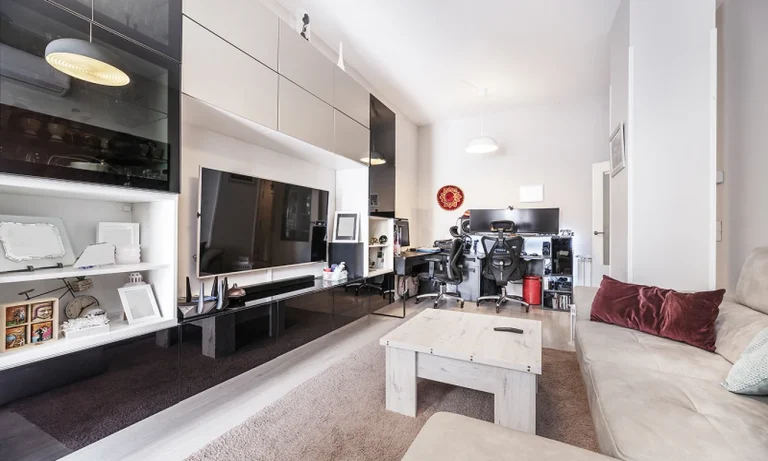
A 4-room HDB flat needs to support daily life while making sensible use of its available floor area. Living, dining, cooking, working and resting may all happen within a relatively defined footprint, so design decisions can have a noticeable effect on comfort.

Good HDB interior design starts with the way the household uses the flat. Instead of selecting finishes first, homeowners can consider movement, storage, furniture proportions and lighting before deciding on the decorative direction. A practical foundation makes it easier to create a home that looks cohesive without sacrificing usability.

1. Start with the Layout

The layout should reflect how the household moves through the flat each day. Consider where family members enter, where shoes and bags are placed, how food moves from the kitchen to the dining area and how people access bedrooms.

Avoid filling every available section with furniture. Open circulation can make a home feel more spacious and reduce the sense of congestion.

For a 4-room HDB interior design project, furniture dimensions should be measured before purchase. A sofa that looks suitable in a showroom may take up considerably more room once placed within the actual living area.

2. Plan Storage Early

Storage should be considered during the initial planning stage rather than added as an afterthought. Built-in cabinetry can use vertical areas efficiently, particularly in rooms where floor space is limited.

Think about what needs to be stored and how frequently it is accessed. Everyday items should remain easy to reach, while seasonal belongings can be placed in less accessible areas.

A good storage plan can also reduce visual clutter. When frequently used belongings have designated places, the rest of the home can remain easier to organise.

3. Choose Materials For Daily Use

Materials should suit the household’s routines. A busy family may need surfaces that are easy to clean, while households with pets may have additional considerations around flooring and furniture fabrics.

Do not choose materials based on appearance alone. Ask how they will respond to moisture, heat, cleaning products, scratches and regular use.

A well-designed HDB interior balances visual appeal with practical maintenance, particularly in areas such as kitchens and bathrooms.

4. Use Lighting Strategically

Lighting can change how a compact home feels. A single overhead fixture may not provide enough flexibility for reading, dining, cooking and relaxing.

Layered lighting can create different levels of illumination. Task lighting can support specific activities, while ambient lighting provides general brightness. Decorative fixtures can introduce visual interest without taking up floor space.

Natural light should also be considered. Keep windows as open as practical and avoid placing bulky furniture where it unnecessarily restricts daylight.

5. Select Furniture By Scale

Furniture needs to suit the dimensions of the rooms. Large pieces can reduce circulation and make a living room feel crowded, while furniture that is too small may leave the room feeling disconnected.

Measure the width, depth and height of each major piece. Remember to consider door swings, cabinet openings and walking routes.

For a 4-room HDB interior design flat, flexible furniture can also be useful. Extendable dining tables, storage beds or movable side tables may support changing household needs without requiring more floor area.

6. Keep A Consistent Direction

A consistent design direction helps the flat feel connected. This does not mean every room needs identical colours or furniture. Instead, repeat selected materials, tones or shapes throughout the home.

For example, timber tones used in the living area could appear again in bedroom cabinetry. A consistent neutral base can allow different rooms to have their own accents without appearing unrelated.

Design Priorities

Priority Main Question Design Goal
Layout How does the household move? Better circulation
Storage What needs to be kept? Less clutter
Materials How will surfaces be used? Easier maintenance
Lighting What activities need light? Greater flexibility
Furniture Does each piece fit? Better proportions
Direction Do rooms feel connected? Visual cohesion

Contact Hoft Interior to discuss your 4-room HDB flat, preferred layout and practical design priorities before planning the next stage of renovation.

Building your dream house is an exciting but complicated process with many decisions to make. Choosing the right location and floor plan are just a few important steps. However, one of the most crucial decisions is selecting the right home builders in Melbourne. The right builders can turn your vision into reality, ensuring your dream home is built to your specifications, on time, and within budget. In this blog, we’ll explore how the right builders can help make your dream home come true and what factors you should consider when choosing them.

Understanding Your Vision 

Building your dream house begins with your vision. Whether you have a clear idea or just a rough concept, the right builders can help shape and achieve it. Experienced builders bring valuable knowledge and expertise, offering insights and suggestions. They can help you visualize the final result and ensure that your needs and desires are included in the design.

Personalized Design and Customization

A major advantage of working with the right home builders is the ability to personalize your home. Unlike standard designs, a custom home is built specifically for you. This means you have the freedom to choose every aspect of the home design in Melbourne, from the layout and architectural style to the materials and finishes. A good builder will collaborate with you to understand your lifestyle and preferences, ensuring the home is unique and tailored to your needs.

Collaboration with Architects and Designers

The right home builders work with architects and interior designers to make sure your vision comes to life. This teamwork ensures every detail is covered, from the building structure to the interior design. By collaborating, they create a living space that meets your expectations and looks cohesive.

Expertise and Experience 

When building your dream house, experience is crucial. Experienced home builders know the entire construction process, including getting permits and managing subcontractors. They have a successful track record and can handle challenges smoothly.

Quality Craftsmanship

The right builders take pride in their work and focus on quality. They use top-notch materials and skilled tradespeople to ensure every part of your home is built to high standards. This careful attention to detail results in a durable and well-constructed home that lasts.

Problem-Solving Skills

Building a house can be complicated and may involve unexpected challenges. Experienced builders are skilled at solving problems as they come up, which helps keep the project on schedule. Their expertise allows them to anticipate issues and find solutions quickly, ensuring a smoother construction process.

Project Management and Coordination 

Building a house requires careful planning and coordination. Skilled builders have strong project management skills, enabling them to oversee every part of the construction process. They work with subcontractors, suppliers, and inspectors to ensure that everything is completed on time and within budget.

Timely Completion

One of the main concerns for homeowners is the project timeline. Delays can be costly and frustrating, but experienced builders have the skills and resources to finish the project on time. They develop realistic schedules and work hard to meet deadlines, keeping you informed throughout the process.

Budget Management

Staying within budget is crucial when building a home. The right builders understand construction costs and can provide accurate estimates. They help you establish a budget and make cost-effective choices without sacrificing quality. Throughout the project, they monitor expenses and keep you informed about the financial progress.

Regular Updates and Feedback

The right builders keep you updated on your project’s progress, ensuring you are informed and involved. They welcome your feedback and are open to discussing any changes or concerns. This open communication fosters trust and ensures your vision is being realized.

Honest and Open Communication

Transparency is crucial in any business relationship. The right builders are honest and upfront about costs, timelines, and potential challenges. They provide detailed contracts and are willing to answer any questions you have, ensuring there are no surprises.

Warranty and Maintenance

Building your dream house is just the beginning. Reputable builders offer warranties on their work, ensuring any issues are promptly addressed. They also provide guidance on maintenance and care to help preserve the beauty and functionality of your home for years to come.

Conclusion

Building your dream house is a major financial and emotional investment. Choosing the right home builders in Melbourne is crucial to turning your vision into reality. With their expertise, experience, and commitment to quality, the right builders can guide you through the process and deliver a home that exceeds your expectations. By considering factors like experience, communication, and project management skills, you can select builders who will make your dream house a reality.