
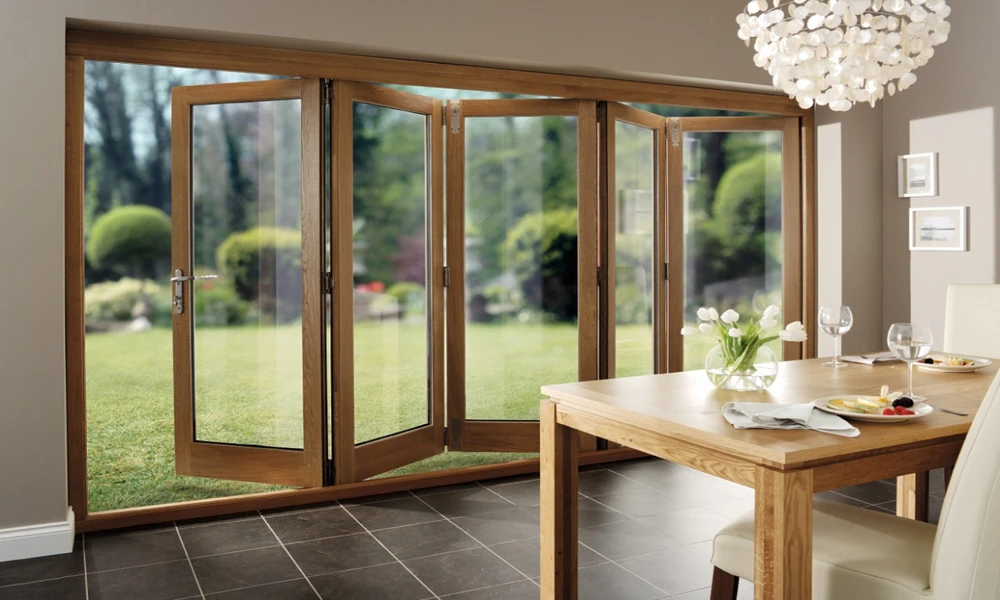
uPVC doors are a durable, low-maintenance alternative to wood and aluminium, suited to both interior and exterior use. The right choice depends on your room’s function, size, and ventilation needs. For bathrooms, sliding and casement styles are the most practical. For windows, casement and tilt-and-turn designs suit most house types.
Replacing doors and windows is one of those decisions that affects how your home looks, feels, and performs every single day. Pick the wrong material, and you’re painting, repairing, or replacing within a few years. Choose well, and you’re set for decades.
uPVC has become one of the most popular choices for homeowners across India, and for good reason. This guide breaks down what makes it worth considering, which window styles for house make the most sense, and how to choose the right uPVC door for every room, including the bathroom.
What Are uPVC Doors and Why Choose Them?
uPVC stands for unplasticized polyvinyl chloride, a rigid, hard-wearing plastic that outperforms traditional materials in several key areas. Unlike wood, uPVC does not warp, rot, or attract termites. Unlike aluminium, it provides built-in thermal insulation.
The core benefits are hard to argue with:
- Durability: uPVC doors resist rain, sunlight, dust, and humidity without corroding or deteriorating. With proper care, they last 20 to 30 years.
- Low maintenance: No repainting, sanding, or polishing required. A wipe-down with mild soap and water keeps them looking new.
- Energy efficiency: Multi-chambered profiles reduce heat transfer, helping to keep interiors cooler in summer and warmer in winter.
- Noise reduction: The tight seal and frame construction significantly reduces external noise, particularly useful in urban settings.
- Affordability: Compared to timber or metal alternatives, uPVC offers a lower price point without sacrificing performance.
What Window Styles for Your House Work Best in Each Room?
Choosing between window styles for your house comes down to the room’s function, the direction it faces, and how much ventilation you need.
- Casement windows are hinged on one side and open outward. They provide excellent ventilation and a tight seal when closed, making them a reliable choice for living rooms and bedrooms.
- Sliding windows run along a horizontal track. They are easy to operate, simple to clean, and well-suited to kitchens where you need quick airflow without a large swing clearance.
- Tilt-and-turn windows offer dual functionality; tilt them slightly from the top for controlled ventilation, or swing them fully inward for maximum airflow. They work well in bedrooms and home offices where temperature and noise control matter.
- Bay and combination windows suit larger spaces and south- or west-facing rooms where light and framing are as important as ventilation.
A general rule: rooms facing south and west benefit from better insulated glass options (such as double glazing or low-E coatings) to reduce heat gain. North- and east-facing rooms can focus on maximizing natural daylight.
Why Are uPVC Doors for Bathroom Spaces the Smart Choice?
The bathroom is the most demanding environment in any home, constant humidity, moisture, and temperature changes put every surface to the test. uPVC doors for bathroom use are designed specifically for these conditions.
Wood swells and rots. Aluminium corrodes. uPVC does neither. Its moisture resistance is particularly valuable in spaces where other materials degrade quickly.
Beyond durability, uPVC doors for bathroom spaces offer:
- Thermal insulation: Thermal break technology helps maintain a comfortable temperature inside the bathroom, reducing heat loss during winter.
- Soundproofing: The dense frame construction blocks external noise, making for a quieter, more private space.
- Design flexibility: Available in a range of finishes, colors, and configurations to suit both compact and larger bathrooms.
The most practical door styles for bathrooms are:
- Sliding doors: Ideal for smaller bathrooms where swing clearance is limited.
- Casement doors: The most common and cost-effective option, offering a tight seal and reliable insulation.
- Tilt and slide doors: A good choice where controlled ventilation is a priority.
- Slide and fold doors: Best for bathrooms with very limited clearance, as the panels fold flat when open.
How to Choose the Right uPVC Door for Your Home
Start with the profile. Multi-chambered profiles deliver better insulation and structural strength than single-chamber alternatives. From there, consider:
- Glass type: Double glazing for bedrooms and living areas; frosted or laminated glass for bathrooms and ground-floor openings.
- Hardware: Multi-point locking systems improve security; quality hinges and rollers ensure smooth, long-lasting operation.
- Measurements: Always commission a professional survey. Wall openings are rarely perfectly square, and a precise fit is essential for proper sealing.
- Finishes: Lighter-colored frames absorb less heat in sun-exposed positions. Wood-grain textures are available for a warmer aesthetic.
Conclusion
The materials you choose for your doors and windows shape your home’s comfort, security, and energy performance for years ahead. uPVC delivers on all three, provided you select the right style, profile, and glass for each space.
Take the time to assess each room individually, prioritize quality installation, and work with a supplier who can offer clear specifications rather than just a low headline price.

Comments are closed.