Category

Roofing

Category

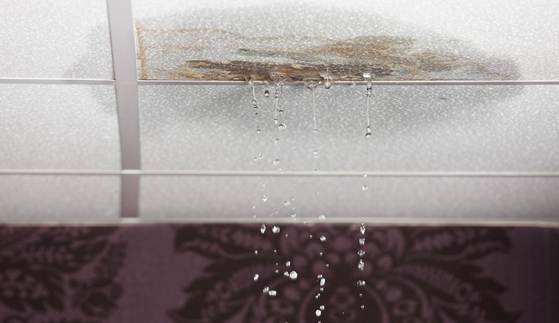
A leaking roof is more than just a nuisance—it’s a sign that your home may be vulnerable to serious water damage, mold growth, and costly structural issues. If you’ve spotted water stains on ceilings or walls, missing shingles, or drips during rainstorms, it’s time to consider replacing your roof. In this blog, we’ll break down what you must know before replacing a leaking roof so you can make informed, cost-effective decisions.

1. Understand the Extent of the Damage

Not every leak calls for a full roof replacement. Sometimes, small leaks can be repaired without replacing the entire system. However, if your roof is older (typically 15-25 years, depending on material), has multiple leaks, or shows signs of widespread damage (such as curling shingles, sagging, or mold), replacement is often the safer and more economical long-term option. A professional roof inspection is the first step to understanding whether you need a full replacement or just repairs.

2. Choose the Right Roofing Material

When replacing a leaking roof, you have the opportunity to upgrade your roofing material. Common choices include asphalt shingles, metal roofing, tile, and even energy-efficient options like cool roofs or solar shingles. Consider durability, cost, climate suitability, and aesthetics. Asphalt remains the most popular for its affordability and effectiveness, but metal roofs are gaining popularity for their longevity and energy efficiency.

3. Don’t Ignore Ventilation and Insulation

A quality roof replacement goes beyond shingles. Proper attic ventilation and insulation are critical to prevent moisture buildup and ensure your new roof lasts. Poor ventilation can lead to overheating, ice dams, or condensation damage. Ask your roofer to evaluate your attic as part of the replacement process.

4. Timing Matters

While a leaking roof may feel like an emergency, it’s important to plan the replacement carefully. Roofing is best done in dry, moderate weather. Spring and fall are typically the best times, as extreme heat or cold can affect materials and installation. However, if the leak is severe, emergency repairs or temporary tarping may be necessary before a full replacement.

5. Hire a Trusted Roofing Contractor

Replacing a roof is a major investment—you want to be sure the work is done right. Look for licensed, insured, and well-reviewed roofing contractors with proven experience in your area. A reputable contractor will offer a detailed estimate, explain your options, and provide warranty information for both labor and materials.

6. Understand Costs and Financing

Roof replacement costs can vary significantly depending on size, material, and labor. Get multiple estimates to compare pricing. Many contractors offer financing plans or can help you work with your insurance if your leak resulted from storm damage or other covered events.

Conclusion

Is your roof leaking? Don’t wait until water damage destroys your home’s interior. Contact Florida Roofing and Gutters today for a free inspection and estimate. Our experienced team will guide you through every step of the roof replacement process, so you can protect your home with confidence. Call us now or schedule online to get started!

This post was written by a professional at Florida Roofing and Gutters. https://floridaroofingandgutters.com/ , founded by Tri-Town Construction, is the best roofing company to turn to for residential and commercial roof replacements and repairs in Southwest Florida.

When it comes to roof replacement in coastal areas, there’s more at stake than just curb appeal. Coastal environments pose unique challenges, ranging from salty air and high humidity to intense winds and hurricane threats. If you live near the ocean, understanding these special considerations can help you make smarter roofing choices that protect your property for the long term.

Salt Air and Corrosion Resistance

One of the biggest threats to roofs in coastal areas is salt in the air. Salt accelerates the corrosion of metal fasteners, flashing, and even some types of shingles. That’s why materials like stainless steel, aluminum, and high-grade galvanized steel are ideal in coastal applications. If you’re opting for metal roofing, be sure it’s rated for marine environments and comes with a strong corrosion-resistant finish.

High Winds and Storm Impact

Coastal roofs must also withstand tropical storms, hurricanes, and gale-force winds. When planning a roof replacement, choose roofing systems rated for high wind resistance. Look for products with Miami-Dade or Florida Building Code approvals, which are among the strictest in the country. Also, secure installation practices—like additional fasteners or roof tie-downs—are crucial to prevent uplift during storms.

Moisture and Mold Prevention

Humidity levels are often much higher in coastal zones, which increases the risk of mold, mildew, and rot. Roof materials should not only resist moisture absorption but also allow for proper ventilation. Consider installing underlayment with superior waterproofing and a ventilation system that helps manage attic moisture levels.

UV Radiation and Reflectivity

Sunlight intensity is typically higher in coastal regions. UV rays can degrade roofing materials over time, causing premature fading, cracking, or brittleness. Reflective roofing materials such as white TPO, cool roof asphalt shingles, or metal with reflective coatings can deflect UV rays and help maintain your roof’s integrity longer. These materials also contribute to energy efficiency by reducing heat absorption.

Local Building Codes and HOA Regulations

Before you replace your coastal roof, check local building codes and Homeowners Association (HOA) rules. Coastal zones often have stricter requirements for wind resistance and material approvals. Working with a licensed roofing contractor familiar with your area ensures compliance with all necessary regulations.

Choose an Experienced Coastal Roofing Contractor

Not every contractor understands the complexities of coastal roofing. Choose a roofing company with proven experience in your region. They’ll know which materials perform best under coastal conditions and how to install them properly for optimal durability and performance.

Conclusion

Replacing a roof in a coastal area requires more than just standard roofing knowledge. From salt resistance and storm protection to code compliance and UV defense, every decision matters. Don’t risk your investment—work with a roofing expert who understands the unique challenges of coastal living.

If you’re planning a roof replacement in a coastal area, trust the experts who understand the environment. Contact Freedom Roofing Group today for a free coastal roofing consultation and get the protection your property deserves.

This post was written by the team at Freedom Roofing Group. With over 30 years of combined experience, Freedom Roofing Group is a trusted roofing company serving homeowners and businesses throughout Missouri. Specializing in roof repairs, replacements, and storm damage restoration, our in-house, factory-certified experts deliver high-quality workmanship and personalized service on every project. We’re committed to excellence and dedicated to giving back to the communities we serve.

When it comes to protecting your home, few things are as crucial as a strong and watertight roof. Yet, roof leaks remain one of the most common and frustrating issues homeowners face—especially in areas like St. Petersburg, where Florida’s heavy rains, humidity, and tropical storms constantly put roofing systems to the test. Understanding why leaks happen and how to fix them can save you thousands in potential repair costs and prevent more serious structural damage down the line.

Why Roof Leaks Are So Common

1. Aging Roof Materials

Over time, roofing materials naturally deteriorate due to constant exposure to the sun, wind, and rain. Asphalt shingles may lose their granules, metal roofs can corrode, and tiles may crack or shift. Once the roofing surface weakens, water can easily seep through, leading to leaks and moisture buildup inside your home.

2. Poor Roof Installation

Even the best roofing materials can fail if not installed properly. Inadequate sealing, improper flashing placement, or shortcuts taken during installation can all contribute to early roof failure. Many homeowners experience leaks not because of the roof’s age, but because of an installation done without attention to detail.

3. Damaged or Missing Shingles

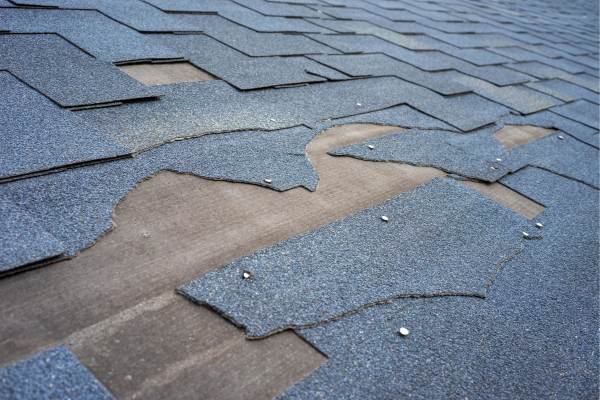
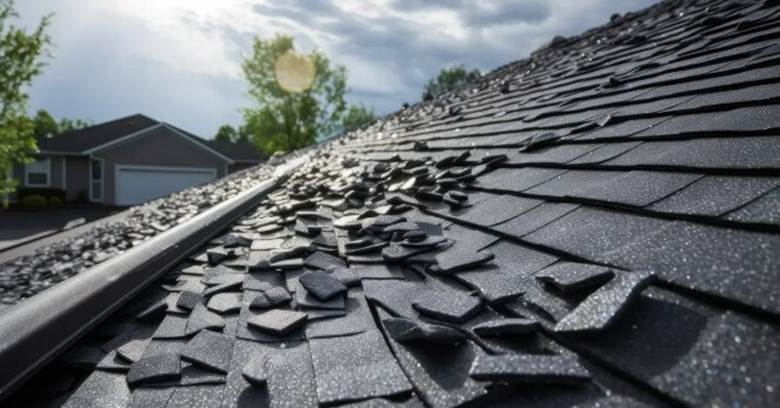
Florida’s strong winds and storms can dislodge shingles, exposing the underlayment beneath. Once that barrier is compromised, it’s only a matter of time before rain finds its way inside. Missing or curled shingles often go unnoticed until the leak has already caused interior damage.

4. Clogged Gutters and Poor Drainage

Gutters play a vital role in directing rainwater away from your roof. When leaves, dirt, and debris clog them, water starts pooling around vulnerable areas like flashing or roof valleys. That standing water can eventually penetrate through, resulting in leaks and rot.

5. Faulty Flashing or Roof Penetrations

Any point where your roof has openings—like vents, skylights, or chimneys—is prone to leaking if the flashing isn’t installed or sealed correctly. These areas are often the first to show signs of wear and tear, especially after harsh weather conditions.

How to Fix Roof Leaks Effectively

1. Inspect and Identify the Source

The first step is locating where the leak is coming from. Water stains on ceilings, mold growth, or a musty odor in the attic are common indicators. However, the actual leak may not always be directly above the visible damage—it could have traveled from another area of the roof.

2. Replace Damaged Shingles or Tiles

If shingles are cracked, missing, or curling, replacing them promptly prevents water from infiltrating deeper into your roof layers. This small repair can make a huge difference in preventing further damage.

3. Reseal Flashing and Roof Penetrations

Flashing around chimneys, skylights, and vents should be checked and resealed if necessary. Using high-quality roofing sealant or flashing tape can reinforce weak points and prevent moisture intrusion.

4. Clean and Maintain Gutters Regularly

Routine gutter cleaning ensures water flows freely off the roof. You can also install gutter guards to minimize debris buildup. Proper drainage is key to keeping your roofing system dry and intact.

5. Schedule a Professional Roof Inspection

Sometimes, leaks are caused by hidden issues that only an expert eye can detect. Partnering with a trusted local roofing contractor—like Old Time Roofing in St. Petersburg—ensures a thorough inspection, accurate diagnosis, and lasting solutions. With more than 100 years of combined experience, this family-owned company is a Master Elite GAF Roofing Contractor known for its integrity, craftsmanship, and community trust.

Preventing Future Roof Leaks

Prevention is always better (and cheaper) than repairs. Here are a few proactive steps homeowners can take:

  • Schedule annual roof inspections, especially after storm season.
  • Keep trees trimmed to prevent branches from scraping or damaging shingles.
  • Ensure proper attic ventilation to avoid heat and moisture buildup.
  • Re-caulk or reseal flashing and joints every few years.

Even the smallest leak can become a major problem if ignored. From damaging insulation and drywall to promoting mold growth, water infiltration can lead to serious and costly repairs.

Final Thoughts

Roof leaks may be common, but they’re not inevitable. With proper maintenance, regular inspections, and timely repairs, you can extend your roof’s lifespan and protect your investment for decades to come.

If you suspect a leak or notice signs of water damage, don’t wait until the problem worsens. Old Time Roofing has been a trusted roofing company in St. Petersburg, Florida, since 1978, offering honest estimates, expert craftsmanship, and personalized service. Contact their team today for a professional roof inspection and let their experts keep your home safe, dry, and beautiful year-round.

This post was written by Ted Williams! Ted is the owner of A Old Time Roofing which is the premier Clearwater Roofing Contractor! Ted is a Master Elite Weather Stopper GAF Roofing Contractor, a double award winner of Best Steep-Slope Contractor from GAF and achiever of Master Elite Consumer Protection Excellence from GAF. He has been serving the Pinellas County area since 1978. Old Time Roofing has a tradition of quality workmanship, servicing residential and commercial properties.

When your roof starts leaking, every minute counts. What begins as a small drip can quickly turn into a major problem, damaging ceilings, walls, insulation, and even the structural integrity of your home. At Roofing.Co, we understand how stressful roof emergencies can be—that’s why our team specializes in Roof Repair services that protect your home before the damage spreads.

The Importance of Quick Action

Roof leaks don’t fix themselves. In fact, they worsen with time. Water intrusion can cause mold growth, wood rot, and expensive interior repairs. Acting fast with an emergency Roof Repair ensures that you stop leaks at the source and prevent long-term damage. Even if the issue seems minor, it’s better to have professionals assess it immediately to avoid future headaches.

Signs You Need Emergency Roof Repair

You might not always notice a roof problem until it’s too late. Here are some warning signs that you should call for professional help right away:

  • Visible water stains on ceilings or walls

  • Missing or lifted shingles after a storm

  • Sagging roof areas or damaged flashing

  • Granules in gutters, a sign of shingle wear
     If you notice any of these red flags, it’s time to act. The longer you wait, the more costly the repairs could become.

What to Expect During an Emergency Repair

At Roofing.Co, Our licensed experts respond quickly to identify the root cause of your roofing issue. We provide temporary solutions, like tarping, to stop leaks immediately and protect your home from further exposure. Then, we’ll recommend a long-term Roof Repair plan to restore your roof’s strength and performance. Our goal is to ensure your safety and comfort while minimizing disruption to your home life.

Trust Roofing.Co for Reliable Roof Repair

Your roof is your home’s first defense against the elements. Whether it’s storm damage, wear and tear, or sudden leaks, Roofing.Co is your trusted partner for prompt, professional Roof Repair. We use high-quality materials and proven repair methods to extend your roof’s lifespan and maintain its integrity.

Don’t let a small leak become a big problem. Contact Roofing.Co today for expert Roof Repair and keep your home protected before it’s too late.

This article was written by a roofing professional at Roofing.co. At Roofing.co, we’re determined to be the only one you need to hire when looking for a Clearwater roofing contractor. We take a modern, professional approach to the roofing business in order to ensure our customers in St. Petersburg and the Central Florida region have the best possible experience whenever they choose us.

In the real estate market, the term House Buyers Cash refers to individuals or companies that purchase properties directly from homeowners using cash rather than relying on bank financing. These buyers offer a streamlined and efficient way to sell a house quickly, often eliminating many of the common hurdles associated with traditional home sales, such as loan approvals, lengthy inspections, and mortgage contingencies.

House Buyers Cash typically operate by offering a fair market price or slightly below market value in exchange for the convenience and speed they provide. This makes them an attractive option for sellers who need to close quickly, want to avoid costly repairs, or prefer a hassle-free transaction.

Benefits of Selling to House Buyers Cash

One of the primary advantages of selling House Buyers Cash is the speed of the transaction. Traditional home sales can take months to complete due to financing delays, appraisal requirements, and buyer negotiations. Cash buyers, however, can complete the sale in as little as a week, providing immediate liquidity for homeowners who may be facing financial difficulties, relocation, or estate settlements.

Additionally, selling a home “as-is” is often possible with cash buyers. Unlike conventional buyers who might require expensive repairs or renovations before closing, House Buyers Cash typically purchase properties regardless of condition. This saves sellers time, money, and stress associated with preparing a home for market.

Another benefit is reduced uncertainty. Cash transactions remove the risk of deals falling through due to buyer financing problems. Sellers can move forward with confidence knowing the sales are more likely to close without last-minute complications.

How to Find Reliable House Buyers Cash

While the concept of House Buyers Cash offers many advantages, it’s important to work with reputable buyers. Research potential buyers carefully, check reviews and ask for references. Look for companies that provide transparent offers with no hidden fees and clear terms.

Many reliable House Buyers Cash companies offer free property assessments and no-obligation quotes. This allows sellers to understand their options and make informed decisions without pressure. Asking questions about the timeline, closing costs, and process will also help ensure a smooth transaction.

Is Selling to House Buyers Cash Right for You?

Selling your home to House Buyers Cash can be a smart choice if you value speed, convenience, and certainty over maximizing sale price. While cash offers may sometimes be lower than market value, the benefits of a quick and easy sale often outweigh the trade-offs.

If you want to sell your property fast without the complications of traditional real estate transactions, exploring House Buyers Cash options could be the solution you need.

Flat roofing has become an increasingly popular choice for modern homes and commercial buildings due to its sleek, contemporary look and practical benefits. Unlike traditional pitched roofs, flat roofs provide more usable space, easier access for maintenance, and can be more cost-effective to install.

However, flat roofs require specialized knowledge and materials to ensure they remain watertight and durable, especially in a climate like Dundee’s, where heavy rainfall and wind are common.

Common Flat Roofing Materials

There are several materials commonly used in flat roofing systems:

  • EPDM (Ethylene Propylene Diene Monomer): A durable rubber membrane known for its flexibility and resistance to UV rays.
  • TPO (Thermoplastic Polyolefin): A popular choice due to its heat-reflective properties and energy efficiency.
  • Bitumen: A traditional material, often applied in layers, that provides excellent waterproofing.
  • GRP (Glass Reinforced Plastic): A fiberglass-based system that is strong, lightweight, and fully waterproof.

Each material has its pros and cons, so selecting the right one depends on your building’s needs, budget, and aesthetic preferences.

Maintenance Challenges and Solutions

Flat roofs require regular maintenance because water can pool on their surface if drainage is not properly managed. Standing water increases the risk of leaks and structural damage over time. That’s why professional installation and routine inspections are essential.

Roofers Dundee specialize in flat roofing solutions that incorporate efficient drainage systems, high-quality materials, and expert craftsmanship to prevent common issues like ponding water and membrane punctures.

Benefits of Hiring Local Experts

By working with Roofers Dundee, you benefit from local knowledge and experience. They understand how flat roofing systems perform in the Dundee climate and can tailor installations to maximize durability and energy efficiency.

Local roofers also provide faster response times for inspections, repairs, and maintenance, minimizing potential damage and disruption.

When to Consider Flat Roofing

Flat roofing is ideal for homes or businesses looking to maximize usable rooftop space. It’s great for creating rooftop gardens, patios, or solar panel installations. Additionally, flat roofs often have lower upfront costs and quicker installation times compared to pitched roofs.

However, not all properties are suitable for flat roofs, so consulting with roofing professionals ensures you make the right choice for your specific structure.

Conclusion

Flat roofing offers a modern, practical solution with many advantages but requires professional design, installation, and upkeep. Trusting experienced teams like Roofers Dundee ensure your flat roof will be weather-resistant, long-lasting, and perfectly suited to your property.

We can all agree that roofing is essential part of our household. Therefore, when you decide to replace your roof, climate and timing are essential factors. Still if you reside in Florida, the weather is mild enough to perform roof replacements all year round. 

When it comes to replacing your old roof, you can do it by checking this address for the closest roof contractor for your specific needs:

Dynamic Roofing Concepts

416 E Windhorst Rd, Brandon, FL 33510

(813) 657-7663

https://www.dynamicroofingconcepts.com

Of course, we can differentiate optimal moments of the year when you should replace the roof, which is why you should stay with us to learn more about it. Let us start from the beginning.

Perfect Time to Replace Your Roof

If your goal is to replace a roof in Florida, we recommend you to do it during spring or winter. This is because we can differentiate fewer hurricanes and storms that can happen. It means fewer delays that may happen due to harsh climate and weather conditions. At the same time, chances are high that you can replace everything on time.

You should know that severe storms can results in less urgent repairs, meaning you must conduct regular maintenance and deal with potential issues. Remember that roof replacement is capital project, meaning you should think about different factors that may affect your overall situation.

The best course of action is dealing with it during the winter, since the cooler weather will speed up the installation, while roofers are less busy during these months. In some cases, you will get more affordable price tag because replacing off-season, which is another factor to remember before making up your mind.

Numerous factors can determine the best time to replace a roof in Florida. Different people recommend different periods of the years, while each option comes with specific pros and cons. When the emergency replacement is required, you must do it as soon as possible. However, you can get better prices in case you plan and avoid waiting too much beforehand.

Compared with other locations, you should know that Florida has pleasant climate all year long, meaning you can replace the roof at any time during the year. You should click here to learn more about different roofing options you can find on the market. 

However, be aware that hurricanes and storms tend to happen in fall and summer, which can delay the process and cause structural problems to your household due to lack of protection.

Reasons to Choose Spring or Winter for Roof Replacement

  1. Amazing Weather Conditions

As mentioned above, you should remember that a roof replacement is important to handle and consider during spring or winter. Summers in Florida are too warm, meaning shingles can easily break or slough throughout the process. The temperature is perfect for replacing your roof in the early spring and winter because it is between sixty and eight degrees.

You should remember that a roof replacement project is much faster and efficient if you do it in mild weather. The biggest reasons are because installers can work more efficiently without dealing with heat and humidity.

  1. Storm Season Preparations

According to weather reports and experience from past seasons, you should know that storm experts are saying that you should replace your roof during spring or winter to ensure everything remains in perfect condition before the hurricane season starts in June. 

Therefore, you will have an effective roofing system that will withstand heavy rain and high winds, which is vital to remember. Since most people schedule a replacement during the summer, you can avoid rush of doing it during the season where it is matter of time when hurricane or storm will start. 

Instead, you should choose winter or spring months to ensure the best course of action and prevent potential issues from happening. Check out this guide: https://www.wikihow.com/Build-a-Roof to learn tricks for building a roof. 

  1. Boost Efficiency

As mentioned above, weather in Florida can be problematic for household projects, especially the extensive, intensive and significant as in hot summer days. Remember that hurricanes can generate high winds, rain and hail, which may lead to emergency replacements and repairs for household owners across Florida. 

Therefore, you must plan ahead when labor and material shortages happen during hurricane season, while the price tag for emergency maintenance and replacement is all-time high. As a result, we recommend you to prepare your household for harsh weather conditions, which will help you reduce the expenses.

  1. More Convenient Process for Contractors

You should know that during the hot and humid summer days, roofers are overworked. Therefore, when you choose to schedule a replacement during spring or winter, you will ensure that a contractor is completely focused on your project due to off-season, low number of repairs and projects.

It means you will have enough time to schedule the project conveniently and ask relevant questions, which is something that may not happen in case you do it after a specific emergency, for instance. The best way to ensure your new roof exceeds your expectations is by thinking about each step along the way, which will offer you a peace of mind.

  1. Finish Before the Storm Season

It is vital to remember that a hurricane season starts in June, meaning your roof must be completely prepared for the next option. We recommend you to change the roof in the spring or winter, which will help you ensure you are well-prepared for potential storms that may happen in the future. 

The main goal is to invest in new roofing system that uses modern and latest materials that can withstand driving rains and high winds. That way, your home is more likely to deal with these issues, which will help you reduce the expenses and hassle of emergency repairs. 

Since the summer and spring months are busy, you should know that replacing a roof is a project that requires understanding and time. That is why you should do it before the storms occur and cause severe problems to your overall enjoyment. It is as simple as that. 

  1. INTRODUCTION

Metal roofs are common in commercial and industrial buildings because they last long and require less maintenance. However, as they age, they can develop problems like rust, leaks, and dents. These issues can affect the safety and efficiency of your building. To get expert advice on addressing these problems, visit https://keystoneroofing.ca/. If your metal roof is getting old, here are some signs to look for and steps to take to fix or replace it.

  1. SIGNS YOUR METAL ROOF IS AGING

There are several signs that show your metal roof may need attention:

  • Rust or corrosion: Metal roofs can rust over time, especially if exposed to moisture or salty air.
  • Dents or punctures: The roof surface may sustain damage from heavy equipment, debris, or storms.
  • Sagging areas: This may mean the roof’s support is weakening.
  • Worn or peeling paint: Paint protects the roof from rust, so if it fades or peels, the metal underneath may get damaged.
  • Leaks inside the building: Water coming in through the roof can harm walls, ceilings, and equipment.
  • Storm damage: Scratches, dents, or loose panels may result from strong winds, hail, or snow.
  1. COMMON CAUSES OF DAMAGE

Several things can cause a metal roof to age or wear out:

  • Weather: UV rays from the sun can make metal expand and contract, weakening it over time. Snow and ice add extra weight, while rain causes rust. Wind can loosen panels or cause flying debris to hit the roof.
  • Poor installation: If the roof wasn’t installed correctly, panels might loosen or allow water in. Bad installation can also lead to poor insulation and mold.
  • Drainage issues: If water doesn’t drain properly, it can pool on the roof, leading to leaks or even collapse.
  • Lack of maintenance: Small problems can become big if not addressed early. Regular checks can help prevent this.
  1. WHAT YOU CAN DO
  • Inspect the Roof
  • Start with a detailed inspection. Check the outside for dents, cracks, or gaps. Look at the seams and joints, and make sure gutters and drains are clear. Inside, look for water stains or mold. A full inspection will show you how serious the damage is.
  • Use Coatings for Minor Damage
  • If your roof only has small issues, a protective coating can help. Coatings can stop rust and prevent leaks. They also help extend the life of your roof.
  • Repair or Replace Panels
  • If some parts are badly damaged, you may need to repair or replace those panels. For serious issues, replacing the entire roof might be better in the long term.
  • Set Up a Maintenance Plan
  • After repairs, keep your roof in good shape by checking it regularly. Clean debris, make sure drainage works, and fix small problems quickly.
  • Get Expert Help
  • Always talk to a roofing professional. They can give you the best advice and offer reliable repair or replacement services based on your needs.

Your roof is a vital guardian of your home or business, standing firm against relentless sun, rain, and wind. Yet, over time, these elements—combined with moss, algae, or lichen—can erode its appearance and integrity, leaving tiles dull or damaged. Roof Tile Paint offers a brilliant, budget-friendly solution to restore your roof’s vitality and protect it for years to come. This comprehensive guide delves into the advantages of Roof Tile Paint, provides practical application tips, and showcases why Polycote’s Roof Tile Coat is the premier choice for a vibrant, resilient roof transformation.

The Value of Roof Tile Paint

Roof Tile Paint is a specially formulated coating designed to renew and fortify tiles made of concrete, clay, or fiber cement. Unlike a costly roof replacement, painting your tiles delivers both aesthetic and protective benefits without breaking the bank. For a high-quality option, explore Polycote’s Roof Tile Paint. Here’s why it’s an excellent choice for your roof renovation:

Revive Your Roof’s Charm

Faded or weathered tiles can diminish your property’s appeal, making it look worn despite other upkeep efforts. Roof Tile Paint transforms your roof with rich, even color, restoring its beauty and enhancing curb appeal. Whether you prefer a bold, modern hue or a classic, earthy tone, you can customize the look to suit your property’s personality. A rejuvenated roof can even elevate your home’s value in the eyes of potential buyers.

Defend Against Nature’s Challenges

Roof tiles endure punishing conditions—scorching UV rays, torrential rain, and freezing temperatures—that can lead to cracks, water damage, or structural wear. Premium Roof Tile Paint creates a waterproof, UV-resistant shield that seals tiles, preventing moisture penetration and reducing damage from freeze-thaw cycles. Polycote’s Roof Tile Coat is breathable, allowing internal moisture to escape while blocking external water, keeping your roof sturdy and dry. Discover its protective power with Polycote’s Roof Tile Paint.

Stop Moss and Algae in Their Tracks

In moist or shaded environments, moss, algae, and lichen can flourish, tarnishing your roof’s appearance and compromising its strength. Roof Tile Paint is engineered to resist these organic invaders, ensuring a cleaner, more durable roof. Polycote’s formula also stabilizes loose tile surfaces, cutting down on debris that can clog gutters and simplifying maintenance.

Cost-Effective Roof Renewal

A full roof replacement can drain your budget, but Roof Tile Paint provides a wallet-friendly alternative with impressive results. By protecting tiles from further deterioration, a high-quality coating can significantly extend your roof’s lifespan, saving you from expensive repairs or replacements. For a reliable solution, check out Polycote’s Roof Tile Paint.

Why Polycote’s Roof Tile Paint Leads the Way

Polycote’s Roof Tile Coat is a water-based, 100% acrylic coating crafted for exceptional durability and ease of application. Perfect for both home and commercial roofs, it blends advanced technology with user-friendly features. Here’s what makes it a cut above the rest:

  • Unmatched Adhesion: Clings firmly to concrete, clay, and fiber cement tiles for a long-lasting, chip-free finish.
  • UV Resilience: Fade-proof pigments ensure colors remain vibrant under harsh sunlight.
  • Low-Odour Design: Ideal for residential areas, minimizing disruption during application.
  • Polished Semi-Matt Finish: Delivers a sophisticated, non-reflective look that enhances tile aesthetics.
  • Self-Priming Efficiency: Eliminates the need for a separate primer, saving time and effort.
  • All-Season Durability: Withstands rain, frost, and temperature swings for reliable protection.

With a coverage rate of about 37.5m² per 15L unit, Polycote’s Roof Tile Coat is economical, though coverage may vary depending on tile texture and absorbency. Its 12-month shelf life in unopened containers makes it easy to store for future touch-ups, provided it’s kept in a cool, dry, frost-free space above 5°C.

Step-by-Step Guide to Applying Roof Tile Paint

To achieve a professional-grade finish with Roof Tile Paint, meticulous preparation and application are key. Follow these steps for a stunning, durable result:

Step 1: Clean and Prep Thoroughly

A pristine, stable surface is critical for paint adhesion. Begin by pressure washing the roof to clear away dirt, loose paint, and debris. For persistent moss or algae, scrub tiles with a stiff broom or wire brush. Apply Polycote Destroy IT fungicidal wash to eliminate deep-rooted growth and prevent recurrence. Replace any cracked or missing tiles, secure loose ridge or bonnet tiles with cement, and ensure the roof is completely dry before painting.

Step 2: Mix the Paint Well

Stir the Roof Tile Paint thoroughly using a paddle mixer drill attachment to achieve a smooth, consistent texture. If applying with an airless spray in cooler weather, thin the paint with up to 5% water for optimal flow. Always refer to the product’s instructions for precise mixing details.

Step 3: Apply with Precision

Polycote’s Roof Tile Coat can be applied by brush or airless spray, with two coats recommended for maximum coverage and durability. For brushing, use a premium brush for even, smooth strokes. For spraying, adjust the nozzle to 15-21 and set the pressure to 135 bars. Apply the first coat, allow it to dry for 4-6 hours (ideally overnight), then apply the second coat. Work in temperatures above 5°C and avoid painting if rain or frost is expected during drying.

Step 4: Maintain and Clean Up

Clean tools with water while the paint is still wet. For skin contact, use an organic hand cleaner immediately. To keep your painted roof in top condition, regularly remove debris like leaves and inspect for signs of wear. Address any issues promptly to maintain the coating’s protective benefits.

What Sets Polycote’s Roof Tile Paint Apart

Polycote’s Roof Tile Coat is a standout for its innovative, eco-conscious design. Its water-based, low-odor formula is easy to apply and environmentally friendly, making it ideal for both DIY enthusiasts and professional contractors. Unlike solvent-based coatings, it offers robust protection without harsh chemical odors. By binding loose tile surfaces, it also reduces gutter debris, saving time on maintenance.

This coating is versatile enough for a range of projects, from quaint cottages to expansive commercial properties. It’s particularly effective for creating a seamless appearance on roofs with mixed old and new tiles, such as those on extensions. Its resistance to moss and algae makes it a top choice for properties in humid or coastal regions.

How to Pick the Perfect Roof Tile Paint

When choosing Roof Tile Paint, keep these factors in mind to ensure the best fit for your project:

  • Material Suitability: Confirm the paint is compatible with your tiles, such as concrete or clay.
  • Durability: Opt for UV-resistant, waterproof formulas that can withstand your local climate.
  • Application Simplicity: Self-priming, low-odor paints streamline the process and cleanup.
  • Coverage Requirements: Estimate the paint needed based on your roof’s size and the product’s coverage rate.
  • Environmental Impact: Choose water-based coatings for a greener, safer option.

Common Roof Painting Errors to Avoid

To maximize the benefits of Roof Tile Paint, steer clear of these pitfalls:

  • Neglecting Prep Work: Skipping cleaning or repairs can lead to peeling or uneven finishes.
  • Painting in Bad Weather: Avoid rain, frost, or extreme heat to ensure proper curing.
  • Choosing Low-Quality Paint: Inferior products may fade or fail, requiring costly touch-ups.
  • Skipping Maintenance: Regular cleaning and inspections are essential for long-term performance.

The Long-Term Rewards of Roof Tile Paint

Investing in Roof Tile Paint is a savvy way to safeguard and elevate your property. By protecting tiles from UV damage, water, and organic growth, a premium coating like Polycote’s Roof Tile Coat extends your roof’s lifespan, reducing the need for costly repairs or replacements. A freshly painted roof also enhances your property’s aesthetic, making it a focal point for visitors or potential buyers.

Whether you’re revitalizing a cozy home or maintaining a commercial building, Polycote’s Roof Tile Coat offers the durability, versatility, and ease you need for a successful project. Its ability to transform aging roofs while enduring tough conditions makes it a trusted choice across the UK.

Ready to rejuvenate your roof with a protective, vibrant upgrade? Discover the transformative power of Polycote’s Roof Tile Paint and see how easy it is to enhance your property. With careful preparation and application, your roof can stay beautiful and functional for years to come.

Homeowners in Cottonwood Heights, Utah, know the importance of a sturdy roof. Whether it’s protecting against harsh winter storms or the scorching summer sun, a well-maintained roof is crucial for any home. This guide will help residents navigate the process of finding and hiring the right roofing contractor for their needs.

For those seeking reliable roofing services in Cottonwood Heights, Eagle Ridge Roofing offers expert solutions for both residential and commercial properties. Their team of professionals can handle everything from minor repairs to complete roof replacements.

Understanding the Roofing Industry in 2024

The roofing industry continues to grow and evolve. In 2024, the global roofing materials market is expected to reach $134.1 billion, with projections of expanding to over $192.8 billion by 2032. This growth reflects the increasing demand for quality roofing services and materials.

Employment and Wages in Roofing

As of May 2023, there were 135,140 roofers working in the United States. The majority of these professionals (91.6%) work in the foundation, structure, and building exterior contractors sector. In Utah, the concentration of roofing jobs is 1.61 per thousand jobs, making it the third-highest in the country.

Industry Trends

Several trends are shaping the roofing industry in 2024:

  1. Sustainable Materials: There’s a growing demand for eco-friendly roofing options, including cool roofs and green roofs.
  2. Technological Advancements: Drones and AI are being used for roof inspections and project management.
  3. Solar Integration: More homeowners are opting for solar-integrated roofing systems.

Choosing a Roofing Contractor in Cottonwood Heights

When it comes to selecting a roofing contractor, homeowners should consider several factors:

Qualifications and Certifications

Look for contractors who are licensed and insured. Certifications from manufacturers like Owens Corning® or CertainTeed indicate a commitment to quality.

Services Offered

Ask about the range of services provided, from simple repairs to complete roof replacements. A good contractor should also offer maintenance services.

Customer Reviews

Check online reviews and ratings to gauge the contractor’s reputation and customer service quality.

Written Estimates

Always get a detailed written estimate that includes a breakdown of materials, labor, and other costs.

Warranty

Ensure the contractor provides a warranty on both labor and materials.

Cost Considerations

The cost of roofing services can vary widely depending on factors such as:

  • Type of roofing material
  • Size and complexity of the roof
  • Labor costs in Cottonwood Heights

On average, homeowners in the United States spend between $5,000 and $10,000 for a new roof installation. However, prices can be higher for premium materials or complex installations.

Popular Roofing Materials in Cottonwood Heights

Given Utah’s climate, certain roofing materials are particularly popular in Cottonwood Heights:

  1. Asphalt Shingles: Affordable and versatile, these are a common choice for many homeowners.
  2. Metal Roofing: Durable and energy-efficient, metal roofs are gaining popularity.
  3. Tile Roofing: Offers excellent insulation and a distinctive look.

The Importance of Regular Roof Maintenance

Regular roof maintenance can extend the life of your roof and prevent costly repairs. Homeowners should:

  • Inspect their roof twice a year
  • Clean gutters regularly
  • Remove debris from the roof surface
  • Check for signs of damage after severe weather events

Latest News in the Roofing Industry

As of 2024, the roofing industry is seeing some exciting developments:

  • The green and vegetative roof market is expected to grow annually by more than 5% between 2022 and 2025.
  • Solar roofing technologies are becoming more advanced and affordable, with major manufacturers like GAF and CertainTeed offering solar shingle options.
  • Drone technology is revolutionizing roof inspections, making them safer and more efficient.

In conclusion, homeowners in Cottonwood Heights have many options when it comes to roofing services. By understanding industry trends, knowing what to look for in a contractor, and staying informed about roofing materials and maintenance, they can make informed decisions to protect their homes for years to come.