Tag

appliance

Browsing

Have you noticed your water bill creeping up or spotted mysterious water stains around the house? 

Plumbing leaks can range from minor annoyances to major problems, and they often sneak up on homeowners. 

Let’s take a look at some common plumbing leaks and explore ways to prevent them from causing costly damage.

1. Dripping Faucets

The steady drip of a leaky faucet is more than just an annoyance it’s a waste of water and can lead to higher bills. 

A faucet might leak due to worn-out washers, seals, or even corrosion in the fixture. Regularly checking your faucets and replacing any worn parts can keep them in good shape. 

And remember, if a leak seems to persist, calling in a plumber can often be cheaper than letting water waste pile up on your utility bill.

2. Leaky Pipes

Leaky pipes are common and can cause significant damage if left unchecked. They often occur where pipes connect or at weak spots, and they can stem from corrosion, high water pressure, or even a poor installation job. 

Check under sinks, in basements, and around appliances for any signs of wet spots or drips. Catching a leaky pipe early and repairing or replacing it can help prevent bigger issues like mold growth and structural damage.

Prevention Tip – Insulating pipes, especially those in colder areas, can help prevent leaks by reducing the risk of freezing and bursting.

3. Toilet Leaks

Is your toilet running long after you flush it? This could mean there’s a leak. 

Toilets can leak from multiple places, such as around the tank seal, or due to a worn-out flapper inside the tank. 

These leaks not only waste water but can also damage your flooring if left unaddressed. To check for a leak, add a few drops of food coloring to your toilet tank. 

If the color seeps into the bowl without flushing, you likely have a leak.

Prevention Tip – Inspect your toilet parts every six months to ensure everything is intact. Replacing inexpensive parts like flappers can often stop leaks before they start.

4. Water Heater Leaks

A leaky water heater is a problem no homeowner wants, especially during colder months. These leaks usually result from corrosion in the tank, high water pressure, or a faulty pressure relief valve. 

A leaking water heater can damage surrounding walls and floors, so it’s best to address it as soon as you spot an issue.

Prevention Tip: Schedule annual maintenance for your water heater to check for any signs of corrosion or pressure issues. Flushing the tank once a year can also help clear out sediment and extend the heater’s life.

For reliable plumbing leak solutions, contact Adeedo Drains, Plumbing, Heating, & Air today. We will keep your home leak-free and help protect your property from costly water damage.

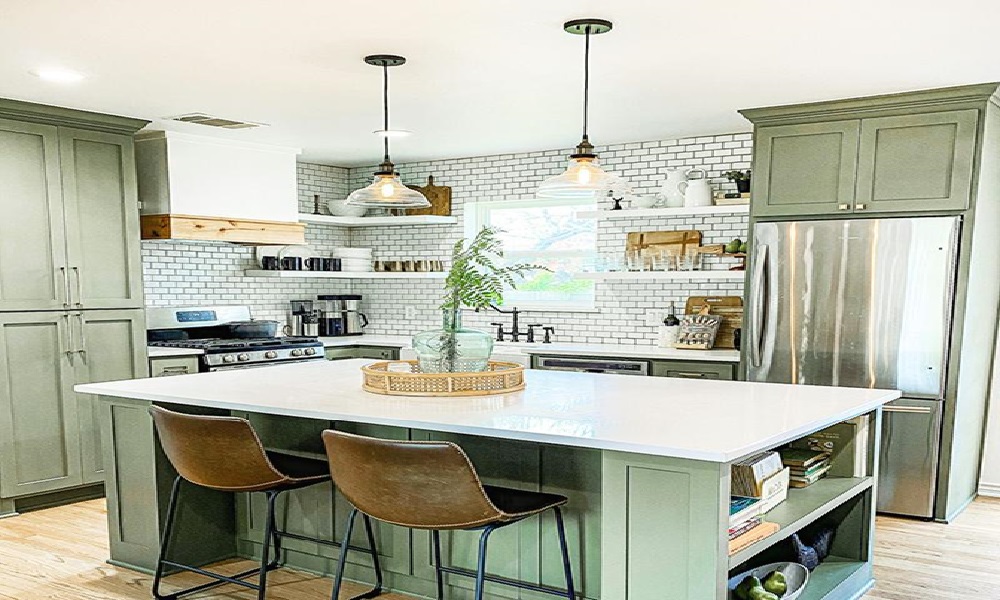
When it comes to kitchen design, a few colors offer the blend of versatility, charm, and freshness that green provides. Green kitchen cabinets have gained significant popularity in recent years, and for good reason. This natural, calming color brings a sense of renewal to the heart of your home, creating an environment that feels both inviting and elegant. Whether you opt for soft, subtle sage or bold, dramatic emerald, green kitchen cabinets offer endless possibilities for customization and style.

In this article, we’ll explore the benefits of choosing green kitchen cabinets, how to select the right shade, design considerations, and how to pair your cabinets with the perfect hardware and countertops.

Benefits of Green Kitchen Cabinets

Versatility

One of the key reasons homeowners and designers love green kitchen cabinets is their versatility. Green can be tailored to suit a wide variety of design aesthetics, making it a go-to choice for both traditional and modern kitchens. Whether your kitchen is sleek and contemporary, rustic and farmhouse-inspired, or somewhere in between, green cabinets can complement your overall design effortlessly.

Because green has both warm and cool undertones, it pairs well with a wide range of materials and colors, from natural wood and stone to metals like brass or stainless steel. This makes it an ideal base color that can evolve with changing trends, ensuring that your kitchen will never feel outdated.

Emotional Impact

The psychological effects of color in interior design cannot be overlooked, especially in spaces like the kitchen, where you spend significant time preparing meals, socializing, and entertaining guests. Green is widely associated with nature, growth, and tranquility. Incorporating green kitchen cabinets into your home can foster a calming, refreshing environment—an ideal backdrop for both bustling family dinners and peaceful morning coffees.

In addition, green is a color that promotes balance and harmony, creating a kitchen space that feels serene and welcoming. Whether you choose a light, pastel green or a rich, deep hue, this color can bring a sense of peace and renewal to your kitchen.

Trend-Resistant Appeal

While many colors come in and out of vogue, green has proven to have a timeless quality. Unlike some trendy shades that may look outdated in a few years, green cabinets have a classic appeal that transcends fleeting design fads. This is particularly true for more muted shades like sage, olive, or moss, which have become staples in kitchen design. These softer greens can serve as the perfect neutral backdrop, allowing you to incorporate more daring design elements like bold backsplashes or colorful appliances.

Choosing the Right Shade of Green

Selecting the right shade of green is critical to creating the look and feel you desire in your kitchen. The tone you choose will set the mood and complement the other design elements in your space.

Light Greens

Light greens, such as sage or mint, are excellent choices for kitchens that aim to feel bright, open, and airy. These softer shades can help make smaller kitchens feel larger by reflecting light and creating a spacious atmosphere. Sage green, in particular, has been a favorite among homeowners for its subtle, calming presence. It works beautifully in kitchens with natural wood accents, stone countertops, or white tile backsplashes, offering a serene, organic feel.

Mint green, on the other hand, adds a touch of playful energy to the kitchen while still maintaining its light, refreshing qualities. Paired with brass hardware or vintage-inspired fixtures, mint green cabinets can evoke a retro charm with a modern twist.

Dark Greens

If you’re looking to create a more dramatic, sophisticated kitchen, dark greens like forest green, emerald, or hunter green are bold and elegant choices. These deeper shades are particularly striking in larger kitchens or spaces with ample natural light, where the richness of the color can take center stage without overwhelming the room.

Dark green cabinets pair beautifully with marble or quartz countertops and metallic hardware, creating a luxurious, high-end feel. In more traditional or classic kitchen designs, forest green can evoke a timeless, stately aesthetic, while emerald green works wonderfully in modern kitchens, offering a rich pop of color that feels both fresh and refined.

Design Considerations

Lighting

Lighting plays a significant role in how your green cabinets will appear in your kitchen. Because green is a reflective color, its hue can change depending on the lighting conditions. In rooms with plenty of natural light, lighter shades of green will appear even brighter, enhancing the airy feel of the kitchen. In contrast, artificial lighting can bring out the depth in darker greens, creating a moodier, more intimate atmosphere.

When planning your kitchen, take into account the natural and artificial lighting in the space. If your kitchen lacks natural light, you might opt for a lighter shade of green to keep the room feeling open. Alternatively, if your kitchen has large windows or skylights, deeper greens can add a rich, dramatic flair without making the room feel closed in.

Complementary Colors

Green is an incredibly versatile color that pairs well with many other hues. Depending on the overall aesthetic you want to achieve, you can pair green cabinets with neutral tones or more vibrant accents.

For a soft, understated look, pair green cabinets with neutral colors like white, beige, or gray. These combinations create a calm, cohesive space that feels timeless and elegant. For a more adventurous approach, consider adding bold pops of color with vibrant backsplashes, colorful bar stools, or statement lighting. Rich colors like navy blue, mustard yellow, or terracotta can create a beautiful contrast with the green, adding depth and visual interest to your kitchen.

Pairing Green Cabinets with Hardware and Countertops

Hardware Choices

The right hardware can make or break the overall look of your kitchen cabinets. With green cabinets, you have a wide range of options to complement the design.

  • Traditional Look: For a classic or traditional kitchen, brass or copper hardware adds warmth and enhances the richness of green cabinets. These metal finishes provide an elegant touch that pairs especially well with darker shades of green like forest or emerald. The warm tones of brass or copper create a cohesive, sophisticated feel in the kitchen.
  • Modern Aesthetic: If you prefer a more modern or minimalist kitchen design, matte black or stainless steel hardware can offer a sleek, contemporary look. These cool-toned metals create a striking contrast with green cabinets, particularly in kitchens with clean lines and minimal ornamentation.

Countertop Options

Choosing the right countertop to complement your green kitchen cabinets is essential for creating a balanced, harmonious design.

  • Light-Colored Stone: Marble or quartz countertops in light shades such as white, cream, or light gray work beautifully with green cabinets. The contrast between the dark cabinets and the light countertops can create a visually stunning effect, adding brightness to the space while maintaining a sophisticated feel. The subtle veining of marble or quartz also adds an elegant texture that pairs well with both light and dark green cabinets.
  • Wood: For a more natural, rustic look, butcher block or wood countertops are an excellent choice. The organic texture of wood complements the earthy tones of green cabinets, creating a warm and welcoming kitchen environment. Wood countertops can also add a touch of farmhouse charm to the kitchen, particularly when paired with sage or mint green cabinets.

Eco-Friendly Considerations

For environmentally conscious homeowners, green kitchen cabinets can also refer to sustainability. If you’re looking for eco-friendly options, consider cabinetry made from salvaged or reclaimed wood. These materials not only reduce waste but also add unique character to your kitchen. Additionally, choosing low-VOC (volatile organic compounds) paints and finishes can help ensure that your kitchen remains environmentally friendly without sacrificing style or quality.

Maintenance and Care

Cleaning

Regular cleaning is simple for maintaining the beauty of your green kitchen cabinets. Use a soft cloth and a mild, non-abrasive cleaner to wipe down the cabinets and keep them looking fresh. Avoid using harsh chemicals or abrasive sponges that could damage the finish.

Avoid Moisture Damage

As with any kitchen cabinets, protecting green cabinets from excessive moisture is essential. Spills around the sink and dishwasher should be wiped up immediately to prevent damage, especially for wood or MDF cabinets. Regular care and maintenance will help keep your green cabinets looking beautiful for years to come.

Conclusion

Green kitchen cabinets offer a fresh, versatile, and timeless option for homeowners looking to bring a touch of nature and sophistication into their kitchens. Whether you choose a light, airy shade or a bold, dramatic green, these cabinets can transform your kitchen into an elegant and inviting space. By carefully selecting complementary colors, hardware, and countertops and by considering eco-friendly options, you can create a kitchen that is not only beautiful but also functional and enduring. With green kitchen cabinets, your kitchen will truly become the heart of your home.

As homes age, they can lose some of the appeal and functionality they once offered. Whether it’s due to outdated aesthetics or worn-out structural components, a dated home can benefit immensely from thoughtful updates. Here, we explore various options to rejuvenate an old home, adding value, comfort, and modern style. From kitchen remodeling to exploring custom modular homes, these strategies offer a range of solutions to bring new life into an aging residence.

Kitchen Remodeling: Enhancing Heart of the Home

The kitchen is often considered the heart of the home, and an outdated one can impact the entire look and feel of your space. Remodeling your kitchen offers an opportunity to improve both the functionality and appearance of your home’s most central area. Consider these popular kitchen remodeling ideas:

  • Open Floor Plans: Removing walls between the kitchen and adjacent rooms can create a more open and spacious layout, perfect for modern living. Open kitchens improve traffic flow, make the space feel larger, and are ideal for entertaining.
  • Updated Cabinets and Countertops: Replacing worn-out cabinets and countertops with contemporary materials, like quartz or granite, can elevate the look and durability of the kitchen. Custom cabinetry, soft-close drawers, and pull-out shelves enhance functionality while keeping everything organized.
  • Energy-Efficient Appliances: Installing new energy-efficient appliances not only improves the kitchen’s appearance but also reduces energy consumption and lowers utility bills. Look for appliances with the Energy Star label to ensure they meet high-efficiency standards.
  • Modern Lighting Fixtures: Lighting can make a significant impact on the kitchen’s aesthetics. Consider adding layered lighting—such as pendant lights, recessed lighting, and under-cabinet LED lights—for a bright and visually appealing workspace.

Custom Made Modular Homes: An Innovative Transformation Option

For homeowners considering a major transformation, custom made modular homes offer an exciting alternative to traditional renovations. Modular homes are pre-fabricated in sections and then transported to the site for assembly. This approach can provide a fresh, modern home with customizable design options.

  • Faster Construction Time: Compared to traditional home construction, modular homes have a much quicker build time. Because the home is built indoors in a factory, it’s less affected by weather delays, which can save time and reduce the stress often associated with extensive home renovations.
  • Cost-Efficiency: The standardized processes involved in modular construction can lead to lower labor and material costs, making it a cost-effective option for those seeking a complete overhaul.
  • Customizable Design: Modern modular homes are highly customizable, allowing homeowners to choose from various floor plans, finishes, and fixtures. This flexibility means you can create a home that meets your unique tastes and lifestyle.

Updating Bathrooms: Modernizing for Comfort and Function

Older bathrooms can feel cramped, outdated, and inefficient. A bathroom remodel can enhance both aesthetics and functionality, improving the comfort and value of the home. Here are a few options to consider:

  • Walk-In Showers and Freestanding Tubs: Replacing outdated shower-tub combos with a modern walk-in shower or a standalone tub can give the bathroom a fresh, contemporary look while increasing accessibility.
  • Energy-Efficient Fixtures: Opt for water-saving fixtures, such as low-flow toilets and showerheads, to reduce water usage and promote sustainability. Look for high-quality fixtures that blend modern design with efficiency.
  • Upgraded Vanities and Storage: New vanities with built-in storage help keep the bathroom organized while creating a cleaner, updated appearance. Stone countertops and elegant finishes add a touch of luxury to the space.

Enhancing Curb Appeal: Making a Memorable First Impression

The exterior of your home is the first thing visitors see, and enhancing curb appeal can make a significant difference in its overall appearance. Consider these options:

  • Landscaping: Updated landscaping with native plants, flowering shrubs, and a well-maintained lawn can bring a dated exterior to life. Hardscaping options like walkways, patios, and garden walls add structure and visual interest.
  • Exterior Paint and Siding: A fresh coat of paint or updated siding can make an old home look brand new. For durability, consider materials like fiber cement siding, which is low maintenance and available in various colors and textures.
  • New Entry Door and Windows: Replacing old doors and windows not only improves energy efficiency but also elevates the style of the home’s exterior. Consider investing in double-pane or energy-efficient windows to reduce heating and cooling costs.

Adding Smart Home Features: Upgrading to a Connected Home

Integrating smart technology into your home can enhance convenience, security, and efficiency. Even older homes can benefit from these modern upgrades:

  • Smart Thermostats: A smart thermostat allows you to control your home’s temperature remotely, leading to more energy-efficient heating and cooling. They also learn your preferences and adjust automatically, ensuring comfort throughout the day.
  • Security Systems: Smart security systems offer peace of mind and added protection. Video doorbells, smart locks, and surveillance cameras are easy to install and can be monitored remotely, keeping your home safe from intruders.
  • Lighting and Voice Control: Smart lighting allows you to control lights remotely, set schedules, and even adjust brightness levels. Voice assistants like Amazon Alexa or Google Home can further enhance convenience by allowing you to control smart devices hands-free.

Insulation and Energy Efficiency: Reducing Costs and Increasing Comfort

Updating your home’s insulation is an effective way to improve its energy efficiency and comfort. Homes built several decades ago may not have adequate insulation, leading to higher heating and cooling costs.

  • Attic and Wall Insulation: Adding insulation to your attic, walls, and floors can reduce drafts, maintain consistent indoor temperatures, and reduce energy costs. Proper insulation is essential for both hot and cold climates, providing a more comfortable living environment year-round.
  • Energy-Efficient Windows and Doors: Upgrading to double- or triple-pane windows and insulated doors can greatly reduce energy loss. This investment not only makes the home more comfortable but also helps reduce your carbon footprint.

Final Thoughts: Choosing the Right Renovation Strategy

Deciding how to update an older home depends on your budget, goals, and lifestyle. Kitchen remodeling, custom modular homes, and smart home features all offer unique benefits, while curb appeal, insulation, and bathroom updates contribute to a complete transformation. By thoughtfully selecting the upgrades that best suit your needs, you can modernize your home and ensure it meets today’s standards for comfort, style, and efficiency.

Kitchen renovations are one of the best ways to add value and comfort to your home. As the heart of the house, your kitchen is not only a place for cooking but also a space for family gatherings and socializing. Whether you’re thinking about a full remodel or just a few updates, knowing the latest kitchen trends can help you make the best decisions. If you’re in the capital of city Canada and considering updating your kitchen, On Point Renovations Ottawa is here to bring your vision to life. Let’s take a look at some of the top kitchen renovation trends you need to know about.

1. Open-Concept Layouts

The open-concept kitchen continues to be a favorite among homeowners. This layout removes walls or partitions that separate the kitchen from the living or dining area, creating a spacious, airy feel. It allows for better flow and interaction between family members or guests while you cook. This design is perfect for those who love to entertain and want their kitchen to be part of the action. If you’re thinking about transforming your space with an open layout, On Point Renovations Ottawa can help you plan and execute a seamless design that blends with the rest of your home.

2. Smart Kitchens

Technology has made its way into the kitchen, making life easier and more efficient. Smart kitchens are equipped with high-tech appliances and gadgets that can be controlled via smartphones or voice commands. From smart refrigerators that help you keep track of groceries to ovens that can be preheated remotely, technology is transforming how we use our kitchens. This trend is ideal for those who want to modernize their space and make cooking more convenient. If you’re planning a Ottawa Kitchen Renovation, consider integrating smart devices for a high-tech and functional space.

3. Bold Cabinet Colors

White cabinets have long been a staple in kitchen designs, but bold colors are now making a splash. Deep blues, greens, and even blacks are becoming popular choices for cabinets, adding depth and personality to the kitchen. These darker shades can create a dramatic look while still keeping the space sophisticated and modern. If you’re looking for something more daring, We can help you find the perfect cabinet color that complements the rest of your home.

4. Sustainable and Eco-Friendly Materials

Sustainability is becoming a priority for many homeowners, and kitchen renovations are no exception. More people are opting for eco-friendly materials such as recycled wood, bamboo, and energy-efficient appliances. Using sustainable materials not only helps the environment but also enhances the beauty and durability of your kitchen. For those considering eco-friendly options, We can recommend high-quality sustainable materials that are stylish and long-lasting.

5. Multi-Functional Islands

Kitchen islands are no longer just for extra counter space; they’ve become multi-functional workstations. Today’s islands often include built-in storage, seating areas, sinks, and even cooktops. They provide a practical solution for those who need more space to cook, eat, and socialize. If you want to maximize the efficiency of your kitchen, a well-designed island can be a game-changer. We specialize in creating custom kitchen islands tailored to your specific needs.

6. Open Shelving

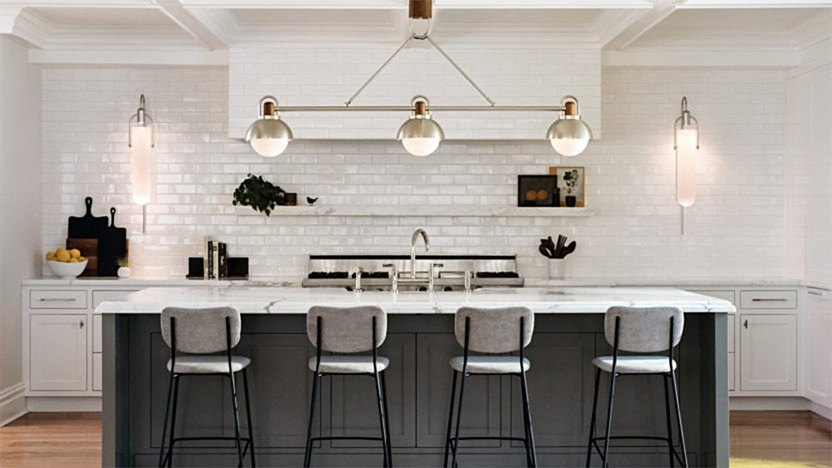
Open shelving is a trend that’s gaining traction in modern kitchen designs. Instead of traditional upper cabinets, open shelves provide a sleek and minimalist look while offering easy access to dishes, glassware, and decor items. It can make the kitchen feel more open and less cluttered. However, open shelving requires careful planning to avoid a messy appearance. We can help you design an open-shelving concept that adds style without sacrificing organization.

7. Quartz Countertops

Quartz countertops continue to be a top choice for many homeowners due to their durability and low maintenance. Unlike granite, quartz is non-porous, meaning it resists stains and doesn’t require regular sealing. Plus, it comes in a wide variety of colors and patterns, making it easy to match your kitchen’s aesthetic. If you’re thinking of upgrading your countertops, We can help you select the perfect quartz finish that suits both your style and budget.

8. Statement Backsplashes

Backsplashes are no longer just functional; they’ve become a focal point in kitchen design. Bold patterns, vibrant colors, and unique materials like glass or metal tiles are being used to create eye-catching designs. A statement backsplash can add personality and creativity to your kitchen, making it a standout feature. Whether you prefer something subtle or a more daring look, On Point Renovations Ottawa can help you choose the perfect backsplash that reflects your taste.

9. Minimalist Design

Minimalism is all about clean lines, simplicity, and functionality. Many homeowners are opting for a minimalist approach in their kitchen designs, focusing on sleek cabinets, simple hardware, and clutter-free countertops. This trend creates a calming and organized environment that is both functional and aesthetically pleasing. If you prefer a minimalist kitchen, We can help you achieve a streamlined look without compromising on style or function.

10. Two-Tone Kitchens

Two-tone kitchens, where cabinets or countertops are different colors or materials, are becoming increasingly popular. For example, you might have light upper cabinets and dark lower cabinets, or pair a wooden island with stone countertops. This design adds depth and contrast to the kitchen while allowing you to play with different textures and colors. If you’re interested in incorporating this trend into your kitchen renovation, We can help you find the perfect combination of materials and colors.

11. Smart Storage Solutions

As kitchens become more functional, smart storage solutions are in high demand. Pull-out drawers, built-in organizers, and hidden pantries are being used to maximize space and keep things organized. These solutions not only make your kitchen more efficient but also help reduce clutter. We can design custom storage solutions that will make your kitchen more practical and enjoyable to use.

Conclusion

Kitchen renovation trends are constantly evolving, but these top trends for 2024 will help you create a kitchen that’s both stylish and functional. Whether you’re looking for an open-concept layout, smart technology, or sustainable materials, We can bring your vision to life. With expertise in Ottawa kitchen renovations and bathroom renovation Ottawa, they’ll ensure your renovation project is completed with precision and care. By incorporating the latest trends and high-quality craftsmanship, you’ll have a kitchen that not only looks beautiful but also meets your daily needs.

If you’re ready to transform your kitchen, contact us today to start planning your dream space!

If you’re looking to create a quiet home office, a peaceful bedroom, or a dedicated space for music or movies, soundproofing a room in your home can make a world of difference. While professional soundproofing can be costly, there are plenty of DIY methods that are effective and affordable.

This step-by-step guide will walk you through the process of room soundproofing, helping you to achieve a quieter, more comfortable environment.

Step 1: Identify the Sources of Noise

Before you start soundproofing, it’s essential to identify the sources of noise and how they enter the room. Common noise sources include:

  • External Noise: Traffic, neighbours, construction, or other outdoor activities.
  • Internal Noise: Noise from other rooms in the house, such as footsteps, conversations, or appliances.

Determine whether the noise is coming through walls, floors, ceilings, windows, or doors, as this will guide you in selecting the appropriate soundproofing methods.

Step 2: Seal Gaps and Cracks

One of the most straightforward and cost-effective ways to soundproof a room is to seal gaps and cracks where sound can leak through. These gaps are often found around doors, windows, and electrical outlets.

Materials Needed: Acoustic caulk, weatherstripping, door sweeps, outlet sealers.

  • How to Do It:
    • Windows: Apply weatherstripping around the edges of windows to seal gaps.
    • Doors: Install a door sweep at the bottom of the door and use weatherstripping around the frame.
    • Outlets and Light Switches: Use outlet sealers to prevent sound from passing through electrical outlets and light switches.
    • Walls and Baseboards: Apply acoustic caulk to seal any gaps or cracks in walls, baseboards, and around the edges of the room.

Step 3: Add Mass to the Walls

Sound travels through vibrations, so adding mass to your walls can help to block and absorb these vibrations, reducing noise transmission. There are several ways to add mass to your walls:

Materials Needed: Mass Loaded Vinyl (MLV), drywall, acoustic panels.

  • How to Do It:
    • Mass Loaded Vinyl (MLV): Install MLV on the walls to add density. It can be attached directly to the existing walls or sandwiched between layers of drywall.
    • Double Drywall: Consider adding an additional layer of drywall to your walls for improved soundproofing. For even better results, apply a damping compound like Green Glue between the layers. This will help absorb and reduce sound transmission more effectively.
    • Acoustic Panels: Install acoustic panels on the walls to absorb sound and reduce echo. These panels are particularly effective in rooms where sound quality is important, such as home theatres or recording studios.

Step 4: Insulate the Walls and Ceiling

Insulation plays a role in room soundproofing by absorbing sound within the walls and ceiling cavities. Proper insulation can significantly reduce noise transmission between rooms.

Materials Needed: Fibreglass insulation, mineral wool, resilient channels.

  • How to Do It:
    • Fibreglass Insulation: If your walls are accessible, such as during a renovation, install fibreglass insulation in the wall cavities. This will help absorb sound and reduce noise transfer.
    • Mineral Wool: For enhanced soundproofing, consider using mineral wool insulation, which is denser and more effective at sound absorption than standard fibreglass.
    • Resilient Channels: Install resilient channels on the ceiling or walls before adding drywall. These metal channels create a gap between the drywall and the framing, which helps to decouple the surfaces and reduce sound transmission.

Step 5: Soundproof the Floor

Soundproofing the floor is especially important if you’re dealing with impact noise, such as footsteps or moving furniture. Adding a layer of soundproofing under your flooring can make a significant difference.

Materials Needed: Soundproof underlayment, carpets or rugs, floor mats.

  • How to Do It:
    • Soundproof Underlayment: If you’re installing new flooring, use a soundproof underlayment beneath it. Cork, rubber, or foam underlayment materials are effective at reducing impact noise.
    • Carpets and Rugs: Adding thick carpets or rugs can help absorb sound and reduce noise transmission, particularly in rooms with hard flooring like tile or wood.
    • Floor Mats: In high-traffic areas, consider placing floor mats to further reduce impact noise.

Step 6: Soundproof the Windows

Windows are one of the weakest points in a room when it comes to soundproofing, as they can easily allow external noise to enter. There are several methods to soundproof your windows:

Materials Needed: Soundproof curtains, window inserts, double glazing.

  • How to Do It:
    • Soundproof Curtains: Hang thick, heavy soundproof curtains over your windows. These curtains are designed to absorb sound and block noise from outside.
    • Window Inserts: Install window inserts, which are clear acrylic or glass panels that fit inside your existing window frames. These inserts create an additional barrier against noise.
    • Double Glazing: If possible, upgrade to double-glazed windows. The extra layer of glass and the air gap between the panes provide better insulation against sound.

Step 7: Address the Ceiling

If noise from above is an issue, soundproofing the ceiling can help reduce it. This is particularly important in multi-storey homes or apartments.

Materials Needed: Acoustic ceiling tiles, drop ceiling, resilient channels.

  • How to Do It:
    • Acoustic Ceiling Tiles: Install acoustic ceiling tiles to absorb sound and reduce noise from above. These tiles are often used in office spaces but can also be effective in homes.
    • Drop Ceiling: Consider installing a drop ceiling with soundproof tiles. This creates a gap between the original ceiling and the new ceiling, which helps to reduce sound transmission.
    • Resilient Channels: As with walls, resilient channels can be installed on the ceiling before adding drywall to decouple the ceiling from the framing, reducing noise transmission.

Step 8: Use Furniture and Decor for Sound Absorption

Your choice of furniture and decor can also contribute to soundproofing by absorbing sound and reducing echoes in the room.

Materials Needed: Bookshelves, heavy curtains, wall hangings, cushions.

  • How to Do It:
    • Bookshelves: Place bookshelves filled with books against shared walls. The mass of the books and shelves can help block and absorb sound.
    • Heavy Curtains: In addition to soundproof curtains for windows, consider using heavy drapes or curtains on walls or as room dividers to absorb sound.
    • Wall Hangings: Hang tapestries, fabric panels, or even thick canvas artwork on the walls to absorb sound.
    • Cushions and Upholstered Furniture: Use cushions and upholstered furniture to absorb sound and reduce noise within the room.

Step 9: Test and Adjust

Once you’ve implemented your soundproofing measures, spend some time testing the results. Sit quietly in the room and listen for any remaining noise that may be coming through. Walk around to identify any areas where soundproofing could be improved.

  • Check for Noise Leaks: Pay attention to any remaining noise leaks, such as through doors, windows, or small gaps.
  • Adjustments: If necessary, add more soundproofing materials, such as additional weatherstripping, more acoustic panels, or thicker curtains.
  • Test with Sound: Play music or noise in adjacent rooms or outside to test how well the soundproofing works.

Conclusion

Soundproofing a room in your home doesn’t have to be a daunting or expensive task. Following these step-by-step guidelines and using affordable materials, you can effectively reduce noise and create a more peaceful environment.

If you’re working on a home office, a bedroom, or a home theatre, the right combination of soundproofing techniques will help you achieve the quiet, comfortable space you desire. With careful planning and attention to detail, you can enjoy the benefits of a soundproofed room without breaking the bank.

San Diego’s real estate market is sizzling hot, and if you own property in this city, you’ve likely noticed the rapid rise in home values. With its idyllic coastal weather, bustling job market, and scenic beauty, San Diego has become a magnet for buyers and investors alike. What’s even more impressive is how remodeled homes in the area are nearly doubling their value, making renovations a smart move for homeowners. From adding square footage to upgrading kitchens and bathrooms, these transformations aren’t just about aesthetics—they’re about maximizing ROI. In this article, we’ll dive into how home renovations are driving significant value in San Diego’s competitive housing market.

Remodeled Houses in San Diego Almost Doubled The Value

Over the past decade, San Diego has experienced a real estate boom that shows no signs of slowing down. Many homeowners are capitalizing on this trend by remodeling their homes, leading to dramatic increases in property value. In fact, in some cases, these renovations have almost doubled the market value of homes. This isn’t just happening in luxury markets—homes across various price ranges are seeing a significant boost in worth thanks to thoughtful upgrades.

What’s driving this surge in value? Factors such as the high demand for housing, a limited inventory, and an influx of buyers from other states have played a role. In a competitive remodeling market like San Diego, where buyers are looking for move-in-ready homes, renovations can give sellers a distinct edge. A well-remodeled home not only sells faster but often for a premium price.

The San Diego Real Estate Market Overview

San Diego’s housing market has been on a rapid incline due to its strong economy, thriving tech scene, and growing population.

As per Sheiner Construction & Remodeling in San Diego, “Despite higher-than-average prices, demand for housing remains high, pushing up home values. Renovated homes are particularly appealing to buyers who don’t want to deal with the hassle of renovations themselves, leading to a surge in sales for these properties.

What Contributes to Increased Home Value After Renovations?

The increase in home value after remodeling isn’t just about making a house look better. Factors like improved energy efficiency, updated plumbing, modernized interiors, and the addition of usable living space all contribute. Buyers are willing to pay more for homes that won’t require major repairs or updates in the near future. Upgraded homes also tend to appraise higher, which helps in securing better financing deals.

Top Home Renovations That Add the Most Value

Not all renovations are created equal. While any improvement to your home can make it more attractive to potential buyers, certain upgrades yield a much higher return on investment (ROI). In San Diego, where market conditions are ripe for value growth, the right remodeling projects can significantly increase your home’s worth. From kitchens to bathrooms, energy-efficient upgrades, and outdoor spaces, strategic renovations can pay off handsomely.

High-ROI Renovation Projects in San Diego Homes

Among the most profitable upgrades are kitchen and bathroom remodels, as these are areas buyers tend to scrutinize. A modern kitchen with new appliances, countertops, and cabinetry can increase home value by 10-15%. Bathroom upgrades, especially those involving new fixtures, flooring, and added storage, offer a similarly high ROI. Additionally, converting an attic or basement into usable living space also adds significant value, as it increases the overall square footage of the home.

The Impact of Energy Efficiency on Home Value

In an eco-conscious city like San Diego, energy-efficient upgrades can significantly boost a home’s value. Solar panels, energy-efficient windows, and improved insulation are top choices for homeowners looking to increase value while cutting long-term utility costs. Homes with energy-saving features often sell faster and at higher prices, as buyers are increasingly looking for properties that will save them money over time.

Why Location Matters: San Diego Neighborhoods Leading the Remodeling Trend

While remodeling can boost the value of almost any home, location plays a critical role in just how much that value increases. San Diego is home to a diverse range of neighborhoods, each with its own unique appeal. Some areas are seeing more dramatic increases in home values after renovations due to their location, amenities, and overall desirability. Understanding where to invest in home improvements can make a big difference in ROI.

Neighborhoods with the Highest Property Value Growth

Coastal neighborhoods like La Jolla, Del Mar, and Pacific Beach are seeing some of the highest gains in property value post-renovation. These areas are highly sought after for their proximity to the beach, great schools, and luxurious amenities. Meanwhile, more urban neighborhoods like North Park and Hillcrest are also experiencing rapid growth, especially among younger buyers looking for remodeled homes with modern finishes and walkable access to shops and restaurants.

The Role of Local Infrastructure in Home Value

Local infrastructure, such as access to public transportation, shopping centers, and schools, plays a big role in determining how much value a remodeled home will gain. Homes located near new developments, transit lines, or parks tend to experience higher value increases. In San Diego, where traffic is often a concern, proximity to highways or public transit can add a significant premium to a remodeled property.

The Cost of Remodeling in San Diego: Is It Worth It?

San Diego isn’t the cheapest place to remodel a home, but the potential returns make it worthwhile. Remodeling costs vary depending on the scope of the project, materials used, and the contractor’s fees. However, despite these costs, many homeowners find that the increase in home value far outweighs the initial investment.

Average Costs of Popular Remodeling Projects in San Diego

The cost of remodeling in San Diego can range from a few thousand dollars for minor upgrades to six figures for major renovations. For example, a mid-range kitchen remodel can cost anywhere from $30,000 to $60,000, while bathroom renovations typically run between $10,000 and $30,000. Larger projects, such as adding a room or converting a basement, can exceed $100,000. Despite these costs, most homeowners see a substantial ROI, with some projects adding more than 50% of their cost back into the home’s value.

Calculating Return on Investment for Homeowners

To determine whether a remodeling project is worth it, homeowners should consider both the upfront costs and the potential value increase. In San Diego, many renovations can recoup 70-80% of their cost when selling, with certain projects like kitchen remodels and energy-efficient upgrades offering the highest returns. It’s important to plan renovations carefully and consult with real estate experts to ensure that upgrades align with current market demands.

Real Estate Market Trends: Why Buyers Love Remodeled Homes

In San Diego’s competitive housing market, buyers are drawn to remodeled homes for a variety of reasons. These properties often feature modern amenities, energy efficiency, and a turnkey experience that allows new owners to avoid the hassle of renovations. As a result, these homes tend to sell faster and at a premium, which benefits sellers looking to maximize their return.

Buyer Preferences: Why Remodeled Properties Sell Faster

As per Sheiner Homes, realtor in San Diego, “Today’s homebuyers, especially in fast-moving markets like San Diego, are often willing to pay more for homes that are move-in ready. Turnkey properties save buyers time, effort, and money on immediate repairs or upgrades, making them highly attractive. Additionally, remodeled homes that feature energy-efficient appliances, smart home technology, and modern layouts cater to the tastes of younger, tech-savvy buyers who want convenience and comfort.

How Renovations Affect Property Marketability

Homes that have been updated with the latest trends and technologies tend to stand out in the crowded San Diego market. In a sea of outdated listings, a remodeled home with modern finishes, open-concept layouts, and outdoor living spaces can command a higher price. Renovations that focus on boosting both functionality and style are key to making a home more marketable and desirable to potential buyers.

CONCLUSION

San Diego’s housing market is ripe for growth, and homeowners who invest in remodeling are reaping the rewards. Whether it’s a modern kitchen, energy-efficient upgrades, or additional living space, these renovations are proving to be valuable investments that can nearly double the value of a home. As more buyers flock to the city, the demand for remodeled homes will only continue to rise. For homeowners, understanding which upgrades offer the highest returns and how location factors into value growth is essential for making smart investment decisions.


Aging Plumbing Components

In Riverside, CA, where the climate can sometimes be harsh on plumbing systems, recognizing the signs of aging plumbing is crucial to maintaining your home’s efficiency and safety. Here’s what to look out for:

Signs of Aging Pipes

  • Discoloration: If you notice that your water has a brown, yellow, or rusty hue, it could be a sign that your pipes are aging and beginning to corrode. Discolored water often indicates that there is rust or sediment build-up inside your pipes. This not only affects the quality of your water but can also lead to health concerns and further plumbing issues if not addressed promptly.
  • Visible Corrosion: Check for visible signs of corrosion on exposed pipes, such as a greenish or brownish discoloration. Corroded pipes often appear pitted or flaking. In Riverside, where the hard water can exacerbate pipe corrosion, it’s important to regularly inspect your plumbing system. Corrosion weakens pipes and increases the risk of leaks or bursts.
  • Frequent Leaks: Frequent leaks can be a major red flag that your plumbing system is showing signs of age. Leaks often occur when pipes become weakened over time. If you find yourself needing to repair leaks regularly, it’s a clear indicator that your plumbing may need upgrading. Leaks not only waste water but can also cause damage to your home’s structure, leading to more costly repairs.

Typical Lifespan of Plumbing Materials

  • Copper Pipes: Copper pipes are known for their durability and can last between 50 to 70 years. However, in Riverside, CA, the lifespan may be shorter due to local water quality and environmental factors. If your home’s copper pipes are nearing this age range, it might be time to consider a replacement.
  • PVC Pipes: PVC (polyvinyl chloride) pipes generally have a lifespan of around 25 to 40 years. They are resistant to corrosion and are a common choice for residential plumbing. However, if you’re experiencing issues with your PVC pipes and they are nearing the end of their expected lifespan, an upgrade could be beneficial.
  • Galvanized Steel Pipes: Galvanized steel pipes, once a common choice, typically last around 20 to 50 years. These pipes are prone to rust and corrosion over time. If your home has galvanized pipes and they are showing signs of aging or frequent problems, it is wise to consider replacing them with more modern materials.
  • Pex Pipes: PEX (cross-linked polyethylene) pipes are relatively new and can last up to 40 years. They are flexible and resistant to scale and chlorine. Although they are durable, regular inspections are still necessary to ensure they are in good condition.

Low Water Pressure

How Low Water Pressure Can Indicate Serious Plumbing Issues

  • Pipe Corrosion: One of the primary causes of low water pressure is pipe corrosion. As pipes age, especially if they are made of metal like galvanized steel or copper, they can corrode and rust. This corrosion leads to a narrowing of the pipe’s diameter, reducing the flow of water. In Riverside, where hard water can accelerate pipe corrosion, it’s particularly important to monitor your pipes for signs of wear.
  • Clogs and Blockages: Another common cause of low water pressure is clogs or blockages within the plumbing system. Over time, sediment, mineral deposits, and other debris can accumulate in pipes, restricting water flow. If you notice a significant drop in water pressure, especially in one area of your home, it could indicate that a clog or buildup is affecting your system’s performance.
  • Pipe Leaks: Leaks can also contribute to reduced water pressure. When a pipe leaks, water is lost before it reaches the fixtures in your home, leading to diminished pressure. Leaks can occur due to pipe damage or faulty connections, and they often go unnoticed until they cause noticeable issues with water flow.

Steps to Diagnose if the Low Pressure is a Localized Issue or a Systemic Problem

  1. Check Multiple Fixtures: Start by testing the water pressure at different fixtures throughout your home. If low water pressure is limited to just one faucet or showerhead, the issue may be localized to that specific fixture. This could be due to a clogged aerator or a malfunctioning fixture. Clean or replace the affected fixture to see if the pressure improves.
  2. Inspect for Visible Leaks: Look for any signs of leaks around your home, such as damp spots, water stains, or pooling water. Leaks in visible areas can often be identified through these signs. If you find any leaks, they should be addressed promptly, as they can impact overall water pressure and lead to more significant issues if left unresolved.
  3. Test Water Pressure at the Main Supply: Use a pressure gauge to test the water pressure at the main supply valve. If the pressure is low at this point, the issue is likely systemic and may be related to the main supply line or the overall plumbing system. This could indicate problems such as corroded pipes, blockages in the main line, or issues with the water supply from the municipal source.
  4. Examine Your Water Meter: Check your water meter for any signs of unusual activity or fluctuations in water usage. A constant flow or unexpected increase in water usage can signal a hidden leak in your system, contributing to low water pressure.
  5. Consult a Professional: If you’re unable to determine the cause of low water pressure through these steps, it’s wise to consult a professional plumber. They have the tools and expertise to perform a more thorough diagnosis, including pipe inspections with cameras, water pressure testing, and detailed analysis of your plumbing system.


Frequent Clogs and Slow Drains

  • Deteriorating Pipe Conditions: Persistent clogs and slow drains often signal that your pipes are in poor condition. Over time, pipes can accumulate debris, grease, hair, and other materials that lead to blockages. If these clogs become frequent or seem unmanageable, it could indicate that your pipes are deteriorating. Old pipes, especially those made from materials like galvanized steel or clay, can become corroded, cracked, or otherwise compromised, making them more susceptible to clogs.
  • Pipe Damage: Constant clogs can also be a sign of physical damage to your pipes. Pipes that are cracked, bent, or improperly installed may not handle water flow as efficiently, leading to frequent blockages. In some cases, damaged pipes can create pockets where debris accumulates, exacerbating the clogging issue. Upgrading to newer, more durable pipes can help mitigate these problems and improve overall drainage.

Impact of Hard Water in Riverside and Its Effects on Plumbing Efficiency

  • Hard Water Deposits: Riverside, CA, is known for its hard water, which contains high levels of calcium and magnesium. Hard water can have a significant impact on your plumbing system. Over time, these minerals can deposit onto the inside walls of your pipes, leading to a condition known as mineral scaling. This scaling reduces the internal diameter of your pipes, which impedes water flow and can contribute to frequent clogs and slow drainage.
  • Impact on Fixtures and Appliances: Hard water can also affect your home’s fixtures and appliances. Mineral deposits from hard water can accumulate in faucets, showerheads, and appliances like dishwashers and water heaters. This buildup not only decreases the efficiency of these fixtures but can also lead to blockages and malfunctions. Regular maintenance and upgrades to fixtures and appliances can help manage the impact of hard water.
  • Reducing Hard Water Effects: Installing a water softenercan help reduce the effects of hard water on your plumbing system. By removing excess minerals from your water supply, a water softener can help prevent scaling and reduce the frequency of clogs and slow drains. In Riverside, incorporating a water softening system into your plumbing upgrade can significantly enhance the performance and longevity of your pipes and fixtures.


Water Discoloration

What Rusty or Discolored Water Means for Your Home’s Plumbing

  • Corroded Pipes: Rusty or discolored water often signals that your pipes are corroding. As pipes age, especially those made from metals like iron or steel, they can develop rust and corrosion. This corrosion can cause the pipes to deteriorate, leading to the release of rust particles into the water supply. In Riverside, where hard water can exacerbate corrosion, the risk of experiencing discolored water increases. If you notice a reddish-brown tint in your water, it’s a clear indication that your pipes may be compromised and in need of replacement.
  • Sediment Buildup: Discolored water can also result from sediment buildup in your pipes. Over time, sediment from water can accumulate and dislodge, leading to cloudy or murky water. This sediment buildup can reduce the efficiency of your plumbing system and contribute to further issues like clogs and reduced water flow. Upgrading to modern, corrosion-resistant pipes can help prevent sediment-related problems and ensure a cleaner, more reliable water supply.

Potential Health Hazards Associated with Corroded Pipes Releasing Metals into Water

  • Health Risks from Rust and Corrosion: Corroded pipes can release harmful metals such as lead and iron into your drinking water. Lead, in particular, poses significant health risks, especially for children and pregnant women. Exposure to lead can cause developmental issues in children and increase the risk of pregnancy complications. Iron, while less toxic, can still affect water quality and contribute to health concerns if consumed in large quantities.
  • Contaminants and Bacteria: Corroded pipes can also harbor bacteria and other contaminants. Rust and corrosion can create an environment conducive to bacterial growth, potentially leading to waterborne diseases. Regularly discolored water could indicate that your plumbing system is not only affecting water appearance but also its safety. Ensuring that your pipes are in good condition and replacing outdated or damaged plumbing is crucial for maintaining clean and safe water.


Increased Water Bills

Unexpected Spikes in Water Bills  

  • Hidden Leaks: A sudden increase in water bills is often a sign of hidden leaks within your plumbing system. Leaks can occur in various parts of your plumbing network, including pipes buried in walls, underground, or within the slab of your home. These leaks can be slow and subtle, causing water to seep away without obvious signs of damage. As a result, you may notice higher water usage on your bills without any visible indication of a problem.
  • Plumbing Inefficiencies: Inefficiencies in your plumbing system can also lead to higher water bills. Aging fixtures, outdated appliances, or poorly installed pipes can result in increased water consumption. For example, old toilets and faucets may not function as efficiently as newer models, leading to higher water usage. Upgrading these components can help reduce water consumption and lower your bills.

Methods for Tracking Down Unseen Leaks  

  1. Check Your Water Meter: Begin by monitoring your water meter. Turn off all water sources in your home, including faucets and appliances, and check the meter. If the meter continues to move or show water usage even when all fixtures are off, it could indicate a hidden leak. Record the meter reading and compare it over a few hours to detect any changes.
  2. Inspect Your Property for Visible Signs: Look for any visible signs of leaks around your property. Check for damp spots, mold growth, water stains, or pooling water in areas like your yard or basement. While visible leaks can provide clues, hidden leaks may not be immediately apparent.
  3. Use Leak Detection Tools: Professional plumbers often use specialized tools for leak detection. Acoustic leak detectors can pick up the sound of water escaping from pipes, while infrared cameras can identify temperature changes caused by leaks behind walls or underground. If you suspect a hidden leak, a professional can utilize these tools to accurately locate the problem.
  4. Conduct a Dye Test: For leaks in toilets or fixtures, a dye test can be effective. Add a few drops of food coloring to the toilet tank and wait for about 30 minutes without flushing. If the colored water appears in the bowl, it indicates a leak in the tank’s flapper or other components.
  5. Consult a Professional Plumber: If you’re unable to locate the source of increased water usage or suspect a hidden leak, it’s best to consult a professional plumber. They have the expertise and equipment to perform a thorough inspection, identify leaks or inefficiencies, and recommend the necessary repairs or upgrades.


Strange Noises in the Plumbing System

Causes of Banging, Whistling, or Gurgling Sounds in Pipes

  • Banging (Water Hammer): Banging or knocking noises, often referred to as “water hammer,” occur when water flowing through your pipes is abruptly stopped by a valve or faucet. This sudden stoppage creates a shock wave that causes the pipes to bang against the walls or supports. Water hammer can be caused by fast-closing valves, improperly secured pipes, or a lack of air chambers designed to absorb the shock. Over time, these repeated impacts can damage your pipes and fittings.
  • Whistling (High Water Pressure or Pipe Obstructions): Whistling or high-pitched noises typically indicate issues with water pressure or pipe obstructions. If the water pressure is too high, it can cause the water to flow through the pipes with excessive force, creating a whistling sound. Similarly, obstructions or partial blockages in the pipes can lead to turbulent water flow, resulting in whistling noises. Both conditions can lead to increased stress on your plumbing system and potential damage.
  • Gurgling (Ventilation or Drainage Issues): Gurgling noises are often a sign of ventilation or drainage issues. When you hear gurgling sounds coming from your drains or toilets, it may indicate that the plumbing vents are blocked or that there is a problem with the drainage system. Blocked vents can create negative pressure in the pipes, causing air to escape through the drains and produce gurgling sounds. Alternatively, gurgling can occur when there is a partial blockage in the drainage system, affecting the flow of water and air.

What These Sounds Can Indicate  

  • Water Hammer: Persistent water hammer may indicate that your plumbing system is not properly designed or that components are aging. Installing water hammer arrestors or upgrading to modern plumbing materials can help mitigate these issues and prevent further damage to your pipes.
  • Whistling: If whistling noises are due to high water pressure, it may be necessary to install a pressure regulator to control the pressure within safe limits. If the issue is caused by obstructions, a professional plumber can perform a thorough inspection and cleaning of the pipes to remove any blockages and restore proper flow.
  • Gurgling: Gurgling sounds can signal a need for ventilation system upgrades or repairs. Ensuring that your plumbing vents are clear and properly functioning is essential for maintaining good drainage and preventing air from escaping through your fixtures. If drainage issues persist, it may be necessary to inspect and upgrade the drainage system to address any blockages or inefficiencies.


Water Stains and Damage

Identifying Water Stains on Walls, Ceilings, or Floors  

  • Wall Stains: Water stains on walls often indicate leaks in the plumbing pipes running within or behind the wall. These stains can appear as discoloration, bubbling paint, or peeling wallpaper. Common sources of wall stains include leaky pipes, faulty joints, or damaged fixtures. If you notice stains on your walls, it’s essential to investigate the source of the leak to prevent further damage.
  • Ceiling Stains: Water stains on ceilings usually point to leaks from plumbing pipes located above the ceiling or issues with the roof. These stains can manifest as dark, discolored patches and may be accompanied by sagging or peeling paint. Ceiling stains are often associated with leaks from bathrooms or kitchens located on the upper floors of your home. Identifying and repairing these leaks promptly is vital to avoid potential structural damage.
  • Floor Stains: Water stains on floors, especially in areas such as basements or near appliances, can indicate leaks from pipes or appliances. Stains may appear as darkened patches or water spots and can sometimes be accompanied by mold growth or musty odors. Common causes include leaking water heaters, washing machines, or damaged pipes. Addressing these issues quickly can help prevent water damage and mold growth.

Addressing These Issues Promptly to Prevent Structural Damage

  • Preventing Mold Growth: Prolonged exposure to moisture from leaks can lead to mold and mildew growth. Mold not only affects indoor air quality but can also cause health issues such as respiratory problems and allergic reactions. Addressing water stains and leaks promptly can help prevent mold development and protect the health of your household.
  • Avoiding Structural Damage: Water damage can weaken the structural integrity of your home. Continued exposure to moisture can cause wood rot, damage to drywall, and deterioration of insulation. This structural damage can lead to costly repairs and compromise the safety of your home. Promptly repairing leaks and addressing water stains can help prevent extensive damage and maintain the structural stability of your home.
  • Protecting Personal Property: Water stains and leaks can also damage personal property such as furniture, electronics, and valuable documents. By addressing plumbing issues early, you can protect your belongings from water-related damage and reduce the risk of having to replace or repair personal items.


If the ducted air con device is well maintained, it’ll work constantly as anticipated throughout the 12 months. This is especially true in Newcastle, where the weather changes surprisingly with the seasons. This blog will offer seasonal maintenance tips to enhance the efficiency and durability of ducted air conditioning in Newcastle.

1. Spring Cleaning

Spring marks the correct time to prepare your aircon system for the multiplied demand of the approaching summertime months.

  • Check and Clean Filters: This highlights the initial step of spring maintenance, which involves inspecting and cleaning the air filters. Emphasise that during the winter season, the filter may not be used frequently; therefore, it collects dust and pollen and is logged. These filters require cleaning or replacement because the clogged ones can hamper the airflow and lower the system’s efficiency, resulting in higher energy usage and bills.
  • Inspect Ductwork: It is vital to survey the ducts for feasible damage like holes, leakage, or separation symptoms. Damaged ducts can permit cool air to get away, which means that the machine will work harder to chill the house, which reduces the lifespan of an air conditioner. Sealing or repairing leaks will be necessary to ensure air is adequately directed across your home.
  • Schedule a Professional Service: It’s essential to have a professional technician to service the air conditioning system. They can check refrigerant levels, assess electrical components, and ensure the system is clean and functional. This proactive service can prevent the inconvenience of system failures during the peak of summer heat.

2. Summer Preparedness

Summer is the peak time for air conditioning systems in Newcastle, making the efficiency of your system a top priority.

  • Test the System Early: It is preferred to check your air conditioning system when you do not want to experience the uneasiness of meeting some problems on the hottest days of summer, and this is why it is recommended that the checkup is done in the late spring or the early summer.
  • Precise Outdoor Units: Always make sure that the surrounding area of the outer unit of the air conditioner is clean from items like leaves, dirt and twigs, which may hinder the circulation of fresh air on the unit. Also, ensure that its surrounding environment is free and has enough space to allow proper airflow circulation of the unit.
  • Optimise Thermostat Settings: Using an able thermostat can go a long way in improving the performance of your system by setting it to adjust the temperature automatically based on when you are home or away. This can avoid unneeded operation and minimise the system’s wear and consequent energy use.

3. Autumn Check-up

Because fall marks the onset of cooler weather, it is also an excellent time to get your Maitland air conditioning systems winter-ready for the following summer.

  • Prepare for Inactivity: If it also addresses the heating requirements, autumn can still mean significant usage; otherwise, if you are dealing with cooling only, then this season is perfect for cleaning and vital repair work. This is the best opportunity to use the cleaning services for heaters and air conditioning systems. As a result, indoor air quality will significantly change for the better.
  • Check Insulation: Insulation checks and probable upgrades can help retain heat within the home during the cold months, lower the cost of heating in your home, and put a lesser load on your heating system if it differs from your air conditioning unit.
  • Review Energy Use: One has to look at the air conditioning performance during the autumn period in terms of energy consumption. Review your electricity and gas consumption against prior months and set your appliances to conserve power.

4. Winter Maintenance

Winter demands less from your air conditioning system in terms of cooling, but it is still essential to maintain it during this season.

  • Protect External Units: Covering outdoor units can protect them from debris and extreme winter weather conditions. Use breathable covers to prevent moisture accumulation, which can lead to corrosion and other damage.
  • Regularly Check for Obstructions: These checks will help check the outdoor unit where snow, ice, and leaves may accumulate, which may affect the working area and potentially harm your system.
  • Maintain a Steady Temperature: Often, it is freezing outside, and people tend to increase the temperature inside the premises, but this should not be too high to reduce the wear of the heater and control heating costs.

5. Year-Round Tips

Beyond seasonal maintenance, several practices can benefit your air conditioning system year-round:

  • Regularly Replace Filters: This is perhaps the simplest yet most effective way to maintain air quality and system efficiency.
  • Listen for Unusual Noises: Random sounds that are produced can show early signs that there is something that needs attention.
  • Keep an Eye on Energy Bills: A common reason people struggle with paying bills is when energy costs increase rather than decrease, which is often linked to issues with HVAC systems.

Final Thoughts

Thus, you must regularly maintain the ducted air conditioning system, especially according to the season. You can avoid emerging problems, cut energy expenses, and optimise the system’s performance from the above-detailed strategies. Whether Summer or Winter, a well-maintained air conditioning system will bring comfort when needed. 

However, it should always be understood that time spent on maintenance work saves money, and the home is always comfortable. Measures have to be taken today; the idea is simple but effective – to guarantee that your system stays in perfect working condition and is prepared to cope with the peculiarities of Newcastle’s climate.


Maintaining a clean and efficient home requires attention to various components that often go unnoticed. Air ducts, chimneys, dryer vents, and attic insulation play vital roles in ensuring your home is safe, energy-efficient, and comfortable. As someone who has extensively researched these areas, I have found that choosing the right service provider can make a significant difference. Quality Air Brothers in Dallas, TX, is a company worth considering for these essential services.

The Necessity of Air Duct Cleaning

Air ducts are integral to your home’s heating and cooling system. Over time, they collect dust, allergens, and debris, which can degrade indoor air quality and reduce system efficiency. Regular air duct cleaning removes these contaminants, leading to cleaner air and a more efficient HVAC system. You might notice fewer allergy symptoms and lower energy bills after a thorough cleaning.

Importance of Chimney Cleaning

Chimney cleaning is another crucial service that homeowners should not overlook. A clean chimney ensures proper ventilation and prevents dangerous creosote buildup, which can lead to chimney fires. Regular cleaning also helps your heating system function more effectively, providing better warmth during the colder months.

Benefits of Dryer Vent Cleaning

Dryer vents are often forgotten, yet they are a common cause of household fires. Lint and debris can accumulate in the vent, posing a serious fire hazard. By cleaning the dryer vent, you reduce this risk and improve the efficiency of your dryer. This not only enhances safety but also extends the lifespan of your appliance.

Enhancing Energy Efficiency with Attic Insulation

Proper attic insulation is key to maintaining a consistent temperature in your home. This reduces the strain on your HVAC system and lowers energy costs. Quality insulation keeps your home cooler in the summer and warmer in the winter, contributing to overall comfort and efficiency.

Why Quality Air Brothers Stands Out

In the competitive market of air duct and vent cleaning services, Quality Air Brothers in Dallas, TX, distinguishes itself through several key attributes. Here are some reasons why I believe they are a superior choice:

Extensive Industry Experience

With 17 years of experience, Quality Air Brothers has developed a deep understanding of the unique challenges faced by homes in Texas. Their technicians are highly trained and bring substantial expertise to every job. This level of experience ensures that they can handle a wide range of issues effectively.

Thorough and Professional Process

Quality Air Brothers follows a comprehensive process for each service they provide. For air duct cleaning, they start with a detailed assessment and inspection to identify any issues. They then create a cleaning plan tailored to your home’s needs. During the cleaning, technicians seal access points and protect your furniture and flooring. They use advanced equipment to remove all contaminants, followed by a final inspection to ensure the job meets their high standards. To learn more, Visit Quality air brothers.

Strong Commitment to Customer Satisfaction

Quality Air Brothers places a strong emphasis on customer satisfaction. They offer fully insured services, free estimates, and a 100% satisfaction guarantee. Their reputation is reflected in top reviews on Google, demonstrating their dedication to delivering excellent results.

Convenient and Reliable Service

Serving a wide area including Dallas, Fort Worth, Arlington, and more, Quality Air Brothers provides convenience and reliability. They offer a call 30 minutes before the appointment, ensuring you are prepared for their visit. This level of communication and punctuality is essential for a smooth service experience.

Affordable Pricing

Starting at only $129, their services are competitively priced. This affordability, combined with their commitment to quality, makes Quality Air Brothers an excellent choice for both residential and commercial clients.

Conclusion

When it comes to maintaining your home, air duct cleaning, chimney cleaning, dryer vent cleaning, and attic insulation are essential services. Quality Air Brothers in Dallas, TX, offers a reliable, affordable, and professional solution for these needs. Their extensive experience, thorough process, and strong customer focus set them apart from other service providers. If you want to ensure your home is safe, efficient, and comfortable, consider Quality Air Brothers for these critical services.

When transferring to a new town like Melbourne, it is essential to ensure that massive household equipment is accurately disconnected and secured. Start by referring to the appliance manuals for detailed disconnection guidelines. Turn off the power supply and unplug each device. Drain any remaining water for appliances like washing machines and secure the drum. Use manufacturer-approved transit bolts if available. 

Refrigerators should be defrosted and all shelves stabilised. Appliances should be wrapped in protective blankets to prevent scratches and ensure they are safely positioned for transport. This thorough preparation and the expertise of a moving company in Melbourne can help prevent damage during the relocation.

  • Consult the Owner’s Manuals

The most crucial initial step is to look at the manual for any disconnection of any more significant appliance. These manuals are essential because they disconnection based on the model type and the appliance’s make. 

This way, you will follow the procedures outlined by the manufacturers and avoid mistakes that could cause damage or pose a risk to the individuals involved. 

Similarly, most manufacturers provide digital versions on their websites if you lose the physical manuals.

  • Power Down Safely

It’s also important not to unplug the appliance while it’s hot; always ensure the power cord is inactive before removing the plug. This can be achieved by pulling the appliance plug from the outlet and switching off the circuit or section the appliance is connected to. 

Also, disconnect the circuit breakers to avoid hazardous electrical shocks when handling large, complex appliances such as refrigerators or dryers.

  • Secure Moving Parts

Appliances such as washing machines and dryers have internal moving parts that must be secured before moving. Failure to ensure these parts can cause significant damage during transit. 

For instance, a washing machine’s drum should be fixed using transit bolts, which are often included in the appliance. This prevents the drum from moving and absorbing excessive shock while being transported.

  • Thorough Cleaning and Drying

Ensure all appliances are cleaned and leave them to dry in the house before you move. It is really advisable to clean the bathroom and other wet areas, wash the interior part of the refrigerator, and all the surfaces of different household appliances; for example, the TV screen must be cleaned to avoid the appearance of mould and other fungus. 

Also, washing any residues from ovens and dishwashers will help eradicate smells associated with spoilt foods and unsanitary conditions conducive to pests’ breeding.

  • Utilise Appropriate Tools

Having the right gear on hand is crucial while disconnecting home equipment. A set of primary gear, which includes wrenches, screwdrivers, and pliers, will assist you in successfully removing hoses, bolts, and fittings. Ensure you have these gears available to avoid delays during the disconnection technique.

  • Labelling and Storage of Components

When you disconnect any cords or components, label them clearly to facilitate easy reassembly at your new home. It’s helpful to take photographs before you start disassembling anything; these can serve as a reference when reconnecting appliances. Securely tape all cords and small parts to the respective appliances or store them in a marked bag to prevent loss.

  • Special Considerations for Gas Appliances

Turning off gas appliances like ranges, ovens, and cooktops slightly differs from turning off electric appliances. Given the inherent risks of gas connections, having someone with the necessary expertise handle the disconnection is safer. 

Alternatively, the skilled personnel of a house moving company in Melbourne, who are already experienced in such tasks, can also safely undertake this. 

This way, it is possible to check if the gas line is adequately capped to prevent leaks that pose dangerous risks during the moving process.

  • Water Connection Considerations

With large appliances like dishwashers and washing machines, stopping the water inlet before eliminating all hoses is necessary. Ensure you use this hose after disconnecting it so that water does not spill throughout the flow. These components should be securely taped to the appliance to avoid being misplaced.

  • Floor and Appliance Protection

When you try to move a relatively large and bulky appliance, the likelihood of straining the appliance and the floor on which you operate is relatively high. Another scenario where you can apply moving blankets or towels is to use them to cover appliances to avoid scratching or even denting them. Put cardboard or heavy-duty fabric on your floor along the central corridor to prevent scratching your floors when moving the appliances out of the house.

  • Seek Assistance

Enormous home equipment could not only be heavier but also cumbersome and, consequently, cannot be easily maneuvered. An excellent rule of thumb is to only circulate massive objects with assistance, whether from friends or an employed shifting enterprise, as these items can be bulky and difficult to handle around doorways all the way into the shifting truck.

The support of manpower reduces physical strain when carrying heavy loads. It helps prevent situations where the load might accidentally drop or slip, potentially causing damage to the appliance or property.

Final Thoughts

It is equally important to take enough time to prepare and disconnect your appliances for the move so that they reach your new home in Melbourne in the same state as when they were moved out. If you are still determining, especially in large installations, it may be advisable to seek the assistance of professionals. 

Professional shifting companies focusing on equipment transfer can help customers cope with logistical and specialised tasks, including moving large and fragile equipment. 

By following those distinctive steps, you’ll be well-equipped to address the demanding situations of shifting massive home equipment thoroughly and efficaciously.