Tag

place

Browsing

Being a homeowner means understanding the challenges of maintaining a pest-free home. Rodents and insects frequently find their way inside. They find various entry points, causing infestations and damage.

Besides sealing these entry points, we’ll give you tips on using readily available materials to create a robust barrier against intruders. By taking proactive measures now, homeowners can dramatically reduce the risk of infestations in the future, making their homes safer and more comfortable. Whether you’re a DIY enthusiast or a first-time homeowner, this guide will help you protect your home from pests.

This guide will explore common pest entry points. We’ll give tips on sealing them to protect your home from unwanted intruders.

Cracks and Gaps in Exterior Walls

There are lots of ways for ants, spiders, and mice to get into buildings. Check out the exterior of your house. Examine the spaces surrounding doors, windows, and vents. Utilise weather-resistant sealant or caulk for sealing gaps and cracks. This will keep out pests. Also, install door sweeps and weather stripping. They will seal doors and windows. This will reduce pest infiltration.

To boost your crack-sealing efforts, use wire mesh to cover larger gaps before applying sealant. These materials provide added protection against pests while still allowing for adequate ventilation.

Gaps Around Pipes and Utility Lines

Pipes and utility lines entering the home often create gaps. Pests can exploit these gaps to gain access. Check areas where pipes and utility lines enter the walls or foundation. Plumbing, HVAC, and electrical conduits are all there. Steel wool or expanding foam can be used to seal off any openings around these entry points. This will block pests from entering. Regularly check and replace worn or damaged seals around pipes and utility lines. This will maintain your pest barriers.

Also, seal gaps around pipes and utility lines indoors. Don’t overlook outdoor areas like crawl spaces, vents, and roof eaves. Install wire mesh or rodent-proof screens over vents and openings. This will prevent pests from entering while allowing for proper ventilation.

Damaged Screens on Windows and Doors

Screens on windows and doors are vital pest barriers. Over time, though, they can get worn out or damaged. If you see tears, holes, or loose fittings, fix or replace them. You’ll get better pest protection and durability with heavy-duty or pest-resistant screens. Make sure screens fit in window and door frames. This will prevent pests from squeezing through any gaps.

To boost pest protection, install door sweeps on exterior doors. They seal gaps at the bottom. This simple, effective measure can keep pests out and cut drafts. It will also improve energy efficiency.

Unsealed Cracks and Gaps in Interior Walls

Even small cracks in walls can let pests move between rooms. In particular, look for internal wall damage near baseboards, outlets, and plumbing. Look for any cracks or gaps and seal them with caulk or spackling compound if discovered. Make sure to pay attention to the intersection of the walls and ceiling. Seal your home well. Pests can enter through the smallest openings.

Also, seal cracks in interior walls. Then, install door sweeps on interior doors. This will stop pests from moving between rooms. This barrier can help contain pests and slow their spread in your home.

Defend Your Attic Vents and Chimney

Chimneys and attic vents let in pests like birds and bats. They are often over looked as entry points. Check that chimney caps and attic vents are secure and undamaged. There should be no gaps that pests could use to enter. Consider installing mesh screens or wire mesh over vents. This will prevent pests from accessing these areas while allowing ventilation. Regularly check and maintain chimneys and attic vents. They must be secure and pest-proof.

Garage and Basement Entry Points

Multiple entry points in the basement and garage can let pests in. Look for any signs of damage or openings on windows, doors, and garage doors. Pests could be allowed in. Apply weatherproof sealant to any cracks or openings to caulk or seal them. Install door sweeps or weather stripping on your garage doors to ensure they are secure. Search for pipes, electrical wiring, and air vents in basement areas. Fill in any gaps to prevent pests. A well-maintained and sealed house won’t let pests in.

Do Pest Control Block Entry Points?

Yes, mice control professionals block entry points. To find potential entry points, pest control professionals look for cracks, gaps, and openings in windows and doors. Sealants such as caulk, expanding foam, or other sealants are used to repair cracks and gaps in the house. This method stops pests from getting in. If there are more significant issues, such as damaged siding or roof tiles, they might recommend repairs or coordinate with other professionals to fix these areas. Pest control companies often provide advice on maintaining your property to prevent future infestations, including landscaping tips and regular inspections. By addressing entry points, pest control professionals help to create a barrier against various pests, making your home less inviting to them.

In Conclusion

Dealing with pests in the summer is a usual occurrence for homeowners. Various insects, such as ants and spiders, invade our homes seeking food, shelter, and warmth. To ensure your home remains free of pests, it’s important to know how they enter. A tiny gap can let animals and insects get through, so identifying and sealing those holes is important. 

You can reduce the likelihood of infestations by caulking frequent places of entrance for pests. This will keep pest trespassers out of your house. Proactive sealing and routine upkeep of both internal and external surfaces are essential for creating efficient insect barriers. With these ideas, you can maintain a pest-free house. Knowing that uninvited pests are out of your space will give you peace of mind.

 

In the evolving world of architecture and construction, sustainability has become more than just a trend—it’s a necessity. As the industry moves towards greener practices, the demand for sustainably sourced materials has surged, with timber being at the forefront of this movement. Timber, especially hardwood, has long been a preferred material for its versatility, durability, and aesthetic appeal. However, in today’s eco-conscious market, the focus has shifted towards not just using timber, but ensuring that it is sourced sustainably. In this blog, we’ll explore why sustainably sourced timber matters in modern construction and how it benefits not only the environment but also builders, architects, and end-users.

The Importance of Sustainable Construction

Sustainable construction refers to the use of environmentally responsible and resource-efficient processes throughout the life cycle of a building—from design and construction to operation, maintenance, and deconstruction. The goal is to reduce the overall impact on the environment and human health by making informed choices about materials, energy use, water consumption, and waste management.

One of the critical aspects of sustainable construction is the choice of building materials. Timber, being a natural and renewable resource, plays a significant role in this. However, not all timber is created equal. The key to truly sustainable construction lies in sourcing timber that is harvested responsibly, with minimal environmental impact.

What is Sustainably Sourced Timber?

Sustainably sourced timber comes from forests that are managed in a way that maintains the biodiversity, productivity, and ecological processes of the environment. These forests are harvested in a manner that ensures they can regenerate naturally or through controlled replanting, maintaining the forest’s health and longevity for future generations.

Certifications such as FSC (Forest Stewardship Council) and PEFC (Programme for the Endorsement of Forest Certification) are globally recognized standards that ensure timber is sourced sustainably. These certifications guarantee that the timber has been harvested in compliance with strict environmental, social, and economic standards.

The Benefits of Using Sustainably Sourced Timber in Construction

1. Environmental Preservation

The most apparent benefit of using sustainably sourced timber is its positive impact on the environment. Unsustainable logging practices lead to deforestation, loss of biodiversity, and disruption of ecosystems. By choosing sustainably sourced timber, builders and architects contribute to the preservation of forests, which play a crucial role in carbon sequestration, oxygen production, and maintaining the earth’s climate balance.

Forests act as carbon sinks, absorbing CO2 from the atmosphere and storing it within the trees. When timber is sustainably harvested and used in construction, the carbon remains stored in the wood, reducing the overall carbon footprint of the building. This makes sustainably sourced timber a key player in the fight against climate change.

2. Supporting Responsible Timber Suppliers

By opting for sustainably sourced timber, you support responsible timber suppliers who are committed to ethical practices. These suppliers invest in the long-term health of forests, ensuring that they can continue to provide timber for generations to come. Supporting such suppliers also helps to reduce the market for illegally logged or unethically sourced timber, which can have devastating effects on the environment and local communities.

At Mortlock Timber, we are proud to be part of this movement. Our commitment to sustainability is reflected in our range of products, including Mortlock timber cladding, which is sourced from certified, responsibly managed forests. By choosing our products, you are not only enhancing the beauty and durability of your construction projects but also contributing to a sustainable future.

3. Enhanced Building Performance

Sustainably sourced timber is not only environmentally friendly but also of high quality. Trees that are harvested responsibly are often healthier and produce stronger, more durable wood. This is particularly important for hardwood, which is known for its longevity and resistance to wear and tear.

When used in construction, sustainably sourced timber offers excellent thermal and acoustic insulation properties, contributing to the energy efficiency and comfort of a building. Timber’s natural ability to regulate humidity also helps to create healthier indoor environments, reducing the need for artificial climate control systems.

4. Economic Advantages

In addition to its environmental and performance benefits, sustainably sourced timber can also offer economic advantages. As awareness of environmental issues grows, buildings that incorporate sustainable materials are becoming more desirable. This can enhance the market value of properties and attract eco-conscious buyers or tenants.

Moreover, many governments and regulatory bodies are introducing incentives and certifications for sustainable construction practices. Buildings that meet these standards may qualify for tax breaks, grants, or other financial benefits, making sustainably sourced timber a cost-effective choice in the long run.

5. Promoting Sustainable Development

The use of sustainably sourced timber aligns with the broader goals of sustainable development, which seeks to balance economic growth with environmental protection and social equity. By choosing sustainable materials, the construction industry can contribute to the development of communities that are resilient, inclusive, and capable of meeting the needs of both present and future generations.

Timber suppliers who prioritize sustainability often engage in practices that benefit local communities, such as providing fair wages, supporting education and healthcare, and protecting indigenous rights. When you choose sustainably sourced timber, you are supporting these initiatives and promoting a more equitable and sustainable global economy.

The Role of Hardwood in Sustainable Construction

Hardwood is a popular choice in construction due to its durability, aesthetic appeal, and strength. Species such as oak, maple, and teak are known for their resilience and beauty, making them ideal for high-traffic areas, structural components, and finishes.

When sourced sustainably, hardwood becomes even more valuable. Sustainably harvested hardwood ensures that forests are not depleted and that the natural balance of the ecosystem is maintained. Additionally, hardwood’s longevity means that it does not need to be replaced as often as other materials, reducing the overall environmental impact of a building over its lifetime.

Making the Right Choice: Working with Sustainable Timber Suppliers

As the demand for sustainable construction materials grows, it is crucial to work with timber suppliers who are committed to ethical sourcing and environmental stewardship. Choosing a reputable supplier ensures that the timber you use in your projects meets the highest standards of sustainability.

When selecting a timber supplier, look for certifications like FSC or PEFC, and ask about their sourcing practices. A reliable supplier will be transparent about where their timber comes from and how it is harvested. By making informed choices, you can ensure that your construction projects are both beautiful and sustainable.

At Mortlock Timber, we are dedicated to providing high-quality, sustainably sourced timber products. Whether you are looking for Mortlock timber cladding or other timber solutions, we offer a range of products that meet the rigorous standards of sustainable construction. Our commitment to sustainability ensures that you can build with confidence, knowing that you are making a positive impact on the environment and supporting ethical practices in the timber industry.

Conclusion

Sustainably sourced timber is more than just a material—it’s a commitment to responsible construction and environmental stewardship. As the construction industry continues to evolve, the importance of choosing sustainable materials like timber cannot be overstated. By prioritizing sustainability in your projects, you are contributing to a healthier planet, supporting responsible practices, and creating buildings that stand the test of time.

Incorporate sustainably sourced timber into your next project and experience the difference it makes. Whether you are an architect, builder, or homeowner, the choice to use sustainable timber is a step towards a better future for all.

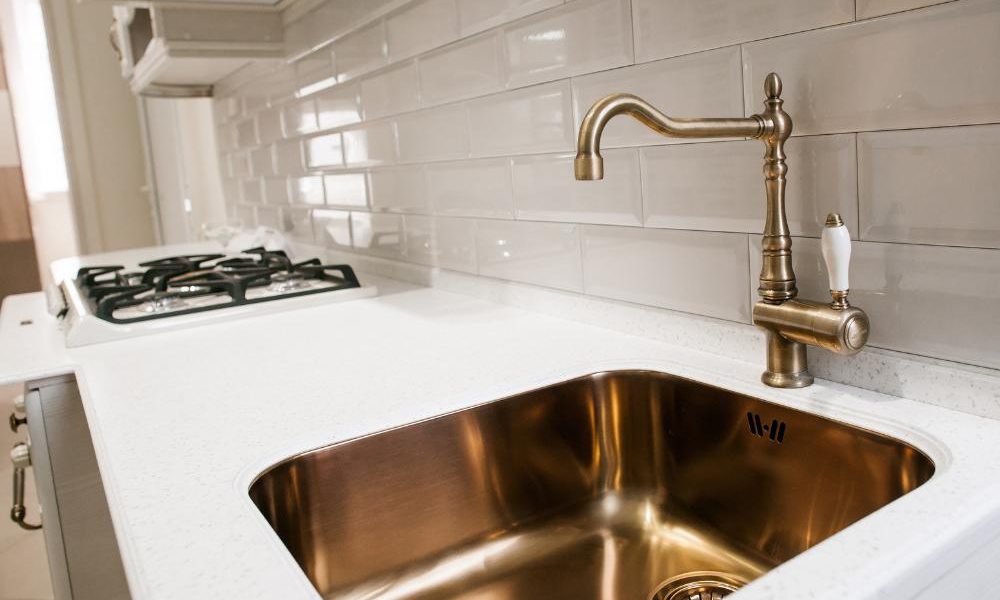
Sensor kitchen faucets are becoming increasingly popular in homes and businesses due to their convenience and efficiency. These innovative faucets use motion sensors to detect when a hand is placed under the faucet, triggering the flow of water without the need to turn a handle. There are many benefits to installing a sensor kitchen faucet in your home or business. One of the top benefits of a sensor kitchen faucet is its hands-free operation. This feature is especially useful when cooking or cleaning, as it allows you to easily turn the water on and off without having to touch the faucet with dirty hands. This can help prevent cross-contamination and keep your kitchen clean and hygienic.

By only turning on when needed, these faucets can help reduce water waste and lower your utility bills. Some models even have adjustable flow rates, allowing you to customize the amount of water that is dispensed based on your needs. Sensor kitchen faucets are also stylish additions to any kitchen. With sleek designs and modern finishes, these faucets can enhance the look of your space while providing practical functionality. Whether you prefer a traditional or contemporary style, there are plenty of options available to suit your taste.

 Furthermore, sensor kitchen faucets are easy to install and use. Most models come with simple instructions for installation, making it a quick and hassle-free process. Once installed, these faucets require minimal maintenance and upkeep, saving you time and effort in the long run. Made from high-quality materials such as stainless steel or brass, these faucets are built to last for years without needing replacement. This makes them a cost-effective investment that will continue to provide value over time.

 Some sensor kitchen faucets come with additional features such as temperature control or preset modes for different tasks like washing dishes or filling pots. These advanced functions can make your daily tasks easier and more efficient while adding convenience to your routine.

 Overall, installing High arc kitchen faucet with spring or with a flexible column offers numerous benefits that can improve both the functionality and aesthetics of your space. From hands-free operation to water-saving capabilities, these innovative fixtures provide practical solutions for everyday tasks in the kitchen.

 Whether you’re looking for added convenience or simply want to upgrade your space with modern technology, a sensor kitchen faucet is an excellent choice that offers both style and substance in one package.

In Colorado’s heart, from Denver busy streets to Grand Junction peaceful landscapes, hospitality industry prospers through creating memorable experiences for guests. The foundation that this experience is built on is both the protection of guests and the measures taken in securing properties they visit. This is where the value of a good locksmith who operates in Colorado comes in.

CATEGORIES ON SECURITY IN HOSPITALITY THAT CONCERN LOCKSMITHS ENORMOUSLY

Emergency locksmith services are a key aspect of the security strategy adopted by the hospitality sector. Anytime a guest loses his or her keys or an access card reader fails to operate correctly, it is possible for this small issue to grow into a bigger security concern. In such instances, qualified locksmiths provide their timely and professional services such that the problem is rectified within no time thereby maintaining both the property’s security standards and allowing its visitors’ sleep soundly at night.

GUEST SAFETY ASSURANCE

Security is the topmost priority in the hospitality sector. Customers rely on these facilities with their lives hence require a safe environment. Colorado’s locksmiths concentrate on cutting-edge safety technologies that restrict unauthorized entry and still enable rapid evacuations during disasters. Locksmiths are important in traffic safety matters, from updating conventional locking systems to putting in place enhanced electronic access controls systems.

PREVENTION OF ASSET LOSS

Protection against theft or vandalism is paramount above everything else including personal welfare. They deter burglars who want to make away with anything they find and thus help secure property plus all investments poured into it. By engaging qualified professionals to conduct regular maintenance on locks as well as inspecting them vis-à-vis other modes of security would ensure no point possible threat zone arises just before it is too late i.e., whereby everything belongs including customers living there..

Best Automotive Locksmith In Grand Junction

HOME SAFETY TIPS FOR COLORADO RESIDENTS

Despite having unique security requirements, Colorado homeowners can get assistance from local locksmiths. There are some safety measures that should be taken up in homes. This includes:

*Upgrade Your Locks: Consider upgrading to high security ones which provide more protection against picking, drilling, and bumping if you still use standard locks in your home.

*Install A Security System: It not only scares off intruders but also gives alerts on fire disasters or high amounts of carbon monoxide.

*Rekey Your Locks: In case of recent relocation or loss of keys, only rekeying could guarantee access to yourself and members of your family trusted with data only.

*Secure Sliding Doors And Windows: These could result into points through which one can enter while it is open. For added safety, extra locks or guard bars can be installed around them.

Selecting a Locksmith in Grand Junction and Beyond

When you are picking a locksmith for emergency situations or regular security upgrades in Colorado, ensure they are reputable and professional. Look out for licensed and insured locksmiths who have been dealing with homeowners as well as the hospitality industry for some time.

Apart from unlocking doors, there is more to emergency locksmith services. It is about establishing a rapport with a security expert who knows what works best for people that live in this region and especially those hotels that cater for tourists visiting Colorado. Through investing in good locksmithing services, businesses and homeowners all around Grand Junction along with the state can rest assured that their places remain secure while being warm.

Summing up with an emphasis: It is not possible to be too emphatic on the contributions of locksmiths to have made towards safeguarding this state’s tourism sector; thus protecting its people. For everyone they provide a safe environment by offering emergency services, upgrading their security systems and providing professional advice on how to keep their homes safe. Therefore, whether you are a businessman based in the busy streets of Denver or simply a resident within the beautiful environs surrounded by mountains in Grand Junction, always bear in mind that your local locksmith plays a crucial role in ensuring your safety.

Bats are fascinating creatures, known for their remarkable ability to navigate through the night using echolocation. They play a crucial role in the ecosystem by controlling insect populations. However, despite their benefits to the environment, bats can become a nuisance when they invade human homes. The presence of bats in a home can lead to various health hazards, property damage, and distress for the occupants. If you find yourself dealing with a bat infestation, it’s essential to understand the situation and seek help from a wildlife removal company rather than a typical pest control service.

How Do Bats Invade Homes?

Bats are nocturnal creatures, usually seeking shelter during the day in dark, quiet places. Human homes, particularly attics, eaves, and chimneys, can provide the perfect environment for these animals. There are several common ways bats can enter a home:

  1. Cracks and Gaps in the Structure: Bats can squeeze through very small openings, as small as 3/8 inch. Cracks in the walls, gaps around windows, doors, or even loose shingles on the roof can be entry points.
  2. Chimneys and Vents: Open chimneys or attic vents without proper screens can serve as entryways for bats. These areas often lead directly into the attic, which is an ideal roosting spot for a bat colony.
  3. Soffits and Eaves: Bats often enter homes through gaps in soffits (the underside of the roof overhang) and eaves. These areas are often difficult to inspect without proper equipment.
  4. Attics and Basements: Once inside the house, bats tend to gravitate toward attics and basements because of their darkness, quietness, and insulation.
  5. Open Windows and Doors: While less common, bats can sometimes enter homes through open windows or doors, particularly if they are accidentally left open during the evening.

Why Pest Control Companies Aren’t the Solution

When faced with a bat problem, many homeowners might instinctively call a pest control company. However, bats are not typical pests, and the methods used to control insects, rodents, or other nuisances are not effective for bat removal. Here’s why:

  1. Bats Are Protected by Law: In many areas, bats are protected species due to their environmental importance. Certain species, like the Little Brown Bat or the Big Brown Bat, are particularly crucial to the ecosystem. Laws and regulations often prohibit the killing or harming of bats, which means pest control methods that involve poisons or traps cannot be used.
  2. Complexity of Bat Behavior: Bats have unique behaviors that require specialized knowledge to address. They are nocturnal and have specific roosting habits. Simply removing a few bats without addressing the colony or the entry points will likely result in a recurrence of the problem.
  3. Health and Safety Concerns: Bats are known carriers of diseases such as rabies and histoplasmosis, a lung infection caused by fungal spores found in bat droppings (guano). Handling bats or cleaning up after them without proper protection and training can be hazardous. Pest control companies often lack the specific training required to handle these risks safely.
  4. Exclusion Over Extermination: The most effective way to deal with a bat infestation is through exclusion, which involves sealing entry points and allowing bats to exit without re-entry. Pest control companies are typically focused on extermination, which is not only illegal in the case of bats but also ineffective.

The Role of a Wildlife Removal Company

When dealing with a bat infestation, the correct course of action is to contact a wildlife removal company that specializes in bat removal. These companies are trained and licensed to handle wildlife in a safe, legal, and humane manner. Here’s why hiring a wildlife removal company is essential:

  1. Legal Compliance: Licensed wildlife removal companies understand the laws and regulations surrounding bat removal. They ensure that all actions are in compliance with local, state, and federal laws, protecting both the homeowner and the bats.
  2. Humane and Ethical Methods: Wildlife removal companies use humane methods to exclude bats from a home. This typically involves installing one-way exit devices that allow bats to leave the building but prevent them from returning. These methods ensure the safety of the bats while effectively removing them from the home.
  3. Expertise in Bat Behavior: Wildlife removal specialists have extensive knowledge of bat behavior. They can accurately assess the size of the infestation, identify all possible entry points, and implement a comprehensive plan to remove the bats and prevent future invasions.
  4. Comprehensive Inspection and Exclusion: A wildlife removal company will conduct a thorough inspection of your home to identify all potential entry points. They will then seal these points, except for the main entry that is fitted with a one-way exclusion device. Once all bats have left, the final entry point is sealed, ensuring your home is bat-free.
  5. Safe Cleanup and Decontamination: After the bats are removed, a wildlife removal company will also handle the cleanup of guano and any other waste left behind. This is critical, as bat droppings can pose significant health risks. The cleanup process often involves sanitizing and deodorizing the affected areas to remove any lingering odors or health hazards.
  6. Long-Term Prevention: Wildlife removal companies not only remove the current bat problem but also provide long-term solutions to prevent future invasions. This may include installing bat houses away from the home to provide alternative roosting sites or advising on landscaping changes that make your property less attractive to bats.

Bat Removal in Sacramento: Why Local Expertise Matters

For those living in Sacramento or nearby areas, dealing with bat infestations can be a particular challenge due to the region’s climate and geography. The Sacramento area is home to several species of bats, and the warm weather provides a favorable environment for these animals to thrive.

Hiring a local bat removal Sacramento service is crucial for several reasons:

  1. Knowledge of Local Species: A wildlife removal company in Sacramento will have specific knowledge of the bat species that are native to the area. This local expertise allows them to tailor their methods to the behavior and habits of these species, ensuring more effective removal and prevention.
  2. Understanding of Local Laws: Wildlife laws can vary by region. A Sacramento-based company will be well-versed in the local regulations and can ensure that the bat removal process is fully compliant with all applicable laws.
  3. Quick Response Times: Local companies can provide faster response times, which is critical in dealing with wildlife invasions. The sooner the problem is addressed, the less damage and disruption it can cause.
  4. Community Reputation: Local wildlife removal companies often have established reputations within the community. You can rely on reviews and recommendations from other Sacramento residents to choose a company that is known for effective and humane bat removal.

The Risks of DIY Bat Removal

Some homeowners might consider handling a bat problem on their own, but this approach is fraught with risks:

  1. Inadequate Knowledge: Without a deep understanding of bat behavior and local wildlife laws, DIY efforts are likely to fail. Bats can be persistent, and if even a small colony remains, the problem will continue.
  2. Health Hazards: As mentioned earlier, bats carry diseases that can be transmitted to humans. Attempting to remove bats without the proper equipment or training can result in exposure to rabies, histoplasmosis, and other diseases.
  3. Incomplete Removal: DIY methods often fail to address all entry points or the entire colony. Even if some bats are removed, others may remain, or new bats may enter, leading to an ongoing problem.
  4. Legal Issues: Unlawfully handling or harming bats can result in significant fines and legal consequences. A wildlife removal company ensures that all actions are legal and ethical.

Conclusion: Choosing the Right Wildlife Removal Company

When facing a bat invasion, it’s clear that the expertise of a wildlife removal company is essential. These professionals offer the knowledge, tools, and humane methods necessary to safely and effectively remove bats from your home. By choosing a bat removal Sacramento service, you can ensure that your bat problem is handled by experts who understand the local environment and laws.

Remember, bats are a vital part of our ecosystem, and their removal must be done with care and respect. A professional wildlife removal company not only solves your immediate problem but also helps preserve these important creatures for the future.

If you find yourself dealing with a bat invasion, don’t hesitate to contact a local bat removal Sacramento service. Their expertise will give you peace of mind, knowing that the job is being handled professionally and ethically. In the end, your home will be bat-free, and the bats will have been safely relocated to continue their important role in the environment.


When you decide to invest in an inground pool for your home in Louisville, the company you choose to work with plays a critical role in the outcome. A well-built, beautifully designed pool can elevate your outdoor space, offering endless enjoyment and adding value to your property. However, the process of selecting the right company can be daunting, with many options available. Here’s why it’s essential to choose the right pool companies in Louisville and how to make an informed decision.

The Importance of Experience

Experience is a key factor when selecting a pool builder. An experienced company understands the nuances of pool installation, from the initial design phase to the final touches. They know how to navigate the challenges specific to Louisville’s climate and terrain, ensuring that your pool is both beautiful and functional for years to come. When looking for a pool company, consider those with a proven track record in the area, as they are more likely to deliver a high-quality product.

Customization and Design

One of the most exciting aspects of building an inground pool is the ability to customize it to suit your personal style and needs. The best pool companies offer a wide range of design options, from simple, elegant shapes to more elaborate designs featuring waterfalls, tanning ledges, and custom lighting. A company that prioritizes customization will work closely with you to create a pool that reflects your vision and enhances your outdoor living space.

In Louisville, pool companies like Wetscapes Fiberglass Pools stand out for their ability to turn backyard dreams into reality. They specialize in crafting unique, personalized pools that not only meet but exceed client expectations. By choosing a company like Wetscapes, you’re opting for a team that values your input and strives to create a pool that’s a true reflection of your taste and lifestyle.

Quality of Materials and Workmanship

The materials and craftsmanship used in your pool’s construction are equally important. High-quality materials ensure durability, while skilled workmanship guarantees that your pool is built to last. When evaluating potential pool companies, inquire about the types of materials they use and their approach to construction. Companies that prioritize quality will be transparent about their processes and willing to discuss the specifics of their material choices.

Wetscapes Fiberglass Pools, for example, offers a variety of vibrant and durable color finishes for their fiberglass pools. These finishes are designed to resist fading and maintain their vibrancy despite exposure to sunlight and chemicals. Choosing a company that invests in high-quality materials is a wise decision, as it contributes to the longevity and aesthetic appeal of your pool.

Comprehensive Services

A reputable pool company should offer more than just pool installation. Look for companies that provide comprehensive services, including maintenance, repairs, and additional features like hot tubs, spas, and landscaping. This ensures that your pool remains in top condition and that you can easily enhance your outdoor space over time. Companies that offer a full range of services are often better equipped to handle any issues that arise, providing peace of mind long after your pool is installed.

Wetscapes excels in offering a wide range of services beyond just pool installation. They are known for their expertise in integrating features like waterfalls, spas, and even fireplaces into their designs, creating a complete backyard oasis. By choosing a company that offers such comprehensive services, you ensure that all aspects of your outdoor space are expertly handled, resulting in a cohesive and well-designed environment.

Customer Service and Reputation

Finally, consider the level of customer service provided by the pool company. A company’s reputation in the community speaks volumes about their reliability and commitment to customer satisfaction. Look for reviews, testimonials, and ask for references to gauge how past clients feel about their experience. A company with a strong reputation is more likely to deliver a positive experience and a pool that meets your expectations.

Wetscapes Fiberglass Pools is highly regarded in the Louisville area for their dedication to customer service. Their team is known for being responsive, professional, and attentive to client needs, making them a top choice for those seeking a smooth and satisfying pool-building experience.

Making the Right Choice

Choosing the right pool company in Louisville is a decision that will impact your home for years to come. By focusing on experience, customization, quality, comprehensive services, and customer service, you can ensure that your investment in an inground pool is a wise one. Companies like Wetscapes Fiberglass Pools have earned their reputation by consistently delivering exceptional results, making them a trusted partner in creating your dream backyard.


Modern boilers are equipped with innovative features to enhance their functionality and convenience. Advanced models integrate smart technology that provides the option for users to control their heating system remotely through smartphone apps. Investing in a boiler provides numerous benefits from better energy efficiency and reduced running costs to greater comfort and reliability.

Efficiency

Higher energy efficiency is the main benefit of boiler replacement edinburgh. New boilers are designed to a higher efficiency standard, so they use less fuel to generate heat throughout the home. Newer boilers are designed with advanced features including condensing technology, which reduces waste and leads to reduced electricity bills.

Upgrading to a high-efficiency boiler lowers your overall household energy usage. Additionally, many new boilers qualify for government rebates or incentives, further enhancing the financial benefits of replacing an old and inefficient model.

Lower maintenance costs

Modern boilers are made to high specification using the latest technology and quality materials which makes them virtually trouble-free far into the future. A new boiler comes with a warranty, protecting future repair costs. 

Depending on the manufacturer and model, this warranty term covers parts and labor for several years.  They provide most warranties on the parts and labor, although that can vary from manufacturer to model. Invest in an advanced boiler, improve reliability, reduce maintenance costs, and have less disruption on your daily livelihood.

Safety Upgrade

Safety is an important factor when it comes to your boiler system. Older boilers are often less safe, running the risk of carbon monoxide leaks or potentially being a fire hazard. Advanced safety features in modern boilers prevent potential risks and ensure proper operation of your heating system.

Installing a new boiler enhances safety features such as leak detection and improved ventilation systems, with advanced combustion controls that safely regulate the flow of gas through your system. These safety features ensure dangerous cases and protect your home from potential danger. Furthermore, new boilers undergo strict safety standards and regulations so that they comply with the necessary level of security.

Efficient Comfort

If you have an old boiler, your home may not heat evenly. With better reliability and more reliable heating, new boilers provide efficient performance which provides higher comfort. More modern systems are designed to spread even heat throughout your living spaces in your home.

Advanced new boilers come with modern controls and programming features so that you can customize the heating to your lifestyle. Smart thermostats and zone control systems make it possible to operate separate areas of your home independently, allowing you the freedom to find ideal climate settings everywhere in your house.

Professional Support

When it comes to edinburgh boiler repair, professional support is essential to ensure a successful installation and optimal performance. Consulting with a qualified technician provides valuable guidance and ensures that you make informed decisions throughout the process.

 Professionals help you assess your home’s heating needs, recommend the best boiler model, and ensure it meets industry standards and regulations. Additionally, they provide ongoing support and maintenance to keep your new boiler operating efficiently and safely. You can navigate the complexities of boiler replacement with confidence and achieve the best results for your home, by working with experts.


When glass in your home gets damaged, finding an affordable repair service is often a top priority. Broken windows, cracked mirrors, or chipped glass tabletops can be both unsightly and potentially dangerous.

Local glass shops

One of the first places to look for affordable glass repair is your local glass shop. These specialized stores often offer repair services alongside their glass products.

  • Competitive pricing – The overhead costs of small shops are often lower than those of big chains, allowing them to offer cheaper rates to customers.
  • Expertise – They specialize in glass, so they have the right skills and tools for various repairs.
  • Quick service – Being local means they can often respond and complete repairs faster.

Home improvement stores

Many large home improvement stores have glass repair services. While they might not always be the cheapest option, they can offer good value for several reasons,

  • Package deals – They might offer discounts if you’re also buying other home improvement items.
  • Guarantees – Big stores often provide solid guarantees on their work.
  • Convenience – If you’re already shopping there for other items, it can save time.

Mobile glass repair services

Mobile services come to your home to do repairs. They can be surprisingly affordable because,

  • Lower overhead – They don’t pay for a physical shop, which can mean lower prices.
  • Convenience fee trade-off – While they might charge a small fee for coming to you, you save on transportation costs.
  • Competitive market – Many mobile services keep prices low to stay competitive.

Search online for “mobile glass repair” in your area to find these services.

Online marketplaces

Websites that connect homeowners with local service providers can be a great resource. Here’s how to use them effectively,

  • Post your job – Describe the repair you need.
  • Compare prices from multiple providers.
  • Read reviews – Check past customer experiences before choosing.
  • Negotiate – Some providers might be willing to match or beat other quotes.

Glazier Canberra residents recommend can often be found through these online platforms, offering competitive prices.

Automotive glass shops

While primarily focused on car windshields, many auto glass shops also repair home glass. They can be affordable because,

  • Diverse skills – Their expertise with various glass types transfers well to home repairs.
  • Competitive pricing – To attract home repair customers, they often offer competitive rates.
  • Quality materials – They typically have access to high-quality glass and repair materials.

Call local auto glass shops to ask if they also handle home glass repairs.

Timing your repair

The timing of your repair can affect its cost. Consider these factors,

  • Off-season discounts – Some services offer lower rates during their slower seasons.
  • Bulk repairs – If you have multiple glass items needing repair, doing them all at once might get you a discount.
  • Preventive repairs – Fixing small issues before they become big problems is usually more affordable.

Planning your repairs strategically can help you find more affordable options.

Conclusion

Finding affordable glass repair services requires some research and comparison, but it’s certainly possible. By exploring various options from local shops to online marketplaces, and being strategic about when and how you get repairs done, you can find quality services that fit your budget. Remember, the cheapest option isn’t always the most cost-effective in the long run. Make sure your glass repair company balances quality, affordability, and reliability. With the right approach, you can keep your home’s glass features in good condition without breaking the bank.

Aging Plumbing Components

In Riverside, CA, where the climate can sometimes be harsh on plumbing systems, recognizing the signs of aging plumbing is crucial to maintaining your home’s efficiency and safety. Here’s what to look out for:

Signs of Aging Pipes

  • Discoloration: If you notice that your water has a brown, yellow, or rusty hue, it could be a sign that your pipes are aging and beginning to corrode. Discolored water often indicates that there is rust or sediment build-up inside your pipes. This not only affects the quality of your water but can also lead to health concerns and further plumbing issues if not addressed promptly.
  • Visible Corrosion: Check for visible signs of corrosion on exposed pipes, such as a greenish or brownish discoloration. Corroded pipes often appear pitted or flaking. In Riverside, where the hard water can exacerbate pipe corrosion, it’s important to regularly inspect your plumbing system. Corrosion weakens pipes and increases the risk of leaks or bursts.
  • Frequent Leaks: Frequent leaks can be a major red flag that your plumbing system is showing signs of age. Leaks often occur when pipes become weakened over time. If you find yourself needing to repair leaks regularly, it’s a clear indicator that your plumbing may need upgrading. Leaks not only waste water but can also cause damage to your home’s structure, leading to more costly repairs.

Typical Lifespan of Plumbing Materials

  • Copper Pipes: Copper pipes are known for their durability and can last between 50 to 70 years. However, in Riverside, CA, the lifespan may be shorter due to local water quality and environmental factors. If your home’s copper pipes are nearing this age range, it might be time to consider a replacement.
  • PVC Pipes: PVC (polyvinyl chloride) pipes generally have a lifespan of around 25 to 40 years. They are resistant to corrosion and are a common choice for residential plumbing. However, if you’re experiencing issues with your PVC pipes and they are nearing the end of their expected lifespan, an upgrade could be beneficial.
  • Galvanized Steel Pipes: Galvanized steel pipes, once a common choice, typically last around 20 to 50 years. These pipes are prone to rust and corrosion over time. If your home has galvanized pipes and they are showing signs of aging or frequent problems, it is wise to consider replacing them with more modern materials.
  • Pex Pipes: PEX (cross-linked polyethylene) pipes are relatively new and can last up to 40 years. They are flexible and resistant to scale and chlorine. Although they are durable, regular inspections are still necessary to ensure they are in good condition.

Low Water Pressure

How Low Water Pressure Can Indicate Serious Plumbing Issues

  • Pipe Corrosion: One of the primary causes of low water pressure is pipe corrosion. As pipes age, especially if they are made of metal like galvanized steel or copper, they can corrode and rust. This corrosion leads to a narrowing of the pipe’s diameter, reducing the flow of water. In Riverside, where hard water can accelerate pipe corrosion, it’s particularly important to monitor your pipes for signs of wear.
  • Clogs and Blockages: Another common cause of low water pressure is clogs or blockages within the plumbing system. Over time, sediment, mineral deposits, and other debris can accumulate in pipes, restricting water flow. If you notice a significant drop in water pressure, especially in one area of your home, it could indicate that a clog or buildup is affecting your system’s performance.
  • Pipe Leaks: Leaks can also contribute to reduced water pressure. When a pipe leaks, water is lost before it reaches the fixtures in your home, leading to diminished pressure. Leaks can occur due to pipe damage or faulty connections, and they often go unnoticed until they cause noticeable issues with water flow.

Steps to Diagnose if the Low Pressure is a Localized Issue or a Systemic Problem

  1. Check Multiple Fixtures: Start by testing the water pressure at different fixtures throughout your home. If low water pressure is limited to just one faucet or showerhead, the issue may be localized to that specific fixture. This could be due to a clogged aerator or a malfunctioning fixture. Clean or replace the affected fixture to see if the pressure improves.
  2. Inspect for Visible Leaks: Look for any signs of leaks around your home, such as damp spots, water stains, or pooling water. Leaks in visible areas can often be identified through these signs. If you find any leaks, they should be addressed promptly, as they can impact overall water pressure and lead to more significant issues if left unresolved.
  3. Test Water Pressure at the Main Supply: Use a pressure gauge to test the water pressure at the main supply valve. If the pressure is low at this point, the issue is likely systemic and may be related to the main supply line or the overall plumbing system. This could indicate problems such as corroded pipes, blockages in the main line, or issues with the water supply from the municipal source.
  4. Examine Your Water Meter: Check your water meter for any signs of unusual activity or fluctuations in water usage. A constant flow or unexpected increase in water usage can signal a hidden leak in your system, contributing to low water pressure.
  5. Consult a Professional: If you’re unable to determine the cause of low water pressure through these steps, it’s wise to consult a professional plumber. They have the tools and expertise to perform a more thorough diagnosis, including pipe inspections with cameras, water pressure testing, and detailed analysis of your plumbing system.


Frequent Clogs and Slow Drains

  • Deteriorating Pipe Conditions: Persistent clogs and slow drains often signal that your pipes are in poor condition. Over time, pipes can accumulate debris, grease, hair, and other materials that lead to blockages. If these clogs become frequent or seem unmanageable, it could indicate that your pipes are deteriorating. Old pipes, especially those made from materials like galvanized steel or clay, can become corroded, cracked, or otherwise compromised, making them more susceptible to clogs.
  • Pipe Damage: Constant clogs can also be a sign of physical damage to your pipes. Pipes that are cracked, bent, or improperly installed may not handle water flow as efficiently, leading to frequent blockages. In some cases, damaged pipes can create pockets where debris accumulates, exacerbating the clogging issue. Upgrading to newer, more durable pipes can help mitigate these problems and improve overall drainage.

Impact of Hard Water in Riverside and Its Effects on Plumbing Efficiency

  • Hard Water Deposits: Riverside, CA, is known for its hard water, which contains high levels of calcium and magnesium. Hard water can have a significant impact on your plumbing system. Over time, these minerals can deposit onto the inside walls of your pipes, leading to a condition known as mineral scaling. This scaling reduces the internal diameter of your pipes, which impedes water flow and can contribute to frequent clogs and slow drainage.
  • Impact on Fixtures and Appliances: Hard water can also affect your home’s fixtures and appliances. Mineral deposits from hard water can accumulate in faucets, showerheads, and appliances like dishwashers and water heaters. This buildup not only decreases the efficiency of these fixtures but can also lead to blockages and malfunctions. Regular maintenance and upgrades to fixtures and appliances can help manage the impact of hard water.
  • Reducing Hard Water Effects: Installing a water softenercan help reduce the effects of hard water on your plumbing system. By removing excess minerals from your water supply, a water softener can help prevent scaling and reduce the frequency of clogs and slow drains. In Riverside, incorporating a water softening system into your plumbing upgrade can significantly enhance the performance and longevity of your pipes and fixtures.


Water Discoloration

What Rusty or Discolored Water Means for Your Home’s Plumbing

  • Corroded Pipes: Rusty or discolored water often signals that your pipes are corroding. As pipes age, especially those made from metals like iron or steel, they can develop rust and corrosion. This corrosion can cause the pipes to deteriorate, leading to the release of rust particles into the water supply. In Riverside, where hard water can exacerbate corrosion, the risk of experiencing discolored water increases. If you notice a reddish-brown tint in your water, it’s a clear indication that your pipes may be compromised and in need of replacement.
  • Sediment Buildup: Discolored water can also result from sediment buildup in your pipes. Over time, sediment from water can accumulate and dislodge, leading to cloudy or murky water. This sediment buildup can reduce the efficiency of your plumbing system and contribute to further issues like clogs and reduced water flow. Upgrading to modern, corrosion-resistant pipes can help prevent sediment-related problems and ensure a cleaner, more reliable water supply.

Potential Health Hazards Associated with Corroded Pipes Releasing Metals into Water

  • Health Risks from Rust and Corrosion: Corroded pipes can release harmful metals such as lead and iron into your drinking water. Lead, in particular, poses significant health risks, especially for children and pregnant women. Exposure to lead can cause developmental issues in children and increase the risk of pregnancy complications. Iron, while less toxic, can still affect water quality and contribute to health concerns if consumed in large quantities.
  • Contaminants and Bacteria: Corroded pipes can also harbor bacteria and other contaminants. Rust and corrosion can create an environment conducive to bacterial growth, potentially leading to waterborne diseases. Regularly discolored water could indicate that your plumbing system is not only affecting water appearance but also its safety. Ensuring that your pipes are in good condition and replacing outdated or damaged plumbing is crucial for maintaining clean and safe water.


Increased Water Bills

Unexpected Spikes in Water Bills  

  • Hidden Leaks: A sudden increase in water bills is often a sign of hidden leaks within your plumbing system. Leaks can occur in various parts of your plumbing network, including pipes buried in walls, underground, or within the slab of your home. These leaks can be slow and subtle, causing water to seep away without obvious signs of damage. As a result, you may notice higher water usage on your bills without any visible indication of a problem.
  • Plumbing Inefficiencies: Inefficiencies in your plumbing system can also lead to higher water bills. Aging fixtures, outdated appliances, or poorly installed pipes can result in increased water consumption. For example, old toilets and faucets may not function as efficiently as newer models, leading to higher water usage. Upgrading these components can help reduce water consumption and lower your bills.

Methods for Tracking Down Unseen Leaks  

  1. Check Your Water Meter: Begin by monitoring your water meter. Turn off all water sources in your home, including faucets and appliances, and check the meter. If the meter continues to move or show water usage even when all fixtures are off, it could indicate a hidden leak. Record the meter reading and compare it over a few hours to detect any changes.
  2. Inspect Your Property for Visible Signs: Look for any visible signs of leaks around your property. Check for damp spots, mold growth, water stains, or pooling water in areas like your yard or basement. While visible leaks can provide clues, hidden leaks may not be immediately apparent.
  3. Use Leak Detection Tools: Professional plumbers often use specialized tools for leak detection. Acoustic leak detectors can pick up the sound of water escaping from pipes, while infrared cameras can identify temperature changes caused by leaks behind walls or underground. If you suspect a hidden leak, a professional can utilize these tools to accurately locate the problem.
  4. Conduct a Dye Test: For leaks in toilets or fixtures, a dye test can be effective. Add a few drops of food coloring to the toilet tank and wait for about 30 minutes without flushing. If the colored water appears in the bowl, it indicates a leak in the tank’s flapper or other components.
  5. Consult a Professional Plumber: If you’re unable to locate the source of increased water usage or suspect a hidden leak, it’s best to consult a professional plumber. They have the expertise and equipment to perform a thorough inspection, identify leaks or inefficiencies, and recommend the necessary repairs or upgrades.


Strange Noises in the Plumbing System

Causes of Banging, Whistling, or Gurgling Sounds in Pipes

  • Banging (Water Hammer): Banging or knocking noises, often referred to as “water hammer,” occur when water flowing through your pipes is abruptly stopped by a valve or faucet. This sudden stoppage creates a shock wave that causes the pipes to bang against the walls or supports. Water hammer can be caused by fast-closing valves, improperly secured pipes, or a lack of air chambers designed to absorb the shock. Over time, these repeated impacts can damage your pipes and fittings.
  • Whistling (High Water Pressure or Pipe Obstructions): Whistling or high-pitched noises typically indicate issues with water pressure or pipe obstructions. If the water pressure is too high, it can cause the water to flow through the pipes with excessive force, creating a whistling sound. Similarly, obstructions or partial blockages in the pipes can lead to turbulent water flow, resulting in whistling noises. Both conditions can lead to increased stress on your plumbing system and potential damage.
  • Gurgling (Ventilation or Drainage Issues): Gurgling noises are often a sign of ventilation or drainage issues. When you hear gurgling sounds coming from your drains or toilets, it may indicate that the plumbing vents are blocked or that there is a problem with the drainage system. Blocked vents can create negative pressure in the pipes, causing air to escape through the drains and produce gurgling sounds. Alternatively, gurgling can occur when there is a partial blockage in the drainage system, affecting the flow of water and air.

What These Sounds Can Indicate  

  • Water Hammer: Persistent water hammer may indicate that your plumbing system is not properly designed or that components are aging. Installing water hammer arrestors or upgrading to modern plumbing materials can help mitigate these issues and prevent further damage to your pipes.
  • Whistling: If whistling noises are due to high water pressure, it may be necessary to install a pressure regulator to control the pressure within safe limits. If the issue is caused by obstructions, a professional plumber can perform a thorough inspection and cleaning of the pipes to remove any blockages and restore proper flow.
  • Gurgling: Gurgling sounds can signal a need for ventilation system upgrades or repairs. Ensuring that your plumbing vents are clear and properly functioning is essential for maintaining good drainage and preventing air from escaping through your fixtures. If drainage issues persist, it may be necessary to inspect and upgrade the drainage system to address any blockages or inefficiencies.


Water Stains and Damage

Identifying Water Stains on Walls, Ceilings, or Floors  

  • Wall Stains: Water stains on walls often indicate leaks in the plumbing pipes running within or behind the wall. These stains can appear as discoloration, bubbling paint, or peeling wallpaper. Common sources of wall stains include leaky pipes, faulty joints, or damaged fixtures. If you notice stains on your walls, it’s essential to investigate the source of the leak to prevent further damage.
  • Ceiling Stains: Water stains on ceilings usually point to leaks from plumbing pipes located above the ceiling or issues with the roof. These stains can manifest as dark, discolored patches and may be accompanied by sagging or peeling paint. Ceiling stains are often associated with leaks from bathrooms or kitchens located on the upper floors of your home. Identifying and repairing these leaks promptly is vital to avoid potential structural damage.
  • Floor Stains: Water stains on floors, especially in areas such as basements or near appliances, can indicate leaks from pipes or appliances. Stains may appear as darkened patches or water spots and can sometimes be accompanied by mold growth or musty odors. Common causes include leaking water heaters, washing machines, or damaged pipes. Addressing these issues quickly can help prevent water damage and mold growth.

Addressing These Issues Promptly to Prevent Structural Damage

  • Preventing Mold Growth: Prolonged exposure to moisture from leaks can lead to mold and mildew growth. Mold not only affects indoor air quality but can also cause health issues such as respiratory problems and allergic reactions. Addressing water stains and leaks promptly can help prevent mold development and protect the health of your household.
  • Avoiding Structural Damage: Water damage can weaken the structural integrity of your home. Continued exposure to moisture can cause wood rot, damage to drywall, and deterioration of insulation. This structural damage can lead to costly repairs and compromise the safety of your home. Promptly repairing leaks and addressing water stains can help prevent extensive damage and maintain the structural stability of your home.
  • Protecting Personal Property: Water stains and leaks can also damage personal property such as furniture, electronics, and valuable documents. By addressing plumbing issues early, you can protect your belongings from water-related damage and reduce the risk of having to replace or repair personal items.


Supplanting your home’s windows is a critical venture that can significantly influence your energy productivity and by and large solace. This is the thing you really want to be familiar with the connection between energy effectiveness and window substitution. Home window replacement Jacksonville FL specialists offer expert installation, improving energy efficiency and curb appeal for your residence.

Why Energy Productivity Matters

Energy productivity in windows is pivotal for lessening warming and cooling costs, working on indoor solace, and limiting your home’s ecological impression. Wasteful windows can prompt intensity misfortune in winter and intensity gain in summer, making your air conditioning framework work harder and expanding energy bills. By moving up to energy-effective windows, you can improve your home’s protection, diminish energy utilization, and add to a greener climate.

Grasping Window Execution Measurements

While choosing new windows, understanding key execution metrics is fundamental:

  • This actions the rate at which intensity is lost through a window. Lower U-factor values demonstrate better protection. Search for windows with a U-component of 0.30 or lower for ideal energy productivity.
  • This actions how much sun powered heat is communicated through the window. A lower SHGC implies less intensity enters your home from the sun, which can be gainful in warm environments.
  • This actions how much normal light goes through the window. A higher VT permits more sunlight into your home, lessening the requirement for artificial lighting.

Picking Energy-Effective Window Advancements

Current windows accompany different advancements intended to improve energy proficiency:

  • Windows with twofold or triple layers of glass offer preferred protection over single-sheet windows. The space between the sheets is loaded up with inactive gas, for example, argon or krypton, which diminishes heat move.
  • Low-emissivity (Low-E) coatings are slight, metallic layers applied to the glass surface that reflect infrared energy while permitting noticeable light to go through. This assists keep with warming inside during winter and outside during summer.
  • Argon or krypton gas fills between the sheets of glass further develop protection and lessen heat move.

Proficient Establishment

Legitimate establishment is imperative for augmenting the energy proficiency of your new windows. Unfortunate establishment can prompt holes, breaks, and drafts, sabotaging the advantages of even the most exceptional windows. Employ a legitimate project worker with experience in energy-proficient window establishment to guarantee an appropriate fit and seal.

For top-quality Home window replacement Jacksonville FL, rely on professionals who ensure durability and enhance your home’s value.

Ideal Glass offers the perfect blend of elegance and durability, making it an exceptional choice for modern interiors. Crafted with precision, it enhances natural light, creating a sleek and vibrant atmosphere. Its versatility suits windows, doors, or partitions, ensuring lasting beauty and functionality. Ideal Glass redefines sophistication in every space.

Ideal Glass, Arquen House, Spicer Street, St Albans, AL3 4PQ. 01727 600104.