Tag

produce

Browsing

There’s no denying how modern area rugs have grown in popularity throughout recent years as more homeowners have incorporated modern aesthetics and décor.

This has led to a huge increase in purchases of modern rugs; however, a lot of rug shoppers are surprised to find out that shopping for modern rugs is often difficult.

It’s normal if you have questions while browsing the Web for new modern area rugs, which is why we’ve developed this article to answer some of the frequently asked questions (FAQs) that people tend to have during these décor shopping processes.

So, check out the below sections to see if your questions regarding modern rugs are answered here!

What Types Of Modern Area Rugs Match My Personal Lifestyle?

Although it’s sort of impossible for us to know the intricate details of your personal lifestyle, the good news is that there are modern area rugs for everyone.

One thing that’s important to keep in mind while shopping is that area rug performance and appearance is largely determined by how the rug was originally constructed. If you’re living on a tight household budget, you’ll likely want to choose a more affordable modern rug that’s made by machines—as opposed to a handmade rug.

And if you have pets and children, you’ll likely want a machine-washable area rug. Pet owners and parents can also benefit from the added investment of a wool rug, because wool is very stain-resistant and easy to clean.

Are Rug Pads Important For My New Modern Rugs?

It’s typically recommended for rug shoppers to purchase a rug pad alongside their new area rug, because rug pads give rugs added cushioning and they protect your floors from unwanted wearing.

Rug pads will also minimize your chances of slipping due to the added traction they provide, which makes your rug purchase much safer.

How Do I Clean Modern Area Rugs?

It’s recommended to get your modern area rugs professionally cleaned at least every two years, because this will go a long way to keep your rugs feeling and looking awesome throughout the long-term future.

In terms of your own daily upkeep, you should be vacuuming your rugs on at least a weekly basis, and likely even more frequently if you have pets and kids. And when spills occur, you’ll likely need to take extra precautions and specific steps based upon the type of spill you’re experiencing.

Where Should I Put My New Modern Rugs?

There’s no telling where exactly the best place for your new modern area rugs would be, and this is generally because modern rugs can be placed just about anywhere within a property.

This includes common residential spaces like:

  • Living rooms
  • Dining rooms
  • Bedrooms
  • Bathrooms
  • Kitchens
  • Decks/Patios
  • Porches
  • Foyers
  • Hallways
  • Staircases
  • And much more!

How Do I Fix Rug Snags?

Rug snags can be a particularly tricky issue to fix, because pulling on a snagged rug fiber can often lead to much worse issues. That’s why it’s important to remember that you should never pull a snagged rug fiber!

What you should do instead is lift the snagged fiber and clip it directly to the source of the snag. If you’re not exactly sure what to do about a rug snag, your best bet is to reach out to industry professionals for further assistance.

What Exactly Is A Rug Pile?

Rug pile refers to the surface area depth of a rug, so we’re specifically talking about the fibers that make up the rug’s visible face.

Another way to think about pile is as a rug’s general thickness. The higher a rug’s pile, the thicker it is—and vice versa.

What’s The Best Modern Rug Size For My Room?

There isn’t one specific rule that dictates the proper rug size for your desired space; however, you should generally allow for space between your rug edges and your room’s walls.

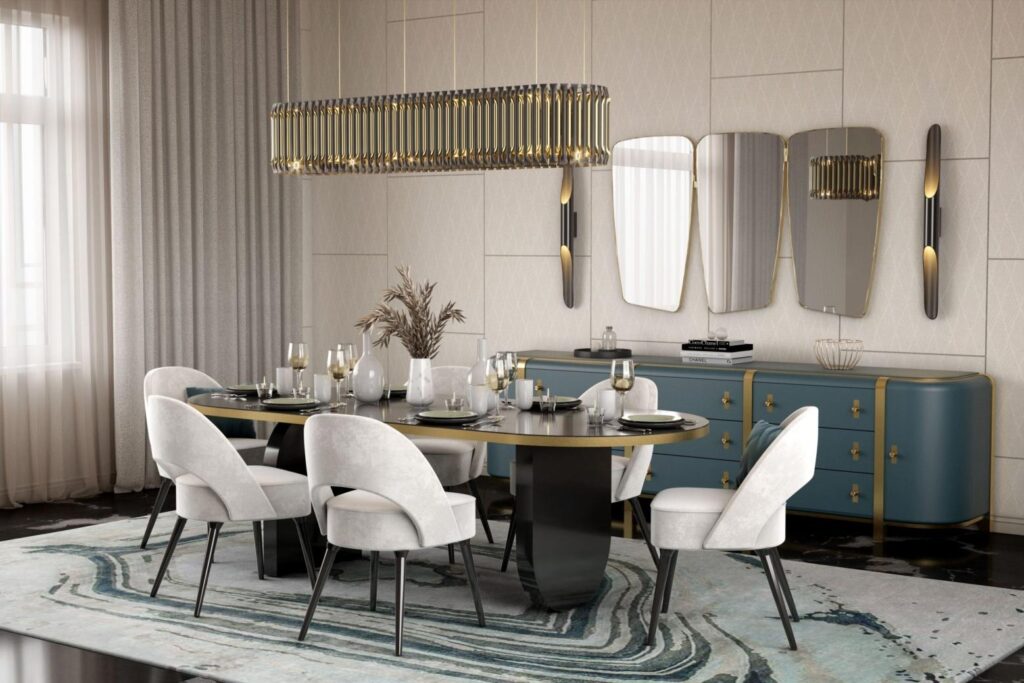
You should also try to ensure that your main living room furniture pieces are at least halfway underneath your area rug. When it comes to dining room rugs, you’ll want the rug to be big enough so your dining room table’s chairs will still be on top of the rug when the chairs are fully pulled out.

How Long Do Modern Area Rugs Last?

The durability of a modern area rug will largely depend upon the rug’s materials and construction methods, as well as your personal lifestyle.

Wool, cotton, silk and other natural fibers tend to last much longer in comparison to synthetic fibers like polypropylene and nylon. There are many factors that shoppers should keep in mind regarding area rug longevity, and proper upkeep and cleaning will always go a long way to ensure that your rug lasts as long as possible!

What Are The Differences Between Modern Rug Fibers?

Wool area rugs tend to be incredibly popular, and this is partly because they’re durable and can withstand years of heavy foot traffic.

Nylon is a popular synthetic fiber that’s also known for its easy maintenance and significant durability, which makes nylon rugs a good option for homes with pets and children.

Polypropylene rugs are resistant to common rug issues like mold, static, staining and fading.

What Are Hand-Tufted Modern Rugs?

Hand-tufted rugs are very popular, and this term refers to how the rugs are constructed.

Instead of being 100% handmade, hand-tufted rugs are produced with a tufting gun. This creates a construction that’s very similar to handcrafted rugs, except the manufacturing process is much more efficient and quicker.

But because hand-tufted rugs aren’t as durable and handmade rugs, they’re usually better suited for low-traffic areas. However, they’re a wonderful option for rug shoppers that want a high-quality rug at an affordable price!

Reach Out To Rug Source To Check Out Their Selection Of Modern Area Rugs!

There’s a lot to love about modern rugs, and we hope that some of your questions have been answered within this article.

But if you still have questions on your mind while shopping online, we still got your back with easy and direct access to some of the brightest minds in the entire rug industry.

Check out the link at the top of this page that goes to the Rug Source website and speak with their specialists today about what’s on your mind regarding modern area rugs!
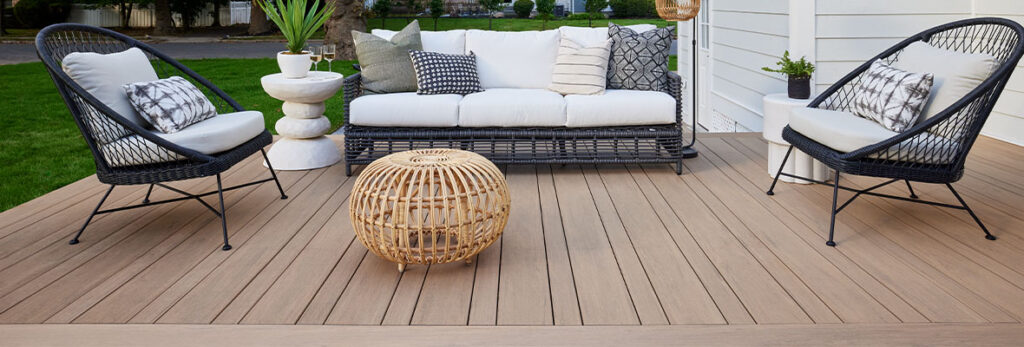
Transforming outdoor living spaces starts from the ground up. Thoughtfully designed deck patterns create visual interest while maximizing the functionality of outdoor areas.

  • Diagonal brilliance – Breaking traditional boundaries

Moving beyond standard horizontal layouts, diagonal patterns instantly capture attention. These dynamic designs create an illusion of expanded space while providing enhanced structural stability. Boards installed at 45-degree angles draw the eye across the deck surface, making areas appear larger and more inviting.

  • Herringbone harmony – Timeless sophistication

Drawing inspiration from classic design, herringbone deck patterns bring elegance to outdoor spaces. This intricate pattern involves boards arranged in a zigzag formation, creating a sophisticated visual flow. The alternating angles produce captivating shadows throughout the day, adding depth and dimension.

  • Picture frame perfection – Defining spaces

Clean lines and defined borders characterize picture frame patterns. This design technique uses boards installed around the deck’s perimeter, framing the interior pattern. The contrast between the border and centre creates distinct zones while unifying the overall appearance.

  • Mixed-width mastery – Playing with proportions

Breaking away from uniform board widths introduces fresh perspectives to deck patterns. Alternating wide and narrow boards creates rhythm and movement across the surface. This innovative approach maintains visual interest while allowing creative expression in design.

  • Geometric gems – Modern pattern play

Contemporary deck patterns incorporate bold geometric shapes. Combining different board directions creates diamonds, squares, and other striking forms. The contrasting angles in these deck patterns establish focal points and conversation-starting design elements throughout the space.

  • Basketweave beauty – Intricate detail work

Inspired by textile patterns, basketweave designs interweave boards in alternating directions. This sophisticated deck pattern requires precise installation but rewards with stunning results.

  • Inlay innovation – Custom character

Strategic placement of contrasting materials or colours creates distinctive inlay patterns. These personalized touches range from simple accent strips to elaborate centrepiece designs. Thoughtfully positioned inlays guide movement through the space while adding unique character.

  • Multi-level magnificence – Dimensional design

Incorporating different deck levels allows pattern play across elevations. Each level presents opportunities for distinct yet complementary patterns. The combination of varying heights and designs creates engaging outdoor spaces that naturally flow.

  • Pattern transitions – Seamless style

Professional installation ensures smooth transitions between different deck patterns. Whether shifting from diagonal to straight layouts or incorporating curved elements, proper planning maintains visual continuity. Well-executed transitions enhance the overall design while highlighting individual pattern elements.

Material selection and pattern performance

Success with innovative deck patterns depends on choosing appropriate materials. Different decking products offer varying installation flexibility and long-term performance. Understanding material characteristics ensures patterns maintain their appearance and structural integrity over time.

Professional pattern planning

Complex deck patterns require careful calculation and precise execution. Professional builders consider board lengths, joint placement, and structural requirements when implementing designs. Their expertise ensures pattern alignment while maintaining proper support and stability.

Pattern maintenance made simple

Despite their complex appearance, well-designed deck patterns simplify maintenance routines. Strategic board placement promotes proper drainage and airflow. Regular cleaning and sealing preserve pattern definition and protect the investment in a distinctive design.

Through creative pattern implementation, decks become more than simple outdoor platforms. They transform into artistic expressions that enhance property value while providing functional gathering spaces. The combination of innovative deck patterns and professional installation creates outdoor environments that inspire and invite year-round enjoyment.

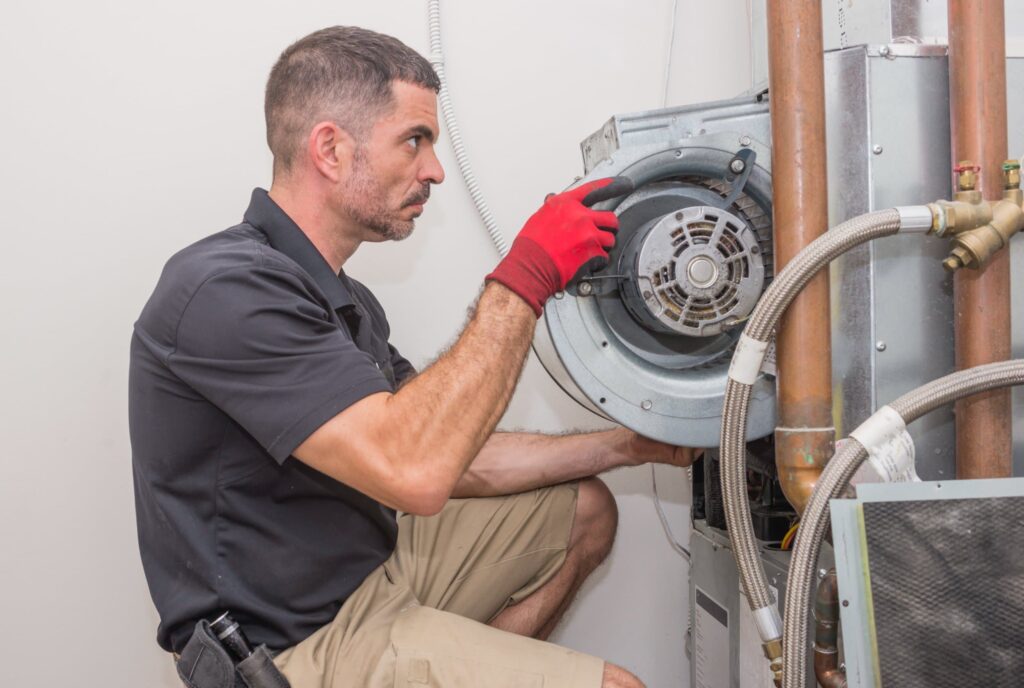
Is your heater giving you trouble again? It’s normal for heating systems to need a little TLC, but sometimes, repairs just don’t cut it. So, how do you know when it’s time to say goodbye to your old heater? Here are five signs that suggest it might be time for a replacement.

1. Your Energy Bills Are Skyrocketing

Ever notice your energy bills creeping up, even though you haven’t changed your thermostat settings? An inefficient heater could be the culprit. As heating systems age, they tend to work harder to produce the same warmth, which can seriously increase your energy consumption. If your winter bills are noticeably higher than last year’s, it might be time for a new, energy-efficient model.

2. Frequent and Costly Repairs

Does it feel like you’re calling for heater repairs every few months? That can add up fast! While a repair here and there is normal, constant breakdowns signal that your system is on its last legs. A good rule of thumb? If the cost of repairs is approaching half the price of a new heater, it’s probably time to invest in a replacement. Why keep pouring money into a system that’s just going to break down again?

3. Odd Noises from the System

Is your heater making strange noises like banging, clanging, or screeching? These sounds aren’t just annoying; they’re often a sign that something serious is wrong. For example, a loud “boom” might indicate gas ignition issues, while screeching could point to a failing blower motor. If these sounds become a regular occurrence, it’s best to look into replacement options.

4. Yellow Burner Flames

If you have a gas furnace, pay attention to the burner flames. A healthy system should produce a steady blue flame. But if the flame is yellow, it could mean your furnace isn’t burning fuel completely. This can be dangerous, as it might indicate carbon monoxide production. Don’t ignore this warning sign—call a professional for an inspection.

5. It’s Just…Old

How old is your heating system? If it’s pushing 15 years or more, it’s likely nearing the end of its useful life. Older units tend to become less efficient and more prone to breakdowns, making replacement a smart long-term investment. Plus, new models come with advanced features that can make your home more comfortable and save you money on energy costs.

Time to Upgrade? Call Service Wizard!

If these signs sound familiar, it might be time to upgrade your heater. At Service Wizard Heating & Air Conditioning, we offer professional advice and top-notch replacement services to keep your home cozy. Serving Austin, Cedar Park, Georgetown, and beyond, we’re here to help you make the best decision for your comfort. Contact us today and enjoy a warmer home this winter!

When it comes to kitchen renovations, one of the most important decisions homeowners make is choosing the right countertop material. There’s an excellent reason why quartz countertops have grown in popularity in the last several years. In Denver, a city known for its unique blend of modern style and outdoor ruggedness, quartz countertops are an ideal choice. They are the greatest choice for Denver kitchens because of their strength, ease of upkeep, and visual attractiveness. Let’s explore the benefits that make quartz countertops the top contender for homeowners in the Mile High City.

Long-Term Durability 

Denver’s active lifestyle means kitchens often see a lot of use, from preparing hearty meals after a long day on the trails to hosting friends and family gatherings. Because quartz is one of the hardest rocks on earth, it is used to create extremely durable countertops. Because quartz is non-porous, it resists stains, scratches, and cracks better than natural stone options like granite or marble.

Quartz countertops don’t break or deform in response to temperature changes, even in a city like Denver, where the weather can change quickly from frigid winters to scorching summers. Their strength and longevity make them perfect for families and individuals who need countertops that can keep up with their busy lives.

Low Maintenance For Busy Lifestyles

For many Denver residents, maintaining a balance between work, outdoor activities, and home life is important. Homeowners don’t want to spend hours maintaining their countertops, which is another reason why quartz is the perfect choice. Quartz countertops Denver are non-porous, meaning they do not absorb liquids and are naturally resistant to stains from common kitchen items like wine, coffee, and oil.

Unlike natural stone countertops that require periodic sealing to maintain their protective surface, quartz never needs to be sealed. Quartz surfaces may keep looking brand new after only a little bit of cleaning with water and light soap. This ease of maintenance is a big advantage for Denver homeowners who want a beautiful kitchen without the hassle of extensive upkeep.

Aesthetic Versatility For Denver’s Diverse Styles

Denver’s home designs range from modern urban lofts to rustic mountain retreats, and quartz countertops offer the aesthetic flexibility to complement any style. There are possibilities for any type of kitchen design thanks to the vast array of colors, patterns, and finishes available in quartz countertops.

For those who prefer the sleek, minimalist look of a modern kitchen, quartz offers clean lines and subtle patterns that mimic the appearance of marble or granite without the upkeep. On the other hand, homeowners looking to create a warm and inviting rustic kitchen will find quartz countertops in earthy tones that pair well with wood and other natural elements.

Additionally, quartz countertops provide consistent patterns and colors, unlike natural stone, which can have unpredictable veining and coloration. This allows Denver homeowners to achieve the exact look they want, ensuring a seamless match with their cabinetry, flooring, and overall kitchen design.

Eco-Friendly Option For Conscious Homeowners

Denver is known for its environmentally conscious residents, and many homeowners are making efforts to choose sustainable materials for their renovations. Quartz countertops are an eco-friendly choice because they are often made from recycled materials and are engineered in a way that minimizes waste. Many producers of quartz are dedicated to environmentally friendly methods, making sure that the manufacturing process has no negative effects on the environment.

Furthermore, the longevity of quartz countertops means they won’t need to be replaced as often as other materials, reducing waste over time. For eco-conscious Denver residents, quartz is a responsible and sustainable option for their kitchen countertops.

 responsible

Resistant To Denver’s High Altitude And UV Exposure

The high altitude in Denver means greater exposure to ultraviolet (UV) rays, which can cause some countertop materials to fade over time. Quartz countertops, however, are highly resistant to UV light, meaning they maintain their color and finish even in kitchens with lots of natural sunlight. This makes quartz a smart choice for homes in Denver, where kitchens often feature large windows and open spaces.

Conclusion

Choosing the right countertops for your Denver kitchen is an important decision, and quartz offers unmatched benefits that make it the best choice. From its durability and low maintenance to its aesthetic versatility and eco-friendly qualities, quartz countertops are perfectly suited for the active, stylish, and environmentally conscious lifestyles of Denver homeowners. Quartz countertops provide the ideal blend of form and function, so your kitchen will continue to be both aesthetically pleasing and functional for many years to come, whether you’re remodeling a sophisticated urban condo or a rustic mountain getaway.

When working in a professional kitchen’s chaotic environment, everything from functionality to chef uniforms matters. Quality chef pants and chef trousers are also among the most essential components of traditional uniforms for chefs. They may serve a huge role in the environment, but they are also comfortable and practical for daily use. We take a deeper look at how selecting the appropriate chef pants and trousers can make all the difference, what separates good from bad quality of these items, and we appreciate their overall impact on productivity and safety in professional kitchens.

The Role of Chef Pants in the Professional Kitchen

Not only are chef pants another article of clothing to purchase, but daily chef uniforms marry comfort, function, and fashion. With chefs standing on their feet for long hours, working around hot stoves as they dash to prep stations and walk-in coolers in a high-pressure kitchen environment, practical comfort is imperative.

These needs are presupposed and built into a pair of quality chef pants. You get a perfect combination of fit and asthenia, which allows chefs to move freely whenever they want. These pants also include moisture-wicking fabric, which can help keep you cool and dry throughout those most extended shifts. Quality chef trousers are designed to withstand the rigours of a long shift and offer comfort. Still, their ability to achieve this while looking professional separates them from regular workwear solutions.

Materials Matter: The Fabric of Choice

The most important characteristic when considering chef pants  or chef trousers is their construction material. The type of material used impacts the durability, comfort, and functional characteristics of the canonical trousers. Common materials used for manufacturing chef pants are cotton and polyester, each with different advantages.

Cotton is known for being a breathable and comfortable material, which makes it a common option for many chefs who work long hours in hot kitchens. Nevertheless, pure cotton may lack the durability to stand up in a commercial kitchen. This is where mixtures of cotton and polyester make a cameo. The addition of polyester will provide more support and longevity, increasing the lifespan while still allowing comfortability and breathability.

An important factor is the durability of textiles that withstand frequent washing and industrial laundry’s high temperatures. These chef pants are meant to withstand many washes and still hold the same shape and colouration, as well as not lose their integrity, ensuring they always look good while working.

Design Features that Enhance Performance

What chef pants are made of is just as important as the materials. Here are some of the features that help these jeans feel and perform like top-notch kitchenware.

The fit of chef trousers is crucial for comfort and airflow. Some prefer a looser fit for comfort and performance, while others prefer a tailored style. To accommodate individual preferences, chef pants are often designed with elastic waistbands, drawstrings, or closures that can be adjusted to create the perfect fit.

Another detail that has become necessary is a pocket. Most chefs will need to tote small tools, notebooks, or other must-haves; thoughtful pocket placement can help make it easier to store some things without adding bulkiness or losing the pants. This style is trendy for cargo-style pants, which can offer multiple pockets that hide what you are carrying while giving you plenty of pocket space and keeping everything accessible.

Apart from the function, remember the design of chef trousers. Chequered patterns, typically in black and white or another solid colour scheme, offer concealment against stains, contributing to their widespread use throughout kitchens everywhere. But more and more, modern chefs are choosing colour-blocking patterns that reflect their brand’s personality.

Safety Considerations in Chef Pants

Safety is the number one priority in a professional kitchen, and chef pants help reduce risks to zero levels. Chef pants of reasonably good quality are made to resist common kitchen dangers, such as more and any other less hot spills and jumping over sharp objects in the wearer’s way. The material used in this plant is usually thick enough to resist minor burns and cuts while also providing breathability and comfort.

In addition, chef pants are often paired with non-slip footwear, and the bottom part of the trousers is meant to be worn over these shoes; this ensures that it does not create an obstruction while gripping onto a kitchen surface. A mixture of guard clothing helps to protect chefs and, therefore, produces a more secure impression at work for them, avoiding probable misfortunes.

The Impact of Chef Pants on Professionalism and Team Cohesion

Chef pants are more than just a utility; they help professionalise kitchen families as well. Standardised chef uniforms, such as chef pants, which are a necessity in kitchen shakers, will help create unity and equality among the staff. It serves as a reminder that every person on the team, no matter their function, is an integral part of the operation.

Besides, when an establishment has clean and individually coordinated chef pants, it truly adds to the look and image of the kitchen. A chef is one of the first people that customers observe, and our spotless, well-turned-out chefs were an excellent recognition of the demand for traditionally high standards. This tells the customers that the kitchen is clean and organised and takes its operation very seriously.

Conclusion

Chef trousers or chef pants, available in various colours and stripes, are crucial for professional chefs due to their functionality and performance. They are designed with materials, layout features, and matching to ensure they look good and contribute to kitchen productivity. The fabric used, practical design, and safety features are all essential to ensuring these trousers are well-equipped for the demanding demands of a culinary career.

The subtropical climate in Mandurah experiences hot summer and cool winter temperatures, necessitating appropriate air cooling systems to keep your home comfortable all year round. The two popular air conditioning choices for Mandurah homes are split systems and ducted air conditioning. In this post, we look at these systems in terms of features and benefits when you should choose what for your work.

Split System Air Conditioning

  • Overview

Air conditioning system in Mandurah provide adequate cooling and heating for individual rooms or zones. These have only two main elements: an indoor air handler and an outdoor condenser. Indoor units contain the evaporator and fan, usually mounted on a room’s interior wall or ceiling. The more powerful compressor and condenser are in the outdoor unit, usually mounted to a wall or set upon a concrete slab. 

Refrigerant lines link these two units, allowing the refrigerant to move between them and effectively managing the temperature. During installation, the indoor unit is meant to be installed at an optimal location indoors, while the outdoor unit should be fixed securely in an outdoor place. This setup allows the climate controls to be focused on certain parts of a building, creating comfort where it is most desired. 

The split system air conditioning is designed and built to be modular in its configuration to have a bespoke heating or cooling design for your home or business.

  • Benefits

Zoned cooling systems are the perfect approach to cool individual rooms or spaces, providing completely customised comfort and temperature control for a property. This is great for homes or offices where different rooms need different temperatures, allowing you to control individual zones without wasting energy and keeping empty spaces cool enough in Australia. Zoned cooling systems are an energy-efficient solution for many businesses, as they only cool rooms in use rather than refrigerate entire buildings like traditional systems. 

Furthermore, they provide a large amount of flexibility regarding installation and operation. Many types of models are offered, which can be an effective solution for homes or other commercial spaces you want to cool down. While it makes things more comfortable, this adaptability also goes a long way in reducing costs and adding energy efficiency. This makes zoned cooling an intelligent, economical means of keeping your temperature perfect and lowering temperature costs.

  • Considerations

Cooling systems are great at controlling the climate, but only under certain conditions. They have limited coverage, which is ideal for cooling individual rooms or small areas. Still, they could be expensive for more significant properties or multi-storeys until you install multiple units. Unfortunately, these limitations mean more units would be required to ensure consistent cooling throughout the entire space for large rooms or multi-room coverage with complicated cooling needs. 

Also, the indoor unit may influence the beauty of a room. Because it is visible in your room, you want this display piece and what sticks out. The ability to see and adjust this hardware could be problematic for customers seeking a clean, minimum-design interior. Therefore, while these systems provide precise and direct control over temperature levels, the elaborate installation requirements of larger or more open environments mean careful considerations to not only function but form may need to be made.

Ducted Air Conditioning

  • Overview

Ducted: A ducted air conditioning in Mandurah, system that provides a single integrated system for controlling the climate in your property using an extensive network of ducts and vents. This type of air conditioner is mainly composed of an indoor unit, also placed either in the ceiling or up into the attic, that connects to a ductwork system that distributes conditioned air from room to room through vents. Compressor and condenser in outdoor units involves setting up the indoor unit and running ducts throughout your home to install vents in each room or zone. This central system guarantees uniform cooling and heating in the building, ensuring a stable inside temperature.

  • Benefits

A full-house comfort system provides even cooling and heating throughout your home, ensuring every room maintains excellent comfort. It functions quietly, and there is very little noise, which it produces while working, to retain the air ductless inside, keeping you high on aesthetics. Also, filters and purifiers can be used within the system to eliminate dust and allergens and improve indoor air quality. When paired with its low noise output and clean air potential, the system places homeowners in a position to optimise perfectly comfortable and healthy living habitats for their residents.

  • Considerations

Ducted air conditioning installation process requires more skilled labour and a more extensive network of tightly sealed insulated air flow channels. Both can be commonly found throughout the market today. This system also involves a lot of installation work, which could mean more disruption to the life of existing properties. 

The process usually requires significant changes to the structure of a home for duct passages, which means it can be an extensive and expensive option against other types of cooling systems. While the higher front-end cost and installation difficulties of ducted systems may be an obstacle to some, this full-fledged climate control option is designed for long-term comfort that can stay efficient, keeping you comfortable year after.

Conclusion

Split systems or ducted air conditioning in Mandurah are excellent choices for controlling the temperature inside your home in Mandurah. Split systems offer flexibility and point cooling, while ducted air conditioners provide whole-house comfort with unobtrusive operation. Each system has pros and cons that, when understood, will help you make an educated decision to ensure the best cooling/heating for your place.

Selecting a suitable painting service is essential for preserving and contributing to the appearance of commercial and strata buildings in Mandurah. When it comes to painting, professional painters skilled in both commercial and strata work can provide a better-quality finish that will look good. They are also an investment for the future. In this blog, we examine the significance of hiring professional painting services and how to identify leading Mandurah painters for your commercial and strata needs.

The Importance of Professional Painting for Commercial and Strata Properties

Quality painting is more than just rolling a new coat of colour; it requires proper planning, cleaning, and execution to provide an elegant yet long-lasting finish. The stakes are higher with commercial and strata properties, which accommodate multiple tenants or businesses, presenting more foot traffic and significant wear.

Aesthetics and Branding

When it comes to commercial properties, first impressions matter a lot. The outside and inside of a business should invite clients while reinforcing the professionalism and calibre of work on which your company prides itself. Experienced painters know reflective or soothing colours and can assist in coordinating a complementary colour scheme for your building to harmonise with other branding efforts.

Durability and Maintenance

Apartment complexes and multi-unit buildings have unique challenges because they are strata properties. This means refurbishing the buildings. A professional painter also uses the best materials and techniques to create durable finishes that withstand the elements and any daily abuse your home might endure. This type of durability is necessary to reduce the number of paint jobs you will need to perform over the years and the money wasted for breakage too early.

Compliance and Safety

It is typical for commercial painting or strata painting jobs to entail a certain amount of working at heights or operating around specific safety regulations. With both waiting periods in place, it minimises the chances of exposure to yourself or your loved ones while providing professional painters with enough space and time to complete such tasks. The work is completed to a high standard, conforming with local building codes and industry standards, allowing compliance without compromising safety.

What to Look for in Professional Mandurah Painters

Before hiring a painting service for your Mandurah home, you must consider numerous things to avoid having issues with the quality and prices of the services. So, the following are a few critical considerations to have:

Experience and Expertise

Skilled Mandurah painters can also bring a limitless background to the project, from selecting rolls of paint to employing particular technologies and tips that will process for extensive, durable completion. Search for painters with a history of conducting commercial and strata projects. You can see their proficiency by how well they execute complex tasks and produce outcomes tailored to your requirements.

Reputation and Reviews

A painting service should have a strong reputation. Look up local painters and read previous client reviews to see how they fare regarding reliability and quality of work. Positive feedback and recommendations from other business or strata managers will give you a lot of information about how professional they are in their work.

Detailed Quotes and Transparency

A good painting company will deliver a detailed proposal regarding the work with materials and how long it would take to finish. Being upfront about price and communication is vital as it prevents surprise costs from arising and guarantees that everything will be covered regarding the project.

Licensing and Insurance

Check out the painting company’s licensing and insurance. Licensing is a business’s statement that it adheres to the standards and regulations of its industry. Insurance can safeguard you against liability if injuries or damage occur. Cross-checking these identities ensures that you are hiring an authentic and reliable service provider.

Project Management and Communication

Faultless project management is essential to ensuring a smooth and successful completion. A painting firm that can break down how the project will be managed from start to finish, develop a schedule for its completion, and then update you on milestones is one with professionalism. In her opinion, with good communication, all concerns or changes can be addressed shortly after they are raised, and the project runs smoothly.

The Painting Process: From Preparation to Finish

There are several key stages to a first-class professional painting job:

Preparation

The first step is to prepare for a successful painting project. At this stage, the case involves cleaning and repairing surfaces, applying primers, and protecting areas that should not be painted. Professional Mandurah painters handle these jobs so they are proper and even finished on time.

Application

Applying texture coating involves selecting the right paint and then using some techniques to achieve the desired texturing and coverage. As with many services, the most significant advantage of hiring professional painters is their expertise and specialised tools, which ensure an expert application of your commercial facade or multi-unit strata building.

Finishing Touches

After the initial painting has been done, professional house painters will review the work to see if there are parts that need touch-ups or problem areas. They ensure the space is spotless and then create a quality product.

Post-Project Clean-Up

Cleaning up after the project is an essential part of professional painting services. The painters must remove all tools and supplies, clean their site as well as they can, and leave your property in excellent condition.

Conclusion

Professional Mandurah painters provide much more than just painting for Mandurah commercial and strata properties. If a property owner has access to someone familiar with large-scale projects, follows safety precautions, etc., and leaves quality finishes behind, then the value of your assets will continue rising. These tips can help you identify the best painting service that will allow your family room to achieve excellent results by focusing on experience, reputation, and transparency. When done professionally, the professional painting of your home will continue to look its best for years to come, with a level of durability and integrity that cannot be beaten.

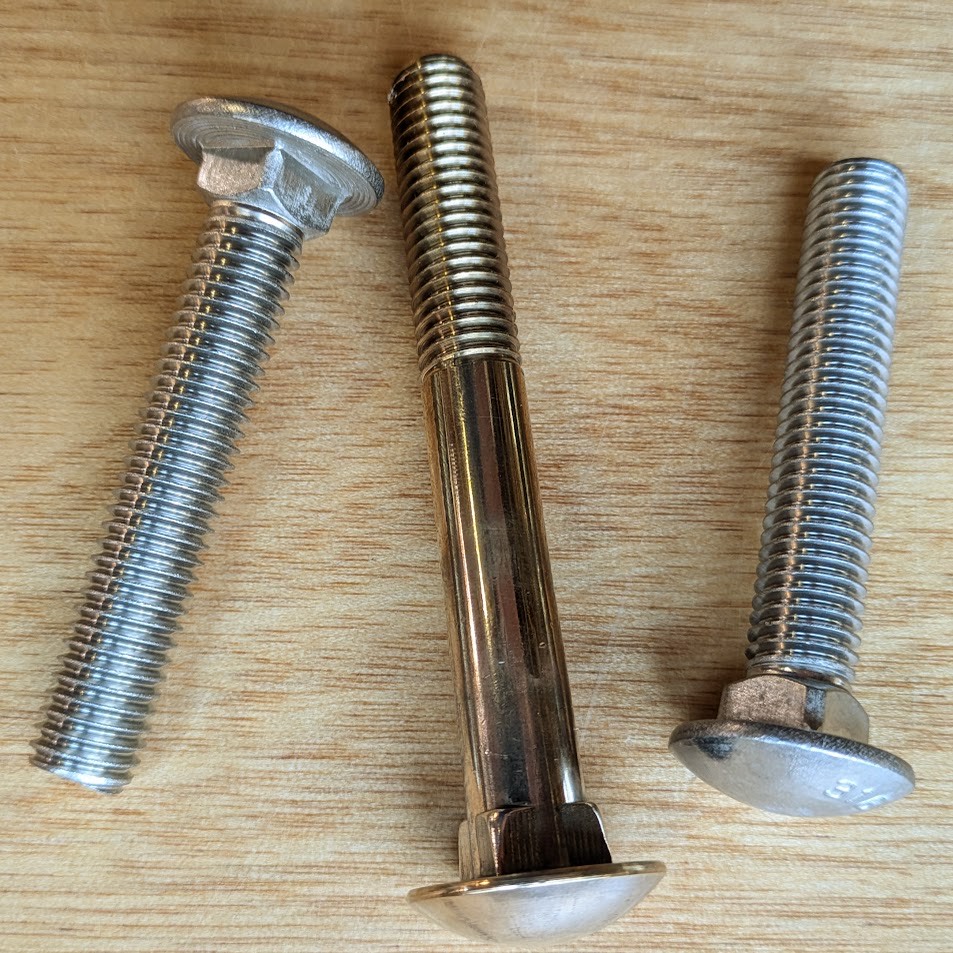
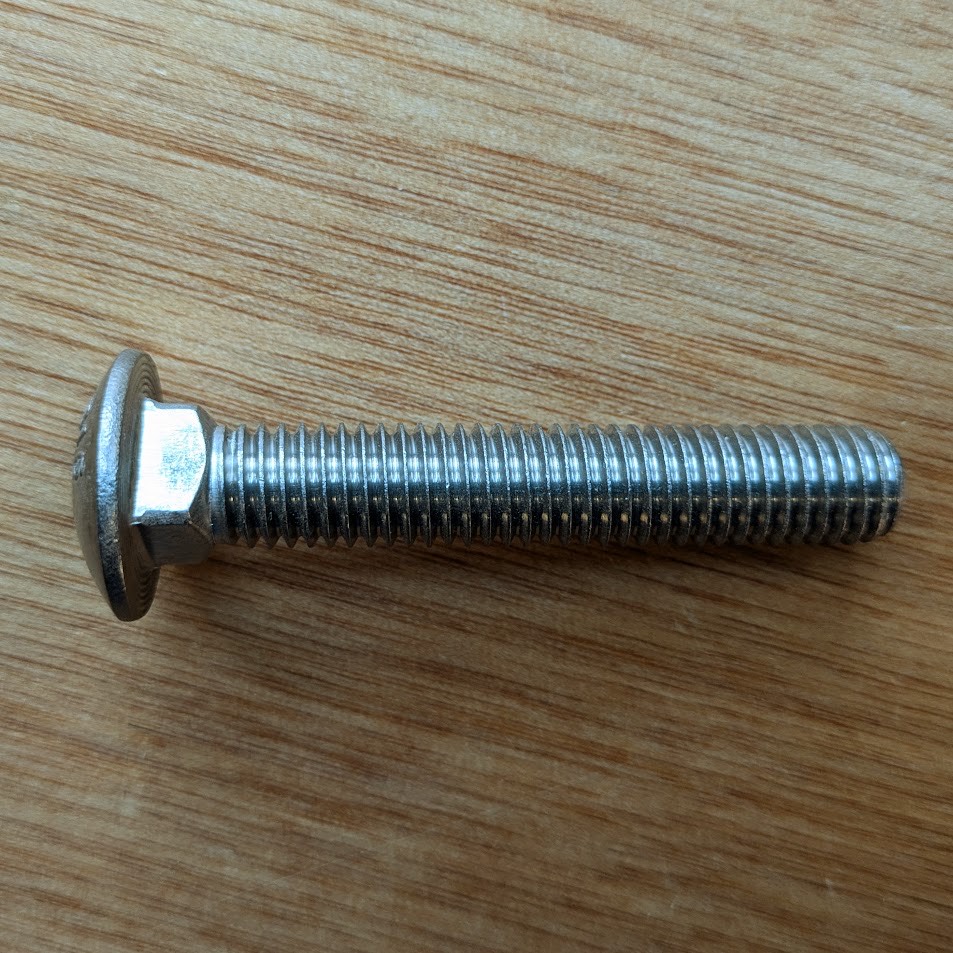
Carriage bolts, often recognized by their smooth, domed heads and square necks, are essential fasteners in many construction and woodworking projects. Though seemingly simple, these bolts have a rich history and a variety of applications that make them indispensable. Whether you’re a seasoned DIY enthusiast or a professional in the construction industry, understanding the nuances of carriage bolts can help you select the right fasteners for your projects. Here are 11 facts about carriage bolts that you should know.

1. Origins and Evolution

Carriage bolts have been used for centuries, with their origins tracing back to the early 19th century. Initially designed for use in wooden carriage and wagon construction—hence the name “carriage bolts”—these fasteners were crucial for holding together wooden components under heavy loads. The bolt’s design allowed it to be securely fastened without the need for additional tools to hold the bolt head in place. Over time, the use of carriage bolts has expanded beyond carriages and wagons to include a wide range of construction and industrial applications.

2. Unique Design Features

One of the most distinctive features of a carriage bolt is its domed, rounded head. This smooth head provides an aesthetic finish and eliminates sharp edges, making it ideal for applications where appearance matters, such as in furniture construction. Beneath the head, a square neck is designed to fit into a corresponding square hole or bite into the wood, preventing the bolt from spinning when a nut is tightened on the other end. This design feature allows for easy installation without needing a wrench or pliers to hold the bolt head in place.

3. Material Choices and Durability

Carriage bolts are manufactured from a variety of materials, each chosen for specific properties depending on the application. The most common materials include:

  • Steel: The most widely used material, steel carriage bolts are strong and versatile, suitable for many general-purpose applications.
  • Stainless Steel: For environments exposed to moisture, such as marine or outdoor settings, stainless steel carriage bolts are preferred for their corrosion resistance. Marine-grade 316 stainless steel is especially popular in coastal areas due to its superior resistance to saltwater corrosion.
  • Silicon Bronze: Often used in boat building and restoration, silicon bronze carriage bolts are valued for their resistance to seawater corrosion and their traditional, attractive appearance.

Each material offers different levels of strength, corrosion resistance, and aesthetic appeal, making it important to choose the right material for your specific application.

4. Applications in Woodworking

Carriage bolts are a staple in woodworking projects, particularly in furniture making, decking, and other structural wood applications. The square neck of the carriage bolt fits snugly into a pre-drilled hole in the wood, preventing the bolt from turning as the nut is tightened. This feature is especially useful in scenarios where only one side of the bolt is accessible during installation, such as in through-bolt applications. The rounded head of the carriage bolt also sits flush with the wood surface, reducing the risk of injury from protruding metal and giving a clean, finished appearance.

5. Common Uses in Construction

In construction, carriage bolts are frequently used in framing, fencing, and the assembly of wooden structures. Their design makes them ideal for securing wooden beams, posts, and panels together, providing a strong and stable connection. Carriage bolts are also commonly used in metal-to-wood connections, such as securing metal brackets to wooden posts. Their strength and ease of installation make them a popular choice for both professional builders and DIY enthusiasts.

6. Size and Thread Options

Carriage bolts come in a wide range of sizes to accommodate various applications. The length of the bolt is measured from the underside of the head to the tip, and diameters range from small (1/4 inch) to large (1/2 inch or more). Carriage bolts also feature coarse or fine threads, with coarse threads being more common for general-purpose use. Fine threads are typically used in applications requiring greater precision and holding power. It’s important to select the appropriate size and thread type for your specific project to ensure a secure and lasting connection.

7. Installation Tips and Tricks

Installing carriage bolts can be straightforward, but there are a few tips and tricks to ensure a smooth and secure installation:

  • Pre-drill a Pilot Hole: To avoid splitting the wood, always pre-drill a pilot hole slightly smaller than the bolt’s diameter. This also helps the square neck of the bolt to bite into the wood more effectively.
  • Use a Mallet: If the square neck doesn’t immediately engage with the wood, gently tap the head of the bolt with a mallet to seat it firmly into the wood. Avoid using a hammer, as this can damage the bolt head.
  • Tighten the Nut: Once the bolt is seated, use a wrench to tighten the nut on the opposite end. The square neck should prevent the bolt from spinning, but if you encounter resistance, check that the bolt is fully seated in the wood.

8. Corrosion Resistance

One of the primary reasons for choosing carriage bolts made from stainless steel or silicon bronze is their resistance to corrosion. In outdoor or marine environments, standard steel bolts can quickly rust, compromising the integrity of the structure they are holding together. Stainless steel, particularly marine-grade 316 stainless steel, offers excellent resistance to rust and corrosion, making it ideal for outdoor furniture, decking, and boat construction. Silicon bronze is another excellent option for maritime applications, as it not only resists corrosion but also develops a patina over time, adding to its aesthetic appeal.

9. Security Applications

Carriage bolts are often used in security applications because of their tamper-resistant design. The smooth, domed head of the bolt can only be accessed from one side, making it difficult to remove without the proper tools. This makes carriage bolts ideal for securing gates, doors, and other structures where unauthorized access is a concern. The square neck also prevents the bolt from being easily loosened from the outside, adding an extra layer of security.

10. Environmental Considerations

For environmentally conscious builders, the choice of material for carriage bolts can have a significant impact on the sustainability of a project. Stainless steel and silicon bronze are both highly durable and long-lasting, reducing the need for frequent replacements and minimizing waste. Additionally, both materials are recyclable, making them a more eco-friendly choice compared to some other materials. When selecting carriage bolts for a project, consider the environmental impact of the materials used and opt for sustainable options whenever possible.

11. Custom Manufacturing Options

While standard carriage bolts are readily available in a variety of sizes and materials, some projects require custom solutions. Custom manufacturing allows for carriage bolts to be produced in non-standard sizes, materials, or finishes to meet the specific needs of a project. For example, a historical restoration project might require silicon bronze carriage bolts with a particular patina to match existing hardware. Custom manufacturing can also produce carriage bolts with unique thread types, such as British Standard Fine (BSF) or British Standard Whitworth (BSW), which are not commonly available off the shelf.

Conclusion

Carriage bolts are more than just simple fasteners; they are versatile, durable, and essential components in a wide range of applications. Whether you’re working on a woodworking project, constructing a building, or securing a gate, understanding the unique features and benefits of carriage bolts can help you make the right choice for your needs. From their origins in carriage construction to their modern-day use in security and marine applications, carriage bolts have stood the test of time as a reliable and indispensable fastener. By considering factors such as material, size, and installation techniques, you can ensure that your carriage bolts provide a strong and lasting connection in any project.


Choosing the right forged fittings manufacturer is an important decision for your whole operation; this can be your piping system or any other industrial project. Forged fittings, which are essential components that join pipes, valves and other equipment in industries as diverse as oil and gas, petrochemicals, power generation, etc. It is one of the significant factors for completing your project, so you must be very careful while doing it at selection time. In this post, we will discuss the critical success factors needed to evaluate forged fittings manufacturers.

  • Quality and Certification Standards

The forged fittings manufacturer should follow the certified standards and quality, which will give your firm a good image. The rest have to follow procedures that are recognised internationally, like ASTM, ASME, or international organisation of standardisation (ISO) standards. These certifications will ensure that the fittings conform to material composition and mechanical properties and, more importantly, are fabricated following size-specific industrial standards. Manufacturers who follow specific quality control norms and get guidelines from independent third-party audits can certify that their products are consistently reliable, top-notch goods.

  • Material Selection and Traceability

Materials used and quality of forged fittings, when you are in search of a reliable valve manufacturer, you can still count on the manufacturer that will certainly supply different variations of materials, including stainless steel for steel metal fabrication, carbon steel or alloy steels, with other unique materials most suitable according to requirements. It also applies to the traceability of these materials. A great manufacturer will have top-notch documentation about the suppliers of materials, how they were processed and whether or not you are meeting your local standards. Traceability must be ensured to ensure the integrity of their fitting and any problems that could arise with this equipment during its life on the field.

  • Manufacturing Capabilities and Technology

This process was carried out under advanced manufacturing capabilities and with state-of-the-art technology from test indicators to manufacture perfectly forged fittings accordingly. Look at their modern processing facilities and see if they have updated forging equipment, do heat treatment on-site, and offer CNC machining services to deliver accurate parts. Technology such as Computer Numerical Control (CNC) machining and automated inspection systems manufacture fittings that provide consistent, precise measurements. The company should be able to create such limited modifications that may make them particularly so, in addition to producing custom fittings that would be ideal for every specific situation, usually very well, just since they are consistently precise when most needed.

  • Experience and Expertise

When selecting a forged fittings manufacturer, you must consider their experience in this sector. Their experience with the vendors who have done stuff will probably have a bump or two and get better due to more obstacles. Their process would be polished based on their failures over time. A professional brand would have lent sophistication to their combined experience and weighed them to ensure that forged fittings last long enough in natural elements. A trend check with the eye nuts manufacturer and eye bolts manufacturer, client testimonials and case studies can even give you an idea of their experience manufacturing forged fittings for similar applications.

  • Product Range and Customisation

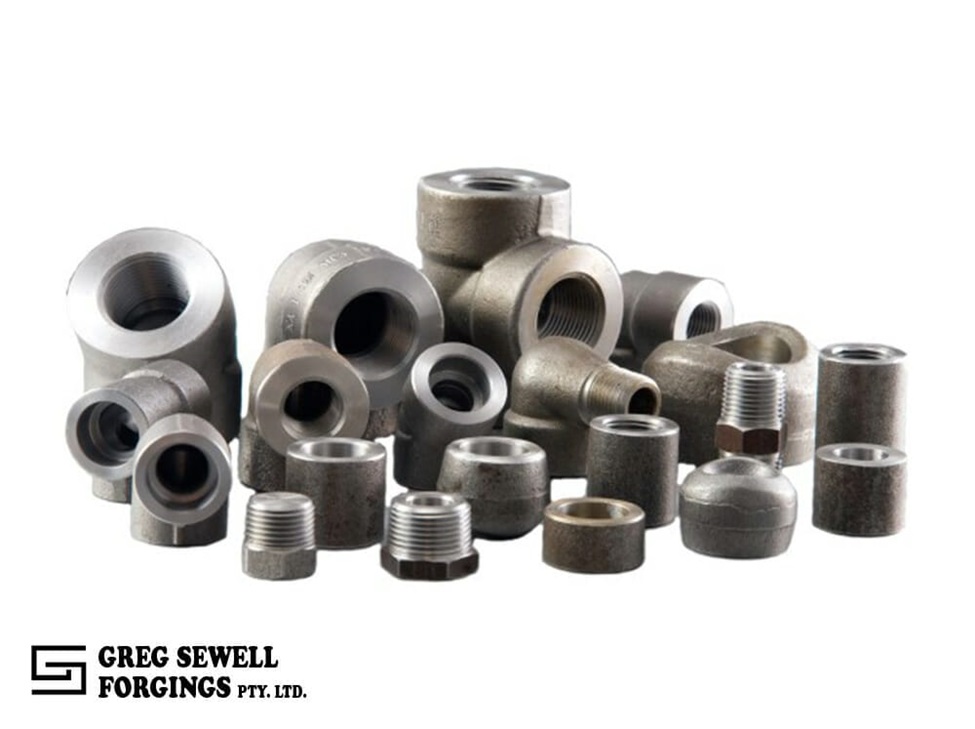
This indicates the manufacturer’s ability to satisfy any site-specific requirements. Does the manufacturer offer a full suite of forged fittings, such as elbows, tees, couplings, reducers, and caps, in sizes and pressure ratings? It is also necessary that they fulfil the performance criteria, which may include specific material grades, dimensions, or surface treatments, and be able to properly integrate our fittings with an existing design.  

  • Technical Support and Customer Service

The forged fittings manufacturer should offer good technical support and prompt customer service. When the fittings being utilised are required to meet specific guidelines, your manufacturer must be able to support you with design selection and technical assistance during installation—responsive customer support to assess whether we are on the same page regarding delivery throughout the project. A market need exists for companies with a high commitment to customer care and demonstrated support relationships.

  • Lead Times and Delivery Reliability

Projects also need to work on schedules; delivering everything at the right time is one of the least costly ways to maintain a schedule. A dependable supplier offers fittings as well, since they have the most appropriate production scheduling and logistics in place to produce fittings. They do this by assessing the manufacturer, manufacturing lead time, and delivery performance history. You may also want to examine their ability or another effort by them when they organise an urgent order of yours, and it is most probably crucial for you because of the short demand for your project.

  • Cost and Value

Price is the most important factor, but only some things, whenever you choose a forged fittings manufacturer based only on cost criteria. It should include the complete package, from the quality of form setup to technical support, tailor-made options, and delivery reliability. While it may cost a little more upfront, forged fittings demonstrate substantial performance enhancement over the life of your operation, which means radically reduced maintenance costs. Consider the total cost of ownership, not just the purchase price

  • Compliance with Environmental and Safety Standards

In a constantly changing world, ensuring safety and environmental compliance is more vital than ever in the manufacturing industry. Therefore, you should opt for a forged fittings manufacturer that complies with all environment-related regulations and does not harm the earth. Ensure the manufacturer follows stringent safety procedures (not to endanger the lives of their staff or spoil anyone researching how forged fittings are manufactured and coupled). Full compliance with environmental and safety regulations is a testament to the manufacturer´s credibility regarding socially responsible activities.

Conclusion

Selecting the right forged fittings, stainless steel fittings manufacturer is crucial, which will reflect your project quality and productivity. As the forged fittings have such an important role to play in your plumbing system, you will require a detailed analysis of who is manufacturing them at present as far as quality standards are concerned so that when material selection for manufacture comes under consideration or experience, you will know which one-stop shop you should choose from. Placing such critical elements in the right place will help you build a successful partnership with your manufacturer and find one that contributes at all stages of making success for projects.


In the evolving world of architecture and construction, sustainability has become more than just a trend—it’s a necessity. As the industry moves towards greener practices, the demand for sustainably sourced materials has surged, with timber being at the forefront of this movement. Timber, especially hardwood, has long been a preferred material for its versatility, durability, and aesthetic appeal. However, in today’s eco-conscious market, the focus has shifted towards not just using timber, but ensuring that it is sourced sustainably. In this blog, we’ll explore why sustainably sourced timber matters in modern construction and how it benefits not only the environment but also builders, architects, and end-users.

The Importance of Sustainable Construction

Sustainable construction refers to the use of environmentally responsible and resource-efficient processes throughout the life cycle of a building—from design and construction to operation, maintenance, and deconstruction. The goal is to reduce the overall impact on the environment and human health by making informed choices about materials, energy use, water consumption, and waste management.

One of the critical aspects of sustainable construction is the choice of building materials. Timber, being a natural and renewable resource, plays a significant role in this. However, not all timber is created equal. The key to truly sustainable construction lies in sourcing timber that is harvested responsibly, with minimal environmental impact.

What is Sustainably Sourced Timber?

Sustainably sourced timber comes from forests that are managed in a way that maintains the biodiversity, productivity, and ecological processes of the environment. These forests are harvested in a manner that ensures they can regenerate naturally or through controlled replanting, maintaining the forest’s health and longevity for future generations.

Certifications such as FSC (Forest Stewardship Council) and PEFC (Programme for the Endorsement of Forest Certification) are globally recognized standards that ensure timber is sourced sustainably. These certifications guarantee that the timber has been harvested in compliance with strict environmental, social, and economic standards.

The Benefits of Using Sustainably Sourced Timber in Construction

1. Environmental Preservation

The most apparent benefit of using sustainably sourced timber is its positive impact on the environment. Unsustainable logging practices lead to deforestation, loss of biodiversity, and disruption of ecosystems. By choosing sustainably sourced timber, builders and architects contribute to the preservation of forests, which play a crucial role in carbon sequestration, oxygen production, and maintaining the earth’s climate balance.

Forests act as carbon sinks, absorbing CO2 from the atmosphere and storing it within the trees. When timber is sustainably harvested and used in construction, the carbon remains stored in the wood, reducing the overall carbon footprint of the building. This makes sustainably sourced timber a key player in the fight against climate change.

2. Supporting Responsible Timber Suppliers

By opting for sustainably sourced timber, you support responsible timber suppliers who are committed to ethical practices. These suppliers invest in the long-term health of forests, ensuring that they can continue to provide timber for generations to come. Supporting such suppliers also helps to reduce the market for illegally logged or unethically sourced timber, which can have devastating effects on the environment and local communities.

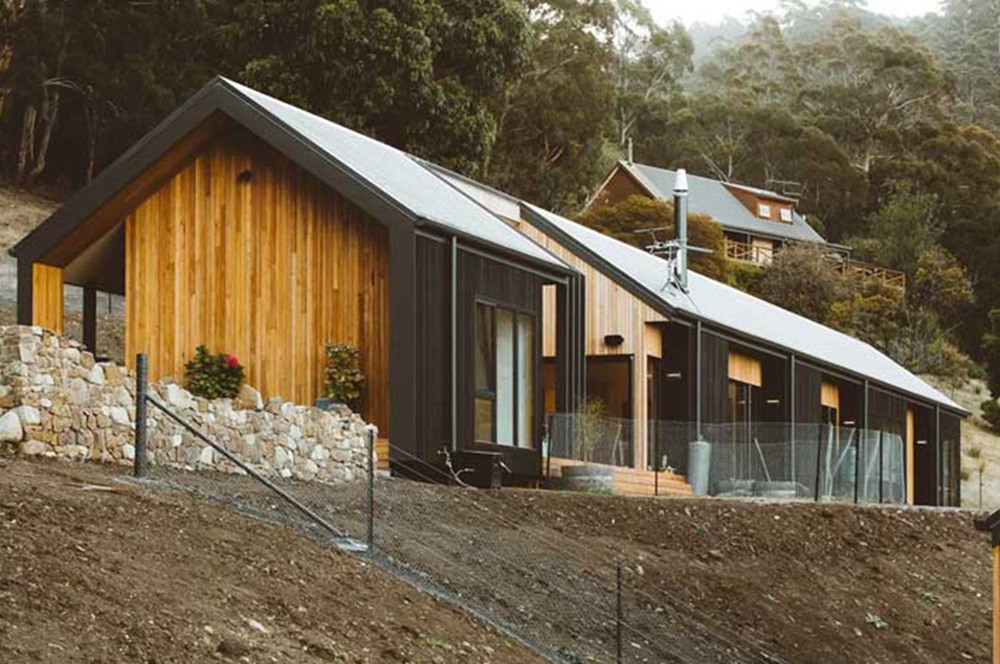
At Mortlock Timber, we are proud to be part of this movement. Our commitment to sustainability is reflected in our range of products, including Mortlock timber cladding, which is sourced from certified, responsibly managed forests. By choosing our products, you are not only enhancing the beauty and durability of your construction projects but also contributing to a sustainable future.

3. Enhanced Building Performance

Sustainably sourced timber is not only environmentally friendly but also of high quality. Trees that are harvested responsibly are often healthier and produce stronger, more durable wood. This is particularly important for hardwood, which is known for its longevity and resistance to wear and tear.

When used in construction, sustainably sourced timber offers excellent thermal and acoustic insulation properties, contributing to the energy efficiency and comfort of a building. Timber’s natural ability to regulate humidity also helps to create healthier indoor environments, reducing the need for artificial climate control systems.

4. Economic Advantages

In addition to its environmental and performance benefits, sustainably sourced timber can also offer economic advantages. As awareness of environmental issues grows, buildings that incorporate sustainable materials are becoming more desirable. This can enhance the market value of properties and attract eco-conscious buyers or tenants.

Moreover, many governments and regulatory bodies are introducing incentives and certifications for sustainable construction practices. Buildings that meet these standards may qualify for tax breaks, grants, or other financial benefits, making sustainably sourced timber a cost-effective choice in the long run.

5. Promoting Sustainable Development

The use of sustainably sourced timber aligns with the broader goals of sustainable development, which seeks to balance economic growth with environmental protection and social equity. By choosing sustainable materials, the construction industry can contribute to the development of communities that are resilient, inclusive, and capable of meeting the needs of both present and future generations.

Timber suppliers who prioritize sustainability often engage in practices that benefit local communities, such as providing fair wages, supporting education and healthcare, and protecting indigenous rights. When you choose sustainably sourced timber, you are supporting these initiatives and promoting a more equitable and sustainable global economy.

The Role of Hardwood in Sustainable Construction

Hardwood is a popular choice in construction due to its durability, aesthetic appeal, and strength. Species such as oak, maple, and teak are known for their resilience and beauty, making them ideal for high-traffic areas, structural components, and finishes.

When sourced sustainably, hardwood becomes even more valuable. Sustainably harvested hardwood ensures that forests are not depleted and that the natural balance of the ecosystem is maintained. Additionally, hardwood’s longevity means that it does not need to be replaced as often as other materials, reducing the overall environmental impact of a building over its lifetime.

Making the Right Choice: Working with Sustainable Timber Suppliers

As the demand for sustainable construction materials grows, it is crucial to work with timber suppliers who are committed to ethical sourcing and environmental stewardship. Choosing a reputable supplier ensures that the timber you use in your projects meets the highest standards of sustainability.

When selecting a timber supplier, look for certifications like FSC or PEFC, and ask about their sourcing practices. A reliable supplier will be transparent about where their timber comes from and how it is harvested. By making informed choices, you can ensure that your construction projects are both beautiful and sustainable.

At Mortlock Timber, we are dedicated to providing high-quality, sustainably sourced timber products. Whether you are looking for Mortlock timber cladding or other timber solutions, we offer a range of products that meet the rigorous standards of sustainable construction. Our commitment to sustainability ensures that you can build with confidence, knowing that you are making a positive impact on the environment and supporting ethical practices in the timber industry.

Conclusion

Sustainably sourced timber is more than just a material—it’s a commitment to responsible construction and environmental stewardship. As the construction industry continues to evolve, the importance of choosing sustainable materials like timber cannot be overstated. By prioritizing sustainability in your projects, you are contributing to a healthier planet, supporting responsible practices, and creating buildings that stand the test of time.

Incorporate sustainably sourced timber into your next project and experience the difference it makes. Whether you are an architect, builder, or homeowner, the choice to use sustainable timber is a step towards a better future for all.